

4140 Alloy Steel: High-Strength Cr-Mo Solutions
Finding a material that handles extreme stress without sacrificing toughness is a constant challenge in precision engineering. 4140 alloy steel is the definitive answer. This chromium-molybdenum (Cr-Mo) low-alloy steel is engineered for reliability, offering a superior balance of strength and ductility that we provide to meet the most demanding industrial standards.
Key Benefits of AISI 4140
- Exceptional Fatigue Strength: Designed to endure high-cycle loading without structural failure.
- High Abrasion Resistance: Maintains surface hardness and integrity even under heavy wear and friction.
- Superior Torsional Performance: Provides the necessary resilience for shafts and rotating parts subjected to twisting.
- Excellent Hardenability: Responds perfectly to heat treatment, ensuring deep hardness through the cross-section.
Standard Industry Designations
We supply this versatile grade under several internationally recognized standards to ensure global compatibility and material traceability:
- AISI 4140 / SAE 4140
- UNS G41400
- 42CrMo4 (International equivalent)
As a leading supplier, we maintain a massive inventory of 4140 alloy steel to ensure your production lines never face delays. Whether you require raw round bars or precision-cut blocks, our Cr-Mo steel solutions deliver the rugged performance your high-stress applications demand.
4140 Chemical Composition and Elemental Breakdown
The performance of AISI 4140 steel is rooted in its precise chemical makeup. As a premier 4140 Cr-Mo steel, the balance of chromium and molybdenum ensures the material can handle high-stress environments and extreme fatigue without failing.
Key Alloying Elements and Their Roles
The specific chemistry of 4140 alloy steel allows it to reach a high level of toughness and wear resistance that standard carbon steels cannot match. We maintain a massive inventory of high-performance alloy steel to ensure your project receives materials with consistent elemental properties.
- Chromium (Cr): This is the primary agent for increasing hardenability. It significantly improves the steel’s resistance to abrasion and surface wear.
- Molybdenum (Mo): Crucial for enhancing deep-hardening characteristics. It increases the material’s strength at elevated temperatures and prevents embrittlement during heat treatment.
- Carbon (C): Provides the necessary strength and hardness required for structural and mechanical components.
- Manganese (Mn): Acts as a deoxidizer and works alongside chromium to increase the depth of hardening during the quenching process.
- Silicon (Si): Improves the strength of the ferrite and acts as a stabilizer during the melting process.
Impact on Material Performance
The 4140 chemical composition is engineered specifically for versatility in the shop and reliability in the field. By sourcing from our factory-direct stock, you get material where the alloying elements are optimized for:
- Superior Hardenability: Ensuring uniform hardness from the surface to the core.
- High Fatigue Strength: Withstanding cyclic loading in shafts and gears.
- Atmospheric Corrosion Resistance: Providing better durability in harsh industrial environments compared to basic steels.
- Machinability: Maintaining excellent performance during precision milling and grinding processes.
We guarantee full material traceability and adherence to strict quality standards, ensuring that every piece of 4140 alloy steel meets the rigorous chemical requirements needed for your specific industrial applications.
Mechanical Properties of AISI 4140 Steel
The mechanical performance of our 4140 alloy steel is highly versatile, as it responds exceptionally well to different thermal treatments. We supply this material in conditions tailored to your specific stress requirements, ensuring the final part stands up to heavy-duty industrial use. If you are evaluating how this grade stacks up against other specialized materials, our 4140 stainless steel guide on properties and uses provides a detailed breakdown of the key differences you need to know.
Core Strength and Durability Metrics
- Tensile Strength: High resistance to pulling forces, essential for structural reliability.
- Yield Strength: Excellent ability to withstand loads without permanent deformation.
- Elongation: Sufficient ductility in the annealed state for easier forming and processing.
- Impact Toughness: Superior performance and crack resistance, even in low-temperature environments.
Performance by Supply Condition
We provide 4140 alloy steel in three primary conditions to match your manufacturing workflow:
- Annealed: This state offers the lowest hardness and maximum ductility. We recommend this for projects requiring extensive machining or cold working.
- Normalized: We use this process to create a uniform grain structure. It results in moderate strength and better stability for parts that will undergo further heat treatment.
- Quenched & Tempered (Q&T): This is our high-performance condition. It delivers the maximum fatigue strength and abrasion resistance required for critical components like gears, bolts, and crankshafts.
Our 4140 material is engineered to maintain a high strength-to-weight ratio, ensuring that whether it is in a pre-hardened or custom-treated state, it meets the strict mechanical standards of the automotive and oil and gas industries.
Physical Properties of 4140 Alloy Steel
Understanding the physical profile of material 4140 alloy steel is essential for ensuring the stability of your precision-machined parts. These properties dictate how the steel reacts to heat and stress during our in-house processing and your final application.
- Density: Approximately 7.85 g/cm³ (0.284 lb/in³), providing the weight and substance needed for high-impact applications.
- Modulus of Elasticity: Typically ranges between 190-210 GPa (27,557-30,458 ksi), ensuring high rigidity under heavy loads.
- Thermal Conductivity: This steel offers efficient heat transfer capabilities, making it highly responsive to our vacuum heat treatment, quenching, and tempering stages.
- Thermal Expansion: Predictable expansion coefficients ensure that a 4140 steel plate or customized block retains its dimensional integrity even under fluctuating thermal loads.
These physical traits support the high fatigue strength and atmospheric corrosion resistance our clients expect. For those comparing different material behaviors for their projects, our guide on alloy types and properties provides deeper insights into how material selection affects overall performance. We ensure every piece of 4140 alloy steel we ship meets the rigorous physical standards required for your specific industrial tolerances.
4140 Alloy Steel Supply Range and Delivery Options
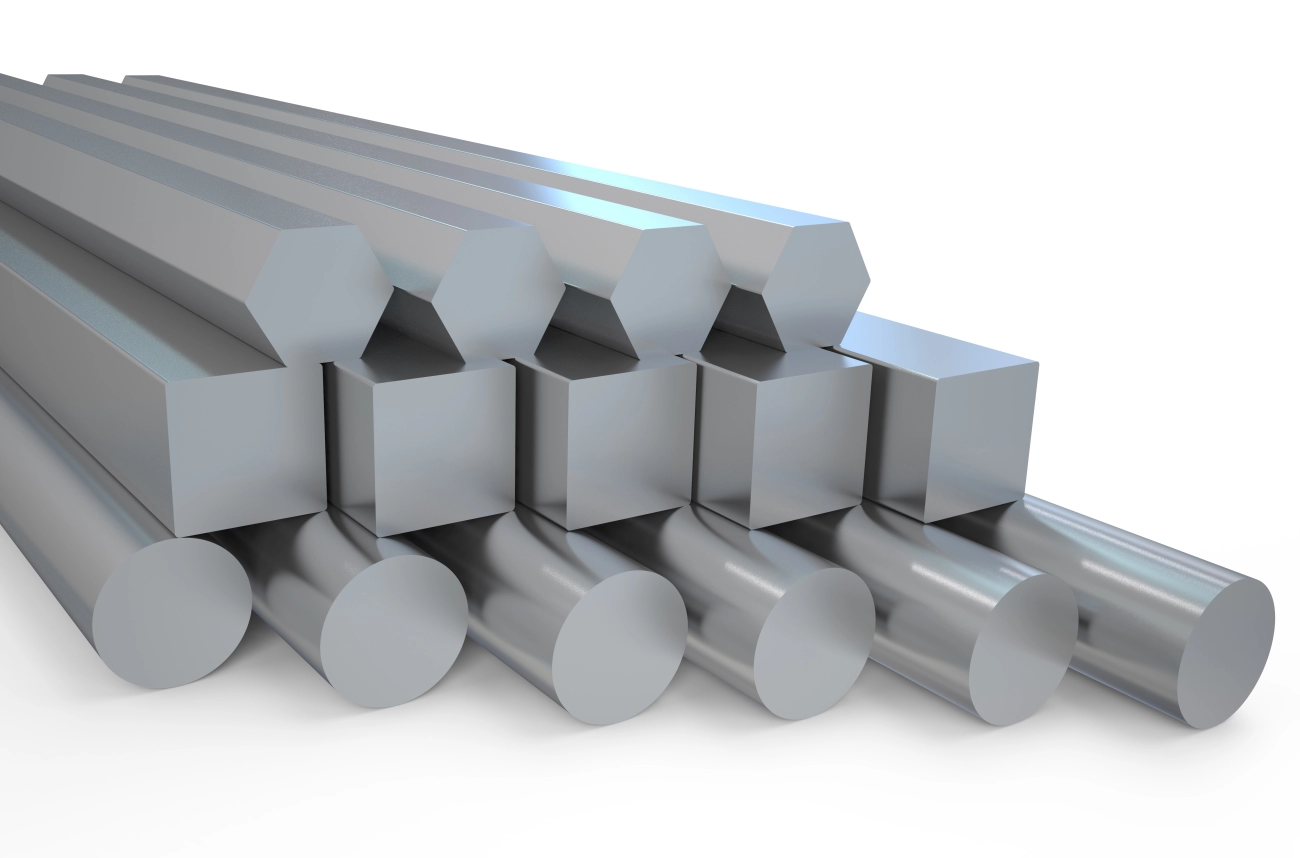
We maintain a massive inventory of 4140 alloy steel to ensure immediate dispatch for any project scale. With over 30,000 tons of material in stock, we serve as a primary 4140 steel supplier providing factory-direct wholesale and retail solutions. Our supply chain is built for speed and reliability, catering to the specific tolerances required by industrial manufacturers.
Available Product Forms
- 4140 Round Bar: Wide diameter range suitable for high-strength shafts and gears.
- 4140 Steel Plate & Sheets: Available in various thicknesses for structural and machine components.
- Custom Blocks & Forgings: Tailored shapes and forged blocks for heavy-duty applications requiring superior internal integrity.
Delivery Conditions
We supply material in several conditions to match your specific production workflow:
- Hot Rolled: Standard mill finish for further processing or forging.
- Forged: Optimized grain structure for parts facing extreme stress.
- 4140 Prehardened: Heat-treated at the factory to specific hardness levels, reducing your internal processing time.
Beyond raw material supply, we offer a one-stop solution that includes precision cutting and precision CNC machining services to deliver near-net-shape components. Every order can be customized with surface treatments such as fine milling, grinding, and polishing to meet your exact engineering specifications. All materials are fully traceable and adhere to strict ISO9001 quality standards.
4140 Heat Treatment Guidelines
Proper heat treatment is what unlocks the full potential of 4140 alloy steel. We provide comprehensive thermal processing services, including vacuum heat treatment, to ensure the material achieves the exact balance of hardness and ductility required for your specific application.
Annealing and Normalizing
To prepare 4140 alloy steel for precision machining, we use annealing and normalizing to refine the grain structure and reduce internal stresses.
- Annealing: We heat the steel to a range of 1450°F–1600°F followed by a controlled slow furnace cool. This results in a softer material with maximum machinability.
- Normalizing: This process involves heating the steel to approximately 1600°F–1700°F and cooling it in still air. It ensures a uniform grain structure across the entire batch, preparing the steel for subsequent hardening stages.
Hardening and Tempering (Quenching)
The 4140 quenched and tempered condition is the most common state for high-stress industrial components.
- Hardening: We heat the material to 1500°F–1600°F and quench it in oil. This rapid cooling transforms the structure into martensite, significantly increasing the strength.
- Tempering: Following the quench, the steel is reheated to a lower temperature (typically between 400°F and 1200°F) to achieve the target hardness and improve toughness.
Hardness vs. Tempering Temperature
The final 4140 hardness is directly determined by the tempering temperature. By adjusting these parameters, we can provide custom blocks or bars that meet specific HRC requirements.
| Tempering Temp (°F) | Typical Hardness (HRC) |
|---|---|
| 400°F | 50–55 HRC |
| 600°F | 45–50 HRC |
| 800°F | 40–45 HRC |
| 1000°F | 30–35 HRC |
| 1200°F | 20–25 HRC |
Once the thermal cycle is complete, we often apply precision surface treatments to enhance the wear resistance and aesthetic finish of the 4140 components before delivery. Our expert technical support team provides specific guidance on heat treatment parameters to ensure your parts survive the most demanding fatigue environments.
Machining, Welding, and Fabrication of 4140 Alloy Steel
Machinability Ratings
4140 alloy steel is known for its excellent performance in machining and grinding processes. In the annealed condition, it holds a machinability rating of roughly 65% compared to B1112 carbon steel. We offer specialized machining and casting for tight tolerances to ensure your 4140 components meet exact engineering specs.
- Annealed State: Ideal for high-speed cutting and complex milling.
- Pre-hardened State: Best for parts requiring high surface finish quality and dimensional stability without further heat treatment.
Welding Procedures for 4140
Welding AISI 4140 steel is effective but requires strict thermal management to prevent cracking in the heat-affected zone (HAZ).
- Preheating: We recommend preheating the material to 400°F–600°F (200°C–300°C) depending on the thickness of the section.
- Filler Material: Use low-hydrogen electrodes to minimize the risk of hydrogen embrittlement.
- Post-Weld Heat Treatment (PWHT): To maintain the high fatigue strength of the SAE 4140 alloy, parts should be slow-cooled and tempered immediately after welding to relieve internal stresses.
Forming and Forging Guidelines
Our 4140 alloy steel maintains superior structural integrity during hot-working processes.
- Forging: Should be performed at temperatures between 1700°F and 2200°F (925°C to 1200°C).
- Cooling Control: After forging, parts must be cooled slowly in a controlled environment like sand or a furnace to avoid thermal stress cracks.
- Cold Forming: In its annealed state, 4140 exhibits good ductility, making it suitable for conventional bending and forming operations.
We combine precision cutting, fine milling, and vacuum heat treatment to deliver 4140 steel that is fabrication-ready, reducing your lead times and processing costs.
4140 Alloy Steel Applications and Industries
4140 alloy steel is the primary choice for heavy-duty components across the American industrial landscape. Its high fatigue strength and impact resistance make it indispensable for parts that endure constant stress. We provide this material to shops and manufacturers who need a reliable Cr-Mo steel that maintains its integrity in high-torque and high-load environments.
Common Components and Hardware
- Power Transmission: Heavy-duty shafts, precision gears, and rugged axles.
- Industrial Fasteners: High-tensile bolts, studs, and nuts used in structural assemblies.
- Engine Parts: Crankshafts, connecting rods, and steering knuckles.
- Tooling: Collets, ejector pins, and various structural tool holders.
Core Industry Focus
Our inventory of 4140 alloy steel supports the most demanding sectors in the country:
- Automotive: We supply high-strength material for drivetrain components and performance racing parts that require superior torsional strength.
- Oil & Gas: Used extensively for drill collars, tool joints, and valve components. When evaluating alloy steel vs stainless steel for downhole tools, 4140 is often preferred for its exceptional hardenability and toughness.
- Aerospace: Critical for landing gear parts and structural fittings where material reliability is a safety requirement.
- Manufacturing & Machinery: Essential for hydraulic machinery parts, conveyor rollers, and large-scale industrial gears.
By maintaining a massive stock of 4140 in various forms, we ensure that these critical industries keep moving without delays in the supply chain.
4140 Alloy Steel Material Comparisons and Equivalents
Choosing the right grade depends on your specific performance requirements. While 4140 alloy steel is our most versatile Cr-Mo grade, understanding how it stacks up against 4130 and 4340 helps you optimize for strength, toughness, or weldability.
4140 vs. 4130 vs. 4340
- 4140 vs. 4130: 4130 has a lower carbon content (approx. 0.30%), making it easier to weld but less hardenable. 4140 steel (approx. 0.40% carbon) offers higher strength and better wear resistance after heat treatment.
- 4140 vs. 4340: 4340 is a nickel-chromium-molybdenum alloy. The addition of nickel provides better toughness and superior through-hardening in very thick sections where 4140 might lose core strength.
| Feature | AISI 4130 | AISI 4140 | AISI 4340 |
|---|---|---|---|
| Carbon Content | Lower (~0.30%) | Medium (~0.40%) | Medium (~0.40%) |
| Hardenability | Moderate | High | Superior |
| Weldability | Excellent | Good (Requires Preheat) | Fair (Difficult) |
| Toughness | High | High | Very High |
International Equivalent Grades
We supply 4140 alloy steel that meets or exceeds global standards. If your project specifications call for international designations, these are the direct functional equivalents we provide from our inventory:
| Standard | Equivalent Grade |
|---|---|
| European (EN/DIN) | 42CrMo4 / 1.7225 |
| Japanese (JIS) | SCM440 |
| Chinese (GB) | 42CrMo |
| British (BS) | 708M40 / EN19 |
For businesses evaluating different manufacturing routes, our expertise as a leading steel casting company ensures that whether you need forged bars, plates, or customized blocks, the chemical integrity and mechanical properties of your 4140 material remain uncompromised. We maintain strict traceability to ensure every cross-referenced grade performs exactly as the application demands.
Standards and Quality Certifications for 4140 Alloy Steel
We maintain rigorous control over every piece of material that leaves our facility. Our 4140 alloy steel is manufactured and supplied in strict accordance with recognized global standards, ensuring it meets the high-performance demands of the United States industrial market.
- Standard Compliance: We supply material that adheres to ASTM A29, AISI/SAE, and AMS specifications. This ensures the Cr-Mo chemistry and mechanical integrity are consistent across every batch.
- Mill Test Certificates (MTC): Transparency is non-negotiable. Every order includes a comprehensive Mill Test Certificate, providing full traceability from the raw melt to the finished product.
- ISO 9001 Certification: Our quality management systems are certified to ISO 9001 standards, focusing on precision, reliability, and continuous improvement.
Our commitment to excellence involves detailed testing and quality assurance protocols to verify hardness, tensile strength, and internal soundness. When you source AISI 4140 steel from us, you are getting a product that has been vetted through professional inspections and verified by industry-standard documentation. We don’t just supply steel; we provide the peace of mind that comes with verified material performance and full audit readiness.
Why Choose vastmaterial for 4140 Alloy Steel?
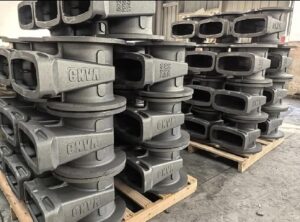
We are a premier 4140 alloy steel supplier with a massive inventory exceeding 30,000 tons. Our factory-direct model eliminates middlemen, ensuring you receive the most competitive wholesale and retail pricing for material 4140 alloy steel. We focus on delivering high-quality Cr-Mo solutions with the shortest possible lead times to keep your operations running smoothly.
One-Stop Industrial Solutions
We provide a comprehensive service chain that covers everything from raw material sourcing to precision machining. Our facility is equipped for custom cutting, fine milling, grinding, and polishing to meet your exact dimensional tolerances. Beyond basic supply, we offer specialized high-temperature nickel alloy springs machining service and other precision engineering capabilities for complex industrial requirements.
| Service Feature | vastmaterial Advantage |
|---|---|
| Inventory | 30,000+ tons of 4140 round bar, plates, and custom blocks |
| Processing | Precision CNC cutting, milling, and surface grinding |
| Thermal Treatment | Expert vacuum heat treatment, quenching, and tempering |
| Quality Control | ISO9001 certified with strict material traceability |
| Pricing | Direct factory wholesale rates for bulk and retail orders |
Technical Expertise and Global Reach
Our technical team provides expert guidance on heat treatment parameters and material selection to ensure your 4140 alloy steel performs perfectly under high-stress conditions. We serve the United States and international markets with efficient logistics and rapid response times. When you partner with us, you gain access to high-strength, reliable materials backed by professional technical support and a commitment to quality assurance.
4140 Alloy Steel FAQ
As a leading 4140 steel supplier, we handle frequent technical inquiries regarding the performance and processing of this Cr-Mo grade. Below are the essential facts for your project planning.
What is the difference between Annealed and Q&T 4140?
Choosing the right supply condition depends on your machining capabilities and final part requirements:
- Annealed 4140: This material is processed to be as soft as possible. It offers the best machinability, making it the preferred choice for complex shapes. However, it must undergo 4140 heat treatment after machining to reach high strength levels.
- Quenched and Tempered (Q&T): Also known as 4140 prehardened steel. We supply this in a ready-to-use state. It eliminates the need for further heat treatment, reducing the risk of part distortion or cracking, though it is harder on your cutting tools.
Typical 4140 Hardness Levels
Hardness varies significantly based on the thermal processing applied to the AISI 4140 steel.
| Condition | Hardness (Typical) | Best Use Case |
|---|---|---|
| Annealed | ≤ 217 HBW | Complex milling and drilling |
| Pre-hardened (Q&T) | 28 – 32 HRC | Heavy-duty shafts and bolts |
| Fully Hardened | 50 – 55 HRC | High-wear industrial components |
Is 4140 alloy steel weldable?
Yes, but it requires specific procedures due to its hardenability. 4140 alloy steel can crack if welded cold. We recommend:
- Preheating: Maintain a temperature between 400°F and 600°F.
- Post-Weld Heat Treatment (PWHT): Slow cooling and stress-relieving are mandatory to maintain the integrity of the 4140 quenched and tempered properties.
- Filler Metal: Use low-hydrogen electrodes to prevent hydrogen embrittlement.
Why source 4140 from us?
We maintain a massive inventory of material 4140 alloy steel in round bars and plates. Our facility provides precision cutting and custom milling to ensure your stock arrives at the exact tolerances your application demands. By sourcing directly from our factory, you benefit from consistent chemistry and fully traceable mill test certificates.
Reviews
There are no reviews yet.