

4340 Metal: The Ultimate High-Strength Alloy Steel
When your project demands a material that won’t fail under extreme stress, 4340 metal is the industry standard. As a premier supplier of high-strength structural steels, we provide AISI 4340 in various forms, including round bars, plates, and custom-cut blocks. This nickel-chromium-molybdenum alloy is engineered for components that require a superior combination of strength, toughness, and wear resistance.
Why 4340 Steel Dominates Tough Applications
In the world of heavy machinery and aerospace, “tough” isn’t just a buzzword—it’s a requirement. AISI 4340 steel stands out because it maintains its mechanical integrity in environments where carbon steels or lesser alloys would fracture.
- Superior Toughness: It resists brittle fracture even at low temperatures.
- High Ductility: Unlike many high-strength metals, 4340 can be formed and machined effectively when annealed.
- Deep Hardening: The inclusion of nickel and molybdenum ensures that the material achieves uniform properties throughout the entire cross-section.
Deep Hardenability and Fatigue Resistance
One of the primary reasons we recommend 4340 alloy steel for critical parts is its exceptional hardenability. While other alloys might only harden on the surface, 4340 develops high strength deep into the core of large diameter sections.
Key Performance Factors:
- Fatigue Resistance: Excellent resistance to cyclic loading, making it the go-to for crankshafts and transmission gears.
- Heat Treatment Versatility: We supply this material in Quenched and Tempered (Q+T) or Annealed states, depending on your specific machining and strength requirements.
- Impact Strength: It absorbs energy efficiently, protecting high-value assemblies from sudden shocks or impact loads.
By choosing our high-quality nickel chromium molybdenum steel, you are investing in a material that has been rigorously tested and verified with full Material Test Certificates (MTC). Whether you are manufacturing aircraft landing gear or heavy-duty power transmission shafts, our 4340 metal provides the reliability your reputation depends on.
Key Features and Performance of 4340 Metal
When your project demands a material that won’t fail under pressure, 4340 metal is the industry standard. This nickel-chromium-molybdenum steel is engineered for high-stress environments where ordinary alloys fall short. We supply this grade to industries that require a perfect balance of ductility, toughness, and extreme strength.
Superior Performance in Heavy Sections
One of the biggest reasons engineers choose AISI 4340 steel over other grades is its deep hardenability. While many steels lose their properties as the section size increases, 4340 maintains high strength throughout the entire cross-section.
- Uniform Hardness: Unlike 4140, which may only harden on the surface in large diameters, 4340 ensures consistent mechanical properties even in massive forged blocks or large round bars.
- Better Depth of Hardening: The specific addition of nickel allows for much deeper heat treatment penetration compared to standard chrome-moly steels.
- Reliable Performance: Understanding the key differences between 4340 and 4140 is essential for choosing the right metal for heavy-duty structural components.
Impact Resistance and Wear Properties
We provide 4340 alloy steel that stands up to the most brutal operating conditions. It doesn’t just resist breaking; it resists wearing down over thousands of cycles.
- High Fatigue Strength: This is the go-to high strength alloy steel for parts subject to constant vibration or cyclical loading, such as crankshafts and power transmission gears.
- Low-Temperature Toughness: 4340 remains reliable and avoids brittle fracture even in sub-zero environments, making it a favorite for aerospace and oilfield equipment.
- Exceptional Wear Resistance: When properly quenched and tempered, the surface of this nickel chromium molybdenum steel handles abrasive forces with ease, significantly extending the service life of your machinery.
4340 Metal International Equivalents and Standards
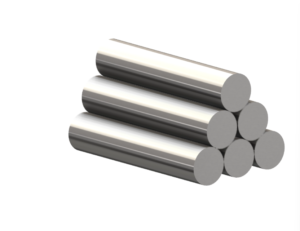
When sourcing 4340 metal for global projects, understanding the cross-reference standards is essential for maintaining engineering integrity. While AISI 4340 is the primary designation in the United States, this high-strength Ni-Cr-Mo alloy is recognized under various international systems. As a specialized supplier of high-strength alloy steel, we ensure our materials meet or exceed these global benchmarks.
Global Equivalent Grades
The following table provides a quick reference for matching 4340 alloy steel with international counterparts:
| Standard | Equivalent Grade | Region/System |
|---|---|---|
| AISI/SAE | 4340 | United States |
| DIN / EN | 1.6511 / 34CrNiMo6 | Germany / Europe |
| BS | EN24 / 817M40 | United Kingdom |
| JIS | SNCM439 | Japan |
| GB | 40CrNiMoA | China |
Compliance and Quality Specifications
Our inventory of 4340 material is manufactured to strictly adhere to industry-leading specifications, ensuring reliability in high-stress environments:
- ASTM A29: The standard specification for general carbon and alloy steel bars.
- AMS 6414 / AMS 6415: Critical for aerospace applications, often referred to as aircraft quality 4340.
- MIL-S-5000: Military-grade requirements for high-performance structural components.
- DIN EN 10083-3: European standard for quenching and tempering steels.
We provide full Material Test Certificates (MTC) with every order to verify that the chemical composition and mechanical properties align perfectly with these international standards. Whether your project calls for EN24 steel or 1.6511 steel, our stock provides a seamless substitute that meets the rigorous demands of your local or international specifications.
4340 Chemical Composition Breakdown
We supply 4340 alloy steel with a precise chemical balance that sets it apart from standard carbon steels. As a high-strength nickel chromium molybdenum steel, its performance is dictated by the specific ratios of these alloying elements. This unique combination ensures the material maintains its integrity under extreme stress and temperature fluctuations.
The Role of Nickel, Chromium, and Molybdenum
Each element in the 4340 metal matrix serves a specific structural purpose:
- Nickel (1.65% – 2.00%): This is the key to the material’s superior toughness. It increases impact resistance, especially in low-temperature environments, making it more reliable than 4140. For specialized needs, we also offer high-performance nickel alloy machining services to handle extreme industrial demands.
- Chromium (0.70% – 0.90%): Improves the depth of hardening and provides a baseline for wear and corrosion resistance.
- Molybdenum (0.20% – 0.30%): Prevents brittleness after tempering and ensures the steel retains its strength at higher operating temperatures.
Standard Chemical Ranges for UNS G43400
To ensure our customers receive consistent, high-quality 4340 material, we adhere strictly to the UNS G43400 and ASTM standards. The typical chemical makeup includes:
- Carbon (C): 0.38% – 0.43%
- Manganese (Mn): 0.60% – 0.80%
- Silicon (Si): 0.15% – 0.35%
- Phosphorus (P): ≤ 0.035%
- Sulfur (S): ≤ 0.040%
By maintaining these tight tolerances, we guarantee that every batch of AISI 4340 steel we export meets the rigorous safety and performance requirements of the aerospace and defense industries.
4340 Mechanical Properties and Performance
The 4340 mechanical properties are what make this grade a staple in heavy engineering and high-stress manufacturing. We supply 4340 steel that delivers a rare combination of high strength, ductility, and toughness. Because it is a premium nickel chromium molybdenum steel, it achieves a deep hardness that standard alloys simply cannot match in large sections.
Strength and Hardness Ratings
When you order 4340 material, the mechanical performance depends largely on the heat treatment state. In the quenched and tempered 4340 condition, our stock provides:
- Superior Tensile Strength: Massive resistance to tension, ensuring parts don’t snap under extreme loads.
- High Yield Strength: Exceptional resilience against permanent deformation, keeping your components within tight tolerances during operation.
- Uniform Hardness: Excellent hardenability ensures that the hardness profile remains consistent from the surface to the core, even in heavy-duty blocks.
Impact Toughness and Fatigue Resistance
The true value of 4340 metal lies in its ability to handle shock and vibration. This high strength alloy steel excels at resisting brittle failure, maintaining its integrity even in low-temperature environments.
- Fatigue Resistance: Engineered to withstand millions of stress cycles, making it the primary choice for rotating shafts and gears.
- Impact Toughness: High Charpy V-notch values ensure the material absorbs energy effectively rather than cracking under sudden impact.
- Reliability: The balanced chemistry of Nickel and Chromium provides a safety margin in demanding applications where material failure is not an option.
4340 Metal Available Sizes and Product Forms
We maintain a massive inventory of 4340 alloy steel in multiple formats to keep your production lines moving. Whether you need raw material or semi-finished components, we provide the following stock options:
- 4340 Round Bar: We supply diameters ranging from small-scale precision rods to large-diameter bars for heavy-duty shafting.
- 4340 Plate and Flat Bar: Available in a wide variety of thicknesses and widths, suitable for high-strength structural machining.
- Forged Blocks: For applications requiring superior grain structure and integrity, we offer custom-forged blocks tailored to your specifications.
- Custom Stock: We provide “cut-to-size” services using precision sawing to ensure your 4340 metal arrives ready for the next stage of manufacturing.
Our processing capabilities include precision milling and grinding to meet tight tolerances, reducing your secondary machining time. We focus on providing flexible sizing solutions to minimize material waste and optimize your project costs. Every piece of nickel chromium molybdenum steel we ship is backed by strict quality control to ensure dimensional accuracy.
4340 Heat Treatment Guidelines
To unlock the full potential of 4340 metal, precise thermal processing is essential. We treat this high strength alloy steel using specific cycles to ensure it meets the rigorous demands of heavy industrial applications. Whether you are aiming for better machinability or maximum impact resistance, the following thermal steps are the industry standard for this grade.
Normalizing and Annealing
Before the final hardening, we often use normalizing to refine the grain structure and improve uniformity.
- Normalizing: Heat the material to 1500°F – 1600°F (815°C – 870°C), then air cool.
- Annealing: For parts requiring extensive CNC turning or milling, we perform a full anneal at 1525°F (830°C) followed by a slow furnace cool. This creates the softest possible state for easier metal removal.
The Quenching and Tempering (QT) Process
Most of our clients require quenched and tempered 4340 because it offers the best balance of strength and ductility. As a nickel chromium molybdenum steel, it has excellent deep-hardening properties, meaning the mechanical properties remain consistent even in large sections.
- Austenitizing: We heat the steel to 1500°F – 1550°F (815°C – 845°C).
- Quenching: An oil quench is mandatory for 4340 metal to prevent cracking while ensuring the material reaches its maximum potential hardness.
- Tempering: After quenching, we temper the steel between 400°F and 1200°F. Lower temperatures maintain high hardness and tensile strength, while higher tempering temperatures increase toughness for parts subject to heavy shock loads.
By controlling these variables, we deliver material that is perfectly optimized for your specific engineering requirements, ensuring every block or bar performs reliably under pressure.
Machining and Welding Tips for 4340 Metal
Working with 4340 alloy steel requires a specific approach due to its high alloy content. Whether you are turning, milling, or joining parts, following these shop floor tips ensures the integrity of the final component and prevents tool breakage or material failure.
Achieving the Best Machinability
In the annealed condition, 4340 metal is rated at approximately 57% machinability compared to 1212 carbon steel. However, most industrial projects require it in a heat-treated state, which makes it significantly tougher on cutting tools.
- Tooling: Always use carbide inserts for high-speed operations to handle the toughness of this nickel chromium molybdenum steel.
- Coolant: Heavy sulfurized oil or chlorinated soluble oil is recommended to manage heat and improve surface finish.
- Rigidity: Maintain high setup rigidity. Because 4340 is prone to work hardening, any vibration or chatter will quickly dull your bits and ruins the tolerances.
Welding Procedures and Crack Prevention
Welding 4340 alloy steel is possible, but it is not as straightforward as welding mild steel. Because of its deep-hardening characteristics, it is highly susceptible to hydrogen-induced cracking if the proper thermal cycle isn’t followed.
| Process Phase | Action Required | Recommended Temperature/Notes |
|---|---|---|
| Pre-heating | Critical Step | 400°F to 600°F (200°C – 315°C) based on section thickness. |
| Interpass | Maintain Heat | Keep the material within the pre-heat range throughout the entire weld. |
| Post-heating | Stress Relief | Slow cooling in an oven or sand is mandatory; follow with a stress-relief anneal. |
If the 4340 metal is already in a quenched and tempered state, welding will create a soft zone around the weld. To restore the high-strength properties of the material, the entire part must be re-heat treated after the welding process is complete. Always use low-hydrogen electrodes to minimize the risk of embrittlement.
Common 4340 Metal Applications in High-Stress Industries
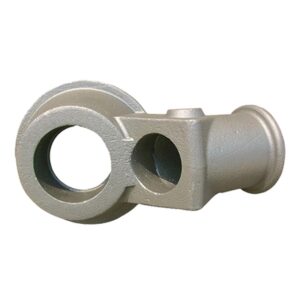
When a project demands extreme toughness and reliability under pressure, 4340 metal is the primary choice for engineers. Because of its deep-hardening capabilities and superior fatigue resistance, this high strength alloy steel is utilized in critical sectors where component failure is not an option. We supply AISI 4340 steel for a wide range of demanding environments across the United States and global markets.
- Aerospace & Defense: Often specified as aircraft quality 4340, it is the standard for landing gear, structural assemblies, and engine components that require maximum strength-to-weight ratios.
- Power Transmission: Essential for manufacturing heavy-duty gears, drive shafts, and crankshafts that must withstand constant torque and intense vibration.
- Oil & Gas Industry: Used in downhole drilling tools, high-pressure valves, and drill collars where impact resistance at depth is vital.
- Automotive Engineering: Ideal for high-stress parts like connecting rods, axles, and steering knuckles that face repetitive loading.
Choosing the right material is critical for long-term performance, and understanding how alloy steel vs stainless steel handles mechanical stress can help you decide if 4340 is the right fit for your specific machinery. For heavy-duty bolts and industrial fasteners, the nickel-moly composition of 4340 alloy steel provides the necessary fatigue strength to handle intense cyclical loading without cracking.
4340 vs 4140: Choosing the Right Grade
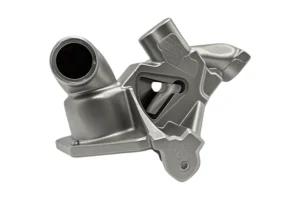
Deciding between 4340 metal and 4140 often comes down to the size of the part and the severity of the stress it will face. While both are high strength alloy steel options, AISI 4340 steel contains nickel, which provides a massive advantage in through-hardening for thick sections where 4140 might lose its strength at the core.
When to Upgrade to Nickel-Moly Alloys
You should move up to 4340 alloy steel when your project demands:
- Deep Hardenability: 4340 reaches its full hardness in much larger diameters compared to 4140.
- Superior Toughness: The addition of nickel ensures high impact resistance, even in cold environments.
- Fatigue Resistance: For parts under constant cyclic loading, the fatigue strength of 4340 is significantly higher.
Cost vs Performance Benefits
While 4140 is a cost-effective choice for general-purpose high-strength parts, 4340 metal is the insurance policy for critical components. The higher cost reflects the nickel content and the reliability it brings to the table. In heavy-duty applications, the long-term savings in reduced part failure and maintenance often outweigh the initial material price. Choosing nickel chromium molybdenum steel ensures your components handle the highest loads without cracking or premature wear. We supply both grades, but for heavy sections and aerospace-level requirements, 4340 is the standard choice.
Custom Services and Quality Assurance for 4340 Metal
We provide more than just raw 4340 metal; we deliver project-ready solutions designed to meet the toughest engineering standards. Our facility is equipped for high-precision processing to save you time and reduce secondary manufacturing costs. Whether you need specific lengths or near-net shapes, we handle every order with industrial-grade accuracy.
Precision Processing & Testing
We offer a full suite of services to ensure your 4340 alloy steel is ready for immediate use:
- Precision Cutting: Advanced bandsaw “cut-to-size” services for all round bars, flat bars, and plates to meet your specific project dimensions.
- Surface Preparation: Professional milling and grinding services to achieve your required surface finish and tight tolerances.
- Ultrasonic Testing (UT): We utilize rigorous internal defect detection to ensure every piece of 4340 material is free from internal inclusions or cracks, making it safe for critical, high-stress applications.
Certified Quality Standards
Reliability is our baseline. Every shipment of AISI 4340 steel is backed by a Material Test Certificate (MTC) according to EN 10204 3.1, providing full traceability of chemical heat analysis and mechanical performance. Our operations follow strict ISO certification standards, and we implement comprehensive testing and quality control measures throughout the supply chain. We guarantee that the material you receive matches your technical specifications exactly, ensuring total confidence in your finished components.

Reviews
There are no reviews yet.