

Alloy Steel Casting Product Overview
If you’re sourcing heavy-duty alloy steel castings for demanding applications, you’re usually fighting the same problems: parts failing too early, inconsistent quality between batches, and long lead times when you need engineered components fast. Our alloy steel casting solutions are built to solve exactly that—high strength, high reliability, and consistent performance for critical industrial equipment.
What Is Alloy Steel Casting in Industrial Applications?
Alloy steel casting is the process of pouring molten steel that’s been intentionally alloyed with elements like chromium, molybdenum, nickel, manganese, and vanadium into a mold to create near-net-shape alloy steel components. By adjusting the alloy content, we can tune properties such as:
- Tensile and yield strength
- Toughness and impact resistance
- Wear and abrasion resistance
- High-temperature and corrosion performance
In real-world industrial use, alloy steel castings are chosen when standard carbon steel castings cannot meet the mechanical, thermal, or wear requirements of heavy-duty service.
Alloy Steel Castings vs. Carbon Steel Castings
Compared with conventional carbon steel castings, our low alloy steel casting and high alloy steel casting grades deliver:
- Higher strength-to-weight ratio – allows weight reduction without sacrificing safety
- Better fatigue and impact resistance – critical for dynamic and shock-loaded equipment
- Improved wear resistance – especially with manganese steel casting and other wear-resistant alloys
- Superior performance at temperature – chrome-moly steel casting and heat-resistant alloy steel casting maintain properties in high-pressure, high-temperature environments
Carbon steel works for general-duty parts. Alloy steel castings are the choice for critical components where failure is not an option.
Key Benefits for OEMs, Engineers, and Procurement Teams
By working with an experienced alloy steel foundry and industrial alloy steel casting manufacturer like us, you gain:
- Longer component service life – fewer shutdowns and replacements
- Reliable, repeatable mechanical properties – backed by controlled alloy steel casting processes and heat treatment
- Design flexibility – complex precision alloy steel casting geometries that reduce machining and fabrication
- Lower total cost of ownership – premium materials that pay back through uptime and reduced maintenance
- Stable supply and traceability – consistent quality for OEM programs and long-term contracts
We support both custom alloy steel castings and standard ASTM alloy steel casting grades to match your design and procurement requirements.
Typical Heavy-Duty Use Cases for Alloy Steel Castings
Our cast alloy steel parts are widely used in high-load, high-wear, and high-temperature environments, including:
- Mining and aggregates – crusher wear parts alloy steel, liners, hammers, and other cast steel parts for mining
- Oil and gas – valve body alloy steel casting, pump body alloy steel casting, wellhead and pressure-containing parts
- Power generation – turbine casing alloy steel casting, boiler and power plant alloy steel casting parts
- Construction and heavy machinery – structural and wear heavy machinery alloy steel components
- Transportation and industrial equipment – engineered machined alloy steel castings for automotive, rail, and material handling
When your equipment runs in high impact, abrasive, or high-temperature service, alloy steel castings offer a proven, robust solution.
Alloy Steel Casting Grades We Supply
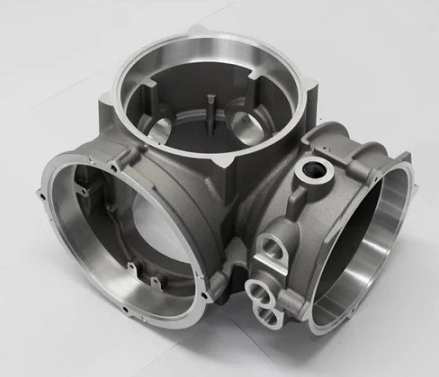
Low Alloy Steel Casting Grades & Uses
I supply a full range of low alloy steel castings for tough, everyday industrial service:
- Typical specs: ASTM A27, ASTM A148, EN 10293
- Strength levels from standard duty to high-strength quench and temper alloy steel casting
- Ideal for:
- Gear housings, brackets, levers
- Construction equipment parts
- General machinery and heavy-duty OEM alloy steel castings
You get solid toughness, good weldability, and cost-effective performance for volume production.
High Alloy Steel Casting Grades & Performance
For demanding environments, I support high alloy steel casting grades that deliver:
- High tensile strength and toughness at low or elevated temperature
- Great corrosion and fatigue resistance
- Precise properties for precision alloy steel casting and machined alloy steel castings
Common specs include ASTM A743 and special EN alloy grades for severe service parts like turbine casing alloy steel casting and critical pump components.
Manganese Steel Casting (Wear-Resistant)
My manganese steel castings are built for impact and abrasion:
- High-manganese austenitic steel, work-hardening in service
- Perfect for crusher wear parts alloy steel, liners, hammers, and mining cast steel parts
- Typical applications:
- Mining and quarry crusher components
- Cement and aggregate crushing equipment
Chrome-Moly Alloy Steel Casting (High Pressure / High Temp)
I pour chrome-moly steel castings for pressure and temperature-critical systems:
- Key grades: ASTM A217 WC6 casting, ASTM A217 WC9 casting, and related Cr-Mo alloys
- Used in:
- Valve body alloy steel casting
- Pump body alloy steel casting
- Power plant and refinery cast alloy steel parts
These chrome-moly alloy steel castings offer great creep strength, toughness, and reliable service at high temperature and pressure.
Heat-Resistant Alloy Steel Casting
For high-heat environments, I supply heat-resistant alloy steel castings designed for:
- Furnaces, boilers, and heat-treatment equipment
- Power plant components and thermal processing systems
- Options include Ni-hard alloy steel casting and high Cr-Ni heat-resistant grades
If you also work with non-ferrous alloys, my broader casting alloy guide on types, properties, and selection at Haoyu Material helps compare steel and non-steel options in one place:
Use our in-depth casting alloy selection guide to align alloy choice with your temperature, wear, and corrosion needs.
ASTM & EN Alloy Steel Casting Standards We Support
As an OEM alloy steel castings supplier for U.S. buyers, I routinely work to:
- ASTM A148 cast steel – high-strength heavy-section steel castings
- ASTM A352 alloy steel casting – low-temperature and cryogenic service
- ASTM A217 (WC6, WC9, and others) – high-temperature pressure service
- ASTM A27 cast steel – general-purpose alloy and carbon cast steels
- ASTM A743 cast stainless and alloy steel – corrosion and heat-resistant grades
- EN 10293 alloy steel casting – European standard for steel castings
All material is supplied with full chemical and mechanical test reports, and can be matched to your ASTM or EN alloy steel casting spec.
Alloy Steel Casting Processes
We run several alloy steel casting processes in-house so we can match the method to your part, not force your part to fit our process.
Sand Casting Alloy Steel
For larger, heavy-duty cast steel parts, we rely on sand casting alloy steel using:
- Green sand – Cost-effective for medium tolerances and higher volumes.
- Resin sand – Better dimensional accuracy and surface finish.
- No-bake sand – Ideal for large, complex alloy steel castings up to several tons.
Sand casting is our go-to for big alloy steel components like pump bodies, valve housings, and heavy machinery parts where strength and size matter more than ultra-fine detail.
Investment Casting Alloy Steel (Lost Wax)
When you need precision alloy steel casting with fine details and tighter tolerances, we switch to investment casting alloy steel:
- Excellent for complex internal passages
- Clean surface finish with less machining
- Ideal for small to medium-size OEM alloy steel castings
This process works well for automotive, oil and gas, and high-spec industrial alloy steel components.
Shell Molding Alloy Steel Components
Shell molding alloy steel sits between sand and investment casting:
- Better dimensional control than standard sand casting
- More economical than full investment casting for many geometries
- Great for repeatable, mid-to-high volume alloy steel components
It’s especially useful when you need consistent cast steel parts with moderate complexity and tighter tolerances.
Choosing the Right Alloy Steel Casting Process
We don’t guess. We select the alloy steel casting process based on:
- Part size and weight
- Dimensional tolerance and surface finish requirements
- Alloy grade (low alloy steel casting, high alloy steel casting, manganese, chrome-moly, heat-resistant)
- Annual volume and cost targets
- Machining and heat treatment needs
You send us your drawings or models, and we advise whether sand casting alloy steel, investment casting alloy steel, or shell molding alloy steel is the best fit for performance and cost.
If you’re comparing alloys, our alloy steel vs stainless steel guide is a good starting point for material selection before locking in the process.
From Pattern to Finished Alloy Steel Casting
Our alloy steel casting process flow is straightforward and controlled:
- DFM review & pattern design (wood, metal, or 3D-printed patterns)
- Mold making (sand molds, ceramic shells, or shell molds depending on process)
- Melting & pouring of alloy steel to the specified grade (ASTM / EN-compliant)
- Shakeout & cleaning – remove sand/shell, cut gates and risers
- Heat treatment – normalize, quench and temper, or solution treat as required
- Rough and finish machining to your drawing
- Inspection & testing to meet your specifications
If your project also needs flanged connections, we can match your castings with custom alloy steel flanges from our own production line at our alloy steel products section.
Alloy Steel Casting Capabilities
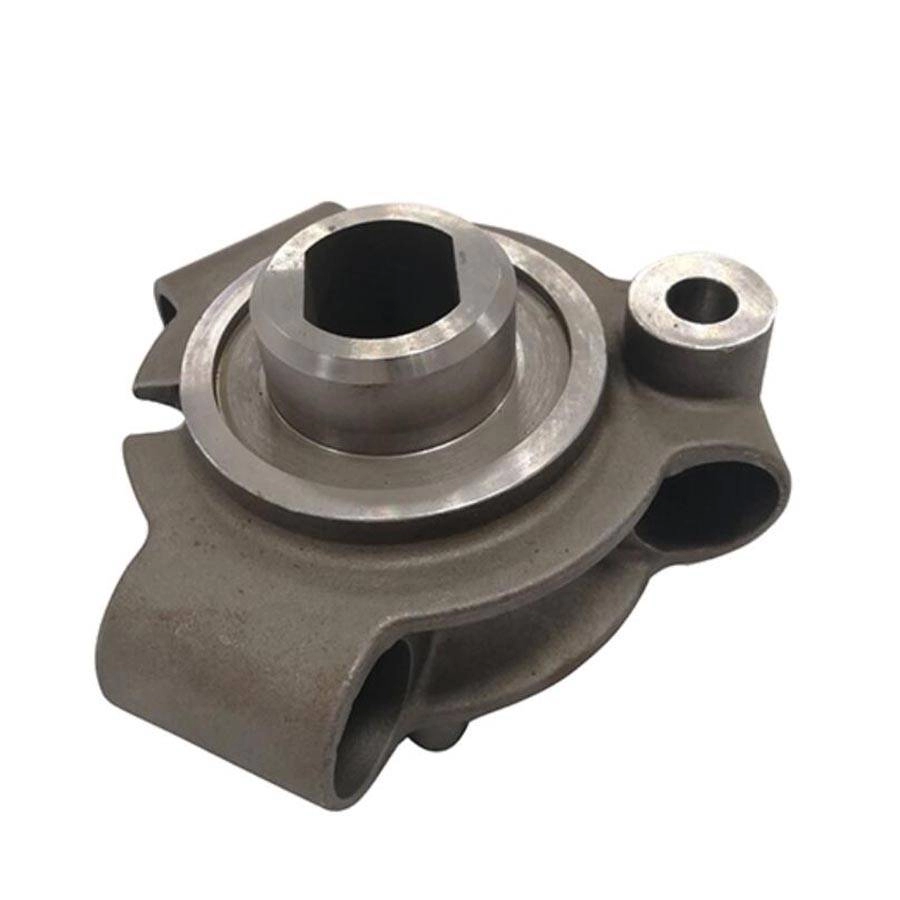
When you source alloy steel castings from us, you’re getting a foundry that’s built around real-world OEM requirements, not lab conditions.
Weight Range for Alloy Steel Castings
We pour everything from precision low alloy steel castings to massive heavy machinery alloy steel components:
- Small precision parts: 0.5 lb – 5 lb (investment and shell molding)
- Medium castings: 5 lb – 2,000 lb
- Heavy castings: up to 10,000 kg (22,000 lb) per piece
This spread lets us support you on prototypes, spares, and full production runs from one industrial alloy steel casting manufacturer.
Dimensional Tolerances (ISO 8062, CT7–CT12)
We hold tight, repeatable tolerances based on the alloy steel casting process:
- Investment casting alloy steel: typically ISO 8062 CT7–CT8
- Sand casting alloy steel (green sand / resin / no-bake): typically CT9–CT12
- GD&T and critical-to-function dimensions are verified with CMM and calibrated gauges
You tell us where you need precision; we match the process and tooling to hit it.
Surface Finish Options
We tailor surface finish to function and cost:
- As-cast sand casting: ~Ra 12.5–25 μm
- Investment casting alloy steel: ~Ra 3.2–6.3 μm
- Optional upgrades:
- Shot blasting / shot peening
- Grinding and snagging of parting lines and gates
- CNC finish machining on sealing and mounting faces
- Coatings: primer, paint, zinc-rich, or custom
In-House Heat Treatment for Alloy Steel Casting
We run full quench and temper alloy steel casting programs in-house to hit your required mechanical properties:
- Normalizing for uniform structure and improved machinability
- Quenching and tempering for high strength and toughness (ideal for crusher wear parts alloy steel, valve body alloy steel castings, and pump body alloy steel castings)
- Annealing for stress relief and better machinability
- Solution treatment and aging for specific high alloy and wear-resistant grades
All cycles are recorded and tied to each heat for full traceability.
Secondary Operations and Machining
To ship you machined alloy steel castings ready to assemble, we handle:
- CNC machining (turning, milling, boring, drilling, tapping)
- Threading (UNC/UNF, NPT, metric, custom)
- Precision machining of sealing surfaces and bores
- Surface treatments: painting, phosphating, zinc-based coatings, rust protection for export
If you need a fully integrated OEM alloy steel castings supplier with molding, melting, heat treatment, and machining under one roof, our dedicated alloy casting foundry is set up for exactly that.
Quality Control for Alloy Steel Castings
I treat quality control for alloy steel castings as non‑negotiable. Every heat, every pour, every part is verified and documented so your team isn’t dealing with surprises in the field.
Chemical Composition Control for Alloy Steel Casting
We control the chemistry of every melt so your alloy steel castings hit the specified grade and performance:
- Spectrochemical analysis on each heat before pouring
- Tight control of low alloy steel casting, high alloy steel casting, manganese, chrome-moly, and heat‑resistant grades
- Full chemistry reports supplied with each lot so your engineers can validate compliance with ASTM and EN specs
Mechanical Property Testing for Alloy Steel Cast Products
We test mechanical properties in-house so you know the alloy steel components will perform as designed:
- Tensile, yield, and elongation tests
- Impact (Charpy V-notch) testing at room and low temperatures
- Hardness testing for wear‑resistant alloy steel and quench-and-temper alloy steel casting
- Test bars poured with each heat and heat-treated together with the castings
Non-Destructive Testing (NDT) for Alloy Steel Castings
Critical cast alloy steel parts get 100% NDT according to your spec:
- RT (Radiographic Testing) for internal shrinkage and porosity
- UT (Ultrasonic Testing) for internal flaws in thick sections
- MPI (Magnetic Particle Inspection) for surface cracks on ferromagnetic alloy steel castings
- DPI (Dye Penetrant Inspection) for non-magnetic or machined surfaces
- PMI (Positive Material Identification) to verify alloy grade on incoming and finished parts
Material Traceability and Certification (3.1 / 3.2)
We keep full traceability from raw material to finished machined alloy steel castings:
- Unique heat and batch IDs marked on each casting
- EN 10204 3.1 material certificates as standard; 3.2 with third‑party inspection on request
- Full record of melt data, heat treatment cycles, NDT, and dimensional reports kept for long-term reference
Quality System and Certifications
Our alloy steel casting production runs under a certified quality system built for demanding U.S. OEMs:
- ISO 9001 quality management throughout the alloy steel foundry
- PED capability for pressure equipment alloy steel castings
- IATF 16949 know‑how for automotive and railway cast steel parts
- Marine and offshore experience with ABS, DNV, LR approvals via third‑party inspection when required
If you also purchase high-temperature alloy parts alongside your alloy steel castings, we can support both from one source, including dedicated production for high-temperature alloy components.
Industries Using Alloy Steel Castings
Mining & Quarrying Alloy Steel Cast Parts
I supply alloy steel castings built for impact, abrasion, and shock loading in tough mining conditions. Typical cast alloy steel parts for mining include:
- Crusher wear parts and manganese steel casting liners
- Hammers, jaws, and cones
- Chute liners and bucket components
Using wear-resistant alloy steel and manganese steel casting, we help mines cut downtime and extend change-out intervals.
Oil & Gas Alloy Steel Casting Components
For oilfield and midstream projects, my alloy steel foundry produces:
- Valve body alloy steel casting (including chrome-moly and ASTM alloy steel casting grades)
- Pump body alloy steel casting for high-pressure, corrosive media
- Wellhead, manifold, and subsea alloy steel components
We work with critical ASTM A352 alloy steel casting and ASTM A217 WC6 / WC9 casting grades to handle low temperature, high pressure, and sour service.
Power Generation Alloy Steel Castings
Power plants rely on heat-resistant alloy steel casting for:
- Turbine casing alloy steel casting and housings
- Boiler components and ducting parts
- High-temperature fittings and supports
We use high alloy and Ni-hard alloy steel casting options to handle temperature cycles, pressure, and steam erosion.
Construction & Heavy Machinery Components
For U.S. construction and equipment OEMs, I deliver heavy machinery alloy steel components such as:
- Structural cast steel parts
- Axle housings, brackets, and frames
- Wear parts for excavators, loaders, and breakers
These cast steel parts are optimized for high load, shock resistance, and weldability.
Automotive & Railway Alloy Steel Cast Parts
We support Tier-1 and Tier-2 suppliers with precision alloy steel casting for:
- Suspension and steering components
- Brake system housings and brackets
- Railway couplers, bogie components, and safety-critical parts
Tight tolerances, machined alloy steel castings, and consistent mechanical properties are a given for transportation customers.
Cement & Crushing Equipment Alloy Steel Castings
Cement plants and aggregate producers use our custom alloy steel castings for:
- Mill liners and grinding media
- Crusher wear parts alloy steel components
- Clinker crusher and cooler parts
Here we typically combine low alloy steel casting and manganese steel casting to balance cost and wear life.
If you also work with non-ferrous materials, we can complement your steel parts with bronze and brass components from our copper alloy product line to complete your assembly.
Custom Alloy Steel Casting Solutions
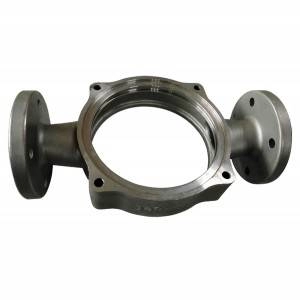
When you need custom alloy steel castings, we don’t just pour metal – we engineer the whole solution around your part and your deadlines.
Custom Design Support for Alloy Steel Castings
We work directly with your engineering team to turn concepts and 3D models into castable, cost-effective alloy steel components.
- Support for complex geometries, internal passages, and tight tolerance areas
- Material advice across low alloy, high alloy, manganese, and chrome-moly steel casting options
- Design reviews focused on performance, tooling cost, and lifecycle wear
DFM for Alloy Steel Casting Parts
Our design for manufacturability (DFM) reviews cut risk and save money before you cut a PO.
- Wall thickness optimization to avoid shrinkage and porosity
- Draft angles, radii, and gating suggestions tailored to your chosen alloy steel casting process
- Clear feedback on achievable tolerances and machining stock so you’re not over-specifying the part
Rapid Prototyping Alloy Steel Cast Components
For new programs, we move fast so you can validate form, fit, and function early.
- Quick-turn tooling or 3D-printed patterns for prototype alloy steel castings
- Short lead-time pours in production-grade alloys so test results match real-life performance
- Ideal for mining wear parts, valve body alloy steel castings, and power plant components
If you also source high-temperature materials, our experience with high-temperature nickel alloy machining projects, like nickel alloy spring components for extreme service, gives us an edge in tuning heat treatment and performance on demanding alloy steel parts.
Small Batch and Mass Production Runs
We handle everything from pilot runs to long-term OEM programs.
- Flexible low-volume batches for maintenance and aftermarket alloy steel castings
- Stable, repeatable mass production for OEM alloy steel casting programs
- Consistent quality across sand casting, investment casting, and shell molding alloy steel
Packaging, Logistics, and Global Shipping
We ship safely and on time to U.S. operations and global sites.
- Heavy-duty export packaging for large cast steel parts (up to several tons)
- Rust protection, custom labeling, and palletizing for easy warehouse handling
- Coordinated ocean, air, or truck freight with documentation ready for your ERP and QA systems
Why Our Alloy Steel Casting Foundry
When you work with our alloy steel casting foundry, you’re dealing with a team that owns the full process—from melt to machined part.
In-house alloy steel capabilities
We run an in-house alloy steel foundry with:
- Sand casting alloy steel and investment casting alloy steel lines
- Molding, heat treatment, and CNC machining under one roof
- Precision tooling support through our own lost wax casting foundry for tight-tolerance, complex alloy steel castings
This keeps quality consistent and cuts out the handoffs that usually delay projects.
Experience with complex geometries and tight tolerances
We’ve been producing precision alloy steel castings for demanding OEMs in mining, oil and gas, power generation, and heavy machinery for years. We handle:
- Complex internal passages for valve body alloy steel casting and pump body alloy steel casting
- Tight-tolerance machined alloy steel castings for critical assemblies
- Challenging materials like manganese steel casting, chrome-moly steel casting, and heat-resistant alloy steel casting
If your part looks “difficult to cast,” it’s probably a good fit for us.
Lead times and on-time delivery
For U.S. customers, we keep lead times predictable and realistic:
- Fast tooling and sampling on new alloy steel castings
- Stable production slots for repeat orders
- On-time delivery backed by clear production tracking and updates
We understand your schedules are built around shutdowns, outages, and new equipment installs, so we plan alloy steel casting production around those realities.
Cost-effective without cutting corners
We stay cost-effective by:
- Matching the alloy steel casting process (sand, shell, investment) to your volume and tolerance needs
- Optimizing gating, risers, and machining stock to reduce scrap and cycle time
- Using in-house machining and heat treatment to avoid markups and double handling
You get low alloy steel casting and high alloy steel casting solutions that hit both your budget and performance targets.
Engineering support and clear communication
Our engineering team gets involved early:
- DFM reviews for new custom alloy steel castings
- Material and heat treatment recommendations for wear, impact, or high-temperature service
- Quick responses to drawings, RFQs, and technical questions
You’ll deal with people who speak the same language as your engineers and buyers—straightforward, technical when needed, and focused on getting your alloy steel casting project right the first time.
Alloy Steel Casting Case Studies
Manganese Steel Casting for Mining Crusher Wear Parts
We supplied high-manganese steel castings for jaw crusher and cone crusher wear parts used in US mining and quarrying operations. By optimizing the manganese steel casting chemistry and heat treatment, we delivered:
- 25–40% longer wear life versus standard cast steel parts
- Fewer shutdowns and liner change-outs
- Lower cost per ton of crushed material
These wear-resistant alloy steel castings gave our mining customers more uptime and more consistent production.
Chrome-Moly Alloy Steel Casting for High-Pressure Valve Bodies
For an American oil and gas OEM, we developed chrome-moly alloy steel castings (ASTM A217 WC6 / WC9) for high-pressure valve bodies and pump housings. Using our investment casting alloy steel and sand casting capabilities, we achieved:
- Reliable performance in high-pressure, high-temperature service
- Tight dimensional control for critical sealing surfaces
- Reduced machining time and scrap rate
This project cut total valve body cost while improving field reliability. For more detail on similar valve work, you can see our dedicated page on custom valve castings for OEM valve bodies.
Heat-Resistant Alloy Steel Casting for Power Plant Components
We worked with a US power generation customer to supply heat-resistant alloy steel casting parts for boiler and furnace components. By selecting the right heat-resistant alloy and in-house heat treatment, we delivered:
- Stable performance at elevated temperatures
- Better resistance to thermal fatigue and scaling
- Longer service intervals and reduced maintenance outages
Real Results: Cost Savings and Performance Gains
Across these alloy steel casting projects, customers in mining, oil and gas, and power generation saw:
- 10–30% total cost savings through longer life and less downtime
- Higher reliability in harsh, high-load, and high-temperature environments
- Shorter lead times thanks to our integrated alloy steel foundry and machining
These case studies show how smart low alloy steel casting, high alloy steel casting, and manganese steel casting choices translate directly into real-world performance and lower operating cost for US industrial customers.
Technical Resources for Alloy Steel Casting Buyers
I keep our alloy steel casting resources practical and straight to the point so your team can move fast and avoid costly mistakes.
Alloy Steel Casting Grade Selection Guide
Choosing the right alloy steel casting grade is all about matching load, wear, temperature, and corrosion to the right chemistry.
Quick grade selection table (typical use in the U.S.):
| Requirement | Recommended alloy steel casting type |
|---|---|
| General structural parts | ASTM A27 cast steel, low alloy steel casting |
| High strength / heavy loads | ASTM A148 high-strength alloy steel castings |
| Low-temp service (oil & gas) | ASTM A352 alloy steel casting (cryogenic / low temp) |
| High-temp / pressure valves | ASTM A217 WC6 casting / ASTM A217 WC9 casting (chrome-moly) |
| Corrosion / moderate heat | ASTM A743 cast stainless and alloy steel |
| Extreme impact & wear (mining) | Manganese steel casting, Ni-hard alloy steel casting |
If you share your duty conditions (pressure, temperature, media, impact, wear), I’ll recommend the best low alloy steel casting or high alloy steel casting grade for cost and life.
Tolerance and Machining Guide for Alloy Steel Cast Parts
We design tolerances to balance cost vs. machining on alloy steel components.
Casting tolerances (typical):
| Process | Standard tolerance range |
|---|---|
| Sand casting alloy steel | ISO 8062 CT10–CT12 (rougher) |
| Shell molding alloy steel | ISO 8062 CT8–CT10 |
| Investment casting alloy steel | ISO 8062 CT7–CT8 (more precise) |
Machining tips for machined alloy steel castings:
- Always leave machining allowance (0.06″–0.16″ depending on size and process).
- Use proper tooling and coolant for quench and temper alloy steel casting.
- Tight features (bores, sealing faces) should be finish-machined, not cast-to-size.
If you also need precision CNC work on other metals, our precision CNC machining services for bronze parts show the same approach we use on alloy steel: tight control, stable processes, and clean documentation.
Heat Treatment Recommendations for Alloy Steel Casting Performance
Heat treatment is what turns a basic casting into a high-performance alloy steel component.
Common heat treatments we apply:
- Normalizing – stabilizes structure, improves machinability for low alloy steel casting.
- Quenching + tempering – boosts strength and toughness for heavy-duty cast steel parts.
- Solution treatment – for stainless and high alloy steel casting to improve corrosion and creep resistance.
- Stress relieving – reduces residual stress before finish machining.
We set heat treatment specs based on required hardness, yield strength, impact value, and service environment.
Checklist for Requesting an Alloy Steel Casting RFQ
To quote custom alloy steel castings accurately and quickly, I need clear data up front.
RFQ checklist:
- 2D drawings + 3D models (STEP/IGES) with units (inch/mm)
- Material grade & standard (e.g., ASTM A148, ASTM A352, EN 10293)
- Annual volume and batch size
- Casting process preference (sand casting, investment casting alloy steel, shell molding) if any
- Critical tolerances & machined surfaces
- Required NDT (RT, UT, MPI, DPI, PMI)
- Heat treatment requirements (normalized, Q+T, etc.)
- Surface finish & coating (shot blast, paint, plating)
- Target delivery location in the U.S. and required lead time
Send this information once, and I can respond with pricing, lead time, and process plan for your custom alloy steel castings without back-and-forth delays.
Buying Guide and RFQ Tips for Alloy Steel Castings
How to Specify Alloy Steel Casting Material Grade and Standards
When you send an RFQ for alloy steel castings, be very clear about the material:
- Material family: low alloy steel casting, high alloy steel casting, manganese steel casting, chrome-moly steel casting, heat-resistant alloy steel casting, etc.
- Exact grade + standard:
- ASTM alloy steel casting: ASTM A148, ASTM A352, ASTM A217 WC6 / WC9, ASTM A27, ASTM A743, etc.
- EN alloy steel casting: EN 10293 grade and condition.
- Mechanical properties (if critical): required tensile strength, yield strength, elongation, impact values, hardness, and any quench and temper requirements.
- Service conditions: temperature range, pressure, corrosion/wear environment (mining, oil and gas, power plant, etc.).
If you’re unsure which alloy to call out, I recommend you describe the working conditions and let us propose a suitable alloy steel casting grade.
How to Prepare Drawings and 3D Models for Alloy Steel Casting Quotes
Accurate drawings and models speed up pricing and reduce back-and-forth:
- 2D drawings: PDF or DWG with:
- All finished dimensions and tolerances (preferably per ISO 8062 for castings).
- Machining symbols, datum references, and critical-to-function features.
- Surface finish requirements on both cast and machined areas.
- 3D models: STEP, IGES, or XT for complex alloy steel components and precision alloy steel casting.
- Mark clearly:
- Cast-only surfaces vs. machined surfaces.
- Parting line suggestions (if any).
- High-stress or sealing areas that need tighter control.
If you’re also planning CNC finish machining in-house, it’s helpful to review our separate CNC turning guide to process and material selection so your models match real machining practices.
Key RFQ Details We Need for Accurate Alloy Steel Casting Pricing
For fast and accurate pricing on custom alloy steel castings, please include:
- Annual volume + batch size: expected yearly demand and per-order quantity.
- Part weight: estimated casting weight or 3D model for us to estimate.
- Required casting process: sand casting alloy steel, investment casting alloy steel, or shell molding alloy steel (if you have a preference).
- Heat treatment: normalizing, quenching and tempering, solution treatment, or as-cast.
- Secondary operations: machining, drilling, tapping, balancing, surface coating, or assembly.
- Inspection level: NDT methods (RT, UT, MPI, DPI, PMI), dimensional reports, 3.1/3.2 material certificates, and any customer-specific specs.
- Target price or cost range (optional): helps us tailor a cost-effective alloy steel casting process from the start.
The more complete the RFQ, the more accurate and competitive the quote we can provide.
Typical MOQ, Lead Time, and Production Workflow for Alloy Steel Castings
For B2B OEM alloy steel castings, we keep things predictable and transparent:
- Typical MOQ:
- Prototype and sampling: 1–10 pcs depending on size and process.
- Production: often 50–100 pcs minimum for smaller parts; large heavy machinery alloy steel components can be done in smaller lots.
- Lead times (reference only):
- Tooling and first samples: usually 4–8 weeks, depending on complexity and whether we use rapid tooling.
- Standard production orders: generally 4–6 weeks after sample approval.
- Typical workflow:
- RFQ review and DFM for the alloy steel casting process.
- Tooling/pattern and gating design.
- Sample castings + inspection and NDT.
- Customer approval of alloy steel cast parts.
- Stable batch production, machining, and final inspection.
- Packaging and shipment by sea or air, depending on urgency.
If you share your project schedule with the RFQ, we can align our casting, heat treatment, and machining plan to keep your US production line on time.
Alloy Steel Casting FAQs
Common Alloy Steel Casting Technical Questions
Q1: What information do you need to recommend an alloy steel casting grade?
We look at:
- Working temperature and pressure
- Required mechanical properties (strength, toughness, hardness)
- Corrosion and wear conditions
- Intended heat treatment and machining needs
Based on this, we suggest low alloy steel casting, high alloy steel casting, manganese steel casting, chrome-moly steel casting, or heat-resistant alloy steel casting to match your application.
Q2: How accurate are your alloy steel castings?
For most alloy steel castings, we work to:
- Dimensional tolerances per ISO 8062, typically CT7–CT10 for sand casting alloy steel
- Tighter tolerances with investment casting alloy steel for precision alloy steel components
- Full inspection and corrective machining if needed
Q3: Can you handle special alloy steel casting processes and heat treatment?
Yes. We offer:
- Sand casting, investment casting, and shell molding alloy steel
- Quench and temper alloy steel casting, normalizing, annealing, and solution treatment
- Full mechanical property testing to verify each ASTM alloy steel casting grade
Commercial and Logistics Questions for Alloy Steel Casting Orders
Q4: What is your typical MOQ and lead time for alloy steel castings?
- MOQ depends on part size and alloy, but we support both small batch and OEM alloy steel castings
- Tooling lead time: usually 3–5 weeks
- Production lead time: typically 4–8 weeks after approval, depending on complexity and volume
Q5: How do you handle shipping and packaging?
- Export-grade pallets and crates for heavy alloy steel components
- Rust protection, foam, and custom blocking for machined alloy steel castings
- We manage sea, air, or combined logistics based on your delivery terms (FOB, CIF, DAP, etc.)
For general ordering and shipping topics, you can also review our detailed company FAQs that cover common commercial questions.
After-Sales Support and Warranty for Alloy Steel Cast Components
Q6: What warranty do you offer on alloy steel castings?
- Warranty covers material grade, chemical composition, and mechanical properties meeting agreed ASTM / EN standards (such as ASTM A148, ASTM A352, ASTM A217 WC6 / WC9, ASTM A27, ASTM A743, EN 10293).
- Any confirmed quality deviation caused by our alloy steel casting process is either re-cast, reworked, or credited after joint review.
Q7: How do you handle quality issues in the field?
- Full material traceability (3.1 / 3.2 certificates) for all cast alloy steel parts
- Fast technical review with drawings, test reports, and NDT records
- Clear corrective action plan and replacement or repair schedule
If you have a specific alloy steel casting question—technical, commercial, or logistics—send your drawings and requirements, and we’ll give you a straight, detailed answer.

Reviews
There are no reviews yet.