

Aluminium Casting Services Overview
You need aluminium casting that’s reliable, repeatable, and cost-effective—not trial-and-error. We run a dedicated aluminium casting foundry that supports US and global OEMs with custom aluminium casting from first prototype through long-term mass production. Our focus is simple: stable quality, clear communication, and on-time delivery for industrial buyers.
Custom Aluminium Casting for Industrial Buyers
We engineer and supply custom aluminium cast parts for demanding applications in automotive, e‑mobility, telecom, industrial equipment, electronics, and lighting. You get:
- Application-based alloy selection (A356, A380, ADC12, AlSi10Mg, AlSi9Cu3, EN AC-46000, EN AC-47100, and more)
- Design-for-manufacturing (DFM) feedback to hit weight, strength, cost, and tolerance targets
- Tooling, casting, CNC machining, and finishing under one roof for tight process control
- Support for US engineering teams with fast quoting and clear technical communication
Aluminium Casting: Prototypes to Mass Production
We handle the full lifecycle of your aluminium casting project:
- Rapid prototypes using soft tooling, sand casting, or 3D-printed patterns
- Bridge volumes while your production tooling is being built and validated
- High-volume production with automated aluminium die casting cells and robust process control
- Flexible MOQ options, so you’re not locked into quantities that don’t match your demand
Processes, Alloys, and Part Performance
We use multiple aluminium casting processes—including high pressure die casting, low pressure aluminium casting, gravity die casting, and sand casting—so we can match the process to your geometry, volumes, and performance requirements. We help you balance:
- Strength vs. weight using the right aluminium alloy casting grade
- Thermal performance for heat sinks and housings
- Dimensional accuracy and surface finish for sealing faces and cosmetic parts
- Total cost per part by choosing the best combination of process, tooling, and secondary operations
You get a single aluminium casting supplier capable of optimizing process + alloy + design to deliver durable, high-performing aluminium cast parts at scale.
Aluminium Casting Processes We Offer
When you work with us, you get a full-range aluminium casting foundry under one roof. We match the process to your part, volume, and budget so you don’t pay for more than you need.
High Pressure Aluminium Die Casting (HPDC)
For high-volume, tight-tolerance parts, we run high pressure die casting aluminium machines from mid-size up to large tonnage. HPDC is ideal for:
- Thin-wall aluminium die casting housings and brackets
- Complex shapes with fine details and consistent dimensions
- Automotive, EV, and electronics enclosures
For projects focused on precision and volume, our dedicated aluminum die casting services with 200T–3500T machines give you tight tolerances, multiple alloys, and in-house machining.
Low Pressure Aluminium Casting
Low pressure aluminium casting is the go-to for stronger, leak-tight, and complex hollow parts, like:
- Wheels, structural components, battery housings
- Medium to high volume production where mechanical performance matters
Gravity Die Casting Aluminium
Gravity die casting aluminium (permanent mold casting) is best for:
- Medium volume parts needing better surface finish than sand casting
- More stable dimensions and improved mechanical properties
- Housings, brackets, and industrial components
Sand Casting Aluminum
Sand casting aluminum works great when you need:
- Large castings or very low-volume runs
- Fast changes and lower tooling investment
- Prototypes, heavy industrial parts, and oversized housings
Investment Casting Aluminium (Lost-Wax)
Investment casting aluminium gives precision aluminium casting with extremely fine details:
- Thin walls, tight features, and complex internal shapes
- Small to medium parts where accuracy and appearance matter
You can see more about our approach to precision aluminum investment castings in our dedicated overview of precision custom aluminum investment castings.
Shell Mold Aluminium Casting
Shell mold aluminium casting bridges the gap between sand and permanent mold:
- Better surface finish and dimensional accuracy than standard sand
- Good option for small to medium parts where you want cleaner surfaces
- Stable quality with moderate tooling cost
No matter which aluminium alloy casting process you choose, we engineer it around your drawing, volume, and performance targets so you get the best balance of cost, quality, and lead time.
Common Aluminium Casting Alloys
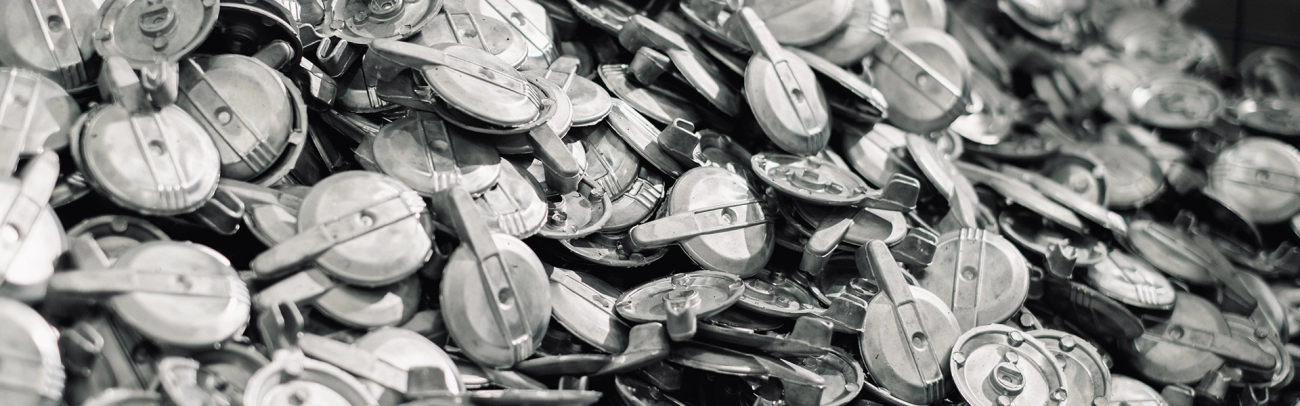
Choosing the right aluminium casting alloy is the first big decision that impacts cost, strength, weight, and long-term reliability. Below is how we usually match alloys to real-world US applications.
A356 Aluminium Casting (High Strength & Ductility)
A356 (often heat treated to T6) is our go-to for parts that need both strength and toughness, not just good looks.
Best for:
- Structural brackets, suspension parts, control arms
- EV battery housings and safety-critical housings
- High-performance machinery components
Why we use it:
- High strength and ductility, especially in T6
- Great fatigue performance and weldability
- Good corrosion resistance for outdoor and road use
For deeper technical data on A356 and T6 properties, we follow standards similar to those in this detailed A356-T6 aluminum alloy specification guide.
A380 Aluminium Die Casting (Thin-Wall & Complex)
A380 is the most common aluminium die casting alloy in the US for a reason: it’s cost-effective and handles complex die designs well.
Best for:
- Thin-wall housings and covers
- Consumer electronics casings
- General-purpose automotive die castings
Key advantages:
- Excellent castability and fluidity for thin sections
- Good dimensional stability
- Solid balance of strength, weight, and cost
ADC12 Aluminium Alloy Casting (Automotive & Electronics)
ADC12 is widely used in Asia and works well for US buyers sourcing from China while still meeting performance needs similar to A380.
Best for:
- Automotive transmission and engine covers
- Motor housings, gearbox housings
- Electronics shells and heat-dissipating frames
Why choose ADC12:
- Strong fluidity for complex shapes
- Good pressure tightness for oil and coolant parts
- Stable mechanical properties for mass production
AlSi9Cu3 & AlSi10Mg Aluminium Casting Grades
These two grades cover slightly different needs:
-
AlSi9Cu3
- Great for high-volume automotive parts
- Good pressure tightness and strength
- Common in gearboxes, pump housings, engine parts
-
AlSi10Mg
- Better ductility and toughness than many standard die-cast alloys
- Often used where parts may replace additive manufacturing (3D printed) AlSi10Mg parts
- Good for structural components and parts requiring heat treatment
EN AC-46000 & EN AC-47100 Alloy Options
For buyers who work with European drawings or global platforms, we also run EN-standard alloys:
-
EN AC-46000 (AlSi9Cu3)
Very common in automotive die casting, good balance of strength, castability, and cost. -
EN AC-47100 (AlSi12Cu1(Fe))
Better fluidity for complex, thin-wall parts and improved casting performance.
These options align with common global alloy standards similar to those outlined in our broader casting alloy guide with types and properties.
Mechanical Properties & Performance Comparison
When we help you choose an alloy, we usually compare:
- Strength & ductility: A356-T6 and AlSi10Mg perform best for structural and safety parts.
- Castability & thin-wall capability: A380, ADC12, EN AC-46000, and EN AC-47100 are ideal for complex die castings.
- Pressure tightness: ADC12, AlSi9Cu3/EN AC-46000 are better for oil, coolant, and hydraulic parts.
- Corrosion resistance: A356 and AlSi10Mg perform well for outdoor and marine or road-salt environments.
- Cost & productivity: A380, ADC12, and EN AC-46000 are usually the most cost-efficient for large volumes.
If you share your part’s working environment (temperature, load, fluid contact, corrosion risk), we’ll recommend a short list of alloys and lock in the one that hits your performance and cost targets.
Industries Using Aluminium Casting Parts
Automotive & E‑Mobility Aluminium Casting
We supply automotive aluminium castings and EV aluminium components built for high volume and tight tolerance, including:
- Motor housings, inverter and controller enclosures
- Transmission and powertrain aluminium cast parts
- Structural brackets, crossmembers, suspension mounts
- Battery housings and cooling plates for e‑mobility
With alloys like ADC12, A356, AlSi9Cu3, EN AC-46000, and EN AC-47100, we balance strength, weight reduction, and cost for North American OEMs and Tier 1 suppliers.
Aerospace & Defense Aluminium Casting
For aerospace and defense aluminium casting, we focus on:
- Lightweight structural brackets and mounting hardware
- Housings for avionics and radar systems
- Heat-dissipating chassis and frames
We work to strict traceability and inspection standards (X‑ray, CMM, composition control) and draw on processes similar to our precision investment casting expertise shown in our precision casting services.
Telecom & 5G Aluminium Heat Sinks
We produce aluminium casting heat sinks and housings for:
- 5G base stations and remote radio units
- Telecom power supplies and network equipment
High pressure aluminium die casting gives thin walls, complex cooling fins, and accurate flatness for reliable thermal performance in outdoor U.S. deployments.
LED Lighting & Aluminium Heat Sinks
For LED aluminium heat sink casting, we cast:
- LED street light housings
- Flood light and high‑bay heat sinks
- Architectural and commercial lighting bodies
Our HPDC and gravity die casting aluminium options deliver clean surfaces ready for powder coating or anodizing, with good thermal paths for long LED life.
Industrial Machinery Aluminium Castings
We support industrial aluminium casting components such as:
- Gearbox housings and pump bodies
- Motor end covers and fan housings
- Machine covers, base plates, and brackets
We design for rigidity, machinability, and durability, then finish with CNC machining and custom coating to match U.S. plant conditions.
Medical & Consumer Electronics Enclosures
We provide precision aluminium casting for:
- Medical device housings and brackets
- Wearable and handheld electronics shells
- Smart home hubs, routers, and audio enclosures
Our thin wall aluminium die casting and tight tolerance control give clean aesthetics, good EMI shielding, and strong but lightweight parts, ideal for demanding U.S. medical and consumer brands.
Aluminium Casting Capabilities and Capacity
When you need a reliable aluminium casting supplier, capacity and consistency matter more than buzzwords. Here’s exactly what we can handle.
Aluminium Casting Part Size and Weight Range
We cover a wide mix of part sizes so you can keep everything under one roof:
- Part weight: from 0.1 lb to 110 lb (50 g – 50 kg) depending on process
- Max dimensions: up to 39 in (1,000 mm) for sand casting and large housings
- Thin-wall aluminium die casting for compact electronics, heat sinks, and auto parts
- Heavy-section sand casting aluminum parts for industrial and machinery components
Dimensional Tolerances for Aluminium Die Casting and Sand Casting
We run tight and realistic tolerances based on process and part geometry:
- High pressure aluminium die casting (HPDC):
- Up to ±0.002–0.004 in (±0.05–0.10 mm) on critical dimensions
- Excellent repeatability for large volume aluminium casting production
- Sand casting aluminium:
- Typical: ±0.01–0.02 in (±0.25–0.50 mm) depending on size
- Ideal for large, low-volume, and heavy-duty aluminium alloy casting
If you already have drawings, we can review your aluminium casting tolerance stack-up before tooling so you don’t fight quality issues later.
Annual Production Capacity for Aluminium Cast Parts
We’re built for both prototype runs and full production:
- Prototypes & small batches: from 10–50 pcs using flexible tooling options
- Mass production: hundreds of thousands of aluminium die casting parts per year
- Multi-shift operation on core cells to support automotive and industrial schedules
- Stable supply for automotive, telecom, and industrial OEMs in the US and abroad
In-House CNC Machining for Aluminium Castings
We machine our own CNC machined aluminium castings to hold tight fits and clean sealing surfaces:
- 3-axis and 4-axis CNC machining centers for complex precision aluminium casting
- Critical surfaces, threads, O-ring grooves, and datums machined in-house
- Consistent quality thanks to single-source control from casting to finish machining
For customers also using bronze or mixed-metal assemblies, we can coordinate with our own precision CNC machining services for bronze parts to keep everything aligned on tolerances.
Secondary Processing and Assembly
To keep your supply chain lean, we go beyond raw castings:
- Deburring, tapping, and thread inserts (steel, stainless, brass)
- Leak testing for housings, pumps, and automotive aluminium castings
- Sub-assembly of gaskets, studs, simple hardware, and basic mechanical builds
- Custom packaging and labeling to drop parts straight into your production line
You get one accountable partner for custom aluminium casting, machining, finishing, and basic assembly, which cuts your handling time and total landed cost.
Surface
Quality Control in Aluminium Casting
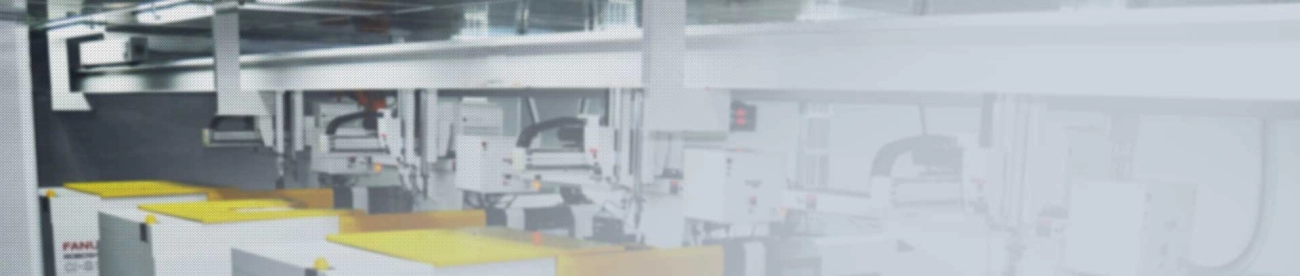
When you buy aluminium castings from us, you’re paying for more than metal – you’re paying for predictable, repeatable quality. We build that in from melt to final inspection.
X-ray Inspection & Leak Testing
For safety‑critical and pressure‑tight parts, we use:
- Real-time X-ray inspection to find internal porosity, cold shuts, and shrinkage in aluminium die castings and sand castings before they ever reach your line.
- Helium or air leak testing for housings, battery trays, heat sinks, and hydraulic components where sealing is non‑negotiable.
Dimensional Inspection With CMM
To hold tight aluminium casting tolerances, we rely on:
- CMM dimensional inspection of key features, datums, and GD&T callouts.
- First Article Inspection (FAI) reports per customer print to lock in your PPAP or incoming quality requirements.
Chemical Composition Control
We verify every heat of aluminium alloy with:
- Spectrometer analysis to keep A356, A380, ADC12, AlSi9Cu3, AlSi10Mg, EN AC-46000, and EN AC-47100 within spec.
- Heat‑by‑heat material traceability, tied to test records and casting lots, backed by our in-house testing and quality controls.
Corrosion & Hardness Testing
To make sure your parts perform in the field, we run:
- Hardness testing after casting and heat treatment (like T6) to confirm mechanical properties.
- Corrosion tests (salt spray, coating adhesion) to validate anodizing, powder coating, and plating systems for U.S. outdoor, automotive, and industrial environments.
Certifications & Compliance
We operate as a production partner, not just a job shop:
- Quality system aligned with ISO and IATF 16949 requirements for automotive aluminium castings.
- Material and process certifications available with every batch (COC, material certs, inspection reports) to support your internal audits and compliance needs.
Aluminium Casting Project Workflow
DFM for Aluminium Casting Design Optimization
I start every aluminium casting project with DFM (Design for Manufacturability). We review your 3D models and prints to:
- Optimize wall thickness, draft, ribs, and fillets for aluminium die casting or sand casting
- Reduce porosity risk and improve metal flow
- Cut your tooling and part cost without hurting performance
Send us your CAD (STEP, X_T, IGES, or native SolidWorks) plus 2D drawings with key tolerances, and we’ll come back with clear DFM feedback before any tooling is cut.
Tooling Design and Mold Manufacturing
Once the design is locked, we move into tooling:
- 3D mold design for aluminium die casting, low pressure, gravity, or sand casting
- Cooling layout, overflow, and vent design to keep fill stable and reduce defects
- Tool steel selection and hardening for long tool life in high pressure die casting aluminium
You get mold design approval before manufacturing, so there are no surprises later.
Sampling and Aluminium Cast Prototype Validation
Before mass production, we always run a sample phase:
- First Article Samples from production tooling (or temporary tooling if you need fast prototypes)
- Full dimensional report on critical features
- Optional X-ray and leak testing on structural or sealing aluminium cast parts
We use this phase to dial in process parameters so you get stable quality from day one.
Mass Production of Aluminium Cast Parts
After you sign off samples, we move to volume:
- Automated or semi-automated cells for thin-wall aluminium die casting
- Stable process windows and control plans for automotive-grade repeatability
- Flexible batch sizes to cover both ongoing production and service parts
We can scale from a few hundred pieces to large-volume aluminium casting production for OEM programs.
Post-Processing, Inspection, and Packaging
Your aluminium cast parts don’t leave our floor until they’re finished and checked:
- CNC machining of critical faces, threads, and tight-tolerance features
- Deburring, cleaning, and surface finishing based on your spec
- 100% or sampling inspection with documented reports, then export-safe packaging tailored to your supply chain
For projects that combine aluminum with other metals (like wear or joint components), we can coordinate with specialty materials such as cobalt–chromium–molybdenum alloys from our high‑temperature alloy product line.
Logistics and Delivery Options
We ship aluminium castings across the U.S. every week and design logistics around your demand:
- FOB China with sea or air freight options
- Support for scheduled releases, safety stock, and JIT-style deliveries
- Custom labeling, barcodes, and packing lists to plug into your ERP
You get clear lead times, tracking, and a single point of contact from PO to delivery.
Aluminium Casting Case Studies
Electric Vehicle Aluminium Casting Battery Housings
We supply custom aluminium casting battery housings for EV platforms that need lightweight, high-strength, and sealed enclosures.
- High pressure aluminium die casting for thin walls and complex cooling channels
- A356 and AlSi10Mg aluminium alloy casting with T6 heat treatment for strength and impact resistance
- X-ray and leakage testing to guarantee safety and IP-rated sealing
5G Base Station Aluminium Heat Sink Die Casting
For telecom and 5G, we produce heat sink aluminium die casting parts with tight tolerances and high thermal performance.
- Thin wall aluminium die casting for lightweight, compact 5G housings
- Precision aluminium casting fins for maximum heat dissipation
- Powder coated or anodized aluminium castings for outdoor corrosion resistance
Automotive Transmission & Powertrain Aluminium Castings
Our automotive aluminium castings support OEM and Tier 1 suppliers across the U.S.
- ADC12, A380, EN AC-46000 and EN AC-47100 aluminium alloy casting for gearboxes, housings, and brackets
- IATF-style quality mindset, dimensional control, and PPAP-ready documentation
- High volume aluminium die casting with in-house machining for ready-to-assemble parts
Industrial & Machinery Aluminium Cast Components
For industrial equipment and machinery, we deliver rugged aluminium cast parts built for uptime.
- Gravity die casting aluminium and sand casting aluminum parts for larger housings and structural components
- CNC machined aluminium castings for accurate mounting surfaces and tight fits
- Flexible lot sizes to support both OEM production and MRO replacement parts
For projects that also require copper-based wear parts or bushings, we pair our aluminum casting work with precision bronze components from our own bronze alloy product line.
Tooling and Prototyping for Aluminium Casting
Rapid Prototyping for Aluminium Casting
When you’re developing new aluminium cast parts, speed matters. I use rapid prototyping to get you functional parts fast so you can test fit, performance, and assembly before locking in tooling.
Common rapid prototyping options for aluminium casting:
- 3D printed patterns
- Ideal for sand casting and investment casting
- Great for low-volume runs and design validation
- Cuts pattern lead time from weeks to days
- CNC machined patterns and prototypes
- Higher dimensional accuracy and better surface finish
- Perfect when you need tight tolerances or working samples for customers
- Suitable for both sand casting and gravity die casting aluminum
If you’re also working with stainless or duplex steel parts in your system, we match our prototyping approach to interface precisely with components like your duplex stainless steel fasteners.
Die Casting Mold Design for Aluminium Parts
Good aluminum die casting starts with smart mold design. I focus on:
- Flow and filling – optimized gating and runners to avoid porosity and cold shuts
- Cooling layout – consistent cooling to manage distortion and keep tolerances tight
- Ejector layout – smooth ejection to protect part surfaces and thin walls
- Parting line and draft – simplified demolding and lower flash, especially for thin wall aluminium die casting and complex housings
You send us your 3D models (STEP, IGES, Parasolid) and 2D drawings, and we design aluminium casting tooling to hit your target tolerances and cycle times.
Tool Life and Maintenance for Aluminium Die Casting Molds
Tool life is a big cost driver in aluminium die casting, especially for U.S. buyers planning multi‑year programs.
Typical points I lock in:
- Material and hardness – premium tool steels and proper heat treatment for long life
- Expected tool life (rough guideline):
- Simple parts: up to 300,000–500,000+ shots
- Complex, thin-wall parts: tool life customized based on geometry and alloy
- Preventive maintenance
- Regular cleaning and polishing of cavities
- Checking and replacing wear inserts, pins, and slides
- Monitoring flash and dimensional drift before it becomes a quality problem
A clear maintenance plan keeps your parts consistent and avoids costly unplanned downtime.
Switching from Prototype to Mass Production in Aluminium Casting
I set up projects so you can move from prototype to production without starting over:
- Prototype stage
- 3D printed or CNC patterns
- Sand casting or gravity casting aluminium for quick feedback
- Early DFM (design for manufacturing) to keep future die casting in mind
- Pre-production / soft tooling
- Pilot molds or simplified die inserts
- Limited batches to fine-tune dimensions, gating, and cooling
- Mass production
- Full aluminium die casting tooling for high volume
- Locked process parameters and inspection plans
- Stable supply for automotive, industrial, or electronics programs
You can validate your design with low-risk prototypes and then scale into large volume aluminium casting production without changing suppliers or redesigning the part from scratch.
MOQ and Lead Time for Aluminium Casting

Minimum Order Quantities (MOQ)
I’m flexible on MOQs so you can match casting process to your volume and budget:
- Aluminium die casting (HPDC / gravity die)
- Typical MOQ: 500–1,000 pcs per run
- Best for repeat orders and automotive/industrial programs
- Sand casting aluminum
- Typical MOQ: 10–50 pcs for standard parts
- Good for large parts, spares, and low-volume industrial components
- Low pressure / investment / shell mold aluminium casting
- Typical MOQ: 100–300 pcs, depending on size and complexity
For new US programs, I can review drawings and adjust MOQ when you’re still proving out demand.
Tooling Lead Time for Aluminium Casting Molds
Tooling and mold timing depends on part size and process:
- High pressure aluminium die casting molds:
- 4–7 weeks for full production tooling
- Complex multi-cavity or slider-heavy tools may push closer to 8–10 weeks
- Gravity / low pressure aluminium casting tooling:
- Typically 3–5 weeks
- Sand casting patterns / basic tooling:
- Around 1–3 weeks, especially when using CNC or rapid prototyping patterns
If you’re also sourcing other metal parts (for example, moving from low carbon steel components to aluminium) I can align tooling timelines across product lines.
Production Lead Time for Aluminium Cast Parts
Once tooling is approved, I keep lead times predictable:
- Sample / pilot run:
- 2–3 weeks after tooling sign-off
- Standard production orders:
- 3–5 weeks for most aluminium casting orders, depending on quantity and finish
- Urgent / repeat orders:
- Shorter lead times possible once we’ve locked in tooling, process window, and QC plan
Share your forecast and safety stock targets, and I’ll plan casting capacity, CNC machining, and finishing around your US delivery schedule.
Aluminium Casting FAQ
Die Casting vs Gravity Casting
Key differences:
| Item | Aluminium Die Casting (HPDC) | Gravity Die Casting |
|---|---|---|
| Filling | High pressure, very fast | Metal flows by gravity |
| Wall thickness | Very thin walls possible | Medium wall thickness |
| Surface finish | Very good, tight tolerance | Good, but less precise |
| Volume | Medium–very high volume | Low–medium volume |
| Cost | Higher tooling, lower part cost | Lower tooling, higher part cost |
Use die casting for thin‑wall, high-volume, precision parts.
Use gravity casting for simpler shapes, lower volume, and thicker walls.
Low Pressure vs High Pressure Aluminium Casting
When to choose which:
-
High pressure aluminium die casting (HPDC):
- Best for: thin walls, complex shapes, automotive & electronics.
- Pros: fast cycle, great surface, tight tolerance.
- Cons: more porosity, less ideal for heavy machining or pressure-tight parts.
-
Low pressure aluminium casting:
- Best for: wheels, housings, structural parts that need strength and low porosity.
- Pros: better metal quality, fewer gas defects, good for heat treatment.
- Cons: slower cycle, higher part cost than HPDC.
AlSi10Mg Aluminium Casting vs Additive Manufacturing
AlSi10Mg is common for 3D printed aluminum. If you’re replacing AM with casting:
- When casting makes sense:
- You’ve validated design with 3D printing.
- You now need lower part cost and higher volume.
- What we do:
- Convert your AM design to cast-friendly geometry.
- Keep similar mechanical properties with proper melt control + heat treatment.
- Use AlSi10Mg aluminium casting to stay close to your printed material behavior.
Heat Treatment for Aluminium Castings (T6 & Others)
Main options:
| Heat Treatment | Use Case | Effect |
|---|---|---|
| As-cast | Low-cost parts, non-structural | Lowest strength, highest ductility |
| T5 | HPDC parts needing moderate strength | Artificial aging only |
| T6 | A356, AlSi10Mg structural parts | High strength, good fatigue |
| T7 | High-temp, stable dimensions | Slightly lower strength, more stability |
We commonly use T6 for A356 and AlSi10Mg when you need high strength and durability.
Design Guidelines & Common Issues
To keep your aluminium casting project smooth:
-
Design tips:
- Use uniform wall thickness where possible.
- Add fillets (no sharp internal corners).
- Add draft:
- Die casting: 1–3° typical.
- Sand/gravity casting: 2–5° typical.
- Avoid big mass sections; add ribs instead.
-
Common issues if ignored:
- Shrinkage porosity in thick zones.
- Warpage from uneven cooling.
- Flow problems in long, thin areas.
We always run DFM reviews early so you don’t pay for tooling on a weak design.
Aluminium Casting Cost Factors
Main drivers of aluminium casting pricing:
- Tooling complexity & cavity count
- Casting process (HPDC vs low pressure vs sand)
- Alloy type (A356, ADC12, A380, AlSi10Mg, etc.)
- Part weight and yield (gating/runner scrap)
- Tolerances & machining (CNC time)
- Surface finishing (powder coat, anodize, plating)
- Annual and order volume
We quote transparently and show where design changes can cut cost.
File Formats & Drawing Requirements
To quote and build accurately, we need:
- 3D files (preferred):
- STEP (.step, .stp)
- IGES (.igs, .iges)
- Parasolid (.x_t) if available
- 2D drawings:
- PDF with full dimensions, GD&T, tolerances, critical surfaces.
- Extras (if available):
- Material specs and alloy (A380, ADC12, A356, etc.)
- Surface finish / coating spec.
- Annual volume and target price range.
Tolerances & Surface Finish Expectations
Typical ranges (we confirm per project):
| Process | Linear Tolerance (normal) | Surface Finish (Ra) |
|---|---|---|
| HPDC aluminium | ±0.05–0.10 mm for small features | 1.6–3.2 μm |
| Gravity die casting | ±0.2–0.3 mm | 3.2–6.3 μm |
| Sand casting aluminum | ±0.5–1.0 mm | 6.3–12.5 μm |
Machined surfaces can reach Ra 0.8–1.6 μm easily.
Common Casting Defects & How We Prevent Them
Typical aluminium casting issues:
- Gas porosity
- Shrinkage porosity
- Cold shuts & misruns
- Warpage and distortion
- Surface blisters / inclusions
Our controls:
- Optimized runner, gate, and vent design.
- Controlled melt temperature and degassing.
- X-ray inspection and leak testing for pressure-tight parts.
- Spectrometer checks on alloy chemistry.
- Process control aligned with ISO / IATF practices similar to our other advanced manufacturing processes.
Support & Communication During Projects
How we work with U.S. buyers:
- Dedicated project manager
- Clear timelines: DFM → tooling → samples → PPAP/FAI → mass production
- Weekly updates with photos, reports, and inspection data
- Quick response on design changes and quality feedback
- Long-term support on tooling maintenance, engineering changes, and cost-down ideas
We treat every aluminium casting project as a long-term program, not a one-off order.

Reviews
There are no reviews yet.