
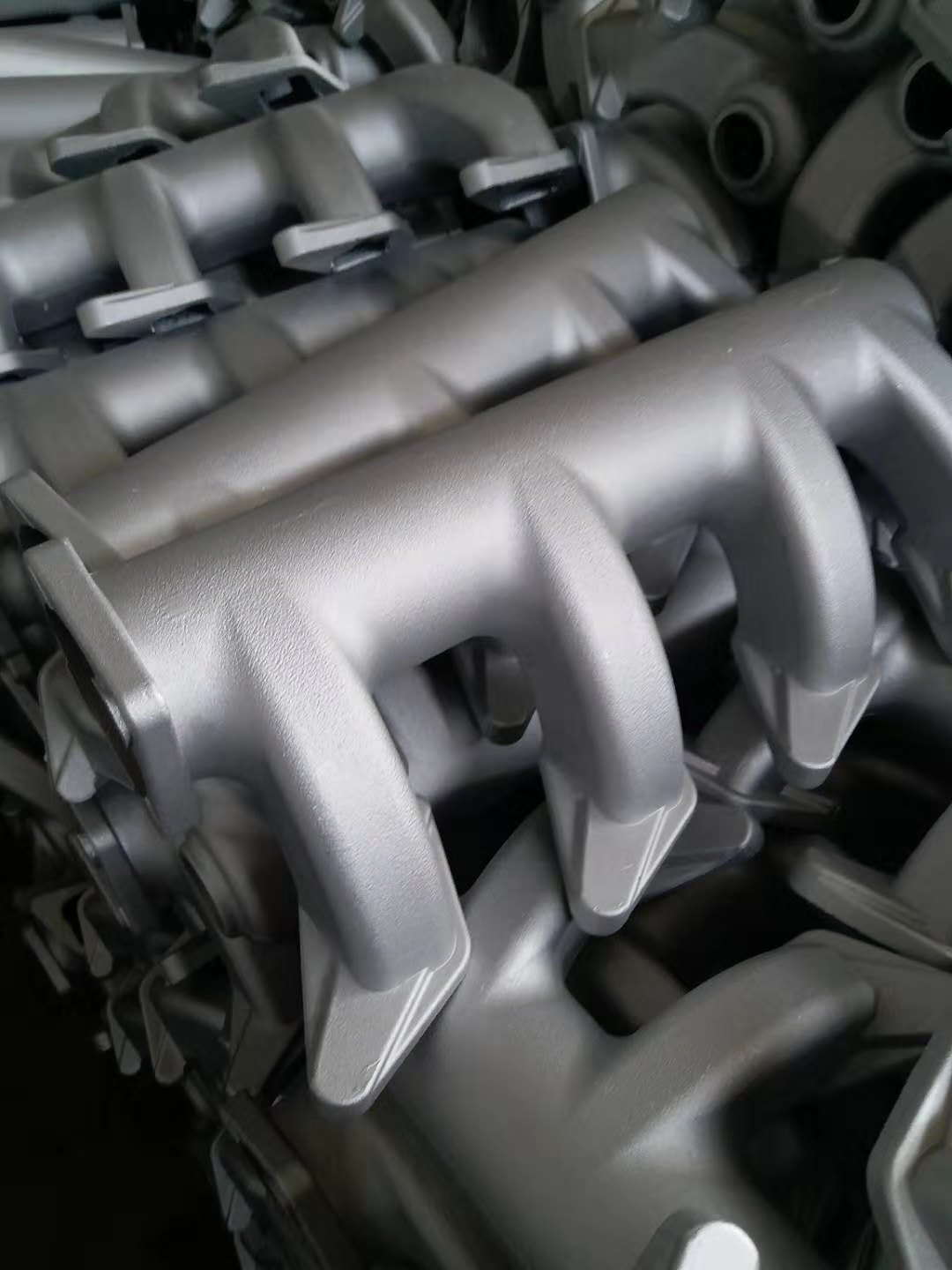
I supply aluminum casting alloy in the grades and formats U.S. foundries actually run every day—optimized for die casting, sand casting, gravity casting, and permanent mold.
Core Aluminum Casting Alloy Families
I focus on four main aluminum alloy casting families, each tuned for specific processes and requirements:
- Al-Si casting alloys
- Excellent fluidity and castability
- Ideal for thin-wall, complex casting aluminum alloy parts
- Widely used in high-pressure die casting and permanent mold
- Al-Si-Cu die casting alloys
- Balanced strength, castability, and pressure tightness
- Core grades: A380, A383, ADC12
- Workhorse alloys for die cast aluminum grades in automotive and electronics
- Al-Si-Mg casting material
- Heat-treatable cast aluminum alloy (T4, T5, T6)
- Higher strength and ductility for structural components
- Key alloys: 356, A356 for sand and gravity casting aluminum
- Al-Cu and Al-Mg casting alloys
- Higher strength and elevated-temperature performance
- Used where mechanical performance is prioritized over maximum corrosion resistance
Fit With Major Casting Processes
I match aluminum casting material to your process to reduce scrap and simplify production:
- High-pressure die casting aluminum alloy
- A380, A383, ADC12 and similar Al-Si-Cu grades for thin-wall, high-volume parts
- Sand casting aluminum alloy
- 356, A356, Al-Si-Mg and select Al-Cu grades for complex, lower-volume or large castings
- Gravity and permanent mold aluminum alloy
- A356, 356 and Al-Si alloys with good fluidity and controlled shrinkage
- Low-pressure casting aluminum
- Clean, low-gas alloys for wheels, structural components, and pressure-tight castings
Industries Using Cast Aluminum Alloy
My aluminum cast alloy portfolio serves:
- Automotive – engine blocks, transmission cases, EV housings, wheels, brackets
- Aerospace – structural castings, housings, fittings in A356 and high-strength grades
- Industrial machinery – pumps, valves, compressor bodies, gear housings
- Electronics & power – heat sinks, enclosures, motor housings, power electronics casings
Commercial Supply: Ingots, Billets, Molten Metal
I supply casting aluminum alloy in production-ready forms for U.S. foundries and OEMs:
- Primary and secondary aluminum casting ingots
- Billets and sows for remelting and alloying
- Molten aluminum casting alloy supply (regional, by agreement)
- Standard packaging on bundles, pallets, or bulk to fit your melt shop
- Chemistry tailored to ASTM, EN, JIS specs or your own melt practice
You get stable, repeatable aluminum alloy casting supply—ready for your die casting, sand casting, gravity casting, or permanent mold lines.
Key Properties of Aluminum Casting Alloy
Aluminum casting alloy hits a sweet spot of low weight, solid strength, and easy processing, which is why so many U.S. OEMs rely on it for high-volume parts.
Lightweight vs. Steel and Zinc
- Density is around 2.7 g/cm³, roughly one-third the weight of steel and much lighter than zinc-based alloys.
- That means major weight savings in automotive, EV, aerospace, and machinery without giving up stiffness or reliability.
Castability, Fluidity and Defect Control
- Al-Si casting alloys offer excellent fluidity, so they fill thin walls and complex geometries reliably in die casting, sand, and gravity casting.
- With the right melt practice and gating, we keep porosity, hot cracking, and shrinkage under control, even on tight-tolerance, pressure-tight parts.
- Our high-pressure aluminum die casting alloy options are optimized for fast filling and low scrap, especially in high-cavitation tools.
Mechanical Properties Range
Typical ranges (depending on alloy and heat treatment):
- UTS (tensile strength): ~150–320 MPa
- Yield strength: ~80–250 MPa
- Elongation: ~1–12%
- Hardness: ~60–100 HB
You can tune the balance of strength vs. ductility with alloy choice and temper (as-cast, T5, T6, etc.).
Corrosion Resistance
- Cast aluminum alloy provides good to excellent corrosion resistance in automotive underbody, marine spray environments, and many chemical atmospheres.
- Proper alloy selection and finishing (coatings, anodizing, conversion coatings) deliver long-term corrosion-resistant cast aluminum performance for U.S. road salt conditions and coastal use.
Thermal and Electrical Conductivity
- High thermal conductivity makes aluminum casting material ideal for heat sinks, power electronics housings, motor controllers, and LED fixtures.
- Moderate electrical conductivity supports grounding, shielding, and certain power components where weight and cost beat copper.
Machinability, Finishing and Weldability
- Most aluminum cast alloys machine cleanly with predictable tool life, especially in T5/T6 tempers.
- Compatible with powder coating, painting, anodizing, plating, and CNC finishing for visible and cosmetic parts.
- Many alloys are weldable or at least repair-weldable, with Al-Si-Mg grades like A356 responding especially well when procedures are controlled.
Recyclability and Cost Efficiency
- Aluminum alloy casting is highly recyclable—we can use a high percentage of secondary aluminum casting alloy without sacrificing performance.
- That cuts material cost, carbon footprint, and energy use, which is a big plus for U.S. customers focused on ESG targets and long-term supply stability.
- We supply foundry-ready ingots and aluminum alloy products with controlled chemistry to keep your casting process stable and your part cost competitive; you can explore our core aluminum alloy offerings or combine them with our OEM aluminum die casting services for a full solution.
Aluminum Casting Alloy Families
When you’re choosing an aluminum casting alloy, you’re really choosing between a few main alloy families. Each one is tuned for a different balance of castability, strength, and cost.
Al-Si Casting Alloys (Eutectic / Hypoeutectic)
Al-Si casting alloys are the workhorses for most aluminum alloy casting work in the U.S.
- Key strengths: excellent fluidity, low shrinkage, good pressure tightness.
- Hypoeutectic (typically 5–10% Si): better machinability, used where strength and finish both matter.
- Near-eutectic (~11–13% Si): best flow and fill for thin walls and complex die cast parts, very common in high-volume automotive cast aluminum alloy components.
These alloys are my go‑to for thin-wall die casting and intricate shapes where fill and defect control are critical.
Al-Si-Cu Alloys for High-Pressure Die Casting
Al-Si-Cu aluminum die casting alloys are built for high-pressure die casting and mass production.
- What they deliver: good strength, good fluidity, solid pressure tightness, and very good castability.
- Ideal for A380-type grades used in transmission cases, housings, and structural brackets.
- Copper content boosts strength and hardness but reduces corrosion resistance slightly, which is usually acceptable in automotive environments.
If you’re running high-speed HPDC and care about cycle time and cost per part, an Al-Si-Cu die casting alloy is usually the first stop.
Al-Si-Mg Heat-Treatable Casting Alloys
Al-Si-Mg casting materials are heat-treatable and are used when you need higher strength plus good ductility.
- Compatible with T4, T5, and T6 tempers for tuning strength and elongation.
- Typical alloys (like A356/356) are common in wheels, structural castings, and high-integrity parts.
- Magnesium brings age-hardening capability and better fatigue strength compared with straight Al-Si alloys.
If you’re targeting T6 temper aluminum casting with strong, weldable parts, Al-Si-Mg is a smart choice. For example, our A356-T6 aluminum alloy specs and applications show how far you can push this family.
Al-Cu and High-Strength Casting Aluminum Grades
Al-Cu casting aluminum alloy grades are used where maximum strength and high-temperature stability matter more than corrosion resistance.
- Higher tensile and yield strength than standard Al-Si systems.
- Used in performance and aerospace-style components, brackets, and high-load housings.
- Typically require tight process control and careful heat treatment to hit spec.
These are not “commodity” alloys; they make sense when design loads and safety factors justify the upgrade.
Primary vs. Secondary Aluminum Casting Feedstock
For casting aluminum alloy, both primary and secondary metal are options:
- Primary aluminum casting ingot: low impurity content, tighter chemistry, ideal for high-spec automotive and aerospace work.
- Secondary aluminum casting alloy: made from recycled scrap, very cost-effective, excellent for general industrial and automotive applications where ultra-low impurities aren’t mandatory.
We routinely match feedstock type to your quality and cost targets so you’re not paying for purity you don’t actually need.
How Si, Mg, Cu, and Fe Affect Performance
The main elements in aluminum casting material directly drive performance:
- Silicon (Si):
- Improves fluidity and castability
- Reduces shrinkage and hot cracking
- Higher Si = better thin-wall fill, slightly lower ductility
- Magnesium (Mg):
- Enables heat treatment and age hardening
- Boosts strength and fatigue resistance
- Too much Mg can increase porosity if gas control is poor
- Copper (Cu):
- Raises strength and hardness, especially at elevated temperatures
- Slightly reduces corrosion resistance and weldability
- Iron (Fe):
- Helps control sticking in die casting
- Excess Fe forms brittle intermetallics, cutting ductility and impact toughness
- Needs tight control, especially for high-pressure die casting alloy grades
By adjusting these elements within standard ranges or via custom melt specs, I can tune a cast aluminum alloy to fit your casting process, wall thickness, and performance targets.
Common Aluminum Casting Alloy Grades
Overview of Popular Cast Aluminum Alloy Designations
In the U.S. market, most aluminum casting alloys follow AA (Aluminum Association), EN (Europe), or JIS (Japan) designations. For die casting and sand casting shops, the core workhorses are A380, A383, ADC12, A360, 356, A356, and 413. I focus our supply on these because they cover 90%+ of real-world needs: high-pressure die casting, sand and gravity casting, and pressure-tight hydraulic and structural parts.
A380 Aluminum Casting Alloy for Die Casting
A380 aluminum casting alloy is the standard die casting aluminum in North America. It offers:
- Excellent castability and fluidity for complex, thin-wall parts
- Good strength and pressure tightness for housings, brackets, and covers
- Balanced cost and performance, ideal for high-volume automotive and electronics work
If you’re running high-pressure die casting cells, A380 is usually the first alloy I recommend.
A383 and ADC12 Casting Alloys
When you need even better flow or tighter leak specs than A380 can reliably give:
- A383 (Al-Si-Cu): Better fluidity than A380, great for very thin walls and intricate details
- ADC12 (JIS): The Japanese counterpart to A383/A380, widely used in imported tooling and global supply chains
Both are go-to choices for thin-wall die castings and pressure-tight parts like pump housings, transmission covers, and EV drivetrain components.
A360 Alloy for Ductility and Corrosion Resistance
A360 aluminum casting alloy is used when you need:
- Higher ductility than A380/A383
- Improved corrosion resistance, especially for outdoor or mildly corrosive environments
- Better performance in parts that see shock, vibration, or require secondary forming
It’s a solid option for structural die castings and exposed automotive components.
356 and A356 Aluminum Casting Alloy
For sand casting, gravity casting, and permanent mold, 356 and A356 are industry standards in the U.S.:
- Good castability for medium-to-thick sections
- Heat-treatable for higher strength and toughness
- Widely used in wheels, suspension parts, aerospace brackets, and machinery components
These alloys are ideal when you need both strength and machinability in cast aluminum alloy parts.
A356.0 and 356.0 in T4, T5, T6 Tempers
We commonly supply A356.0 and 356.0 in several tempers:
- T4: Solution treated, naturally aged – better ductility and machinability
- T5: Cooled from casting and artificially aged – higher throughput, moderate strength
- T6: Solution treated and artificially aged – maximum strength, widely used in structural and aerospace-grade castings
Your choice of temper directly affects final tensile strength, yield strength, and elongation, so we always match temper to your drawing and end-use.
413 and Al-Si12 Alloys for Hydraulic and Pressure Components
413 (Al-Si12) is a high-silicon casting alloy with:
- Excellent fluidity for intricate molds
- High pressure tightness, ideal for hydraulic bodies, pump and valve housings, and precision fluid components
- Good dimensional stability under internal pressure
If your parts must be leak-free under pressure, 413 is usually on the shortlist.
AA, EN, and JIS Cross-Reference
Many U.S. customers work with global tooling and drawings that call out EN or JIS grades. We routinely cross-reference:
- A380 ↔ EN AC-46000 ↔ JIS ADC10 (approximate)
- A383 ↔ EN AC-46100 ↔ JIS ADC12 (close functional equivalent)
- A356/356 ↔ EN AC-42100 / AC-42200
- 413 ↔ EN AC-44000 family
If you’re also sourcing precision castings or mixing processes like stainless steel casting alongside aluminum, our team can align alloy standards and tolerances across both, similar to how we standardize materials in our precision casting services.
Share your print callouts (AA, EN, or JIS), and we’ll lock in the correct casting aluminum alloy grade and specification for your foundry or machining line.
Chemical Composition of Aluminum Casting Alloys
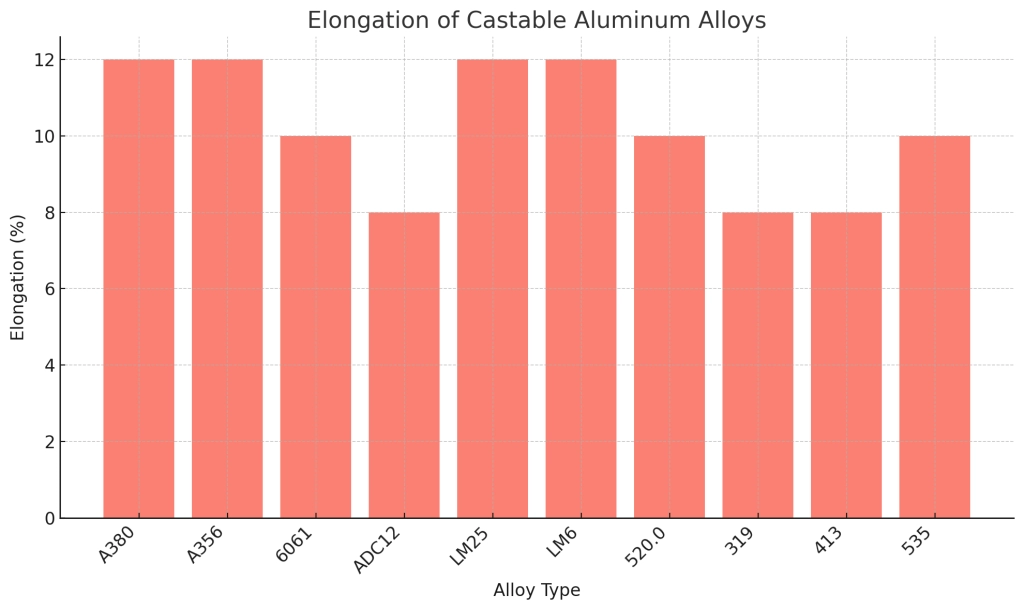
The chemistry behind an aluminum casting alloy drives castability, strength, and defect control. When we supply casting aluminum alloy ingots or molten metal, we keep composition tight so your die casting, sand casting, or permanent mold runs stay stable and predictable.
Typical Composition Ranges (wt%)
These are typical ranges for common cast aluminum alloy grades used in U.S. foundries:
| Alloy | Si % | Cu % | Mg % | Fe % max | Mn % | Zn % | Others (Ti, etc.) |
|---|---|---|---|---|---|---|---|
| A380 | 7.5–9.5 | 3.0–4.0 | ≤0.10 | 1.3 | ≤0.50 | ≤3.0 | Ti ~0.01–0.20 |
| A383 | 9.5–11.5 | 2.0–3.0 | ≤0.10 | 1.3 | ≤0.50 | ≤3.0 | Ti ~0.01–0.20 |
| A360 | 9.0–10.0 | ≤0.60 | 0.40–0.60 | 0.6 | ≤0.35 | ≤0.50 | Ti ~0.10–0.25 |
| 356.0 | 6.5–7.5 | ≤0.25 | 0.25–0.45 | 0.3 | ≤0.35 | ≤0.35 | Ti ~0.10–0.25 |
| A356.0 | 6.5–7.5 | ≤0.20 | 0.30–0.45 | 0.2 | ≤0.35 | ≤0.35 | Ti ~0.10–0.25 |
| 413 | 11.0–13.0 | ≤1.0 | ≤0.10 | 1.3 | ≤0.35 | ≤0.50 | Ti ~0.01–0.20 |
Values are typical ranges; we can match specific ASTM B26/B85 or EN 1706 limits on request.
What Each Element Does in Cast Aluminum Alloy
- Si (Silicon) – Boosts fluidity, reduces shrinkage, improves castability; core of Al-Si casting alloy systems like A380, A356, 413.
- Mg (Magnesium) – Enables heat treatment (T5, T6), increases strength, but must be controlled for porosity and corrosion.
- Cu (Copper) – Raises strength and hardness, especially in die cast aluminum grades (A380, A383), but lowers corrosion resistance.
- Fe (Iron) – Helps against die soldering in high-pressure die casting, but too much Fe creates brittle “needle” phases and hurts ductility.
- Mn (Manganese) – Offsets Fe negative effects by changing Fe phase shape; stabilizes microstructure.
- Zn (Zinc) – Adds strength in some Al-Si-Cu-Zn systems, but excessive Zn can hurt dimensional stability at high temperature.
- Ti (Titanium) and grain refiners – Refine grain size, improve toughness and feeding behavior.
- Sr/Na modifiers (where used) – Modify eutectic Si morphology for better ductility in 356/A356 sand and gravity castings.
Effect of Iron and Impurities
If you push casting
Mechanical and physical properties of aluminum casting alloy
When you’re choosing an aluminum casting alloy, the numbers matter. I focus on alloys that give a predictable balance of strength, ductility, and thermal performance so your castings work in the real world, not just on paper.
Strength, ductility and hardness
Typical ranges you can expect (room temperature, representative values):
- As-cast (no heat treat)
- A380 / ADC12 / A383 (HPDC):
- UTS: 220–320 MPa
- YS: 140–200 MPa
- Elongation: 1–3%
- Hardness: 75–95 HB
- 413 (Al-Si12, pressure-tight parts):
- UTS: 200–280 MPa, elongation 2–4%, hardness 70–85 HB
- A380 / ADC12 / A383 (HPDC):
- Heat-treated (mainly A356 / 356 gravity or sand cast)
- A356/356-T4:
- UTS: 210–260 MPa
- YS: 120–170 MPa
- Elongation: 6–12%
- A356/356-T6:
- UTS: 260–320+ MPa
- YS: 180–230 MPa
- Elongation: 3–8%
- Hardness: 80–100 HB
- A356/356-T4:
Use as-cast die cast grades (A380/ADC12) when you need thin walls and high productivity; use A356/356-T6 when structural strength and fatigue performance come first.
Fatigue, impact and density
- Fatigue strength (rotating bending, fully reversed):
- A380/ADC12: typically 70–90 MPa
- A356-T6: typically 90–120 MPa
A356/356 in T6 is usually the better choice for wheels, suspension, brackets, and safety-critical structures.
- Impact resistance: Higher elongation alloys (A356-T4/T6) handle shock and vibration better than high-Cu die cast grades.
- Density:
- Cast aluminum alloys: ~2.65–2.75 g/cm³
- Steel: ~7.8 g/cm³
- Zinc alloys: ~6.6–6.8 g/cm³
Switching from steel or zinc to aluminum castings can cut part weight by 50–65%, with obvious benefits for fuel economy and EV range.
Section thickness tip (US shops see this a lot):
- Thin-wall HPDC (1–3 mm): A380, ADC12, A383
- Medium/Thick-wall gravity or sand (4–20+ mm): A356/356, 413
Thicker sections cool slower, so we adjust alloy and heat treatment to control porosity and achieve uniform properties.
Thermal and electrical conductivity
For heat management and electronics, aluminum casting material has a serious edge:
- Thermal conductivity (approx.)
- A380/ADC12: 80–120 W/m·K
- A356/356-T6: 120–150 W/m·K
- 413 (high Si): 120–150 W/m·K
That’s why cast aluminum is a go‑to for heat sinks, motor housings, inverter and power electronics enclosures.
- Electrical conductivity
- Casting alloys: typically 20–35% IACS (lower than pure aluminum due to Si, Cu, Mg)
In practice, you get good enough conductivity for housings, EMI shielding, and grounded enclosures, but we don’t use these alloys where high-current conduction is the primary function.
- Casting alloys: typically 20–35% IACS (lower than pure aluminum due to Si, Cu, Mg)
A380 vs A356 vs ADC12 at a glance
| Property | A380 (HPDC) | ADC12 (HPDC, JIS) | A356-T6 (gravity/sand) |
|---|---|---|---|
| Process | High-pressure die cast | High-pressure die cast | Sand, gravity, permanent mold |
| UTS (MPa) | ~230–310 | ~230–300 | ~260–320+ |
| Yield strength (MPa) | ~150–200 | ~150–200 | ~180–230 |
| Elongation (%) | ~1–3 | ~1–3 | ~3–8 |
| Hardness (HB) | ~80–95 | ~80–95 | ~80–100 |
| Thermal conductivity | Moderate | Moderate | Higher |
| Best use | Thin-wall, complex, high volume | Similar to A380, global JIS spec | Structural, fatigue-critical, machined parts |
In short:
- Pick A380/ADC12 if you need thin-wall, high-pressure die casting with good strength and tight tolerances.
- Pick A356/356-T6 if you need higher ductility, better fatigue strength, and higher thermal conductivity for structural or rotating parts.
If you’re also comparing against other lightweight metals, you may find our cast iron vs. steel comparison guide useful to benchmark strength and density trade-offs when switching to aluminum casting alloys.
Heat treatment options for aluminum casting alloy
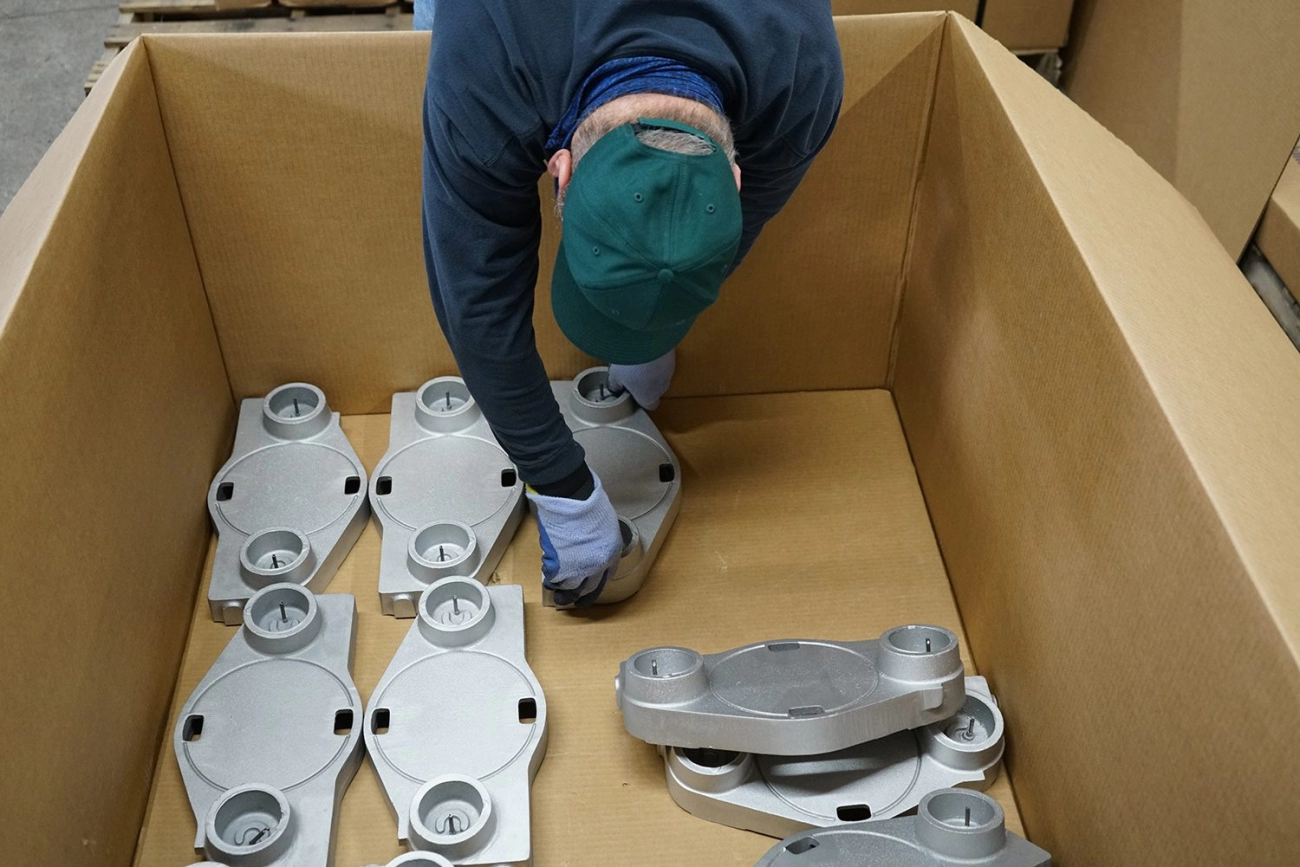
Common tempers: F, T4, T5, T6, T7
For aluminum casting alloy, I usually guide customers toward a specific temper based on how the part will be used:
- F (as-cast): No heat treatment. Lowest cost, good for non-structural or cosmetic parts.
- T4: Solution heat treated and naturally aged. Better ductility and machinability.
- T5: Cooled from casting and artificially aged. Faster throughput, moderate strength.
- T6: Solution heat treated + artificial aging. Go‑to choice for maximum strength in A356 and 356.
- T7: Solution heat treated + overaged. Lower strength than T6, but much better thermal stability at high temperature.
T4 temper: ductility and machining
When you need good elongation and easy machining on casting aluminum alloy:
- Use T4 on alloys like A356 and 356
- Ideal for:
- Parts that will be heavily machined
- Components needing good impact resistance
- Strength is lower than T6, but you gain flexibility and less risk of cracking during machining.
T5 temper: fast and efficient
For high-volume aluminum die casting alloy (A380, A383, ADC12) where time is money:
- T5 uses the heat from casting, then ages the part artificially
- Benefits:
- Faster cycle times than T4/T6
- Good hardness and dimensional stability
- Works well for automotive housings, electronics enclosures, thin-wall die castings
T6 temper: max strength in A356 / 356
If you’re targeting structural performance, T6 is usually the answer:
- A356.0-T6 and 356.0-T6 are standards for:
- Wheels, suspension parts, aerospace brackets, critical structural castings
- Gains vs. as-cast:
- Much higher tensile and yield strength
- Higher hardness
- Trade-off:
- Lower elongation than T4, so design must account for reduced ductility.
T7 temper: high-temperature stability
For high-heat environments (under-hood, turbo housings, power electronics):
- T7 temper intentionally overages the casting aluminum alloy
- What you get:
- Better resistance to thermal softening and creep
- Stable properties after long-term exposure to elevated temperatures
- Common with higher performance Al-Si-Mg and Al-Si-Cu casting materials.
How heat treatment changes properties
Across all these tempers, heat treatment adjusts:
- Strength: T6 > T5 > T4 > F
- Hardness: Rises with T5/T6/T7; important for wear surfaces
- Elongation (ductility): Higher in F/T4; lower in T6/T7
Choosing the wrong temper can mean:
- Cracking during machining (too hard, too brittle)
- Parts that creep or soften in hot environments
- Over-engineering and unnecessary cost
Practical recommendations by alloy and application
Here’s how I usually match aluminum alloy casting temper to the job:
- A356 / 356 sand or gravity casting
- Structural / wheels / aerospace: T6
- Machined housings, brackets with some flexibility: T4
- A380 / A383 / ADC12 high-pressure die casting
- General automotive and electronics housings: T5 or as-cast F (when strength is less critical)
- High-temperature or under-hood components
- Use T7 on suitable Al-Si-Mg or Al-Si-Cu alloys
If you plan additional surface treatment (coatings, painting, anodizing) after heat treatment, we can also coordinate tempers and finishing sequences to keep both appearance and performance consistent, similar to how we manage finishes on our other alloys through our dedicated surface treatment services.
Casting process compatibility for aluminum casting alloy
High-pressure die casting aluminum alloy
For high-pressure die casting aluminum alloy grades, I focus on:
- Al-Si-Cu alloys like A380, A383, ADC12 for thin walls and fast cycles
- Tight control of Fe, gas and inclusions to avoid soldering and porosity
- Alloys designed for high fluidity, good filling, and stable die life
These alloys are ideal when you need complex shapes, tight tolerances, and automotive-level productivity.
Sand casting aluminum alloy
For sand casting aluminum alloy in complex shapes and thicker sections, I usually recommend:
- 356, A356, 319, 413 for structural, pump, and valve bodies
- Alloys with good feeding characteristics and lower hot-tear tendency
- Chemistries that tolerate slower cooling and variable section thickness
If you’re sourcing valve bodies or similar components, our experience as a custom valve castings manufacturer translates directly into better alloy and gating choices.
Permanent mold and gravity casting aluminum
Permanent mold and gravity casting aluminum alloys need:
- Al-Si-Mg (A356/356) for higher strength and heat-treatable parts
- Clean, low-gas melts for good surface finish and fewer inclusions
- Balanced fluidity vs. feeding to limit shrinkage at junctions
These are a solid choice for wheels, suspension parts, and medium-volume OEM work.
Low-pressure and squeeze casting aluminum
For low-pressure and squeeze casting aluminum:
- Use Al-Si-Mg alloys with good fluidity and heat-treat response
- Squeeze casting benefits from alloys that can achieve near-forging quality density
- Ideal for structural EV parts where you want high integrity and low porosity
Fluidity of Al-Si casting alloys
Al-Si alloys are popular because:
- Silicon boosts fluidity, making thin-wall and long-flow parts possible
- Higher Si (around 10–13%) works well in die and low-pressure casting
- Modified eutectic structure improves feeding and hot-tear resistance
Defect control: porosity, hot tearing, shrinkage
To keep defects down in casting aluminum alloy, we focus on:
- Porosity: degassing, filtration, vacuum/pressure-assisted processes
- Hot tearing: correct alloy choice, riser design, and controlled solidification
- Shrinkage: proper gating, risering, and alloy with good feeding behavior
- Inclusions: clean charge, fluxing, and ceramic filters
How to choose aluminum alloy by casting process
Simple rules that work for most U.S. foundry and OEM buyers:
- HPDC: A380 / ADC12 / A383 for thin-wall, high-volume, non-heat-treated parts
- Sand casting: 356 / A356 / 319 when you need strength, weldability, and machinability
- Permanent mold / gravity: A356/356 for wheels and structural components
- Low-pressure / squeeze: high-integrity Al-Si-Mg alloys for safety-critical structures
If you’re not sure where to start, send your drawing, annual volume, and target properties—I’ll match the aluminum casting material and process to your cost and performance targets, and we can refine through trial castings and machining, leveraging the same process knowledge we use in our CNC turning services.
Applications of Aluminum Casting Alloy
Automotive aluminum alloy casting
For U.S. automotive programs, aluminum casting alloy is now standard for:
- Engine blocks and cylinder heads (A356, 356, Al-Si-Cu die casting alloys)
- Transmission and gearbox housings
- EV motor housings, inverter cases and battery trays
- Wheels, suspension knuckles, brackets and crossmembers
You get major weight savings vs. iron and steel, high thermal conductivity for powertrain and EV cooling, plus solid crash performance when we use heat-treatable Al-Si-Mg grades.
Aerospace and structural cast aluminum alloy
Aerospace and defense OEMs in the U.S. rely heavily on A356 and high-strength Al-Si-Mg / Al-Cu casting alloys for:
- Structural brackets and housings
- Landing gear components
- Complex engine and APU castings
We focus on tight chemistry, low gas content, and controlled heat treatment to hit critical strength, fatigue, and damage-tolerance targets in these parts.
Industrial machinery and pump/valve bodies
For industrial equipment, cast aluminum alloy is ideal when you need:
- Pump and valve bodies
- Compressor housings, gearboxes and motor frames
- Automation and robotics housings
Compared to cast iron, you get lighter equipment, easier handling, and better machinability. Where you need high precision, we pair castings with precision CNC machining to deliver ready-to-assemble parts (precision CNC machining bronze services show the level of finish we target on metal components).
Electronics enclosures and heat sinks
Al-Si aluminum casting material is widely used for:
- Electronics enclosures and junction boxes
- Heat sinks and thermal management components
- 5G, telecom and power electronics housings
High thermal conductivity, good electrical shielding, and excellent castability let us make thin-wall, complex shapes that still meet IP sealing and EMC requirements.
Marine and chemical service cast aluminum
Corrosion-resistant cast aluminum alloy (Al-Si-Mg and Al-Mg types) works well for:
- Marine hardware, housings, rails and brackets
- Chemical processing housings and pump bodies
- Offshore and coastal equipment
With proper alloy choice, surface treatment, and sealing, you get a strong, lightweight, and corrosion-resistant alternative to stainless or coated steel.
Pressure-tight hydraulic aluminum casting alloy
For hydraulics and high-pressure systems, we use pressure-tight aluminum casting alloys like 413 and optimized Al-Si die casting grades for:
- Hydraulic valve bodies
- Manifolds and accumulator housings
- Pneumatic and fluid control blocks
We control porosity, shrinkage and inclusions so machined passages and sealing surfaces hold pressure and pass leak tests.
EV, lightweighting and sustainability trends
U.S. OEMs are accelerating the move to lightweight aluminum alloy casting for:
- Large integrated EV subframes and megacastings
- Battery enclosures and crash structures
- Motor and inverter housings
High-recycled secondary aluminum casting alloy lets you hit sustainability and CO₂ goals while cutting vehicle weight, improving range, and keeping total cost competitive with steel-based solutions.
Product Forms and Supply Options for Aluminum Casting Alloy
Flexible product forms
I supply casting aluminum alloy in the main forms U.S. foundries actually use day to day:
- Ingots – clean, consistent chemistry for general aluminum alloy casting
- Billets – for permanent mold, gravity casting, and custom machining
- Sows – cost‑effective bulk feedstock for large aluminum foundries
- Molten aluminum alloy – direct liquid metal delivery for high-volume die casting lines
Packing and handling
To keep your melt clean and handling simple, I offer:
- Strapped bundles of cast aluminum alloy ingots
- Wrapped pallets for forklift handling and warehouse storage
- Bulk delivery options for large secondary aluminum casting alloy users
MOQs, lead time, and shipping
- Minimum order quantities are flexible by alloy and form, so small trial runs and full truckloads are both realistic.
- Lead times are scheduled around your melt shop and tooling plans, with rush options for urgent tooling changes.
- Global shipping and U.S. port delivery support make it easy to combine aluminum casting material with other metals like low carbon steel products in one supply chain.
Technical support and trial casts
I don’t just ship metal; I support your process:
- Help selecting the right aluminum cast alloy for die, sand, gravity, or permanent mold
- Small-lot sampling for new aluminum casting alloy grades and modifiers
- Support for trial casts so you can dial in fill, feeding, and heat treatment before committing to full production
Quality, Standards & Certifications for Aluminum Casting Alloy
When you’re buying aluminum casting alloy in the U.S. market, paperwork isn’t just a formality—it’s your insurance policy. I run our aluminum alloy casting operation with a “zero guesswork” mindset on quality and standards.
Compliance with Casting Alloy Standards
We match our cast aluminum alloy chemistry and properties to the major global specs, so your drawings and RFQs translate cleanly:
- ASTM B26 / B85 for aluminum alloy casting and ingot
- EN 1706 for European casting aluminum alloy grades
- AA (Aluminum Association) designations for common alloys like A380, A356, 413
- Cross-checked against customer-specific specs when needed
Every heat is certified, and test results are tied directly to the supplied aluminum casting material.
Certified Foundry Quality Systems
Our foundry and melt shop run under strict quality systems:
- ISO 9001 for overall quality management
- IATF 16949 support for automotive aluminum casting alloy programs
- Documented process control, SPC, and corrective actions
For customers in demanding sectors like oil & gas or turbines, we follow similar rigor to what we apply in our testing and quality control procedures.
Spectrographic Analysis & Melt Control
We don’t ship guesswork metal. Each casting aluminum alloy melt is checked with:
- Spectrographic analysis for full chemistry (Si, Mg, Cu, Fe, Mn, Zn, Ti, modifiers)
- In-process adjustments to keep tight windows for high-pressure die casting alloy and other processes
- Slag and dross control to keep inclusions low
This keeps your castings more consistent, especially for thin-wall and pressure-tight parts.
Mechanical Testing & Verification
To prove performance, we back chemistry with mechanical data:
- Tensile, yield, and elongation testing on separately cast test bars or coupons
- Hardness checks (Brinell) on every lot for key aluminum cast alloy grades
- Certificates of analysis and test reports supplied with each shipment when requested
You get actual numbers—not assumptions—on your cast aluminum alloy.
Full Traceability, Heat to Finished Casting
We maintain lot-level traceability from:
- Primary or secondary aluminum casting ingots → melt → casting batch
- Recorded heat numbers on tags, labels, and documents
- Trace-back capability if you ever have an issue in machining or field service
This is critical for automotive, aerospace, and safety-critical aluminum alloy casting programs.
Control of Gas, Inclusions & High Fe
Defects start in the melt, so we control them at the source:
- Hydrogen (gas) monitoring and degassing to cut porosity in die cast and sand cast parts
- Filtration and fluxing to reduce non-metallic inclusions
- Tight control of Fe levels to balance fluidity with ductility and avoid excessive brittleness
- Regular audits of melt practice and equipment
End result: cleaner, more reliable aluminum casting alloy that machines better, leaks less, and lasts longer in your parts.
Choosing the Right Aluminum Casting Alloy
Match Alloy to Casting Process and Wall Thickness
You can’t pick a casting aluminum alloy without thinking about the process and section size. As a simple rule:
- High-pressure die casting (HPDC):
- Best: A380, ADC12, A383, A360 and similar Al-Si-Cu die casting alloys
- Ideal for: Thin walls, complex geometry, high volume
- Sand casting aluminum alloy:
- Best: 356, A356, 319, Al-Cu grades
- Ideal for: Thick sections, lower tooling cost, prototypes
- Gravity / permanent mold aluminum alloy:
- Best: 356, A356, 413, Al-Si-Mg and Al-Si alloys
- Ideal for: Medium walls, better surface and mechanical properties
- Low-pressure and squeeze casting aluminum:
- Best: A356/356, Al-Si-Mg and some Al-Cu high-strength alloys
- Ideal for: Structural parts and pressure-tight components
Thin walls (<2.5 mm): favor high-fluidity die cast aluminum grades (A380, ADC12, A383).
Thick sections: use 356/A356 or 413 with controlled feeding and solidification.
Pressure Tightness vs. Ductility
Think about what fails first: leaks or cracks.
- For pressure-tight aluminum alloy (hydraulics, pumps, compressors):
- Die casting: A380, A383, ADC12 with tight porosity control
- Sand/permanent mold: 413, A356/356 (often T6)
- For ductility and impact resistance (suspension, structural):
- A356/356 in T4 or T6
- High-strength Al-Si-Mg or Al-Cu casting alloy in squeeze or low-pressure casting
If you need both pressure tightness and strength, lean toward A356/356 T6 with a low-porosity process (squeeze or low-pressure casting).
Balance Strength, Corrosion Resistance and Cost
In the U.S. market, most buyers want “just strong enough” at the lowest total cost, not maximum lab strength.
- Strength first:
- A356/356 T6, Al-Cu casting alloys, squeeze cast Al-Si-Mg
- Corrosion resistance first (automotive, marine, outdoor):
- A360, A356, 356 (especially Al-Si-Mg with low Cu)
- Cost first / high volume:
- A380, ADC12, A383 (high-pressure die cast aluminum grades, often with secondary aluminum)
Always look at lifetime cost: machining time, scrap rate, heat treat, finishing. Sometimes a slightly more expensive cast aluminum alloy saves money downstream, just like with higher-quality metals in other processes such as precision laser-cut sheet materials.
A380 vs. ADC12 vs. A383 (Die Casting)
For aluminum alloy casting in HPDC, these three show up in almost every RFQ:
- A380 aluminum casting alloy (North America standard):
- Pros: Very good castability, good strength, good pressure tightness with process control
- Use it for: General-purpose die castings, automotive housings, consumer products
- ADC12 casting alloy (JIS, common in imported tooling):
- Pros: Similar to A383/A380, excellent fluidity, easy to fill thin walls, good machinability
- Use it for: Thin-wall and complex die castings, especially when tooling is designed to JIS
- A383 die cast aluminum (A380 alternative):
- Pros: Better fluidity than A380, good for intricate, thin-wall, pressure-tight parts
- Use it for: Small, complex, pressure-critical housings and connectors
If you’re running thin-wall, very complex parts, ADC12 or A383 usually wins. For general North America automotive and industrial work, A380 is the default die casting aluminum alloy.
A356 / 356 vs. 413 vs. Al-Cu Casting Alloys
When you move away from HPDC and into sand, permanent mold or squeeze casting:
- A356 / 356 aluminum casting alloy:
- Pros: Heat-treatable, excellent strength-to-weight, good corrosion resistance, good weldability
- Use it for: Wheels, suspension, aerospace castings, structural brackets, marine parts
- 413 aluminum casting grade (Al-Si12):
- Pros: Very high fluidity, good pressure tightness, good castability in complex molds
- Use it for: Hydraulic bodies, compressor housings, pressure-tight components
- Al-Cu casting aluminum alloys (e.g., 201, 206 series):
- Pros: Higher strength at elevated temperatures
- Use it for: High-load, high-temperature structural components where corrosion can be managed
If you need high strength + weldability + corrosion resistance, pick A356/356 (T6).
If you need excellent fluidity and pressure tightness, pick 413.
If you need maximum high-temperature strength, consider an Al-Cu casting alloy with strong process/heat treat control.
Checklist for Specifying Aluminum Casting Alloy to Suppliers
When you send out RFQs to foundries or die casters, lock in these points:
- Casting process: HPDC, sand, gravity/permanent mold, low-pressure, squeeze
- Target alloy and standard: e.g., A380 (ASTM B85), A356-T6 (ASTM B26), ADC12 (JIS), 413
- Mechanical properties:
- Minimum UTS, yield, elongation
- Any fatigue or impact targets if critical
- Wall thickness and critical sections:
- Thinnest wall
- Heaviest section and local hotspots
- Pressure and leak requirements (if any):
- Test method (air, helium, water)
- Limit (e.g., 0.5 bar, 1.0 bar, etc.)
- Corrosion environment:
- Automotive underhood, marine splash, chemical exposure, outdoor weathering
- Heat treatment and temper (if applicable):
- As-cast (F), T4, T5, T6, T7
- Machining and finishing:
- Critical machined surfaces and tolerances
- Coatings/finishes (anodizing, powder coat, painting, plating)
- Feedstock quality:
- Primary vs. secondary aluminum casting alloy
- Max Fe and impurity levels allowed
- Standards and quality requirements:
- ASTM / EN / JIS references
- Required certifications, test reports, and sampling plan
If you share this checklist up front, most U.S. aluminum foundries can quickly tell you which aluminum casting material (A380, ADC12, A383, A356, 356, 413, or a custom aluminum cast alloy) is the best match for your part and your budget.
Technical resources and support for aluminum casting alloy
I back every aluminum casting alloy order with fast, practical technical support so your team can move from quote to production with fewer surprises.
Datasheets and MSDS
You get clear, ready-to-use documents for every alloy:
| Document type | What you get |
|---|---|
| Alloy datasheets (A380, A356, ADC12, etc.) | Chemistry, properties, casting process notes |
| MSDS / SDS | Safety, handling, storage, and molten metal guidelines |
| Process summaries | Key tips for die, sand, gravity, and permanent mold use |
All files are formatted for quick use in US engineering and purchasing workflows (PDF / Excel).
Alloy cross‑reference tables (AA / EN / JIS)
I provide easy cross‑reference tools so you can match global specs:
| Need | Support provided |
|---|---|
| AA ↔ EN 1706 ↔ JIS ADC | Side‑by‑side grade mapping (A380 / ADC12 / EN AC) |
| OEM / internal specs | Help matching to equivalent casting aluminum alloy |
| Global sourcing | Alternatives for multi-plant supply chains |
Engineering support & process optimization
My team works directly with your foundry or machine shop to tune the aluminum alloy casting to your process:
- Design reviews for wall thickness, ribs, bosses, and draft angles
- Casting simulation feedback (fill, solidification, hot spots)
- Recommendations on alloy choice by process (high-pressure die casting, sand, gravity, low-pressure)
If you’re optimizing your broader manufacturing flow, I can also connect this with our wider manufacturing process expertise so your casting, machining, and finishing line up.
Heat treatment guidance (T4, T5, T6, T7)
I help you lock in realistic, production-ready heat treat specs on your drawings:
| Temper | Typical use case | What I help define |
|---|---|---|
| F | As-cast, low-cost parts | Baseline properties and limits |
| T4 | High ductility, good machinability | Solution time/temp and quench practice |
| T5 | Die cast parts needing quick aging | Aging cycle compatible with your throughput |
| T6 | Maximum strength for A356/356 structural parts | Full solution + aging recipe |
| T7 | Elevated temp and fatigue stability | Overaging parameters and property targets |
You get clear instructions that your heat treater, foundry, and QA team can all follow.
Custom alloy development and modifiers
When standard cast aluminum alloy grades don’t fully fit your needs, I can adjust chemistry and modifiers:
- Tighter control of Fe and impurities for high‑pressure die casting
- Optimized Si/Mg/Cu balance for fluidity, strength, or pressure tightness
- Grain refiners and modifiers for better feeding and reduced porosity
Custom aluminum casting material can be supplied as ingots or molten metal, and validated with full spectro analysis and mechanical testing. For broader product integration, you can also review our current metal products and services as reference.
Reviews
There are no reviews yet.