
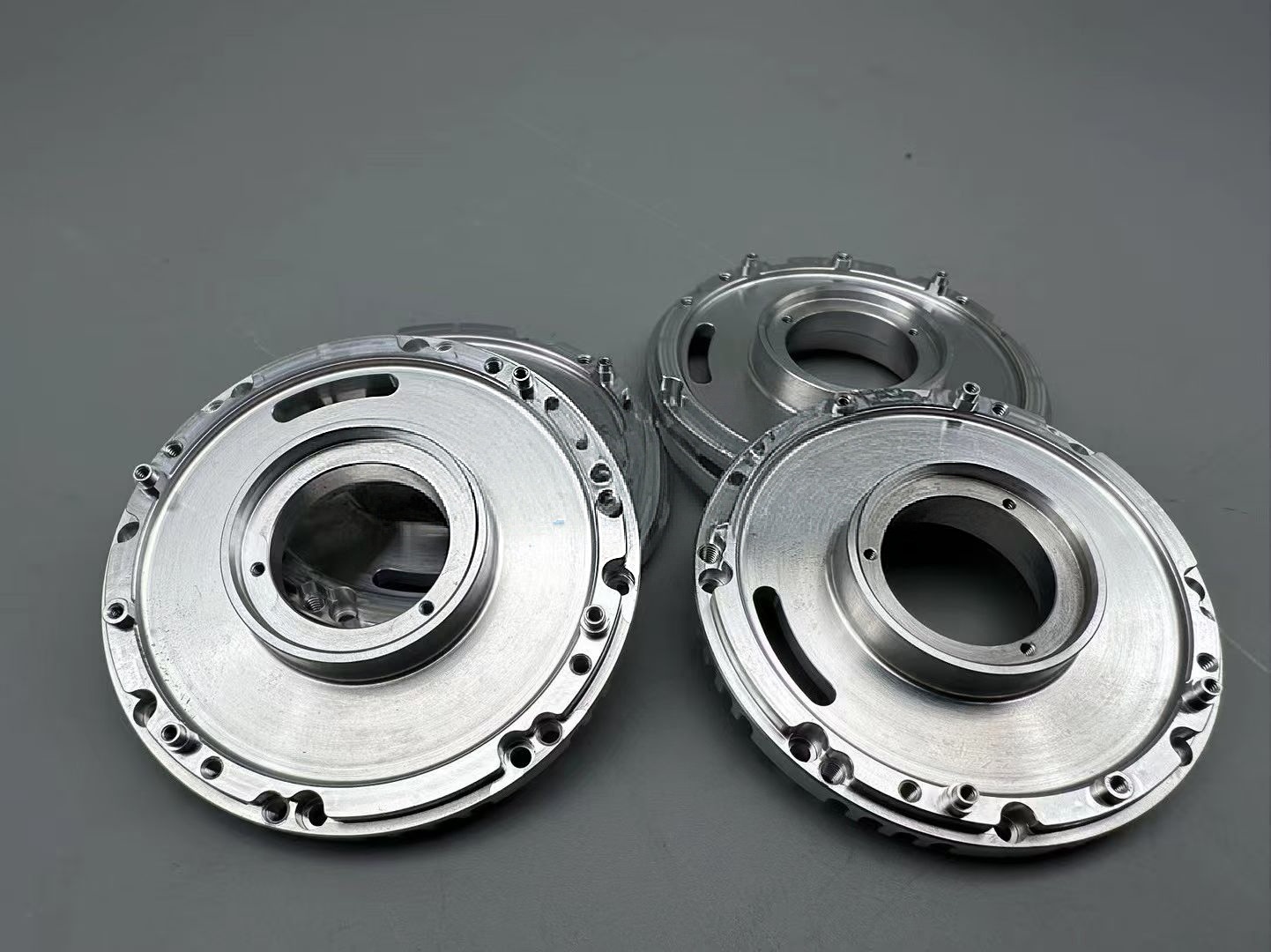
What is Austenitic Stainless Steel?
Austenitic stainless steel represents the largest and most versatile family of stainless steels, renowned for its exceptional toughness and ductility. At the microscopic level, these alloys are defined by a face-centered cubic (FCC) crystal structure. Unlike the body-centered cubic structure of ferritic steels, the FCC lattice remains stable from cryogenic temperatures up to the melting point, preventing the material from becoming brittle even in extreme cold. This structural integrity is why we at Vastmaterial rely on austenitic grades for components requiring high formability and impact strength.
Stabilizing the Austenite Structure
The stability of the austenite phase at room temperature is achieved through precise alloying. While Chromium provides the baseline corrosion resistance, specific elements are added to maintain the FCC structure:
- Nickel: The primary austenite stabilizer, enhancing ductility and high-temperature strength.
- Manganese: Acts as a partial substitute for Nickel and improves hot workability.
- Nitrogen: Increases strength and resistance to pitting corrosion while stabilizing the austenite phase.
Non-Magnetic Properties and Corrosion Resistance
One of the distinct characteristics of austenitic stainless is its non-magnetic nature in the annealed condition, making it ideal for applications where magnetic interference must be minimized. However, cold working can induce slight magnetism in some grades. Beyond physical properties, these alloys offer superior corrosion resistance compared to martensitic and ferritic grades. The combination of Chromium and Nickel creates a robust passive oxide layer that self-heals in oxygen-rich environments, protecting critical components from rust and degradation in harsh industrial atmospheres.
Chemical Composition of Austenitic Stainless
The superior performance of austenitic stainless steel relies on a precise “recipe” of alloying elements. At Vastmaterial, we strictly control these chemical ratios during our manufacturing process to ensure every component meets rigorous industrial standards. The defining characteristic of this family is the high proportion of Chromium and Nickel, which dictates its microstructure and resistance capabilities.
Key elements in our stainless steel composition include:
- Chromium (16-26%): This is the foundation of stainless steel. It reacts with oxygen to form a passive surface layer that blocks rust and general corrosion.
- Nickel (6-22%): Nickel stabilizes the austenite structure, ensuring the material remains non-magnetic, tough, and ductile across extreme temperature ranges.
- Molybdenum: We add this to specific grades to significantly boost pitting corrosion resistance, making the metal suitable for marine and chemical environments where chlorides are present.
Beyond the primary elements, we carefully manage Carbon levels. Low-carbon variants are essential for welding applications to prevent carbide precipitation. For high-heat applications, we incorporate stabilizing elements like Niobium—a key component in our Alloy 347 offerings—to prevent intergranular corrosion. Our comprehensive alloy casting processes ensure these complex chemical balances are maintained from the melting pot to the final solid part, delivering maximum efficiency and durability.
Key Properties of Austenitic Stainless Steel

At Vastmaterial, we prioritize materials that deliver reliability under the most demanding conditions. Austenitic stainless steel stands out in our catalog because it offers an exceptional balance of mechanical performance and chemical stability. Its defining characteristic is superior durability, driven by a self-repairing passive layer that protects components from harsh environments.
Here is a breakdown of the critical properties that make these alloys a staple in precision manufacturing:
- Corrosion Resistance: The high chromium and nickel content provides excellent defense against general rusting. Specific additions, such as Molybdenum, significantly enhance pitting corrosion resistance and protect against crevice attacks in chloride-rich environments like marine or chemical processing sectors.
- Mechanical Strength & Ductility: Unlike brittle alternatives, the 300 series stainless steel grades exhibit high tensile and yield strength combined with impressive elongation. This ductility allows us to cast complex geometries without risking structural failure.
- Thermal Capabilities: These alloys are unique in their ability to handle temperature extremes. They function as cryogenic stainless steel by retaining toughness at sub-zero temperatures, preventing brittle fracture. Conversely, stabilized grades like Alloy 347 serve as effective high temperature stainless solutions, resisting oxidation and creep in high-heat applications.
- Physical Characteristics: In the annealed state, these steels are non-magnetic, a crucial requirement for specific electronic and medical applications. However, they do possess higher thermal expansion rates compared to ferritic grades, a factor we strictly control during our investment casting and machining processes to ensure dimensional accuracy.
Common Austenitic Stainless Steel Grades and Comparisons
The austenitic stainless family is dominated by the 300 series, which relies on Nickel to maintain its austenite structure. These are the most widely used alloys in manufacturing because they offer a reliable balance of strength, corrosion resistance, and fabricability. We categorize these into standard workhorse grades and specialized high-performance alloys.
The 300 Series: Industry Standards
For general applications, 304 stainless steel is the universal standard. It offers excellent versatility for everything from kitchen equipment to architectural paneling. However, when heavy welding is required, we recommend Type 304L. The “L” stands for Low Carbon, which prevents carbide precipitation during welding, ensuring the joint remains corrosion-resistant.
When projects face chloride exposure—like marine environments or chemical processing—316 stainless steel is the superior choice. The addition of Molybdenum drastically improves pitting resistance. Similar to the 304 series, 316L is the low-carbon version designed to maintain integrity after welding.
Specialized High-Performance Grades
Beyond the standards, we engineer components using stabilized and high-temperature grades. Alloy 347 stainless steel is a standout in our catalog. Stabilized with Columbium (Niobium), it eliminates carbide precipitation at high temperatures (800-1500°F), making it ideal for aerospace and gasket applications where standard 304 would fail.
- Type 321: Titanium-stabilized, similar to 347 but generally used for lower-stress high-temp applications.
- Type 310: High Chromium and Nickel content for superior oxidation resistance in furnace parts.
Grade Comparison Matrix
| Grade | Key Alloying Element | Primary Characteristic | Typical Application |
|---|---|---|---|
| 304/304L | 18% Cr, 8% Ni | Standard versatility | Food processing, architecture |
| 316/316L | 2-3% Molybdenum | Chloride resistance | Marine hardware, chemical tanks |
| 347 | Columbium (Nb) | Intergranular corrosion resistance | Jet engine parts, exhaust manifolds |
| 310 | 25% Cr, 20% Ni | High-temperature oxidation | Furnace linings, cryogenic vessels |
PREN Values and Cost Factors
When selecting a material, we look at the Pitting Resistance Equivalent Number (PREN). Higher PREN values indicate better resistance to pitting corrosion. While 304 has a PREN around 18, grades like 316 jump to over 24. However, higher alloy content—specifically Nickel and Molybdenum—increases the raw material cost. Understanding the trade-offs in our stainless investment casting process helps us guide clients toward the most cost-effective grade that still meets strict performance requirements.
Advantages and Limitations of Austenitic Stainless
Austenitic stainless is the go-to choice for many of our clients because it offers a balance of strength and versatility that is hard to beat. Its face-centered cubic structure gives it incredible toughness, even at cryogenic temperatures, unlike ferritic grades which can become brittle. However, selecting the right material requires weighing its superior performance against specific manufacturing challenges and costs.
Key Benefits
- Superior Weldability: This is widely considered the most weldable stainless steel class. Most grades can be welded without pre-heating or post-weld heat treatment, simplifying assembly.
- High Formability: Excellent ductility allows for deep drawing and complex shaping without failure.
- Impact Toughness: It retains high strength and resists fracturing even in extreme cold.
Challenges and Considerations
The primary limitation we manage during production is work-hardening. As we machine these alloys, they can harden rapidly if the cutting tools are not sharp or if the feed rate is too slow. This requires precise CNC strategies to prevent tool wear and ensure dimensional accuracy. Additionally, standard austenitic stainless grades can be susceptible to chloride stress-corrosion cracking (SCC) in environments above 140°F (60°C).
Cost and Performance Comparison
Austenitic stainless typically commands a higher price point than ferritic or martensitic options due to its Nickel content. For example, when deciding between materials, reviewing a 416 vs 316 stainless steel comparison highlights how austenitic grades (like 316) offer better corrosion resistance, while martensitic grades (like 416) offer superior machinability at a lower cost.
| Feature | Austenitic (300 Series) | Ferritic (400 Series) | Martensitic (400 Series) |
|---|---|---|---|
| Corrosion Resistance | Excellent | Moderate | Fair |
| Magnetic Properties | Non-Magnetic (mostly) | Magnetic | Magnetic |
| Hardenability | Work-Hardening Only | Not Hardenable | Heat Treatable |
| Cost | High (due to Nickel) | Low to Medium | Medium |
| Toughness | High (even cryogenic) | Low at low temps | Moderate |
Vastmaterial’s Austenitic Stainless Steel Offerings
At Vastmaterial, we provide a comprehensive range of austenitic stainless products designed to handle the toughest industrial environments. We specialize in both standard and high-performance grades, with a strong focus on Alloy 347, a stabilized grade engineered for superior thermal stability and corrosion resistance. Our commitment to material science ensures that every alloy we supply meets rigorous quality standards for durability and performance.
Our manufacturing capabilities allow us to deliver these materials in various forms to suit diverse production needs:
- Precision Investment Castings: Ideal for complex geometries and intricate designs.
- Stock Forms: High-quality sheets, plates, bars, and pipes.
- Custom Components: Tailored parts manufactured to exact specifications.
Our core expertise lies in producing custom investment casting steel alloys that meet tight tolerances where standard machining methods might fall short. We support your project from the initial concept through to the final product. By combining advanced casting techniques with our extensive catalog of stainless and alloy steel products, we ensure every component delivers maximum efficiency. Whether you need raw stock or fully machined parts, our team is equipped to minimize downtime and maximize results for your specific application.
Manufacturing Processes and Value-Added Services

At Vastmaterial, we provide an end-to-end solution for austenitic stainless components, managing the entire lifecycle from raw alloy to finished product. Our integrated approach minimizes downtime and maximizes results by combining advanced casting techniques with precision finishing.
- Precision Investment Casting: We utilize advanced casting methods to produce complex geometries with tight tolerances. Our precision investment casting services are engineered to handle the specific flow and solidification characteristics of austenitic grades, delivering near-net-shape parts that reduce material waste.
- CNC Machining: To meet the most exacting specifications, we employ state-of-the-art CNC machining. This ensures superior dimensional accuracy and surface quality for parts that demand perfection.
- Surface Treatments: We enhance the durability of our castings through comprehensive finishing options. Our capabilities include plating, coating, and polishing to boost the corrosion resistance and aesthetic appeal of austenitic stainless steel.
- Industry Compliance: Our processes are rigorous. We adhere to strict quality assurance protocols suitable for high-stress sectors like aerospace, nuclear, and oil & gas, ensuring every component offers long-term stability.
Industry Applications for Austenitic Stainless
Our austenitic stainless steel components are engineered to perform in the most demanding industrial environments. By leveraging precision investment casting and advanced CNC machining, we deliver parts that meet the specific mechanical and chemical requirements of critical sectors.
- Aerospace Innovation
Weight reduction and thermal stability are non-negotiable in aerospace. We specialize in casting stabilized grades like Alloy 347, which maintain structural integrity under extreme heat. Our components are used in jet engine parts and exhaust manifolds where resisting intergranular corrosion at high temperatures is essential for safety and efficiency. - Marine Engineering
Saltwater environments aggressively attack standard metals. We utilize marine-grade 300 series stainless to manufacture hardware, propeller shafts, and valve bodies that resist pitting and crevice corrosion. These materials ensure long-term durability against chloride exposure, minimizing maintenance downtime for marine vessels. - Oil & Gas and Nuclear Energy
The energy sector requires materials that withstand high pressure and corrosive media. We supply high-strength components for oil and gas industry applications designed to resist sulfide stress cracking in sour service. In nuclear power generation, the superior creep strength of our austenitic castings ensures reliability under prolonged exposure to elevated temperatures. - Chemical Processing & Hygiene
For food, pharmaceutical, and chemical industries, material purity is paramount. The non-reactive nature of austenitic stainless steel prevents product contamination. We provide precision-machined parts with smooth surface finishes that are easy to clean and sanitize, meeting strict regulatory standards for hygiene and corrosion resistance.
Why Choose Vastmaterial for Austenitic Stainless Steel
At Vastmaterial, we don’t just supply metal; we engineer performance. Our deep expertise in austenitic stainless manufacturing allows us to deliver components that perfectly balance tensile strength, corrosion resistance, and magnetic permeability. Whether you require standard 304 stainless steel or high-performance, stabilized grades like Alloy 347, our integrated approach ensures every part meets the rigorous demands of US industries.
We manage the entire lifecycle of your project, from initial alloy development to final surface finishing. By combining precision investment casting with advanced CNC machining, we eliminate the inefficiencies of multi-vendor sourcing. You can explore our comprehensive range of stainless steel products to see how we tailor solutions for complex applications.
Our Core Advantages
| Feature | Benefit to Your Operation |
|---|---|
| Bespoke Alloy Solutions | Our R&D team collaborates with academic institutions and industry leaders to customize chemical compositions for specific environmental challenges. |
| Precision Tolerances | We utilize advanced casting and machining techniques to achieve exact specifications, minimizing material waste and assembly downtime. |
| Rigorous Quality Control | Every batch undergoes stringent testing to ensure consistent thermal stability and durability in extreme conditions. |
| Reliable Supply Chain | We provide end-to-end project management, ensuring on-time delivery for both prototype runs and high-volume production. |
Our commitment to quality means we strictly adhere to international standards, ensuring that our austenitic stainless steel components perform reliably in aerospace, marine, and energy sectors. When you partner with us, you gain access to a manufacturing ecosystem designed to maximize efficiency and product longevity.
Frequently Asked Questions (FAQs) regarding Austenitic Stainless
Is austenitic stainless steel magnetic in all conditions?
Generally, austenitic stainless steel is non-magnetic when in an annealed condition. However, it is not strictly non-magnetic in every scenario. The austenite crystal structure can partially transform into martensite during cold working processes, such as bending or heavy machining. This transformation can cause the material to become slightly magnetic. For applications requiring strictly non-magnetic properties, we ensure the material remains in a fully annealed state after our stainless steel casting and machining processes.
What is the main difference between 304 and 316 austenitic stainless steel?
The primary difference lies in the chemical composition, specifically the addition of Molybdenum.
- 304 Stainless Steel: The most versatile and widely used grade. It offers excellent corrosion resistance for standard environments.
- 316 Stainless Steel: Contains 2-3% Molybdenum. This addition significantly increases resistance to pitting and crevice corrosion, particularly in chloride-rich environments like marine settings or chemical processing.
Can austenitic stainless steel be hardened by heat treatment?
No, austenitic stainless cannot be hardened through heat treatment. Unlike martensitic grades, these alloys do not undergo the phase change required for hardening when heated and quenched. They can only be hardened through cold working (work hardening). If your project requires higher yield strength without cold working, we often recommend looking into duplex stainless steel as a high-strength alternative.
What makes austenitic stainless steel suitable for cryogenic applications?
Austenitic stainless steel is the standard choice for cryogenic service because of its Face-Centered Cubic (FCC) structure. Unlike ferritic steels, which become brittle and prone to cracking at low temperatures, austenitic grades retain high toughness and ductility even at temperatures approaching absolute zero. This makes them essential for handling liquefied gases and cryogenic freezing equipment.
Reviews
There are no reviews yet.