
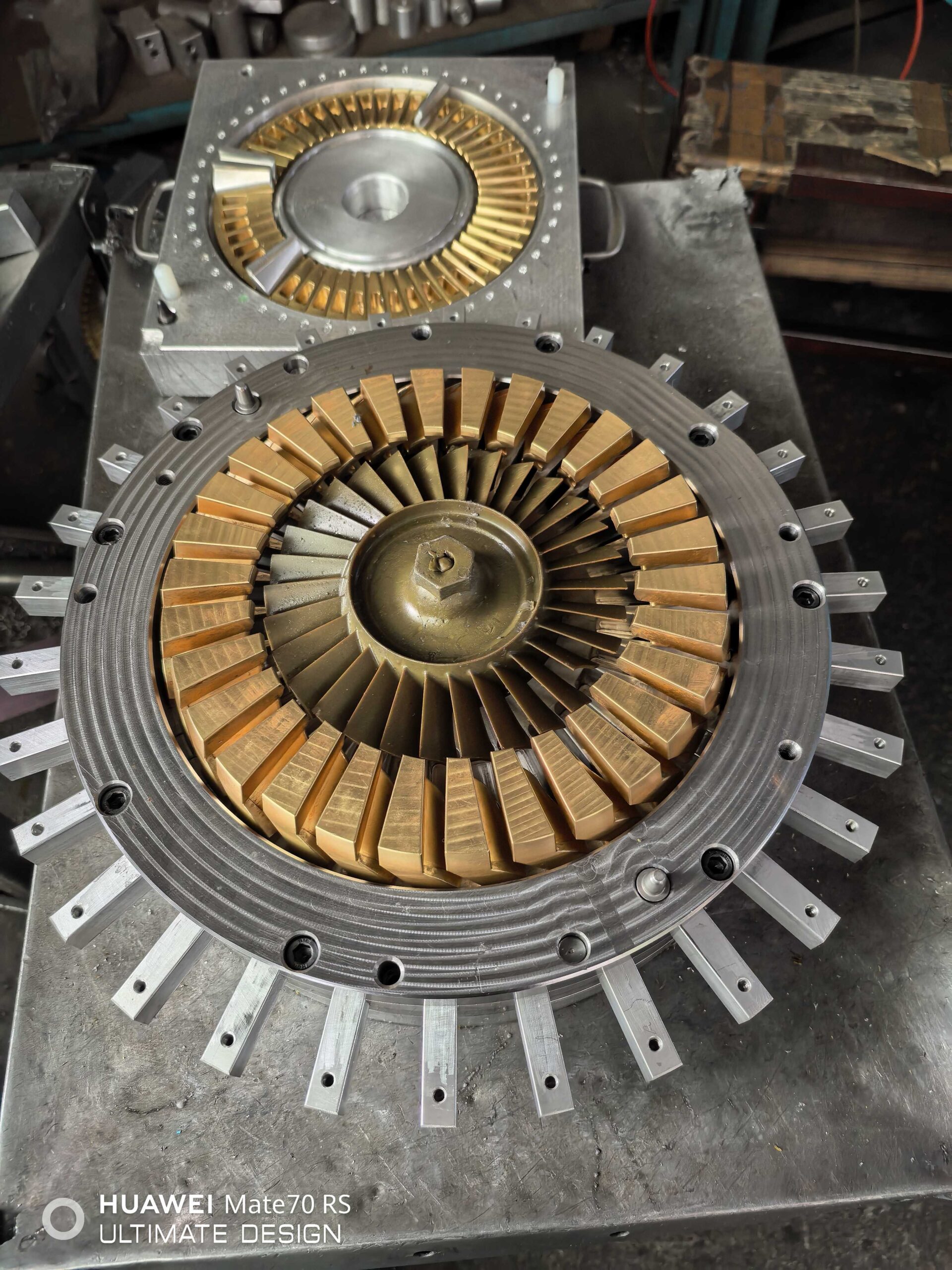
High-Precision Cast Aluminum Mold Plates & Tooling Blocks
Machinists and mold makers often face a critical challenge: predicting how a material will behave once the cutter touches the surface. We understand that for precision tooling, stability is not just a feature—it is a requirement. Our cast aluminum mold materials are engineered to address the specific needs of the prototyping and molding industries, providing a reliable foundation for complex geometries.
Why Machinists Choose Stress-Free Cast Aluminum
The primary reason industry professionals switch from rolled plate to cast aluminum is the internal structure. Unlike rolled materials that harbor built-in stresses from the rolling process, our cast aluminum features a uniform, granular structure. This stress-free characteristic means that when you remove material, the plate stays flat. There is no “spring-back” or warping, allowing for tighter tolerances without the need for constant roughing and re-squaring.
Eliminating Deformation in High-Speed CNC Machining
In high-speed CNC environments, heat generation and rapid material removal can wreak havoc on inferior metals.
- Dimensional Stability: Our materials maintain their shape even after aggressive machining passes.
- Reduced Cycle Time: Because the material doesn’t warp, machinists can run higher feed rates and speeds.
- Predictable Results: What you program is exactly what you get, reducing scrap rates significantly.
The Role of Raw Material in Finished Mold Performance
The performance of a finished mold starts at the melt. We strictly control the chemical composition of our aluminum alloys (such as A356 and ADC12) to ensure high purity and minimal porosity. High-quality raw material translates directly to a better surface finish on the final cast aluminum mold, superior thermal conductivity for cooling cycles, and extended tool life. By starting with premium ingots and precise casting protocols, we deliver the consistency required for industrial-grade tooling blocks.
Technical Specifications & Material Grades

Selecting the right raw material is the foundation of a durable cast aluminum mold. We supply high-performance aluminum alloy ingots designed to meet strict mechanical property requirements for gravity, sand, and die casting processes. Our focus is on material purity to ensure the final tooling has excellent fluidity and is free from structural defects that could compromise production.
Core Alloy Grades for Mold Making
We specialize in specific aluminum grades for casting that offer distinct advantages for mold production and industrial components:
- A356.2 (High-Strength): This grade is known for its high ductility and strength. It is a preferred choice for high-stress mold applications where structural integrity is non-negotiable.
- ADC12 (Precision Standard): Widely used for pressure die-cast molds, ADC12 offers excellent dimensional stability and ease of casting, making it ideal for complex geometries and thin-walled designs.
- LM24 / ADC10: Engineered for high-pressure environments, providing a balanced combination of thermal properties and durability.
Customization and Dimensional Capabilities
We understand that standard compositions don’t always fit every project. We offer customization of chemical compositions—specifically adjusting Silicon, Copper, and Magnesium levels—to tailor the mechanical properties to your exact needs. Whether you require enhanced thermal conductivity or specific hardness levels for a complex investment mold, our materials are processed to ensure consistent machinability.
| Feature | Specification |
|---|---|
| Form Factor | Standardized Ingots (6kg – 25kg) |
| Primary Alloys | A356.2, ADC12, LM24, ADC10 |
| Surface Quality | Optimized for post-casting precision machining |
| Purity Control | Low-impurity focus to prevent thermal fatigue |
By controlling the alloy composition at the ingot stage, we ensure that the resulting cast aluminum mold delivers superior thermal fatigue resistance and a pristine surface finish after machining.
Advantages of Cast Aluminum for Molds

When we talk about efficiency in the shop, choosing the right material is half the battle. We see more manufacturers switching to a cast aluminum mold for prototyping and production runs because the performance benefits directly impact the bottom line. It’s not just about being lighter than steel; it’s about how the material behaves during machining and actual molding cycles.
Superior Thermal Conductivity
Speed is everything in injection and blow molding. Aluminum thermal conductivity for molds is roughly four to five times higher than that of tool steel. This massive difference allows for much faster cooling cycles.
- Reduced Cycle Times: Heat dissipates rapidly, allowing parts to solidify quicker.
- Higher Output: Shorter cycles mean you can produce more parts per shift without adding new machinery.
- Uniform Cooling: Better heat transfer reduces the risk of hot spots and warping in the final plastic part.
Dimensional Stability via Stress-Relief
One of the biggest headaches in mold making is material movement during machining. Our cast tooling plate is a stress-relieved aluminum plate, meaning it has undergone specific heat treating processes to eliminate internal tension. Unlike rolled materials that can bow or twist when you remove the skin, cast aluminum stays dead flat. This dimensional stability aluminum offers ensures that the tight tolerances you machine are the tolerances you keep.
Cost-Efficiency and Machining Speeds
Running a cast aluminum mold is significantly cheaper than running P20 or H13 steel. The material itself is generally more affordable, but the real savings happen on the CNC machine.
- Faster Machining: Aluminum cuts at much higher speeds and feeds, reducing machine time by up to 50%.
- Tool Life: It is less abrasive, meaning your end mills and drills last longer.
- Easier Polishing: Achieving a high-quality surface finish takes less time and effort.
By utilizing our premium aluminum alloy products, you get a material that balances strength with incredible workability. This combination allows mold makers to reduce lead times and increase production profit, making aluminum the smart choice for competitive manufacturing environments.
Industrial Applications for Aluminum Tooling
We supply the high-grade aluminum alloys that serve as the foundation for diverse industrial tooling sectors. When speed and thermal efficiency are the priorities, a cast aluminum mold offers a significant advantage over traditional steel, primarily due to its rapid heat dissipation capabilities. Our materials are engineered to support foundries and tool shops in creating molds that reduce cycle times and maintain dimensional accuracy.
Key Sectors Utilizing Our Alloys
- Plastic Injection Molding: Ideal for prototype tooling and bridge production. The superior cooling rates of aluminum allow for faster cycle times, directly increasing profit margins on short-to-medium runs. For manufacturers needing finished parts, our aluminum die casting services utilize these high-purity materials to deliver tight tolerances.
- Blow Molding: A standard choice for bottle and container manufacturing. The high thermal conductivity of our aluminum grades ensures consistent cooling, which is critical for maintaining uniform wall thickness and optical clarity in the final product.
- Vacuum Forming & Thermoforming: Widely used in the packaging industry. Our stress-relieved material ensures the mold retains its shape under vacuum pressure and thermal cycling, preventing warping that can ruin packaging seals.
- Aerospace & Rubber Tooling: From foam molding to precision rubber curing, the structural integrity of our A356 and ADC12 equivalents meets the rigorous standards required for aerospace precision tooling.
The vastmaterial Quality Assurance
Reliability is the baseline for any successful cast aluminum mold project. We do not leave material integrity to chance. Our facility employs rigorous testing and quality assurance measures to detect internal flaws before the metal ever reaches your machine shop. We ensure that every plate and block provides the consistency required for precision manufacturing.
Our QA process includes:
- Ultrasonic Testing (UT): We scan materials to verify a porosity-free grain structure. This eliminates the risk of discovering air pockets or inclusions during deep CNC milling, ensuring the structural integrity of the final tool.
- Laser Flatness Checks: We utilize precision laser measurement to guarantee superior flatness and dimensional accuracy, significantly reducing setup and facing time on your end.
- Protective Packaging: We secure every shipment with industrial-grade packaging to ensure scratch-free delivery, protecting the critical surface finish during global logistics.
Material Comparison: Aluminum vs. Steel

When selecting the base for a cast aluminum mold, the debate often lands on three contenders: cast aluminum tooling plate, rolled aluminum, and tool steel. While steel has historically been the go-to for high-volume production, modern CNC mold making materials have shifted the landscape. The choice ultimately impacts your machining hours, cooling cycles, and the dimensional accuracy of the final part.
Understanding the mechanical differences, specifically regarding A356 aluminum vs 6061 cast vs wrought, is critical for ensuring your tooling performs under pressure without blowing your budget on machining time.
Cast Aluminum vs. Rolled Aluminum vs. Steel Performance
The primary difference lies in how the material is formed. Rolled aluminum (like standard 6061-T6) creates a grain direction, introducing internal stress. When you machine deep pockets into rolled plate, that stress releases, causing the block to warp or “potato chip.”
Stress-relieved aluminum plate (cast tooling plate) eliminates this variable. Because it is cast and annealed, the grain structure is uniform and random. This means you can machine it aggressively without fear of movement. Steel, while durable, lacks the thermal transfer rates of aluminum, leading to longer cycle times in injection molding.
Performance Breakdown:
| Feature | Cast Aluminum Tooling Plate | Rolled Aluminum (6061) | Tool Steel (P20) |
|---|---|---|---|
| Internal Stress | Extremely Low (Stress-Free) | High (Warps when machined) | Low to Medium |
| Machining Speed | Very Fast | Fast | Slow |
| Thermal Conductivity | Excellent (Fast Cooling) | Good | Poor |
| Dimensional Stability | Superior | Moderate | High |
| Weldability | Good | Excellent | Good |
Internal Stress, Machining Speed, and Polishing
Time is money in the mold shop. High-strength aluminum alloy blocks can be roughed out at speeds 5x to 10x faster than tool steel. This drastically reduces the lead time from design to first shot.
- Machining: Cast aluminum produces small, manageable chips and puts less wear on your cutting tools compared to steel.
- Polishing: While steel can achieve a higher optical mirror finish, high-density aluminum injection mold material can be polished to an SPI A2 finish, which is sufficient for most cosmetic parts.
- Surface Integrity: Our precision aluminum casting solutions focus on low-porosity ingots, ensuring that when you machine or polish the mold surface, you don’t uncover pits or defects.
Why Cast Aluminum Wins for Precision Tooling Flatness
For jigs, fixtures, and prototype molds, flatness is non-negotiable. Rolled plates often require secondary grinding after roughing to re-establish flatness. A cast aluminum mold starts flat and stays flat. The stress-relief process ensures that the material is inert. Whether you are using a Mic-6 aluminum alternative or a 5083 block, the lack of residual stress means the tolerances you cut are the tolerances you keep.
Frequently Asked Questions (FAQs)
Can cast aluminum be polished to a mirror finish?
Yes, absolutely. The key to achieving a high-gloss, mirror-like surface on a cast aluminum mold lies in the density and purity of the grain structure. Our cast plates are engineered with low porosity, meaning you won’t encounter pitting or voids during the polishing process. This makes them ideal for high-aesthetic applications like bottle blowing or cosmetic packaging where surface finish transfers directly to the final plastic part.
What is the difference between MIC-6 and vastmaterial 6061?
While MIC-6 is a well-known industry standard for stable tooling plate, our 5083 cast aluminum plate serves as a high-performance Mic-6 aluminum alternative designed for specific industrial needs.
- Mic-6: Typically a 7000-series blend known for immediate stability.
- Vastmaterial 6061: Offers exceptional corrosion resistance and high strength after welding, while maintaining the stress-relieved properties required for precision machining.
For a deeper dive into how different grades perform under stress, check out our guide on cast aluminum foundry processes and alloys.
Do you offer rough cut or precision milled edges?
We provide both to fit your production workflow. Most mold makers prefer our precision milled aluminum sheet options, where the top and bottom surfaces are machined to tight flatness tolerances (often within 0.1mm). However, if you plan to machine the entire block extensively yourself, we can supply rough-sawn custom cut aluminum plates to save on initial material costs.
How does thermal conductivity affect mold cycle times?
Aluminum thermal conductivity for molds is a massive advantage over tool steel. Aluminum transfers heat roughly four times faster than steel. In processes like injection molding, the cooling phase often takes up the majority of the cycle time. By using high-conductivity aluminum alloys, you can extract heat rapidly, significantly reducing cycle times and increasing part output per hour. Our precision casting services ensure that the material integrity supports this rapid thermal cycling without warping.

Reviews
There are no reviews yet.