
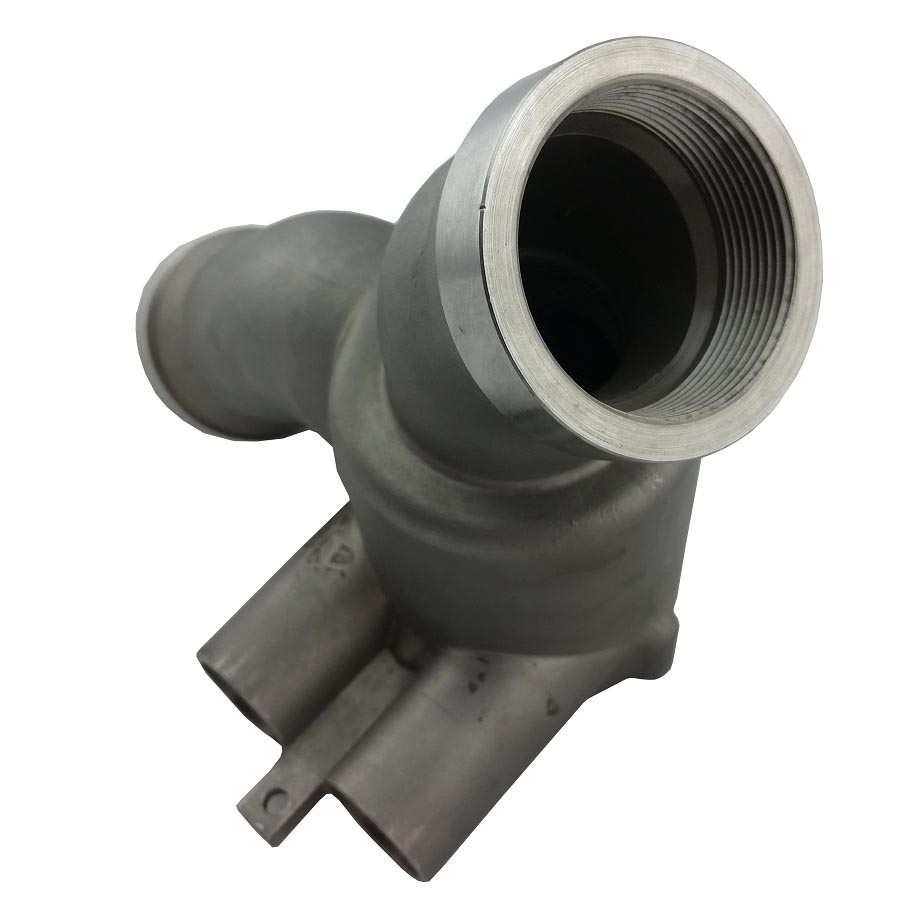
Cobalt alloy castings are precision metal components poured and solidified from cobalt‑based superalloys, engineered for extreme wear, corrosion, and high-temperature service. Unlike basic steels, these alloys keep their hardness, strength, and surface integrity where other metals soften, gall, or erode—especially in hot, corrosive, or high-load environments.
In our cobalt alloy foundry, we use investment casting to produce near-net-shape cobalt alloy cast components with tight dimensional control and minimal machining. This makes cobalt based casting ideal for wear parts, valves, turbine blades, medical implants, and food processing tools where failure is not an option.
The Science Behind Cobalt-Based Alloys
Cobalt-based superalloys get their performance from a carefully balanced chemistry and microstructure:
- Base element: Cobalt for hot-hardness and microstructural stability
- Chromium: Corrosion and oxidation resistance
- Tungsten / Molybdenum: Solid-solution strengthening for high-temperature strength
- Carbon + Carbides: Hard, wear-resistant phases for sliding and impact wear
- Nickel, Iron, others (as needed): Tailored for toughness, castability, or specific industry specs
Through controlled melting, casting, heat treatment, and optional HIP processing, we tune the cobalt alloy mechanical properties—tensile strength, hardness, thermal fatigue resistance, and impact toughness—to match your real-world loading, temperature, and media conditions.
Cobalt Alloy Casting vs. Other Superalloys
When you compare cobalt alloy casting to stainless steels and nickel superalloys, the trade-offs are clear:
| Property / Use Case | Cobalt Alloy Castings | Stainless Steel | Nickel Superalloy |
|---|---|---|---|
| Wear and galling resistance | Excellent – especially Co-6, Co-21 | Moderate | Good, but often needs coatings |
| High-temperature strength & hot hardness | Very high – stable at elevated temps | Drops off faster | Excellent |
| Corrosion/oxidation in hot, wet environments | Strong performance | Good at lower temps | Very good, but cost is higher |
| Thermal fatigue & thermal shock | Robust microstructure | More prone to cracking | Good |
| Biocompatibility (medical, dental) | Proven – ASTM F75 CoCrMo, cobalt chrome | Limited to certain grades | Rarely used directly in implants |
| Cost vs. performance in severe wear service | High value for critical wear components | Lower cost, lower performance | Higher cost, may over-specify |
If you need wear-resistant cobalt parts, high-temperature cobalt castings, or corrosion-resistant alloy castings that survive high heat, pressure, and sliding contact, cobalt alloy is often the most reliable long-term choice versus stainless steel or a nickel superalloy.
Why Choose VastMaterial for Cobalt Alloy Casting
At VastMaterial, cobalt alloy casting is a core capability—not an add-on. We run a specialized cobalt alloy foundry focused on consistent quality, tight cobalt casting tolerances, and design support for demanding US applications.
Here’s how we support engineers and buyers:
- Focused on cobalt-based superalloys: Co-6 alloy components, Co-21, L-605 alloy valves, ASTM F75 CoCrMo castings, and more
- Precision cobalt investment castings: Near-net-shape cobalt manufacturing cuts machining time, tooling costs, and scrap
- Application-driven engineering: We help you choose the right cobalt alloy grade and casting process for your load, temperature, and media
- Quality and testing: Full mechanical testing, non-destructive testing for cobalt castings (RT, PT, MT), and traceable certifications
- Responsive quoting and delivery: Fast feedback on manufacturability, lead times, and cost trade-offs for both prototypes and production
If you’re evaluating cobalt alloy vs stainless steel or nickel superalloy for a new or existing design, we can review your drawings, loading conditions, and target lifetime, then recommend a cobalt alloy casting process and grade that delivers the lowest total cost of ownership—not just the lowest piece price.
Unmatched Properties of Cobalt Alloy Castings
Superior wear and corrosion resistance
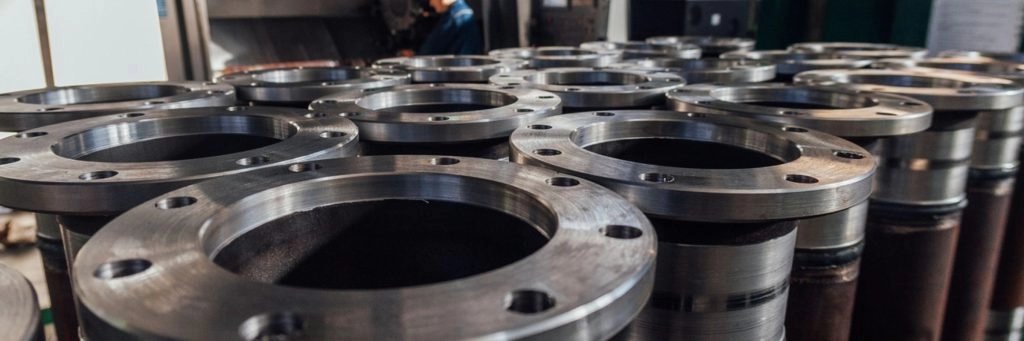
Our cobalt alloy castings are built for brutal service conditions. The hard carbide phases in Co-6, Co-21, and similar cobalt-based superalloys give outstanding metal-to-metal wear, abrasion, and erosion resistance. In real-world terms, that means:
- Longer life for wear-resistant cobalt parts like seats, bushings, and bearings
- Reliable performance in corrosive media (chemicals, seawater, sour gas)
- Lower downtime and fewer replacements vs. stainless steel and many nickel alloys
If you’re already using high-performance alloys in harsh environments, you’ll find our cobalt alloy cast components behave much like the premium Inconel and cobalt-based superalloys highlighted in our nickel superalloy and Inconel selection guide, but with better galling and wear resistance.
High-temperature strength and thermal stability
Cobalt alloy castings hold their strength and hardness at temperatures where many steels start to creep and deform. Our high-temperature cobalt castings are engineered for:
- Stable mechanical properties up to red‑hot operating temps
- Thermal fatigue resistant castings that survive repeated heat cycles
- Critical parts like aerospace hot-section components, valves, and nozzles
With the right cobalt alloy heat treatment and optional HIP processing, we lock in low porosity and predictable performance under high heat and high pressure.
Biocompatibility and anti-galling advantages
Medical customers in the U.S. count on our biocompatible cobalt chrome castings for implants and surgical components. Alloys like ASTM F75 CoCrMo deliver:
- Proven biocompatibility for medical cobalt implants and prosthetics
- Excellent resistance to body fluids and cleaning chemicals
- Strong anti-galling behavior in joints, hinges, and sliding interfaces
We’ve applied the same know-how used in Co-28Cr-6Mo orthopedic components such as our tibial plateau CoCrMo implants to industrial cobalt alloy wear parts, giving you smoother operation, less seizure, and more reliable performance wherever metal slides on metal.
Cobalt Alloy Investment Casting Process
Step-by-step cobalt alloy casting process
At VastMaterial, we run a tightly controlled cobalt alloy casting process to hit repeatable quality on every batch:
- Design & simulation – We review your 3D model, run solidification and flow simulations, and dial in gating and risers to prevent porosity and shrink.
- Wax pattern & assembly – Precision wax patterns are injected, cleaned, and assembled onto a tree to form the mold cluster.
- Ceramic shell building – The wax tree is repeatedly dipped and coated with ceramic slurry and sand to build a high-strength, heat-resistant shell designed for cobalt-based superalloys.
- Dewax & firing – Wax is removed in an autoclave, and the shell is fired to full strength and to burn off any residue.
- Cobalt alloy melting & pouring – We melt cobalt alloy grades like Co-6, Co-21, L-605, and ASTM F75 in induction furnaces under controlled atmospheres, then pour into preheated shells for near-net-shape cobalt manufacturing.
- Shell removal & cutoff – After cooling, the ceramic shell is removed, and individual cobalt alloy cast components are cut from the tree.
- Heat treatment & HIP (optional) – Cobalt alloy heat treatment and optional cobalt alloy HIP processing improve density, toughness, and fatigue life.
- Finishing & inspection – We shot blast, machine critical features, and use non-destructive testing for cobalt castings (X-ray, dye penetrant, ultrasonic) to verify internal and surface integrity.
For customers needing a broader comparison of processes and alloys, our detailed guide to investment casting and other alloy casting methods walks through how cobalt alloy casting stacks up against other options.
Cobalt casting tolerances and customization options
We design our precision cobalt investment castings to cut your machining time and total cost:
- Typical tolerances:
- ±0.005 in/in (±0.13 mm per 25 mm), tighter on small, critical features
- Wall thickness down to ~0.06 in (1.5 mm), depending on geometry
- Size range:
- From small wear-resistant cobalt parts under 0.1 lb to complex high-temperature cobalt castings over 50 lb
- Customization options:
- Custom cobalt alloy blending and chemistry control
- Cored passages, thin fins, and integrated mounting features
- Secondary CNC machining, grinding, and polishing
- Surface finishes tailored for medical cobalt implants, aerospace cobalt turbine blades, and oil and gas cobalt alloy wear parts
If your project needs extremely tight cobalt casting tolerances or hybrid assemblies, we combine investment casting with precision machining similar to what we offer in our high-precision casting services.
Sustainable practices in cobalt alloy casting
We know U.S. buyers care about both performance and responsibility, so we’ve built sustainability into our cobalt alloy foundry operations:
- Recycled input – We maximize certified revert and gating returns in the melt while keeping strict chemistry and cleanliness controls.
- Energy-efficient melting – High-efficiency induction furnaces, optimized preheat cycles, and smart power management reduce energy use per pound of cobalt-based casting.
- Waste reduction – Near-net-shape cobalt casting cuts machining stock, chips, and scrap, lowering your overall material footprint.
- Responsible handling – Spent ceramic, dust, and grinding waste are collected and treated through approved recycling and disposal streams.
The result: corrosion-resistant alloy castings and thermal fatigue resistant castings that meet demanding specs without wasting material, time, or energy.
Aerospace and defense cobalt castings
Cobalt alloy castings thrive where failure isn’t an option. In aerospace and defense, we use cobalt-based superalloys for:
- Turbine blades, nozzle guide vanes, and combustor parts that see extreme heat and thermal fatigue
- Valve seats, bushings, and wear pads that handle abrasion and impact
- High-temperature hardware and brackets where stainless or aluminum can’t survive
These high-temperature cobalt castings deliver stable mechanical properties, even in jet engines and defense propulsion systems.
Medical and orthopedic cobalt alloy components
For medical OEMs and device makers, cobalt chrome is still a top choice for orthopedic implants and surgical components:
- ASTM F75 CoCrMo castings for hip, knee, and shoulder implants
- Cobalt chrome dental prosthetics and removable partial frameworks
- Biocompatible cobalt chrome castings for trauma and spine hardware
We support tight tolerances and medical-grade finishing, aligned with the standards used in chromium-cobalt-molybdenum implants and components.
Oil, gas, and energy cobalt cast parts
In oil, gas, and power generation, cobalt alloy cast components are used where sand, sour gas, high pressure, and heat destroy standard alloys:
- Co-6 alloy components for valve trims, seats, and balls
- L-605 alloy valves and hot gas path parts in turbines
- Corrosion-resistant alloy castings for subsea gear, pumps, and choke parts
These cobalt alloy wear parts deliver long life in high-pressure, erosive, and corrosive service.
Automotive and food processing cobalt castings
For U.S. automotive and food equipment makers, cobalt-based casting solves tough wear and cleanability issues:
- Valve seats, rocker components, and turbo hot-side parts in performance and heavy-duty engines
- Cobalt alloy for food processing equipment like cutting blades, guides, and wear rails
- **Anti-galling and non
Cobalt Alloy Grades and Specifications
When we produce cobalt alloy castings, we stay locked in on the right grade, tight specs, and proven certification. That’s how we get repeatable performance in real-world US applications.
Popular Cobalt Alloy Grades (Co-6, Co-21, L-605, ASTM F75)
We work with the most requested cobalt-based superalloys for wear, heat, and corrosion:
| Alloy Grade | Common Name / Standard | Key Advantages | Typical Uses |
|---|---|---|---|
| Co-6 | Stellite 6–type Co-6 alloy | Extreme wear, galling and corrosion resistance | Valve seats, pump wear parts, cutting tools |
| Co-21 | Stellite 21–type Co-21 alloy | Better toughness + corrosion, moderate wear | Pump sleeves, medical tools, food equipment |
| L-605 | Haynes 25 / AMS 5759 | High-temp strength, oxidation & fatigue | Aerospace hot-section, L-605 alloy valves |
| ASTM F75 | CoCrMo (medical grade) | High strength, biocompatible, wear resistant | ASTM F75 CoCrMo castings, implants, dental parts |
If you also need high-temp nickel or hybrid alloy solutions, we often pair cobalt casting projects with our high-temperature alloy offerings for complete system coverage.
Mechanical Testing and Certifications
We don’t ship cobalt alloy cast components without data. Typical testing and documentation options include:
- Mechanical tests
- Tensile, yield, elongation, reduction of area
- Hardness (Rockwell / Brinell)
- Impact (Charpy) where required
- Quality & integrity checks
- Non-destructive testing for cobalt castings: RT, UT, PT, MT
- Dimensional and cobalt casting tolerance reports
- Certifications (depending on project)
- Material certs with full heat traceability
- ASTM, AMS, ISO-based procedures
- Medical-grade documentation for biocompatible cobalt chrome castings (ASTM F75, etc.)
Custom Cobalt Alloy Blending and Engineering Support
If standard grades don’t hit your target life or cost, we’ll tune the chemistry and process:
- Custom cobalt alloy blends
- Adjusted carbon, chromium, molybdenum, tungsten for specific wear, corrosion, or thermal fatigue resistant castings
- Tailored cobalt alloy heat treatment and optional cobalt alloy HIP processing to boost density and fatigue life
- Engineering support
- Design-for-casting input for near-net-shape cobalt manufacturing
- Alloy selection help (cobalt alloy vs stainless steel vs nickel superalloy) based on your operating environment
- Tolerance, gating, and section-thickness advice to keep performance high and machining low
You tell us the temperature, load, media, and target life; we match it with the right cobalt alloy grade and spec so your parts stay in the field, not in the scrap bin.
Cost Efficiency With Near-Net-Shape Cobalt Castings
We design cobalt alloy cast components as close to final shape as possible, so you spend less on machining and scrap.
How near-net-shape saves you money:
| Cost Driver | Traditional Machining | VastMaterial Cobalt Casting Advantage |
|---|---|---|
| Material waste | High | Low – optimized gating and feeds |
| CNC machining time | Long cycles | Shorter cycles / fewer setups |
| Tool wear on hard alloys | Heavy | Reduced passes, longer tool life |
| Secondary operations | Frequent | Often eliminated or minimized |
You get tight cobalt casting tolerances, better buy-to-fly ratios, and more predictable cost per part.
Rapid Prototyping & Scalable Cobalt Casting Production
We move fast from CAD to cast part, whether you need 5 pieces or 5,000.
What we offer:
- 3D printed tooling and patterns for quick cobalt alloy prototypes
- Flexible lot sizes for pilot runs and PPAP samples
- Scalable molds and process windows for full production
- Stable repeatability across batches for OEM programs
For complex cobalt-based superalloys, our precision investment casting service keeps lead times short and quality consistent.
Proven Performance, Case Studies & ROI From Cobalt Castings
Our cobalt alloy casting process is built around real-world performance in US aerospace, medical, energy, and industrial wear parts.
ROI you can expect:
- Longer service life vs. stainless steel or standard tool steels
- Fewer unplanned shutdowns in high-wear and high-heat zones
- Lower total lifecycle cost per assembly, not just cheaper unit price
- Design freedom for complex internal passages, vanes, and wear surfaces
When customers switch to our cobalt alloy wear parts and high-temperature cobalt castings, they usually see payback in fewer replacements, fewer line stoppages, and more uptime across the year.
Cobalt Alloy Casting FAQs
Biocompatibility and Safety of Cobalt Alloy Castings
Is cobalt alloy safe for medical and food-contact use?
Yes—medical grades like ASTM F75 CoCrMo and dental cobalt chrome are engineered to be biocompatible and corrosion resistant. That’s why they’re widely used for:
- Medical cobalt implants (hips, knees, trauma devices)
- Cobalt chrome dental prosthetics (crowns, bridges, partials)
- Food processing cobalt alloy wear parts where hygiene and durability both matter
We follow relevant ASTM and ISO standards, and we can support material certifications, mechanical testing, and non-destructive testing for cobalt castings on request.
Cobalt Alloy Performance in High-Heat and High-Pressure Environments
How do cobalt-based superalloys perform under extreme conditions?
Cobalt alloy cast components are built for heat, pressure, and abuse. They’re a strong fit where stainless steel or basic alloys start to fail:
- High-temperature cobalt castings for hot gas, steam, and combustion environments
- Thermal fatigue resistant castings that handle frequent heating/cooling cycles
- Wear-resistant cobalt parts for oil, gas, aerospace, valves, and seals
Compared with many steels, cobalt-based superalloys keep their strength, hardness, and corrosion resistance longer at elevated temperature and under high load.
If you’re also sourcing other high-temperature parts, our high-temperature nickel alloy machining services can complement your cobalt alloy solutions.
Design, Ordering, and Lead Times for Cobalt Alloy Casting Projects
What do you need to start a cobalt alloy casting project?
Send us:
- 3D model + drawings (STEP/IGES + PDF with tolerances)
- Alloy grade (Co-6, Co-21, L-605, ASTM F75, or custom)
- Annual volumes and target price range
- Special requirements (cobalt alloy heat treatment, HIP processing, NDT, certifications)
Typical lead times:
- Rapid prototypes: about 3–4 weeks depending on part size and complexity
- Production orders: about 5–8 weeks, with options for blanket orders and scheduled releases
We’ll review manufacturability, lock in cobalt casting tolerances, and give you a firm quote and schedule before you commit
Aerospace and defense cobalt castings
Cobalt alloy castings thrive where failure isn’t an option. In aerospace and defense, we use cobalt-based superalloys for:
- Turbine blades, nozzle guide vanes, and combustor parts that see extreme heat and thermal fatigue
- Valve seats, bushings, and wear pads that handle abrasion and impact
- High-temperature hardware and brackets where stainless or aluminum can’t survive
These high-temperature cobalt castings deliver stable mechanical properties, even in jet engines and defense propulsion systems.
Medical and orthopedic cobalt alloy components
For medical OEMs and device makers, cobalt chrome is still a top choice for orthopedic implants and surgical components:
- ASTM F75 CoCrMo castings for hip, knee, and shoulder implants
- Cobalt chrome dental prosthetics and removable partial frameworks
- Biocompatible cobalt chrome castings for trauma and spine hardware
We support tight tolerances and medical-grade finishing, aligned with the standards used in chromium-cobalt-molybdenum implants and components.
Oil, gas, and energy cobalt cast parts
In oil, gas, and power generation, cobalt alloy cast components are used where sand, sour gas, high pressure, and heat destroy standard alloys:
- Co-6 alloy components for valve trims, seats, and balls
- L-605 alloy valves and hot gas path parts in turbines
- Corrosion-resistant alloy castings for subsea gear, pumps, and choke parts
These cobalt alloy wear parts deliver long life in high-pressure, erosive, and corrosive service.
Automotive and food processing cobalt castings
For U.S. automotive and food equipment makers, cobalt-based casting solves tough wear and cleanability issues:
- Valve seats, rocker components, and turbo hot-side parts in performance and heavy-duty engines
- Cobalt alloy for food processing equipment like cutting blades, guides, and wear rails
- **Anti-galling and non
Cobalt Alloy Grades and Specifications
When we produce cobalt alloy castings, we stay locked in on the right grade, tight specs, and proven certification. That’s how we get repeatable performance in real-world US applications.
Popular Cobalt Alloy Grades (Co-6, Co-21, L-605, ASTM F75)
We work with the most requested cobalt-based superalloys for wear, heat, and corrosion:
| Alloy Grade | Common Name / Standard | Key Advantages | Typical Uses |
|---|---|---|---|
| Co-6 | Stellite 6–type Co-6 alloy | Extreme wear, galling and corrosion resistance | Valve seats, pump wear parts, cutting tools |
| Co-21 | Stellite 21–type Co-21 alloy | Better toughness + corrosion, moderate wear | Pump sleeves, medical tools, food equipment |
| L-605 | Haynes 25 / AMS 5759 | High-temp strength, oxidation & fatigue | Aerospace hot-section, L-605 alloy valves |
| ASTM F75 | CoCrMo (medical grade) | High strength, biocompatible, wear resistant | ASTM F75 CoCrMo castings, implants, dental parts |
If you also need high-temp nickel or hybrid alloy solutions, we often pair cobalt casting projects with our high-temperature alloy offerings for complete system coverage.
Mechanical Testing and Certifications
We don’t ship cobalt alloy cast components without data. Typical testing and documentation options include:
- Mechanical tests
- Tensile, yield, elongation, reduction of area
- Hardness (Rockwell / Brinell)
- Impact (Charpy) where required
- Quality & integrity checks
- Non-destructive testing for cobalt castings: RT, UT, PT, MT
- Dimensional and cobalt casting tolerance reports
- Certifications (depending on project)
- Material certs with full heat traceability
- ASTM, AMS, ISO-based procedures
- Medical-grade documentation for biocompatible cobalt chrome castings (ASTM F75, etc.)
Custom Cobalt Alloy Blending and Engineering Support
If standard grades don’t hit your target life or cost, we’ll tune the chemistry and process:
- Custom cobalt alloy blends
- Adjusted carbon, chromium, molybdenum, tungsten for specific wear, corrosion, or thermal fatigue resistant castings
- Tailored cobalt alloy heat treatment and optional cobalt alloy HIP processing to boost density and fatigue life
- Engineering support
- Design-for-casting input for near-net-shape cobalt manufacturing
- Alloy selection help (cobalt alloy vs stainless steel vs nickel superalloy) based on your operating environment
- Tolerance, gating, and section-thickness advice to keep performance high and machining low
You tell us the temperature, load, media, and target life; we match it with the right cobalt alloy grade and spec so your parts stay in the field, not in the scrap bin.
Cost Efficiency With Near-Net-Shape Cobalt Castings
We design cobalt alloy cast components as close to final shape as possible, so you spend less on machining and scrap.
How near-net-shape saves you money:
| Cost Driver | Traditional Machining | VastMaterial Cobalt Casting Advantage |
|---|---|---|
| Material waste | High | Low – optimized gating and feeds |
| CNC machining time | Long cycles | Shorter cycles / fewer setups |
| Tool wear on hard alloys | Heavy | Reduced passes, longer tool life |
| Secondary operations | Frequent | Often eliminated or minimized |
You get tight cobalt casting tolerances, better buy-to-fly ratios, and more predictable cost per part.
Rapid Prototyping & Scalable Cobalt Casting Production
We move fast from CAD to cast part, whether you need 5 pieces or 5,000.
What we offer:
- 3D printed tooling and patterns for quick cobalt alloy prototypes
- Flexible lot sizes for pilot runs and PPAP samples
- Scalable molds and process windows for full production
- Stable repeatability across batches for OEM programs
For complex cobalt-based superalloys, our precision investment casting service keeps lead times short and quality consistent.
Proven Performance, Case Studies & ROI From Cobalt Castings
Our cobalt alloy casting process is built around real-world performance in US aerospace, medical, energy, and industrial wear parts.
ROI you can expect:
- Longer service life vs. stainless steel or standard tool steels
- Fewer unplanned shutdowns in high-wear and high-heat zones
- Lower total lifecycle cost per assembly, not just cheaper unit price
- Design freedom for complex internal passages, vanes, and wear surfaces
When customers switch to our cobalt alloy wear parts and high-temperature cobalt castings, they usually see payback in fewer replacements, fewer line stoppages, and more uptime across the year.

Reviews
There are no reviews yet.