
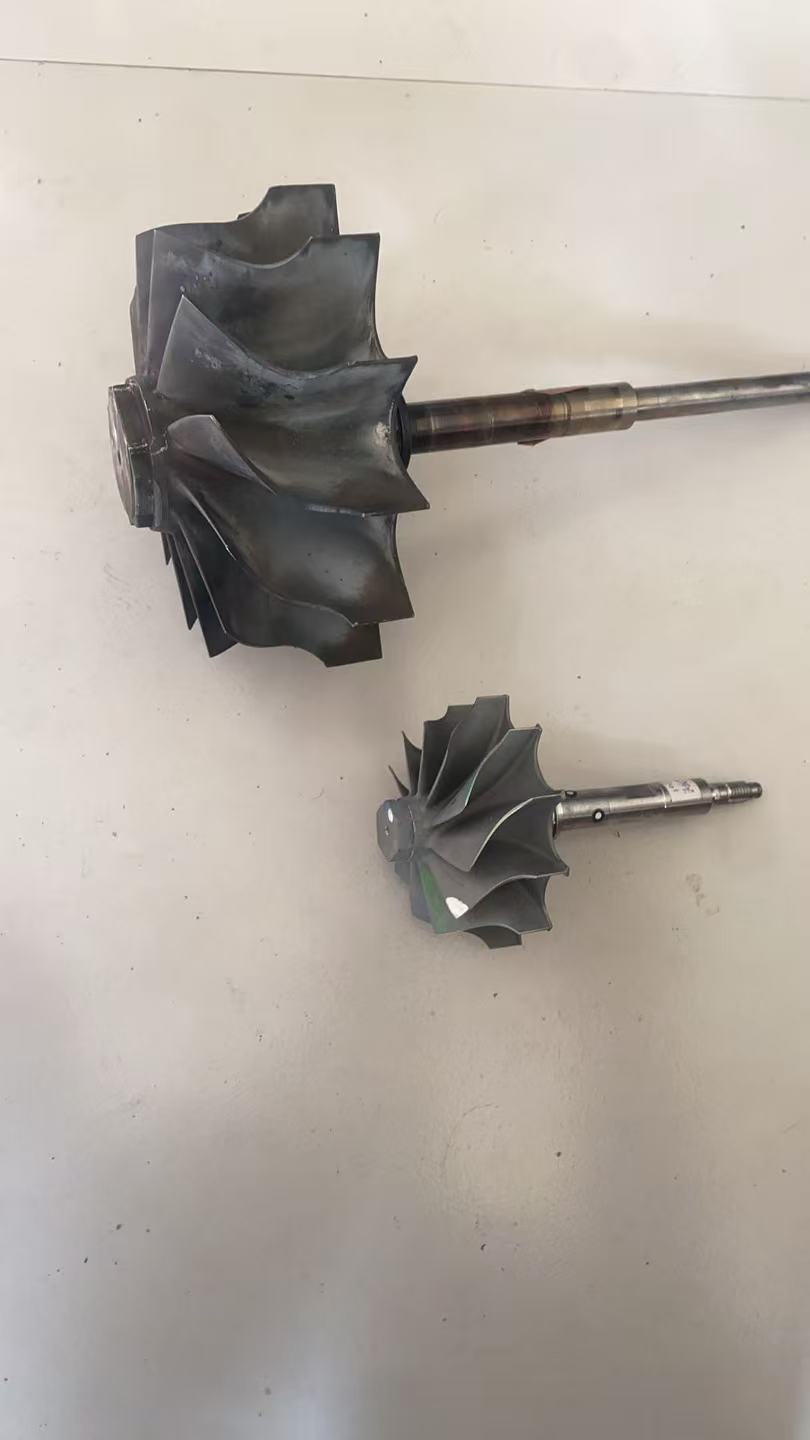
Our Casting Processes for Cobalt Alloys
Are you facing premature component failure due to extreme heat or aggressive corrosion? Selecting the right manufacturing method is just as critical as the material itself. At Vastmaterial, we engineer cobalt based casting solutions tailored to specific industrial demands, ensuring every part delivers maximum longevity in harsh environments. We utilize a range of casting techniques to achieve the precise microstructure and dimensional accuracy required for superalloys.
Precision Investment Casting (Lost Wax)
For components requiring intricate geometries and tight tolerances, we rely on precision investment casting. Also known as lost wax cobalt casting, this process allows us to manufacture near-net-shape parts with superior surface finishes, significantly reducing the need for secondary machining.
- Complex Geometries: Ideal for producing intricate shapes like valve seats, cutter blades, and nozzle guide vanes that are difficult to machine from solid stock.
- Material Efficiency: Minimizes waste of expensive cobalt-chromium-tungsten alloys.
- Applications: Widely used for high-precision parts in the oil & gas and chemical industries where dimensional accuracy is paramount.
Sand Casting & Shell Mold Casting
When dealing with larger industrial components where size and weight exceed the capabilities of investment casting, we utilize sand casting and shell mold techniques. This method provides a robust solution for manufacturing heavy-duty wear parts without compromising the material’s inherent heat and wear resistance.
- Scalability: Capable of casting larger, heavier parts suitable for heavy machinery and steel manufacturing equipment.
- Cost-Effectiveness: A practical choice for lower-volume runs of massive components.
- Structural Integrity: Delivers reliable mechanical properties for parts subjected to high mechanical stress and impact.
Vacuum Induction Melting (VIM)
To ensure the highest purity and precise chemical composition of our cobalt based superalloy components, we strictly control the melting process. Maintaining the exact balance of Cobalt, Chromium, Tungsten, and Nickel is essential to achieving the red hardness and corrosion resistance our clients expect.
- Composition Control: We guarantee adherence to specific grades like Alloy 6, 12, and 21 (Stellite™ equivalents), ensuring the microstructure meets industry standards.
- Defect Reduction: Controlled melting environments minimize gas porosity and oxide inclusions, critical for parts used in aerospace or high-pressure applications.
- Alloy Consistency: Ensures uniform distribution of carbides throughout the matrix for consistent wear performance across the entire component.
Material Specifications & Common Alloy Grades

Selecting the right alloy is critical when dealing with extreme environments. In our cobalt based casting foundry, we work with a wide range of chemical compositions to meet specific ASTM, AMS, and customer-defined standards. We focus on balancing hardness, ductility, and corrosion resistance to ensure your components last longer in the field.
Cobalt 6 (Stellite 6 Equivalent)
This is our most requested grade and the industry standard for general-purpose wear resistance. It offers an excellent balance of toughness and resistance to cavitation, erosion, and seizure.
- Key Feature: Retains hardness at elevated temperatures (Red Hardness).
- Best For: Valve seats, pump shafts, and bearings where chemical and mechanical degradation are constant threats.
Cobalt 21
When thermal shock is the primary concern, we recommend Cobalt 21. It has a lower carbon content and includes molybdenum, which significantly boosts its high-temperature strength and resistance to thermal fatigue compared to Cobalt 6.
- Key Feature: Superior thermal shock resistance and ductility.
- Best For: Hot working tools, die casting molds, and fluid control components in steam turbines.
Cobalt 1 & 12
These grades are designed for applications requiring higher hardness and abrasion resistance.
- Cobalt 12: An intermediate grade that handles high heat and abrasion better than Cobalt 6. It is often used for cutting tools and saw tips.
- Cobalt 1: The hardest of the standard grades we cast. It contains high carbon and tungsten, making it ideal for extreme abrasion scenarios, though it is more brittle.
ASTM F75 (Co-Cr-Mo)
For industries requiring biocompatibility or non-magnetic properties, we utilize chromium cobalt molybdenum alloys. This grade is notoriously difficult to machine, so our precision investment casting process is essential to achieving near-net shapes with minimal finishing required.
- Key Feature: Exceptional corrosion resistance and biocompatibility.
- Best For: Medical implants and aerospace turbine components.
Alloy Grade Comparison
| Alloy Grade | Key Attribute | Typical Hardness (HRC) | Primary Application |
|---|---|---|---|
| Cobalt 6 | Balanced Wear/Corrosion | 38 – 44 | Valve Seats, Pump Parts |
| Cobalt 12 | High Heat/Abrasion | 45 – 50 | Saw Teeth, Cutting Blades |
| Cobalt 1 | Extreme Abrasion | 50 – 58 | Bearings, Sleeves |
| Cobalt 21 | Thermal Shock | 30 – 35 | Hot Dies, Valves |
| ASTM F75 | Biocompatible | 30 – 35 | Medical, Aerospace |
Key Performance Characteristics
When standard steels fail under extreme stress, cobalt based superalloy components are the go-to solution. We engineer these alloys to survive where other materials degrade, offering a unique combination of durability and stability that keeps industrial machinery running longer.
Thermal Shock Resistance
Our cobalt alloys are renowned for their “red hardness,” meaning they retain their hardness and strength even at elevated temperatures. Unlike nickel or iron-based alloys that may soften, heat resistant alloy casting ensures the material holds its shape during rapid heating and cooling cycles. This thermal stability is critical for components exposed to intense friction or combustion environments, preventing cracking and deformation.
Corrosion Resistance
The high chromium content in our castings creates a passive film that provides exceptional resistance to oxidation and chemical attacks. This makes the material impervious to many acidic environments and organic fluids. This level of biocompatibility and corrosion resistance is why we utilize specific grades for high-strength Co28Cr6Mo orthopedic components, ensuring longevity whether the part is used in a chemical plant or medical reconstruction.
Wear & Galling Resistance
As a specialized wear resistant casting foundry, we prioritize the tribological properties of our products. Cobalt alloys excel in resisting sliding wear and galling (adhesive wear), particularly in metal-on-metal applications where lubrication is low or impossible.
- Low Friction Coefficient: Reduces energy loss and heat generation.
- Galling Resistance: Prevents surface welding and seizing between moving parts.
- Erosion Defense: Withstands the impact of high-velocity particles and cavitation.
Industry Applications

Our cobalt based casting solutions are engineered for environments where failure isn’t an option. We supply critical components to industries that demand superior resistance to heat, wear, and corrosion.
Oil & Gas / Petrochemical
In the oil and gas sector, equipment faces extreme pressure, acidic fluids, and abrasive slurries. We manufacture cobalt valve seat casting products, valve balls, and bushings that maintain their integrity downhole and in refinery processing. Our alloys resist the corrosive attacks typical of petrochemical environments, ensuring longer maintenance intervals for pumps and valves.
Aerospace & Power Generation
Engines and turbines operate at temperatures that would melt or deform standard metals. We function as a specialized aerospace casting manufacturer for high-performance alloy components, producing parts that withstand intense thermal shock.
- Industrial gas turbine casting: We cast vanes and blades that retain hardness at red-hot temperatures.
- Heat resistant alloy casting: Our components support hot gas path sections where oxidation resistance is critical.
Industrial Cutting & Woodworking
For the timber and processing industries, edge retention is money. We produce cobalt based superalloy components used in saw tips and cutter blades. Unlike standard tool steels, our hardfacing alloy casting materials do not lose their temper when cutting generates high friction heat. This results in saw teeth that stay sharp longer, reducing downtime for sharpening and replacement.
Medical
Precision and biocompatibility are the standards here. Utilizing ASTM F75 casting techniques, we produce components that are non-magnetic and resistant to body fluids. Our investment casting process allows us to create precision cobalt alloy parts with complex geometries suitable for surgical instruments and orthopedic applications, meeting the strict dimensional tolerances required by the medical field.
Post-Casting Services & Machining

Getting a raw cobalt based casting out of the mold is only half the battle. Because cobalt alloys are engineered to resist extreme wear and heat, they are notoriously difficult to cut. Standard tooling just doesn’t cut it—literally. We provide comprehensive post-casting services to turn raw blanks into installation-ready components, ensuring you receive parts that fit your assembly right out of the box.
Hard Machining Capabilities
Machining cobalt-chrome and Stellite-equivalent alloys requires expertise in handling materials that maintain high hardness at elevated temperatures. We utilize advanced hard machining capabilities to achieve precise dimensions without inducing surface cracking or thermal stress.
- Precision Grinding: Essential for achieving tight tolerances on hard-faced surfaces where traditional cutting fails.
- CNC Turning & Milling: We use rigid setups and specialized carbide or ceramic inserts to manage the rapid work-hardening tendencies of precision cobalt alloy parts.
- EDM (Electrical Discharge Machining): Utilized for cutting intricate internal geometries and complex shapes that traditional tools cannot reach.
Surface Finishing Options
The surface condition of your part dictates how it performs in friction-heavy environments. We tailor the finish to your specific application, whether you need a smooth sealing surface for a valve or a textured grip.
| Finishing Method | Resulting Surface | Typical Application |
|---|---|---|
| Sand/Bead Blasting | Matte, uniform texture | General industrial parts, removing casting scale |
| Mirror Polishing | Ultra-smooth (Low Ra) | Valve seats, fluid handling, food processing |
| Lapping | Extremely flat, precise | Mechanical seals, pump components |
| Passivation | Chemically cleaned | Corrosive environments, chemical processing |
Quality Assurance & Testing
When you order cobalt based casting parts, you need them to perform in extreme environments without failure. Whether it’s a valve seat in a refinery or a turbine blade, we don’t leave anything to chance. Our foundry operates under a strict quality management system to ensure every pour meets your exact specifications.
Certifications (ISO 9001:2015)
Consistency is key in manufacturing. We are fully certified to ISO 9001:2015 standards, which means our process is documented, repeatable, and constantly audited. This framework governs everything from raw material verification to the final shipment of precision cobalt alloy parts. You get full traceability on every lot, ensuring that the material chemistry matches the required ASTM F75 casting or Stellite equivalent standards.
Non-Destructive Testing (NDT)
Surface appearance isn’t enough when dealing with investment casting superalloys. We employ advanced Non-Destructive Testing (NDT) methods to look inside the metal and detect hidden flaws like porosity or shrinkage. Since cobalt parts often serve as a critical high temperature alloy in engines and industrial machinery, internal integrity is non-negotiable.
Our in-house NDT capabilities include:
- Radiographic Testing (RT/X-Ray): To identify internal voids in Cobalt chrome casting.
- Dye Penetrant Inspection (PT): To catch surface-breaking cracks that are invisible to the naked eye.
- Ultrasonic Testing (UT): For verifying material thickness and internal structure.
Dimensional Inspection
We verify that every dimension matches your drawing tolerances using Coordinate Measuring Machines (CMM). Whether it is a complex cobalt valve seat casting or a medical implant, we ensure the geometry is precise. We provide detailed inspection reports confirming that the wear resistant casting fits your assembly perfectly right out of the box.
Why Choose Vastmaterial for Cobalt Alloys?
When you are dealing with extreme heat and abrasive environments, the quality of your casting determines the lifespan of your machinery. We combine deep technical knowledge with flexible manufacturing to deliver cobalt based casting solutions that hold up under pressure.
Metallurgical Expertise
We specialize in the complex chemistry of Co-Cr-W alloys. Unlike generalist foundries, we understand exactly how to manipulate grain structure to maximize red hardness and corrosion resistance. Whether your application requires the standard durability of Alloy 6 or the specialized properties of ASTM F75, we ensure every melt meets strict metallurgical standards.
Custom OEM Solutions
We don’t just sell stock parts; we manufacture to your exact prints. Our facility handles the entire production cycle, from raw cobalt alloy casting to final precision machining.
- Design Flexibility: We accept custom drawings for valve seats, bushings, and saw tips.
- Process Variety: We select the right method—investment, sand, or centrifugal casting—based on your part’s geometry and volume.
- Finished Products: We deliver fully machined components ready for immediate installation.
Global Logistics
We serve clients across North America and Europe, bridging the gap between high-quality manufacturing and reliable delivery. We handle the export logistics for your cobalt based superalloy components, ensuring that your order clears customs smoothly and arrives at your facility on time. We pack every shipment to withstand international transit, protecting critical surfaces from damage.
Frequently Asked Questions (FAQ)
What is the difference between Cobalt-based and Nickel-based casting?
The primary difference lies in their performance under specific stress conditions. Cobalt based casting is renowned for superior wear resistance and the ability to maintain hardness at elevated temperatures (known as red hardness). This makes alloys like Stellite ideal for cutting tools, valve seats, and high-wear environments. Nickel-based alloys, while also heat-resistant, are generally selected for their structural integrity and resistance to creep (deformation) under extreme heat, rather than pure abrasion resistance.
What is the maximum weight you can cast in cobalt alloy?
Our weight capacity varies depending on the casting process required for your component. For precision cobalt alloy parts produced via investment casting (lost wax), we typically handle components ranging from a few grams up to approximately 80 kilograms. For larger, heavy-duty industrial parts, our sand casting lines can accommodate significantly heavier weights. We recommend submitting your technical drawings so we can determine the most efficient method for your specific size requirements.
Do you provide material test reports (MTR) with every shipment?
Yes, quality transparency is standard procedure for us. As a professional alloy casting foundry, we provide comprehensive Material Test Reports (MTR) with every delivery. These reports validate the chemical composition, mechanical properties, and hardness of the cobalt chrome casting to ensure it meets ASTM standards or your specific proprietary requirements. We do not ship parts until they have passed our rigorous quality assurance checks.

Reviews
There are no reviews yet.