
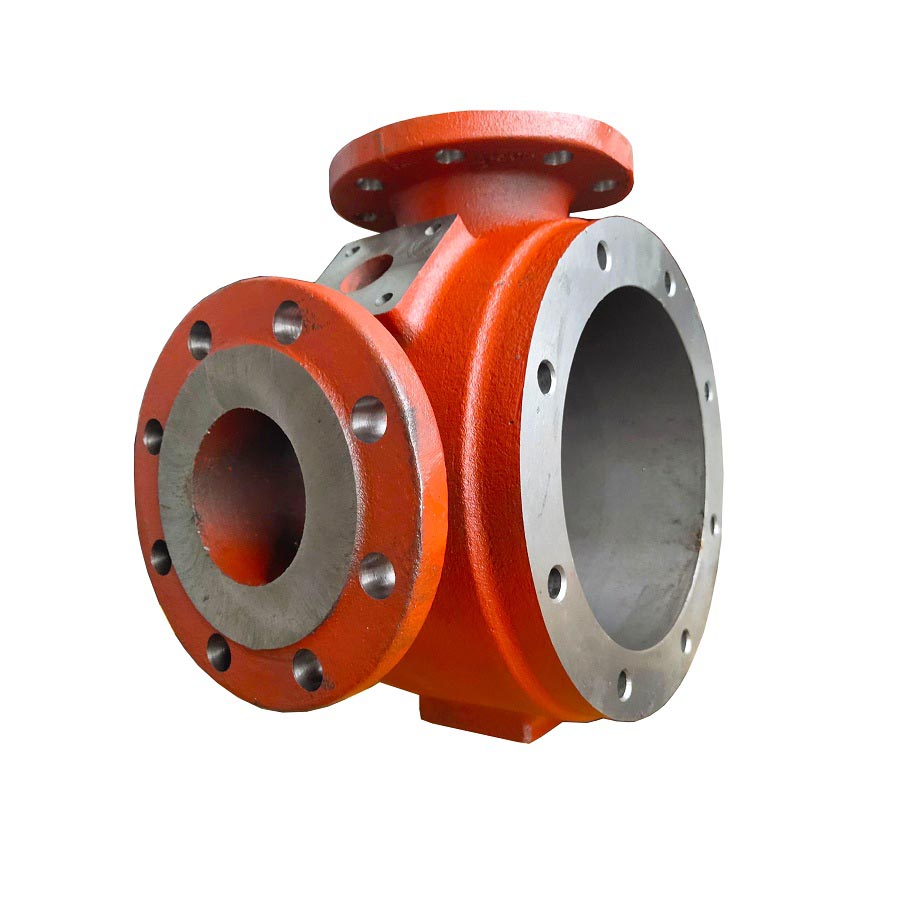
Our Custom Iron Casting Capabilities
At Vastmaterial, we specialize in delivering a high-precision custom cast iron part tailored to your exact engineering requirements. Whether you need a single prototype or high-volume mass production, our foundry integrates decades of expertise with modern manufacturing technologies to solve complex design challenges. We don’t just pour metal; we engineer durability and performance into every component.
Material Grades & Specifications
Selecting the right alloy is critical for component longevity. We offer a comprehensive range of iron grades, strictly adhering to international standards like ASTM, DIN, and ISO.
Material Selection Guide:
| Material Type | Common Grades (ASTM / DIN) | Key Characteristics | Typical Applications |
|---|---|---|---|
| Gray Iron (Grey Iron) | ASTM A48 Class 20, 30, 35, 40 (GG15, GG20, GG25, GG30) |
Excellent vibration damping, high thermal conductivity, and superior machinability. | Machine bases, pump housings, engine blocks, flywheels. |
| Ductile Iron (Nodular Iron) | ASTM A536 60-40-18, 65-45-12, 80-55-06 (GGG40, GGG50, GGG60, GGG70) |
High tensile strength, impact resistance, and ductility similar to steel. | Crankshafts, heavy-duty gears, suspension parts, valves. |
| High-Alloy Iron | High Chrome White Iron | Extreme wear resistance and hardness for abrasive environments. | Mining liners, slurry pump parts, crushing equipment. |
Advanced Casting Processes
As a versatile gray iron casting manufacturer and ductile iron foundry, we utilize multiple molding methods to optimize cost, surface finish, and dimensional accuracy based on your specific project needs.
- Resin Sand Casting: Ideal for medium to large-sized parts (up to several tons). This process uses furan resin-bonded sand to create hard molds, resulting in excellent dimensional stability and a superior surface finish compared to traditional methods.
- Green Sand Casting: The most cost-effective solution for small to medium-sized parts in high-volume production. Our automated lines ensure consistent mold hardness and rapid cycle times for OEM iron casting services.
- Lost Foam Casting: Perfect for complex geometries with undercuts or internal channels. This process eliminates the need for cores and draft angles, allowing for near-net-shape production that significantly reduces machining requirements.
- Shell Mold Casting (Coated Sand): We use this process for small, high-precision components requiring tight tolerances and smooth surfaces. It is widely used for intricate nodular iron parts where detail is paramount.
Value-Added Services: Beyond the Foundry
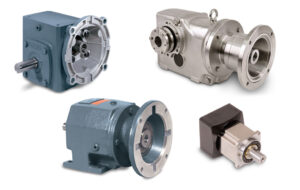
Producing a raw casting is often just the first step in the manufacturing supply chain. To provide a true “one-stop” solution, we integrate secondary operations directly into our workflow. This streamlines logistics and ensures accountability for quality from the melt to the final delivery.
Precision CNC Machining Services
Raw castings rarely fit directly into an assembly without tight-tolerance finishing. We bridge the gap between the foundry floor and your assembly line with comprehensive in-house machining capabilities. Our facility operates advanced CNC vertical and horizontal machining centers, CNC lathes, and boring machines designed to handle complex geometries.
By offering precision CNC machined castings, we eliminate the risks associated with moving parts between multiple vendors. We hold strict dimensional tolerances on critical features like bearing bores, mounting surfaces, and threaded holes. For detailed insights into how we handle rotational parts, our guide on CNC turning processes explains our approach to material removal and precision.
Heat Treatment and Stress Relief
Cast iron components, particularly complex shapes, can develop internal residual stresses during the cooling process. To ensure dimensional stability and optimal mechanical properties, we offer specific thermal processing cycles:
- Stress Relief Annealing: Stabilizes the casting before machining to prevent warping.
- Normalizing: Refines the grain structure for consistent hardness.
- Quenching and Tempering: Increases strength and wear resistance for high-stress applications.
Surface Treatment and Finishing
The final stage of our custom metal fabrication process involves protecting the part against the elements. We provide a range of surface finishes tailored to your application’s environment and aesthetic requirements:
- Shot Blasting: Standard cleaning to remove sand and scale, providing a uniform matte finish.
- Anti-Rust Oil: applied immediately after cleaning to protect parts during transit and storage.
- Painting & Powder Coating: Available in custom colors for branding and additional corrosion protection.
- Galvanizing: Hot-dip or cold galvanizing for maximum durability in outdoor or corrosive settings.
Every custom cast iron part we ship is finished to your exact specifications, ready for immediate installation or assembly.
Typical Custom Cast Iron Products We Manufacture
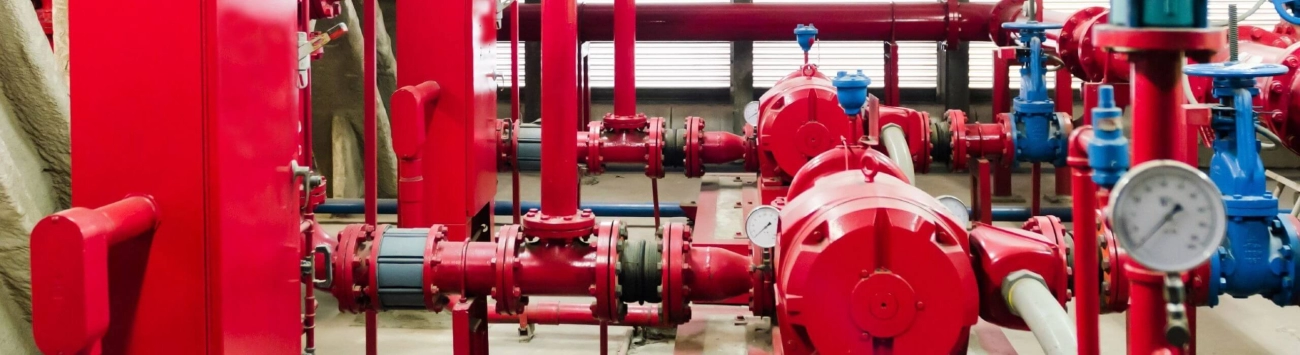
We produce a diverse range of components for clients across North America and Europe, adapting our foundry processes to meet specific industry standards. Whether you need a single custom cast iron part for a prototype or high-volume production runs, our facility handles complex geometries with strict adherence to your technical drawings.
Industrial Machinery Components
Our foundry specializes in OEM iron casting services for heavy machinery manufacturers. We frequently cast large-scale components where vibration damping and structural rigidity are critical. Common parts include:
- Machine Bases and Frames: utilizing Gray Iron (ASTM A48 Class 30-40) for superior stability.
- Gearbox Housings: Precision-cast to ensure perfect alignment of internal gears.
- Flywheels and Pulleys: Balanced for smooth operation in industrial engines.
- Wear-Resistant Parts: For equipment facing abrasive conditions, we can consult on material selection, similar to how one might reference an alloy guide for high-performance alloys to ensure longevity.
Pump and Valve Industry Parts
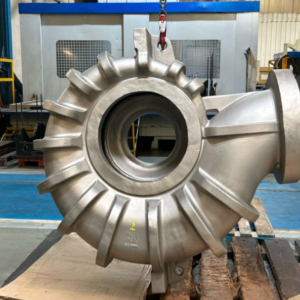
Fluid handling components require exceptional pressure tightness and corrosion resistance. We are a trusted source for industrial pump housing casting and related flow control parts. We ensure these castings are free from porosity through rigorous testing.
- Pump Bodies and Impellers: Cast in Ductile or Gray iron depending on pressure requirements.
- Cast Iron Valve Components: Including gate valves, check valves, and butterfly valve bodies.
- Pipe Fittings: Flanges and couplings designed for municipal and industrial water systems.
Automotive and Agriculture Components
The agricultural and automotive sectors demand parts that can withstand high stress and fatigue. We supply nodular iron parts (Ductile Iron) that offer the toughness required for moving vehicles and field equipment.
- Suspension Brackets and Control Arms: High-strength grades like ASTM A536 80-55-06.
- Brake Drums and Rotors: Optimized for heat dissipation.
- Tractor and Harvester Parts: Wheel hubs, transmission cases, and linkage components.
Construction and Infrastructure Castings
We support the construction industry with durable heavy equipment castings and municipal infrastructure products. These parts are built to survive harsh outdoor environments and heavy loads.
- Manhole Covers and Grates: Produced to meet various load-bearing standards (EN 124, AASHTO).
- Counterweights: For cranes, excavators, and forklifts, ranging from small weights to multi-ton blocks.
- Scaffolding and Formwork Accessories: Clamps and connectors ensuring job site safety.
Quality Control and Testing Standards
Producing a reliable custom cast iron part requires more than just pouring molten metal into a mold. At Vastmaterial, we enforce a rigorous quality assurance system that spans the entire production cycle. We understand that for our US customers, consistency and adherence to specifications are non-negotiable. We don’t leave anything to chance; every batch is verified to ensure it meets the exact engineering requirements of your project.
ISO Certifications and Compliance
Our facility operates strictly under ISO 9001:2015 quality management standards. This certification isn’t just a badge on the wall; it dictates our entire workflow. From raw material procurement to final shipping, every process is documented and traceable. This systematic approach ensures that whether you need a single prototype or a high-volume run, the quality remains uniform across every shipment.
Chemical Analysis with OES
Material integrity starts with the right chemistry. Before any metal is poured, we utilize Optical Emission Spectrometry (OES) to analyze the molten iron. This allows us to verify the precise percentages of carbon, silicon, manganese, and other alloying elements.
- Real-time adjustments: If the mix isn’t right, we adjust the furnace immediately.
- Standard compliance: We ensure the composition matches ASTM A48 (Gray Iron) or ASTM A536 (Ductile Iron) specifications perfectly.
Mechanical Property Testing
Chemistry predicts performance, but physical testing proves it. We pour separate test bars for every heat to verify the mechanical properties of the iron. Our lab is equipped to perform:
- Tensile Testing: Verifying yield strength and ultimate tensile strength.
- Elongation: Checking ductility, especially for nodular iron grades.
- Hardness Testing: We use Brinell hardness testers to ensure the castings fall within the specified range for machinability and wear resistance.
Our dedicated research and development team continually monitors these parameters to optimize our casting methods for superior durability.
Non-Destructive Testing (NDT)
To ensure the internal structure is sound, we employ iron casting defects inspection methods that do not damage the part. Depending on the criticality of the component, we offer:
- Ultrasonic Testing (UT): To detect internal voids or porosity.
- Magnetic Particle Inspection (MPI): To identify surface and near-surface cracks.
- X-Ray/Radiography: For high-stakes applications requiring absolute internal integrity.
Dimensional Verification with CMM
A casting is only useful if it fits. We use Coordinate Measuring Machines (CMM) to verify dimensional accuracy against your original 2D or 3D CAD drawings. This is crucial for parts with tight tolerances or complex geometries. By digitally mapping the surface of the custom cast iron part, we confirm that critical features—like bore diameters and mounting surfaces—are within the allowable variance before they move to machining or final delivery.
Why Choose Vastmaterial for Your Custom Castings?
Sourcing a reliable custom cast iron part requires a partner who understands both the metallurgy and the logistics of international trade. We combine decades of foundry expertise with modern engineering support to deliver components that meet strict US industrial standards.
Engineering Support and DFM Analysis
We do more than just pour metal; we optimize your design for production. Our engineering team conducts a detailed Design for Manufacturability (DFM) analysis on every project before mold creation. This process identifies potential casting defects, suggests geometry adjustments to reduce weight, and ensures the final product meets your mechanical requirements. If you are evaluating different production methods, we assist you in choosing the right process to balance cost efficiency with part performance.
Flexible Volume Production
Unlike many sand casting companies that enforce rigid high-volume minimums, we structure our production lines to handle diversity. We are equipped to manage the entire lifecycle of your product:
- Rapid Prototyping: Validate your designs with single-unit samples or pilot runs.
- Low-Volume Production: Cost-effective solutions for specialized machinery and aftermarket parts.
- Mass Production: Scalable capacity for high-demand OEM iron casting services in the automotive and agricultural sectors.
Global Logistics and Export Packaging
Shipping heavy iron components internationally requires meticulous care to prevent damage and corrosion. We handle the logistics so you don’t have to.
| Logistics Feature | Detail |
|---|---|
| Corrosion Control | All parts receive anti-rust oil, primer painting, or powder coating prior to shipment. |
| Secure Packaging | We use reinforced wooden crates and pallets compliant with ISPM 15 export standards. |
| Shipping Terms | Flexible options including FOB, CIF, and DDP to major North American ports. |
Frequently Asked Questions (FAQ)
Accepted File Formats for Quoting
To provide a precise quote for your custom cast iron part, we rely on accurate technical data. We accept most standard industry formats to streamline the OEM iron casting services process:
- 3D Models: STEP (.stp), IGS, or X_T files are preferred. These allow us to accurately calculate weight, volume, and material usage.
- 2D Drawings: PDF, DWG, or DXF files are critical for defining tolerances, surface finish, and specific material grades like ASTM A48 Class 30 iron.
If you do not have CAD files, we can often work from physical samples to reverse-engineer the design, though having digital assets significantly speeds up the estimation for custom metal fabrication.
Lead Times for Molds and Production
Timeframes depend heavily on the complexity of the geometry and the casting method selected.
- Tooling & Patterns: Foundry pattern making typically requires 2–4 weeks. Complex molds for the lost foam casting process may take slightly longer than standard green sand patterns.
- Prototyping: After tooling is complete, we produce a metal casting prototype for your approval to ensure dimensional accuracy.
- Production: Once the sample is approved, lead times for mass production are determined by order volume and scheduling.
We work closely with clients to meet deadlines, especially for critical heavy equipment castings where downtime is not an option.
Mold and Pattern Ownership Policies
We maintain a transparent policy regarding tooling ownership. When you pay for molds or patterns, they belong to you.
- Ownership: You retain 100% ownership of all tooling and patterns.
- Storage & Maintenance: We store your patterns at our facility and perform routine maintenance to ensure they remain in excellent condition for future runs of nodular iron parts.
- Transferability: Should you decide to move production, you are free to retrieve your tooling. We believe in retaining customers through quality and service, not by locking up their assets.
Reviews
There are no reviews yet.