
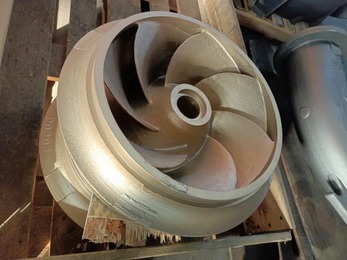
Learn how brass is made at Vastmaterial from copper zinc alloy melting to cold rolled brass strip with tight dimensional tolerance.
How We Manufacture Brass: The Vastmaterial Standard
At Vastmaterial, understanding how brass is made is fundamental to delivering high-performance alloys that meet rigorous global standards. Our manufacturing process integrates advanced metallurgy with strict quality control to produce superior Copper-Zinc Alloy materials. We oversee every stage of production, from the initial melt to the final slit, ensuring our clients receive material with precise chemical compositions and mechanical properties.
Raw Material Selection & Melting (Purity Control)
Quality begins with the raw ingredients. We source high-grade electrolytic copper and zinc, strictly controlling the ratio of recycled scrap to virgin material to maintain purity. The mixture is melted in electric induction furnaces at temperatures exceeding 1,000°C. During this phase, we perform real-time chemical analysis to ensure the composition matches specific grades, such as C2600 or C2680, before the metal is poured.
Continuous Casting (Billet Formation)
Once the alloy reaches the correct temperature and composition, it is transferred to a holding furnace. Through Brass Billet Casting, the molten metal is solidified into cakes or billets. This continuous casting technique ensures a uniform internal structure, minimizing porosity and segregation, which is critical for the structural integrity of the final product.
Hot Rolling Process
The solidified billets are preheated and passed through our Hot Rolling Mill. Under massive pressure, the rollers reduce the material’s thickness significantly. This step breaks down the cast grain structure, improving the mechanical properties of the alloy and transforming the heavy billet into a workable, thinner coil.
Surface Milling (Scalping)
Hot rolling inevitably leaves surface oxidation and minor impurities. To guarantee a flawless finish, we employ precision milling machines to “scalp” the top and bottom layers of the coil. This removes surface defects, ensuring that the base material is clean and smooth before it enters the cold processing stage.
Precision Cold Rolling
To achieve precise thickness tolerances—often down to 0.01mm—the material undergoes Precision Cold Rolling. This process is performed at room temperature, which hardens the brass and refines the grain structure. This step is essential for producing high-quality Cold Rolled Brass Strip with the exact thickness consistency required for intricate electronic connectors and automotive parts.
Annealing & Pickling Treatment
Cold rolling induces internal stress and increases hardness. To customize the material’s temper, we utilize a controlled Annealing Process. By heating and cooling the brass, we restore ductility and adjust the hardness to specific states (ranging from soft ‘O’ to super hard ‘SH’). Following heat treatment, the brass undergoes Pickling and Surface Treatment in acid baths to remove any oxidation, resulting in a clean, bright, and chemically stable surface.
Slitting & Finishing
The final stage involves tailoring the product to customer dimensions. Our Precision Slitting lines cut the wide coils into narrow strips according to exact width specifications. We ensure burr-free edges and tight dimensional accuracy before packaging the finished brass to prevent corrosion during shipping.
Material Specifications & Grades
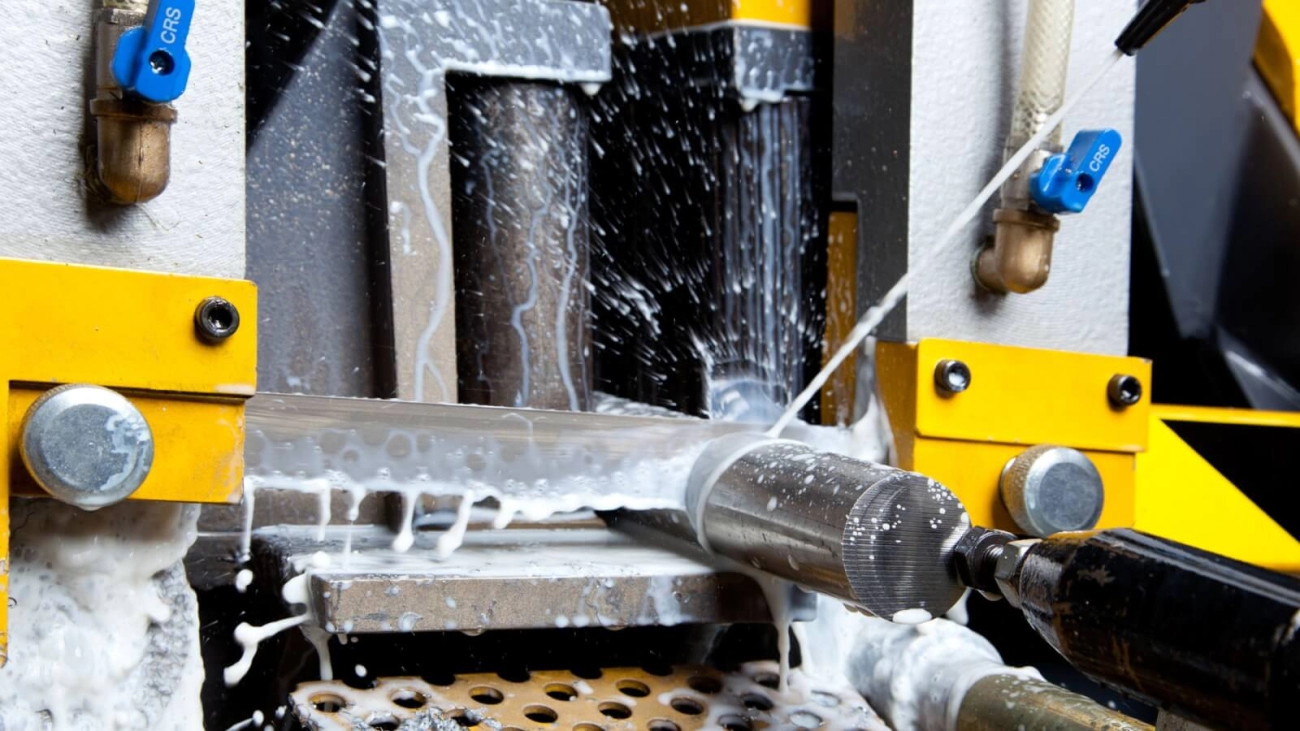
Understanding how brass is made to meet industrial standards requires a deep dive into metallurgical composition. At Vastmaterial, we strictly control the copper-zinc ratio to produce alloys that match specific mechanical requirements, whether you need high ductility for deep drawing or rigidity for structural components.
Alloy Grade Composition (H62, H65, C2600)
The performance of a copper-zinc alloy depends entirely on the specific mixture of elements. We supply a wide range of grades compliant with JIS, ASTM, and GB standards.
| Grade (JIS/ASTM) | Common Name | Composition | Key Characteristics |
|---|---|---|---|
| C2600 | Cartridge Brass | ~70% Cu, 30% Zn | Excellent ductility, ideal for deep drawing and forming. |
| H65 (C2680) | Yellow Brass | ~65% Cu, 35% Zn | Balanced strength and formability; widely used in fasteners. |
| H62 (C2800) | Muntz Metal | ~62% Cu, 38% Zn | High strength, harder than C2600, suitable for hot working. |
| C3604 | Free-Cutting Brass | Pb added | Superior machinability for precision parts. |
Available Forms & Dimensions
Our manufacturing capabilities allow us to process brass into various forms to suit your production line. From heavy-duty plates to ultra-thin foils, we maintain tight dimensional tolerance across all products.
- Forms: Coils, Strips, Sheets, Foils, Rods, and Tubes.
- Thickness Range: Capable of rolling down to 0.01mm for precision electronics.
- Width: Custom slitting available based on client specifications.
Temper and Hardness Ratings
The annealing process and cold rolling passes determine the final temper of the material. We offer a full spectrum of hardness levels to ensure the material behaves exactly how you need it to during your fabrication process. Once the mechanical properties are set, we can also apply specialized surface treatments to enhance corrosion resistance or conductivity.
- O (Annealed): Soft, fully recrystallized structure for maximum formability.
- 1/4H to 1/2H: Intermediate hardness for bending without cracking.
- H (Hard): High strength for flat components.
- EH / SH (Extra/Spring Hard): Maximum elasticity for springs and contacts.
Ensuring Metallurgical Integrity

Understanding how brass is made involves more than just mixing copper and zinc; it requires rigorous verification to ensure the material performs exactly as expected. We implement a strict quality control regimen to guarantee that every coil and sheet meets precise industrial standards.
Spectrometer Testing
We don’t leave the metallurgical composition to chance. Using advanced optical emission spectrometers, we analyze the chemical makeup of every batch. This ensures the copper-zinc alloy ratio is perfectly balanced for specific grades, such as C2600 or C2680. This step confirms that impurities are minimized and the material is chemically pure before it ever leaves our factory floor.
Tensile Strength Testing
Mechanical performance is critical for manufacturing clients. We conduct comprehensive mechanical testing to verify tensile strength, elongation, and hardness.
- Grain Structure Control: We check that the annealing process has achieved the correct grain size for optimal formability.
- Performance Verification: We ensure the brass strip can withstand the physical stresses of stamping, bending, or deep drawing without cracking.
ISO & RoHS Certifications
Our commitment to quality is backed by global standards. Our management systems are ISO 9001:2015 certified, ensuring consistency across all production lines. Additionally, our materials are SGS/RoHS compliant, making them safe and suitable for export to markets requiring strict environmental adherence, such as the electronics and automotive sectors.
Industries Powered by Vastmaterial Brass
Understanding how brass is made gives our clients the confidence that our materials can withstand the rigorous demands of their specific sectors. Because we control every step—from the initial copper-zinc alloy mix to the final slit—we deliver materials tailored for high-performance applications.
Electrical Components
Precision is non-negotiable in electronics. Our dimensional tolerance control ensures that brass strips used for connectors, terminals, and relay springs fit perfectly into automated assembly lines.
- High Conductivity: We optimize the grain structure to maximize electrical flow.
- Corrosion Resistance: Essential for switches and sockets exposed to varying environments.
Automotive Parts
The automotive industry relies on materials that balance strength with formability. Our brass is engineered for components like radiator cores, sensors, and fluid handling systems. For specialized vehicle safety systems, we provide materials compatible with high-precision fabrication, similar to our copper-nickel alloy brake line machining services, ensuring reliability under pressure.
Architectural Decoration
Aesthetics drive this sector. We supply brass sheet metal with impeccable surface finishes for interior design, elevator panels, and decorative trim.
- Color Consistency: Strict alloy control prevents color variation between batches.
- Formability: Ideal for intricate stamping and etching processes.
Defense and Ammunition
This sector demands the highest tensile strength and ductility. We manufacture specific grades, such as C2600 and C2800 Brass, which are critical for deep-drawing applications like cartridge casings. Our annealing process is adjusted to ensure the material can expand rapidly without cracking, meeting strict military specifications.
Frequently Asked Questions About Brass Production
What is the difference between brass and bronze?
While both are copper-based alloys, the primary difference lies in their alloying elements. Brass is a copper-zinc alloy, known for its bright gold-like appearance, high malleability, and excellent acoustic properties. It is widely used in musical instruments, cartridge casings, and decorative trims. Bronze, on the other hand, is primarily copper and tin. It tends to be harder, has a reddish-brown hue, and offers superior resistance to corrosion, making it ideal for marine applications and bearings. At Vastmaterial, we specialize in high-precision brass formulations like C2600 and C2680 to meet specific industrial needs.
Can Vastmaterial customize the hardness of the brass?
Yes, controlling the temper is a critical part of how brass is made in our facility. Through our precise annealing process and cold rolling techniques, we can adjust the mechanical properties of the material to suit your application. We don’t just sell standard stock; we engineer the brass to specific hardness ratings, including:
- O (Soft): Fully annealed for maximum ductility.
- 1/4H to 1/2H: Moderate hardness for forming operations.
- H (Hard) to EH (Extra Hard): For applications requiring high rigidity and spring properties.
- SH (Super Hard): Specialized for components needing extreme durability.
Is your brass manufacturing eco-friendly?
Sustainability is central to our operations. Brass is one of the most recyclable metals in the world, and our process heavily utilizes scrap recycling to minimize waste without compromising purity. We operate under strict environmental management systems, ensuring all our products are RoHS compliant. By refining clean scrap and strictly controlling the melting process, we reduce the carbon footprint associated with mining virgin ore while maintaining the high metallurgical integrity our US clients expect.

Reviews
There are no reviews yet.