
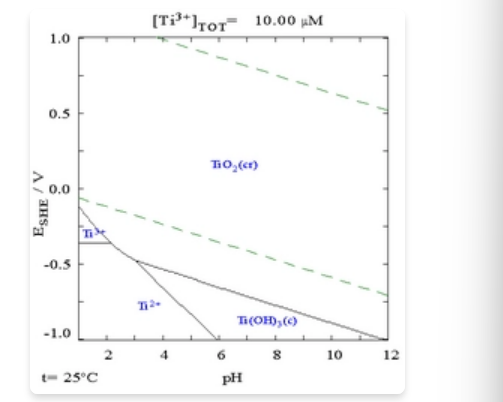
How is Titanium Made: The Titanium Manufacturing Process
When engineering critical aerospace, medical, or industrial components, understanding exactly how is titanium made gives you absolute confidence in the material’s baseline integrity. Converting raw ore into a high-performance metal is a highly controlled, multi-stage metallurgical workflow. Here is how we transform raw minerals into premium industrial materials.
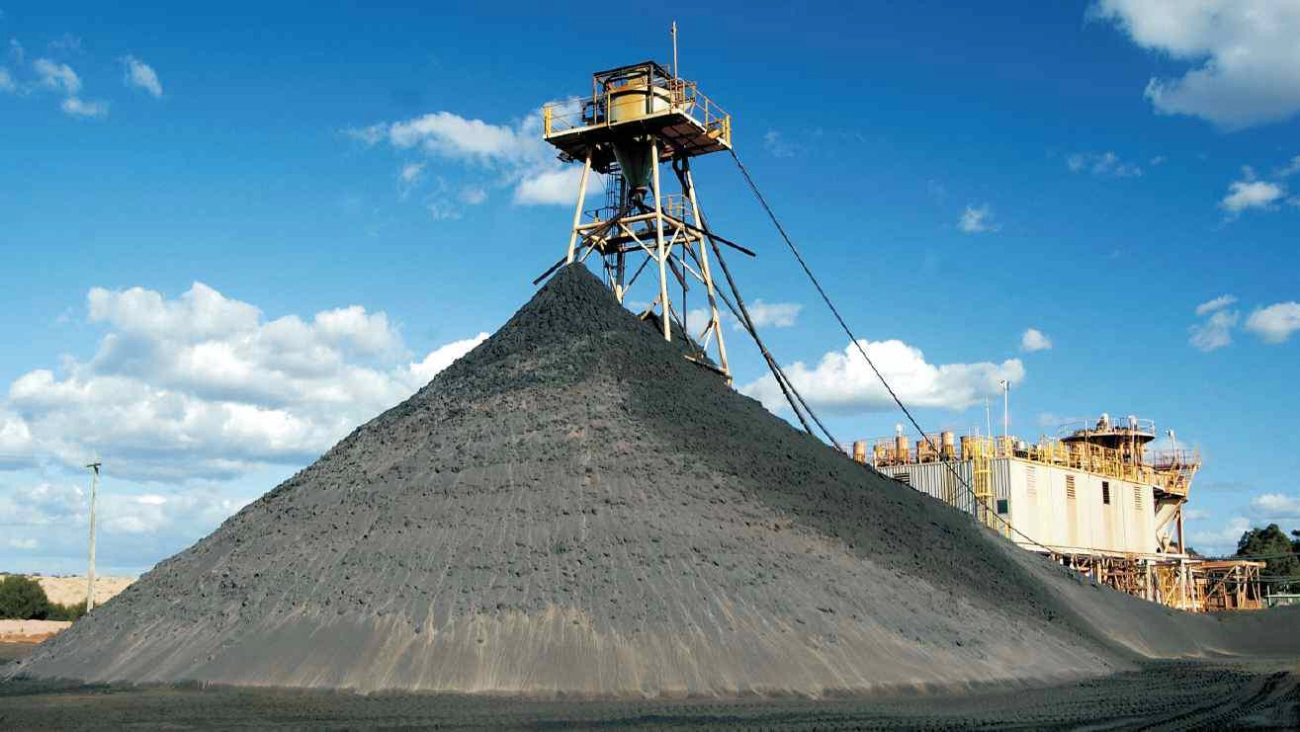
Ilmenite and Rutile Ore Processing
The foundation of any high-quality titanium product starts with raw material extraction. We begin by sourcing premium titanium-bearing minerals, primarily focusing on ilmenite and rutile. Through a series of initial beneficiation and refinement steps, we isolate the titanium dioxide from the surrounding earth, establishing a pure baseline for chemical conversion.
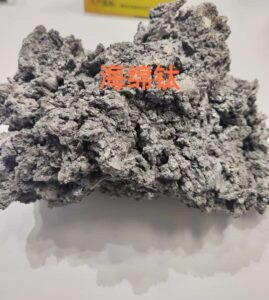
Kroll Process Titanium: Titanium Sponge Production
Unlike steel, titanium cannot be traditionally smelted due to its extreme reactivity with oxygen at high temperatures. Instead, we rely on the Kroll process to extract the metal safely:
- Chlorination Phase: We react the purified titanium dioxide with chlorine gas and carbon under extreme heat to create titanium tetrachloride.
$TiO_2+2C+2Cl_2rightarrow TiCl_4+2CO$ - Reduction Phase: To prevent contamination, we move the titanium tetrachloride into a sealed reactor filled with inert argon gas. Here, magnesium is introduced to strip away the chlorine, leaving behind a highly porous, pure metallic form known as titanium sponge.
$TiCl_4+2Mgrightarrow Ti+2MgCl_2$
Vacuum Arc Remelting (VAR) Titanium
Because raw titanium sponge is porous and lacks structural integrity, it must be consolidated through titanium ingot casting.
- Electrode Pressing: We crush the pure titanium sponge and hydraulically press it into large, consumable electrodes.
- Alloying: If manufacturing specific high-strength grades, this is where we mix in critical alloying elements like aluminum or vanadium.
- VAR Processing: The electrodes are melted inside a Vacuum Arc Remelting (VAR) furnace. The vacuum environment guarantees zero atmospheric contamination, yielding a dense, perfectly uniform titanium ingot.
Milling, Forging, and Shaping
To convert the cast ingot into usable industrial formats, we initiate rigorous thermo-mechanical processing. By precisely controlling the temperature, we subject the ingots to hot-forging, rolling, and extruding. This critical shaping phase not only forms the metal into commercial profiles but also aligns and refines the internal grain structure, delivering the final titanium bars, sheets, and tubes required for your most demanding applications.
Why the Titanium Manufacturing Process Matters
When people ask me how is titanium made, I always point out that the how is exactly what guarantees the metal won’t fail on the job. At haoyumaterial, we know that every single step of the titanium manufacturing process dictates the final performance of your parts.
During titanium sponge production, we rely on uncompromising atmospheric controls. Oxygen is titanium’s worst enemy at this stage. If oxygen or moisture creeps in, the metal becomes brittle and practically useless. By keeping the environment completely pure, we stop contamination in its tracks and preserve the metal’s legendary strength-to-weight ratio.
The Direct Impact on Your Applications
Starting with a pure, contamination-free base directly controls how the metal behaves in the real world. This high-level quality control delivers:
- Maximum Fatigue Life: Keeps your structural components from cracking under heavy, repeated stress.
- Complete Biocompatibility: Ensures medical implants remain safe, non-toxic, and stable inside the human body.
- Extreme Temperature Tolerance: Allows aerospace parts to survive intense heat without warping or losing their integrity.
Whether your project requires standard sheet metal or you are currently evaluating the difference between forging and casting for a highly complex component, starting with pristine raw material is non-negotiable. As your trusted titanium mill products supplier, we make sure that top-tier quality is locked in long before the metal ever reaches your shop floor.
Explore haoyumaterial’s Premium Titanium Mill Products
As a leading titanium mill products supplier and industrial titanium metal distributor in the United States, we provide materials engineered to meet the highest industry standards. If you are evaluating options for your next project, explore our comprehensive titanium material guide to ensure you match the exact specs to your application needs.
Here is a breakdown of our core inventory:
- Buy titanium alloy sheet & plates: Available in a wide range of thicknesses and standard US sizes. These are the go-to choice for demanding aerospace structures and heavy-duty chemical processing equipment.
- Titanium bar and billet: We stock reliable round, square, and hex bars. They offer excellent machinability, making them highly sought after for manufacturing precision medical implants and high-stress mechanical parts.
- Seamless titanium tubing & pipes: We offer both seamless and welded options designed for high-pressure, corrosive systems. These are essential for building durable heat exchangers and tough offshore infrastructure.
- Custom titanium forging & wire: When standard sizes do not fit the bill, we deliver tailored solutions. We manufacture custom forgings and specialized wire based exactly on your specific engineering drawings.
Titanium Grades Manufactured to ASTM & AMS Standards
When you look into how is titanium made, the final step involves dialing in the exact chemistry for specific industrial needs. At haoyumaterial, we produce materials strictly to ASTM and AMS standards. Whether you are sourcing titanium mill products or exploring other manufacturing methods in our precision metal casting guide for engineers and OEM buyers, getting the metal grade right is everything.
Commercially Pure (CP) Titanium
Commercially pure (CP) titanium focuses heavily on maximum corrosion resistance and easy formability.
- Grades 1 and 2: These are your daily drivers for chemical processing and marine hardware because they are easy to form and weld.
- Grades 3 and 4: These grades offer higher strength while keeping the reliable rust-proof qualities you expect from unalloyed titanium.
High-Strength Titanium Alloys
When the job demands extreme tensile strength or strict medical compliance, we mix titanium with other elements.
- Ti-6Al-4V Grade 5 titanium: The undisputed heavyweight champion of titanium alloys. It balances strength, toughness, and weight, which is exactly why buyers rely on us as their aerospace grade titanium supplier.
- Grade 7: We add a small dose of palladium here to create a metal that survives the harshest, most corrosive chemical environments.
- Grade 23 (ELI): Stands for Extra Low Interstitial. It is a higher-purity version of Grade 5, engineered for ultimate fatigue life in medical implants and critical aerospace components.
Why Partner with haoyumaterial as Your Titanium Supplier?
Understanding how is titanium made is just the first step; sourcing it reliably is what keeps your production lines running. When you need a trusted industrial titanium metal distributor, you need a partner who guarantees uncompromising quality and speed. At haoyumaterial, we manage the complexities of the supply chain so you can focus on manufacturing.
Here is what we bring to the table as your direct titanium mill products supplier:
- Strict ISO & ASTM Quality Control: We maintain rigorous testing on every batch. You receive fully certified metals that meet the exact compliance standards required for aerospace, medical, and industrial applications.
- Competitive Mill-Direct Pricing: Skip the heavy middleman markups. We leverage our direct sourcing to provide you with premium materials at a price point that protects your project’s bottom line.
- Custom Cut-to-Size Services: We deliver materials prepped precisely to your blueprint dimensions. This minimizes your in-house machining time and heavily reduces expensive material waste.
- Rapid Lead Times: Time is money in manufacturing. Our streamlined global distribution logistics ensure your titanium arrives at your facility exactly when you need it, preventing costly schedule delays.
Frequently Asked Questions (FAQs)
How long does the titanium production process take?
The timeline from raw ore extraction to a finished mill product typically spans several weeks to a few months. The Kroll process alone requires several days of continuous batch processing just to create the raw titanium sponge. Following extraction, the steps of vacuum arc remelting, forging, milling, and rigorous quality testing add significant time before the metal is ready for distribution.
Why is titanium more expensive to manufacture than steel?
When people ask how is titanium made, they quickly realize how highly energy-intensive the titanium manufacturing process actually is. Unlike producing standard steel grades or specific alloys like 8620 steel, extracting and refining titanium requires extreme heat, expensive magnesium, and strictly controlled argon gas environments to prevent oxygen contamination. Additionally, titanium’s sheer strength makes it exceptionally hard on cutting tools, which drives up downstream machining and finishing costs.
Can haoyumaterial provide DFARS-compliant titanium?
Yes, we absolutely can. As a trusted aerospace grade titanium supplier and industrial titanium metal distributor, we understand the rigid supply chain requirements of United States defense and government contracts. We supply fully traceable, DFARS-compliant titanium products sourced directly from qualifying countries, ensuring your manufacturing operations meet all federal regulatory demands.
Reviews
There are no reviews yet.