
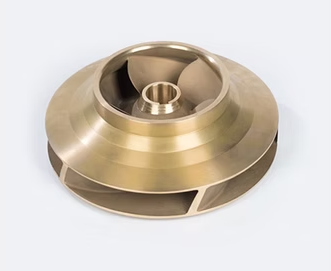
Key Properties Making BeCu Ideal for Machined Components
When machining beryllium copper, you are utilizing an alloy that uniquely bridges the gap between the high conductivity of copper and the mechanical strength of high-grade steel. At Vastmaterial, we engineer our alloys to withstand extreme stress while delivering precision performance. The combination of high tensile strength and excellent fatigue resistance makes our materials the standard for critical aerospace and industrial applications.
Mechanical and Physical Specifications
Our beryllium copper alloys are designed for high-performance environments. Once heat-treated (age-hardened), these materials achieve mechanical properties that far surpass standard copper alloys.
- Hardness: Capable of reaching 36–45 HRC after heat treatment.
- Tensile Strength: High strength comparable to alloy steels, ensuring durability under load.
- Conductivity: Maintains high electrical and thermal conductivity, essential for electronic connectors and thermal management components.
Comparison: C17200 vs. C17300 vs. Other Alloys
Selecting the right grade is critical for optimizing your BeCu machining process. While standard copper is too soft for structural use and steel lacks conductivity, Beryllium Copper offers the best of both worlds.
| Feature | C17200 (Standard) | C17300 (Free-Machining) | Standard Copper |
|---|---|---|---|
| Machinability | Moderate (Long, stringy chips) | Excellent (Contains lead for small chips) | Poor (Gummy) |
| Strength | Highest Strength | High Strength | Low |
| Best Application | Structural components, springs | Complex CNC screw machine parts | Simple conductors |
Critical Performance Benefits
Beyond basic strength, machining beryllium copper provides specific advantages for specialized industries:
- Non-Sparking & Non-Magnetic: Our alloys are mandatory for safety tools and components in the Oil & Gas industry where spark risks must be eliminated.
- Corrosion Resistance: Excellent resistance to oxidation makes these parts ideal for harsh marine and subsea environments.
- Dimensional Stability: Post-machining stability is a hallmark of our material. Whether you machine in the annealed state or the hardened state, the material maintains tight tolerances and resists warping during operation.
Choosing the Right Grade for Machinability
When planning your production run for machining beryllium copper, selecting the specific alloy grade is the single biggest factor in determining cycle time and tool life. At Haoyu Material, we supply both standard and modified grades to match your specific manufacturing capabilities and part requirements.
Standard C17200 vs. Free-Machining C17300
While both alloys offer nearly identical mechanical properties after heat treatment, their behavior under the cutting tool differs significantly.
- Standard C17200 (Alloy 25): This is the industry benchmark for highest strength applications. It delivers exceptional performance but tends to produce long, stringy chips. These continuous chips can wrap around tooling and clog machinery, making it more challenging for automated operations.
- Free-Machining C17300 (Alloy M25): For high-volume screw machine parts, we recommend C17300 free machining rod and wire. This leaded beryllium copper contains a small percentage of lead which acts as a microscopic chip breaker. This results in small, manageable chips rather than long coils, allowing for higher feed rates and significantly reducing tool wear.
Selecting Mill-Hardened vs. Age-Hardenable Tempers
Beyond the alloy grade, the temper (hardness state) of the material dictates your machining strategy. We offer materials in two primary conditions:
- Age-Hardenable (A-Temper/Annealed): The material is supplied in a softer state. It is easier to form and machine aggressively. However, parts must undergo an age-hardening heat treatment after machining to achieve maximum hardness. This process can sometimes cause slight dimensional distortion.
- Mill-Hardened (H, HM, XHM, etc.): We heat treat the material at our factory before shipping. While harder to machine than annealed stock, mill-hardened BeCu eliminates the need for post-machining heat treatment. This is ideal for precision parts where dimensional stability is critical, as you avoid the risk of warping during a secondary heat cycle.
Best Practices for CNC Machining Beryllium Copper

Machining beryllium copper (BeCu) requires a disciplined approach to balance its high strength with its tendency to work harden. At Haoyu Material, we treat C17200 and C17300 differently than standard brass or aluminum. Success lies in rigid setups, sharp tooling, and aggressive cutting parameters that prevent the tool from rubbing against the workpiece.
Tooling Recommendations
Standard high-speed steel (HSS) tools degrade quickly against the abrasive nature of beryllium copper. We exclusively recommend tungsten carbide tools for consistent production runs.
- Roughing: Use C-2 grade carbide for its toughness and resistance to shock.
- Finishing: Switch to C-3 grade carbide or diamond-tipped tools (PCD) to achieve tight tolerances and superior surface finishes.
- Geometry: Maintain a positive rake angle to shear the metal cleanly rather than pushing it.
Speeds, Feeds, and Heat Management
The biggest challenge in BeCu machining is work hardening. If the tool dwells or rubs, the material surface hardens instantly, leading to tool failure and scrapped parts. You must keep the tool moving and cutting.
- Chip Load: Maintain a constant, aggressive feed rate. Never “baby” the cut.
- Depth of Cut: Ensure the depth of cut is substantial enough to get under any previously work-hardened skin.
- Heat Control: Because BeCu has high thermal conductivity, heat dissipates into the part quickly. We utilize flood coolant to stabilize dimensions, similar to the protocols in our CNC turning guide.
Machining Sequence: Roughing vs. Aging
To achieve maximum precision with high-strength alloys like C17200, the sequence of operations is critical.
- Rough Machining: Perform heavy material removal when the alloy is in the annealed (soft) state.
- Age Hardening: Heat treat the part to achieve the required hardness (up to 45 HRC).
- Finish Machining: Grind or hard-turn the component to final specs. This corrects any distortion caused by the heat treatment process.
Coolant and Chip Control
Wet machining is mandatory for beryllium copper. A steady stream of coolant serves two purposes: it manages thermal expansion and, more importantly, suppresses dust formation. For C17200 machining, chips can be long and stringy, requiring chip breakers. In contrast, C17300 free machining grades produce smaller, manageable chips, significantly reducing machine downtime. For complex geometries, refer to our precision CNC machining and casting guide to understand how we maintain strict tolerances during these operations.
Essential Safety Protocols for BeCu Machining
Working with high-performance alloys like C17200 requires strict adherence to safety guidelines. While solid beryllium copper is perfectly safe to handle, the process of machining beryllium copper generates fine particulate matter that demands control. We prioritize safety in our manufacturing processes and advise all clients to follow established protocols to mitigate beryllium dust hazards.
Managing Health Risks and Compliance
The primary concern during processing is the inhalation of fine dust or fumes. Long-term exposure to airborne particles can lead to serious respiratory issues. Therefore, strict adherence to OSHA compliance and safety standards is non-negotiable. When we supply or process these materials, we operate with the understanding that maintaining air quality below occupational exposure limits is the baseline for safe production.
Mandatory Wet Machining Practices
To effectively control dust generation, wet machining beryllium copper is the absolute standard. You should never dry machine these alloys without specific containment.
- Flood Coolant Systems: We recommend using high-volume flood coolant to capture chips and dust immediately at the cutting interface. This prevents particles from becoming airborne.
- Coolant Maintenance: Keep the coolant clean and ensure chips remain wet until they are collected for recycling.
Filtration and Shop Hygiene
Proper air quality management and hygiene are essential for machining BeCu safety.
- HEPA Filtration: CNC machines should be equipped with local exhaust ventilation systems featuring HEPA filters to capture mist and particulates.
- Vacuum Systems: Use HEPA-rated vacuums for cleaning equipment. Never use compressed air to blow off parts, as this disperses dust into the shop air.
- PPE and Hygiene: Operators must wear appropriate Personal Protective Equipment (PPE). Strict shop hygiene—including washing hands and face before eating or leaving the workspace—is critical to prevent ingestion or secondary exposure.
Applications of Machined Beryllium Copper Parts

When you need a component that combines the strength of steel with the conductivity of copper, machining beryllium copper is often the only viable solution. We see this material specified in industries where failure is simply not an option. From our factory floor, we supply finished components that leverage the unique high-strength and non-magnetic properties of C17200 and C17300 alloys.
Here is where our precision BeCu parts deliver the most value:
- Aerospace and Defense: In these sectors, reliability is everything. We machine bushings, bearings, and landing gear components that must withstand extreme vibration and cyclic loading. The exceptional fatigue strength of beryllium copper ensures these parts perform consistently over thousands of flight hours.
- Oil and Gas: Safety is critical in volatile environments. Because BeCu is non-sparking and non-magnetic, it is the standard material for tools and equipment used in oil and gas exploration. We manufacture downhole drilling components and valve housings that resist corrosion and prevent dangerous ignition sources on rigs.
- High-Reliability Electronics: For RF components and electronic connectors, the electrical conductivity of the material is paramount. We produce contacts and shielding parts that maintain signal integrity while providing the spring force necessary for secure connections.
- Automotive Precision: We supply the automotive industry with sensor housings and powertrain components. The dimensional stability of machined beryllium copper ensures that critical systems maintain tight tolerances, even under the high heat and stress of an engine bay.
Why Choose vastmaterial for Your Beryllium Copper Needs
At vastmaterial, we understand that consistency is the most critical factor when machining beryllium copper. We don’t just supply metal; we provide the reliability your machine shop needs to maintain tight tolerances and reduce scrap rates. As a direct manufacturer, we control the quality from the melt to the finished product, ensuring that every rod, plate, and strip meets rigorous industrial standards.
We specialize in premium C17200 and C17300 grades designed specifically for high-precision applications. Our materials are engineered with a consistent microstructure, which is essential for predictable tool wear and superior surface finishes during CNC operations. Whether you are looking for standard stock or custom dimensions, our comprehensive inventory of copper alloy products supports your production line without delays.
Our Supply Capabilities
| Material Form | Grades Available | Key Advantage |
|---|---|---|
| Rods & Bars | C17200, C17300 | Ideal for turning operations; excellent straightness. |
| Plates & Sheets | C17200, C17500 | Uniform thickness for milling complex geometries. |
| Strips | C17200, C17510 | Perfect for stamped components and connectors. |
The vastmaterial Advantage
- Consistent Machinability: Our C17300 (leaded) rods are optimized for automatic screw machines, ensuring excellent chip control.
- Full Traceability: Every shipment comes with complete material certifications and test reports, guaranteeing compliance with aerospace and defense standards.
- Scalable Solutions: We support your project lifecycle, from supplying small cuts for prototyping to bulk orders for high-volume production runs.
- Factory-Direct Pricing: By eliminating middlemen, we offer competitive rates on high-performance alloys without compromising on quality.
Machinability and Cost Comparison
Let’s be honest—the raw material cost for machining beryllium copper is significantly higher than standard brass, aluminum, or common 300 series stainless steel grades. However, focusing solely on the price per pound ignores the critical performance value. We justify this premium pricing through the material’s unmatched ability to combine high strength with thermal conductivity, ensuring reliability in aerospace and oil & gas components where failure is not an option.
Cost Factor Analysis: BeCu vs. Standard Alloys
To understand the real value, you have to look at the total cost of production, including machining time and tool life.
| Feature | Beryllium Copper (C17200) | Free-Machining BeCu (C17300) | Standard Steel/Brass |
|---|---|---|---|
| Raw Material Cost | High | High | Low to Medium |
| Machinability Rating | 20% (Difficult) | 60% (Good) | 50-100% |
| Chip Formation | Long, stringy (requires chip breaking) | Small, manageable chips | Varies by grade |
| Tool Wear | High (Abrasive) | Moderate | Low |
| Performance Value | Extreme (High Strength/Conductivity) | Extreme (High Strength/Conductivity) | Standard |
Reducing Costs with C17300 Free-Machining Grades
For high-volume runs, we strongly recommend using C17300 free machining (leaded beryllium copper). While the mechanical properties are nearly identical to C17200, the addition of lead acts as a microscopic chip breaker. This allows for:
- Faster Speeds and Feeds: You can run your CNC machines more aggressively without sacrificing finish.
- Tool Life Extension: The lead lubricates the cut, significantly reducing the heat and friction that destroy carbide inserts.
- Reduced Downtime: Better chip control means fewer bird’s nests and automated stoppages.
By selecting the right grade, you offset the higher material expense through faster cycle times and reduced tooling consumption.
Frequently Asked Questions About Machining Beryllium Copper
Is machining beryllium copper dangerous?
Handling solid beryllium copper parts is generally safe. The primary concern arises during BeCu machining processes like grinding or sanding, which generate fine airborne particles. If inhaled, beryllium dust can pose serious health risks. As a responsible beryllium copper manufacturer, we emphasize that shops must use proper ventilation, air filtration, and containment systems to keep operators safe.
What is the best coolant for BeCu machining?
For most CNC machining BeCu operations, water-soluble oil (emulsions) is the standard choice. Because these alloys have high thermal conductivity, flood coolant is essential to dissipate heat effectively. More importantly, a heavy flow of coolant acts as a safety measure by capturing dust and chips, preventing them from becoming airborne.
Can you dry machine beryllium copper?
We strongly advise against dry machining. Running dry increases the risk of generating respirable dust and allows heat to build up, which can affect the material’s temper. Always use flood coolant to ensure machining BeCu safety and to maintain the dimensional stability of the part.
What is the difference between C17200 and C17300 machinability?
While both grades offer high strength, C17300 free machining alloy is specifically formulated with a small amount of lead. This addition allows chips to break into small, manageable pieces rather than forming long, stringy coils. Consequently, C17300 allows for faster cutting speeds and significantly extends tool life compared to standard C17200 machining.
Reviews
There are no reviews yet.