

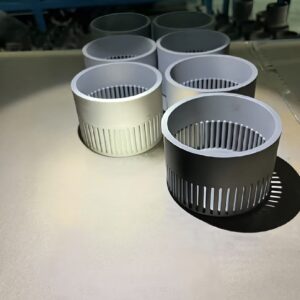
Nickel Casting Product Overview
If you’re sourcing parts for high-temperature or corrosive service, you’re probably comparing stainless, duplex, and various nickel alloy castings and trying to balance risk, price, and performance. I build and supply nickel casting solutions for exactly that problem.
What Nickel Alloy Castings Are
Nickel-based alloy castings are precision metal parts poured from nickel-rich alloys engineered to survive heat, pressure, and aggressive media. In our foundry we produce:
- Nickel investment castings for thin-wall, complex geometries
- Centrifugal nickel castings for dense rings, sleeves, and tubes
- Sand casting nickel alloys for larger, heavy-duty components
These nickel alloy components keep their strength and stability where standard steels quickly creep, pit, or crack.
Pure Nickel vs. Nickel Alloy Castings
Pure nickel has good corrosion resistance, but it’s rarely the best all-around choice. For demanding US industrial applications, we typically recommend nickel alloy castings such as:
- Inconel castings (e.g., 600, 625, 713C) – high-temperature nickel castings with excellent strength and oxidation resistance
- Hastelloy castings (e.g., C‑276, X) – corrosion resistant nickel castings for aggressive chemicals and mixed media
- Monel castings (e.g., M35‑1) – ideal for seawater and marine duty, resistant to chloride attack
These nickel superalloy castings deliver a better mix of strength, corrosion resistance, and stability than pure nickel in most real-world services.
Who Uses Nickel Casting Parts
I mainly work with:
- Design engineers who need reliable data and tight tolerances
- Buyers and sourcing teams under cost and lead time pressure
- OEMs and integrators in aerospace, energy, chemical, oil & gas, and marine
- Project teams upgrading legacy materials that are failing in the field
If your parts see heat, pressure, chemicals, or seawater, nickel casting is usually in the short list.
Key Performance Benefits in Harsh Service
Our nickel alloy castings are built for high-temperature and corrosive environments, delivering:
- Stable strength at elevated temperatures – less creep, distortion, and cracking
- Outstanding corrosion resistance in acids, seawater, sour service, and many chemicals
- Oxidation and scaling resistance in hot gas and flue environments
- Long service life and lower lifecycle cost vs. many stainless and low-alloy steels
If uptime, safety, and total cost of ownership matter more than lowest piece price, casting nickel-based alloys is often the right move.
Key Advantages of Nickel Casting
Corrosion‑Resistant Nickel Alloy Castings
Nickel alloy castings deliver outstanding corrosion resistance in acids, seawater, and harsh chemical environments. That’s why engineers in U.S. chemical plants, offshore platforms, and marine service rely on nickel casting parts where stainless steel fails. Properly selected nickel-based alloy castings handle chloride attack, sulfides, and aggressive media with far longer service life and fewer unplanned shutdowns than standard alloys or coated carbon steel.
High‑Temperature Nickel Castings for Extreme Heat
When you’re running high‑temperature equipment, high temperature nickel castings hold their strength, creep resistance, and oxidation resistance where other metals soften or scale. Nickel superalloy castings keep dimensional stability and mechanical properties in turbine hot sections, burners, and heat‑treat fixtures, helping you push higher process temperatures without sacrificing safety or uptime.
Wear Resistance and Long Service Life
In high‑load, high‑stress applications, nickel alloy components offer excellent wear resistance and fatigue strength. They stand up to erosion, cavitation, and repeated thermal cycling, which means fewer replacements, fewer outages, and a lower cost per hour of operation. For plants that run 24/7, this durability is a direct bottom‑line advantage.
Weldability, Machinability, and Fabrication
Modern nickel casting grades are engineered for good weldability and machinability, so you can fabricate complex systems without constant rework. With the right tooling and parameters, nickel investment castings machine cleanly and weld reliably into piping, structural frames, and assemblies—ideal for OEMs and project teams that need both performance and buildability. If you also use other high‑performance metals, you may pair these parts with high‑temperature nickel alloy springs or similar components for fully integrated systems.
Precision Nickel Investment Castings
Nickel investment castings give you tight tolerances, repeatable dimensions, and excellent surface finish on complex shapes. This cuts down on secondary machining, speeds up assembly, and keeps quality consistent from prototype to full production. For precision OEM work, investment casting nickel alloys are often the most cost‑effective path to complex, thin‑wall, net‑shape parts.
Cost vs. Performance Balance
Compared with exotic wrought products or over‑engineered alternatives, nickel alloy castings strike a strong balance between cost and performance. You get the corrosion and temperature capability of nickel superalloys with the layout freedom and material utilization of casting. For many U.S. customers, that means lower initial tooling cost, reduced material waste, and a better lifecycle cost than machining from solid or over‑specifying other alloys.
Nickel Alloys Used in Casting
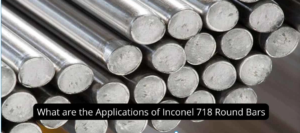
When we talk nickel casting for demanding U.S. applications, we’re usually talking proven nickel alloy castings like Inconel, Hastelloy, Monel, and other nickel‑based superalloys. Here’s how I look at the main options and where they make the most sense.
Inconel Castings (600, 625, 713C, etc.)
Inconel castings are my go‑to for high‑temperature nickel castings where strength and oxidation resistance matter more than anything else.
- Inconel 600 castings – Good for moderate high temperature and general corrosion; often used for furnace parts, fixtures, and basic gas turbine hardware.
- Inconel 625 castings – Great mix of strength and corrosion resistance; common in offshore, chemical, and power gen components that see both heat and corrosive media.
- Inconel 713C castings – High‑strength nickel superalloy castings for hot‑section turbine parts, blades, and high‑load hardware.
If you need a quick overview of how different casting alloys compare, I usually point people to a broad casting alloy guide with types and properties.
Hastelloy Castings (C‑276, X, CW‑2M)
Hastelloy casting grades are built for aggressive chemical service where failure is not an option.
- Hastelloy C‑276 castings – Excellent resistance to acids, chlorides, and mixed chemicals; ideal for pumps, valves, and reactor components.
- Hastelloy X castings – High‑temperature strength with good oxidation resistance; often used in gas turbine and furnace hardware.
- Hastelloy CW‑2M castings – Targeted for strong oxidizing and reducing environments; strong pick for critical chemical processing parts.
Monel Castings (M35‑1 and Similar)
Monel casting nickel alloys shine in seawater and marine duty where chloride attack is brutal.
- Monel M35‑1 castings – Classic choice for seawater valves, pump bodies, and flanges; strong resistance to saltwater, brines, and some acids.
- Great for U.S. coastal, offshore, and naval projects that demand long life in seawater.
Other Nickel‑Based Superalloy Castings
For very specific duty cycles, we also pour custom nickel‑based alloy castings tailored to:
- Turbine hot‑section components
- High‑stress fasteners and hardware
- Unique combinations of creep resistance, thermal fatigue resistance, and corrosion resistance
These often fall under ASTM A494 castings or customer‑proprietary specs.
How to Choose the Right Nickel Casting Alloy
When I help customers choose a nickel alloy for their nickel investment castings or centrifugal nickel castings, we keep it simple and data‑driven:
- Operating temperature
- Below ~1200°F: Monel, some Inconel grades
- 1200–1800°F: Inconel 625, 713C, Hastelloy X
- Above 1800°F: specialized nickel superalloy castings
- Media and corrosion
- Seawater / marine: Monel casting grades
- Strong acids / chemicals: Hastelloy C‑276 or CW‑2M
- Mixed heat + corrosion: Inconel 625, Hastelloy C‑276
- Mechanical load and fatigue
- High stress, cyclic load: Inconel and advanced nickel‑based superalloys
- Standards and specs
- Check ASTM A494 castings, AMS specs, and your internal material standards.
If you’re torn between investment casting nickel alloys and other processes, it helps to look at a broader guide to casting processes and alloys before locking in the final spec.
Nickel Casting Processes
Investment Casting Nickel Alloys
For precision nickel casting, I lean on nickel investment castings when you need:
- Thin walls
- Tight tolerances
- Complex internal passages
Investment casting nickel alloys lets us hit near-net shapes, cut machining time, and hold repeatable quality across large runs. It’s ideal when you’re replacing multi-piece weldments with a single, solid nickel alloy casting. For similar precision work in other metals, we use the same approach as in our alloy investment casting foundry.
Centrifugal Nickel Castings
When you need dense, high‑integrity nickel alloy castings like:
- Tubes and sleeves
- Rings and bearing housings
- Pressure-retaining components
I use centrifugal nickel castings. Spinning the mold forces nickel-based alloy castings against the mold wall, giving you:
- Very low porosity
- Excellent structural integrity
- Stronger performance in high‑pressure, high‑temperature service
Sand Casting Nickel Alloys
For bigger, heavier, or less geometry‑critical parts, sand casting nickel alloys is the most cost‑effective route. I recommend this for:
- Large housings and bodies
- Pump and valve casings
- Structural nickel alloy components
You get:
- Lower tooling cost
- Flexible size range
- Reasonable tolerances for large nickel alloy castings
Vacuum Investment Casting Nickel
For high temperature nickel castings and nickel superalloy castings where cleanliness is critical, I use vacuum investment casting nickel:
- Great for turbine, aerospace, and high‑end energy parts
- Reduces gas porosity and inclusions
- Helps meet tight chemical specs and AMS / ASTM A494 casting requirements
Secondary Operations on Nickel Alloy Castings
To finish nickel alloy components the right way, I build in key secondary operations:
- Heat treatment – stabilize microstructure, boost strength and toughness
- Rough & finish machining – hit final dimensions, tight tolerances, and precision fits
- NDT (X‑ray, UT, PT) – verify internal and surface integrity on critical nickel alloy castings
- Surface finishing – shot blasting, polishing, and machining to target Ra
We run these steps under the same quality mindset we apply across our broader alloy casting foundry capabilities, so your nickel alloy castings arrive ready for assembly, not rework.
Applications and Industries for Nickel Casting
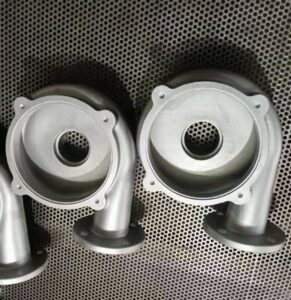
Aerospace Nickel Castings
In aerospace, nickel alloy castings are the go‑to choice when failure isn’t an option. We use nickel investment castings and nickel-based superalloy castings for:
- Turbine blades and vanes
- Combustor and engine hardware
- Structural brackets and high‑temp fasteners
These high temperature nickel castings hold strength and shape in hot sections of jet engines, giving OEMs longer engine life, better fuel efficiency, and safer operation.
Energy and Power Generation
Power plants in the U.S. rely on nickel alloy castings to push higher temperatures and improve efficiency. Typical nickel casting components include:
- Gas turbine wheels, nozzles, and buckets
- Heat exchanger tubesheets and headers
- Boiler parts and burner hardware
Our corrosion resistant nickel castings stand up to high‑temperature steam, flue gas, and aggressive condensates, which helps utilities cut unplanned downtime and maintenance costs.
Chemical and Petrochemical Nickel Alloy Castings
For chemical and petrochemical customers, we produce nickel alloy castings that survive acids, chlorides, and mixed process media:
- Pump and compressor housings
- Valves, bodies, and trim
- Reactor components and fittings
We commonly pour Inconel castings and Hastelloy castings that meet ASTM A494 castings requirements, giving engineers the confidence to push equipment harder in aggressive services. If you also need critical valve components in other alloys, our broader casting alloy capabilities can support mixed-material projects.
Oil, Gas, and Marine Nickel Castings
In offshore, subsea, and marine environments, nickel alloy castings beat standard stainless every time. Typical corrosion resistant nickel castings include:
- Seawater valves and pump components
- Flanges, manifolds, and piping parts
- Subsea connectors and hardware
Monel castings and other nickel-based alloy castings deliver long service life in warm, oxygenated seawater and sour service, cutting replacement frequency and intervention cost.
Defense and High‑Stress Components
Defense programs use nickel casting parts anywhere thermal shock, stress, and corrosion come together. We support:
- Missile and propulsion hardware
- Turbine and exhaust components
- High‑load structural brackets and housings
By pairing the right nickel alloy components with precision nickel castings, we help defense and OEM teams hit demanding performance specs with reliable, repeatable quality.
Technical Specs for Nickel Alloy Castings
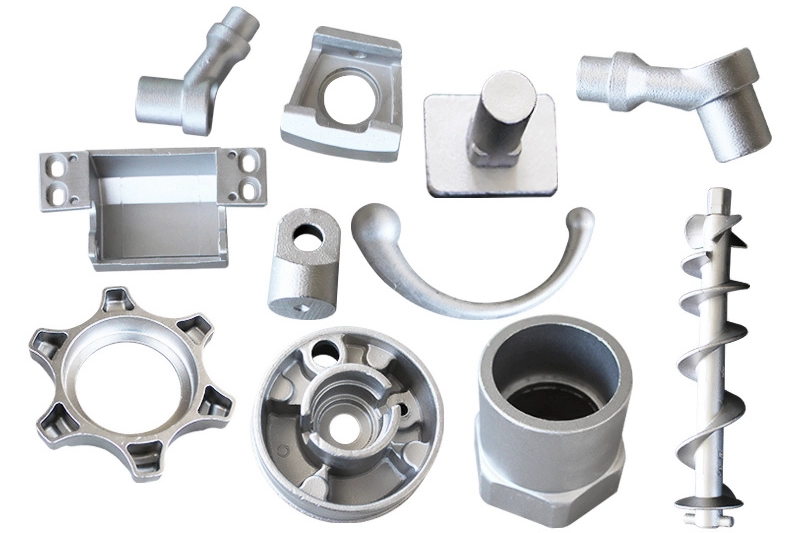
When we produce nickel alloy castings, we lock in specs so engineers, buyers, and project teams know exactly what to expect.
Size Range for Nickel Casting
We handle nickel casting projects from small precision parts to heavy sections:
| Type of nickel alloy castings | Typical size range |
|---|---|
| Precision nickel investment castings | From < 0.1 lb to ~50 lb |
| Centrifugal nickel castings | OD from ~2″ to 40″+, up to several feet |
| Sand casting nickel alloys | From ~10 lb to several hundred pounds |
*Actual limits depend on alloy and geometry.
Tolerances for Nickel Investment & Centrifugal Castings
We hold tight, repeatable tolerances on nickel investment castings and centrifugal nickel castings:
- Standard investment casting: ±0.005″–0.010″ (per inch, depending on size)
- Tight-tolerance investment: down to ±0.003″ on critical features
- Centrifugal nickel castings: tighter wall control, ideal for tubes/rings
- Machining stock added only where needed to control cost
For complex precision parts that will be CNC machined, we also offer a full precision casting + machining route similar to what we do in our precision casting services.
Surface Finish Options for Nickel Alloy Castings
We offer several surface finish levels on nickel-based alloy castings:
| Finish level | Process | Typical Ra (inches) |
|---|---|---|
| As-cast | Investment / sand / spin | ~250–500 µin |
| Shot-blasted | Media blast | ~200–300 µin |
| Machined surfaces | CNC machining / grinding | 32–63 µin (tighter by request) |
We’ll match finish to your sealing, fatigue, or cosmetic needs.
Testing & Quality Control for Nickel Alloy Components
Every critical nickel alloy component runs through a controlled quality plan:
- NDT:
- X-ray (RT) for internal shrink and porosity
- Ultrasonic testing (UT) for wall integrity
- Liquid penetrant testing (PT) for surface cracks
- Mechanical tests: tensile, yield, elongation, hardness
- Chemical analysis: spectro / OES to confirm alloy chemistry
- Dimensional reports and full traceability on heat and lot
Standards: ASTM A494 Castings & AMS Specs
We pour and qualify nickel alloy castings to major U.S. and industry specs:
- ASTM A494 grades for nickel-based alloy castings
- AMS specifications for aerospace and high-temperature service
- Customer-specific specs and supplier manuals (oil & gas, chemical, defense)
If you send us your drawing and spec stack, we’ll confirm that the nickel superalloy casting design, testing, and documentation fully line up with your QA and regulatory requirements.
How to Choose a Nickel Casting Supplier
Picking the right nickel alloy casting supplier can make or break your project. Here’s exactly what I look for when we source or produce nickel casting parts for U.S. customers.
1. Core Nickel Casting Capabilities
Make sure the foundry actually lives and breathes nickel alloy castings, not just “also runs them sometimes.”
Critical processes for nickel casting:
| Capability | Why it Matters for Nickel Casting |
|---|---|
| Investment casting nickel alloys | Tight tolerances, thin walls, precision nickel castings |
| Centrifugal nickel castings | Very dense tubes/rings, high-pressure service |
| Sand casting nickel alloys | Larger, cost-effective nickel alloy components |
| Vacuum investment casting nickel | Low gas content, fewer defects, critical aerospace/energy |
If you need complex precision parts, look for a foundry with strong lost-wax investment casting capability and a track record in nickel-based alloy castings.
2. Real Metallurgical Support
You want more than “we can pour that.” You want an engineer in your corner.
What I expect from a serious nickel alloy foundry:
- Help comparing Inconel, Hastelloy, Monel, and other nickel superalloy castings
- Review of your drawings for castability, wall thickness, and gating
- Advice on heat treatment and mechanical property targets
- Failure analysis on returned nickel alloy components (if something goes wrong)
If they can’t talk through ASTM A494 castings, corrosion mechanisms, and high-temperature behavior in plain language, that’s a red flag.
3. Lead Time, Prototyping, and Order Flexibility
For most U.S. projects, schedule is critical.
Ask upfront:
- Typical tooling lead time (investment casting tools, patterns)
- Sample/first article timing for nickel investment castings
- Ability to run:
- Rapid prototypes (3D-printed patterns, soft tooling)
- Short runs for development
- High-volume production once designs are locked in
Look for a supplier who can flex with your project curve—from early trials to stable, repeat nickel alloy castings.
4. Quality Systems, Traceability, and Certifications
Nickel alloy castings usually end up in serious service: high temperature, high pressure, or aggressive media. Quality cannot be a guess.
Baseline quality requirements:
- Documented QMS (ISO 9001 or similar)
- Full heat traceability back to melt and raw material
- In-house or certified NDT: X-ray, UT, PT
- Chemical and mechanical test reports for every heat/lot
- Experience with AMS, ASTM A494, and customer-specific specs
If you’re also buying stainless, alloy steel, or mixed materials, it can help to work with a broader casting foundry that already runs robust traceability and inspection across multiple alloys: see an example of a multi-alloy casting operation.
5. Balancing Price, Performance, and Lifecycle Cost
With nickel casting, the “cheapest quote” usually costs more in the long run.
How I look at total cost:
- Part price: melt cost, process (investment vs. sand vs. centrifugal), testing level
- Performance: service life in high temperature or corrosive service, failure rates
- Lifecycle cost: downtime, maintenance, change-out frequency, warranty claims
Sometimes spending a little more on vacuum investment casting nickel or a higher-grade nickel-based alloy casting cuts your cost per hour of operation dramatically. A good nickel alloy casting supplier will show you those tradeoffs openly instead of just chasing the lowest line item price.
Real Nickel Casting Project Examples
Aerospace & Turbine Nickel Casting Example
On a recent gas turbine program, we supplied nickel-based alloy castings (Inconel investment castings) for blade segments and hot‑section hardware. By shifting from stainless to nickel alloy castings, the OEM gained:
- +120–150°F higher allowable metal temperature without creep issues
- Longer time-on-wing, cutting hot‑section overhaul intervals by ~20%
- More stable dimensions at temperature, which helped fuel efficiency and reduced performance drift
These high temperature nickel castings ran multiple test cycles without cracking, which gave the engineering team the confidence to standardize the design.
Chemical Processing Nickel Valve & Pump Castings
For a Gulf Coast chemical plant running mixed acids, we replaced legacy alloys with Hastelloy nickel casting valves and pump casings. Using ASTM A494-grade nickel-based alloy castings:
- Corrosion rate dropped from ~20+ mils/year to under 2 mils/year
- Mean time between failures jumped from months to multiple years
- Maintenance shutdowns related to those components were almost eliminated
The plant cut unplanned downtime and avoided frequent part change-outs, which directly lowered their cost per hour of operation.
Oil, Gas & Marine Nickel Casting Case
A marine operator operating in brackish and offshore water upgraded to Monel and Inconel nickel alloy castings for seawater valves and flanges. With our centrifugal nickel castings and precision machining:
- Service life more than doubled vs. bronzes in the same service
- Leakage and corrosion pitting in splash zones dropped sharply
- Scheduled dry-dock intervals could focus on hull and systems, not constant piping repairs
In real numbers, they saw lower lifecycle cost from fewer replacements and reduced labor, not just better corrosion performance.
If you’re comparing nickel to other metals for industrial applications, our broader casting solutions for demanding industries show how we balance alloy choice, process, and cost for U.S. customers.
Getting a Custom Nickel Casting Quote
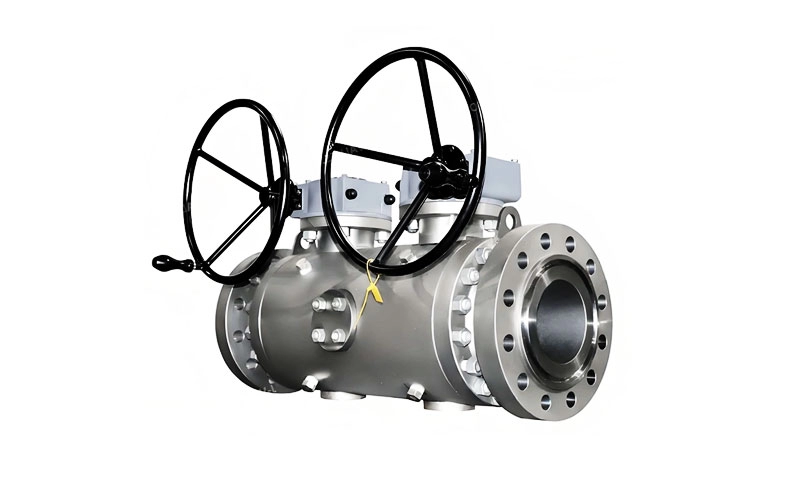
What to Prepare for a Nickel Casting RFQ
To quote nickel alloy castings accurately, I need clear, upfront data. At a minimum, send:
- Alloy: Specific grade (Inconel 625, Hastelloy C‑276, Monel M35‑1, etc.) or at least the target spec (ASTM A494 grade, AMS spec).
- Drawings & 3D models: Fully dimensioned PDF plus STEP/IGES if possible; note any critical features.
- Specs & requirements:
- Required standards (ASTM A494, AMS, customer specs)
- NDT (X‑ray, UT, PT), chemical and mechanical test requirements
- Heat treatment and hardness targets
- Quantities:
- Annual volume and order batch size
- Prototype vs. production quantities
- Operating conditions:
- Temperature range, media (seawater, acids, gas, etc.)
- Pressure, loads, and expected lifecycle
This same package is what you’d share if you were comparing nickel alloy castings against other materials like stainless or high‑temperature alloys.
How Tolerances, Finish, and Testing Change Pricing
Nickel investment castings and other nickel-based alloy castings can hit tight specs, but each extra requirement adds cost:
- Tolerances
- Standard investment casting tolerances are the most cost‑effective.
- Tight tolerances or GD&T on many features often mean more machining and inspection.
- Surface finish
- As‑cast or shot‑blasted surfaces cost least.
- Tight Ra targets or fully machined surfaces increase cycle time and price.
- Testing & documentation
- X‑ray, UT, and 100% PT, plus full chemical & mechanical tests, add lab and inspection cost.
- Extra documentation (PPAP, FAI, detailed COCs) also impacts quote time and price.
If budget is tight, we usually balance precision nickel castings with selective machining and targeted testing instead of “maxing out” every requirement.
Typical Lead Times for Nickel Alloy Castings
Lead times depend on part complexity and process (investment casting nickel alloys vs. sand or centrifugal nickel castings), but as a guide:
- Tooling: 3–6 weeks for nickel investment casting tooling, longer for complex multi‑cavity tools.
- Samples / First Articles: 3–6 weeks after tooling sign‑off, including casting, heat treat, and basic testing.
- Production runs:
- Simple nickel alloy components: 4–8 weeks
- Complex nickel superalloy castings with heavy NDT: 8–12+ weeks
Rush slots are sometimes possible, but they come with a cost and may limit testing options.
How to Speed Up RFQ and First Article Approval
If you want high‑temperature or corrosion‑resistant nickel casting parts in hand faster, a clean RFQ is everything. You can speed things up by:
- Locking the alloy: Confirm the exact nickel alloy casting grade, or let us propose one with clear temperature/media info.
- Flagging critical-to-function features: We can focus process control and inspection there instead of over‑engineering the whole part.
- Being realistic on tolerances: Use standard casting tolerances where you can, tighten only where you must.
- Standardizing testing: Align NDT and test plans with ASTM A494 or common industry practice to avoid custom setups.
- Sharing 3D models early: We can do quick manufacturability checks and suggest design tweaks before you lock the print.
If you send a complete package (drawings, specs, quantities, operating conditions) up front, we can typically turn a nickel casting quote in a few working days and move quickly to first article approval.
Helpful Resources on Nickel Casting
If you’re engineering or sourcing nickel casting parts in the U.S., these quick resources will save you time and headaches.
Nickel Alloy Selection Guide (Temperature & Media)
When you’re choosing between Inconel castings, Hastelloy castings, or Monel castings, you need a simple way to match alloy to service conditions:
- By temperature
- Up to ~1000°F: Many general nickel alloy castings are fine.
- 1000–1600°F: Look at nickel-based superalloy castings (common Inconel grades).
- Above 1600°F or severe thermal cycling: Narrow down to high temperature nickel castings with proven creep and oxidation data.
- By media
- Seawater / brine: Monel nickel alloy castings are usually the first pick.
- Strong acids / chemicals: Hastelloy casting grades (like C‑276) tend to dominate.
- High heat + oxidation: Inconel investment casting nickel alloys typically offer the best balance.
For deeper background on high‑temp nickel alloys, you can reference this Inconel alloys guide with properties and applications, then translate that info into casting-grade choices.
Investment vs. Centrifugal vs. Sand Casting Nickel Alloys
Here’s a straight comparison for common nickel alloy casting processes:
- Nickel investment castings
- Best for: Precision nickel castings, thin walls, complex features, tighter tolerances.
- Pros: Great surface finish, less machining, repeatability.
- Centrifugal nickel castings
- Best for: Tubes, rings, bushings, parts needing very sound walls.
- Pros: Dense, high‑integrity sections, good for pressure and rotation.
- Sand casting nickel alloys
- Best for: Large, robust nickel alloy components with moderate detail.
- Pros: Lower tooling cost on big parts, flexible sizes, good for prototypes.
If you work with multiple alloys (nickel, cobalt, specialty high‑temp alloys), it also helps to understand related systems like chromium‑cobalt‑molybdenum high temperature alloys for benchmarking performance.
Common FAQs on Nickel Casting
Here are fast answers to the nickel casting questions I hear the most:
- Why do I see porosity in nickel alloy castings?
Often linked to gating, feeding, or gas pickup. For critical nickel investment castings, ask for vacuum investment casting nickel or tighter process controls. - What tolerances are realistic?
- Investment casting nickel alloys: Typically ±0.005–0.010 in/in, tighter with engineering review.
- Sand and centrifugal nickel castings: Looser as size and section increase.
- How do I reduce defects and machining time?
- Involve your nickel alloy casting supplier early in design.
- Simplify heavy transitions, add proper radii, and avoid unnecessary section thickness.
- Set surface finish and NDT levels (X‑ray, UT, PT) to exactly what the part really needs—no more, no less.
- Any design best practices for nickel alloy castings?
- Keep wall thickness as uniform as possible.
- Avoid sharp corners and sudden section changes.
- Define clear datum points and machining stock for all critical features.
- Specify applicable standards (ASTM A494 castings, AMS specs, or your internal drawing requirements).
Use these guidelines as a quick filter before you send an RFQ. It speeds up quoting, reduces redesign loops, and helps you land the right nickel casting process and alloy the first time.
Reviews
There are no reviews yet.