
Product Overview: Nozzle in Turbine
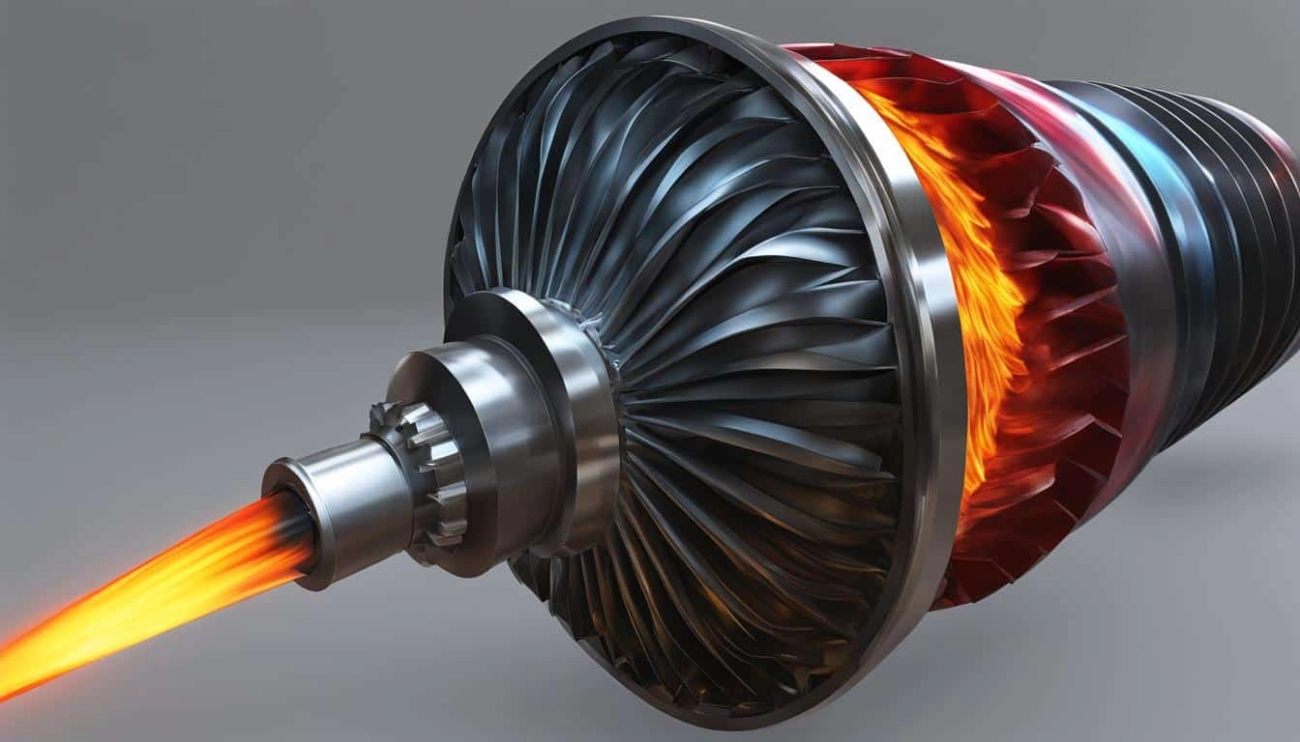
A nozzle in turbine (also called a turbine nozzle guide vane – NGV or turbine stator vane) is the stationary airfoil row that sits just upstream of the rotating blades. I use these vanes to take high-pressure gas or steam from the combustor or boiler and turn it into a high‑velocity, well‑directed jet that the rotor can efficiently convert into power.
What Is a Turbine Nozzle / NGV?
- Turbine nozzle / NGV: A fixed, airfoil-shaped passage that:
- Shapes and accelerates the gas or steam flow
- Sets the flow angle into the rotor blades
- Controls mass flow and stage pressure ratio
- Common terms:
- Nozzle guide vane (NGV)
- First stage turbine nozzle
- High pressure turbine nozzle
- Turbine nozzle segments or nozzle ring assembly
Stationary Nozzles vs. Rotating Blades
I design the stationary nozzles and rotor blades to do different jobs:
- Stationary nozzles / vanes
- Convert pressure energy into velocity
- Set flow direction and swirl angle
- Protect downstream blades with controlled flow and cooling
- Rotating blades / buckets
- Capture that high‑velocity jet
- Turn gas or steam momentum into shaft power and torque
When the nozzle in turbine is optimized, the rotor does more work with less fuel.
How Nozzles Convert Pressure to Velocity
In both gas and steam turbines, the nozzle row works like a high‑performance converging passage:
- High inlet pressure enters the nozzle
- Carefully sized throat area accelerates the flow
- Pressure drops across the vane; velocity and kinetic energy increase
- High‑speed, angled jets hit rotor blades, driving the turbine and boosting overall efficiency
Gas path flow optimization in the nozzle stage directly affects heat rate, power output, and fuel consumption.
Gas Turbine vs. Steam Turbine Nozzle Basics
- Gas turbine nozzles
- Handle very high temperatures and Mach numbers
- Often built from nickel-based superalloy vanes with NGV cooling design
- Use thermal barrier coated nozzles and advanced airfoil shapes
- Steam turbine nozzles
- Focus on moisture control, erosion resistance, and stage efficiency
- Use robust stainless or alloy steels, optimized for steam conditions
I configure both fixed geometry turbine nozzles and variable geometry nozzle guide vanes depending on load profile and control needs.
Where Nozzles Sit in the Turbine Flow Path
In a typical power generation turbine nozzle layout:
- Nozzles are the first element in each turbine stage:
- Combustor or boiler → nozzle guide vanes → rotor blades → next stage nozzle
- The first stage turbine nozzle in a gas turbine:
- Sees the highest temperature and stress
- Sits directly after the combustor as part of the hot gas path components
- Nozzle vanes are mounted in a nozzle ring assembly or diaphragm, forming a full 360° flow path around the rotor.
By controlling how the nozzle in turbine sets pressure, velocity, and flow direction, I can directly influence turbine efficiency, reliability, and power output for gas, steam, and aero‑derivative applications.
Key Features of Nozzle in Turbine
Our turbine nozzles and nozzle guide vanes (NGVs) are built to push efficiency, reliability, and output in real power plant conditions.
Advanced Airfoil & Throat Design
- 3D airfoil profiles for smooth, high-energy gas flow
- Optimized throat area for precise mass-flow and pressure-ratio control
- Reduced losses, better stage efficiency, and higher turbine power
| Feature | Benefit for Your Plant |
|---|---|
| CFD-optimized gas paths | Higher efficiency, lower heat rate |
| Tight throat control | Stable output across load ranges |
Fixed & Variable Geometry Options
- Fixed geometry turbine nozzles for heavy-duty, base-load units
- Variable geometry nozzle guide vanes for aero-derivative and cycling units
- Better part-load performance, faster startup, and tighter emissions control
Internal Cooling & NGV Cooling Design
- Internal serpentine and impingement cooling passages in high-pressure turbine nozzles
- Optimized NGV cooling design for long life under extreme gas temperatures
- Compatible with advanced nickel-based superalloy vanes and coating systems
Precision Casting & Tight Tolerance Machining
- Investment-cast turbine nozzle segments with accurate airfoil and platform geometry
- CNC machining for tight fits, sealing slots, and attachment features
- ISO-level quality systems similar to our high-spec work for gas turbine components in the US market (gas turbine manufacturing expertise)
Thermal Barrier Coatings (TBC)
- Thermal barrier coated nozzles for first-stage and high-pressure sections
- Bond coats plus ceramic top coats for oxidation and heat protection
- More temperature margin, longer life, less creep and oxidation damage
Segmented Nozzle Ring & Vane Assembly
- Segmented nozzle ring assembly for easier installation and replacement
- Rigid, well-sealed turbine vane assembly to cut leakage and vibration
- Compatible with common OEM equivalent turbine nozzles and retrofit upgrades used across U.S. power and industrial plants
Technical Specifications and Ratings for Nozzle in Turbine
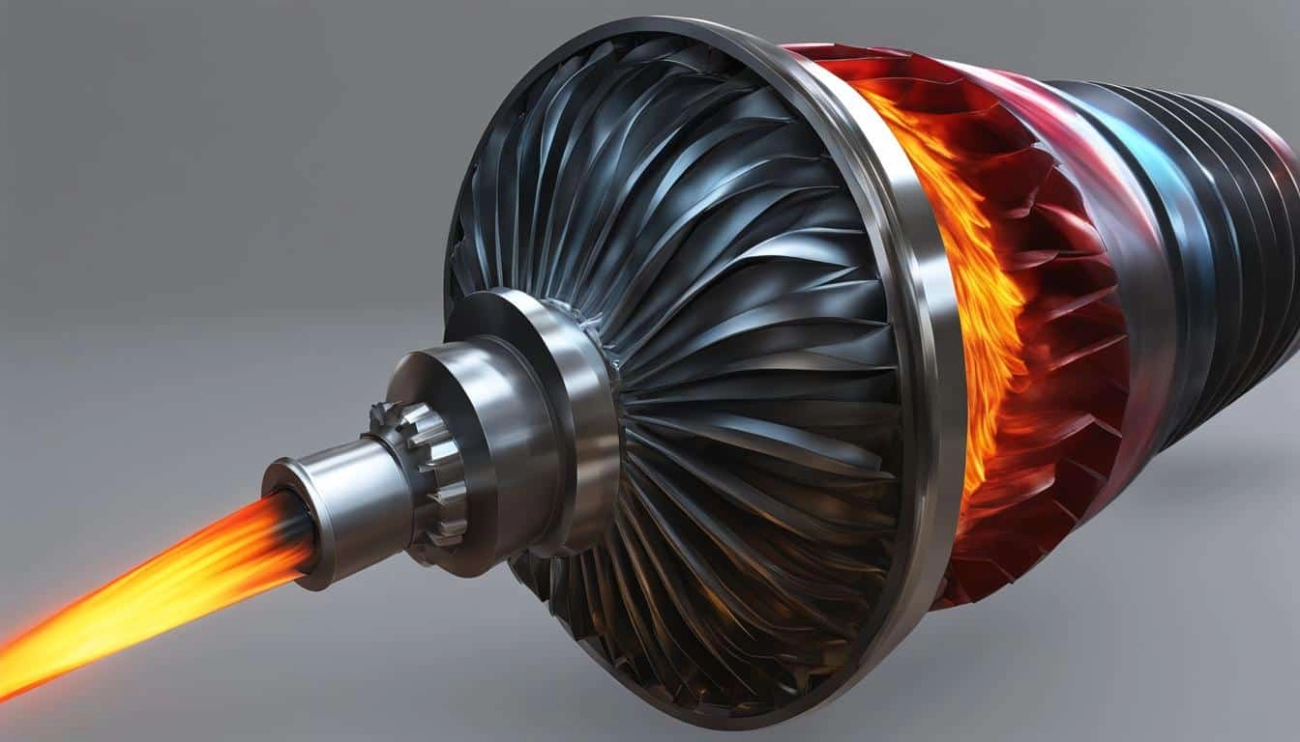
Our turbine nozzles and stator vanes are built for heavy-duty gas and steam turbine service in U.S. power, industrial, and oil & gas plants. Below is a quick spec snapshot you can work from when matching or upgrading your current hot gas path components.
Material Options for Turbine Nozzles & Stator Vanes
We focus on high-temperature, corrosion‑resistant alloys for long life in the first and second stage hot section.
| Component | Typical Materials | Notes |
|---|---|---|
| First stage turbine nozzle | Nickel-based superalloys (Inconel®, Rene®, etc.) | Highest thermal + mechanical load |
| Later stage stator vanes | Cobalt/nickel alloys, stainless steels | Balanced cost vs. performance |
| Steam turbine nozzles | Cr‑Mo steels, stainless, high‑temp alloys | Erosion and moisture resistant |
For special projects, we also support custom high-temperature alloy selections, leveraging the same metallurgy used in our high-temperature alloy products.
Operating Temperature Limits & Thermal Load Capacity
| Turbine Type | Typical Gas Inlet Temp* | Design Focus |
|---|---|---|
| Heavy-duty gas turbine | 1,000–1,300 °C (1,830–2,370 °F) | TBC + internal cooling, creep resistance |
| Aero / aero-derivative | 1,200–1,500 °C (2,190–2,730 °F) | Advanced NGV cooling design |
| Steam turbine | 450–620 °C (840–1,150 °F) | Thermal fatigue, corrosion resistance |
*Exact ratings depend on alloy, coating, and nozzle cooling design.
Stage Configuration: 1st, 2nd, 3rd Stage Nozzles
We supply full turbine nozzle segments and nozzle ring assemblies across stages:
- First stage turbine nozzle (HPT / HP section)
- Highest temperature and pressure drop
- Full internal cooling, thermal barrier coated nozzles
- Second and third stage nozzles
- Optimized for gas path flow control and efficiency
- Can be supplied with or without cooling, depending on duty
Dimensional Customization & Throat Area Sizing
We match or optimize geometry to your turbine:
- Custom throat area, chord, and span to meet flow and power targets
- Drop-in OEM-equivalent turbine nozzles or upgraded designs
- Tight tolerance machining on critical interfaces and seal areas
- Support for fixed and variable geometry nozzle guide vanes (VGV/NGV)
Compatibility with Major Gas and Steam Turbine OEMs
We produce OEM-compatible turbine nozzle guide vanes and stators for:
- Industrial gas turbines and heavy-duty frame units
- Aero-derivative engines used in U.S. power and midstream
- Utility and industrial steam turbines
We can reverse-engineer legacy parts or engineer retrofit turbine nozzle upgrades when OEM lead times or pricing are a problem.
Quality, Testing & Industry Standard Compliance
All nozzle in turbine parts are built under strict quality control:
- Manufacturing under ISO 9001; aerospace projects can meet AS9100 requirements where specified
- Full NDT (UT, PT, RT) on critical turbine vane assemblies
- Material certification and heat traceability
- Dimensional inspection reports and flow area verification
For customers needing machined segments or adapters, we also run precision CNC machining services for tight-tolerance industrial parts, using the same standards we apply to our precision CNC machined components.
Materials and Manufacturing Process for Nozzle in Turbine
Nickel-Based Superalloy Turbine Nozzles
For our turbine nozzle guide vanes, we use high-grade nickel-based superalloys that hold strength and shape at extreme turbine inlet temperatures. These superalloy turbine nozzles resist creep, oxidation, and thermal fatigue, which is critical for first stage turbine nozzle and high pressure turbine nozzle applications in U.S. power and industrial plants.
Investment Cast Turbine Nozzles
We rely on precision investment casting to produce complex gas turbine nozzles and steam turbine nozzles with tight throat control and consistent airfoil geometry. This casting route supports thin-wall sections, internal cooling passages, and accurate turbine stator vanes, similar to what you’d see in advanced alloy casting processes for high-performance parts.
Precision Machining, Welding, and Fit-Up
After casting, every turbine nozzle segment goes through CNC machining for mounting faces, seal slots, and throat finishing. We use controlled welding and brazing where needed to join segments and hardware, then verify fit-up so each nozzle ring assembly drops into place without forcing or misalignment.
Non-Destructive Testing for Reliability
All critical nozzle guide vane (NGV) components are 100% inspected using non-destructive testing (NDT) such as:
- Radiographic testing (RT) for internal casting defects
- Fluorescent penetrant testing (FPI) for surface cracks
- Ultrasonic testing (UT) for subsurface flaws
This level of screening helps keep your hot gas path components reliable between overhauls.
Coatings and Surface Treatments
To survive harsh gas paths, we apply:
- Thermal barrier coated nozzles (TBCs) for added temperature margin
- Diffusion and overlay coatings for oxidation and hot corrosion resistance
- Shot peening and surface conditioning for improved fatigue life
These coatings are tuned to match your turbine firing temperature and fuel type.
Advanced Materials Like CMCs
For cutting-edge aeroengine nozzle vanes and upgraded industrial gas turbine hot section parts, we also support advanced materials such as ceramic matrix composites (CMCs). CMC-based NGVs can run hotter with less cooling air, directly supporting turbine efficiency improvement and retrofit turbine nozzle upgrade projects in demanding U.S. power generation markets.
Performance Benefits and Business Advantages of Nozzle in Turbine
Our turbine nozzles and nozzle guide vanes (NGVs) are built to move the needle on performance and operating cost, not just replace a worn part.
How optimized nozzles boost turbine efficiency and power
With modern airfoil shaping, tight throat-area control, and clean gas path flow, our gas turbine nozzles and steam turbine nozzles deliver:
- Higher turbine efficiency – better pressure-to-velocity conversion into the rotor
- More power output at the same firing temperature
- Lower exhaust losses thanks to optimized gas path flow
Typical gains (U.S. industrial fleets):
| Upgrade Type | Power Gain | Notes |
|---|---|---|
| First stage turbine nozzle redesign | +1–3% MW | Gas turbines, simple cycle |
| Full hot gas path flow optimization | +2–5% MW | Combined-cycle & cogeneration |
*Actual results depend on unit, fuel, and site conditions.
Impact on fuel consumption and heat rate
For U.S. power plants and industrial users, fuel spend is the big lever. Optimized turbine nozzle segments and stator vanes help you:
- Cut heat rate by improving stage efficiency
- Reduce fuel burn per kWh or per lb of steam
- Improve margins in merchant power and contracted PPAs
Even a 0.5–1.0% heat rate improvement on an F‑class frame or industrial gas turbine can translate into six-figure annual fuel savings at typical U.S. gas prices.
Durability against thermal fatigue, creep, and oxidation
We use nickel-based superalloy turbine nozzles, robust NGV cooling design, and thermal barrier coated nozzles to survive today’s higher firing temperatures and cycling operation:
- Resists thermal fatigue from frequent starts and load swings
- High creep strength at first stage high pressure turbine nozzle conditions
- Improved oxidation and corrosion resistance for U.S. gas quality and ambient conditions
This directly supports longer hot gas path intervals and more stable output over life.
Reduced downtime and longer replacement intervals
Better materials, coatings, and cooling geometry mean:
- Longer run time between turbine nozzle replacement
- Fewer forced outages from cracking, burn-through, or distortion
- Shorter outage durations thanks to precise, drop‑in nozzle ring assembly fit
For utilities and industrial plants, this means more available hours and more billable production.
Custom-engineered nozzles for retrofit and upgrades
We design retrofit turbine nozzle upgrades for legacy units where OEM parts are costly or obsolete:
- OEM‑equivalent or upgraded nozzle guide vanes for major U.S. gas and steam turbine fleets
- Custom gas path flow optimization for site‑specific fuels and load profiles
- Options for variable geometry nozzle guide vanes on aero-derivative and peaking units
Our investment cast turbine nozzles leverage the same precision methods we use in our stainless investment casting process to hit tight tolerances and repeatable quality.
Cost and lead-time advantages for power plants and OEMs
We build around U.S. project realities: tight outage windows and budget pressure.
- Competitive cost vs. OEM parts, with equal or better performance
- Shorter lead times through streamlined tooling and casting routes
- Flexible batch sizes for single first stage turbine nozzle sets up to full hot gas path packages
For OEMs and packagers, we support ISO 9001 turbine components style quality expectations and repeatability while helping you de‑risk your supply chain with responsive, North America–focused support.
Applications of Nozzle in Turbine
Nozzles in Industrial Gas Turbines for Power Generation
In industrial gas turbines, turbine nozzle guide vanes (NGVs) control hot gas flow from the combustor into the first-stage rotor. I use nickel-based superalloy turbine nozzles with tight throat control to improve gas path flow, boost turbine efficiency, and keep output stable for U.S. baseload and peaker plants.
Steam Turbine Nozzles in Utility and Industrial Plants
For steam turbines, fixed geometry turbine nozzles convert boiler pressure into high-velocity steam jets that drive the buckets. I size the turbine nozzle segments and throat areas to match load requirements in utility stations, refineries, pulp and paper, and district energy plants.
Nozzle Guide Vanes in Aero and Aero-Derivative Engines
In aero and aero-derivative engines, high-pressure turbine nozzles run at extreme temperatures and stress. Here I rely on superalloy NGVs with advanced cooling design, often backed by Inconel alloy solutions for hot-section parts, to give airlines and U.S. pipeline operators longer time on wing and fewer unplanned removals.
Heavy-Duty Frame Turbine Nozzle Solutions
Heavy-duty frame gas turbines in large power plants need robust nozzle ring assemblies that can handle cycling, starts, and fuel flexibility. My OEM-equivalent and retrofit turbine nozzle upgrades focus on creep and oxidation resistance, helping plants stay online longer between major overhauls.
Combined-Cycle and Cogeneration Plants
In combined-cycle and CHP plants, both gas turbine nozzles and steam turbine nozzles must work together for top heat rate. I optimize nozzle guide vane geometry for part-load performance, improving fuel efficiency and output in the mixed operating profiles common across the U.S. power generation market.
Installation, Operation, and Maintenance of Nozzle in Turbine

Best practices for turbine nozzle segment installation
For any gas or steam turbine, clean, precise installation of turbine nozzle segments is non‑negotiable. I always insist on:
- Clean, burr‑free joint faces before fit‑up
- Dry‑fit checks of each turbine nozzle segment to confirm clearances
- Torqueing fasteners in sequence to avoid distortion of the nozzle ring assembly
- Verifying throat area and clocking against OEM drawings before final close‑up
Alignment, sealing, and nozzle vane ring assembly
Proper alignment of turbine nozzle guide vanes is what keeps efficiency high and vibration low:
- Use OEM or upgraded dowel, key, or register features for accurate vane clocking
- Check radial and axial clearances at shrouds, diaphragms, and seals around nozzle stages
- Confirm seal ring fit and spring force to limit hot gas leakage and protect downstream turbine blades and buckets
- For units using precision machined hardware, we draw on the same approach we use in our tight‑tolerance metal machining services to keep gaps and misalignment to a minimum
Inspection criteria for used and service-run nozzles
For service-run gas turbine nozzles and steam turbine nozzles, I focus on:
- Cracks at airfoil leading/trailing edges and fillet radii
- Thinning, pitting, or guttering in the throat area
- Blocked or eroded NGV cooling design holes and internal passages
- Spall, flaking, or burn‑through of thermal barrier coated nozzles
- Distortion or creep of nickel-based superalloy vanes in high-pressure stages
Common damage modes and failure indicators
Typical failure indicators on turbine stator vanes and nozzle in turbine assemblies include:
- Thermal fatigue cracking, especially at platform and shroud corners
- Creep bowing of first stage turbine nozzle airfoils
- Oxidation and hot corrosion on pressure sides and leading edges
- Foreign object damage (FOD) on aeroengine nozzle vanes and industrial units with poor filtration
Maintenance intervals and overhaul planning
For U.S. power and industrial users, I usually recommend:
- Hot gas path inspection every major outage or OEM‑defined fired hours
- Borescope checks of high pressure turbine nozzle stages at mid‑interval
- Full dimensional and NDT inspection at each major overhaul, with clear “repair vs replace” criteria based on remaining wall and coating
Tips to extend turbine nozzle life and performance
To stretch life and cut forced outages on power generation turbine nozzles:
- Keep inlet filters and water/steam chemistry under tight control
- Use upgraded superalloy turbine nozzles and coatings where exhaust temps have crept up
- Stay on schedule with cleaning of cooling holes and gas path
- Consider retrofit turbine nozzle upgrade designs that improve gas path flow and reduce metal temperatures without changing your rotor or casing geometry
Related Turbine Components Around the Nozzle in Turbine
Turbine blades and buckets with nozzles
I always treat turbine nozzles and turbine blades/buckets as a matched set.
- Nozzles (stator vanes) turn pressure into high-velocity gas.
- Blades/buckets (rotor) capture that velocity and convert it into shaft power.
If you upgrade or change the nozzle in turbine stages, you usually need to verify blade alloy, cooling, and tip clearance to keep efficiency and life in balance.
Shrouds, diaphragms, and seals
Around each turbine nozzle stage, shrouds, diaphragms, and seals control gas leakage and vibration:
- Shrouds lock in the flow and protect casing hardware.
- Diaphragms carry the nozzle ring and keep alignment tight.
- Seals reduce hot gas bypass around and between stages.
These components must match the thermal expansion and material behavior of the nozzle ring, especially when you’re running high-temperature nickel-based superalloy vanes with tight clearances.
Combustion and hot gas path components
Nozzle guide vanes sit directly downstream of the combustor in a gas turbine, so they live in the same harsh hot gas path as:
- Combustion liners and transition pieces
- Crossfire tubes, fuel nozzles, and flame detectors
When I design or select gas turbine nozzles, I always check combustor exit temperature profiles and swirl so the NGVs see uniform flow and don’t overheat one side of the vane.
How hot section integration affects nozzle choice
Your nozzle in turbine design is never chosen in isolation. The right choice depends on:
- Upstream: combustor pattern factor, fuel type, firing temperature
- Same stage: rotor blade material, cooling design, shroud and seal layout
- Downstream: next-stage nozzle throat area and backpressure
If you’re already using high-strength alloys or alloy steel components similar to those in our stainless and alloy steel product line, matching material behavior across the hot section helps avoid distortion, leaks, and early nozzle replacement.
Tight integration of all hot gas path components is what actually delivers the turbine efficiency improvement you expect from an upgraded nozzle guide vane (NGV).
FAQ About Nozzle in Turbine
What’s the function of a nozzle in gas and steam turbines?
A turbine nozzle (nozzle guide vane / NGV) is a stationary airfoil row that:
- Turns and accelerates the hot gas or steam onto the rotor blades
- Converts pressure into velocity, so the rotating stage can extract power
- Controls flow angle, mass flow, and stage pressure ratio for efficiency
In short, nozzles set up the flow, blades take out the work.
Nozzle guide vanes vs rotor blades – what’s the difference?
| Feature | Nozzle Guide Vanes (NGV) / Stator | Rotor Blades / Buckets |
|---|---|---|
| Motion | Fixed / stationary | Rotating with the turbine wheel |
| Main job | Direct and accelerate flow | Extract energy and deliver torque |
| Loads | Higher thermal, lower centrifugal | High centrifugal + gas load |
| Geometry | Throat area is critical | Chord/height tuned for work output |
Both work as a pair: NGVs shape the flow, blades convert it to shaft power.
What are the best materials for high‑pressure turbine nozzle stages?
For high-pressure turbine nozzles in U.S. power and industrial service, I typically use:
- Nickel‑based superalloys (e.g., IN738, Rene alloys)
- Cobalt alloys in some legacy designs
- Thermal barrier coated nozzles for firing temps above design
- Directionally solidified or single‑crystal options in aero / H-class style engines
These alloys are chosen for creep resistance, oxidation resistance, and thermal fatigue strength at extreme temperatures. For background on alloy behavior, see our guide to high‑strength steel and alloy properties.
When and how often should turbine nozzles be replaced?
Typical (U.S.-style) intervals depends on engine type and firing:
- Heavy‑duty gas turbines: inspect every major; replace or refurbish about 24,000–48,000 hours, sooner for peakers or high firing
- Industrial steam turbines: often one or more major overhauls before full nozzle replacement, but early swap if erosion or cracking is severe
- Aero and aero‑derivative units: follow OEM cycle counts; hot section can hit limits much faster
Always base replacement on:
- Wall thinning, cracks, burn‑through
- Excessive throat area change (efficiency loss)
- Coating loss and oxidation
What options do I have for OEM‑equivalent and upgraded nozzle parts?
I supply both OEM‑equivalent and upgraded retrofit turbine nozzle solutions:
- OEM‑equivalent turbine nozzles
- Same fit, form, and function
- Drop‑in for major U.S. gas and steam turbine frames
- Fully controlled materials and ISO 9001 / AS9100‑style quality processes
- Upgraded and retrofit nozzles
- Improved NGV cooling design and coating systems
- Optimized gas path flow and throat area for turbine efficiency improvement
- Creep and oxidation‑resistant nozzles for higher firing or tougher duty cycles
If you’re running older U.S. plants, a retrofit turbine nozzle upgrade can often cut fuel burn and extend maintenance intervals without changing the rotor.
Customer Results and Use Cases for Nozzle in Turbine
Real efficiency gains from upgraded turbine nozzles
When customers swap in our optimized turbine nozzle guide vanes and first stage turbine nozzles, they typically see:
- 1–2.5% turbine efficiency improvement in industrial gas turbines
- Noticeable fuel burn and heat rate reduction, especially on baseload and combined‑cycle units
- Smoother gas path flow and lower exhaust spread, thanks to tighter airfoil control and advanced NGV cooling design
On several U.S. power plants, upgrading to our investment cast turbine nozzles with thermal barrier coatings has paid back in under 18–30 months from fuel savings alone.
Longer life and fewer forced outages
Our superalloy turbine nozzles and thermal barrier coated nozzles are built to handle real-world cycling and peaking duty:
- Life extension of 1–2 inspection intervals compared to legacy nozzle ring assemblies
- Fewer crack repairs and reduced risk of creep and oxidation failures
- Lower odds of hot gas path trips, which cuts forced outages and lost generation
Customers running high-pressure gas turbine nozzles in tough environments (high sulfur, frequent starts) have seen a clear drop in weld repairs and unplanned nozzle replacement.
Retrofit projects replacing legacy nozzle designs
We do a lot of retrofit work for U.S. utilities and industrial plants that want OEM equivalent turbine nozzles or performance upgrades without changing the whole machine:
- Direct-fit turbine nozzle segments for older frame units and steam turbines
- Flow-optimized fixed geometry turbine nozzles for life extension projects
- Customized throat-area sizing to restore lost output and tighten backpressure
These retrofit turbine nozzle upgrade packages are especially popular in combined‑cycle and cogeneration plants looking for incremental MW and better part‑load performance.
End‑to‑end support from design to service
I stay involved with customers from concept to field start-up:
- Front-end gas path flow optimization and material selection (including nickel-based and CMC options)
- Close coordination with your outage schedule, machining, coating, and fit-up
- Ongoing support with inspection criteria, repair decisions, and next‑interval planning
For related hot gas path parts, I also provide high-precision precision casting services for turbine components and advanced surface treatment and coating solutions to keep your entire nozzle and vane assembly package consistent, reliable, and easy to maintain.

Reviews
There are no reviews yet.