

Cast vs Forged Valves: The Strategic Advantage
When selecting a casting valve for your infrastructure, the choice between casting and forging is pivotal. At Vastmaterial, we prioritize valve casting for industrial applications that require intricate internal geometries and cost-effective scalability. While forging is known for grain flow, casting provides the design freedom necessary for modern, high-performance fluid control.
Key Benefits of Valve Casting
- Complex Internal Geometries: We utilize industrial valve components casting to create smooth, contoured internal flow paths and complex chambers that are nearly impossible to achieve through forging.
- Material Versatility: Casting allows us to work with a broader range of specialized alloys and “non-forgeable” materials, ensuring your valves withstand specific corrosive or thermal environments.
- Mass Production Efficiency: For large-scale projects, cast steel valves offer a significant reduction in lead times and per-unit costs compared to labor-intensive forged alternatives.
- Near-Net Shape: Our precision processes minimize material waste, reducing the need for extensive secondary CNC machining.
Technical Comparison: Cast vs Forged Valves
| Feature | Casting Valve | Forged Valve |
|---|---|---|
| Design Complexity | High (Complex internal cavities) | Low (Simple, linear shapes) |
| Material Choice | Unlimited (Wide range of alloys) | Limited to forgeable metals |
| Production Cost | Lower for high volumes | Higher due to machining/tooling |
| Size Capability | Unlimited (Small to massive) | Limited by press capacity |
| Lead Times | Faster for bulk orders | Generally longer |
By choosing valve body casting, you gain a component that is specifically engineered for your system’s flow requirements without the geometric limitations of traditional forging. We provide the material versatility and design precision required for the most demanding B2B industrial sectors.
Our Valve Casting Processes for Precision Components
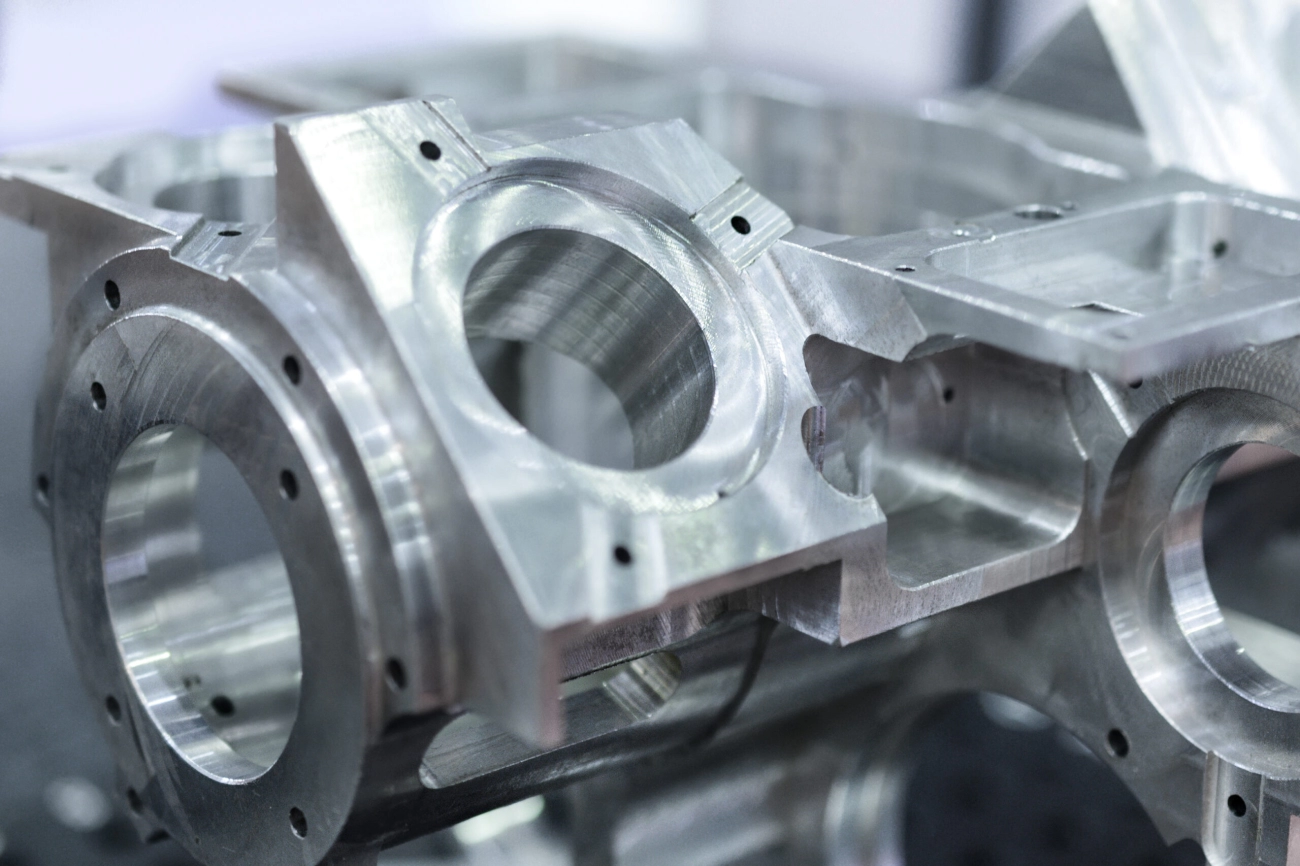
We don’t believe in a one-size-fits-all approach to casting valve parts. At Vastmaterial, we match the manufacturing method to the specific demands of your application, whether you need heavy-duty valve body casting or intricate internal components. Our facility utilizes proven techniques to ensure every part hits your exact specs for pressure and durability.
Investment Casting (Lost-Wax)
For complex geometries and tight tolerances, lost wax valve casting is our go-to method. This process is ideal for investment casting valves that require a superior surface finish and minimal post-processing. We frequently use this for stainless steel valve casting and alloy steel valve castings where precision is non-negotiable.
Sand Casting Valve Bodies
When it’s time to go big, we utilize sand casting. This is the most cost-effective way to manufacture large, heavy-walled cast steel valves and gate valve bodies. Understanding the trade-offs in sand casting vs die casting is essential for choosing the right process for your project’s volume and pressure requirements.
Precision Valve Castings & Specialized Techniques
We also provide specialized solutions for high-performance materials. Our precision aluminum casting capabilities allow us to create lightweight, corrosion-resistant components for specific industrial valve assemblies that require tight seals.
| Process | Best For | Material Suitability |
|---|---|---|
| Investment Casting | Complex shapes, thin walls | Stainless, Alloy Steel, Titanium |
| Sand Casting | Large, heavy-duty components | Carbon Steel, Cast Iron |
| Precision Casting | High-accuracy dimensions | Aluminum, Specialty Alloys |
By combining these rugged casting methods with CNC machining, we deliver pump and valve castings that are ready for immediate installation in the most demanding industrial environments.
Durable Materials for Your Casting Valve
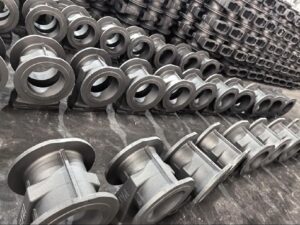
Choosing the right metal for a casting valve is what ensures your system stays leak-free and reliable. We select materials based on your specific pressure, temperature, and corrosion requirements to guarantee performance in the field.
Common Metals for Cast Steel Valves
| Material Category | Common Grades | Best For |
|---|---|---|
| Carbon Steel | WCB, WCC, LCB | Standard oil, gas, and steam applications. |
| Stainless Steel | CF8, CF8M, CF3M | Corrosive chemicals and sanitary food processing. |
| Alloy Steel | WC6, WC9, C5 | High-temperature and high-pressure power generation. |
| Titanium | Grade 2, Grade 5 | Extreme saltwater and specialized chemical environments. |
High-Performance Alloys and Steels
Our stainless steel valve casting process focuses on grades that resist oxidation and pitting. For many industrial users, deciding between alloy steel vs stainless steel depends on whether the priority is extreme heat or chemical resistance.
- Carbon Steel: The go-to for general industrial use. It’s cost-effective and tough.
- Alloy Steel: We produce alloy steel valve castings specifically for “chrome-moly” applications where strength at high temperatures is critical.
- Low-Carbon Options: For projects requiring superior weldability and toughness in cold environments, we utilize low-carbon steel to prevent cracking.
- Titanium: Reserved for the most aggressive environments where weight and total corrosion immunity are required.
We maintain strict chemistry control on every melt to ensure your valve casting meets or exceeds ASTM standards. This technical precision is why our components handle the high-stress demands of the US energy and processing sectors.
Types of Casting Valve Components We Produce
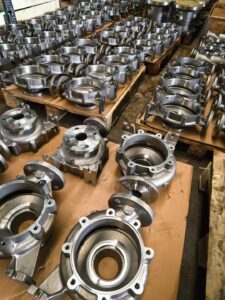
We manufacture a full range of high-performance industrial valve components casting parts designed to handle the toughest environments. Whether you need a standard replacement or a complex custom valve casting, our facility delivers precision components that ensure system integrity.
Core Valve Parts and Assemblies
Our production line covers all critical pressure-containing and internal components:
- Valve Body Casting: We produce the main housing for gate, globe, and ball valves, ensuring wall thickness consistency for high-pressure safety.
- Bonnets and Covers: Robust pressure-sealing components that house the stem and packing.
- Gate Valve Casting Discs: Precision-engineered wedges and discs for tight shut-off in oil and gas applications.
- Check Valve Internals: Durable swing checks and lift check components to prevent backflow.
- Ball Valve Casting Parts: High-finish balls and stems that minimize torque and maximize seal life.
We specialize in pump and valve castings that require intricate internal geometries and superior surface finishes. By using advanced precision valve castings techniques, we eliminate the need for excessive secondary machining, saving you time and money. Our team provides custom OEM valve bodies tailored to your specific fluid control requirements, ensuring a perfect fit every time.
Component Breakdown by Application
| Component Type | Primary Function | Common Materials |
|---|---|---|
| Valve Bodies | Pressure containment | Carbon, Stainless, & Alloy Steel |
| Bonnets | Internal part protection | Cast Steel, Ductile Iron |
| Gates/Globes | Flow regulation | Stainless Steel, Chrome-moly |
| Check Discs | Backflow prevention | High-grade alloys |
By focusing on valve body casting accuracy, we help our US clients reduce assembly time and improve long-term valve performance in the field. We handle everything from small internal trim pieces to massive industrial housings with the same commitment to quality.
Casting Valve Applications Across Key Industries
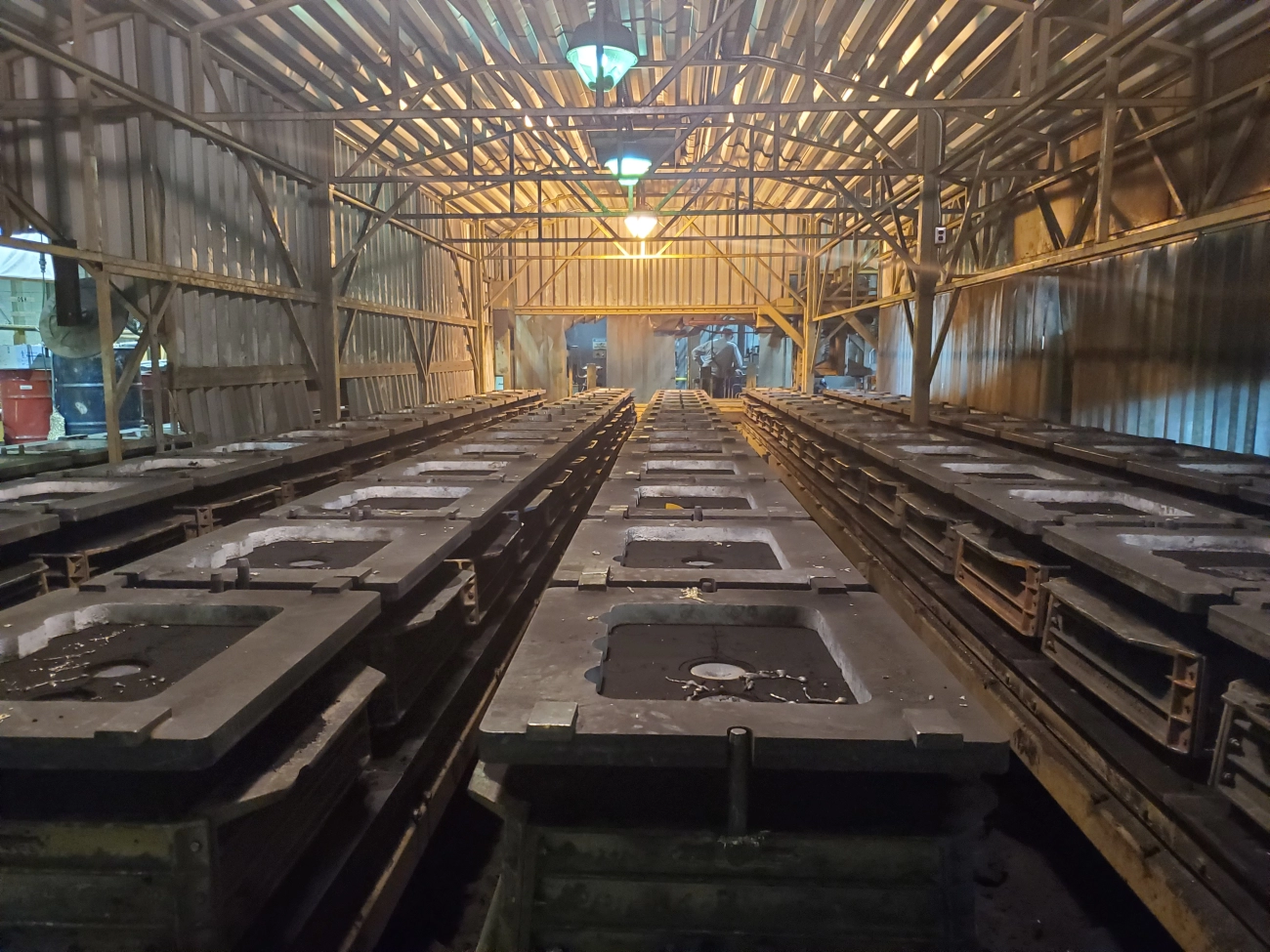
We provide high-performance casting valve solutions tailored to the rigorous demands of the U.S. industrial landscape. Our components are engineered to withstand extreme pressure, corrosive chemicals, and fluctuating temperatures, ensuring operational safety and long-term reliability.
Primary Sectors We Serve:
- Oil & Gas: We manufacture heavy-duty valve body casting parts for upstream drilling and downstream refining, focusing on high-pressure containment and wear resistance.
- Chemical Processing: Our stainless steel valve casting options are ideal for handling aggressive media and ensuring zero-leakage performance in hazardous environments.
- Power Generation: We support traditional and renewable energy facilities, including specialized components for steam and cooling systems in nuclear power plants.
- Water Treatment: From municipal infrastructure to industrial filtration, our sand casting valve bodies offer a cost-effective yet durable solution for high-volume flow control.
- Pharmaceutical & Food: Precision-engineered investment casting valves with smooth internal finishes to meet strict hygiene and sanitary standards.
| Industry | Typical Valve Components | Material Focus |
|---|---|---|
| Energy | Main Steam Isolation, Check Valves | Alloy & Carbon Steel |
| Marine | Hull Valves, Ball Valve Parts | Bronze & Duplex Steel |
| Petrochem | Gate Valves, Globe Valves | Corrosion-Resistant Alloys |
By focusing on industrial valve components casting that meets American quality standards, we help our partners minimize downtime and maximize the lifespan of their critical infrastructure.
Quality Assurance for Precision Valve Castings
We maintain a zero-defect policy to ensure every casting valve meets the rigorous safety and performance demands of American industrial operations. Our quality control is integrated into every stage of the valve casting process, moving beyond simple visual checks to comprehensive technical validation.
To guarantee structural integrity, we employ a strict testing regimen for all components:
- Non-Destructive Testing (NDT): We use X-ray, ultrasonic, and magnetic particle inspections to identify any internal porosity or subsurface flaws in precision valve castings.
- Pressure Testing: Each valve body casting undergoes hydrostatic and pneumatic testing to verify it can handle specified pressure ratings without failure.
- Precision Finishing: We utilize machining for casting services to achieve the tight tolerances required for leak-proof seals and smooth internal movements.
- Chemical Analysis: We provide detailed heat-traceability reports for all stainless steel valve casting batches, ensuring the alloy composition is exactly what your project specs require.
Our commitment to rigorous testing and quality control means we deliver parts that are ready for the most demanding high-pressure environments. By combining advanced CNC machining with traditional inspection, we ensure every gate, globe, and check valve component we ship is built to last.
Advantages of Partnering with Vastmaterial
We don’t just supply parts; we provide complete engineering solutions for the most demanding casting valve projects in the US market. Our team bridges the gap between complex designs and high-performance reality, ensuring your infrastructure is built to last.
Why We Lead the Valve Casting Market
- Full-Service Engineering: We take your project from a rough sketch to a finished, CNC-machined component. This includes in-house R&D to optimize your precision valve castings for better flow and maximum durability.
- Competitive Pricing: By streamlining our supply chain and utilizing advanced valve casting techniques, we offer premium quality at a price point that keeps your industrial projects on budget.
- Material Versatility: Whether you need standard carbon steel or specialized stainless steel components, our foundry is equipped to handle the specific metallurgy your application demands.
- Local Market Expertise: We understand the American industrial landscape, prioritizing the quick turnarounds and transparent communication that US buyers expect.
Our Core Strengths
| Feature | Our Advantage |
|---|---|
| Design Support | Expert R&D for custom valve castings |
| Quality Control | 100% NDT and rigorous pressure testing |
| Scalability | Capacity for high-volume production or small custom runs |
Our commitment to innovation ensures that every casting valve leaving our facility meets the highest standards of safety and performance. We focus on building long-term partnerships through engineering reliability and technical superiority.
FAQ: Common Questions About Valve Casting
What is the standard lead time for a custom casting valve?
Typically, our lead times range from 4 to 8 weeks. This timeframe depends on the design complexity and whether you require precision valve castings or larger, traditional sand casting valve bodies. We focus on a streamlined workflow to ensure your industrial valve components casting projects stay on schedule.
How do I choose the right material for my valve casting?
Material selection depends entirely on your operating environment, pressure, and temperature. We utilize a high-quality stainless steel casting process for applications requiring maximum corrosion resistance. For high-heat or extreme-wear scenarios, our specialized alloy casting options provide the durability needed for heavy-duty cast steel valves.
Should I use investment casting or sand casting for my project?
The choice generally comes down to your specific design requirements:
- Investment casting valves (Lost Wax): Ideal for complex internal geometries, thin walls, and parts requiring a smooth, professional finish.
- Sand casting: The go-to method for large-scale valve body casting and heavy-duty parts where internal complexity is lower.
What are the primary advantages of cast vs forged valves?
The biggest wins are cost-efficiency and design flexibility. A casting valve allows us to create intricate internal shapes that are either impossible or too expensive to achieve through forging. This results in less material waste and a more tailored solution for gate valve casting or ball valve casting parts.
| Feature | Investment Casting | Sand Casting |
|---|---|---|
| Precision | Very High | Moderate |
| Surface Finish | Smooth / Near-Net | Textured |
| Size Range | Small to Medium | Small to Extra Large |
| Best For | Complex lost wax valve casting | Heavy pump and valve castings |
How do you ensure the quality of custom valve castings?
We stand by every part we ship. Our process includes Non-Destructive Testing (NDT), pressure testing, and precision CNC machining to guarantee that every valve casting meets your exact tolerances and performance standards.

Reviews
There are no reviews yet.