
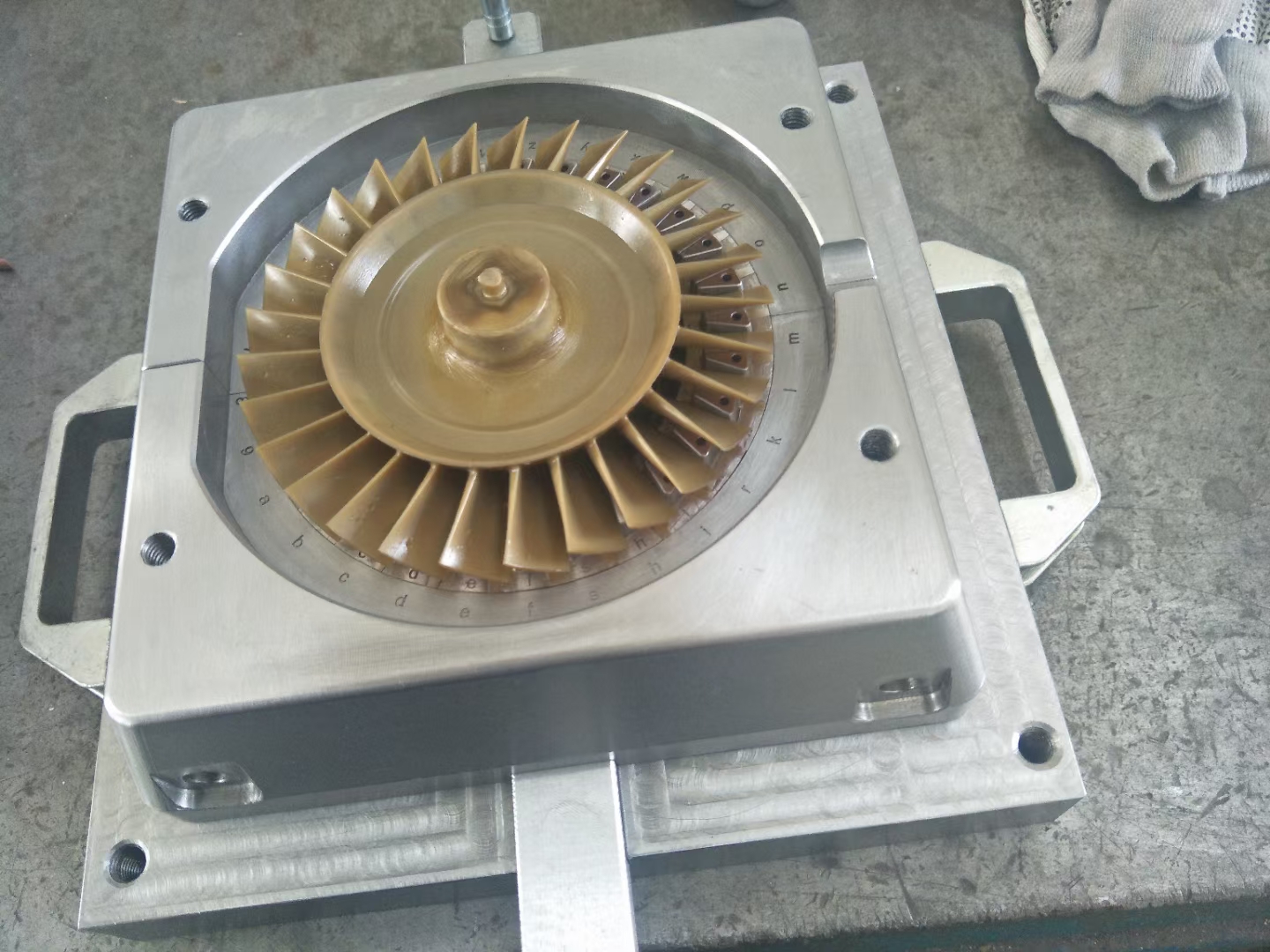
High-Performance Molding & Casting Materials
At Haoyu Material, we manufacture industrial-grade RTV-2 liquid silicone rubber designed for the most demanding molding casting projects. Achieving a perfect reproduction starts with the right mold, and our materials are engineered to capture every micron of detail from your master model. Whether you are working on rapid prototyping or artistic reproduction, our silicone offers the stability and durability required for consistent results.
Key Benefits of Our RTV-2 Silicone
We focus on formulating silicones that solve common production headaches. Our materials provide:
- High Tear Strength: Built to withstand mechanical stress during demolding, ensuring your molds last longer and handle complex undercuts with ease.
- Negligible Shrinkage: We prioritize dimensional stability. Our Platinum Cure Silicone offers extremely low shrinkage, ensuring your cast parts fit perfectly every time.
- Customizable Shore A Hardness: From soft, flexible rubbers (Shore A 0) for delicate parts to rigid molds (Shore A 60+) for concrete, we tailor the hardness to your specific application.
Material Performance Overview
| Feature | Platinum Cure (Addition) | Tin Cure (Condensation) |
|---|---|---|
| Primary Use | High-precision, Food Grade, Medical | Art Foundry, Gypsum, Concrete |
| Shrinkage Rate | Lowest (Ideal for prototyping) | Low (Economical standard) |
| Curing System | Heat-accelerated or Room Temp | Room Temperature Vulcanizing |
| Viscosity | Adjustable (Low to High) | Adjustable (Low to High) |
By controlling the manufacturing process directly, we ensure that every batch of liquid silicone rubber meets strict quality standards before it reaches your workshop.
Select Your Molding Matrix: Platinum vs. Tin Cure Silicone
Choosing the right RTV-2 Liquid Silicone Rubber is the first step in ensuring your molding casting project succeeds. As a manufacturer, we produce two distinct chemical systems, each engineered for specific performance requirements and budget considerations. Whether you need high-precision stability or rugged durability, we have the formulation to match your production line.
Platinum Cure Silicone (Addition Cure)
Our Platinum Cure series is the top choice for applications requiring dimensional stability and safety. This Two-Part Silicone Mix cures without releasing by-products, resulting in negligible shrinkage. This makes it ideal for prototyping where exact measurements are non-negotiable. Because it is non-toxic and odorless, this material serves as our primary Food Grade Silicone, widely used for culinary molds (chocolate, candy) and medical-grade components. It offers superior resistance to heat and chemical attack from casting resins.
Tin Cure Silicone (Condensation Cure)
For general industrial use and artistic reproduction, our Tin Cure Silicone offers an economical yet robust solution. This material is known for its exceptional tear strength and ease of use, making it forgiving for beginners and reliable for experts. It is the standard for casting concrete, gypsum, and polyurethane resins. Art foundries frequently rely on our tin-cure formulas to create wax patterns used in precision casting processes. While it exhibits slight shrinkage over time, its durability makes it perfect for mold making in architectural restoration and statue replication.
Specialized Applications for Molding & Casting
Our RTV-2 Liquid Silicone Rubber is engineered to perform across diverse industries, offering the versatility needed for both heavy-duty industrial runs and delicate artistic work. We customize our formulations to match the specific molding casting requirements of your project.
Architectural & Decor
For large-scale projects involving concrete veneers, gypsum, or GRC (Glass Reinforced Concrete), durability is critical. We supply high-strength silicone that withstands the heat and abrasion of Concrete Mold Making.
- High Tear Strength: Prevents mold tearing during the demolding of heavy architectural elements.
- Dimensional Stability: Ensures stone and brick textures are reproduced with exact precision.
Rapid Prototyping & Industrial Parts
Speed and accuracy drive product development. Our Low Viscosity Silicone is ideal for creating soft molds used with Vacuum Casting Resin. This serves as a cost-effective Injection Molding Alternative for producing small batches of automotive parts and functional prototypes before committing to expensive metal tooling.
Artistic Reproduction & Foundry
From intricate jewelry to large bronze statues, our materials are a staple in the art world. Our silicone captures the finest details required for Epoxy Resin Casting and creating wax patterns for the lost-wax casting foundry process.
- Negligible Shrinkage: Maintains the artist’s original dimensions.
- Resin Compatibility: Works seamlessly with polyester, polyurethane, and epoxy resins.
Life Casting & FX
Safety is paramount when materials touch the skin. We manufacture Platinum Cure Silicone that is skin-safe and odorless, making it the standard for theatrical prosthetics, special effects (SFX), and life-casting. These Food Grade Silicone variants are also suitable for culinary molds, ensuring safety and compliance with environmental standards.
Technical Data & Physical Properties
When handling molding casting projects, the physical specifications of your material dictate the quality of the final reproduction. We provide RTV-2 Liquid Silicone Rubber engineered with precise metrics to ensure stability, durability, and ease of use. Understanding these properties helps you select the right matrix for your specific application, whether you are casting delicate jewelry or heavy architectural concrete.
Understanding Hardness, Viscosity, and Tear Strength
Selecting the correct Shore A Hardness is the first step in successful mold making. A lower hardness (Shore A 0-10) offers high flexibility for complex patterns with deep undercuts, while a higher hardness (Shore A 40-60) provides the rigidity needed for large, flat molds or building blocks.
Viscosity determines how easily the silicone flows. Our Low Viscosity Silicone flows like motor oil, filling the tiniest crevices and naturally releasing air bubbles, often eliminating the need for a vacuum chamber. For durability, we focus on high tear strength to ensure the mold does not rip during demolding, extending the lifespan of your tooling.
| Property | Specification Range | Application Benefit |
|---|---|---|
| Hardness | Shore A 0 to 60+ | Adjustable flexibility for intricate vs. rigid molds. |
| Viscosity | Low to High (Customizable) | Low for pouring; High for brush-on applications. |
| Tear Strength | High Performance | Resists tearing during repeated demolding cycles. |
| Mixing Ratio | 1:1, 10:1, or 100:2 | Flexible options for Two-Part Silicone Mix systems. |
Customization: OEM Formulation Services
We understand that off-the-shelf products don’t fit every production line. We offer comprehensive OEM formulation services to tailor the silicone to your exact needs. We can adjust the working time (pot life) and curing time to match your production speed, or modify the color for easier visual inspection.
While the industrial die casting process is ideal for high-volume metal manufacturing, our customizable silicone solutions provide the versatility required for prototyping, artistic reproduction, and flexible low-volume runs. We fine-tune the chemical structure to ensure compatibility with various casting materials, from polyurethane resins to wax and gypsum.
Why Partner with Vastmaterial for Molding Casting?
Choosing the right partner for your molding casting projects means finding a balance between cost, quality, and reliability. As a direct manufacturer based in Dongguan, we eliminate the middleman, offering you factory-direct access to premium RTV-2 Liquid Silicone Rubber and casting materials. Whether you are scaling up production for industrial parts or need precise materials for artistic reproduction, our supply chain is optimized for speed and wholesale efficiency.
For clients requiring finished industrial components, we also provide precision investment casting services for complex metal parts, ensuring a comprehensive solution from raw material to final product.
Core Advantages of Our Supply Chain
We prioritize consistency and compliance to meet the rigorous standards of the US and global markets.
| Feature | Benefit to Your Business |
|---|---|
| Factory-Direct Supply | Access competitive wholesale pricing on Platinum Cure Silicone and Tin Cure Silicone without distributor markups. |
| Global Compliance | Our materials carry REACH, RoHS, FDA, and ISO9001 certifications, ensuring safety for food-grade and medical applications. |
| Custom Formulation | We offer OEM services to adjust Shore A Hardness, color, and curing times to match your specific molding casting requirements. |
| Technical Support | Direct access to our engineers for troubleshooting cure inhibition, optimizing mold release agents, and calculating mix ratios. |
Our team understands the nuances of room temperature vulcanization and rapid prototyping materials. We don’t just ship buckets of silicone; we provide the technical guidance needed to ensure your two-part silicone mix cures perfectly every time, reducing waste and maximizing mold life.
Optimization Guide for Mold Making

Achieving a flawless mold isn’t just about buying high-quality RTV-2 Liquid Silicone Rubber; it’s about executing the process with precision. Even the best material can fail if the preparation or mixing is off. Here is how we recommend optimizing your molding casting workflow to ensure durability and high-detail reproduction.
Preparation: Surface Cleaning and Release Agents
Before opening the silicone containers, the master model must be pristine. Dust, grease, or moisture on the model will transfer directly to the mold surface, ruining the finish.
- Clean thoroughly: Use a solvent appropriate for your master model material to remove oils.
- Apply release agent: If you are casting silicone against silicone or using porous materials like wood or plaster, a Mold Release Agent is non-negotiable. It prevents the rubber from bonding to the master, ensuring an easy demold.
Mixing: Accurate Ratios and Degassing
Whether you are using a 1:1 platinum cure or a 10:1 mix, precision is key. We always recommend using a digital scale rather than measuring by volume.
- Mix thoroughly: Combine the Two-Part Silicone Mix in a clean container. Scrape the bottom and sides of the cup multiple times to ensure the catalyst is evenly distributed.
- Vacuum Degassing: Once mixed, place the container in a vacuum chamber. This pulls out air bubbles introduced during stirring, ensuring a void-free mold.
Pouring: Techniques to Avoid Trapped Air
The way you pour determines if you get air pockets on the surface of your model.
- High pour technique: Pour the silicone in a thin stream from a high point into the lowest corner of the mold box. This stretches the rubber, breaking air bubbles before they hit the model.
- Let it flow: Allow the material to rise naturally over the model. Do not pour directly onto the master, as this can trap air.
Curing & Demolding: Temperature Management
Most of our silicones rely on Room Temperature Vulcanization (RTV). The ambient temperature of your workspace significantly impacts the cure time.
- Ideal conditions: Keep the room around 73°F (23°C). Lower temperatures will slow down the cure, while higher temperatures accelerate it.
- Demolding: Wait for the full cure time specified in the technical data sheet before demolding. Rushing this step can cause permanent deformation. For complex projects involving metal components, reviewing a comprehensive insert molding guide can provide additional insights on material handling and structural integrity.
Frequently Asked Questions About Molding & Casting
We tackle common inquiries daily regarding our RTV-2 liquid silicone rubber and its application in industrial and artistic projects. Getting the technical details right ensures you don’t waste expensive material or damage your master models.
Difference Between Potting and Molding Silicone
While both are silicone-based, their functions are opposite. Electronic potting silicone is engineered to adhere permanently to components, providing insulation and shock resistance. Molding silicone, on the other hand, is formulated with release agents to ensure it does not stick to the master model or the casting material. Using potting compound for mold making will result in a fused mess that destroys your prototype.
Calculating Silicone Volume for Mold Boxes
Don’t guess your material needs. To determine how much RTV-2 silicone you need, calculate the volume of your mold box (Length × Width × Height) and subtract the approximate volume of the object you are molding. Since we sell by weight, multiply that final volume by the silicone’s specific gravity (usually around 1.1 to 1.3 g/cm³).
Adjusting Pot Life for Large-Scale Pours
For massive projects, standard working times might be too short. We can customize the curing agent at our factory to extend the pot life. On your end, temperature management is key; cooling the silicone and catalyst before mixing will slow down the reaction, giving you more time to pour and degas.
Resin Compatibility with Platinum Cure Silicone
Platinum cure silicone (addition cure) is sensitive to inhibition. Contaminants like sulfur, amines, or tin salts found in some clays and 3D printing resins can prevent the silicone from curing against the surface. If you are creating wax patterns for an investment mold, ensure your master model is free of inhibiting agents or sealed properly before pouring the silicone.
Quick Troubleshooting Guide
| Issue | Likely Cause | Solution |
|---|---|---|
| Sticky Surface (Inhibition) | Contamination from sulfur/tin | Seal master model or switch to Tin Cure Silicone. |
| Air Bubbles | High viscosity or fast mixing | Use a vacuum chamber or choose a lower viscosity variant. |
| Tearing During Demold | Shore A hardness too high | Use a softer silicone (lower Shore A) for complex undercuts. |
| Short Pot Life | High ambient temperature | Work in a cooler environment or request a slow-set catalyst. |

Reviews
There are no reviews yet.