
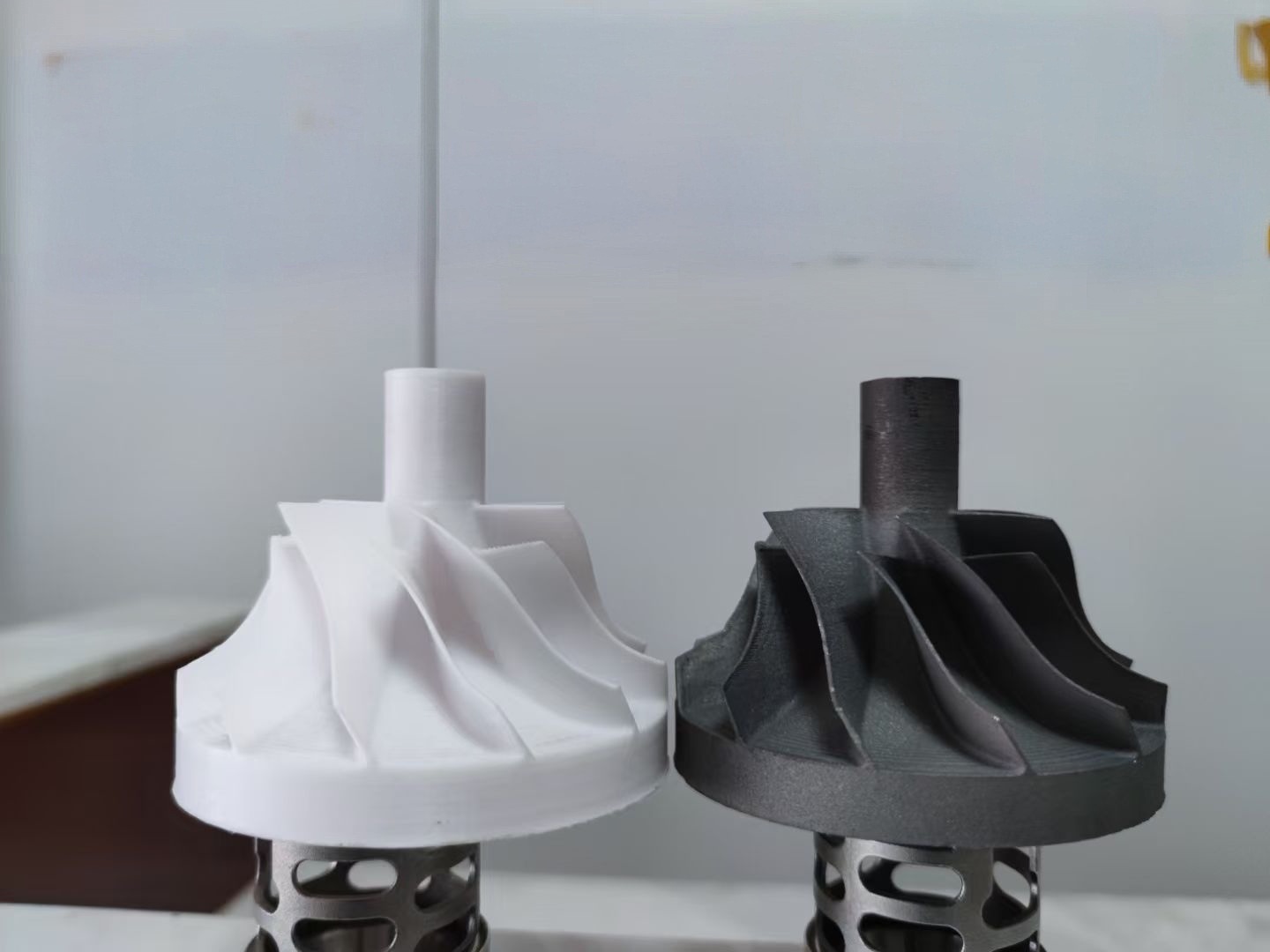
Rapid prototyping and tooling by vastmaterial with CNC machining rapid injection molding and low volume manufacturing in days.
Integrated Manufacturing for Every Stage of Development
We streamline the journey from digital CAD to physical part, eliminating the friction between design validation and market entry. By combining rapid prototyping and tooling under one roof, we help engineers verify fit and function immediately before committing to expensive production molds. Our integrated approach ensures that your project transitions seamlessly from a single unit to thousands without losing design integrity.
Accelerate your prototype development cycle with our structured manufacturing pathway:
- Design Verification: Utilize quick turn manufacturing methods—including CNC machining and 3D printing—to create high-fidelity prototypes that mimic final production materials.
- Market Testing: Scale up efficiently using bridge tooling and low-volume manufacturing. This allows you to produce functional parts for beta testing or pilot runs while hard tooling is being cut.
- Cost Efficiency: Avoid the high upfront costs of traditional steel molds by leveraging rapid prototype tooling strategies designed for speed and flexibility.
Whether you need a single functional model or a bridge production run, our team optimizes the manufacturing process to meet tight deadlines and strict tolerance requirements.
Our Manufacturing Technologies
To deliver the best results for your project, we integrate several manufacturing disciplines under one roof. Whether you need a single visual model or a bridge production run, our facility provides comprehensive rapid prototyping and tooling solutions designed to cut development time without sacrificing quality.
Custom CNC Machining
Our CNC department handles high-precision milling and turning for both metal and plastic components. We operate 3-axis, 4-axis, and 5-axis machines to create complex geometries with tight tolerances. This process is ideal for functional prototypes and low-volume production where material properties are critical. We routinely machine aluminum, brass, and high-strength alloy steel to meet rigorous engineering standards.
Rapid Injection Molding
When you need to scale up from a prototype to hundreds or thousands of parts, our rapid injection molding services bridge the gap. We utilize rapid prototype tooling—often using aluminum molds—to significantly reduce costs and lead times compared to traditional production steel molds. This approach enables faster market entry and allows for design verification using production-grade materials.
Additive Manufacturing Services
For the quickest turnaround, our additive manufacturing services cover SLA (Stereolithography), SLS (Selective Laser Sintering), and FDM (Fused Deposition Modeling). 3D printing is the go-to method for initial concept models and complex shapes that are difficult to machine, allowing designers to validate form and fit within days.
Vacuum Casting Services
For high-fidelity prototypes that mimic the finish and properties of injection molded parts, we use vacuum casting services. This process employs silicone molds to create small batches of polyurethane parts. It is an excellent, cost-effective solution for marketing samples and functional testing before you commit to hard tooling.
Material Selection & Capabilities
Choosing the right material is critical for validating your design and ensuring your rapid prototyping and tooling projects succeed. We provide an extensive library of production-grade materials that allow you to transition seamlessly from functional prototypes to bridge production runs. Whether you require high-strength metals or flexible elastomers, our supply chain ensures material authenticity and performance.
Metals for Machining and Tooling
We work with a wide array of metals suited for custom CNC machining and mold creation.
- Aluminum (6061, 7075): The industry standard for aluminum injection molds and lightweight structural parts due to its excellent machinability and heat dissipation.
- Stainless Steel (303, 304, 316): Ideal for corrosion-resistant components and medical devices.
- Tool Steel: We utilize robust steels for durable mold cores and cavities. Understanding specific alloy properties, like those found in our 4140 stainless steel guide, is essential for selecting tooling materials that can withstand high-pressure injection cycles.
- Brass & Copper: Used frequently for electrical contacts and thermal applications.
Plastics and Elastomers
Our facility handles rigid and flexible polymers for additive manufacturing services and injection molding.
- Standard Plastics: ABS, PC (Polycarbonate), and PP (Polypropylene) for general-purpose housings and consumer goods.
- Engineering Resins: Nylon (PA6, PA66), POM (Delrin), and PEEK for high-stress, high-temperature environments.
- Rubber-like Materials: TPE and TPU for over-molding and flexible gaskets.
Surface Finishing Options
A part isn’t complete without the correct finish. We offer comprehensive post-processing to ensure your rapid prototype tooling results look and feel like the final product.
- Anodizing: Type II and Type III for aluminum protection and coloring.
- Powder Coating & Painting: Durable color matching for aesthetic parts.
- Polishing & Texturing: From mirror finishes (SPI-A2) to heavy mold textures (VDI 3400) for injection molded parts.
- Plating: Nickel, chrome, and zinc plating for conductivity and wear resistance.
Why Choose Rapid Tooling over Traditional Molds?
Moving from a digital design to a physical product often requires a smart strategy to manage risk and budget. While traditional production molds are the gold standard for mass manufacturing, rapid prototyping and tooling offer a more agile approach for validation and market entry. We utilize bridge tooling—often created from aluminum or soft steel—to deliver functional parts in a fraction of the time required for hardened steel molds.
This approach is ideal for low-volume manufacturing and bridge production runs, allowing you to get your product into customers’ hands while high-volume tools are still being cut. By using aluminum injection molds or soft tooling, we significantly reduce upfront investment and lead times.
Comparison: Rapid Tooling vs. Traditional Production Molds
| Feature | Rapid Tooling (Bridge Tooling) | Traditional Production Molds |
|---|---|---|
| Primary Material | Aluminum (e.g., 7075) or Soft Steel (P20) | Hardened Steel (e.g., H13, S136) |
| Lead Time | 1–4 Weeks | 8–16 Weeks |
| Cost Efficiency | High (Low upfront cost) | Low (High upfront cost) |
| Tool Life | 1,000 – 100,000 shots | 1,000,000+ shots |
| Design Flexibility | High (Easier to modify) | Low (Difficult/expensive to modify) |
| Best For | Prototyping, Market Testing, Low Volume | Mass Production, Long-term Runs |
Key Advantages for Product Development
- Accelerated Time-to-Market: We cut the waiting time significantly. You can launch your product and generate revenue while finalizing long-term production plans.
- Cost-Effective Validation: Rapid prototype tooling allows you to test real materials and injection molding processes without committing to the high cost of a production mold.
- Design Agility: If you discover a design flaw during the pilot run, modifying an aluminum mold is faster and cheaper than reworking hardened steel.
- Material Versatility: Our rapid tooling process supports the same production-grade plastics used in mass production, ensuring your bridge production runs meet all functional requirements.
Precision You Can Measure: Quality Assurance
Quality isn’t just a checkbox for us; it is the backbone of our entire operation. When you are moving fast with rapid prototyping and tooling, speed means nothing if the parts don’t fit or function correctly. We don’t leave accuracy to chance—we verify it at every step to ensure your high-fidelity prototyping goals are met.
Our quality control process is rigorous and transparent:
- Design for Manufacturability (DFM): Before we cut a single piece of material, our engineers analyze your CAD files. We identify potential manufacturing risks and suggest optimizations to ensure smooth production.
- Material Verification: We guarantee that the material you specify is the material you get. Whether you need to verify the tensile strength of aluminum for a load-bearing bracket or check the hardness of a polymer, we provide the necessary material certifications.
- CMM Inspection: We use Coordinate Measuring Machines (CMM) to verify complex geometries and tight tolerances, ensuring that rapid prototype tooling yields parts that match your digital design down to the micron.
- ISO 9001 Compliance: Our facility operates under strict international quality management standards, providing you with consistent results for every batch.
We deliver more than just parts; we deliver confidence. From the initial DFM report to the final dimensional inspection, we provide the data you need to validate your designs and move forward with certainty.
Industries We Serve
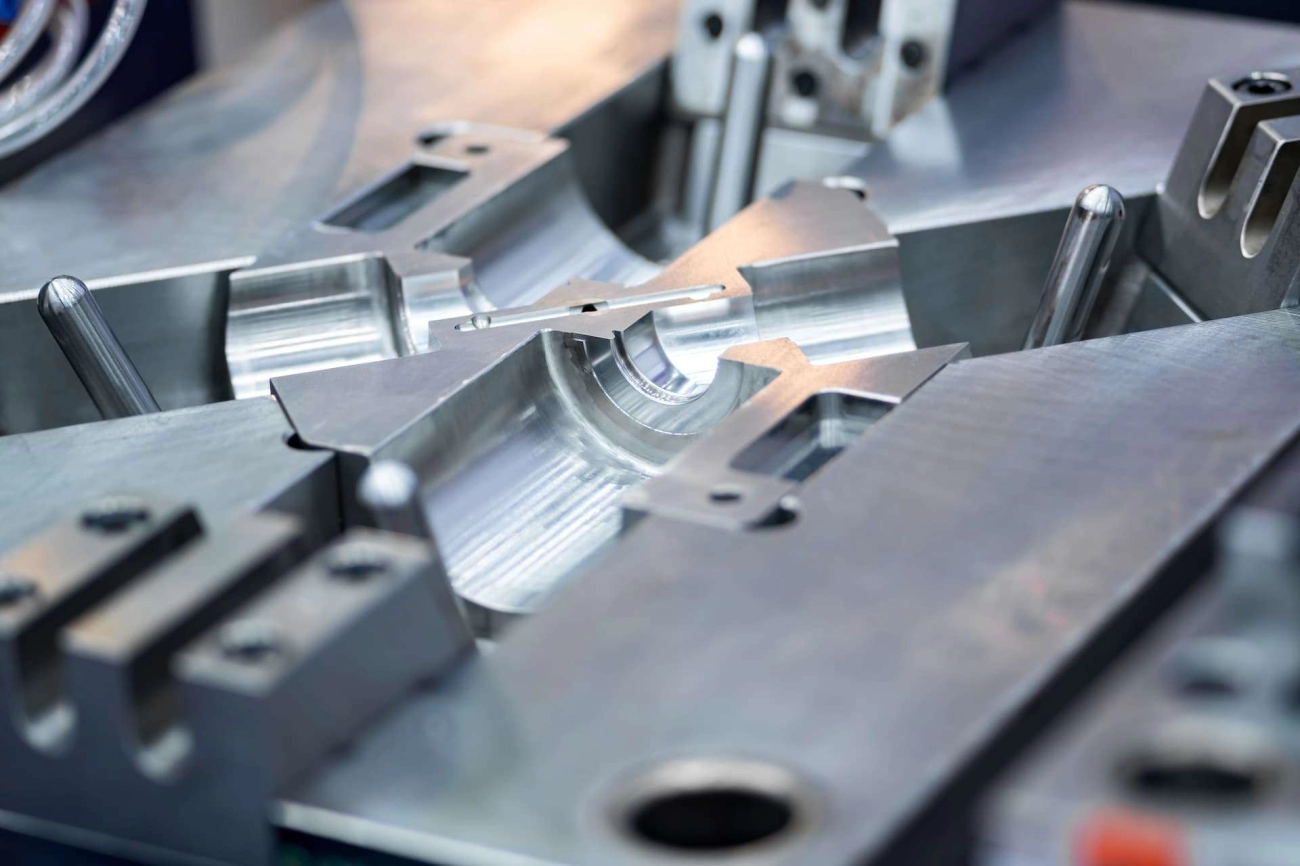
Our rapid prototyping and tooling services are designed to meet the rigorous demands of the diverse industries we partner with. From validating initial concepts to executing bridge production runs, we provide the manufacturing speed and precision required to compete in global markets.
- Automotive: We support automotive engineers by producing functional prototypes for fit and performance testing. Our capabilities include manufacturing complex dashboard components, lighting fixtures, and under-the-hood parts using high-performance plastics and metals.
- Medical: The medical sector relies on us for high-fidelity prototyping of surgical instruments and device housings. We ensure tight tolerances and smooth finishes essential for medical-grade equipment and testing.
- Aerospace: We deliver lightweight, high-strength components that withstand extreme conditions. Our CNC machining and additive manufacturing services allow for the creation of complex geometries often required in aerospace applications.
- Consumer Electronics: Speed is critical in electronics. We accelerate the development cycle for enclosures, buttons, and structural frames, enabling brands to move from design to low-volume manufacturing quickly.
Whether you need a single custom part or thousands of units, our adaptable manufacturing processes ensure your project meets specific industry standards and launch deadlines.
FAQ regarding Prototyping and Tooling
We understand that moving from a digital design to a physical part raises a lot of questions. Here are the answers to the most common inquiries we receive about rapid prototyping and tooling to help streamline your decision-making process.
What is the typical lead time for parts?
Speed is the core of our business. For additive manufacturing services (3D printing) or vacuum casting services, we often ship parts within 3 to 5 days. When it comes to rapid prototype tooling and aluminum injection molds, our timeline for T1 samples is usually 2 to 5 weeks, depending on the complexity of the geometry. This quick turn manufacturing approach ensures you meet tight project deadlines.
How do I transition from prototyping to mass production?
We specialize in bridging that gap. We typically start with high-fidelity prototyping to validate the design. Once approved, we move to bridge production runs using soft tooling. This allows you to get low-volume manufacturing quantities (100 to 10,000 parts) into the market while hard steel molds are being cut for mass production.
Can you help with material selection for functional prototypes?
Absolutely. Choosing the right material is critical for functional prototypes that need to undergo stress testing. Whether you need the lightweight properties of titanium or are comparing durability between alloy steel and stainless steel, we provide expert guidance to match the material to your application.
Do you offer Design for Manufacturability (DFM) feedback?
Yes. Before we cut any metal for custom CNC machining or tooling, our engineers provide a comprehensive Design for Manufacturability (DFM) analysis. We identify potential issues like undercuts, draft angles, or wall thickness problems to optimize your design for rapid injection molding and reduce costs.
Is my intellectual property safe?
We take IP protection seriously. We are happy to sign a Non-Disclosure Agreement (NDA) before receiving any CAD files. Your designs remain confidential throughout the entire prototype development cycle.
Reviews
There are no reviews yet.