
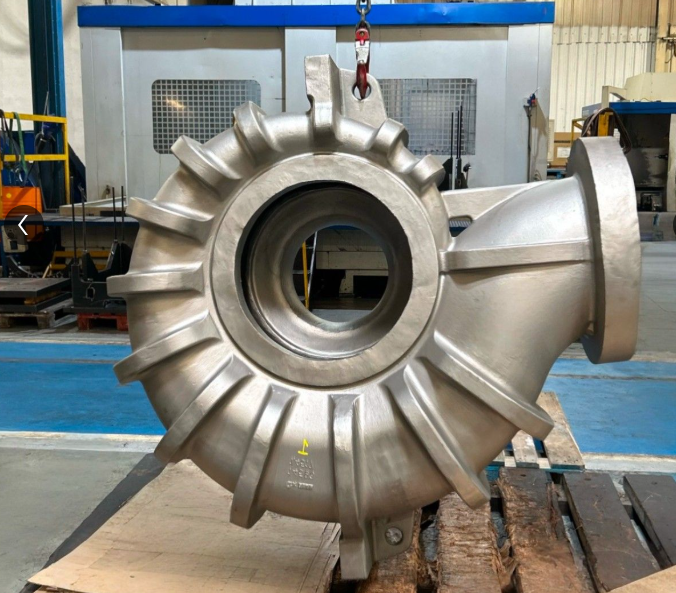
Stainless Steel Austenitic Grade Overview
What is austenitic stainless steel?
When I talk about a stainless steel austenitic grade, I’m referring to the family of 300 series stainless steel (and a few high-alloy variants) with a stable face-centered cubic (FCC) crystal structure. This FCC structure, achieved mainly by adding nickel (and sometimes manganese and nitrogen), gives austenitic stainless steel its key traits:
- High corrosion resistance
- Excellent formability and toughness
- Very good weldability
Common examples are 304 stainless steel (18/8 stainless steel) and 316 stainless steel, which you see everywhere from food equipment to chemical process lines.
Why is austenitic stainless “non-magnetic”?
In the fully annealed condition, an austenitic stainless steel grade is essentially non-magnetic because the FCC structure does not support ferromagnetism the way body-centered cubic (BCC) or ferritic structures do. That’s why 304 and 316 are often called non-magnetic stainless steel.
However, after cold working (bending, forming, deep drawing, machining), some of the austenite can transform to martensite, which is magnetic. That’s why:
- Annealed 304 sheet may be non-magnetic
- The same sheet, after heavy forming or cold rolling, can show noticeable magnetism
This is normal and does not mean the material is “fake” or low quality.
Why do austenitic grades dominate stainless steel production?
Austenitic stainless steels account for most of the stainless steel used worldwide because they solve the widest range of real-world problems with one family of alloys:
- Corrosion resistant steel for everyday and aggressive environments
- Easy to form, weld, and fabricate in standard US workshops
- Reliable performance from cryogenic temperatures up to high temperature stainless steel service
- Accepted as food grade stainless steel and hygienic for pharma and biotech
From a cost/performance standpoint, grades like 304, 304L, 316, and 316L stainless steel hit the sweet spot for general industry, food, chemical, marine, and architectural use.
Where do austenitic grades fit vs other stainless families?
Within the stainless universe, stainless steel austenitic grades sit here:
- Ferritic stainless: Lower nickel, magnetic, less formable, lower cost; used where moderate corrosion resistance is enough.
- Martensitic stainless: Hard, strong, magnetic; used for knives, tools, and wear parts; lower corrosion resistance.
- Duplex stainless: Mixed austenite/ferrite structure; higher strength and chloride resistance; more specialized and less forgiving to fabricate.
- Austenitic stainless:
- Best overall combination of corrosion resistance, formability, weldability, and toughness
- Go-to choice for food processing, chemical process, marine grade stainless steel, and general industrial applications
If you need a weldable stainless steel that is corrosion resistant, easy to source in the US, and available in every sheet, plate, pipe, tube, bar, and fitting form, a stainless steel austenitic grade is usually your starting point.
Key Benefits of Austenitic Stainless Steel Grades
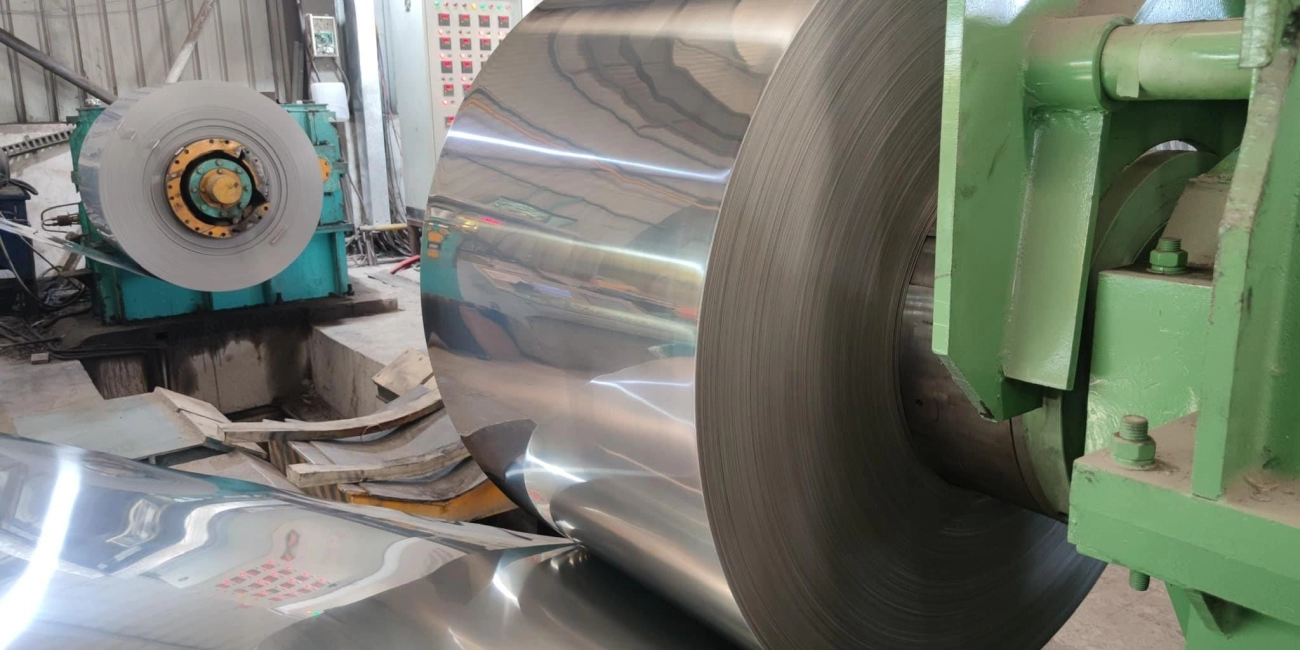
Austenitic stainless steel grades are my go‑to choice for most U.S. customers because they hit the sweet spot of corrosion resistance, formability, and weldability in one package.
Corrosion Resistance in Real-World Environments
Austenitic stainless steel (especially 304 stainless steel and 316 stainless steel) gives reliable protection in daily and aggressive conditions:
| Environment | Recommended Austenitic Grade | Notes |
|---|---|---|
| Indoor, dry, food contact | 304 / 304L (18/8 stainless steel) | Standard food-grade stainless |
| Outdoor, urban/industrial | 304L / 316L | Better resistance to pollution |
| Coastal, splash zone, de-icing salts | 316 / 316L (marine grade stainless steel) | Molybdenum alloyed stainless steel |
| Mild chemical processing | 316L / 904L | Higher alloy grades for harsh media |
- High chromium content builds a self-healing passive film.
- Molybdenum, nitrogen, and copper in select austenitic grades boost pitting and crevice corrosion resistance.
Formability, Ductility, and Toughness
For complex, deep-drawn, or highly formed parts, austenitic stainless steel grades are extremely forgiving:
- High elongation and ductility for deep drawing, bending, and spinning
- Excellent toughness even at low temperatures
- Ideal for sinks, exhaust systems, brackets, covers, and housings where shape is critical
Weldability and Easy Fabrication
If you’re welding in a U.S. fab shop, austenitic stainless steel is one of the easiest stainless families to work with:
- Compatible with common processes: GTAW/TIG, GMAW/MIG, SMAW
- Low-carbon 304L stainless steel and 316L stainless steel reduce sensitization and carbide precipitation
- Good performance in cutting, forming, and machining with proper tooling
For customers who need both raw materials and precision parts, I typically pair our austenitic grades with our own stainless steel product lines to keep material quality and fabrication consistent.
Performance at Cryogenic and High Temperatures
Austenitic stainless steel stands out when the temperature swings in either direction:
| Temperature Range | Benefit | Typical Grades |
|---|---|---|
| Cryogenic (down to –196°C) | Maintains impact toughness and ductility | 304L, 316L |
| Elevated (up to ~870°F) | Good strength and oxidation resistance | 304, 316, 321 |
| High heat / furnace duty | Heat resistant austenitic stainless (310) | 310, 310S |
This makes these grades ideal for cryogenic stainless steel tanks, heat exchangers, and high-temperature process lines.
Hygienic and Easy to Clean for Food and Pharma
For U.S. food, beverage, and pharmaceutical plants, austenitic stainless steel austenitic grade is the standard for hygienic design:
- Smooth, non-porous surface is easy to clean and sanitize
- Resistant to staining and product buildup
- Compatible with CIP/SIP cleaning chemicals when the correct grade (often 316L) is selected
- Widely accepted as food grade stainless steel in FDA and USDA-regulated environments
When I supply material for sanitary systems, I focus on low-carbon, weldable stainless steel in polished tube, pipe, and fittings that meet strict hygiene and inspection requirements, backed with full mill test certificates and PMI as needed.
Main Austenitic Stainless Steel Grades
300 Series Stainless Steel Overview
When people in the U.S. say “stainless,” they usually mean 300 series austenitic stainless steel. These stainless steel austenitic grades are nickel‑bearing, non-magnetic in the annealed state, and offer a strong balance of corrosion resistance, formability, and weldability. The most common are 304, 304L, 316, 316L, 321, 310, and 904L, each tuned for specific environments and temperature ranges.
304 Stainless Steel & 304L Stainless Steel
304 stainless steel (18/8 stainless steel) is the everyday workhorse:
- Typical uses in the U.S.: kitchen equipment, food equipment, appliances, tanks, railings, architectural trim, light chemical service.
- Strengths: good general corrosion resistance, great formability, easy to weld, widely stocked and cost-effective.
- Limits: not ideal for heavy chlorides (salt, deicers, coastal spray) or strong acids.
304L stainless steel is the low carbon version for better weldability:
- Best when you have a lot of welding and want to avoid sensitization and weld decay.
- Standard U.S. practice is to specify 304L for welded tanks, process piping, and structural fabrications.
316 Stainless Steel & 316L Stainless Steel (Chloride Service)
316 stainless steel is the go-to molybdenum alloyed stainless steel for chloride exposure:
- Typical U.S. uses: marine hardware, chemical process lines, pulp and paper, coastal architecture, washdown areas, and some food and pharma piping.
- Better pitting and crevice corrosion resistance than 304 in salt, brine, and chlorinated washdown.
316L stainless steel is the low carbon version:
- Preferred for welded pipe, tube, and tanks in chemical, marine, and pharmaceutical service.
- Lower risk of sensitization and carbide precipitation in the heat-affected zone.
321 Stabilized Stainless Grades (High Temperature)
321 stainless steel is a titanium stabilized stainless steel designed for high temperatures:
- Titanium ties up carbon to reduce carbide precipitation at 800–1500°F.
- Typical U.S. uses: exhaust manifolds, high-temp ducting, refinery and petrochemical equipment, and thermal processing lines.
- Ideal when you need 304-type corrosion resistance but better resistance to sensitization at elevated temperatures.
310 High Temperature Stainless Steel
310 stainless steel is a high temperature stainless steel with higher chromium and nickel:
- Built for continuous service at very high temperatures and oxidizing conditions.
- Common U.S. uses: furnace parts, burners, heat treatment fixtures, kiln components, and radiant tubes.
- Strong scale resistance, but you pay more per pound than 304/316, so it’s used where heat resistance truly matters.
904L and Other High Alloy Austenitic Stainless Steels
904L austenitic stainless steel is a super austenitic grade with high nickel, chromium, and molybdenum:
- Excellent resistance to aggressive chlorides, sulfuric acid, and reducing environments.
- Used in the U.S. for harsh chemical service, scrubbers, offshore equipment, and some high-end process systems where 316/316L is not enough.
- Other high alloy austenitic grades (like 254 SMO and similar) push PREN corrosion resistance even further for extreme chloride and seawater service.
- For very severe chloride or sour service, we may recommend alternatives like duplex stainless steel as covered in our duplex stainless steel product overview.
Global Grade Equivalents (AISI, UNS, EN, ISO)
Below is a quick reference for the main austenitic stainless steel grades in global systems:
| Common Name | AISI | UNS | EN (1.XXXX) | Typical Use Note |
|---|---|---|---|---|
| 304 | 304 | S30400 | 1.4301 | General purpose 18/8 stainless |
| 304L | 304L | S30403 | 1.4307 | Low carbon, weldable 304 |
| 316 | 316 | S31600 | 1.4401/1.4436 | Standard molybdenum alloyed stainless |
| 316L | 316L | S31603 | 1.4404/1.4432 | Low carbon 316 for welded service |
| 321 | 321 | S32100 | 1.4541 | Titanium stabilized, high-temp 304 type |
| 310S | 310S | S31008 | 1.4845 | Heat resistant austenitic, high temp use |
| 904L | 904L | N08904 | 1.4539 | High alloy, high corrosion resistance |
If you’re unsure which stainless steel austenitic grade fits your environment or spec (ASTM, ASME, EN, ISO), we match U.S. specs to international equivalents and help you pick the right grade, form, and finish for your project.
Chemical Composition of Austenitic Stainless Steel Grades
Austenitic stainless steel grades in the 300 series are built around a simple idea: enough chromium and nickel to lock in corrosion resistance and austenitic structure.
Chromium and Nickel Ranges in 300 Series Stainless
Most common austenitic stainless steel grades sit in these ranges:
- Chromium (Cr): ~17–20%
- Core element for corrosion resistance
- Forms the passive chromium oxide film that protects the steel
- Nickel (Ni): ~8–12% (and higher for special grades)
- Stabilizes the FCC austenitic structure
- Improves toughness, ductility, and general corrosion resistance
When you hear 18/8 stainless steel, that usually means around 18% Cr and 8% Ni, like typical 304 stainless steel.
Role of Molybdenum, Nitrogen, and Copper
To handle tougher environments, we use extra alloying elements:
- Molybdenum (Mo)
- Key in grades like 316 stainless steel
- Boosts pitting and crevice corrosion resistance in chloride and marine conditions
- Drives up the PREN corrosion resistance value
- Nitrogen (N)
- Increases strength without losing ductility
- Improves localized corrosion resistance, especially in high‑alloy austenitic grades
- Copper (Cu)
- Used in 904L austenitic stainless steel and similar high‑alloy materials
- Helps in acid service (sulfuric acid, some phosphoric acid environments)
These alloy tweaks are why austenitic stainless steel can compete with other specialty alloys like high‑temperature chromium–cobalt–molybdenum materials used in harsh service (chromium–cobalt–molybdenum high‑temperature alloys).
Carbon Content and “L” Low Carbon Grades
Carbon is small in quantity but big in impact:
- Standard grades (e.g., 304, 316)
- C typically up to 0.08%
- Higher strength but more risk of carbide precipitation in the heat-affected zone during welding
- “L” grades (304L stainless steel, 316L stainless steel)
- C limited to about 0.03% max
- Greatly reduces sensitization (chromium carbide formation at grain boundaries)
- Safer choice for heavy welding, thicker sections, and corrosive service
In U.S. fabrication shops, 304L and 316L are standard picks when welds will see corrosive liquids, cleaning chemicals, or inspection under FDA/USDA guidelines.
Stabilizing Elements: Titanium and Niobium
Some austenitic stainless steel grades use stabilizers instead of (or in addition to) low carbon:
- Titanium (Ti) – in 321 stainless steel
- Niobium/Columbium (Nb/Cb) – in 347 stainless steel
These elements tie up carbon as stable carbides, which:
- Reduce chromium carbide formation along grain boundaries
- Improve resistance to intergranular corrosion at elevated temperatures
- Make stabilized stainless grades a strong choice for high‑temperature and cyclic heating service
Composition, Weldability, and Sensitization Risk
The chemistry of an austenitic stainless steel grade directly drives how it welds and how it behaves after welding:
- Higher carbon = higher sensitization risk
- More likely to see intergranular corrosion along welds if not properly controlled
- Low carbon (“L” grades) and stabilized grades
- Better weldability for corrosive environments
- Less need for post‑weld heat treatment to restore corrosion resistance
- Nickel and nitrogen
- Help keep the microstructure tough and ductile after welding
- Support good formability and low‑temperature toughness
In real-world U.S. fabrication, we typically match 304L or 316L stainless steel with proper filler metals, controlled heat input, and post‑weld cleaning (pickling/passivation) to keep both weldability and corrosion performance on point.
Mechanical Properties of Austenitic Stainless Steel Grades
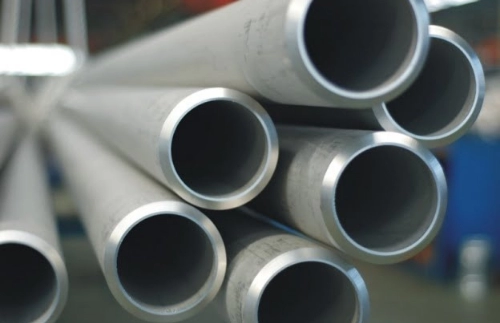
Austenitic stainless steel grades in the 300 series are known for a very balanced mechanical profile: good strength, excellent ductility, and outstanding toughness from cryogenic to elevated temperatures. That’s why they’re the go‑to stainless steel austenitic grades for demanding U.S. manufacturing and fabrication shops.
Tensile and Yield Strength by Grade
Typical room‑temperature properties for common austenitic stainless steel (annealed condition):
- 304 / 304L stainless steel
- Yield strength: ~30–35 ksi (205–240 MPa)
- Tensile strength: ~70–85 ksi (485–585 MPa)
- 316 / 316L stainless steel
- Yield strength: ~30–35 ksi (205–240 MPa)
- Tensile strength: ~75–90 ksi (515–620 MPa)
- High‑alloy austenitic grades (e.g., 904L)
- Similar or slightly higher tensile strength, with better corrosion resistance
With cold work (rolling, drawing, forming), these strengths can more than double, giving you a corrosion‑resistant steel that can reach strength levels comparable to some carbon steels without heat treatment.
Elongation and Ductility for Forming
A big advantage of 300 series stainless steel is high elongation:
- Elongation at break: typically 40–60%
- Excellent for deep drawing, spinning, and complex forming
- High ductility helps avoid cracking in stamped parts, sinks, food equipment, and architectural components
If you’re drawing deep or forming tight radii, these austenitic stainless steel grades are generally far more forgiving than ferritic or martensitic stainless.
Hardness and Work Hardening
In the annealed state, hardness is moderate:
- Typical hardness: ~150–200 HB (Brinell), depending on grade
- Easily machined with proper tooling and feeds, though not as easy as mild steel
But austenitic stainless steels are strong work hardeners:
- Cold forming, bending, or machining rapidly increases hardness and strength
- This can be used on purpose for stronger, spring‑like parts
- It also means cutting tools must be sharp and well‑cooled to avoid excessive work hardening in the cut zone
If you’re comparing different alloys for strength and formability, it can help to look at how they harden with strain, similar to how we evaluate high‑performance alloys in our Inconel alloys guide.
Impact Toughness and Cryogenic Behavior
A key reason austenitic stainless steel is used in LNG, aerospace, and medical equipment is its impact toughness:
- Toughness stays high even at cryogenic temperatures (down to liquid nitrogen or LNG conditions)
- No brittle transition like carbon steel—parts stay ductile and safe under impact loading
- Ideal for tanks, piping, and pressure components that see low‑temperature service
Effect of Cold Working on Strength and Performance
Cold work has a major impact on mechanical performance:
- Strength up: yield and tensile strength can increase 2–3× from heavy cold reduction
- Ductility down: elongation drops as strength rises, so very high cold work reduces formability
- Slight magnetism: heavily cold‑worked non‑magnetic stainless steel like 304 can become slightly magnetic
- Residual stress: may require stress‑relief annealing to reduce distortion and improve fatigue life
In practice, we tailor the level of cold work to hit the right balance of strength, toughness, and forming behavior for each application, whether it’s thin stainless steel sheet and plate or high‑strength bar and fittings.
Physical Properties of Austenitic Stainless Steel
Density and Weight vs Carbon Steel
Austenitic stainless steel has a density of about 7.9–8.0 g/cm³, slightly higher than typical carbon steel (~7.85 g/cm³).
In practice:
- Weight per foot of plate, bar, and pipe is very similar to carbon steel
- You don’t choose austenitic stainless for weight savings—you choose it for corrosion resistance and durability
Thermal Expansion and Welding Impact
Austenitic stainless has a higher coefficient of thermal expansion than carbon steel, especially from room temperature up to 1000°F. That means:
- More movement during heating and cooling
- Higher risk of distortion and warping in welds
- You need good fixturing, controlled heat input, and proper joint design to keep parts straight
Thermal Conductivity and Heat Transfer
Compared to carbon steel and copper alloys, austenitic stainless steel has lower thermal conductivity:
- Heat moves more slowly through 300 series stainless
- Weld pools stay hotter and more localized
- In heat exchangers and high-temperature parts, you may need thinner walls or more surface area to achieve the same heat transfer as carbon steel or other high-temperature alloys
Electrical Resistivity and Magnetic Permeability
Austenitic stainless is a high-resistivity, low-magnetic material in the annealed state:
- Higher electrical resistivity than carbon steel (good for resistance heating applications)
- Magnetic permeability is close to 1.0 (essentially non-magnetic when fully annealed)
- After cold working (bending, forming, machining), some martensite can form and the steel may become slightly magnetic—this is normal and doesn’t mean it’s “fake stainless”
Behavior at Cryogenic and High Temperatures
One of the biggest advantages of austenitic stainless steel austenitic grade is its performance in extreme temperatures:
- Cryogenic service (down to -320°F / -196°C): Toughness stays high, very low risk of brittle fracture
- High temperature (up to ~1500°F / 815°C for common 304/316): Strength holds up better than carbon steel and scale resistance is much better
- Specialized heat resistant austenitic stainless grades (like 310) can go even higher for continuous high-heat service
These physical properties are exactly why austenitic stainless steel is the go-to choice in U.S. food plants, chemical facilities, and high-temperature equipment where reliability matters more than just initial material cost.
Corrosion Resistance Performance of Austenitic Stainless Steel Grades
Austenitic stainless steel grades are my go-to when I need reliable, long-term corrosion resistance in real-world U.S. conditions—whether that’s coastal air, food plants, or chemical lines.
General Corrosion in Atmosphere and Industry
In normal atmospheric and light industrial environments, 304 stainless steel and other 18/8 austenitic stainless steel grades offer excellent resistance to rust and staining. In harsher industrial settings with acids or polluted atmospheres, higher-alloy 316 stainless steel and 904L austenitic stainless steel hold up much better, cutting down on maintenance and unexpected downtime.
Pitting and Crevice Corrosion in Chlorides and Marine Service
Chlorides (salt, de-icing chemicals, seawater) are the main enemy.
- 304 stainless steel can pit or rust-tea stain in coastal or splash zones.
- 316 stainless steel (molybdenum alloyed stainless steel) is the standard “marine grade stainless steel” for U.S. coastal projects, docks, and boat hardware.
- Super-austenitic grades like 904L are used when warm chlorides and tight crevices are unavoidable.
For harsh marine structures and hardware, we often pair austenitic stainless with other engineered solutions similar to what’s used in demanding marine engineering applications.
Stress Corrosion Cracking (SCC)
Austenitic stainless steel can face stress corrosion cracking in hot chloride conditions (like hot brine, some refinery and chemical processes). To reduce SCC risk:
- Avoid high residual stresses (use proper design and stress relief where possible).
- Use low carbon stainless steel grades like 304L stainless steel and 316L stainless steel for better weld performance.
- Upgrade to higher-alloy or duplex stainless when chloride + temperature + stress are all high.
Intergranular Corrosion and Sensitization
Sensitization happens when austenitic stainless is held in the 800–1500°F (425–815°C) range, causing chromium carbide precipitation at grain boundaries and localized attack:
- Use L grades (304L, 316L) to reduce sensitization after welding.
- Use stabilized stainless grades like 321 (titanium stabilized stainless steel) or 347 (niobium stabilized) for repeated high-temperature exposure.
- Follow good welding and post-weld cleaning to keep the passive film strong.
Using PREN to Compare Austenitic Grades
To compare corrosion resistant steel options fast, I look at PREN (Pitting Resistance Equivalent Number). Higher PREN = better pitting/crevice corrosion resistance in chlorides. Rough guide for austenitic stainless steel:
- 304: PREN ~18–19
- 316: PREN ~23–24 (better marine and chemical resistance)
- 904L and other high alloy austenitic stainless: PREN 30+ for aggressive chloride and chemical service
When you’re picking a stainless steel austenitic grade for U.S. coastal, food-grade stainless steel, or chemical plant use, I always match the PREN and alloy level to the real chloride and temperature conditions—not just the purchase price.
Applications of Austenitic Stainless Steel Grades
Austenitic stainless steel grades are my go-to materials when I need a mix of corrosion resistance, cleanability, and easy fabrication. In the U.S. market, 304 stainless steel, 316 stainless steel, and other 300 series stainless steel grades show up in almost every major industry.
Food, Dairy, and Beverage Equipment
For food-grade stainless steel, 304 and 316 austenitic stainless steel are standard. They’re easy to clean, resist staining, and meet strict hygiene expectations for:
- Food processing lines and mixing tanks
- Dairy equipment, piping, and fittings
- Brewery, winery, and beverage systems
When I supply equipment for equipment manufacturing in these sectors, I rely on austenitic grades to keep surfaces smooth, sanitary, and compliant with U.S. food safety expectations.
Chemical and Petrochemical Equipment
In chemical plants and refineries, corrosion resistant steel is non‑negotiable. 316/316L stainless steel and molybdenum alloyed stainless steel like 904L handle:
- Chlorides, mild acids, and process chemicals
- Reactors, heat exchangers, and storage tanks
- Stainless steel pipe and tube systems
Here, the right austenitic stainless steel grade cuts downtime and extends service life.
Pharmaceutical and Biotech Installations
Pharma and biotech facilities demand ultra-clean, fully weldable stainless steel:
- High-purity piping, manifolds, and skids
- Vessels, bioreactors, and cleanroom hardware
Non-magnetic stainless steel with smooth finishes and excellent weldability helps meet validation and cleaning protocols.
Architecture and Construction
In building and facade work, 304 and 316 stainless steel sheet and plate are used for:
- Exterior cladding and panel systems
- Handrails, canopies, and decorative features
316 stainless steel is often preferred in coastal U.S. cities because of better resistance to salt-laden air.
Automotive and Transportation
Austenitic grades are used where formability and toughness matter:
- Exhaust systems and heat shields
- Structural brackets and trim
- Rail and commercial vehicle components
Their ability to handle vibration, impact, and road salt gives them an edge over carbon steel in critical spots.
Aerospace and High-Temperature Use
Heat resistant austenitic stainless like 310 and 321 show up in:
- Combustion-related parts, diffusers, and liners
- Engine and exhaust components
For example, high-temperature stainless components similar to those used in a front diffuser for a combustion chamber rely on stable performance at elevated temperatures.
Marine and Offshore Solutions
For marine grade stainless steel in U.S. ports and offshore regions, 316/316L and higher alloy grades are used in:
- Boat fittings, ladders, and rail systems
- Offshore platforms, piping, and cable trays
Their resistance to chloride attack and pitting keeps maintenance under control in harsh saltwater environments.
Product Forms and Specifications for Austenitic Stainless Steel Grades
I stock austenitic stainless steel grades in all common product forms, sized for U.S. fabrication shops, OEMs, and project work.
Available Product Forms
Standard forms for 304, 304L, 316, 316L, 310, 321, 904L and other austenitic grades:
- Sheet & Plate – laser quality, cut-to-size
- Coil – mill coil and slit coil for stamping and roll forming
- Bar – round, hex, square, flat bar for machining
- Pipe & Tube – seamless and welded, SCH pipe and metric sizes
- Fittings & Flanges – elbows, tees, reducers, caps, hygienic fittings
If you’re also working with non-ferrous metals, I can match stainless to your copper alloy and aluminum alloy specs for mixed-material projects.
Surface Finishes for Austenitic Stainless
Common finishes for 300 series stainless steel sheet and plate:
| Finish | Description | Typical Use |
|---|---|---|
| No.1 | Hot-rolled, annealed, pickled | Structural, furnace parts |
| 2B | Cold-rolled, smooth matte | General fabrication, industrial |
| BA | Bright annealed, reflective | Appliances, decorative fronts |
| No.4 | Brushed, hairline | Food equipment, architectural |
| Custom Polish | #6–#8 mirror, directional | High-end architectural, sanitary |
Standard Size Range (Stock Program)
Typical stock ranges for austenitic stainless steel:
Sheet & Plate (inch)
- Thickness: 0.024″ – 2.00″
- Width: 36″, 48″, 60″, 72″
- Length: 96″, 120″, 144″ (plus cut-to-length)
Bar
- Round: 3/16″ – 12″ dia
- Flat: 1/8″ – 6″ thick, up to 12″ wide
Pipe & Tube
- NPS: 1/4″ – 24″ (welded and seamless)
- Tubing: 1/8″ – 8″ OD, standard and heavy wall
(Custom non-standard sizes and precision blanks are available on request.)
Standards and Specifications (ASTM, ASME, EN, ISO)
I supply austenitic stainless steel grades to major international standards, including:
- ASTM: A240 (plate/sheet), A276 (bar), A312 (pipe), A269/A249 (tube)
- ASME: Section II materials for pressure equipment
- EN / ISO: EN 10088, EN 10272, EN 10216 / 10217, ISO material numbers
Material is identified by AISI, UNS, and EN designations so you can match your drawings and project specs easily.
Tolerances, Certification, and Testing
For U.S. manufacturing and EPC projects, I keep documentation tight and predictable:
- Dimensional Tolerances
- To ASTM/EN standards or tighter upon request
- Flatness control for laser/plasma cutting
- Material Certification
- MTC 3.1 / 3.2 as required
- Full heat traceability and lot control
- Test Options
- PMI (Positive Material Identification)
- Mechanical testing: tensile, hardness, impact
- Corrosion tests where specified (e.g., ASTM A262 when required)
You get austenitic stainless steel that’s ready for welding, forming, and inspection with specs that fit U.S. code work and OEM quality systems.
Fabrication and Welding of Austenitic Stainless Steel Grades
Cutting, Bending, and Forming Austenitic Stainless Steel
Austenitic stainless steel (304, 316, 310, 904L, etc.) is very formable, but it work-hardens fast, so setup matters.
Cutting guidelines:
- Use plasma, laser, or waterjet for tight tolerances and minimal distortion. For precision sheet processing, we rely heavily on high‑speed laser cutting of stainless steel sheet and plate.
- For mechanical cutting (sawing, shearing):
- Use sharp, rigid tooling and proper support.
- Reduce vibration to prevent edge work‑hardening and burrs.
- Allow for small cleanup cuts on critical edges.
Bending and forming tips:
- Use larger bend radii than you would for carbon steel (typically ≥1–1.5× material thickness).
- Plan forming steps to spread the strain; deep drawing and complex bending should be done in multiple stages.
- If parts get too hard or start cracking during forming, consider an intermediate anneal.
Machining Tips for Austenitic Stainless Steel
Austenitic stainless grades are “gummy” and work‑harden at the tool, so machining must be controlled.
- Use rigid machines, solid fixturing, and sharp carbide tools.
- Run lower cutting speeds but higher feed rates to stay under the work‑hardened layer.
- Use generous coolant to control heat and prevent built‑up edge.
- Avoid rubbing—once the tool glides instead of cutting, hardness jumps and tool life crashes.
Welding Processes and Filler Metals
Most austenitic stainless steel grades are highly weldable and forgiving when you pick the right process and filler.
Common welding processes:
- GTAW/TIG – best for thin stainless sheet, tube, and critical food/pharma welds.
- GMAW/MIG – higher productivity on plate, structural work, and pipe.
- SMAW (stick) – field work and repair.
- FCAW – heavy fabrication where speed matters.
Typical filler metals:
- 304 / 304L → ER308L / E308L.
- 316 / 316L → ER316L / E316L (molybdenum alloyed stainless for better chloride resistance).
- 321 → ER347 (niobium stabilized).
- 310 → ER310 for high‑temperature service.
- 904L → high‑alloy austenitic fillers like ER385.
Always match the filler to the service conditions (corrosion, temperature, and code requirements).
Avoiding Sensitization and Carbide Precipitation
To keep corrosion resistance high, you must control sensitization in welds.
- Prefer low carbon stainless steel grades (304L, 316L) for welded assemblies.
- For higher‑temperature service, use stabilized stainless grades (321 Ti‑stabilized, 347 Nb‑stabilized).
- Minimize heat input and avoid long dwell in 800–1500°F (425–815°C), where chromium carbides form.
- Keep interpass temperatures under control and avoid repeated reheating of the same weld area.
- If severe sensitization is suspected and design allows, solution anneal and rapid quench.
Post‑Weld Cleaning, Pickling, and Passivation
Weld cleanup directly impacts corrosion performance, especially for “food grade stainless steel” and sanitary service.
- Mechanically remove weld spatter, heat tint, and slag by grinding or brushing with stainless-only tools.
- Use chemical pickling (gels or baths) where welding burned the surface heavily and created oxides.
- Finish with passivation (nitric or citric solutions) to restore a strong chromium‑rich passive film.
- For projects with high cosmetic or hygiene demands, we also apply dedicated surface treatment and polishing services to reach No.4, BA, or mirror finishes.
Heat Treatment and Annealing of Austenitic Grades
Austenitic stainless steel is not hardened by heat treatment, but annealing is key to restoring properties.
- Solution annealing: typically 1850–2050°F (1010–1120°C), followed by quick water or air quench to dissolve carbides and reset the corrosion resistance.
- Use solution anneal after heavy cold work or severe forming to restore ductility.
- Avoid holding in the sensitization range (800–1500°F / 425–815°C) for long periods.
- Stress relieving is possible, but must be done at lower temperatures and short times to avoid sensitization.
Handled correctly, austenitic stainless steel remains weldable, formable, and corrosion‑resistant through the full fabrication cycle.
Selecting the Right Austenitic Stainless Steel Grade
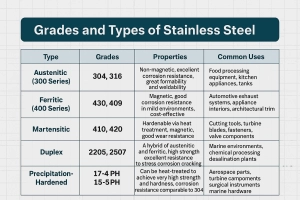
Choosing the right stainless steel austenitic grade comes down to where it’s used, how harsh the environment is, and how you’ll fabricate it. I always look at these five points first.
Match Grade to Environment & Corrosion Risk
Use the environment to narrow down your austenitic stainless steel options:
- Dry indoor, mild atmosphere: 304 / 304L stainless steel is usually enough.
- Urban, light industrial, wash-down areas: Still mostly 304 / 304L, but watch for chlorides and cleaners.
- Marine, coastal, de-icing salts, strong cleaners: Step up to 316 / 316L marine grade stainless steel.
- Strong acids, heavy chloride loads, harsh chemical plants: Look at molybdenum alloyed stainless steel like 316L, 317L, or 904L austenitic stainless steel.
When corrosion risk is high, I always combine grade selection with solid testing and quality control backed by proper material certification, similar to what’s outlined in our stainless steel testing and quality procedures.
304 vs 316: Cost vs Performance
Both are core 300 series stainless steel grades, but they’re not interchangeable:
- 304 stainless steel (18/8 stainless steel)
- Lower cost, widely available, easy to source in sheet, plate, pipe, and tube.
- Good corrosion resistance for most food, beverage, and indoor industrial use.
- Not ideal for heavy chlorides or salt exposure.
- 316 stainless steel
- Costs more (mostly due to molybdenum and higher nickel).
- Much better pitting and crevice corrosion resistance in chloride and marine conditions.
- The go-to “upgrade” when 304 starts showing rust tea staining or pitting.
If the environment is mild, 304 saves money. If there’s any real chloride load or critical uptime, 316 usually pays for itself in fewer failures and less maintenance.
When to Use Low Carbon “L” or Stabilized Grades
Low carbon and stabilized stainless grades help you weld safely without losing corrosion resistance:
- Use low carbon grades (304L, 316L) when:
- You’re doing a lot of welding or heavy sections.
- Post-weld heat treatment or full solution annealing is not practical.
- You want to reduce sensitization and carbide precipitation risk in the HAZ.
- Use stabilized grades (321, 347) when:
- The part sees long exposure at 800–1500°F (425–815°C).
- It’s for exhaust, heat exchangers, or high temperature stainless steel service.
- You need resistance to intergranular corrosion after thermal cycling.
In short: “L” for weldability in normal service, stabilized grades for high-temperature welded service.
Balance Strength, Formability, and Weldability
Most austenitic stainless steel grades are naturally ductile, tough, and weldable, but there are trade-offs:
- For deep drawing, complex forming, and high ductility:
- Standard 304 / 304L and 316 / 316L in annealed condition are your best bet.
- For higher strength without heat treatment:
- Use cold-worked austenitic stainless steels; they work harden fast.
- Be ready for more challenging forming and machining.
- For critical weldable stainless steel:
- Stick with 304L, 316L, or 321 with matching filler metals.
- Control heat input and follow proper post-weld cleaning and passivation.
I always balance:
Can we form it easily? Can we weld it safely? Does it meet the minimum strength and corrosion requirements?
Total Cost of Ownership vs Initial Material Cost
In the U.S. market, it’s common to focus on price per pound, but with austenitic stainless steel you win or lose on lifecycle cost:
- A cheaper grade like 304 can cost more long-term if:
- It pits or fails in a chloride environment.
- You have frequent downtime, cleaning, or replacement.
- A higher grade like 316L or 904L can be the better deal when:
- The process is critical (food, pharma, chemical).
- Access for repairs is difficult or shutdowns are expensive.
- Regulatory and hygiene standards demand high reliability.
I always look at total cost of ownership: material price, fabrication cost, expected life, maintenance, risk of failure, and compliance. For most American plants, that’s the difference between “acceptable on paper” and “profitable in real operation” when choosing the right austenitic stainless steel grade.
FAQs on Austenitic Stainless Steel Grades
1. What’s the difference between 304 stainless steel and 316 stainless steel?
| Feature | 304 Stainless Steel (18/8) | 316 Stainless Steel (Marine Grade) |
|---|---|---|
| Main alloying elements | ~18% Cr, 8–10.5% Ni | ~16–18% Cr, 10–14% Ni, 2–3% Mo |
| Corrosion resistance | Very good for everyday use | Better in chlorides, salts, and chemicals |
| Typical uses | Appliances, kitchen, tanks, architecture | Marine, chemical, pharma, coastal equipment |
| Cost | Lower | Higher |
- 304 stainless steel works great for most indoor, dry, and mildly corrosive environments.
- 316 stainless steel is my go‑to when there’s salt, chlorides, or harsh chemicals involved.
2. When should I choose 304L vs 316L low carbon grades?
“L” = low carbon (≤ 0.03% C), designed to reduce carbide precipitation during welding.
| Grade | When to use it |
|---|---|
| 304L | Welded tanks, structural parts, general fabrication |
| 316L | Welded parts in chloride or chemical service |
Use L grades when:
- You are welding and can’t perform a full solution anneal.
- You want to minimize sensitization and intergranular corrosion risk at welds.
3. How do I know if a stainless steel is truly “food grade”?
In the U.S., “food grade” is more about compliance and finish than a single number.
- Common food-grade austenitic stainless:
- 304 / 304L stainless steel
- 316 / 316L stainless steel (for harsher cleaning chemicals and acids)
- Look for:
- Compliance with ASTM A240, ASTM A276, or relevant FDA/USDA requirements
- Smooth, cleanable finishes (2B, BA, No.4 polish)
- Material test reports (MTR/MTC) confirming composition and grade
4. Is austenitic stainless steel suitable for marine environments?
Yes, but not all austenitic grades perform the same:
| Environment | Recommended austenitic stainless grades |
|---|---|
| Coastal atmosphere | 316 / 316L, 317L |
| Splash zone / fittings | 316 / 316 |

Reviews
There are no reviews yet.