
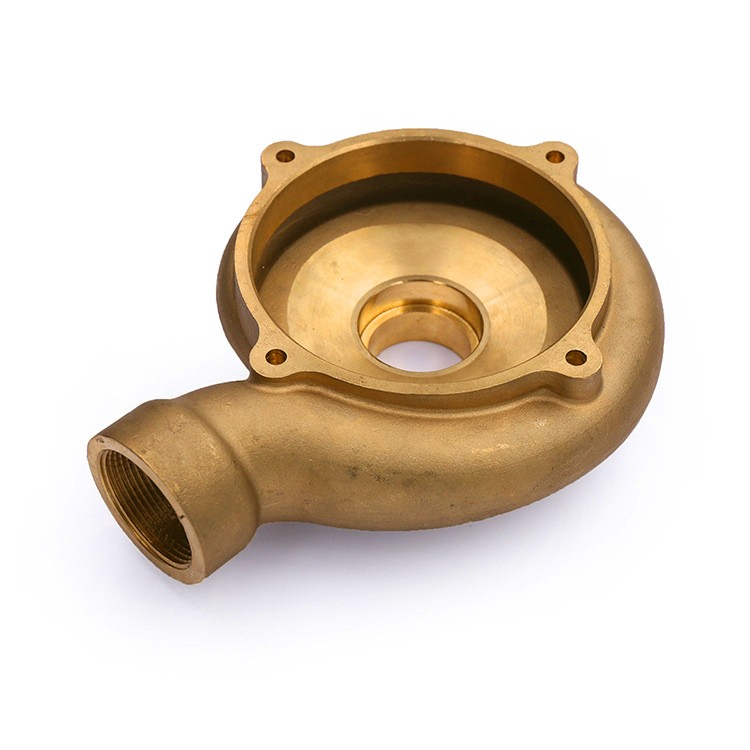
Learn what brass is made of copper zinc alloy composition grades properties and industrial uses for engineering and manufacturing.
The Core Chemistry: What is Brass Made Up Of?
At its most fundamental level, I define brass as a non-ferrous copper-zinc alloy. While the basic brass chemical formula is represented as $Cu + Zn$, the specific properties of the metal change drastically based on the ratio of these two primary components.
Copper (Cu) as the Base Metal
Copper serves as the matrix of the alloy. In most industrial applications, copper content ranges from 60% to 90%. It provides the essential foundations of:
- High electrical and thermal conductivity.
- Natural antimicrobial properties.
- Excellent corrosion resistance.
How Zinc (Zn) Transforms the Alloy
Zinc is the primary alloying element that dictates the mechanical limits of the material. By increasing the zinc content, I can effectively increase the tensile strength of brass and its hardness, though this comes at the cost of some ductility.
- Low Zinc (under 15%): Results in red brass (85/15), known for superior corrosion resistance.
- High Zinc (30%–40%): Creates yellow brass composition, offering a balance of strength and lower material cost.
Common Trace Elements and Their Functions
To meet specific engineering requirements, I often integrate small percentages of other elements to create specialized corrosion-resistant alloys.
| Element | Purpose | Common Resulting Grade |
|---|---|---|
| Lead (Pb) | Improves machinability rating by acting as a lubricant. | Free-cutting brass |
| Tin (Sn) | Enhances seawater resistance and prevents dezincification. | Naval brass |
| Aluminum (Al) | Increases strength and creates a self-healing oxide layer. | High-strength brass |
| Silicon (Si) | Used in lead-free brass to maintain strength without toxicity. | Eco-friendly alloys |
How Ratios Determine the Formula
The specific chemical ratio is what separates a standard sheet of metal from a precision-engineered component. For example, C2600 cartridge brass (70% Cu, 30% Zn) is optimized for cold-working properties and deep drawing. In contrast, Muntz metal (C2801) (60% Cu, 40% Zn) is an alpha-beta brass designed for high-strength structural applications where hot-working is required. By manipulating these percentages, I can tailor the material to be either incredibly ductile or remarkably rigid.
Brass Grades and Chemical Composition
We categorize brass based on its internal crystal structure, which is dictated by the specific ratio of copper to zinc. Understanding these grades is essential for determining how the material will behave during manufacturing and in its final environment.
Alpha Brasses: Superior Cold-Working
Alpha brasses contain less than 37% zinc. These alloys are highly ductile at room temperature, making them the gold standard for cold-working properties.
- C2600 Cartridge Brass: A popular alpha brass used for deep drawing and complex forming.
- Performance: Excellent for rivets, pins, and shell cases where flexibility is required.
- Structure: A single-phase solid solution that remains stable and easy to manipulate.
Alpha-Beta (Duplex) Brasses: High Strength
When the zinc content reaches 37% to 45%, the material becomes an alpha-beta brass. This “duplex” structure makes the alloy significantly stronger but less ductile than alpha brasses.
- Muntz Metal (C2801): A well-known duplex brass that excels in hot-working applications.
- Usage: Ideal for architectural panels, large nuts, bolts, and condenser tubes.
- Machinability: These grades often offer better machinability ratings when combined with trace elements.
Color and Composition: Yellow vs. Red Brass
The aesthetic of what brass is made up of changes as the copper content shifts. This isn’t just about looks; the color indicates the metal’s underlying chemistry.
| Brass Type | Typical Composition | Appearance | Key Features |
|---|---|---|---|
| Red Brass (85/15) | 85% Copper, 15% Zinc | Reddish-Gold | High corrosion resistance; used in plumbing. |
| Yellow Brass | 60-70% Copper, 30-40% Zinc | Bright Yellow | Classic “gold” look; standard for decorative hardware. |
When choosing between different brass alloy grades, we look at how the yellow brass composition provides a cost-effective, high-strength solution compared to the softer, more corrosion-resistant red alloys. This chemical balance is the defining factor in every precision project we handle.
Technical Comparison: Brass vs. Bronze vs. Copper
Choosing the right non-ferrous metals depends entirely on the balance between conductivity, strength, and budget. While pure copper is the gold standard for electrical flow, its softness makes it difficult to machine. By understanding what is brass made up of—specifically the addition of zinc—it becomes clear why this alloy is often the superior choice for mechanical parts.
Key Differences at a Glance
| Feature | Pure Copper | Brass (Copper-Zinc Alloy) | Bronze (Copper-Tin Alloy) |
|---|---|---|---|
| Primary Mix | 99.9% Copper | Copper + Zinc | Copper + Tin/Silicon |
| Strength | Low (Soft) | Medium to High | Very High |
| Machinability | Difficult/Sticky | Excellent | Moderate |
| Corrosion Resistance | High | Good (Varies by Grade) | Superior (Sea Water) |
| Typical Cost | High | Economical | Premium |
Performance Trade-offs and Material Cost
When we analyze the mechanical benefits, brass acts as the “utility player” of the industry. The specific alloying elements used in its production allow us to tune its properties far more easily than pure copper.
- Machinability: Brass is significantly easier to cut and shape, reducing tool wear and labor costs in high-volume production.
- Durability: The zinc content provides a harder surface than pure copper, making it ideal for gears and moving parts.
- Specialized Environments: In sectors like marine engineering, choosing between a high-zinc brass and a tin-based bronze is critical for long-term corrosion resistance in saltwater.
While bronze offers higher tensile strength, the lower cost and high recyclability of a copper-zinc alloy make brass the most cost-effective solution for precision hardware and decorative architecture where extreme hardness isn’t the primary requirement.
Physical and Mechanical Properties of vastmaterial Brass
Understanding what is brass made up of is the first step to appreciating its incredible versatility. As a premier copper-zinc alloy, our brass products offer a unique balance of strength and workability that pure metals simply can’t match.
Key Performance Specifications
| Property | Benefit | Industrial Use |
|---|---|---|
| Electrical Conductivity | High efficiency for power transfer | Connectors & Terminals |
| Thermal Conductivity | Excellent heat dissipation | Radiators & Heat Exchangers |
| Machinability Rating | Easy to cut, drill, and shape | Precision turned parts |
| Tensile Strength | Resists deforming under load | Fasteners & Valves |
Low Friction and Acoustic Excellence
One of the standout features of our brass is its low friction characteristics. This makes it the go-to material for gears, bearings, and heavy-duty hardware where metal-on-metal contact is constant. Unlike many corrosion-resistant alloys, brass won’t spark, which is a critical safety feature in hazardous environments.
The specific brass chemical formula (Cu+Zn) also dictates its acoustic properties. We carefully control the zinc content to ensure the metal provides the perfect resonance and “bright” tone required for high-end musical instruments. The cold-working properties allow us to thin the metal into complex shapes without losing structural integrity.
Natural Antimicrobial and Hygienic Benefits
In the United States, hygiene in public spaces has never been more important. High-copper brasses possess natural antimicrobial properties, effectively killing bacteria and viruses on contact. This makes our brass an ideal choice for:
- Door handles and push plates
- Hospital bed rails
- High-traffic plumbing fixtures
While we also work with aluminum alloy for lightweight needs, the density and germ-fighting power of brass remain unmatched for high-touch architectural surfaces. The tensile strength of brass ensures these fixtures last for decades, even in the most demanding commercial environments.
Industrial Applications for Precision Brass Alloys
Understanding what is brass made up of is critical when selecting materials for high-stress environments. The specific balance within a copper-zinc alloy dictates how a part will handle heat, electricity, and friction. We focus on providing precision-engineered solutions across several key sectors where material integrity is paramount.
Electronics and Electrical
The superior conductivity of yellow brass composition makes it the industry standard for electrical components. Because of its reliable performance, we utilize it for:
- Terminals and Connectors: Ensuring consistent signal transmission and durability.
- Lead Frames: Providing the necessary support and thermal dissipation for semiconductor packaging.
Automotive Industry
In the automotive sector, durability and thermal management are non-negotiable. Precision brass components are essential for:
- Radiator Cores: Utilizing the excellent thermal conductivity inherent in the alloy.
- Specialized Sensors: Components machined to withstand extreme engine heat and constant vibration.
Architecture and Design
Brass is a premier choice for high-end aesthetics and structural utility. Given its excellent machinability rating, our brass machining services produce:
- Decorative Strips: Custom-fitted for luxury interior accents and transitions.
- Heavy-Duty Hardware: Robust door handles, locks, and hinges that offer both high tensile strength of brass and a premium finish.
Plumbing and Fluid Control
For environments involving water or chemicals, corrosion-resistant alloys are mandatory to prevent system failure.
- Valves and Fittings: We prioritize lead-free brass to meet modern health and environmental regulations.
- Fluid Manifolds: Engineered for long-term reliability in high-pressure plumbing systems.
Our production processes ensure that every part leverages the unique mechanical benefits of this versatile non-ferrous metal. Whether it is the specific alpha-beta brass structure required for heavy-duty valves or the fine-tuned chemistry needed for electrical terminals, we ensure the material composition is perfectly aligned with the industrial application.
Global Manufacturing Standards for Brass Alloys
Navigating the technical landscape of what is brass made up of requires a solid grasp of international specifications. Whether you are sourcing for domestic or global projects, staying compliant with ASTM, JIS, and EN standards ensures material consistency and performance. I prioritize advanced casting technology to ensure every batch meets these rigorous chemical and mechanical requirements.
Navigating ASTM and JIS Requirements
For US-based projects, ASTM B36 covers plate, sheet, and bar for general purposes, while ASTM B121 is the go-to for leaded brass. If your supply chain moves through Asia, you’ll need to recognize JIS C2600 (cartridge brass) and JIS C2801 (Muntz metal) as direct equivalents to ensure the alloy’s integrity.
| Standard Authority | Grade Example | Common Usage |
|---|---|---|
| ASTM B36 | C26000 | Cartridge brass, deep drawing |
| ASTM B171 | C46400 | Naval brass for marine use |
| JIS H3100 | C2801 | Muntz metal for high-strength sheets |
| EN 12164 | CW614N | Free-machining brass rods |
Ensuring EN Standard Compatibility
European projects often demand EN 12163 to 12168 specifications. These standards are incredibly strict regarding trace elements and mechanical properties. Ensuring your material cross-references correctly between American and European grades prevents failure in high-pressure applications, particularly when manufacturing custom OEM valve bodies that must meet global safety ratings.
- ASTM (American): Focuses on specific product forms (tubes, wires, sheets).
- JIS (Japanese): Highly specific about cold-working properties and chemical purity.
- EN (European): Aligns closely with ISO standards for international project compatibility.
Frequently Asked Questions About Brass Composition
Understanding what is brass made up of is essential for selecting the right material for your manufacturing needs. Here are the most common questions we address regarding its chemical and mechanical makeup.
Is brass a pure element or an alloy?
Brass is an alloy, not a pure element. Its primary brass chemical formula (Cu+Zn) involves a combination of copper and zinc. By adjusting the ratio of these alloying elements, we can create a non-ferrous metal with specific properties that pure copper simply cannot match, such as increased hardness and a higher machinability rating.
What is the difference between brass and naval brass?
Standard brass is a basic copper-zinc alloy. Naval brass, however, includes a small amount of tin (typically around 0.75% to 1.0%). This addition creates one of the most reliable corrosion-resistant alloys available, specifically designed to withstand the “dezincification” process in harsh saltwater environments.
Which brass composition is best for deep drawing?
For deep drawing applications, C2600 cartridge brass is the industry standard. This composition—roughly 70% copper and 30% zinc—offers the perfect balance of ductility and tensile strength of brass. It provides superior cold-working properties, allowing the metal to be stretched into complex shapes, like shell casings or plumbing fixtures, without fracturing.
Does the zinc content in brass affect its recycling value?
Yes, it does. In the scrap market, the value is largely determined by the copper content. Red brass (85/15) generally commands a higher price than yellow brass composition because it contains a higher percentage of copper. Additionally, the presence of other elements like lead can change how the material is processed during recycling.
How do I identify different brass grades by sight?
You can often distinguish brass grades by their hue. Alloys with high copper content (over 80%) appear reddish or bronze-like, while those with higher zinc content, such as Muntz metal (C2801) or Alpha-beta brass, have a bright, silvery-yellow finish.
For a closer look at how these visual differences translate to performance, see our red brass vs. yellow brass identification guide to help you pick the right aesthetic for your hardware. If you are focused on precision components, understanding these compositions is vital for mastering CNC turning and material selection for your next project.

Reviews
There are no reviews yet.