
Why Prototyping is Critical in Medical Device Development
Developing a new medical product is a high-stakes race where precision is non-negotiable. We understand that a prototype medical device is not just a model; it is the bridge between a digital concept and a life-saving reality. In the rigorous landscape of medical device product development, skipping the physical verification stage is a gamble no engineer should take. We provide the speed and accuracy required to validate your designs before committing to expensive manufacturing processes.
Risk Mitigation: Identifying Design Flaws Before Tooling
Moving directly from CAD to mass production is a recipe for financial disaster. We utilize rapid prototyping services—including precision CNC machining and advanced 3D printing—to help you detect interference issues, ergonomic failures, or tolerance stacks early. By validating the design with a physical part, we prevent the sunk costs associated with modifying expensive injection mold tools later. Our engineering team provides Design for Manufacturing (DFM) feedback to ensure your parts are optimized for production before we even cut the material.
Regulatory Validation: Works-Like Prototypes for Testing
Regulatory bodies require more than digital simulations; they demand physical evidence. We fabricate functional testing prototypes using production-grade materials like Titanium, Stainless Steel (316L), and PEEK. This allows you to perform mechanical stress tests and thermal cycling on a unit that behaves exactly like the final product. Our adherence to ISO 9001:2015 quality standards ensures that every prototype meets the strict dimensional accuracy required for your validation data, supporting your path toward regulatory compliance.
Investor Confidence: Demonstrating Functionality
A tangible, high-fidelity model speaks louder than a presentation deck. Whether you need a polished aesthetic model for a trade show or a fully functional surgical tool for a boardroom demo, we deliver high-quality finishes—including painting, polishing, and anodizing—that showcase your innovation’s potential. Providing stakeholders with a physical medical device prototype builds trust and accelerates the funding necessary to move into clinical trials.
The 4 Stages of Medical Device Prototyping
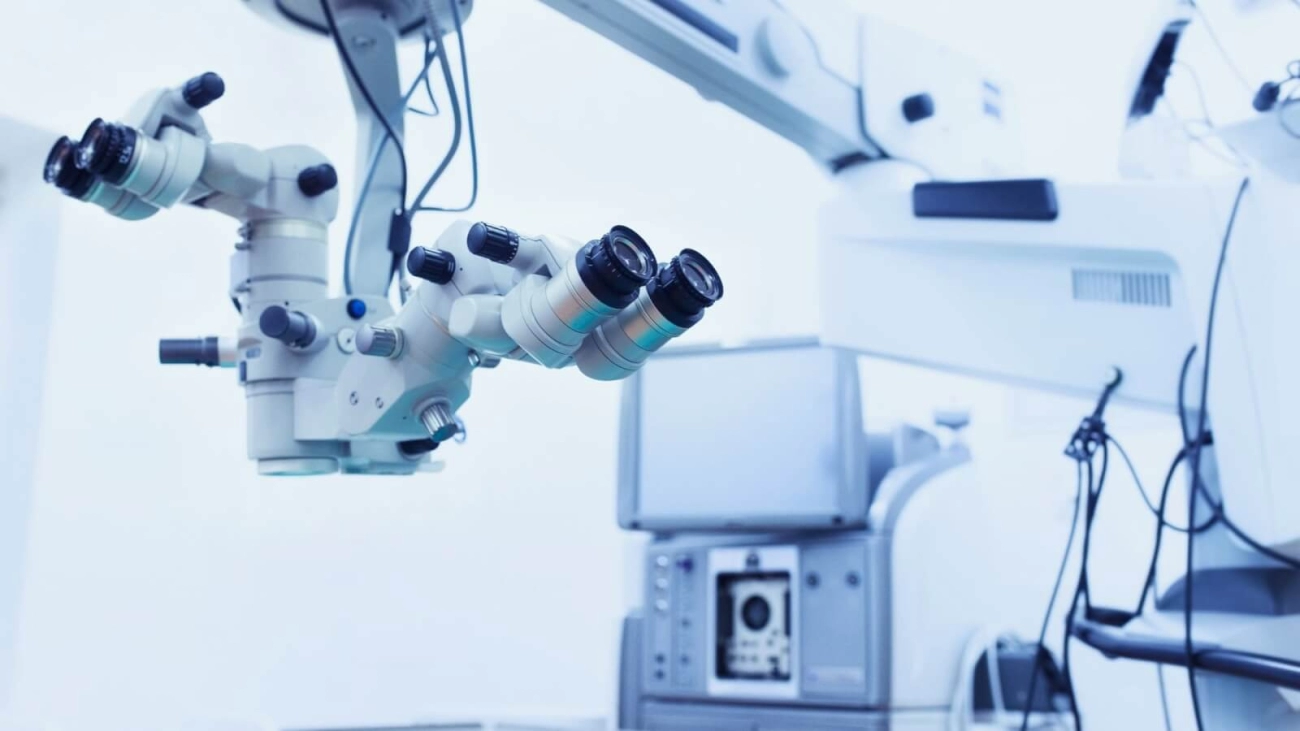
Navigating the path from a raw concept to a market-ready prototype medical device requires a structured approach. We typically guide our clients through four distinct phases to ensure the final design is safe, compliant, and ready for mass production.
- Proof of Concept (PoC): This is the initial “does it work?” phase. We utilize low-cost 3D printing for medical devices (such as FDM or basic SLA) to create rough physical models. These parts allow engineers to verify the basic mechanism, fit, and size without spending heavily on expensive materials or tooling.
- Visual and Aesthetic Models: Once the core concept is validated, we focus on the “looks-like” prototype. Using high-fidelity vacuum casting medical housings or fine-detail SLA printing, we produce parts that mimic the exact surface finish, color, and texture of the final product. These models are essential for human factors engineering and securing investor funding.
- Functional and Engineering Prototypes: At this stage, material properties become critical. We switch to CNC machining medical parts to produce “works-like” prototypes using the actual intended production material (such as PEEK, Stainless Steel, or Titanium). This validates structural integrity and allows for rigorous stress testing. Our diverse manufacturing processes ensure we can hold the tight tolerances required for functional verification.
- Pre-Production Pilot Runs: Before committing to expensive hard tooling, we execute low-volume medical manufacturing for clinical trials and regulatory submission. We often utilize rapid tooling or bridge injection molding to produce small batches (50–1,000 units) that meet ISO 13485 compliant manufacturing standards, bridging the gap to full-scale production.
Core Technologies for Medical Prototyping at vastmaterial
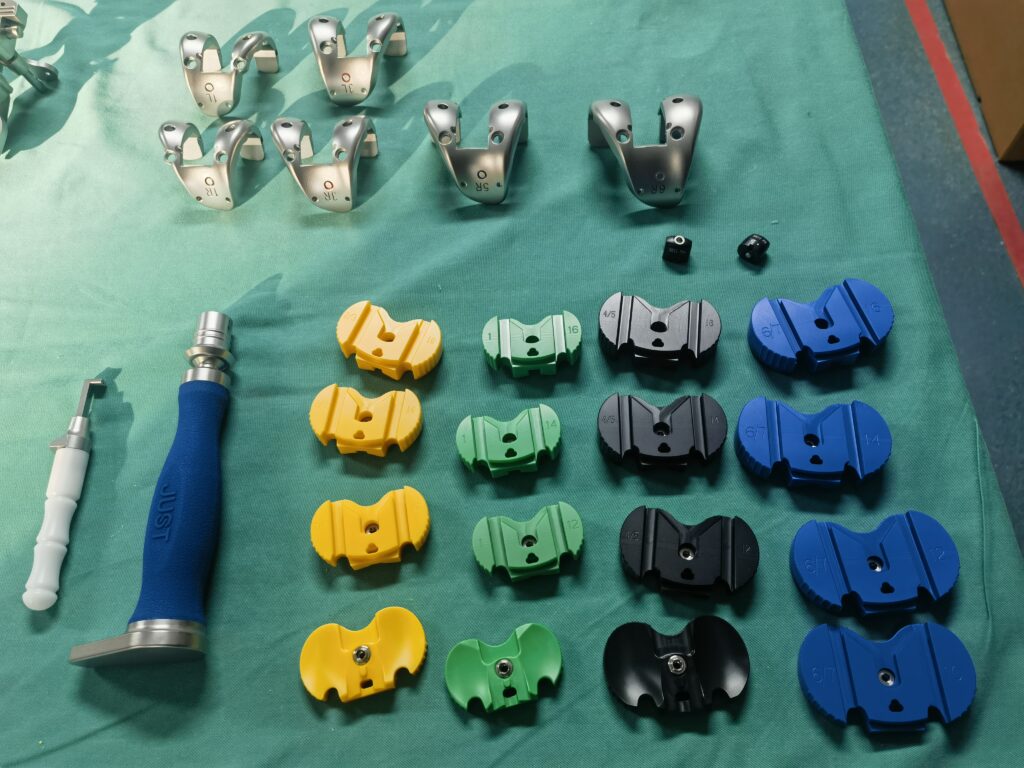
At vastmaterial, we don’t just rely on one method; we match the manufacturing technology to your specific development stage and material requirements. Creating a successful prototype medical device requires a mix of speed, precision, and material fidelity. Here is how we handle your projects:
CNC Machining: Precision and Tight Tolerances
When your prototype needs to function exactly like the final commercial product, CNC machining is the gold standard. We utilize advanced 3, 4, and 5-axis CNC mills to produce parts with engineering tolerances as tight as ±0.01mm. This process is essential for surgical instrument prototyping and implantable components where accuracy is critical. We routinely machine medical-grade materials, including PEEK, Titanium, and Stainless Steel. For projects requiring specific alloy properties, our expertise in casting stainless steel and high-precision processes ensures that even complex metal components meet rigorous industry standards.
3D Printing: Complex Geometries and Rapid Iteration
Additive manufacturing allows us to bypass traditional design constraints. We use 3D printing for medical devices (SLA, SLS, SLM, MJF) to create complex anatomical models, surgical guides, and lightweight structures that are impossible to machine. This is the fastest route for rapid prototyping services, allowing you to iterate designs and test fit within days rather than weeks.
Vacuum Casting: Simulating Injection Molding
For low-volume medical manufacturing—typically 20 to 50 units—vacuum casting provides an efficient alternative to hard tooling. We use master patterns to create silicone molds, then cast urethane resins that mimic the properties of production-grade plastics like ABS or Polycarbonate. This is ideal for producing medical housings and visual models for investor presentations or clinical user studies, offering a high-quality finish without the high upfront cost of steel molds.
Selecting Medical-Grade Materials for Your Prototype
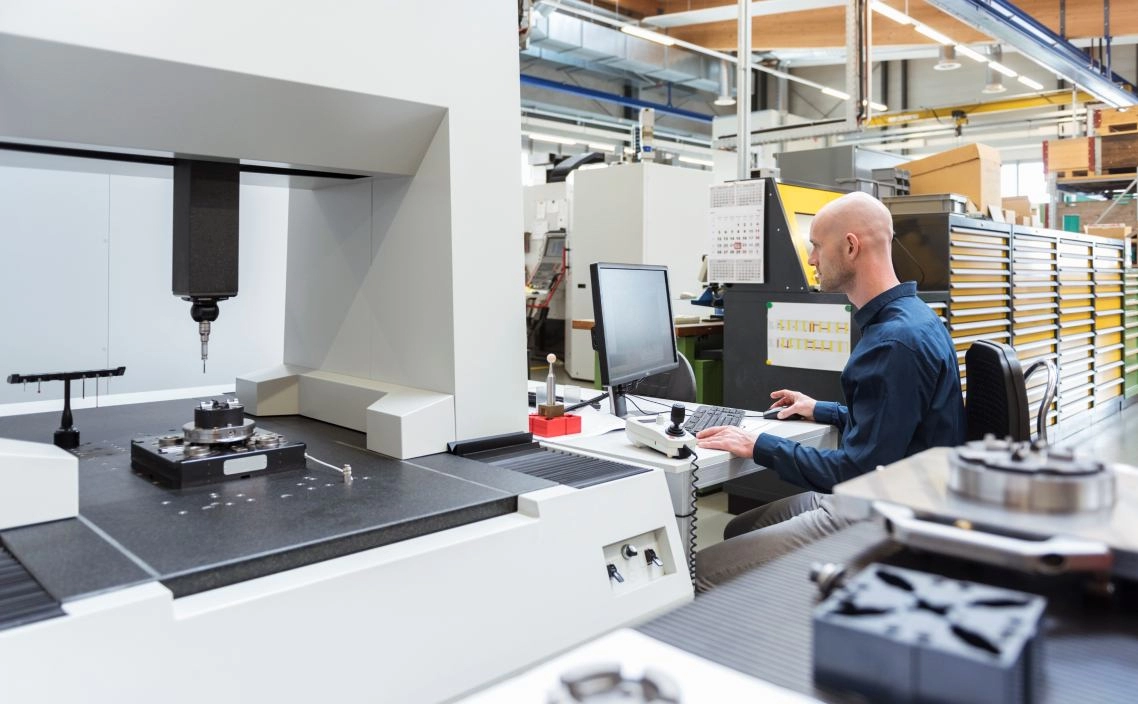
Choosing the right material is critical for the success of any prototype medical device. The material must not only meet mechanical requirements but also withstand the rigorous demands of clinical environments, including sterilization and contact with biological tissues. At Haoyu, we stock a wide range of medical-grade materials to ensure your prototype performs exactly like the final product.
High-Performance Plastics
For applications requiring durability and chemical resistance, we specialize in machining and printing high-performance engineering plastics.
- PEEK: Known for its exceptional mechanical strength and biocompatibility, PEEK is ideal for surgical implants and tools that must endure repeated autoclave sterilization.
- PPSU: This material offers high heat resistance and toughness, making it a top choice for medical instrument handles and sterilization trays.
- Polycarbonate (PC): With its high impact resistance and optical clarity, PC is frequently used for fluid management systems, transparent housings, and diagnostic device components.
Medical Metals
When structural integrity and corrosion resistance are paramount, metal components are the standard.
- Titanium: Lightweight and highly biocompatible, Titanium is the preferred material for orthopedic implants and high-stress surgical tools.
- Stainless Steel: We extensively use 304 and 316L grades for their rust resistance and hygienic properties. High-quality stainless steel and alloy steel are essential for surgical instruments, needles, and catheter components.
- Aluminum: Alloys like 6061 and 7075 provide an excellent strength-to-weight ratio, making them suitable for device chassis, structural frames, and external equipment housings.
Biocompatibility Considerations
For surgical and implantable devices, material selection goes beyond basic mechanics. We assist in selecting materials that are safe for short-term or long-term bodily contact. Whether you need a medical device prototype for functional testing or a visual model for investor presentations, we ensure the raw materials align with your regulatory goals and engineering specifications.
Bridging the Gap: From Prototype to Production (DFM)

Moving a prototype medical device from a digital concept to a mass-produced reality requires more than just raw manufacturing power; it requires engineering foresight. We don’t just make parts; we optimize them to ensure your transition from the lab to the market is seamless.
Design for Manufacturability (DFM) Reviews
Before we cut any metal or print any resin, our engineering team conducts a comprehensive Design for Manufacturability (DFM) review. This is a critical step in medical device product development where we analyze your CAD files to identify features that might drive up costs or cause failure during production. We look for issues like wall thickness inconsistencies, impossible undercuts, or tight tolerances that are unnecessary for function but expensive to machine. Our goal is to refine the design so it is optimized for our CNC machining or injection molding processes without compromising the device’s clinical utility.
The Scale-Up Challenge
One of the biggest hurdles in this industry is scaling up. A design that works perfectly as a 3D-printed model might fail when injection molded due to shrinkage or warping. We help you navigate this transition by selecting materials and processes that mimic final production properties early on. For instance, if your device requires lightweight durability, we might recommend prototyping with specific aluminum alloys that behave similarly to the final die-cast or machined components. This ensures that the functional data you gather during testing is valid for the final product.
Surface Finishing for Hygiene and Aesthetics
In the medical sector, surface finishing is functional, not just cosmetic. A prototype medical device often requires specific surface treatments to meet hygiene standards and ensure biocompatibility. We offer a range of post-processing options tailored to medical applications:
- Passivation: Essential for stainless steel components to remove surface contaminants and enhance corrosion resistance.
- Bead Blasting: Creates a uniform, non-reflective matte finish that hides machining marks and improves grip on surgical handles.
- Polishing: Achieves a mirror-like smoothness, reducing the surface area where bacteria can hide and making sterilization easier.
- Anodizing: Adds a protective oxide layer to aluminum parts, often used for color-coding surgical tools for quick identification in the operating room.
Why vastmaterial is Your Partner for Medical Innovation
When you are racing to get a prototype medical device through FDA trials or in front of investors, you need a manufacturing partner who understands the stakes. We don’t just cut metal and pour plastic; we accelerate your product development cycle with reliability and precision. As a dedicated medical device prototype manufacturer, vastmaterial bridges the gap between a digital CAD file and a physical, clinical-grade reality.
Here is why innovators and engineers across the United States trust us with their most critical designs:
- Speed That Matches Your Deadlines: Time-to-market is everything in the medical field. We streamline the front end of the process with 24-hour quotes, ensuring you aren’t waiting days just to get a price. Once production starts, our logistics network supports rapid 2-7 day shipping, getting parts into your hands faster so you can start testing sooner.
- Uncompromising Quality Assurance: We operate with the rigor required for ISO 13485 compliant manufacturing environments. Every part undergoes strict inspection to ensure it meets your exact tolerances. Whether we are machining complex titanium alloy components for surgical implants or standard housings, we provide full material traceability and quality reports to support your documentation needs.
- Ironclad IP Protection: We understand that your design is your competitive advantage. We treat Intellectual Property (IP) protection with the highest priority. We sign and strictly adhere to Non-Disclosure Agreements (NDAs), ensuring your sensitive designs and proprietary technology remain confidential throughout the manufacturing process.
- A True One-Stop Shop: Stop juggling five different vendors for one project. We handle everything under one roof, from CNC machining medical parts and 3D printing to vacuum casting and low-volume medical manufacturing. This integrated approach reduces communication errors and ensures consistent quality as you scale from a single unit to a pilot run.
Frequently Asked Questions About Medical Device Prototyping
What is the fastest method for medical device prototyping?
Speed is critical when you are racing against R&D clocks. 3D Printing (SLA/SLS) is typically the fastest route for initial concept models and visual checks, often ready in just a few days. However, for functional testing where material properties matter, CNC machining is the superior choice. At Haoyu, we optimize our workflow to deliver precision machined medical device prototypes in as little as 3 to 7 days, giving you production-grade parts without the wait of traditional tooling.
How do you support quality standards for prototypes?
We operate under a rigorous ISO 9001:2015 certified quality management system. While the final ISO 13485 certification belongs to the device manufacturer, our manufacturing process ensures the traceability and precision you need for your technical files. We provide:
- Material Certifications: Verifying raw material authenticity.
- Dimensional Reports: Using CMM and 2.5D projectors to prove tolerances (down to ±0.01mm).
- Process Control: Ensuring repeatability for medical device development from prototype to regulatory approval.
Can you machine medical-grade Titanium and PEEK?
Absolutely. We specialize in machining high-performance materials essential for the medical industry. We routinely process PEEK for its biocompatibility and heat resistance in surgical applications. For metals, our medical device prototype manufacturer capabilities cover everything from Aluminum to Titanium. Whether you require complex titanium alloy machining for surgical tools or need to select the right material for corrosion resistance—such as deciding between 416 vs 316 stainless steel—we have the expertise to handle these tough materials with high precision.
What is the difference between a looks-like and works-like prototype?
- Looks-Like Prototype: Focuses on the visual aspect—color, texture, and ergonomics. These are often made via 3D printing or vacuum casting to simulate the final product’s appearance for investor presentations or marketing photos.
- Works-Like Prototype: Focuses on functionality. These are built using CNC machining or rapid tooling with the actual intended production materials. This allows engineers to conduct stress tests, thermal analysis, and verification before committing to mass production.