
Learn about titanium properties grades and applications for aerospace medical and industrial use with data driven selection guidance.
You already know that titanium is the undisputed standard for high-performance engineering.
But do you know exactly which alloy meets your specific project requirements?
Selecting the wrong material—whether it’s Commercially Pure (CP) Titanium or an alpha-beta alloy like Titanium Grade 5 (Ti-6Al-4V)—can compromise both structural integrity and your budget.
In this guide, you’re going to learn everything you need to know about titanium, from its unrivaled high strength-to-weight ratio e resistência à corrosão to the critical ASTM B265 standards used in global manufacturing.
We have distilled complex metallurgical data into a practical, industrial-grade resource.
Let’s dive into the details.
The Physical and Chemical DNA of Titanium
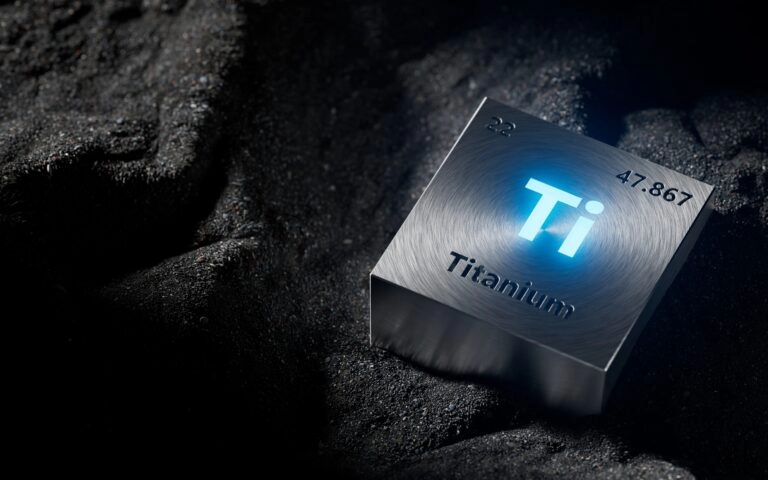
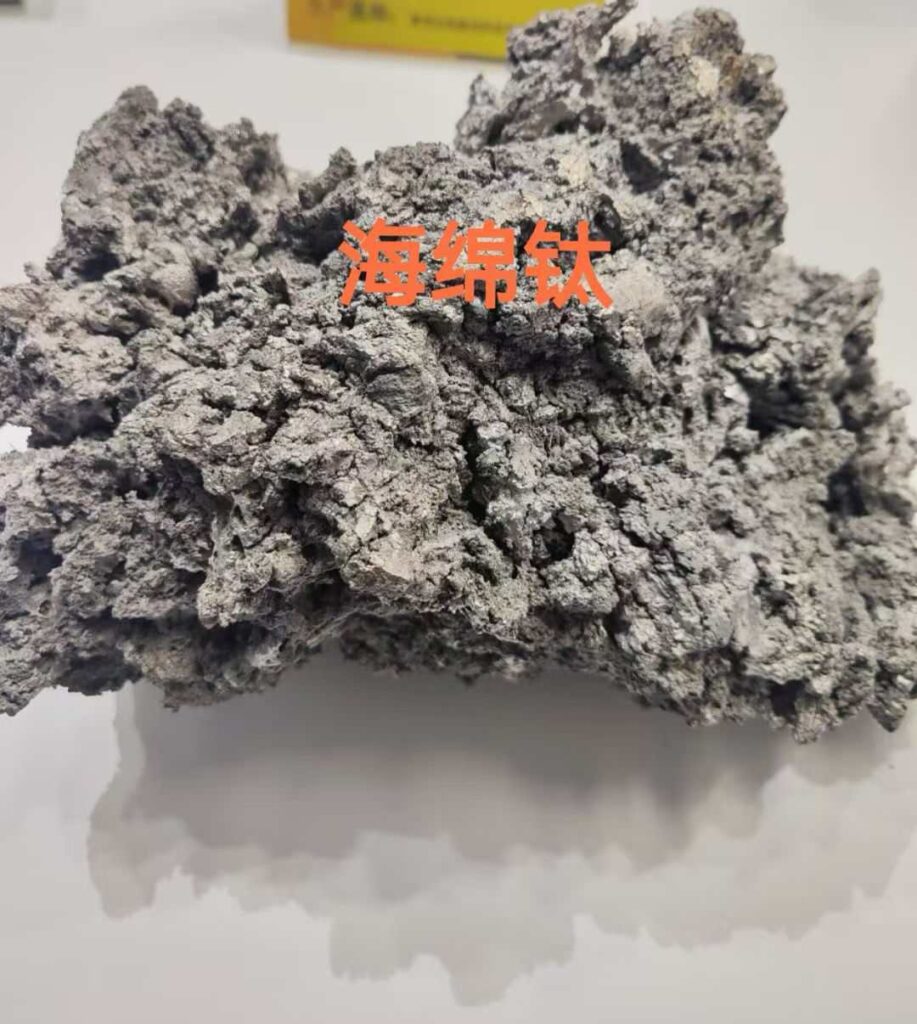
When we talk about titanium, we are discussing more than just element number 22 on the periodic table. We are looking at a transition metal that has revolutionized modern manufacturing. At Haoyu Titanium, we process this material daily, transforming raw sponge into precision-engineered components. Understanding the fundamental “DNA” of this metal explains why it is the material of choice for critical applications where failure is not an option.
Titanium Strength-to-Weight Ratio vs Steel and Aluminum
The most defining characteristic of this metal is its high strength-to-weight ratio. In the industrial world, weight is money—whether it is fuel costs in aerospace or payload capacity in logistics.
- Vs. Steel: Titanium is roughly 45% lighter than steel but offers comparable tensile strength.
- Vs. Aluminum: It is about 60% heavier than aluminum but provides nearly twice the strength.
This balance makes titanium density (approximately 4.5 g/cm³) the “sweet spot” for engineers. You get the durability of heavy industrial metals without the massive weight penalty.
| Propriedade | Titanium (Ti-6Al-4V) | Stainless Steel (316) | cURL Too many subrequests. |
|---|---|---|---|
| Density (g/cm³) | ~4.43 | ~8.00 | ~2.70 |
| Strength-to-Weight | Alto | Baixo | Médio |
| Resistência à Corrosão | Excelente | Bom | cURL Too many subrequests. |
cURL Too many subrequests.
cURL Too many subrequests. cURL Too many subrequests..
cURL Too many subrequests. resistência à corrosão, cURL Too many subrequests.
- cURL Too many subrequests.
- cURL Too many subrequests.
- cURL Too many subrequests.
cURL Too many subrequests.
cURL Too many subrequests. cURL Too many subrequests. cURL Too many subrequests. cURL Too many subrequests.. cURL Too many subrequests.
cURL Too many subrequests.
cURL Too many subrequests.
cURL Too many subrequests., cURL Too many subrequests. cURL Too many subrequests.
- cURL Too many subrequests. cURL Too many subrequests.
- cURL Too many subrequests. cURL Too many subrequests.
- cURL Too many subrequests. cURL Too many subrequests.
cURL Too many subrequests. cURL Too many subrequests., cURL Too many subrequests.
cURL Too many subrequests.
cURL Too many subrequests. about titanium, cURL Too many subrequests.
cURL Too many subrequests.
Commercially Pure (CP) Titanium cURL Too many subrequests.
- cURL Too many subrequests. cURL Too many subrequests.
- cURL Too many subrequests. cURL Too many subrequests.
- cURL Too many subrequests. cURL Too many subrequests.
cURL Too many subrequests.
cURL Too many subrequests. cURL Too many subrequests.. cURL Too many subrequests.
- cURL Too many subrequests. This is the most widely used titanium alloy globally, accounting for roughly 50% of total titanium usage. It offers a phenomenal high strength-to-weight ratio, making it the standard for aerospace grade titanium components like turbine blades and structural airframes. It is harder to machine than CP grades, requiring specialized manufacturing services to ensure precision.
- Grade 23 (Ti-6Al-4V ELI): The “Extra Low Interstitial” version of Grade 5. It features lower oxygen, nitrogen, and iron content, which improves fracture toughness. Because of its superior biocompatibility, Grade 23 is the top choice for medical implants and surgical devices.
Specialty Grades for Extreme Environments (Grade 7 & 12)
For environments where standard grades might fail, we offer modified alloys designed for extreme chemical resistance.
- Grade 7: Mechanically similar to Grade 2 but contains 0.12% to 0.25% palladium. This addition makes it the most corrosion-resistant of all titanium alloys, specifically against crevice corrosion in reducing acid environments.
- Grade 12: Contains 0.3% molybdenum and 0.8% nickel. This grade offers better heat resistance and strength than Grade 2, making it a cost-effective alternative to Grade 7 for high-temperature chemical applications.
Manufacturing Standards and Forms
When you are sourcing materials for critical applications, adherence to global specifications is non-negotiable. We manufacture our titanium products strictly according to international standards to ensure consistency, safety, and performance across all industries.
International Standards: ASTM B265, ASTM B348, and AMS
To meet the rigorous demands of the US market, we align our production processes with established American Society for Testing and Materials (ASTM) and Aerospace Material Specifications (AMS) protocols. Whether you are building an airframe or a heat exchanger, compliance is built into our DNA.
- ASTM B348: The standard specification for titanium bars and billets.
- ASTM B265: Covers titanium and titanium alloy strip, sheet, and plate.
- ASTM B338 / B861: Specifications for seamless and welded titanium tubes used in condensers and heat exchangers.
- ASTM F67 / F136: Strict standards for medical-grade titanium used in surgical implants.
- AMS 4928: The benchmark for aerospace-grade titanium bars and forgings.
Available Forms: Mill Products vs. CNC Machined Components
Our capabilities extend beyond just raw material supply. We offer a dual approach to meet diverse project requirements, ranging from semi-finished stock to fully realized parts.
- Mill Products: We maintain a robust inventory of semi-finished forms, including rods, plates, sheets, and wires. These are available in various grades, such as commercially pure (CP) and Titanium Grade 5 (Ti-6Al-4V).
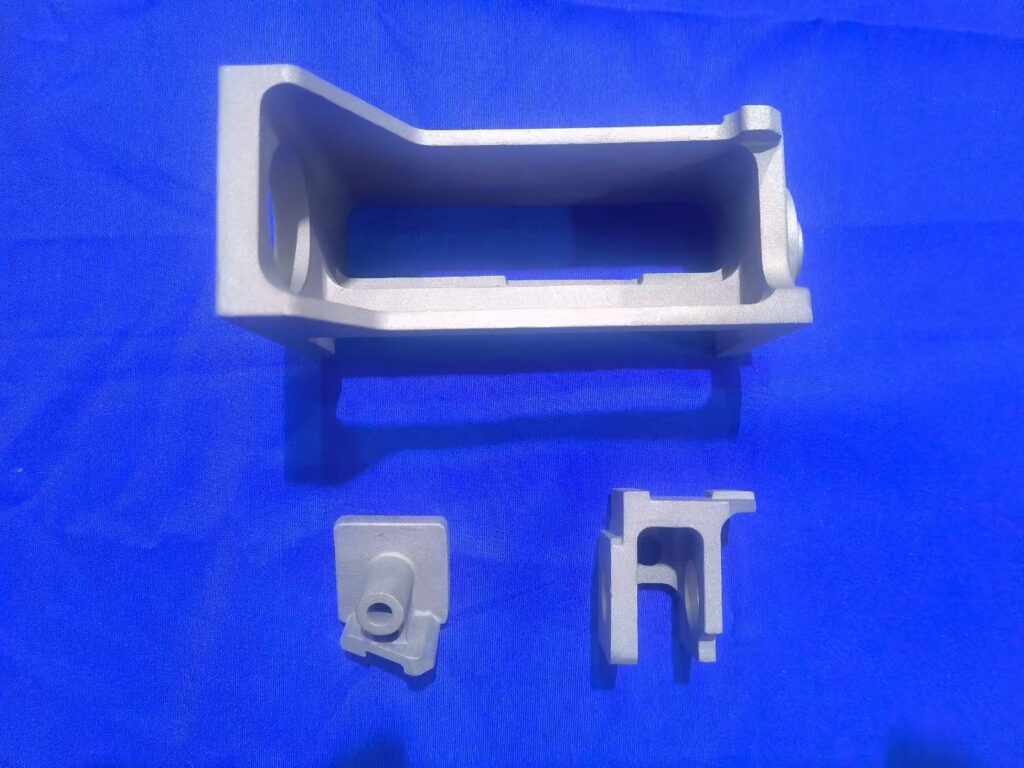
- Precision Components: For clients needing finished goods, we provide custom manufacturing services. This includes titanium forgings (rings, discs), fasteners, and complex CNC machined parts produced directly from our drawings.
You can explore our full catalog of titanium mill products and components cURL Too many subrequests.
cURL Too many subrequests.
cURL Too many subrequests.
- cURL Too many subrequests. cURL Too many subrequests.
- cURL Too many subrequests. cURL Too many subrequests.
- cURL Too many subrequests. cURL Too many subrequests.
- cURL Too many subrequests. cURL Too many subrequests.
cURL Too many subrequests.
cURL Too many subrequests.
cURL Too many subrequests.
cURL Too many subrequests. Titanium Grade 5 (Ti-6Al-4V). cURL Too many subrequests. high strength-to-weight ratio cURL Too many subrequests.
cURL Too many subrequests.
Biocompatibilidade cURL Too many subrequests. cURL Too many subrequests. cURL Too many subrequests. cURL Too many subrequests. cURL Too many subrequests. cURL Too many subrequests. cURL Too many subrequests.
cURL Too many subrequests.
cURL Too many subrequests., Commercially Pure (CP) Titanium cURL Too many subrequests. resistência à corrosão cURL Too many subrequests.
cURL Too many subrequests.
cURL Too many subrequests. cURL Too many subrequests..
cURL Too many subrequests.
cURL Too many subrequests. about titanium cURL Too many subrequests.
cURL Too many subrequests.
cURL Too many subrequests.
- cURL Too many subrequests. cURL Too many subrequests. 45% lighter cURL Too many subrequests.
- Resistência à Corrosão: cURL Too many subrequests. cURL Too many subrequests. cURL Too many subrequests.
cURL Too many subrequests.
cURL Too many subrequests.
- cURL Too many subrequests. Aluminum alloys lose significant strength when temperatures exceed 300°F (150°C). Titanium, particularly Titanium Grade 5 (Ti-6Al-4V), maintains its integrity and strength at much higher temperatures, making it essential for jet engines and exhaust systems.
- Resistência: Titanium is significantly stronger than aluminum. While aluminum is excellent for non-load-bearing structures, titanium provides the high strength-to-weight ratio required for critical structural components that must withstand immense force without deforming.
Quick Comparison Guide
| Característica | Titanium (Gr 5) | Stainless Steel (316) | cURL Too many subrequests. |
|---|---|---|---|
| cURL Too many subrequests. | Low (~4.43 g/cm³) | High (~8.0 g/cm³) | Very Low (~2.7 g/cm³) |
| Resistência | Muito alto | Alto | cURL Too many subrequests. |
| Resistência à Corrosão | Excellent (Saltwater/Chemicals) | Bom | Moderate |
| Resistência ao Calor | Alto | Alto | Baixo |
| Primary Use | Aerospace, Medical, Marine | Construction, Food Processing | Airframes, Consumer Goods |
Challenges and Considerations

While we champion the incredible properties of this metal, being transparent about titanium means discussing the hurdles involved in its production and processing. It is a premium material, and understanding the factors behind its cost and fabrication difficulty is essential for making informed procurement decisions.
Cost Factors: The Kroll Process and Extraction
Titanium is abundant in the earth’s crust, but extracting it is far from simple. Unlike iron or aluminum, which can be smelted relatively easily, titanium requires the Kroll Process. This is a complex, multi-step batch process used to convert ore into titanium sponge.
- Energy Intensity: The process requires high temperatures and a vacuum environment, consuming significant amounts of energy.
- Tempo: It is a slow, batch-based method rather than a continuous one, limiting output speed.
- Refining: The resulting sponge must be melted multiple times (often in Vacuum Arc Remelting furnaces) to create usable ingots.
These factors contribute to a higher raw material cost compared to stainless steel. However, as a manufacturer based in Baoji, we mitigate some of these expenses by sourcing directly from local producers and managing the supply chain without middlemen.
Machinability: Galling, Heat Buildup, and Tooling
Machining titanium presents unique challenges that require experience and precision equipment. It behaves differently than other structural metals during cutting and shaping.
- Galling: Titanium is “sticky” or chemically reactive with cutting materials. It has a tendency to weld or smear onto the cutting tool, a phenomenon known as galling, which can ruin surface finishes.
- Heat Buildup: Titanium has low thermal conductivity. Instead of the heat dissipating with the chips (as it does with steel), the heat concentrates at the cutting edge. This can rapidly degrade tooling if not managed with proper coolant and speeds.
- Tooling Stress: The material’s high strength and work-hardening properties demand sharp, rigid carbide tools and powerful CNC machines.
Overcoming these fabrication hurdles is a core part of our operations. We continuously optimize our machining parameters through our technology and R&D initiatives to ensure that despite these challenges, the final components meet tight tolerances and surface quality standards.
Frequently Asked Questions About Titanium
As a manufacturer based in Baoji, we handle inquiries daily from engineers and procurement officers regarding the specific capabilities of our materials. Here are the answers to the most common questions we receive about titanium.
Is titanium stronger than steel?
It depends on how you define strength. In terms of absolute resistência à tração, cURL Too many subrequests. high strength-to-weight ratio. cURL Too many subrequests.
cURL Too many subrequests.
cURL Too many subrequests. titanium sponge cURL Too many subrequests.
cURL Too many subrequests.
cURL Too many subrequests.
- cURL Too many subrequests. cURL Too many subrequests. resistência à corrosão. cURL Too many subrequests.
- cURL Too many subrequests. This is an cURL Too many subrequests. cURL Too many subrequests.
cURL Too many subrequests.
cURL Too many subrequests. cURL Too many subrequests. cURL Too many subrequests.