A Verdade Sobre a Fundição de Aço Inoxidável: Nosso Processo de Silica Sol
Na Haoyu Material, tratamos fundir aço inoxidável, como uma ciência exata, não apenas uma operação de fundição. Embora existam várias formas de fundir metal, comprometemo-nos estritamente com o processo de fundição por investimento com Silica Sol para os nossos componentes de aço inoxidável. Esta decisão não se trata de redução de custos; trata-se de fornecer peças que atendam às exigências rigorosas de aplicações marítimas, industriais e de manuseio de fluidos.
Por que Escolhemos Silica Sol em vez de Areia de Vidro
No mundo de fundição por cera perdida, geralmente tem duas opções de aglutinante: Areia de Vidro e Silica Sol. Utilizamos exclusivamente o processo de Silica Sol para as nossas peças de aço inoxidável por razões de engenharia específicas:
- Acabamento de Superfície Superior: A fundição com Silica Sol alcança uma rugosidade de superfície significativamente menor (valores Ra), muitas vezes eliminando a necessidade de polimento secundário extensivo.
- Precisão Dimensional: Permite-nos manter tolerâncias lineares mais apertadas (tipicamente CT5–CT7) em comparação com o método mais áspero da areia de vidro.
- Geometrias Complexas: Este método suporta detalhes intrincados, paredes finas e passagens internas complexas essenciais para corpos de válvula e impelidores de bomba.
Passo a Passo: O Fluxo de Trabalho de Cera Perdida
Nossa linha de produção segue um protocolo rigoroso para garantir que cada fundição de aço inoxidável mantenha a integridade estrutural e a precisão dimensional.
- Injeção de Padrão de Cera: Começamos injetando cera derretida em moldes de alumínio de alta precisão. Isso cria uma réplica exata da sua peça final.
- Construção da Casca: Os padrões de cera são montados numa “árvore” e mergulhados numa argamassa de cerâmica de alta qualidade. Aplicamos múltiplas camadas de areia fina (estuque) para construir uma casca robusta capaz de suportar a pressão do aço fundido.
- Desmoldagem e Sinterização: Colocamos a casca numa autoclave para derreter a cera (daí o termo “cera perdida”), deixando uma cavidade oca. A casca de cerâmica é então queimada (sinterizada) a altas temperaturas para a fortalecer antes do vazamento.
- Etapa Crítica de Vazamento: Vertemos aço inoxidável fundido — seja ele 304, 316 ou Duplex 2205— nas cascas pré-aquecidas. Controlar a temperatura nesta fase é vital para evitar porosidade e defeitos de encolhimento.
- Remoção da casca e moagem do portão: Após arrefecer, vibramos a casca de cerâmica do metal. As peças são cortadas da árvore de montagem, e os restos do portão são lixados ao nível da geometria da peça.
Este processo rigoroso garante que, ao encomendar uma fundir aço inoxidável, solução connosco, receba um componente pronto para usinagem final ou montagem imediata.
Escolher a Liga Adequada para Peças de Aço Inoxidável Fundido
Quando lidamos com fundir aço inoxidável, projetos, a primeira conversa é sempre sobre o próprio metal. Escolher a liga errada pode levar a falhas prematuras, enquanto especificar em excesso aumenta os custos desnecessariamente. Orientamos os nossos clientes na seleção da liga específica que equilibra resistência à corrosão com desempenho mecânico.
Análise da Série 300: 304 vs. 316L
Para a maioria das aplicações gerais, Aço inoxidável austenítico é o padrão da indústria devido à sua excelente ductilidade e resistência. Castamos frequentemente estas duas ligas principais:
- Aço Inoxidável 304: Esta é a liga mais versátil. Oferece durabilidade sólida para maquinaria alimentar, componentes arquitetónicos e peças industriais gerais onde a exposição química extrema não é um fator.
- Aço Inoxidável 316/316L: Se os seus componentes enfrentam ambientes de água salgada ou produtos químicos agressivos, recomendamos esta graduação. A adição de molibdénio aumenta significativamente a resistência à pite e à corrosão em fissuras. Pode consultar as nossas capacidades específicas em fundição de aço inoxidável para ver como processamos estas ligas comuns para um acabamento de superfície ótimo.
Ligas de Alto Desempenho: 17-4 PH e Duplex
Por vezes, a resistência à corrosão padrão não é suficiente; necessita de resistência bruta ou propriedades especializadas.
- Liga 17-4 PH: Quando alta resistência à tração e dureza são inegociáveis, recorremos a esta graduação de endurecimento por precipitação. É ideal para eixos de bombas, êmbolos de válvula e componentes aeroespaciais que devem suportar altas tensões sem deformar-se.
- Aço Inoxidável Duplex (2205): Para ambientes extremos que exigem tanto alta resistência quanto resistência superior à fissuração por stress, o Duplex é a escolha superior em relação às graduações austeníticas padrão.
Garantia de Pureza da Liga
Não deixamos a composição do material ao acaso. Antes de cada fundição, utilizamos um espectrómetro para analisar a composição química exata do metal fundido. Esta etapa de controlo de qualidade garante que cada lote cumpra os rigorosos padrões internacionais (ASTM, DIN) e assegura a integridade das suas peças finais.
Regras de Design Inteligente para Fundição de Aço Inoxidável
Ótimas peças começam com engenharia inteligente. Quando estamos fundir aço inoxidável,, seguir diretrizes de design específicas garante que o componente final funcione exatamente como pretendido, sem custos ou atrasos desnecessários. Trabalhamos em estreita colaboração com engenheiros para otimizar desenhos para o processo de fabricação, garantindo altos rendimentos e integridade estrutural superior.
Domínio das Tolerâncias Dimensional
A precisão é a marca do nosso processo de sol de sílica. Normalmente seguimos normas ISO 8062, mantendo tolerâncias lineares entre CT5 e CT7. Este nível de precisão permite-nos produzir geometrias complexas que muitas vezes requerem pouco ou nenhum trabalho secundário. Para características que exigem encaixes mais apertados do que o processo de fundição permite, integramos usinagem de precisão diretamente na nossa fundição de cera perdida.
Recomendações Críticas de Design
Para garantir uma fundição bem-sucedida, tenha em mente estes parâmetros:
- Espessura Mínima da Parede: Para a maioria das classes de aço inoxidável, recomendamos uma espessura mínima de parede de 1,5 mm a 2 mm. Isto garante que o metal fundido flua completamente para dentro do molde antes de solidificar, evitando falhas de enchimento ou juntas frias.
- Ângulos de Inclinação: Embora a fundição de precisão seja conhecida por lidar melhor com rebaixos do que outros métodos, adicionar um ligeiro ângulo de saída (0,5° a 1°) ajuda significativamente na libertação do padrão de cera da matriz. Isto reduz o desgaste das ferramentas e melhora a consistência da superfície.
- Filetes e Raios: Cantos afiados são concentradores de tensão que podem levar a fissuras durante a fase de arrefecimento. Aconselhamos sempre adicionar filetes e raios aos cantos internos e externos. Este simples ajuste evita o rasgo a quente e resulta numa peça mais forte e durável.
Acabamentos: Maquinagem e Polimento de Aço Inoxidável Fundido
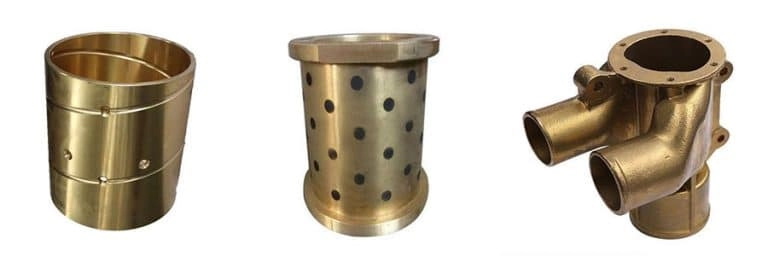
Embora o nosso processo de sílica coloidal ofereça uma excelente qualidade de superfície logo após a saída do molde, a maioria das aplicações industriais requer operações secundárias para cumprir as especificações finais. Fornecemos uma solução completa “one-stop”, levando as peças fundir aço inoxidável, brutas através de maquinagem de precisão e tratamentos de superfície avançados para que cheguem prontas para a montagem.
Maquinagem Secundária CNC de Precisão
A fundição de precisão aproxima-nos muito da forma final, atingindo normalmente tolerâncias em torno de CT5–CT7. No entanto, para superfícies de acoplamento críticas, ajustes de rolamentos ou furos roscados, Maquinagem secundária CNC é essencial. Integramos a maquinagem diretamente na nossa linha de produção, garantindo que a transição da fundição para o acabamento é perfeita.
Ao gerir tanto a fundição como a oficina de maquinagem, eliminamos o jogo de culpas que muitas vezes acontece entre fornecedores separados. Para uma análise mais aprofundada de como lidamos com estas especificações rigorosas, consulte o nosso guia sobre maquinagem CNC de precisão e tolerâncias de fundição.
Tratamentos de Superfície para Função e Estética
O aço inoxidável é escolhido pela sua durabilidade e aspeto, mas a superfície bruta fundida necessita frequentemente de refinamento. Oferecemos uma gama de acabamentos adaptados ao ambiente específico que a peça irá suportar:
- Polimento Espelhado: Essencial para hardware marinho e acessórios arquitetónicos onde o apelo visual é primordial. Moemos e polimos a superfície até obter um acabamento de alto brilho e reflexivo.
- Eletropolimento: Este processo eletroquímico remove material superficial a nível microscópico. É fundamental para as indústrias alimentar e médica, pois reduz os valores de rugosidade superficial Ra, prevenindo o acúmulo de bactérias e facilitando a limpeza.
- Decapagem e Passivação: Após fundição e usinagem, a camada de óxido protetora natural do aço inoxidável pode ser comprometida. Utilizamos decapagem e passivação para remover contaminantes superficiais (como ferro livre) e restaurar o máximo do material. resistência à corrosão.
- Jateamento: Para peças que requerem uma textura uniforme e fosca, o jateamento proporciona uma aparência limpa e consistente que oculta imperfeições menores na superfície.
Onde Utilizamos Soluções de Aço Inoxidável Fundido

Nosso fundir aço inoxidável, as capacidades abrangem uma vasta gama de indústrias. Como utilizamos o processo de fundição por investimento de precisão (cera perdida), podemos adaptar-nos a requisitos rigorosos, seja a peça em água salgada ou a processamento de alimentos. Não apenas vertemos metal; projetamos soluções para ambientes específicos usando aços inoxidáveis austeníticos e martensíticos de alta qualidade.
- Ferragens Marinhas: Fabricamos componentes de alta resistência, como olhais, calços, âncoras e dobradiças. Para estas aplicações, normalmente fundimos aço inoxidável 316 para garantir máxima resistência à corrosão contra condições adversas de água salgada.
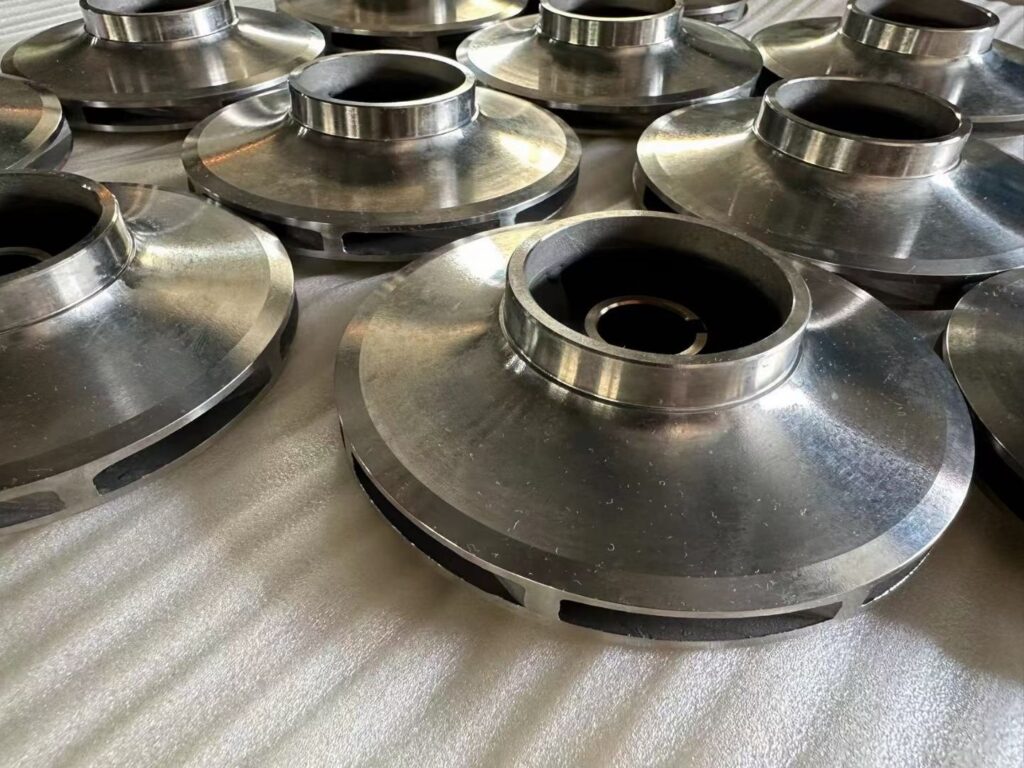
- Sistemas de Manuseio de Fluidos: Este é um dos nossos maiores setores. Produzimos impelidores complexos, acessórios de tubo e corpos de válvula OEM personalizados que requerem tolerâncias apertadas à pressão. O processo de sol de sílica garante os passagens internas suaves necessárias para um fluxo eficiente.
- Máquinas Sanitárias: Para os setores alimentar e médico, o acabamento superficial é inegociável. Fornecemos peças que são eletropolidas para cumprir os padrões de higiene, garantindo que não haja fissuras onde as bactérias possam esconder-se.
- Componentes Arquitetónicos: Fundimos peças estruturais mas estéticas, como aranhas de vidro e suportes de alta resistência. Estas frequentemente passam pelo nosso processo abrangente processo de fundição em aço inoxidável seguido de polimento de espelho para combinar resistência à carga com uma aparência arquitetónica de alta qualidade.
Perguntas Frequentes Sobre Projetos de Aço Inoxidável Fundido
A fundição de aço inoxidável é mais barata do que usinar a partir de um bloco sólido?
Normalmente, depende do volume e da complexidade. Para geometrias complexas, fundir aço inoxidável, é geralmente mais rentável do que usinar a partir de um bloco sólido, pois reduz drasticamente o desperdício de material. Se estiver a produzir centenas ou milhares de peças, o processo de fundição por investimento em aço inoxidável beneficia a sua margem de lucro ao reduzir o custo por unidade. No entanto, para volumes extremamente baixos (como 1 a 5 peças) ou formas muito simples, usinar a partir de stock pode ser mais rápido, pois evita a configuração inicial de ferramentas.
Como controla a porosidade na fundição por investimento?
A porosidade é o inimigo da integridade estrutural. Gerimos isso através de controles rigorosos no nosso método de fundição com Silica Sol Ao otimizar o design da porta e controlar a temperatura do molde durante a vertente, garantimos uma ventilação adequada dos gases e o fluxo do metal. Também usamos matérias-primas de alta pureza para minimizar contaminantes. Para aplicações críticas, verificamos a qualidade interna através de métodos de ensaio não destrutivos para garantir que as peças atendam a padrões industriais rigorosos.
Quais são os tempos de entrega típicos para novas ferramentas?
Como nos especializamos em peças personalizadas com base nos seus desenhos, os tempos de entrega variam dependendo da complexidade do molde. Geralmente, o processo envolve o design do molde, usinagem da ferramenta de alumínio e produção de amostras iniciais para aprovação. Enquanto suportes simples avançam rapidamente, componentes complexos de fundição aeroespacial ou corpos de bombas intricados levam um pouco mais de tempo para serem perfeitos. Focamos em obter a amostra correta na primeira tentativa para facilitar a transição para a produção em massa.
Consegue realizar prototipagem rápida antes da produção em massa?
Sim. Entendemos que precisa validar o ajuste e a função antes de comprometer-se com uma produção em grande escala. Como fornecedor de serviços de fundição OEM, apoiamos a prototipagem para verificar Tolerâncias dimensionais a viabilidade do projeto e do design. Esta fase permite identificar possíveis problemas—como ajustes no ângulo de desmoldagem ou preocupações com a espessura das paredes—garantindo que a produção final prossiga sem contratempos.