
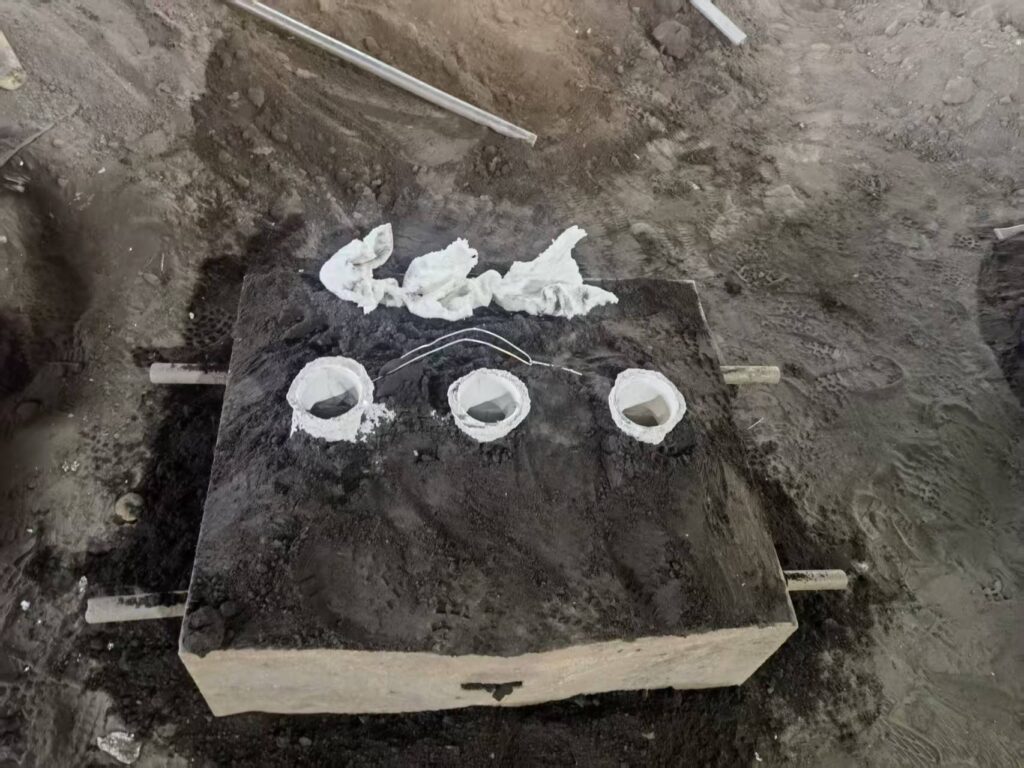
Compreender os Fundamentos do Casting de Areia vs Fundição em Molde de Metal
Ao iniciar um projeto de fabricação de metal, o primeiro obstáculo costuma ser decidir entre casting de areia vs fundição em molde de metal. Enquanto ambos envolvem verter metal fundido em uma cavidade, suas mecânicas, ferramentas e resultados finais diferem significativamente. Especializamo-nos em ajudar a navegar nestes comparativos de processos de fundição de metal para garantir que as suas peças atendam às especificações de desempenho exatas.
O que é Casting de Areia?
Fundição por areia é um processo versátil e tradicional que utiliza um molde de “um e feito” feito de uma mistura à base de areia. É a escolha preferencial para componentes grandes, pesados e geometrias complexas que requerem ajustes de design flexíveis.
O processo passo a passo que seguimos inclui:
- Criação do Molde: Criamos uma réplica da peça (o padrão) para formar a cavidade do molde.
- Preenchimento do Molde: Areia misturada com um agente de ligação é compactada firmemente ao redor do padrão.
- Vazamento: O metal fundido é alimentado no molde através de casting de areia por gravidade, onde o peso do metal preenche a cavidade.
- Resfriamento e Desmoldagem: Assim que o metal solidifica, o molde de areia é quebrado (processo de desmoldagem) para revelar a peça fundida.
Características principais incluem:
- Moldes descartáveis: Um novo molde de areia é destruído a cada fundição.
- Baseado em gravidade: O metal preenche o molde naturalmente sem força mecânica externa.
O que é Fundição por Pressão?
Em contraste, fundição por pressão—especificamente fundição sob alta pressão—foi desenvolvido para produção de alta velocidade e repetibilidade extrema. Utiliza ferramentas de aço permanentes e reutilizáveis.
Nosso processo de fundição por pressão segue estas etapas:
- Injeção de Alta Pressão: O metal fundido é forçado para dentro de um molde de aço de precisão em velocidades e pressões incríveis.
- Resfriamento Rápido: Como o molde de aço conduz o calor rapidamente, o metal solidifica quase instantaneamente.
- Ejeção: O molde reutilizável abre-se, e a peça é ejetada mecanicamente, permitindo que o ciclo reinicie imediatamente para a próxima peça.
Características principais incluem:
- Moldes Permanentes: Moldes de aço de alta qualidade podem produzir dezenas de milhares de peças antes de necessitar de manutenção.
- Preenchimento por Pressão: Alta pressão garante que o metal alcance as paredes mais finas e os detalhes mais delicados.
A Diferença Fundamental
O núcleo diferenças entre fundição por gravidade e fundição em areia reduz-se ao tipo de molde e o mecanismo de enchimento.
| Característica | Fundição em Areia | Fundição por pressão |
|---|---|---|
| Material do Molde | Areia (Descartável/De uso único) | Aço (Perpétuo/Reutilizável) |
| Método de Enchimento | Fluxo por Gravidade | Injeção de Alta Pressão |
| Taxa de Resfriamento | Lento (Areia é um isolante) | Rápido (Aço é um condutor) |
| Ferramentaria inicial | Baixo Custo / Montagem Rápida | Alto Custo / Prazo de entrega longo |
Compreender estes conceitos básicos é a base para fazer uma decisão inteligente fundição em areia vs fundição por gravidade com base no seu volume específico e requisitos de precisão.
Comparação lado a lado: Fundição em areia vs Fundição em molde de pressão
Escolher o método certo depende dos objetivos específicos do seu projeto. Descrevi as diferenças técnicas e financeiras nesta comparação direta para ajudá-lo a decidir qual o processo que melhor se adapta às suas necessidades de produção.
| Característica | Fundição em Areia | Fundição por pressão |
|---|---|---|
| Custos de Ferramental e Configuração | Baixo (padrões económicos) | Alto (moldes de aço caros) |
| Volume de Produção | Baixo a Médio (1 – 1.000 unidades) | Alto (1.000 – 100.000+ unidades) |
| Tamanho e Peso da Peça | Praticamente ilimitado; ótimo para peças enormes | Limitado pelo tamanho da máquina; geralmente menor |
| Tolerâncias dimensionais | Mais solto; requer mais usinagem | Tolerâncias apertadas; alta precisão |
| Qualidade do Acabamento Superficial | Textura áspera, semelhante à areia | Liso, excelente acabamento “como fundido” |
| Espessura da Parede | Mínimo ~3-5mm | Pode alcançar fundição de parede fina (até 1mm) |
| Tempo de Ciclo | Lento (minutos a horas) | Muito rápido (segundos a minutos) |
| Compatibilidade de Materiais | Ferrosos e Não ferrosos (ferro, aço, Al) | Maioritariamente Não ferrosos (Al, Zinco, Mg) |
| Propriedades Mecânicas | Bom, mas mais elevado porosidade em peças fundidas | Resistência superior e estrutura de grão |
| Fatores ambientais | Elevado desperdício de areia; reciclável | Menos desperdício; alto consumo de energia |
Diferenças críticas de desempenho
Ao analisar fundição por pressão vs fundição em areia, a diferença mais imediata é a qualidade da superfície e a velocidade. Se precisa de uma peça de alto desempenho com mínimo pós-processamento, a nossa serviços de fundição de alumínio oferecem o melhor acabamento superficial na fundição e precisão dimensional.
Por outro lado, casting de areia vs fundição em molde de metal custos favorecem o método de areia para componentes industriais em grande escala onde custos de moldes de fundição devem ser mantidos ao mínimo para produções de baixo volume. Recomendamos frequentemente alumínio fundido de qualidade superior para garantir que as propriedades mecânicas atendam aos padrões da sua indústria, independentemente do tipo de molde utilizado.
Prós e Contras da Fundição em Areia

Ao ponderar casting de areia vs fundição em molde de metal, vejo a fundição em areia como o trabalhador mais flexível. É a minha recomendação principal para componentes pesados e projetos onde manter os custos iniciais baixos é uma prioridade.
Por que usamos a fundição em areia
- Custos de Ferramentaria Mais Baixos: Porque usamos moldes de areia em vez de matrizes de aço usinadas caras, o seu investimento inicial é uma fração do que gastaria noutro lugar.
- Flexibilidade Extrema de Tamanho: Não somos limitados pelo tamanho da máquina. Se precisar de uma peça estrutural enorme que pese várias toneladas, a fundição em areia é provavelmente a única opção.
- Variedade de Materiais: Este processo lida com uma vasta gama de metais. É especialmente ideal para fundição em areia de ferrosos projetos envolvendo aço de baixo carbono ou ligas de ferro especializadas que derreteriam ferramentas de fundição em molde padrão.
- Prototipagem rápida: Como podemos criar moldes rapidamente, é a melhor escolha para produções de baixo volume e testes de design antes de se comprometer com a produção em massa.
As Limitações a Considerar
Embora seja versátil, prós e contras da fundição em areia mostram que este método exige alguns compromissos em precisão e velocidade.
- Acabamento de Superfície Mais Rugoso: A areia cria uma superfície naturalmente texturizada. Se precisar de um acabamento espelhado, espere gastar mais em usinagem secundária ou moagem.
- Precisão de Dimensão Inferior: Não obterá as tolerâncias extremamente estreitas encontradas em métodos baseados em pressão. Normalmente, construímos com um excesso de “carne” na peça para ser usinada posteriormente.
- Riscos de Porosidade: Porque o metal é vertido por gravidade, há uma maior probabilidade de pequenas bolsas de ar (porosidade) em comparação com métodos de alta pressão.
- Ciclos de Produção Mais Lentos: Cada molde é “descartável” e deve ser reconstruído para cada fundição, o que aumenta o tempo de trabalho e desacelera a produção em grande volume.
Prós e Contras da Fundição por Pressão de Alta Pressão

Quando precisa de precisão em escala, fundição por pressão é o padrão da indústria para fabricação de alto desempenho. Embora ofereça velocidade e consistência incomparáveis, é importante ponderar os benefícios técnicos contra o investimento inicial necessário.
Vantagens da Fundição por Pressão
Recomendamos fundição sob alta pressão para projetos onde “suficiente” não é uma opção. O processo destaca-se em várias áreas-chave:
- Acabamento de Superfície Superior: Você obtém um acabamento excepcional acabamento superficial na fundição que muitas vezes elimina a necessidade de polimento ou moagem secundária.
- Tolerâncias Apertadas: Conseguimos tolerâncias dimensionais rigorosas na fundição que são muito mais precisas do que os métodos tradicionais baseados em areia.
- Fundição de Parede Fina: Este processo é o padrão ouro para fundição de parede fina, permitindo designs intricados e leves que permanecem estruturalmente sólidos.
- Produção Rápida: Assim que a ferramenta estiver finalizada, o tempo de ciclo é incrivelmente rápido, tornando-se a opção mais eficiente para produções em grande volume.
[Imagem do processo de fundição por pressão]
As Desvantagens e Restrições
Apesar do desempenho, existem limitações específicas a considerar antes de escolher fundição por pressão vs fundição em areia:
- Custos Elevados de Ferramentaria: Os moldes de aço reutilizáveis requerem um investimento inicial significativo, que geralmente exige altos volumes de produção para atingir o ponto de equilíbrio.
- Restrições de Material: O processo é amplamente limitado a ligas não ferrosas como alumínio, zinco e magnésio. Se a sua aplicação exigir materiais ferrosos de alta resistência, como flanges de aço liga personalizados, a fundição em areia é geralmente o método necessário.
- Restrições de Tamanho: O tamanho da peça é limitado pelas dimensões físicas e pela força de aperto da maquinaria de fundição por pressão.
- Prazos de Produção: Projetar e usinar os moldes de aço permanentes leva tempo, o que significa que o cronograma de “início à peça” é mais longo do que a configuração rápida de um molde de areia.
Fundição em Areia vs Fundição por Pressão: Análise de Custos

Custos iniciais de ferramentaria vs Economia por peça
Ao comparar casting de areia vs fundição em molde de metal, o maior obstáculo financeiro é a configuração inicial. A fundição em areia usa padrões baratos feitos de madeira ou plástico, tornando-se a escolha clara para protótipos de baixo volume ou componentes industriais massivos. Em contraste, fundição por pressão vs fundição em areia envolve moldes de aço de alta precisão que representam um investimento inicial significativo.
Encontrando o Ponto de Equilíbrio da Fundição
A mudança na rentabilidade depende quase totalmente do volume total do seu pedido. Embora a fundição por pressão tenha custos de entrada elevados, sua natureza automatizada e velocidade reduzem o custo por peça à medida que a quantidade aumenta.
- Baixo Volume (<1.000 unidades): A fundição em areia costuma ser mais económica devido ao baixo custos de moldes de fundição.
- O Ponto Ideal (1.000–5.000 unidades): Isto é o típico ponto de equilíbrio da fundição onde ambos os métodos se tornam competitivos em preço.
- Alto Volume (5.000+ unidades): O alto volume de produção para fundição em moldes de pressão oferece o menor custo total de propriedade por unidade.
Fatores que Influenciam o Seu Resultado Final
Analisamos três principais fatores ao calcular o custo total do projeto:
- Custos de Material: A fundição em moldes de pressão é limitada a metais não ferrosos, enquanto a fundição em areia lida com uma gama mais ampla de ligas.
- Operações Secundárias: Peças fundidas em areia frequentemente necessitam de usinagem extensiva para atingir as especificações finais. Por exemplo, ao adquirir corpos de válvula OEM personalizados, avaliamos se a precisão da fundição em moldes de pressão elimina etapas de usinagem suficientes para justificar o custo das ferramentas.
- Prazos de Produção: A fundição em areia permite chegar ao mercado mais rapidamente para as primeiras unidades, enquanto os moldes de fundição podem levar semanas ou meses a fabricar.
| Fator de Custo | Fundição em Areia | Fundição por pressão |
|---|---|---|
| Custo de Ferramental | Baixo | Alto |
| Custo de Mão de Obra | Alto | Baixo |
| Desperdício de material | Moderado | Muito baixa |
| Usinagem Necessária | Alto | Mínimo |
Para projetos que requerem materiais especializados, comparar estas opções com processos de fundição por investimento em aço inoxidável garante que não está a gastar mais do que o necessário numa metodologia que não se adequa às suas necessidades específicas de liga ou precisão.
Adequação de Materiais e Aplicações Industriais
Escolher entre casting de areia vs fundição em molde de metal normalmente começa com o metal de que necessita. O processo “melhor” é frequentemente determinado pelo ponto de fusão e peso da liga. Na minha experiência, se precisa da resistência do aço ou ferro, está a olhar para fundição em areia de ferrosos. Se necessita de produção leve e de alta velocidade, fundição de alumínio é o padrão da indústria.
Escolher a Liga Adequada
- Fundição em areia: Este é o campeão de peso pesado. Trata de metais de ponto de fusão elevado que destruiriam um molde de aço permanente. Usamo-lo para ferro cinzento, ferro dúctil e várias ligas de aço.
- Fundição por Estampagem: Este processo é feito para metais não ferrosos. É a escolha principal para alumínio, zinco e magnésio devido aos seus pontos de fusão mais baixos e excelente fluidez sob pressão.
Para obter o melhor desempenho das suas peças, é fundamental compreender a guia de ligas de fundição para tipos e propriedades antes de finalizar o seu projeto.
Casos de Uso Específicos da Indústria
| Indústria | Processo Preferido | Componentes Típicos |
|---|---|---|
| Máquinas Pesadas | Fundição em Areia | Carcaças de bombas grandes, blocos de motor e engrenagens |
| Automotivo | Fundição por pressão | Caixas de transmissão, suportes de motor e tampas de válvula |
| Aeroespacial | Fundição em Areia | Estruturas massivas e componentes de turbinas |
| Eletrónica de consumo | Fundição por pressão | Dissipadores de calor, estruturas de portáteis e carcaças de conectores |
Abordagens Híbridas e Acabamento
Às vezes, o processo de fundição é apenas o primeiro passo. Para peças que requerem tanto a maior parte de uma fundição quanto a precisão de uma peça usinada, utilizamos manufatura híbrida. Isso envolve pegar uma peça produzida através de fundição por pressão vs fundição em areia e aplicar usinagem secundária CNC em superfícies críticas. Isso garante a você a relação custo-benefício da fundição com o Tolerâncias dimensionais necessário para montagens de alto desempenho.
Qualidade e Desempenho em Fundição em Areia vs Fundição em Molde

Ao avaliar o resultado final, a “sensação” e a fiabilidade estrutural de um componente dependem totalmente do método de fundição. Na minha experiência, a troca geralmente envolve equilibrar a estética da superfície contra a densidade estrutural interna.
Estabilidade Dimensional e Acabamento de Superfície
Fundição por Estampagem a Alta Pressão é o claro vencedor para precisão. Oferece ajustes excepcionalmente apertados Tolerâncias dimensionais e uma superfície lisa acabamento superficial na fundição que muitas vezes não requer usinagem secundária. Em contraste, casting de areia por gravidade resulta numa textura mais áspera e granular. Embora funcional, peças fundidas em areia normalmente precisam de fresagem ou moagem extra para atender às especificações exatas, o que aumenta o tempo total de produção.
Integridade Interna e Porosidade
Gerenciar porosidade em peças fundidas é fundamental para aplicações de alta tensão. Enquanto a fundição em molde é mais rápida, a injeção de alta velocidade pode às vezes aprisionar gases, levando a pequenos vazios internos. Fundição por areia geralmente permite uma melhor fuga de gases e é frequentemente preferida para peças de parede grossa e de alta resistência, onde a densidade interna é uma prioridade.
Para garantir que essas peças resistam sob pressão, implementamos medidas rigorosas de testes e controlo de qualidade incluindo inspeções por raios-X e ultrassom para verificar resistência à fadiga e integridade estrutural.
Análise de Desempenho
| Característica | Fundição em Areia | Fundição por pressão |
|---|---|---|
| Tolerâncias dimensionais | Menor precisão; margens mais amplas | Alta precisão; margens muito apertadas |
| Qualidade da Superfície | Textura áspera, semelhante à areia | Liso, pronto para pintura/chapagem |
| Porosidade Interna | Menor risco em secções grossas | Risco mais elevado devido à injeção de alta velocidade |
| Pós-Processamento | Normalmente necessário | Mínimo ou nenhum |
O impacto no uso final é significativo. Para carcaças decorativas ou eletrónicas de alta precisão, a repetibilidade da fundição em molde de areia é incomparável. No entanto, para componentes massivos de alta integridade encontrados na indústria mineira, a natureza robusta de uma peça de areia fundida é frequentemente a escolha mais fiável.
Escolher o Processo Certo: Guia de Decisão
Decidindo entre casting de areia vs fundição em molde de metal não se trata apenas do design da peça; trata-se do seu resultado final e do cronograma de produção. Para tomar a decisão certa, é necessário analisar o ciclo de vida completo do seu projeto, e não apenas o preço inicial.
Perguntas-chave para o seu projeto
- Qual é o volume de produção anual? Volumes baixos favorecem a fundição em areia, enquanto volumes elevados exigem a rapidez da fundição em molde de pressão.
- Quais são os requisitos de material? Se precisar de metais ferrosos, a fundição em areia costuma ser a única opção.
- Qual é o nível de precisão necessário? A fundição em molde de pressão oferece tolerâncias mais apertadas “como fundido”, reduzindo a necessidade de usinagem secundária.
- Qual é o orçamento para ferramentas? A fundição por pressão exige um investimento inicial significativo em matrizes de aço.
Matriz de Decisão Rápida
| Característica | Fundição em Areia | Fundição por pressão |
|---|---|---|
| Volume Ideal | 1 a 1.000 unidades | Mais de 5.000 unidades |
| Custo de Ferramental | Mínimo | Significativo |
| Tempo de entrega | Rápido (Semanas) | Lento (Meses para ferramentas) |
| Qualidade da Superfície | Granular/Bruto | Liso/Acabado |
Para projetos que requerem materiais específicos de alto desempenho, o nosso guia de processos e ligas oferece uma análise detalhada de como diferentes metais se comportam nesses ambientes.
Erros Comuns a Evitar
- Sobrecarga na Finalização: Não opte pelo alto custo da fundição por pressão apenas por uma superfície lisa se a peça estiver escondida dentro de uma montagem onde um acabamento por areia é aceitável.
- Ignorar o Ponto de Equilíbrio: Falhar ao calcular quando o baixo custo por peça da fundição por pressão compensa o alto custos de moldes de fundição pode levar a grandes excedentes no orçamento.
- Desalinhamento de Materiais: Lembre-se de que a fundição por pressão é geralmente restrita a ligas não ferrosas. Se a sua aplicação exigir a resistência do aço, revisar o nosso processo de fundição em aço inoxidável irá esclarecer por que a fundição por areia ou fundição de investimento é a melhor opção.
- Subestimar os Tempos de Produção: Moldes de fundição por gravidade levam tempo a serem projetados e construídos. Se precisa de peças no próximo mês, a fundição em areia é a sua única opção viável.
Por que Parceirar com Vastmaterial para Fundição em Areia vs Fundição por Gravidade
Decidindo entre casting de areia vs fundição em molde de metal é um fator importante para o sucesso do seu projeto. Na Vastmaterial, eliminamos as dúvidas oferecendo expertise de alto nível em ambos os métodos. Entendemos que a escolha entre fundição por pressão vs fundição em areia impacta o seu resultado final e o desempenho das peças, por isso fornecemos a orientação técnica necessária para tomar a decisão certa.
Nossas Capacidades Principais
Nosso fundição de ligas metálicas foi desenvolvida para atender aos rigorosos padrões do mercado europeu. Não apenas fundimos metal; projetamos soluções que garantem que seus fundição em areia vs fundição por gravidade componentes sejam confiáveis e econômicos.
- Apoio de Ciclo Completo: Gerimos tudo desde o design inicial do molde até ao acabamento superficial final e usinagem.
- Integração de Precisão: Nossa equipa especializa-se em Fundição de Precisão serviços que reduzem desperdício e operações secundárias.
- Desenvolvimento de Ligas Personalizadas: Trabalhamos com uma vasta gama de materiais, incluindo aço inoxidável, alumínio e ligas especiais de alta resistência.
- Qualidade Líder no Setor: Utilizamos testes rigorosos para garantir que cada peça cumpra tolerâncias dimensionais estritas e especificações de desempenho.
Orgulhamo-nos de ser um parceiro fiável para indústrias que não podem permitir falhas. Quer precise de uma grande caixa de ferro ou de um suporte de alumínio complexo e de paredes finas, temos o equipamento e a experiência para entregar peças de alto desempenho no prazo e dentro do orçamento.
Pingback: Como Fundir Latão com Segurança Métodos Passos e Dicas Profissionais - Vastmaterial