
Rapid prototyping medical device parts with vastmaterial using CNC and 3D printing fast quotes precise biocompatible materials and tight tolerances.
Our Medical Device Prototyping Capabilities
We accelerate the development cycle for medical technology companies by providing integrated rapid prototyping medical device services. From handheld surgical tools to complex diagnostic equipment, our manufacturing infrastructure supports strict tolerances and rapid turnarounds of 3–7 days. We combine advanced machining with additive manufacturing to deliver functional prototypes that meet rigorous testing standards.
Medical CNC Machining (Precision Milling & Turning)
Our facility utilizes high-speed 3, 4, and 5-axis CNC machines to produce medical components with tolerances as tight as ±0.01mm. We specialize in machining complex geometries required for orthopedic implants and surgical instrumentation.
- Capabilities: High-speed milling, turning, and EDM.
- Materials: Medical-grade Titanium, Stainless Steel (304/316L), Aluminum (6061/7075), and Brass.
- Application: Ideal for functional metal prototypes requiring high strength and sterilization compatibility.
Medical 3D Printing (SLA, SLS, SLM)
We offer versatile biocompatible 3D printing solutions for anatomical models, surgical guides, and wearable devices. This method eliminates tooling costs, allowing engineers to iterate designs rapidly.
- SLM (Selective Laser Melting): Direct metal printing for complex titanium or stainless steel parts.
- SLA & SLS: High-resolution plastic printing for visual models and fit-checks using resins and nylon (PA12).
- Advantage: Enables the creation of intricate internal lattice structures impossible to achieve with traditional machining.
Vacuum Casting & Urethane Molding
For low-volume production runs (typically 20–50 units) needed for clinical trials or marketing samples, we utilize vacuum casting. This process uses silicone molds to produce parts that mimic the mechanical properties of injection-molded plastics.
- Materials: A wide range of resins simulating ABS, PC, PMMA, and rubber.
- Finish: High-quality surface finishes comparable to final production parts, suitable for aesthetic validation.
Sheet Metal Fabrication for Medical Enclosures
We fabricate durable, high-precision housings for MRI machines, medical carts, and bedside monitors. Our end-to-end service includes laser cutting, bending, and welding, followed by medical-grade surface treatments.
- Finishing Options: Powder coating, anodizing, and laser etching for device labeling.
- Durability: Ensures robust protection for sensitive electronic components in hospital environments.
Biocompatible Materials for Medical Applications
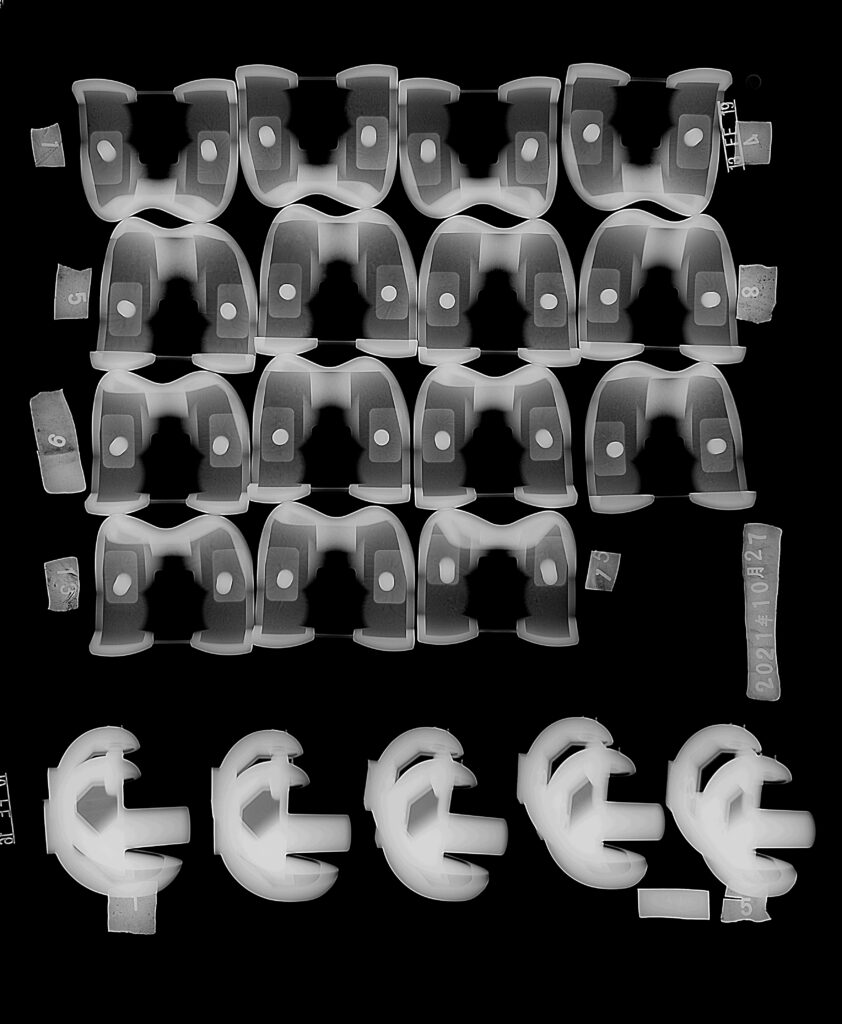
Selecting the right material is critical when developing a rapid prototyping medical device. The material doesn’t just need to look good; it often needs to withstand sterilization processes like autoclaving or be safe for direct contact with the human body. We stock a wide range of medical-grade raw materials to ensure your prototypes perform exactly like the final product during testing.
Medical Plastics: PEEK, Silicone, & Polycarbonate
For lightweight and radiolucent components, our plastic options provide the versatility needed for complex geometries.
- PEEK (Polyetheretherketone): This is the high-performance standard for medical applications. It offers excellent chemical resistance and thermal stability. Our PEEK machining medical services are ideal for creating spinal cages, bone screws, and surgical instruments that require high strength without the weight of metal.
- Polycarbonate (PC): Known for its optical clarity and impact resistance, PC is perfect for fluid handling components, connectors, and transparent housings where visibility is key.
- Medical Grade Silicone: We use medical grade silicone molding for flexible parts like gaskets, seals, and keypad covers. It is hypoallergenic and durable, making it safe for skin contact.
Medical Metals: Titanium, Stainless Steel, & Aluminum
When rigidity and superior strength are required, our metal options deliver the reliability needed for surgical and structural applications.
- Titanium (Ti6Al4V): Famous for its biocompatibility and strength-to-weight ratio, Titanium is the go-to for implants and high-stress surgical tools. We specialize in Titanium rapid prototyping via CNC and DMLS (Direct Metal Laser Sintering) to produce intricate structures that traditional casting cannot match.
- Stainless Steel (316L & 17-4PH): The industry standard for surgical instruments. It resists corrosion and holds a sharp edge, making it essential for scalpels, clamps, and forceps.
- Aluminum (6061 & 7075): Often used for external medical equipment housings and robotic arms. Understanding the tensile strength of aluminum is vital for engineers designing handheld diagnostic devices that need to be durable yet lightweight enough for daily hospital use.
Applications: From Surgical Tools to Wearables
Rapid prototyping medical device projects require more than just speed; they demand absolute precision and material compliance. At Haoyu Material Technology, we support medical engineers across the entire product development lifecycle, from initial concept models to functional testing and low-volume production.
Surgical Instruments & Robotic Components
Surgical instrument prototyping is one of our core strengths. We understand that tools used in the operating room, such as scalpels, forceps, and retractors, must meet strict ergonomic and dimensional standards.
- High Precision: We achieve tolerances up to ±0.01mm for complex robotic end-effectors.
- Material Versatility: We machine medical-grade Stainless Steel (304, 316, 17-4PH) and Titanium for durability and sterilization resistance.
- Surface Finish: Our team provides passivation and electropolishing to ensure smooth, bacteria-resistant surfaces.
Diagnostic Devices & Handheld Monitors
For non-invasive equipment, the focus often shifts to the housing and user interface. We help developers validate the fit, form, and function of handheld monitors and diagnostic scanners.
- Enclosures: We use vacuum casting to create urethane housings that mimic production plastics like ABS or PC.
- Overmolding: We can prototype soft-touch grips and buttons for better ergonomics.
- Visual Models: Our finishing team applies professional painting and texturing for marketing samples and trade show models.
Implants, Prosthetics, & Bone Plates
Manufacturing parts intended for long-term implantation requires rigorous quality control and biocompatible materials. We specialize in producing custom orthopedic implants and prosthetics that match patient-specific anatomy.
- Titanium & PEEK: We utilize CNC machining and 3D printing to shape biocompatible materials into complex lattice structures for bone ingrowth.
- Joint Reconstruction: We manufacture high-strength orthopedic components like tibial plateau implants used in knee fracture reconstruction and arthroplasty.
- Trauma Plates: Our 5-axis CNC machines can mill contoured bone plates with precise screw holes and locking mechanisms.
Drug Delivery Systems & Inhalers
Developing fluid management and drug delivery devices involves handling complex internal channels and micro-features.
- Micro-Machining: We handle fine details required for nozzles, valves, and nebulizer components.
- Clear Prototypes: We use SLA 3D printing and CNC machining of PMMA/Polycarbonate to create transparent parts for flow visualization testing.
- Functional Testing: Our rapid prototyping medical device services allow for quick iteration of internal geometries to optimize airflow and dosage accuracy.
Quality Assurance & Regulatory Support
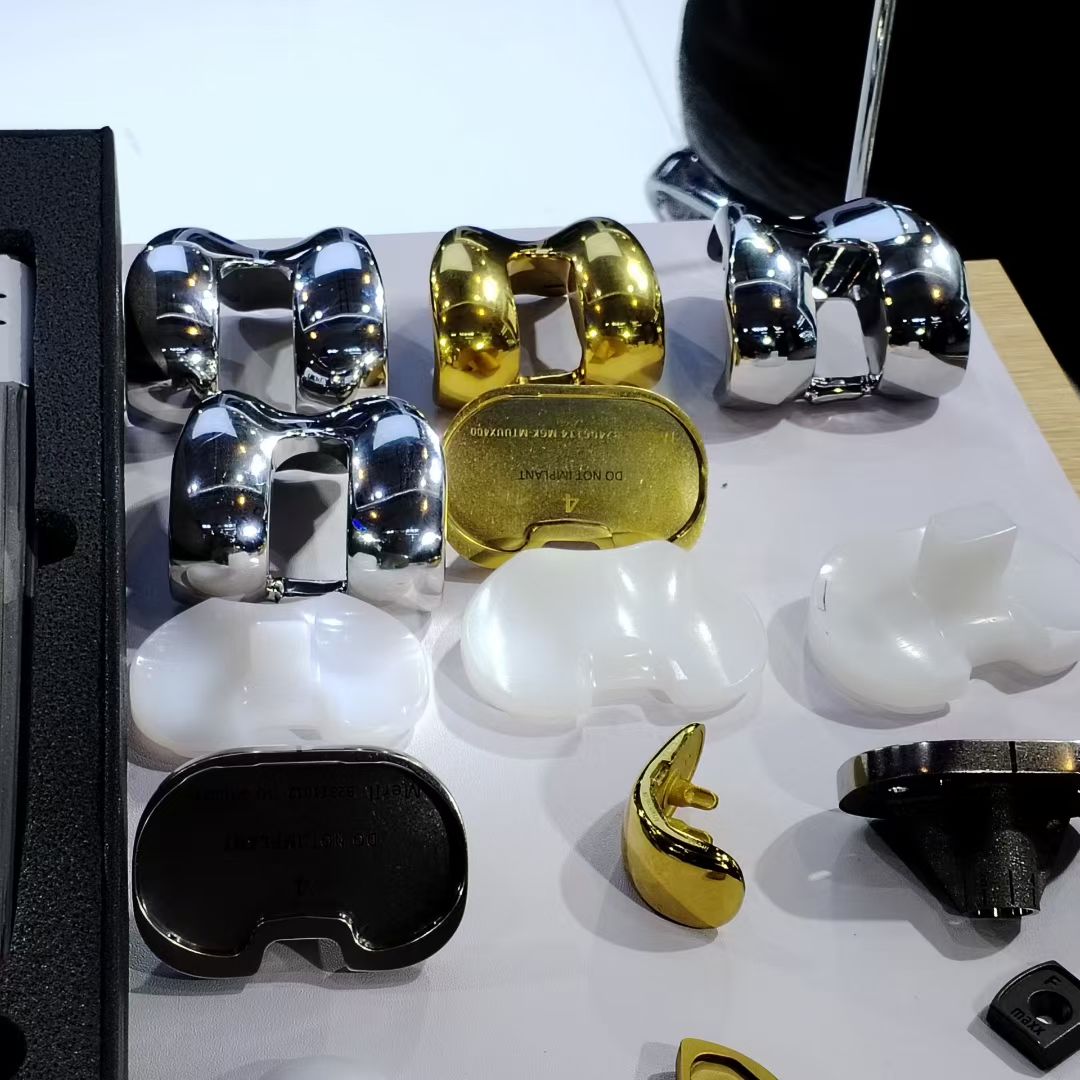
When developing a rapid prototyping medical device, there is zero room for error. We understand that the transition from a prototype to a marketable medical product requires rigorous validation. Our quality management system is built to support the high standards of the US healthcare market, ensuring your parts meet strict specifications every single time.
ISO 9001:2015 Certified Manufacturing
We operate under a strict ISO 9001:2015 certified framework. While speed is essential in prototyping, consistency is non-negotiable. Our process controls ensure that every batch of precision medical components is manufactured with the same level of care, reducing the risk of defects.
While we focus on rapid manufacturing, our workflows are designed to align with ISO 13485 compliant manufacturing principles. This makes the eventual transfer to full-scale medical production much smoother for your regulatory team.
Inspection Reports, CMM, & Material Traceability
Trust is good, but verification is better. We validate every critical dimension using Coordinate Measuring Machines (CMM) and provide detailed inspection reports with your shipment.
Material traceability is standard procedure here. We provide Certificates of Compliance (CoC) and material certifications (MTRs) to prove that the raw materials used are genuine and biocompatible. For metal components requiring enhanced durability, we verify that secondary operations, such as aluminium heat treating processes, have achieved the specific tempers and performance metrics required for your application.
- Dimensional Reports: Full CMM data verification.
- Material Certs: Traceability back to the mill.
- Surface Roughness: Ra testing for critical finishes.
Confidentiality & NDA Adherence
Your Intellectual Property (IP) is your most valuable asset. We take confidentiality seriously. We are fully accustomed to working under strict Non-Disclosure Agreements (NDAs) to protect your proprietary designs. Whether you are developing a novel surgical robot or a new drug delivery system, your data remains secure within our facility, accessible only to the engineers directly working on your project.
Why Choose Vastmaterial for Medical Development?
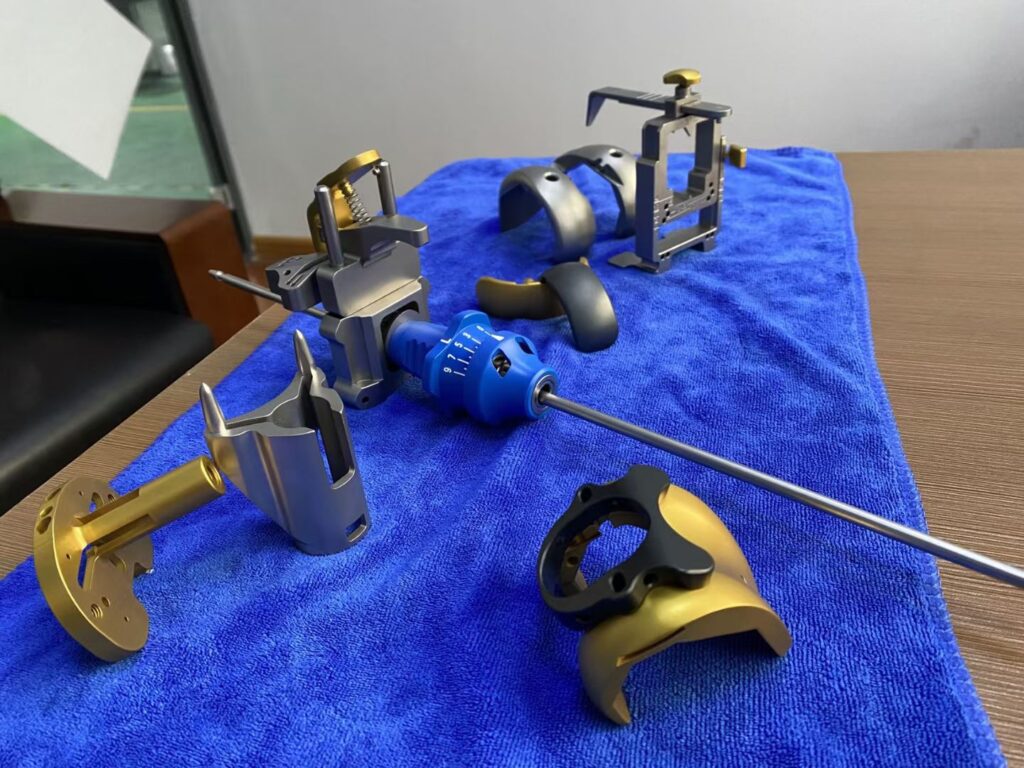
When you are racing to get a rapid prototyping medical device through clinical trials, every hour counts. We understand the high stakes of medical device product development, which is why we have optimized our workflow to support engineers and procurement teams across the US. We don’t just manufacture parts; we provide a streamlined pathway from initial concept to final validation.
Speed: Quotes in 24 Hours, Shipping in 3-7 Days
We know you cannot afford to wait weeks for feedback. Upload your CAD files (STEP, STP, IGS), and our team will provide a detailed quote within 24 hours. Once production begins, we leverage high-speed machining and additive manufacturing to ship functional prototypes in as little as 3 to 7 days. This agility allows you to iterate designs quickly and accelerate your time to market.
Free Design for Manufacturability (DFM) Analysis
Avoid costly revisions later in the process. We provide free DFM analysis with every order. Our engineers review your digital models to identify potential machining risks or geometry issues, ensuring your precision medical components are optimized for manufacturing before we cut a single chip.
Specialized Medical Surface Finishing
Medical hardware requires strict surface qualities for hygiene, aesthetics, and biocompatibility. We offer comprehensive in-house finishing services, including anodizing, passivation, laser etching, and bead blasting. Whether you require a matte finish for handheld tools or a high-polish surface for stainless steel and alloy steel components, we ensure your parts meet rigorous industry standards.
Scalability: From Prototype to Low-Volume Production
Our capabilities grow with your project. You can start with a single unit for fit-checks and seamlessly scale up to low-volume medical manufacturing without switching suppliers. We maintain consistent quality control whether we are making one part or one thousand.
| Feature | Benefit for Medical R&D |
|---|---|
| Rapid Turnaround | Receive parts in 3-7 days to speed up clinical testing. |
| Tight Tolerances | Achieve ±0.01mm precision for complex surgical assemblies. |
| Material Variety | Access medical-grade PEEK, Titanium, and Stainless Steel 316L. |
| One-Stop Shop | Integrated sourcing, machining, and finishing reduce supply chain risk. |
Frequently Asked Questions (FAQ)
What is the fastest method for medical device prototyping?
For immediate visual models and initial fit checks, 3D printing technologies like SLA or SLS are the fastest options, often turning around parts within 24 to 48 hours. However, if you need functional parts to test mechanical strength, our medical CNC machining services are the superior choice. We can typically machine and finish rapid prototyping medical device components in standard engineering materials within 3 to 7 days, balancing speed with structural integrity.
Do you offer FDA-approved materials?
We provide a wide range of biocompatible materials suitable for FDA Class I/II device prototyping and testing. Our inventory includes medical-grade plastics like PEEK, PSU, and medical-grade nylons, as well as metals like Titanium (Ti6Al4V) and Stainless Steel 316L. While we supply the material certifications (COA) and ensure traceability, the final FDA approval process for the device itself is handled by the customer.
Can you handle micro-machining for medical parts?
Yes, we specialize in manufacturing precision medical components with extremely tight tolerances down to ±0.01mm. This level of accuracy is essential for surgical instrument prototyping, minimally invasive tools, and tiny robotic components. Our 5-axis CNC equipment allows us to machine complex micro-features that standard machining centers cannot achieve, ensuring your design functions exactly as intended during clinical trials.