

Вы сомневаетесь, стоит ли обрабатывать сложный компонент или перейти на литье из нержавеющей стали?
Это критическое решение, которое влияет на бюджет и сроки вашего проекта. Вам нужна превосходная коррозионная стойкость нержавеющей стали, но традиционная обработка часто слишком дорогая для сложных геометрий.
В качестве специалиста по производству в Вастматериал, я видел, как правильный метод литья может снизить производственные расходы более чем на 30% без ущерба для структурной целостности. Но нужно выбрать правильный процесс.
В этом руководстве вы узнаете основные различия между инвестиционное литье и песочным литьем, как выбрать правильный стандарты ASTM (например, CF8 против 304), и как обеспечить надежное снабжение.
Приступим к работе.
Почему выбирают литье из нержавеющей стали?
В Vastmaterial мы понимаем, что выбор правильного производственного процесса так же важен, как и выбор сплава. Литье из нержавеющей стали остаётся лучшим выбором для инженеров, которым необходим баланс между свободой дизайна, структурной целостностью и экономической эффективностью. В отличие от сварных конструкций или деталей, обработанных из цельного блока, литье позволяет производить монолитные детали, исключая слабые места, связанные с соединениями и сваркой.
Достижение сложных геометрий и внутренних каналов
Одним из основных преимуществ нашего литейного процесса является возможность создавать сложные формы, которые невозможно или слишком дорого обрабатывать. Мы используем точном литье техники для производства компонентов с:
- Внутренними полостями и системами охлаждения.
- Сложными вырезами и тонкостенными секциями.
- Оптимизированные траектории потока, необходимые для корпусов насосов и клапанных компонентов.
Эффективность использования материалов и производство с почти конечной формой
Нержавеющая сталь — это материал высокой стоимости, поэтому сокращение отходов является приоритетом. Мы используем Хотя мы стремимся к для литья компонентов, которые максимально точно соответствуют конечным размерам, указанным в ваших чертежах. Такой подход значительно сокращает количество необходимого сырья и минимизирует вторичные операции механической обработки. Удаляя меньше материала, мы снижаем общие затраты на производство, сохраняя целостность сплава.
Изотропия и однородные механические свойства
Кованая или прокатная сталь часто проявляет анизотропные свойства, то есть её прочность зависит от направления зернистости. В отличие от этого, литье из нержавеющей стали обеспечивает изотропию, обеспечивая однородные механические свойства во всех направлениях. Такая структурная стабильность важна для компонентов, подвергающихся многоплановым нагрузкам и тепловым циклам в промышленной среде.
Универсальность размеров — от прецизионных деталей до тяжелого оборудования
Наши производственные возможности позволяют масштабировать производство в зависимости от конкретных требований проекта. Мы адаптируем наши методы литья под размеры и допуски компонента:
| Метод литья | Размер компонента | Типичное применение |
|---|---|---|
| Литье по выплавляемым моделям (Lost Wax) | Маленькие и средние (от граммов до примерно 100 кг) | Высокоточные клапанные штоки, импеллеры, кронштейны. |
| Пескоструйное литьё | Средние и большие (до нескольких тонн) | Крупные корпуса насосов, кольца для печей, части печей. |
Независимо от того, нужны ли вам высокоточные мелкие детали или массивные конструкционные компоненты, наша литейная мастерская обеспечивает стабильное качество во всех диапазонах размеров.
Понимание процессов литья
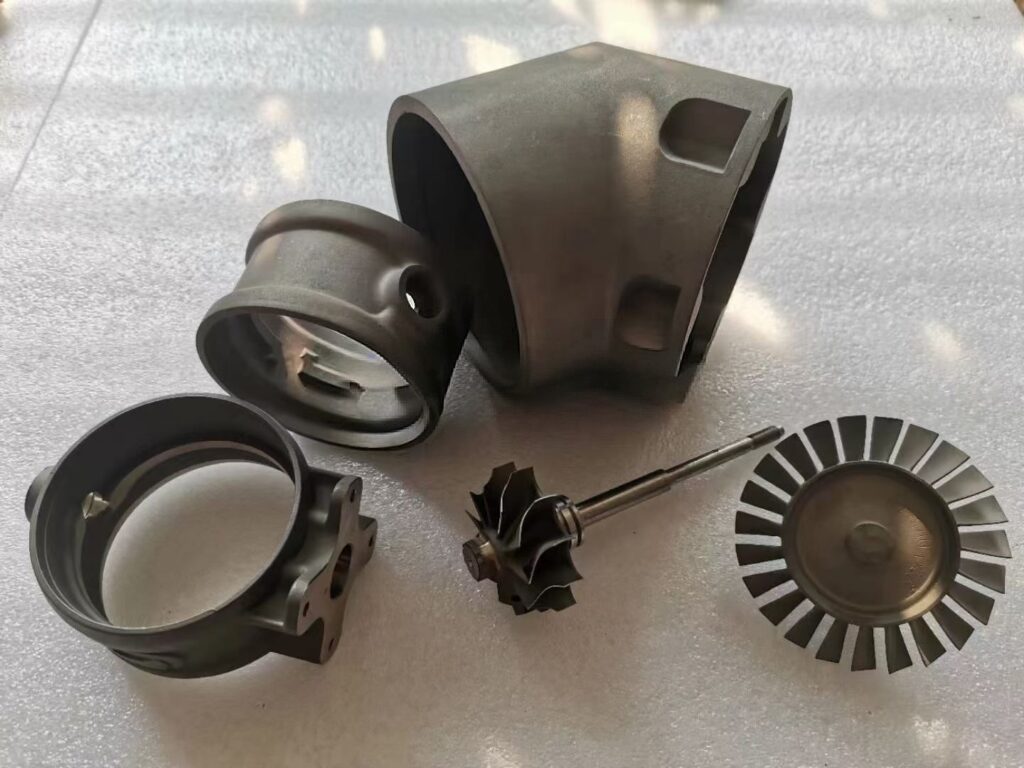
Выбор правильного метода производства имеет решающее значение для балансировки стоимости, скорости и качества. В нашей литейной мастерской мы подбираем конкретную геометрию и объемные требования вашего проекта к наиболее эффективной технологии литья. Независимо от того, нужны ли вам сложные детали или массивная структурная прочность, мы используем различные процессы для обеспечения высокопроизводительных решений. литье из нержавеющей стали компонентов.
Литьё под давлением (Lost Wax) для высокой точности
Когда ваш дизайн требует точных размеров размерные допуски и превосходной поверхности, процесс литья по выплавляемым моделям является нашим основным выбором. Также известный как литье по lost wax, этот метод идеально подходит для сложных геометрий с внутренними каналами или тонкими стенками, которые невозможно обработать из цельного блока.
- Близкое к конечной форме: Мы производим детали, приближенные к их окончательной форме, что значительно снижает необходимость вторичной обработки.
- Многофункциональность: Идеально подходит для сложных клапанных деталей, импеллеров и детализированных компонентов оборудования.
- Завершение: Обеспечивает гладкую поверхность прямо из формы.
Для компаний, ищущих поставку этих прецизионных компонентов, понимание возможностей лучшего производителя литья из нержавеющей стали важно для обеспечения соответствия вашим спецификациям.
Песочное литьё для крупных тяжелых компонентов
Для крупных промышленных применений, где важны вес и долговечность, песочное литье является отраслительным стандартом. Этот процесс позволяет заливать большие объемы расплавленной нержавеющей стали для создания тяжелых деталей, таких как корпуса насосов, компоненты печей и крупные конструкционные фитинги. Хотя поверхность получается более шероховатой по сравнению с точном литье, он предлагает экономически эффективное решение для производства тяжелых машинных деталей в низких и средних объемах.
Оболочечное формование для высокой производительности
Оболочечное формование занимает промежуточное положение между песочным литьем и литьем под давлением. Оно использует смолонаполненный песок для формирования формы, обеспечивая лучшую точность размеров и более гладкую поверхность по сравнению с традиционным песочным литьем. Этот метод отлично подходит для серийного производства с высокой скоростью и стабильностью, что позволяет нам поддерживать надежный поток для вашей цепочки поставок.
Ключевые марки нержавеющего литья (стандарты ASTM A351)
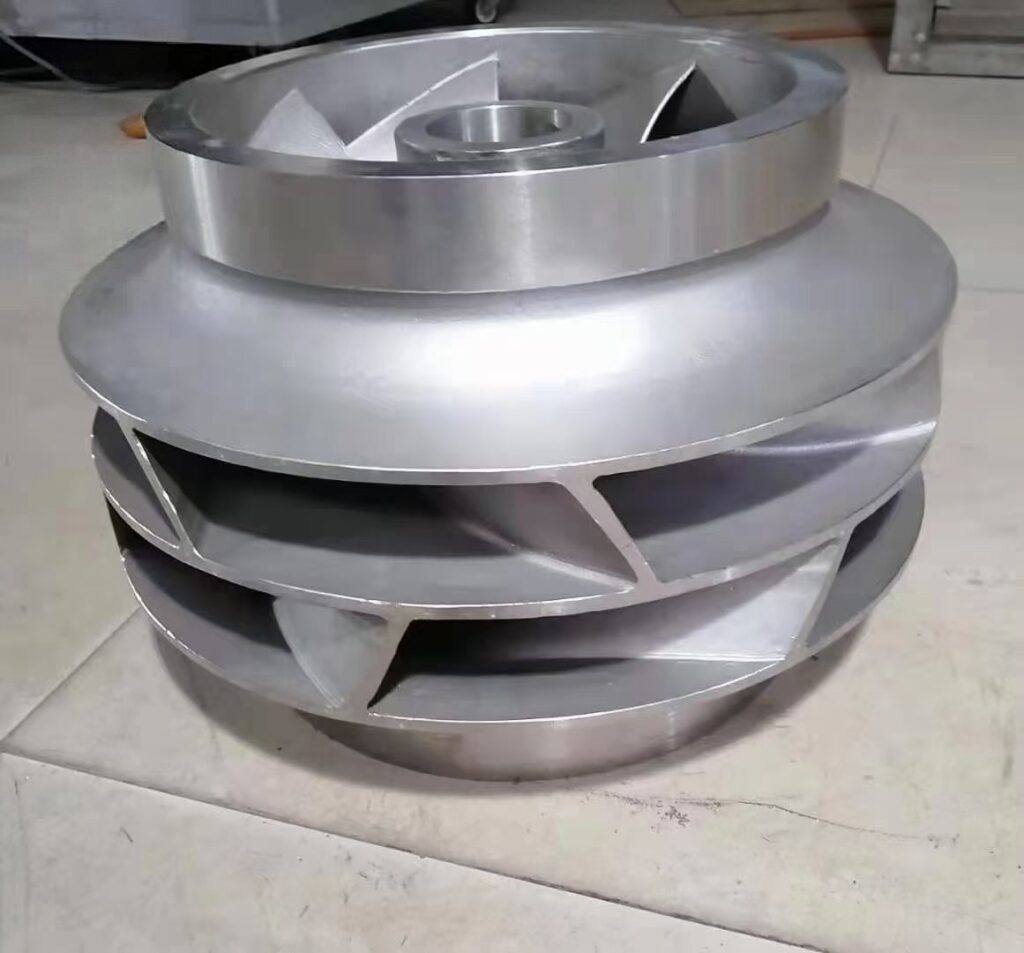
При закупке литье из нержавеющей стали, понимание стандарта ASTM A351 критично. Эта спецификация охватывает аустенитные и дуплексные отливки, используемые в компонентах, содержащих давление. Хотя многие покупатели знакомы с ковкими марками, такими как 304 или 316, индустрия литья использует специальные обозначения, которые немного изменяют химический состав для улучшения текучести и литейных свойств.
Вот разбивка наиболее распространённых сплавов, которые мы отливаем на заводе:
CF8 против 304: Общая коррозионная стойкость
CF8 является литейным эквивалентом ковкой нержавеющей стали 304. Это основной сплав для общих применений, требующих хорошей устойчивости к коррозии и стойкости к окислению при температуре до 1500°F (816°C). Обычно мы используем CF8 для корпусных частей насосов, корпусов клапанов и архитектурных фитингов, где воздействие агрессивных хлоридов минимально. Он обеспечивает отличную пластичность и ударную вязкость, что делает его универсальным выбором для стандартных промышленных деталей.
CF8M против 316: Высокая стойкость к питтингу
Для условий, содержащих хлориды, морскую воду или агрессивные химикаты, CF8M является предпочтительным выбором. Эквивалентен ковке 316, этот класс содержит 2-3% молибдена. Это добавление значительно повышает сопротивляемость питтингу и коррозии в зазорах. В споре о CF8 против CF8M, последний всегда является лучшим вариантом для морского оборудования и химической промышленности, хотя и стоит немного дороже по материалам.
CF3 и CF3M: низкоуглеродные варианты для сварки
Когда компоненты требуют обширной сварки при сборке, мы рекомендуем CF3 (эквивалент 304L) или CF3M (эквивалент 316L). Буква “L” означает низкое содержание углерода. Снижение содержания углерода предотвращает осаждение карбидов на границах зерен во время сварки, что защищает деталь от межкристаллитной коррозии. Эти марки сохраняют те же механические свойства, что и их стандартные аналоги, но обеспечивают лучшую долговечность в сварных соединениях.
Дуплексные марки (CD4MCu) для условий высокой нагрузки
Для применений, требующих большей прочности, чем у стандартных аустенитных марок, литейная нержавеющая сталь дуплекс является решением. Марки, такие как CD4MCu, имеют микроструктуру, состоящую из аустенита и феррита. Эта двухфазная структура обеспечивает вдвое большую прочность на растяжение по сравнению с CF8M и исключительную стойкость к стресс-коррозийному растрескиванию и эрозии. Мы часто отливаем дуплексные сплавы для абразивных насосов и компонентов морского оффшорного оборудования, где стандартная нержавейка не справляется.
Общие дефекты и методы их предотвращения
Даже при использовании передовых технологий производство литье из нержавеющей стали требует строгого контроля процесса для предотвращения распространенных дефектов, таких как пористость, усадка и неровности поверхности. Мы решаем эти задачи на этапе инженерных расчетов, чтобы обеспечить соответствие каждого компонента требуемым размерные допуски и механическим стандартам.
Контроль пористости и усадки с помощью конструкции литниковой системы
Пористость и усадочные раковины — наиболее распространенные проблемы при литье металлов, часто вызванные захватом газа или неправильными скоростями затвердевания. Мы снижаем их риск с помощью точного проекта литниковой системы— системы каналов, которая направляет расплавленный металл в форму.
- Программное обеспечение для моделирования: Мы анализируем потоки и схемы затвердевания перед заливкой, чтобы предсказать горячие точки.
- Размещение подъемников: Стратегическое расположение подъемников подает расплавленный металл в отливку по мере охлаждения, предотвращая появление усадочных пор.
- Контроль температуры: Поддержание точных температур заливки снижает растворимость газа, что важно для контроль пористости сталь grades like 316L and 304.
Решение проблем с отделкой поверхности после литья
В то время как инвестиционное литье естественно обеспечивает гладкую поверхность, однако некоторые промышленные применения требуют еще более низкого Ra шероховатости поверхности. Шероховатость или мелкие включения могут быть устранены с помощью вторичных операций. Для достижения необходимой текстуры или коррозионной стойкости, мы применяем специальные услугами по обработке поверхности методы обработки, такие как дробеструйная обработка, пассивация и травление. Эти шаги улучшают внешний вид и удаляют поверхностные загрязнения, которые могут привести к ржавчине.
Контроль качества и неразрушающий контроль (НК)
Визуальный осмотр недостаточен для критичных промышленных деталей. Мы полагаемся на комплексные Неразрушающий контроль (НКТ) методы для проверки внутренней целостности без повреждения компонента. Наш строгий протоколы тестирования и контроля качества гарантирует соответствие каждой партии стандартам ISO 9001:2015.
- Химический анализ: Оптические спектрометры подтверждают, что состав сплава соответствует спецификациям ASTM.
- Физические испытания: Мы проводим испытания на растяжение и твердость для проверки механических свойств.
- Внутренний осмотр: Методы, такие как ультразвуковое или радиографическое тестирование, обнаруживают дефекты под поверхностью, которые могут повлиять на работу в полевых условиях.
Промышленные отрасли, использующие литую нержавеющую сталь
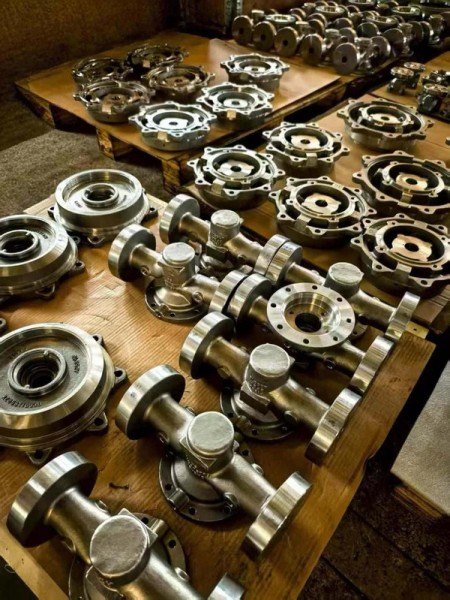
Литье из нержавеющей стали являются основой секторов, где отказ материала недопустим. Мы поставляем компоненты, выдерживающие экстремальные давления, агрессивные химикаты и высокие температуры ежедневно. Наша литейная мастерская адаптирует состав сплава и метод литья для соответствия конкретным нормативам и требованиям каждой отрасли.
Морские и оффшорные применения
Среды с соленой водой требуют самого высокого уровня устойчивости к коррозии. Мы обычно используем нержавеющие стали CF8M (316) и дуплекс для морского оборудования, такого как корпуса насосов, импеллеры и клапанные компоненты. Эти материалы активно сопротивляются патины и коррозии в трещинах, обеспечивая долговечность даже в суровых оффшорных буровых установках и судостроении.
Гигиенические фитинги для пищевой промышленности
В пищевой переработке гигиена — приоритет номер один. Наши процесс литья по выплавляемым моделям обеспечивают гладкую поверхность, предотвращающую рост бактерий. Мы производим санитарные фитинги, мешалки и корпуса клапанов из пищевой нержавеющей стали 304 и 316. Эти детали выдерживают частые мойки и агрессивные чистящие химикаты без деградации.
Автомобильная и аэрокосмическая термостойкость
Двигатели и системы выпуска работают при высоком тепловом напряжении. Мы предоставляем термостойкие литые детали из высокопроизводительных сплавов, таких как 310S и специальные стали серии 400. Эти компоненты сохраняют структурную целостность при высоких температурах, что делает их незаменимыми для корпуса турбонагнетателей и выпускных коллекторов. Для более крупных и прочных деталей двигателя наши решения для крупносерийных стальных отливок обеспечивают необходимую долговечность для тяжелого оборудования.
Строительные и конструкционные компоненты
Современная архитектура опирается на отлитую нержавеющую сталь как для эстетики, так и для несущей прочности. От стеклянных креплений-пауков до тяжелых кронштейнов — мы гарантируем, что каждый элемент соответствует строгим допускам по размерам. Используя процессу литья нержавеющей стали, создаем сложные архитектурные формы, сочетающие визуальную привлекательность с механическими свойствами, необходимыми для безопасности в коммерческих зданиях.
Закупки у Vastmaterial: что искать в литейном заводе
Поиск надежного партнера для литье из нержавеющей стали выходит за рамки простого сравнения прайс-листов; необходимо убедиться, что литейный завод способен обеспечить стабильное качество и инженерную поддержку. В Vastmaterial мы согласовали наши производственные протоколы с жесткими требованиями российского рынка, чтобы каждый компонент соответствовал вашим точным спецификациям.
Основные сертификаты (ISO 9001, PED, ASTM)
Гарантия качества начинается с подтвержденных стандартов. Мы работаем по строгой сертифицированной системе менеджмента качества ISO 9001:2015 обеспечивая повторяемость и прослеживаемость наших процессов. Независимо от того, требует ли ваш проект соблюдения стандартов ASTM A351 для деталей, содержащих давление, или специальных требований PED, мы проверяем состав материалов и механические свойства в нашей собственной лаборатории с использованием оптических спектрометров и металловедческих испытаний.
Внутренние вторичные операции и ЧПУ-обработка
Сырой отливки редко являются финальным этапом. Чтобы снизить логистическую сложность и риски, мы предоставляем комплексные услуги ЧПУ обработки обработки непосредственно на нашем предприятии. Эта интеграция позволяет нам сократить разрыв между грубой отливкой и финальной сборкой, обеспечивая строгие размерные допуски требования к размерам без взаимных обвинений, которые возникают при использовании нескольких поставщиков. Подробнее о нашем подходе к отделке можно прочитать в нашем руководстве по точной ЧПУ-обработке и строгим допускам, которое объясняет, как мы управляем критическими размерами.
Надежные сроки выполнения и управление запасами
Непредсказуемые цепочки поставок могут остановить всю вашу производственную линию. Контролируя весь рабочий процесс — от начальной процесс литья по выплавляемым моделям и термической обработки до финальной обработки, мы устраняем общие узкие места. Мы предоставляем реалистичные сроки выполнения и предлагаем решения по управлению запасами, чтобы обеспечить ваш заводы по производству нержавеющей стали опыт является бесшовным и предсказуемым.
Часто задаваемые вопросы о литой нержавеющей стали
В чем разница между литой и ковкой нержавеющей сталью?
Основное отличие заключается в способе формирования металла. Кованая нержавеющая сталь формируется механическими силами, такими как прокатка или ковка, в то время как твердая, что выравнивает структуру зерен, но ограничивает сложность дизайна. Литье из нержавеющей стали включает заливку расплавленного металла в форму, что позволяет создавать сложные геометрии и внутренние каналы, которые невозможно обработать из цельного блока.
В то время как кованные детали часто обладают направленной прочностью, литые изделия предлагают изотропные свойства, что означает равномерную прочность во всех направлениях. Это делает литье предпочтительным методом для сложных компонентов, таких как корпуса клапанов и импеллеры насосов, где важна многовекторная нагрузка.
Какой метод литья лучше всего подходит для массового производства?
Для больших объемов, требующих стабильности и повторяемости, оболочечное формование и автоматизированное инвестиционное литье (утраченная восковая модель) являются лучшими вариантами.
- Литье по выплавляемым моделям: Идеально подходит для небольших и средних деталей с требованием к точным допускам и гладкой поверхностью. Минимизирует время обработки, что экономит затраты при больших объемах производства.
- Литейное производство песка: Лучше подходит для более крупных и тяжелых компонентов, где качество поверхности менее критично, или для меньших объемов производства из-за меньших затрат на оснастку.
Как мы обеспечиваем точность размеров?
На нашем предприятии точность начинается с формы. Мы используем передовые инвестиционное литье методы для компонентов, требующих строгих допусков, обеспечивая результаты, близкие к окончательной форме, что сокращает необходимость вторичной обработки.
Чтобы гарантировать соответствие каждого изделия техническим требованиям, мы применяем строгий процесс контроля качества:
- Анализ спектрометром: Проверяет химический состав расплава перед заливкой.
- Измерение размеров: Использует штангенциркули и координатно-измерительные машины (КИМ) для проверки критических размеров в соответствии с чертежами клиента.
- Соответствие ISO 9001:2015: Весь наш рабочий процесс соответствует строгим международным стандартам для поддержания однородности партий.
Можно ли сваривать отлитую нержавеющую сталь?
Да, большинство марок отлитой нержавеющей стали свариваемы, однако легкость сварки зависит от конкретного сплава. Мы часто рекомендуем низкоуглеродистой сталью варианты, такие как CF3 (304L) и CF3M (316L), для приложений, требующих обширной сварки. Эти марки минимизируют осадкообразование карбидов, предотвращая межкристаллическую коррозию в зоне сварки.
Для условий с высоким напряжением, дуплекс нержавеющая сталь отливки также обладают хорошей свариваемостью, при условии правильной термической обработки после сварки для восстановления баланса микроструктуры. Всегда консультируйтесь с нами относительно конкретной марки, чтобы убедиться, что процедура сварки соответствует возможностям материала.