

Откройте для себя экспертные рекомендации по процессам токарной обработки на ЧПУ, материалам, допускам и как выбрать надежные услуги точной обработки в 2025 году.
Объяснение ЧПУ-обработки: определение и основные принципы
ЧПУ-обработка — это процесс механической обработки с компьютерным управлением, при котором режущий инструмент удаляет материал с вращающейся заготовки для создания точных, симметричных деталей. В отличие от фрезерования, при котором используются вращающиеся инструменты для обработки неподвижной заготовки, при токарной обработке материал вращается, а инструмент перемещается вдоль заданных осей. Этот процесс идеально подходит для производства цилиндрических форм, таких как валы, втулки и резьбовые детали с высокой точностью и гладкой отделкой.
Краткая история: от ручных токарных станков до ЧПУ-обрабатывающих центров
Обработка началась с ручных токарных станков — простых, управляемых вручную машин, существовавших веками. Опытные токари контролировали режущие инструменты и скорость вращения вручную, что ограничивало точность и повторяемость. Изобретение числового управления (ЧПУ) в середине XX века привело к автоматизации с помощью перфоленты, которая эволюционировала в современные системы числового программного управления (ЧПУ). Сейчас ЧПУ-обрабатывающие центры позволяют осуществлять сложное, массовое производство с минимальным участием человека.
Чем отличаются ЧПУ-обрабатывающие центры от ручных токарных станков
Современные ЧПУ-обрабатывающие центры предлагают значительные преимущества по сравнению с ручными станками:
- Автоматизация: Предварительно запрограммированные траектории инструмента выполняются без постоянного участия оператора, что снижает количество ошибок.
- Точность: Управление ЧПУ обеспечивает точность часто в пределах ±0.0002 дюймов (±0.005 мм).
- Многоосевое управление: Помимо базового 2-осевого перемещения, многие ЧПУ-станки оснащены живым инструментом и дополнительными осями, такими как ось C или Y, для сложных операций.
- Повторяемость: Можно производить идентичные детали с постоянной точностью, что важно для серийного производства.
- Интеграция: Подачи заготовок и дополнительные шпиндели позволяют осуществлять бесперебойную, автоматическую обработку длинных заготовок или выполнение нескольких операций за один настрой.
Для вашего проекта выбор ЧПУ-обрабатывающего центра означает надежную точность и эффективность, значительно превосходящую ручные станки.
Как работает процесс ЧПУ-обработки
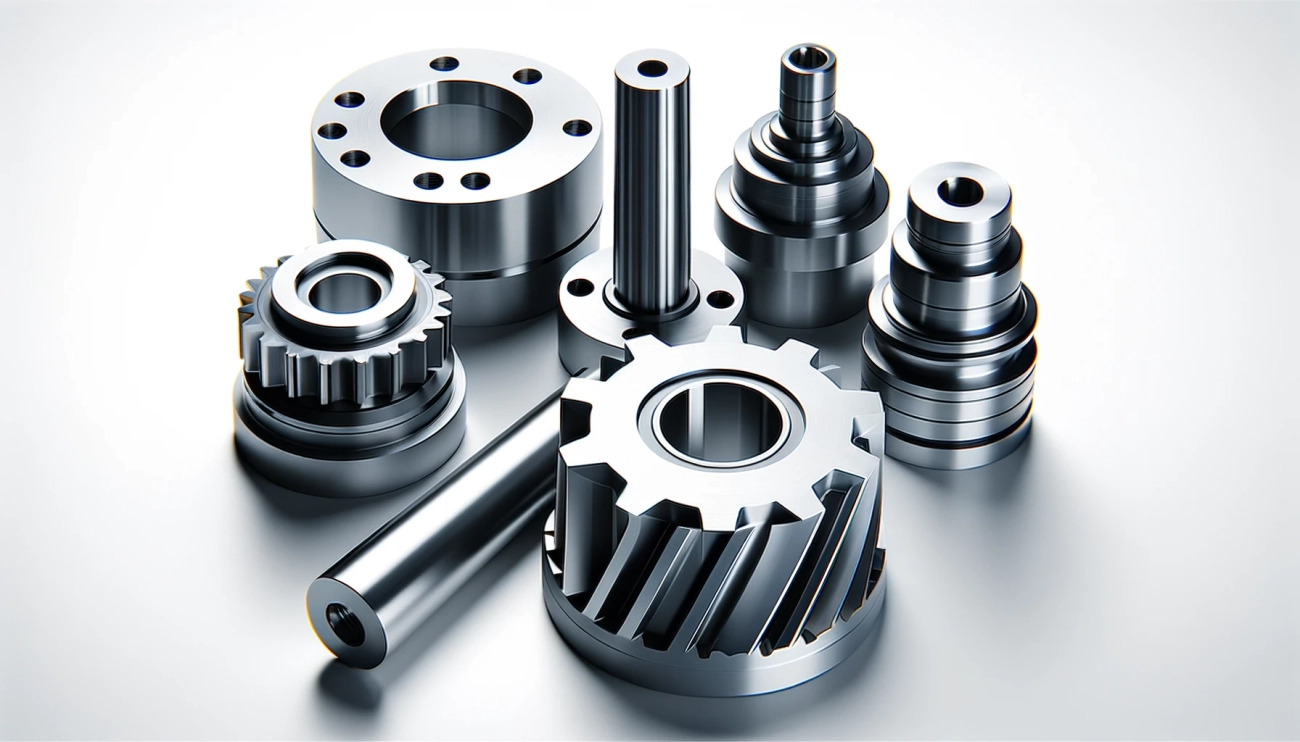
ЧПУ-обработка начинается с закрепления вашей заготовки с помощью устройств фиксации заготовки таких как патроны, цанги или специальные приспособления. Они обеспечивают надежное удержание детали и ее плавное вращение во время обработки.
Далее идет этап инструментальной обработки На станке с ЧПУ используется различные режущие инструменты в зависимости от задачи:
- Токарная обработка для придания формы внешнему диаметру
- Растачивание для обработки внутреннего диаметра или отверстий
- Фасонная обработка для создания плоских поверхностей
- Резьбонарезание для нарезания винтовых резьб
- Канавкообразование для вырезания каналов или выемок
- Отрезка для отделения готовых деталей
Современные центры с ЧПУ для токарной обработки работают на различных осях:
- 2-осевые станки обрабатывают основные движения по осям X (радиальная) и Z (осевая), охватывая большинство стандартных токарных задач.
- 3-осевые или многоосевые станки добавляют движения по оси Y и живое оснащение как ось C, которая позволяет инструменту вращаться и выполнять фрезерование или сверление, пока заготовка вращается.
Эта возможность многослойной оси позволяет вам завершать более сложные детали за одну настройку без переноса между станками.
Для массовое производство, суб-центры и подачи прутков вступают в игру. Суб-центр позволяет зажать заготовку с противоположного конца, что обеспечивает одновременные операции с обеих сторон или легкую выгрузку детали. Подачи прутков непрерывно подают сырье на станок, минимизируя время простоя и увеличивая пропускную способность.
Этот пошаговый процесс токарной обработки с ЧПУ обеспечивает точные, повторяемые результаты для ваших токарных металлических деталей, будь то прототипное токарное изготовление или полномасштабные производственные серии с ЧПУ.
Типы токарных центров с ЧПУ

Когда речь идет о токарных центрах с ЧПУ, вы в основном найдете горизонтальные и вертикальные токарные станки.
- Горизонтальные токарные станки являются наиболее распространенными. Они вращают заготовку вокруг горизонтальной оси и отлично подходят для стандартных токарных металлических деталей, от простых валов до сложных деталей. Эти станки универсальны и идеально подходят для широкого спектра отраслей.
- Вертикальные токарные станки (VTL) держат заготовку вертикально. Они лучше подходят для больших, тяжелых деталей и деталей с большими диаметрами. VTL обеспечивают легкую загрузку и выгрузку, что помогает ускорить производство.
Помимо ориентации оси, существуют различные типы по функциональности:
- 2-осевые станки это простые машины, перемещающие инструменты по осям X и Z. Идеальны для простых операций токарной обработки, обработки торцов и сверления на круглых деталях.
- Швейцарские токарные станки предназначены для очень точных, мелких деталей. Они используют скользящую головку и направляющую втулку для надежного удержания тонких, длинных прутков во время обработки. Эта установка идеально подходит для массового производства крошечных, прецизионных деталей, таких как медицинские компоненты или электроника.
- Многофункциональные центры токарно-фрезерной обработки с поворотным столом комбинируют точение и фрезерование на одном станке. Эти центры часто оснащены живым инструментом и несколькими осями (включая ось C и Y), что позволяет выполнять сложную обработку — например, сверление и фрезерование — без перемещения детали на отдельный станок. Это сокращает время и повышает точность при обработке сложных деталей.
Когда выбирать каждый тип?
- Выберите горизонтальный токарный станок для большинства общих задач ЧПУ-обработки, особенно если вы обрабатываете средние или большие партии валов, втулок или воротников.
- Используйте вертикальный токарный станок для деталей большого диаметра, тяжелых деталей или когда важны пространство и удобство загрузки.
- Выберите швейцарский токарный станок при работе с крошечными, прецизионными деталями или длинными, тонкими заготовками, требующими высокой точности.
- Отдайте предпочтение многофункциональному центру токарно-фрезерной обработки с поворотным столом если ваши детали требуют выполнения нескольких операций (точение, фрезерование, сверление) в одной настройке — это распространено в аэрокосмической, медицинской и автомобильной промышленности.
С правильным центром ЧПУ-обработки вы получите более быстрый цикл, лучшую точность и более стабильные заказы на индивидуальную обработку каждый раз.
Ключевые преимущества ЧПУ-обработки
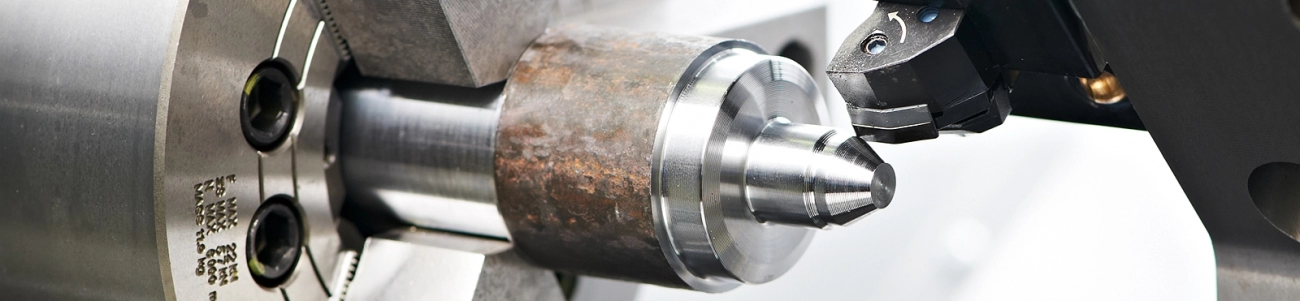
ЧПУ-обработка предлагает исключительную точность, обычно достигающую допусков до ±0.0002″. Такой уровень точности гарантирует, что ваши детали будут выходить одинаковыми каждый раз, что важно для отраслей, где важны детали.
Вы также увидите высокую производительность с ЧПУ-обработкой. Автоматические циклы снижают ручной труд, уменьшают затраты и ускоряют производство без ущерба для качества. Благодаря меньшему времени простоя и более быстрым настройкам, это идеально как для прототипирования, так и для серийных запусков с ЧПУ.
Одним из больших плюсов является возможность обрабатывать сложные геометрии всего за одну настройку. Благодаря многоосевым центрам с ЧПУ и живым инструментам, вы можете выполнять токарные, резьбонарезные, канавочные и фрезерные операции без перемещения деталей. Это сокращает ошибки и экономит время.
Наконец, обработка на ЧПУ обеспечивает превосходную поверхность— вы получаете Ra 0,4 мкм или лучше, что идеально подходит для приложений, требующих гладких и точных отделок на алюминии, нержавеющей стали и других материалах. Это помогает деталям лучше работать и выглядеть отполированными прямо с станка.
Распространённые материалы для обработки на ЧПУ
Когда речь заходит о ЧПУ-обработке, выбор материала играет важную роль в получении нужной детали для ваших задач. Вот краткий обзор наиболее распространённых материалов, с которыми мы работаем в России:
- Алюминий: 6061 и 7075 популярны благодаря соотношению прочности и веса, а также хорошей обрабатываемости. MIC6 часто используется, когда важна плоскость и стабильность.
- Нержавеющая сталь: Группы, такие как 303, 304, 316 и 17-4PH, обеспечивают коррозионную стойкость и долговечность — идеально для медицинской, аэрокосмической и пищевой промышленности.
- Углеродистые и легированные стали: Эти материалы отлично подходят для деталей, требующих дополнительной прочности и износостойкости.
- Латунь и медь: Используются в основном благодаря хорошей электропроводности и легкости обработки.
- Инженерные пластики: Такие материалы, как Delrin, PEEK, нейлон и PTFE, обеспечивают отличную химическую стойкость и низкое трение в деталях.
- Титан и Инконель: Эти прочные, высокопроизводительные металлы широко используются в аэрокосмической отрасли, нефтегазовой промышленности, где требуется прочность в экстремальных условиях.
Мы обязательно подберем материал, соответствующий требованиям вашего проекта — будь то прототипирование на токарном станке или крупносерийное производство на токарном станке с ЧПУ — чтобы каждый раз получать точные и долговечные детали.
Допуски, отделка и стандарты качества при токарной обработке с ЧПУ
Когда дело доходит до токарной обработки с ЧПУ, жесткие допуски и превосходная чистота поверхности являются ключом к правильному выполнению работы. Типичные допуски, которые мы поддерживаем, находятся в диапазоне от ±0,005 мм до ±0,002 мм (±0,0002″ до ±0,00008″), что гарантирует, что ваши детали будут соответствовать и функционировать точно так, как задумано. Этот уровень точности имеет решающее значение для таких отраслей, как аэрокосмическая промышленность и производство медицинского оборудования, где важен каждый микрон.
Чистота поверхности — еще один важный фактор. Мы можем добиться чистоты поверхности до Ra 0.4 мкм, придавая деталям чистый, профессиональный вид и оптимальную производительность. Гладкая поверхность также помогает уменьшить износ и продлить срок службы компонентов.
Что касается качества, мы работаем в соответствии со строгими стандартами, такими как:
- ISO 9001 – для согласованных систем управления качеством
- AS9100 – необходим для аэрокосмического производства
- IATF 16949 – соответствие требованиям качества автомобильной промышленности
Эти сертификаты гарантируют, что ваши детали, изготовленные на токарном станке с ЧПУ, соответствуют строгим, международно признанным стандартам. Независимо от того, нужны ли вам единичные прототипы или серийное производство на токарном станке с ЧПУ, соответствие этим контрольным показателям качества дает вам уверенность в надежности и отслеживаемости на протяжении всего процесса.
Токарная обработка с ЧПУ и фрезерование с ЧПУ: когда какой процесс выбрать
Выбор между токарной и фрезерной обработкой с ЧПУ зависит от конструкции детали, объема и потребностей в точности. Вот простое руководство, которое поможет вам принять решение:
| Фактор | Токарная обработка с ЧПУ | Фрезерование с ЧПУ |
|---|---|---|
| Лучше подходит для | Круглые или цилиндрические детали | Гладкие, неправильные или сложные 3D формы |
| Типичные детали | Валы, втулки, штифты, резьбовые стержни | Кронштейны, корпуса, формы, пластины |
| Процесс | Материал вращается; режущий инструмент движется | Материал зафиксирован; режущий инструмент движется |
| Точность | Высокая точность по диаметру и концентрическим признакам | Высокая точность по плоскостности и сложным контурам |
| Настройка детали | Обычно одна настройка для всей детали | Может потребоваться несколько настроек |
| Скорость | Быстрее для круглых деталей и больших объемов | Медленнее для сложных форм, меньших объемов |
| Сложность | Ограничена токарной обработкой, канавками, нарезанием резьбы | Может выполнять сверление, нарезание резьбы, контурное сверление отверстий |
| Отходы материала | Минимальные благодаря эффективной резке | Может производить больше стружки при сложных формах |
Когда выбирать ЧПУ токарную обработку:
- Вам нужны точные, круглые или цилиндрические детали такие как валы или штифты.
- Работы требуют высокопроизводительных серий с минимальной настройкой.
- Плотное размерные допуски по диаметрам являются критическими.
- Вы хотите экономически эффективная обработка для простых форм.
Когда выбирать ЧПУ фрезерование:
- Детали имеют плоские поверхности, сложные контуры или карманы.
- Вам нужно несколько особенностей таких как отверстия, пазы и наклонные резы.
- Низкий до среднего объем с более сложной геометрией.
- Вы хотите совмещать сверление, нарезание резьбы и контурную обработку в одном процессе.
Во многих случаях производители используют оба процесса вместе для сложных деталей — начиная с точения, а затем завершая фрезеровкой. Знание этих основ помогает выбрать лучший сервис ЧПУ-обработки для ваших заказных деталей.
Отрасли, которые сильно зависят от ЧПУ-точения
ЧПУ-точение играет важную роль во многих отраслях в России благодаря своей точности и эффективности. Вот некоторые сектора, которые в значительной степени полагаются на услуги ЧПУ-точения для своих критически важных компонентов:
- Аэрокосмическая промышленность: Точные металлические компоненты являются необходимыми для двигателей, шасси и конструкционных деталей, где важны строгие допуски и надежность.
- Медицинские изделия: От хирургических инструментов до имплантатов, обработка на ЧПУ-станках обеспечивает необходимую точность и качество поверхности для безопасных и высококачественных продуктов.
- Автомобильный: Производственное ЧПУ-точение создает заказные механические детали для двигателей, трансмиссий и подвесных систем, поддерживая как прототипы, так и массовое производство.
- Нефть и газ: Надежные, коррозионностойкие детали из нержавеющей стали или сплавов обеспечивают работу оборудования в экстремальных условиях.
- Робототехника: Использование сложных геометрий и многоосевой обработки позволяет производить мелкие, точные компоненты для роботизированных рук и датчиков.
- Оружие: ЧПУ-точение обеспечивает строгие допуски и стабильное качество для стволов, затворов и других важных частей оружия.
- Оптика: Высокоточное точение критично для компонентов оптических устройств, обеспечивая точные размеры и качество поверхности.
Эти отрасли полагаются на ЧПУ-точение не только для высокой точности, но и для повторяемости и объема, необходимых для удовлетворения спроса. Наши российские центры ЧПУ-обработки ориентированы на эти рынки, чтобы поставлять надежные, своевременные детали, соответствующие строгим стандартам каждый раз.
Факторы, влияющие на стоимость проектов ЧПУ-точения (Ценообразование 2025)
При планировании бюджета на проекты ЧПУ-точения в 2025 году несколько ключевых факторов влияют на окончательную стоимость. Понимание этих аспектов поможет вам принимать более умные решения и получать наилучшее соотношение цены и качества от ваших услуг ЧПУ-обработки.
Основные факторы стоимости:
- Выбор материалаРазличные металлы и пластики значительно отличаются по стоимости и обрабатываемости. Обработка алюминия на ЧПУ обычно дешевле, чем нержавеющая сталь или экзотические сплавы, такие как Инконель и титан. Более твердые материалы увеличивают износ инструментов и время обработки, что повышает затраты.
- Сложность детали. Более сложные геометрии требуют больше времени на программирование и обработку. Особенности, такие как резьба, канавки или живое инструментальное оборудование, увеличивают время производства и настройку, что влияет на цену.
- Размер партии. Небольшие прототипные заказы на токарную обработку обходятся дороже за единицу по сравнению с крупными серийными заказами на ЧПУ-обработку из-за затрат на настройку и программирование. Оптовые заказы значительно снижают цену за штуку.
- Требования к допускам. Точные допуски при ЧПУ-обработке (например, ±0.0002″) требуют более точного оборудования, дополнительных проверок качества и зачастую более медленной обработки — всё это увеличивает стоимость.
- Вторичные операции. Дополнительные этапы, такие как термическая обработка, обработка поверхности или сборка, увеличивают время и расходы. Выбор партнера по ЧПУ с внутренними вторичными операциями может сократить сроки выполнения и снизить общие затраты проекта.
- По возможности выбирайте стандартные материалы
- Держите дизайн детали простым, чтобы сэкономить время обработки
- Планируйте размеры партий, чтобы сбалансировать цену за единицу и сроки выполнения
- Устанавливайте реалистичные допуски, чтобы избежать ненужных увеличений стоимости
- Объединяйте вторичные операции с обработкой для получения лучшей цены
Фокусируясь на этих аспектах, вы получите точную цену на ваши заказные детали без сюрпризов. В Vastmaterial мы предоставляем прозрачные, предварительные оценки, отражающие эти факторы стоимости, чтобы ваши проекты по ЧПУ оставались в рамках бюджета.
Как выбрать подходящего партнера по ЧПУ — 8 критических критериев
Выбор правильного партнера по ЧПУ может определить успех или неудачу вашего проекта. Вот 8 ключевых факторов, которые стоит учитывать:
1. Возможности обработки и список станков
Убедитесь, что у них есть подходящие центры ЧПУ, включая швейцарские токарные станки или станки с живым инструментом, для обработки вашей сложности детали и материала. Проверьте, предлагают ли они обработку заготовки на стержне или многовальные опции.
2. Системы качества и прослеживаемость
Ищите сертификаты ISO 9001, AS9100 или IATF 16949. Надлежащая документация и прослеживаемость обеспечивают стабильное качество, особенно для аэрокосмической или медицинской продукции.
3. Сроки выполнения и показатели своевременной доставки
Надежные партнеры соблюдают сроки. Узнайте их средние сроки выполнения и показатели своевременной доставки. Это важно при масштабировании производства или необходимости быстрого прототипирования.
4. Инженерная поддержка и обратная связь по DFM
Хороший партнер предлагает консультации по проектированию для производства (DFM), чтобы оптимизировать ваши детали по стоимости и эффективности. Они должны сотрудничать на ранних этапах, чтобы выявить проблемы до начала производства.
5. Местоположение и логистика
Выбор партнера рядом с вами, будь то в России или ЕС, сокращает время и стоимость доставки. Тенденции к аутсорсингу помогают упростить логистику и улучшить коммуникацию.
6. Отзывы и рекомендации клиентов
Проверьте отзывы или попросите рекомендации. Знание того, как они справлялись с прошлыми проектами, особенно в таких отраслях, как автомобильная или нефтегазовая, дает вам уверенность в их услугах.
7. Гибкость и объем обработки
Будь то прототипирование или серийное производство с ЧПУ, убедитесь, что ваш партнер может масштабировать производство без потери качества.
8. Прозрачность ценообразования
Четкие сметы с разбивкой помогают управлять бюджетом. Избегайте сюрпризов, уточняя, что входит в стоимость — материалы, вторичные операции и плату за инструменты.
Фокусируясь на этих восьми пунктах, вы найдете услугу токарной обработки с ЧПУ, которая соответствует требованиям вашего проекта и обеспечивает точность и надежность деталей.
Возможности токарной обработки Vastmaterial (Обновление 2025)
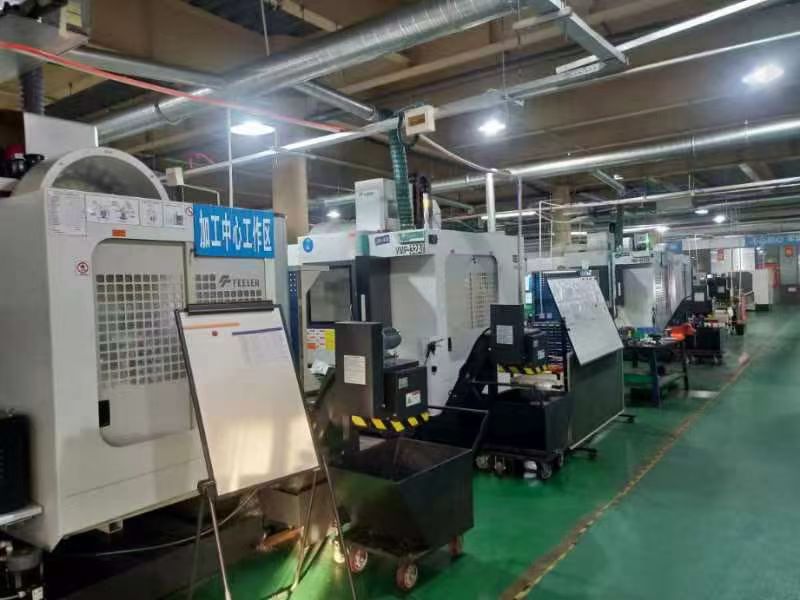
В Vastmaterial наши услуги по токарной обработке с ЧПУ созданы для удовлетворения разнообразных потребностей российских производителей, от прототипов до серийного производства. Наш парк станков включает ведущие бренды, такие как Citizen, Doosan, Haas и DMG MORI, что дает нам гибкость в обработке широкого спектра металлических деталей с точностью и скоростью.
Что мы предлагаем:
- Максимальный размер детали: Мы можем обрабатывать диаметры до 12 дюймов и длину до 20 дюймов, охватывая большинство стандартных и сложных применений.
- Типы станков: В наш ассортимент входят швейцарские центры с ЧПУ для сложных мелких деталей, токарные станки с живым инструментом для многовекторных задач и системы подачи заготовок для серийного производства.
- Внутренние вторичные работы: Мы выполняем фрезерование, сверление, нарезание резьбы и индивидуальную отделку, такую как анодирование или гальваника, все под одной крышей для быстрого выполнения заказов.
- Быстрая поддержка DFM: Нужен отзыв по дизайну? Мы предоставляем бесплатный анализ проектирования для производства (DFM), чтобы оптимизировать ваши детали по стоимости и функциональности.
- Быстрое ценообразование: Получите точные цены в течение 24–48 часов, чтобы ваш проект шел гладко.
Настоящие детали, реальные результаты:
Посмотрите наши кейс-стади и галерею, демонстрирующие прецизионные детали для аэрокосмической, медицинской, автомобильной промышленности и других областей. Мы гордимся стабильным качеством с точными допусками на токарную обработку и отличной отделкой поверхности.
Нужна ли вам обработка алюминия на ЧПУ или нержавеющей стали, Vastmaterial — ваш надежный партнер по изготовлению заказных деталей в России. Свяжитесь с нами сегодня, чтобы обсудить ваш следующий проект!
Часто задаваемые вопросы о ЧПУ токарной обработке
В чем разница между токарной обработкой и растачиванием?
Токарная обработка — это процесс вращения заготовки против режущего инструмента для создания цилиндрических форм, в то время как растачивание увеличивает или доводит существующее отверстие внутри детали. Оба используют ЧПУ станки, но служат разным целям.
Можно ли обрабатывать квадратный или шестиугольный стержень?
Да, ЧПУ токарная обработка может работать с квадратным или шестиугольным стержнем. Специальные инструменты и программирование позволяют точно формировать эти профили или превращать их в круглые детали при необходимости.
Какие форматы файлов вы принимаете?
Мы обычно принимаем стандартные CAD-файлы, такие как STEP, IGES и Parasolid. Эти форматы лучше всего подходят для программирования ЧПУ станков и помогают ускорить ценообразование и производство.
Есть ли минимальный объем заказа для ЧПУ токарной обработки?
Большинство мастерских по ЧПУ, включая нас, обслуживают как прототипное производство, так и массовое. Минимальные объемы заказа варьируются, но мы часто обрабатываем как единичные прототипы, так и крупносерийные партии, что делает нас гибкими для изготовления заказных деталей.
Есть ли у вас дополнительные вопросы о ЧПУ токарной обработке или прецизионных деталях? Свяжитесь с нами в любое время — мы готовы помочь вам с вашими металлическими компонентами.
Pingback: Процессы термообработки алюминия: темпераменты и области применения - vast-cast.com