

Процесс литья нержавеющей стали: пошаговое руководство
Литейное производство из нержавеющей стали с использованием инвестиционной отливки — также называемой утратной-восковой отливкой or точном литье— это процесс почти с точностью до готового изделия, который мы используем для производства сложных, высокоточных деталей из нержавеющей стали с отличной поверхностной отделкой и точными допусками.
Проще говоря, мы:
- Впрыскивайте восковую модель детали в прецизионную металлическую форму (инструмент).
- Собирайте несколько восковых моделей на центральном восковом руне, образуя “дерево”.”
- Создавайте керамическую оболочку вокруг воскового дерева путём многократного погружения и нанесения шубы.
- Удаляйте воск из оболочки в автоклаве (воск расплавляется, оставляя полую керамическую форму).
- Растапливайте нержавеющую сталь в индукционной печи и заливайте расплавленный металл в предварительно нагретую керамическую оболочку.
- Охлаждайте и затвердевайте, разбивайте керамическую оболочку, отделяйте отдельные отливки, затем доводите и обрабатывайте по необходимости.
Это и есть процесс утратной-восковой отливки в двух словах: начинаем с воска, заканчиваем прецизионные компоненты из нержавеющей стали очень близко к окончательной форме.
Почему нержавеющая сталь для литья по инвестиционной технологии?
Мы уделяем большое внимание литью из нержавеющей стали по инвестиционной технологии потому что сплавы из нержавеющей стали предлагают комбинацию, востребованную многими отраслями:
- Коррозионная стойкость – идеально подходит для морской, пищевой, медицинской, химической и уличной среды.
- Высокая прочность и ударная вязкость – особенно с такими марками, как 17-4PH и дуплексная нержавеющая сталь.
- Чистая, привлекательная поверхность – идеально подходит для видимых, косметических или санитарных деталей.
- Стабильные свойства – микроструктура и характеристики нержавеющей стали могут быть строго контролируемы при правильном плавлении и термообработке.
Сам процесс литья по инвестиционной технологии поддерживает тонкие стенки, сложные проходы, острые детали и гладкие поверхности, что очень хорошо соответствует потребностям пользователей нержавеющей стали.
Литье из нержавеющей стали против литья из углеродистой стали
Мы отливаем как нержавеющую, так и углеродистую сталь, но есть ключевые различия, которые покупатели должны понять:
- Состав сплава:
- Нержавеющие стали содержат высокое содержание хрома (обычно ≥10.5%) и часто никель, которая образует пассивную пленку для защиты от коррозии.
- Углеродистые стали имеют значительно меньшее содержание легирующих элементов, в основном сосредоточены на прочности и ударной вязкости, а не на коррозионной стойкости.
- Плавка и заливка:
- Нержавеющая сталь требует более строгого контроля химического состава, температуры и шлака чтобы избежать окисления, поглощения газа и осаждения карбидов.
- Углеродистая сталь обычно более прощающая и дешевле при плавке.
- Стоимость:
- Литье из нержавеющей стали стоит дороже за килограмм из-за содержания легирующих элементов и контроля процесса.
- Однако нержавеющая сталь часто устраняет необходимость в гальванике, покраске или частой замене, что снижает стоимость жизненного цикла.
- Применения:
- Литье из нержавеющей стали выбирается, когда коррозионная стойкость, гигиена, внешний вид и долгий срок службы являются критическими.
- Литье из углеродистой стали подходит для конструкционных, общих промышленных и не коррозионных условий где основным фактором является стоимость.
Мы позиционируем инвестиционное литьё из нержавеющей стали как решение, когда вам нужно точность, коррозионная стойкость и сложная геометрия в одном процессе — без механической обработки всего из бруска или пластины.
Распространённые сплавы нержавеющей стали для инвестиционного литья

При выполнении инвестиционного литья из нержавеющей стали правильный выбор сплава определяет 80% вашей производительности, стоимости и срока службы. Ниже приведено краткое, практическое описание.
Основные марки нержавеющей стали, которые мы отливаем
| Тип сплава | Литейный класс | Эквивалентный прокатный класс | Ключевые особенности |
|---|---|---|---|
| Аустенитная | CF8 | 304 | Общего назначения, хорошая коррозионная стойкость, низкая стоимость |
| Аустенитная | CF8M | 316 | Лучшая коррозионная стойкость, устойчивость к хлоридам |
| Аустенитная | CF3M | 316L | Низкое содержание углерода, лучшая свариваемость, против сенситизации |
| Преципитационная закалка. | 17-4PH | 17-4PH | Высокая прочность + хорошая коррозионная стойкость |
| Дуплекс | 2205 | UNS S32205/S31803 | Высокая прочность, очень хорошая коррозионная стойкость |
| Супер Дуплекс | 2507 | UNS S32750/S32760 | Экстремальная коррозия + высокая прочность |
| Дуплексный литой сплав | CD4MCu | Похож на дуплекс 25Cr | Отличная коррозионная стойкость, особенно в насосах/клапанах |
Литая аустенитная нержавеющая сталь (CF8, CF8M, CF3M)
Это рабочие лошадки инвестиционного литья из нержавеющей стали.
- CF8 (304)
- Подходит для: общих промышленных деталей, кронштейнов, корпусов, в неагрессивных средах
- Плюсы: наиболее экономичная нержавеющая сталь, легко отливается, хорошая формуемость
- Ограничение: не идеально для высоких концентраций хлоридов или морской среды
- CF8M (316)
- Подходит для: пищевого оборудования, морских фитингов, насосов, клапанов, химического оборудования
- Плюсы: молибден улучшает стойкость к питтингу и коррозии в зазорах; лучше в морской воде и химикатах
- Стоимость: немного выше, чем у CF8, но часто оправдана более долгим сроком службы
- CF3M (316L)
- Подходит для: сварных конструкций, гигиеничных и санитарных деталей, медицинских и пищевых продуктов
- Плюсы: низкое содержание углерода, предотвращает осаждение карбида при сварке, сохраняет коррозионную стойкость в зонах теплового влияния
- Распространено в: сантехнических фитингах, санитарных клапанах, фармацевтических компонентах
Если вы сравниваете нержавеющую сталь и легированную сталь по коррозионной стойкости и прочности, мы часто рекомендуем нашим клиентам ознакомиться с нашим обзором нержавеющей и легированной стали чтобы определить, что имеет смысл для их применения.
Нержавеющая сталь с упрочнением осадками (17-4PH)
- Литая нержавеющая сталь 17-4PH является нашим выбором, когда вам нужно:
- Высокая прочность + хорошая ударная вязкость
- Стабильные размеры после термообработки
- Умеренная до хорошей коррозионная стойкость
- Типичные применения:
- Аэрокосмические компоненты
- Точные механические детали
- Высокопрочные валы, рычаги и рукоятки
Ключевой момент: 17-4PH может достигать очень высоких механических свойств после старения, поэтому часто экономят вес за счет уменьшения толщины сечения.
Дуплекс и супертуплекс нержавеющая сталь (2205, 2507, CD4MCu)
Для агрессивных сред и высокого давления дуплекс и супертуплекс — разумный выбор.
- Дуплекс 2205 (дуплекс 2205 нержавеющая сталь для литья)
- Высокая прочность (примерно в 2 раза выше аустенитной)
- Очень хорошая сопротивляемость к коррозии при растяжении
- Используется в: оффшорных, конструкционных опорах, технологическом оборудовании
- Super Duplex 2507 (литье из супердугплекса 2507)
- Разработан для очень агрессивных хлоридных сред
- Более прочный и устойчивый к коррозии, чем 2205
- Используется в: опреснении, подводном оборудовании, химической обработке
- Литой сплав из нержавеющей стали CD4MCu
- Широко применяется для насосов и клапанных компонентов
- Отличная стойкость к хлоридным и кислотным атакам
- Отлично подходит для морской воды и коррозийных шламовых приложений
Мы также производим Продукты из дугплексной нержавеющей стали 2205, такие как болты для клиентов, которым необходима стабильная прочность и коррозионная стойкость в системах крепежа.
Как выбрать подходящий нержавеющий сплав
Когда клиенты присылают нам чертеж, мы обычно начинаем с этих вопросов:
- Окружающая среда
- Мягкий внутри / сухой → CF8
- Пищевая, фармацевтическая, легкая химия → CF8M или CF3M
- Морская, хлориды, морская вода → CF8M, дугплекс 2205, CD4MCu или 2507
- Требуемая прочность
- Стандартные конструкционные нагрузки → Аустенитные марки (CF8/CF8M/CF3M)
- Высокая прочность и жесткость → 17-4PH или дугплекс 2205/2507
- Сварка и изготовление
- Много сварных швов или ремонтная сварка → CF3M или дугоплавкий с правильными процедурами
- Уровень бюджета
- Самая дешевая нержавеющая сталь → CF8
- Баланс стоимости и производительности → CF8M, CF3M
- Премиальная производительность → 17-4PH, 2205, 2507, CD4MCu
Коррозия, прочность и стоимость – быстрый сравнительный анализ
| Класс | Коррозионная стойкость | Уровень прочности | Относительная стоимость | Типичный пример использования |
|---|---|---|---|---|
| CF8 | Хорошая | Низкий–Средний | $ | Общая промышленность, кронштейны, крышки |
| CF8M | Очень хорошо | Низкий–Средний | $$ | Пищевая промышленность, морская, химическая, клапаны, насосы |
| CF3M | Очень хорошо (сварные) | Низкий–Средний | $$ | Гигиеническое и санитарное оборудование |
| 17-4PH | Хорошая | Высокая | $$–$$$ | Аэрокосмическая промышленность, прецизионные детали высокой нагрузки |
| 2205 | Очень хорошо | Высокая | $$–$$$ | Морские, строительные, технологические установки |
| 2507 | Отличная | Очень высокая | $$$ | Обезсоливание, морское дно, тяжелая хлоридная среда |
| CD4MCu | Отличная | Высокая | $$$ | Насосы, импеллеры, клапаны в морской воде/кислотах |
Типичные применения по маркам нержавеющей стали
- Литье из нержавеющей стали CF8 / 304
- Корпуса, кронштейны, крышки, ручки, общие фитинги
- Литьё из нержавеющей стали CF8M / 316
- Корпуса насосов и клапанов, оборудование для пищевой промышленности, морское оборудование
- Литьё из нержавеющей стали CF3M / 316L
- Гигиенические фитинги, компоненты для молочной и напитковой промышленности, корпуса для фармацевтики и медицины
- Литая нержавеющая сталь 17-4PH
- Аэрокосмические компоненты, части огнестрельного оружия, механизмы высокой точности
- Дуплекс 2205, супертуплекс 2507, CD4MCu
- Системы опреснения, оффшорные компоненты, насосы и импеллеры для морской воды, клапаны высокого давления
Если вы поделитесь своей рабочей средой, давлением, температурой и целевой стоимостью, мы обычно можем порекомендовать лучший класс литья из нержавеющей стали за один проход и помочь вам избежать избыточных требований (и переплаты) за материал, который вам действительно не нужен.
Обзор процесса литья из нержавеющей стали

Процесс инвестиционного литья из нержавеющей стали (утраченная воск) следует четкому, повторяемому потоку. Вот основной процесс, который мы используем на нашем литейном заводе нержавеющей стали:
- Инструментование и восковые модели
- Впрыскивайте воск в прецизионные металлические формы для формирования формы детали.
- Осмотрите, отремонтируйте и соберите модели в восковые “деревья” для эффективного заливки.
- Создание керамической оболочки
- Многократно погружайте восковое дерево в керамическую суспензию, затем покрывайте тонким и грубым слюдом.
- Наращивайте 6–10 слоев для создания прочной, термостойкой оболочки вокруг воска.
- Удаление воска и обжиг оболочки
- Используйте автоклавный процесс удаления воска таять и сливать воск без трещин в оболочке.
- Обжигайте оболочки в печи для спекания керамики, сжигания остатков и предварительного нагрева перед заливкой.
- Плавка и заливка нержавеющей стали
- Расплавляйте нержавеющую сталь в индукционной печи, строго контролируя химический состав сплава.
- Залейте расплавленный металл в горячие оболочки при правильной температуре заливки нержавеющей стали для каждого сорта.
- Охлаждение, выбивание и обрезка
- Дайте отливкам остыть при контролируемых условиях для управления структурой зерна и деформациями.
- Разбейте керамическую оболочку, отсеките детали с дерева, затем зашлифуйте каналы и подъемы.
- Термическая обработка и отделка
- Проводите термическую обработку для раскрытия всех механических свойств каждого сорта нержавеющей стали.
- Пескоструй, шлифовка, выпрямление и механическая обработка до окончательных размеров и поверхности.
Роль литейного процесса в производственном цикле
Литейный процесс занимает центральное место в производстве нержавеющей стали:
- На начальном этапе: выбор материала, проектирование инструмента и разработка восковых моделей.
- Основной этап: инжекционная заливка воска, создание оболочки, плавка, заливка, термическая обработка.
- Заключительный этап: механическая обработка, обработка поверхности и контроль перед отправкой.
Для проектов, требующих коррозионностойких сплавов, таких как аустенитные, дуплексные и супердуплексные, мы сочетаем этот процесс с нашими специализированными материалами для литья из нержавеющей стали и контролируемой практикой плавки.
Ключевое оборудование для литья из нержавеющей стали методом инвестиционного литья
Мы осуществляем литье из нержавеющей стали методом инвестиционного литья с использованием специализированного оборудования:
- Прессы для впрыска воска и системы контроля температуры воска
- Бактерии для керамической суспензии, смесители и линии нанесения штукатурки
- Автоклавы для удаления воска
- Печи для обжига оболочки при высокой температуре
- Индукционные печи для плавки с анализом спектрометром
- Контролируемые системы заливки (ручные или автоматические)
- Печи для термической обработки с программируемыми циклами
- Пескоструйные машины, шлифовальные станки и центры ЧПУ
Критический контроль процессов для сплавов из нержавеющей стали
Нержавеющая сталь требует строгого контроля процессов. Мы сосредоточены на:
- Химии сплава: точном составе зарядки, строгом контроле C, Cr, Ni, Mo, N и примесей.
- Чистоте: низком содержании кислорода, водорода, правильной дегазации и контроле шлаков.
- Качестве оболочки: последовательная вязкость керамической суспензии, проницаемость и толщина оболочки.
- Контроль температуры: точные температуры предварительного нагрева, плавления и заливки для каждого сорта.
- Скорость охлаждения: контролируемое затвердевание для предотвращения трещин, усадки и крупнозернистости.
- Отслеживаемость: контроль партии нагрева, MTR и полные записи процесса для каждой партии.
При использовании подходящих марок нержавеющей стали, прочных керамических оболочек и дисциплинированного контроля процесса мы поставляем почти готовые к эксплуатации нержавеющие отливки с стабильным качеством и предсказуемой производительностью.
Проектирование инструментов и изготовление мастер-моделей для литья из нержавеющей стали
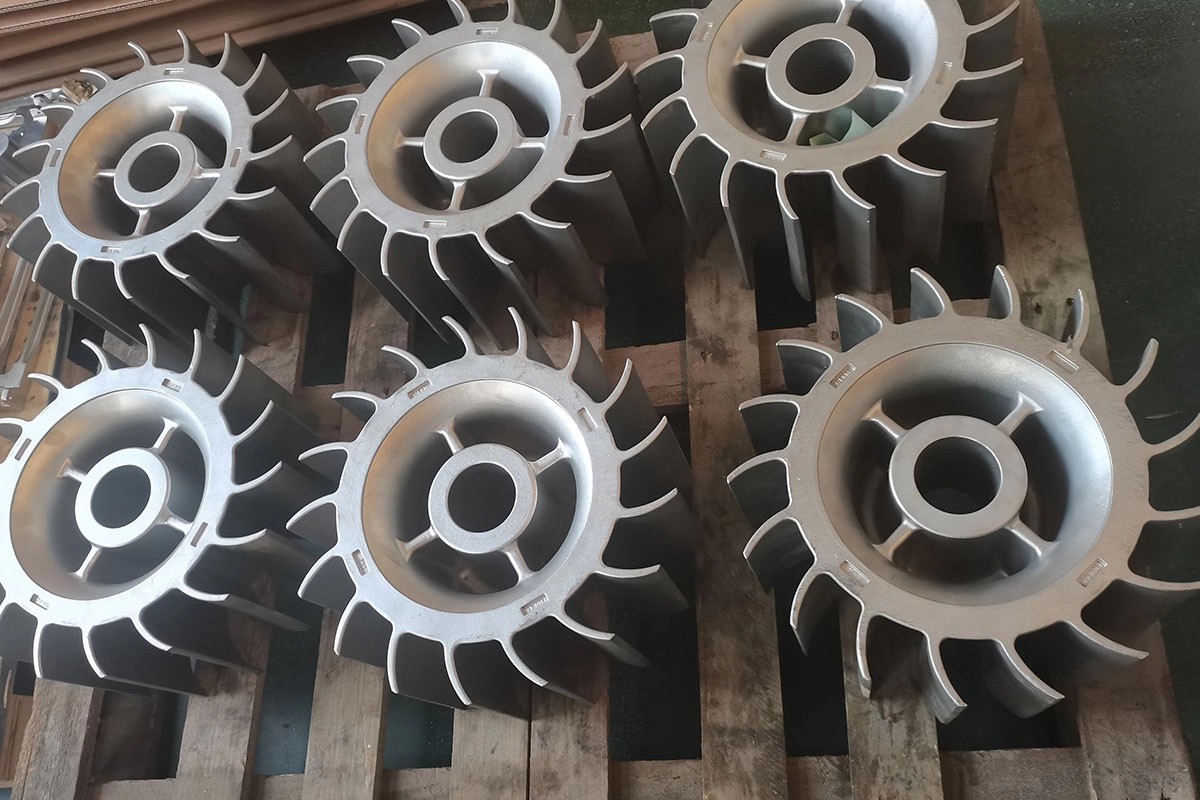
В инвестиционном литье из нержавеющей стали хорошее оборудование определяет, будут ли ваши детали точными, повторяемыми и экономичными. Мы рассматриваем инструменты и мастер-модели как долгосрочные активы, а не разовые расходы.
Что такое мастер-модель и почему она важна
Мастер-модель — это “золотой” эталонный образец, который мы используем для изготовления вашей формы для инжекции и проверки точности восковой модели. Она может быть:
- Высокоточным металлическим изделием, обработанным на ЧПУ
- Моделью, напечатанной на 3D-принтере (для быстрого развития или сложных форм)
Хорошо сделанной мастер-моделью, которая дает вам:
- Стабильную размерную опору для всего будущего производства
- Более быстрое устранение неисправностей при любых отклонениях размеров
- Лучший контроль за усадкой от воска → керамики → нержавеющей стали при литье
Проектирование и изготовление форм для инжекции восковых моделей
Форма для инжекции — это основное оборудование, которое формирует каждую восковую модель. Мы проектируем ее непосредственно по вашей 3D-модели, добавляя:
- Уменьшение допусков для воска и сплава
- Линии разделения и расположение формовочных элементов
- Клапаны и восковые подачи, если необходимо
Формы обрабатываются с помощью ЧПУ с точными допусками для обеспечения постоянства воскового шаблона, что критично для прецизионного литья из нержавеющей стали по инвестиционной технологии. Вы можете увидеть, как это вписывается в наш более широкий процесс на нашей странице услуг по прецизионному литью.
Инструментальные материалы для литья из алюминия и стали
Мы выбираем материал инструмента в зависимости от объема и сложности детали:
- Алюминиевый инструмент
- Более низкая стоимость, быстрее в изготовлении
- Идеально подходит для прототипов и небольших–средних объемов
- Несколько менее долговечен, но достаточно для многих OEM и индивидуальных проектов
- Стальной инструмент
- Более высокая первоначальная стоимость, очень долгий срок службы
- Лучше подходит для крупносерийного производства и точных стальных отливок
- Обеспечивает лучшую стабильность при более высоких давлениях впрыска и температурах
Если вы не уверены, какой вариант выбрать, мы учитываем ваш годовой объем и бюджет, чтобы подобрать оптимальный вариант.
Как дизайн детали влияет на стоимость и сложность инструмента
Геометрия вашей детали напрямую влияет на время и стоимость изготовления инструмента. Основные факторы:
- Сложные вырезы → требуют боковых действий или разъемных сердечников
- Глубокие карманы и тонкие стены → более сложная обработка штампов и контроль потока воска
- Несколько критических поверхностей → более точная обработка штампа
Простые, однородные конструкции обычно означают:
- Дешевле оснастка
- Более короткие сроки изготовления
- Лучшие показатели процесса и выход продукции
Уклоны для черновых заготовок, радиусы и особенности, которые лучше всего подходят для литья по моделям
Мы проектируем для литейной пригодности с первого дня. Для нержавеющей стали — хорошая практика:
- Уклоны для черновых заготовок
- 1–2° на внешних поверхностях
- 2–3° на внутренних стенках, где возможно
- Радиусы и скругления
- Избегайте острых углов; используйте скругления ≥ 0,5–1,0 мм
- Плавные переходы между толщинами стенок для снижения напряжений и горячих точек
- Дизайн особенностей
- Избегайте очень тонких, изолированных ребер или ножевых кромок
- Поддерживайте однородную толщину стенок для снижения искажения и усадки
Перед началом обработки любого инструмента мы проводим обзор DFM и, при необходимости, моделирование литья для настройки этих деталей. Это обеспечивает эффективность и стабильность инвестиций в оснастку для литья из нержавеющей стали на протяжении всего срока службы продукта.
Керамическая оболочка для литья в нержавеющей стали методом инвестиционного casting
Что такое керамическая оболочка и почему это важно
В инвестиционном литье из нержавеющей стали керамическая оболочка — это “временная форма”, которая принимает форму восковых моделей. После удаления воска эта оболочка должна выдерживать:
- Высокие температуры заливки нержавеющей стали
- Давление металла и турбулентность во время заполнения
- Строгие требования к точности размеров и качеству поверхности
Если керамическая оболочка слабая, неровная или слишком пористая, возникают дефекты, такие как протечки металла, шероховатые поверхности и искажения размеров. Контролируемая, стабильная оболочка — основа надежного процесса инвестиционного литья из нержавеющей стали.
Состав шлама и материалы для штукатурки
Для литья из нержавеющей стали мы используем высокочистые керамические системы, чтобы выдерживать температуру и предотвращать загрязнение:
- Основной шлам: обычно коллоидный кремнийорганический связующий + мелкая огнеупорная мука (часто циркон или плавленый кремний) для гладкой поверхности и хорошей деталировки.
- Резервный шлам: более крупная мука (плавленый кремний, муалит или подобное) для прочности и лучшей термической стойкости.
- Материалы для штукатурки (песок):
- Мелкий циркон или алюминий для первых слоёв (качество поверхности)
- Более крупный плавленый кремний или алюминий для резервных слоёв (прочность и проницаемость)
Мы настраиваем химический состав шлама (вязкость, pH, содержание твердых веществ) в зависимости от сплава нержавеющей стали и геометрии детали для баланса прочности, проницаемости и качества поверхности.
Этапы построения оболочки: погружение, штукатурка, сушка
Процесс создания керамической оболочки для инвестиционного литья из нержавеющей стали обычно следует контролируемому циклу:
- Очистка восковой модели – Удалите пыль/масло для обеспечения хорошего сцепления шлама.
- Первичное погружение – Опустите восковое дерево в тонкий первичный шлам.
- Ливневое нанесение штукатурки – Покройте влажную поверхность тонким слоем штукатурного песка.
- Сушка – Контролируемая температура и влажность до полного высыхания слоя.
- Резервные слои – Повторите погружение + штукатурку + сушку с резервным шламом и более грубым штукатурным слоем.
Мы внимательно следим за временем гелеобразования, вязкостью и условиями сушки; это обеспечивает стабильное качество оболочки от партии к партии.
Толщина оболочки и количество слоев (6–10)
Для литья из нержавеющей стали обычно создают 6–10 керамических слоёв, в зависимости от:
- Вес и размер отливки – Более крупные и тяжелые детали требуют более толстых оболочек.
- Геометрия – Тонкие секции, острые переходы и сложные ядра могут требовать более точного контроля.
- Температура заливки и сплав – Сплавы с более высокой температурой или длительным временем заливки часто требуют более прочных оболочек.
В качестве правила:
- Маленькие, тонкостенные детали: 6–7 слоёв
- Средние слои: 7–9 слоёв
- Тяжёлые или сложные детали: 9–10 слоёв
Цель — создать оболочку достаточно толщую, чтобы сопротивляться трещинам и давлению металла, но не настолько толстую, чтобы снизить проницаемость или вызвать чрезмерные температурные градиенты.
Контроль прочности оболочки, проницаемости и поверхности
Мы проектируем керамическую оболочку, основываясь на трёх ключевых свойствах:
- Прочность
- Используйте подходящие вспомогательные материалы и достаточное количество слоёв.
- Контролируйте содержание связующего и сушку, чтобы избежать хрупкости или слабого сцепления.
- Проницаемость
- Настраивайте размер шпатлёвки и последовательность нанесения слоёв, чтобы газы могли выходить во время заливки.
- Избегайте чрезмерной толщины оболочек, которая задерживает газы и вызывает пористость.
- Отделка поверхности
- Высококачественные восковые модели + чистая первичная суспензия + мелкая шпатлёвка = более гладкая поверхность нержавеющей стали после отливки.
- Стабильная реология суспензии и чистая камера для оболочек снижают количество дефектов поверхности.
Это позволяет нам поставлять коррозионностойкие, высокоточные детали из нержавеющей стали, которые часто требуют минимальной механической обработки и полировки.
Типичные дефекты керамической оболочки и способы их предотвращения
Распространённые проблемы керамической оболочки при литье из нержавеющей стали включают:
- Трещины
- Причины: быстрое высыхание, неравномерная толщина, острые геометрические формы, термический шок.
- Профилактика: контролируемая сушка, сбалансированная толщина слоя, правильная поддержка при обработке и нагреве.
- Ламинирование / отслаивание
- Причины: плохая очистка воска, низкая зеленая прочность, загрязненная шламовая смесь.
- Профилактика: строгая очистка воска, обслуживание шлама и правильное время погружения.
- Пузыри / потеки / провалы
- Причины: шламовая смесь слишком жидкая/густая, плохой дренаж, проблемы с влажностью.
- Профилактика: строгий контроль вязкости, времени дренажа и окружающей среды в камере для оболочек.
- Грубая поверхность
- Причины: загрязненная первичная шламовая смесь, крупнозернистая первичная штукатурка, эрозия оболочки.
- Профилактика: поддерживайте чистоту первичных систем, используйте мелкую штукатурку и ограничивайте механические повреждения оболочек.
Блокируя процесс формирования керамической оболочки, мы стабилизируем весь процесс литья из нержавеющей стали и обеспечиваем стабильное качество сложных прецизионных деталей.
Удаление воска и обжиг оболочек при литье из нержавеющей стали
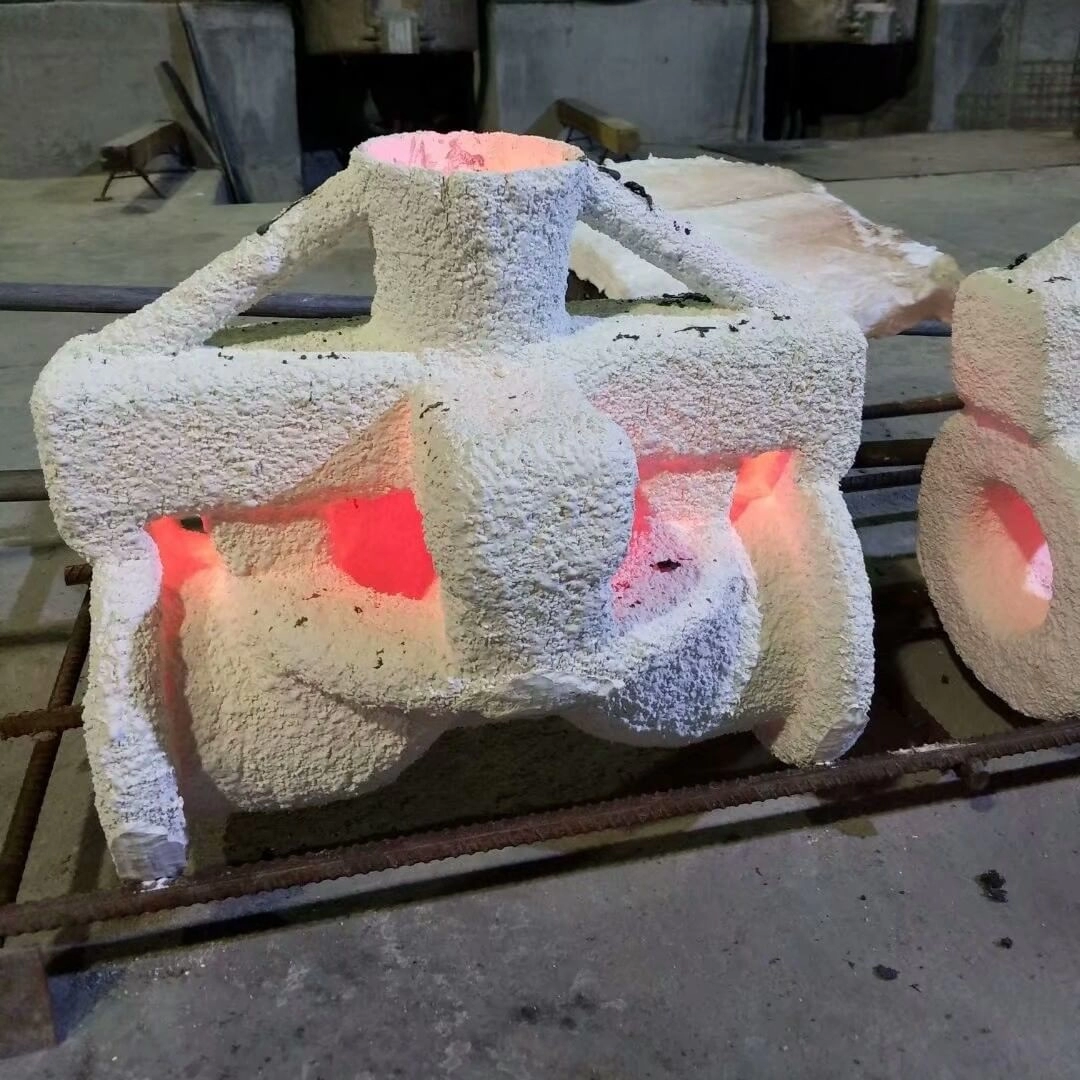
Удаление воска и обжиг оболочек — это ключевые этапы в процессе литья из нержавеющей стали. Если мы ошибемся на этих этапах, позже появятся трещины оболочки, зазоры, газовые дефекты и шероховатая поверхность. Мы рассматриваем этот этап как критический контроль процесса, а не просто формальность.
Автоклавное удаление воска: основные параметры
Для литья из нержавеющей стали мы в основном используем автоклавное удаление воска (паровое удаление воска), потому что оно защищает керамическую оболочку и обеспечивает точность размеров.
Типичные параметры автоклава, с которыми мы работаем:
- Температура: ~150–180 °C (302–356 °F)
- Давление: ~0.6–1.2 МПа (6–12 бар), в зависимости от типа оболочки и воска
- Время: 5–20 минут на партию, в зависимости от размера дерева и объема воска
В процесс утратной-восковой отливки, пар быстро размягчает и выводит воск из оболочки, прежде чем она слишком расширится. Это важно для тонкостенных, высокоточных литых изделий из нержавеющей стали, где повреждение оболочки недопустимо.
Альтернативные методы удаления воска
Иногда мы используем другие методы удаления воска, когда это требуется для детали или системы воска:
- Вспышка / сжигание: Прямое нагревание печи для плавления и сжигания воска; чаще используется для прочных оболочек или простых деталей.
- Удаление воска кипящей водой: Меньший термический шок, полезен для деликатных оболочек, но медленнее.
- Гравитационное сливание + предварительный нагрев: Для специальных восков или когда нужно восстановить больше воска.
Мы выбираем метод в зависимости от:
- Прочности и толщины оболочки
- Рецептуры воска и требований к переработке
- Сложности детали и цели по качеству поверхности
Почему плохое удаление воска повреждает целостность оболочки
Плохое удаление воска проявляется позже как трещины, зазоры и протечки. Вопросы, которых мы строго избегаем:
- Слишком быстрое нагревание: Воск расширяется, прежде чем сможет выйти → трещины в оболочке, особенно в острых углах и тонких участках.
- Неравномерное нагревание: Локальные горячие точки → деформация и микротрещины в оболочке.
- Неполное удаление воска: Остаточный воск или зола → газовая пористость, включения и шероховатость поверхности в отливке из нержавеющей стали.
Для сохранения целостности оболочки мы строго контролируем скорость нагрева, нарастание давления пара и дренаж и проверяем оболочки после удаления воска на наличие повреждений.
Предварительный нагрев и спекание оболочки
После удаления воска мы обжигаем пустые керамические оболочки для достижения полной прочности и сжигания оставшихся органических материалов.
Типичная практика обжига / предварительного нагрева оболочки:
- Этапы предварительного нагрева: Постепенное повышение температуры, чтобы избежать термического шока (например, 200 °C → 600 °C → 900–1000+ °C)
- Температура спекания: Обычно 900–1100 °C в зависимости от системы оболочки
- Время пропитки: Достаточно долго, чтобы полностью спекаться керамику и стабилизировать форму
Этот этап обжига придает оболочке:
- Высокую горячую прочность для выдерживания литья расплавленной нержавеющей стали
- Правильный проницаемость для выхода газов
- Стабильная, чистая поверхность для хорошей поверхности после отливки
Почему температура обжига критична для качества литья из нержавеющей стали
Сплавы из нержавеющей стали чувствительны к реакции с формой, поглощению газов и поведению при охлаждении. Режим обжига оболочки напрямую влияет на качество:
- Слишком низкая температура обжига:
- Слабые оболочки → деформация, эрозия или разрушение формы при заливке
- Плохое выгорание → газовая пористость и включения
- Грубая поверхность после отливки
- Слишком высокая температура обжига:
- Пересушенные оболочки → сниженная проницаемость, повышенный риск газовых дефектов
- Возможная химическая реакция между оболочкой и нержавеющей сталью → изменение цвета, дефекты поверхности, сложность очистки
Мы контролируем температуру печи и время с помощью строгой документации, аналогичной используемой для испытаний и обеспечения качества, поэтому каждая партия оболочек обжигается в узком диапазоне. Так мы поддерживаем последовательность, качество поверхности и механические свойства стабильными в рамках проектов литья из нержавеющей стали с инвестиционной формой.
Процесс плавки и заливки нержавеющей стали
В нашей линии литья из нержавеющей стали с инвестиционной формой, плавка и заливка являются этапами, на которых закрепляются окончательные механические свойства и качество поверхности. Если этот этап не контролировать строго, никакая доводка не сможет исправить ситуацию.
Плавка нержавеющей стали в индукционной печи
Мы плавим нержавеющую сталь в современных печах с индукционным нагревом средней частоты для быстрого, чистого и управляемого нагрева. Основные моменты:
- Точный контроль температура, шлак и сверхнагрев расплава
- Использование чистых материалов для загрузки для снижения включений и поглощения газа
- Мониторинг в реальном времени для поддержания стабильности и однородности расплава
Этот уровень контроля процесса критичен для требовательных рынков, таких как нефтегазовой промышленности и турбомашиностроение, где мы также поддерживаем высокопроизводительные сплавы, аналогичные используемым в компоненты газовой турбины.
Подготовка заряда и химический контроль
Перед плавкой мы планируем смесь заряда (слитки, возвраты, легирующие элементы) для достижения точного сорта нержавеющей стали:
- Используйте сертифицированное сырье с полной отслеживаемостью партии плавки
- Регулируйте содержание углерода, хрома, никеля, молибдена, меди и др. в соответствии с техническими требованиями
- Берите образцы спектрометра во время плавки и корректируйте химию на месте
Так мы надежно производим CF8 (304), CF8M (316), CF3M (316L), 17-4PH, дуплекс 2205 и другие сорта нержавеющей стали с постоянными характеристиками.
Практики дегазации и окисления
Нержавеющая сталь чувствительна к кислороду, водороду и азоту. Чтобы сохранить металл чистым:
- Используйте контролируемые окислители (например, ферросиликон или алюминий в тщательно рассчитанных количествах)
- Минимизируйте контакт с воздухом с помощью правильной шлаковой крышки
- Применять аргоновое пускание / инертное газовое перемешивание при необходимости для снижения газовой пористости
Наша цель ясна: низкий уровень газа, минимальные включения и спокойная, чистая плавка для прецизионного литья.
Температура заливки для сплавов из нержавеющей стали
Мы устанавливаем температуру заливки на основе сплава, толщины секции и сложности детали:
- Аустенитные марки (CF8/CF8M/CF3M): обычно в диапазоне 1550–1650°C диапазона
- 17-4PH и другие марки PH: немного скорректированы для соответствия требованиям текучести и микроструктуры
- Дуплекс / супердуплекс: более узкое окно для предотвращения хрупкости и дисбаланса фаз
Слишком горячая заливка приводит к окислению и дефектам усадки; слишком холодная — к недозаливу и неполной заливке. Мы всегда ориентируемся на узкий, проверенный диапазон для каждой детали.
Техники заливки для минимизации турбулентности
В нержавеющей стали инвестиционное литье мы заливаем так, чтобы металл оставался спокойным:
- Системы верхней или нижней заливки, предназначенные для уменьшения высоты свободного падения
- Контролируемый, непрерывный режим заливки (без брызг, без перерывов)
- Хорошо спроектированные системы формовки и вентиляции для чистого выхода воздуха
Меньшая турбулентность означает меньше оксидов, меньше захвата газа и более чистую поверхность.
Заполнение формы при литье из нержавеющей стали с тонкими стенками
Тонкостенные и сложные нержавеющие детали требуют предсказуемого заполнения формы:
- Сбалансированное управление подачей для поддержания равномерного потока в тонкие секции
- Правильный сверхнагрев, чтобы металл оставался текучим, но не перегревался
- Правильная предварительная нагревка оболочки, чтобы металл не застывал слишком рано
Это позволяет нам отливать нержавеющие детали с тонкими стенками с геометрией, близкой к конечному размеру, и минимальной механической обработкой.
Распространённые металлургические дефекты и способы их предотвращения
Мы разрабатываем процесс, чтобы избежать классических дефектов литья из нержавеющей стали:
- Газовая пористость – контролируемая химия расплава, дегазация, спокойное заливка
- Усадочные пористости / полости – оптимизированные подъемники, формовка и моделирование подачи
- Трение при горячем растрескивании и трещины – правильный выбор сплава, дизайн формовки и контроль охлаждения
- Включения и оксидные пленки – чистый заряд, контроль шлака, заливка с низкой турбулентностью
Обрабатывая эти этапы на плавка и заливка этапе, мы поставляем инвестиционные отливки из нержавеющей стали, которые стабильны, однородны и готовы к критической механической обработке и сборке.
Охлаждение, knockout и обрезка в процессе литья из нержавеющей стали
В инвестиционном литье из нержавеющей стали охлаждение, knockout оболочки и обрезка — это этапы, на которых закрепляются окончательные свойства и форма. Если спешить на этом этапе, позже придется платить за искажения, трещины и дополнительную механическую обработку.
Охлаждение и затвердевание отливок из нержавеющей стали
После заливки мы контролируем охлаждение, чтобы сбалансировать механические свойства, микроструктуру и размерную стабильность:
- Контролируемые кривые охлаждения предотвращают горячие трещины и избыточные остаточные напряжения.
- Тонкостенные отливки из нержавеющей стали охлаждаются быстрее, поэтому мы корректируем конструкцию дерева и толщину оболочки, чтобы избежать вариаций твердости по всему изделию.
- Для более высоколегированных марок (17-4PH, дуплекс, супердуплекс) мы уделяем особое внимание охлаждению, чтобы избежать нежелательных фаз и потери ударной вязкости.
Как скорость охлаждения влияет на зернистую структуру
Скорость охлаждения напрямую формирует зернистую структуру и конечные характеристики:
- Более быстрое охлаждение → более мелкие зерна, высокая прочность, лучшая ударная вязкость, но повышенный риск напряжений.
- Медленное охлаждение → более крупные зерна, лучшее снятие напряжения, но меньшая прочность и возможные усадочные дефекты.
- Мы настраиваем расположение дерева, толщину оболочки и температуру заливки чтобы достичь оптимального баланса для каждого сорта нержавеющей стали.
Методы выбивания оболочки
После затвердевания и охлаждения до безопасной температуры мы удаляем керамическую оболочку:
- Вибрационное и механическое выбивание для разрушения большей части оболочки.
- Молотком или скалыванием для упрямых участков, аккуратно, чтобы избежать повреждений поверхности.
- Пескоструйная обработка или шлифовка для удаления остатков керамики и очистки поверхности нержавеющей стали.
Наша цель: полное удаление оболочки с минимальным риском вмятин, микротрещин или дефектов поверхности.
Резка от дерева и удаление ворот
После выбивания мы отделяем каждую отливку из нержавеющей стали от воскового “дерева”:
- Резка ленточной пилой или абразивной резкой на воротах и каналах.
- Обработка ворот и их сглаживание для удаления заглушек и восстановления заданного контура.
- Мы проектируем позиции ворот так, чтобы области среза были не критичными или легко обрабатываемыми позже.
Чистый срез и умный дизайн ворот означают меньше переделок и меньшие общие затраты.
Управление искажения и остаточными напряжениями
нержавеющая сталь склонна к искажениям и остаточным напряжениям при неконтролируемом охлаждении:
- Мы контролируем скорость охлаждения и поддержку деталей во время охлаждения, чтобы избежать изгиба и деформации.
- Для длинных, тонких или асимметричных отливок мы можем использовать фиксаторы или выравнивание после охлаждения.
- Правильный термической обработке позже выполняется снятие напряжений, но хорошая практика охлаждения снижает необходимость в исправлениях.
Правильное выполнение этого этапа обеспечивает вам нержавеющие стальные отливки, которые являются размерно стабильными, структурно прочными и готовыми к отделке с минимальными дополнительными затратами.
Термическая обработка нержавеющих стальных отливок
Почему термическая обработка важна после литья из нержавеющей стали
Для инвестиционного литья из нержавеющей стали термическая обработка не является опцией – именно она закрепляет окончательные устойчивости к коррозии, характеристики, и размерная стабильность. Как отливки из нержавеющей стали после отливки могут иметь внутренние напряжения, грубую или неравномерную микроструктуру и сниженные показатели коррозийной стойкости. Правильная термическая обработка позволяет нам:
- Снять напряжения после литья и снизить деформацию при последующей механической обработке
- Растворить вредные фазы и карбиды, ухудшающие коррозионную стойкость
- Обеспечить стабильные механические свойства от партии к партии
Аустенитная нержавеющая сталь (CF8 / 304, CF8M / 316, CF3M / 316L)
Для отливок из аустенитной нержавеющей стали (распространенные 304 / 316 / 316
Операции по отделке и подготовке поверхности для процесса литья из нержавеющей стали
Отделка — это этап, на котором инвестиционные отливки из нержавеющей стали переходят от “сырого отливка” к “готовому к установке”. Мы сосредоточены на контролируемых, повторяемых этапах процесса литья из нержавеющей стали, чтобы добиться точных поверхности и размеров.
Шлифовка, резка и доводка
После удаления оболочки мы удаляем все литники, каналы и излишки металла:
- Обрезка: Пильной или абразивной резкой для отделения деталей от дерева формы.
- Доводка и шлифовка литников: Точная шлифовка для удаления остатков литников и линий раздела без подрезания критических участков.
- Интеграция: Плавные переходы, чтобы отливка выглядела и функционировала как деталь почти точной формы, обработанная механическим способом.
Мы поддерживаем низкий уровень тепловложения, чтобы избежать деформации тонкостенных отливок из нержавеющей стали.
Пескоструйная обработка, шлифовка песком, вибрационная отделка
Для очистки и унификации поверхности мы комбинируем различные методы отделки:
- Пескоструй / дробеструй: Удаляет керамические остатки и накипь, обеспечивает равномерную матовую поверхность.
- Вибрационная обработка: Использует среду для сглаживания краев и выравнивания микропиков, идеально перед полировкой или покрытием.
Среда и давление настроены в соответствии с сплавом и геометрией, что является ключом к коррозионностойким литым изделиям из нержавеющей стали, используемым в требовательных секторах, таких как компоненты морского машиностроения и оборудование OEM.
Выпрямление и коррекция размеров
Если деталь немного смещается во время охлаждения или обработки, мы исправляем это:
- Холодные или теплые фиксаторы для выпрямления для возвращения размеров в допуски.
- Контролируемые системы пресса и шаблонов для защиты критичных уплотнительных поверхностей и отверстий.
Это особенно важно для длинных, тонких или асимметричных литых изделий из нержавеющей стали.
Обработка кромок и сглаживание краев
Для безопасности и функции — никаких острых краев:
- Ручная обработка кромок и снятие заусенцев на всех участках обработки и сборки.
- Целенаправленные фаски и радиусы там, где контактируют уплотнители, уплотнительные кольца или операторы.
Гладкие края также уменьшают точки возникновения трещин и повышают ресурс усталости.
Как отделка влияет на шероховатость поверхности и внешний вид
Операции отделки напрямую контролируют вашу конечную поверхность:
- Обработанные шлифовкой поверхности: подходят для промышленного использования, покраски или порошкового покрытия.
- Предварительная полировка поверхности: достигается более тонким пескоструйным и вибрационным доводкой для снижения Ra перед зеркальной полировкой.
- Последовательный внешний вид: один и тот же маршрут обработки = одинаковый внешний вид от партии к партии.
Комбинируя строгий контроль процесса литья из нержавеющей стали с правильным маршрутом отделки, мы поставляем детали, которые выглядят чисто, легко собираются и минимизируют дополнительную обработку или полировку с вашей стороны.
Допуски по размерам при инвестиционном литье из нержавеющей стали
Правильное соблюдение допусков по размерам — это то, что определяет, пойдет ли ваша деталь из нержавеющей стали прямо на сборку или потребуется дополнительная обработка. Мы рассматриваем это как важную часть нашего процесса, а не как дополнение.
Типичные допуски по размерам для инвестиционных отливок
Для большинства инвестиционных отливок из нержавеющей стали можно ожидать:
- Мелкие детали (≤ 25 мм / 1″): ±0,10–0,20 мм (±0,004–0,008″)
- Средние размеры (25–100 мм / 1–4″): ±0,20–0,40 мм (±0,008–0,016″)
- Более крупные размеры (>100 мм / 4″): обычно ±0,40–0,80 мм (±0,016–0,032″)
Это реалистичные “производственные” допуски, которые мы регулярно достигаем для деталей почти без отходов в нашей мастерской по точной литью и механической обработке нержавеющей стали.
Факторы, влияющие на достижимые допуски
Ваш окончательный допуск зависит от нескольких ключевых факторов:
- Размер детали – большие отливки смещаются больше во время восковой модели, оболочки и охлаждения.
- Геометрия – тонкие стенки, длинные пролеты и асимметричные секции деформируются больше.
- Тип сплава – разные марки нержавеющей стали имеют разные коэффициенты усадки.
- Толщина стенки – неравномерные секции вызывают дифференциальное охлаждение и деформацию.
- Качество инструмента – высокоточные формы обеспечивают более повторяемые результаты.
Мы учитываем все эти факторы, прежде чем установить допуск по вашему чертежу.
Правила линейных допусков на дюйм / на миллиметр
Простое правило для инвестиционного литья из нержавеющей стали:
- Метрика: ±0,20 мм для первых 25 мм, плюс ±0,02–0,03 мм на каждый последующий 10 мм
- Имперская система: ±0,008″ для первого дюйма, плюс ±0,002″ на каждый следующий дюйм
Это руководство; для критичных характеристик мы укажем конкретные значения на основе вашей 3D-модели и сплава.
Компенсация усадки сплавов и вариаций процесса
Нержавеющие стали усаживаются при переходе от воска к металлу. Мы учитываем это в процессе, делая следующее:
- Масштабирование инструмента для каждого коэффициента усадки сплава.
- Настройка параметров впрыска воска для поддержания низкого вариационного отклонения шаблона.
- Контроль толщины оболочки и обжиг для снижения искажения.
- Стандартизация температуры заливки и режимов охлаждения для стабилизации повторяемости.
Со временем мы уточняем компенсацию, используя реальные измерительные данные из производственных деталей.
Когда и почему следует указывать более жесткие допуски
Вы должны ужесточать допуски только там, где это действительно добавляет ценность, например:
- Грани уплотнения и соответствующие посадки
- Подшипниковые отверстия и интерфейсы валов
- Местоположительные особенности которые управляют положением сборки
Для этих областей мы часто используем подход “отливка + точная механическая обработка”: держите отливку близко к размеру, затем удаляйте минимальный запас в механической обработке, чтобы достичь очень жестких ограничений. Перестраховка в отношении не критичных областей только увеличивает стоимость без пользы.
Методы измерения и инструменты контроля
Для контроля допусков по размерам мы используем:
- КММ (координатно-измерительная машина) для сложных 3D-профилей и точных особенностей.
- Оптические и визуальные системы для мелких и сложных деталей.
- Цифровые штангенциркули, микрометры, калибры для измерения отверстий, высотомеры для рутинных проверок.
- Индивидуальные калибры и приспособления для быстрой производственной инспекции.
Для новых деталей мы предоставляем полный Первоначальный контрольный осмотр (FAI) отчет, связанный с чертежами и номерами термических партий материала, чтобы у вас был полный прослеживаемый пакет.
Качество поверхности и шероховатость при литье из нержавеющей стали
Стандартная поверхность после отливки
Для инвестиционного литья из нержавеющей стали поверхность после отливки уже достаточно гладкая по сравнению с пескоструйным или механическим обработкой.
- Типичный как-отливка Ra: 3,2–6,3 мкм (125–250 мкин)
- При оптимизации инструмента и процесса: 1,6–3,2 мкм (63–125 мкин)
- Этот уровень обычно достаточно хорош для многих конструкционных и промышленных отливок из нержавеющей стали без полного механического обработки.
Мы контролируем процесс утратной-восковой отливки строго, чтобы вы получили приблизительно-готовую форму нержавеющих деталей с чистым, однородным внешним видом прямо из оболочки.
Как воск и керамическая оболочка влияют на шероховатость поверхности
Качество поверхности в литью из нержавеющей стали по инвестиционной технологии зависит от двух факторов: воскового шаблона и керамической оболочки.
Качество воскового шаблона:
- Гладкие, плотные восковые шаблоны = более гладкая поверхность литого из нержавеющей стали
- Контролируемый параметры впрыска воска (температура, давление, охлаждение) уменьшают появление усадочных раковин и деформаций
- Хорошая Обработка воскового шаблона предотвращает царапины, сварные швы и вмятины, которые могли бы проявиться на отливке
Качество керамической оболочки:
- Тонкая керамическая суспендия и тонкое слоистое покрытие на первых слоях обеспечивает более плотную, гладкую поверхность
- Контролируемое высыхание оболочки предотвращает потеки, капли и шероховатости
- Проницаемость и прочность оболочки сбалансированы, чтобы избежать текстуры апельсиновой корки и отслаивания оболочки
Мы рассматриваем создание воскового шаблона и керамической оболочки как важные этапы, а не просто подготовительную работу. Лучший контроль на начальном этапе означает меньше шлифовки и полировки позже.
Типичные значения Ra / RMS для поверхности после отливки из нержавеющей стали
Ниже приведено краткое руководство по шероховатости поверхности литых изделий из нержавеющей стали:
| Обработка / Завершение | Типичный Ra |
|---|---|
| Стандартный пескоструйный нержавеющий сплав | 6.3–12.5 мкм |
| Отливка по инвестиционной модели в виде отливки из нержавеющей стали | 3,2–6,3 мкм |
| Оптимизированная инвестиционная отливка (тонкая оболочка) | 1.6–3.2 мкм |
| Обработанная поверхность | 0.8–3.2 мкм |
| Обточенная / тонко обработанная | 0.4–1.6 мкм |
| Полированная | 0.1–0.4 мкм |
| Зеркальная полировка | ≤0.05 мкм |
Если вы поделитесь своим Требование Ra / RMS в RFQ мы можем прямо сказать, достаточно ли отливки или требуется вторичная обработка.
Как мы достигаем более гладких поверхностей перед полировкой
Когда вам нужен результат лучше стандартной отливки, мы используем комбинацию процессов и этапов обработки:
- Оптимизированное оборудование и воск
- Высококачественные, гладкие формы для полостей
- Правильный контроль усадки воска и настройки инъекции
- Отшлифованный керамический корпус
- Экстра-тонкий первичный шлам и штукатурка для критических поверхностей
- Чистые корпуса с контролируемой влажностью и температурой
- Обработка после отливки
- Пескоструйная обработка / шлифовка выравнивание поверхности
- Легкий шлифовка и доводка на воротах и линиях разделения
- Вибрационная обработка для мелких и средних деталей для сглаживания острых краев и повышения однородности
Цель проста: достичь вашего спецификации по отделке поверхности с минимальным количеством дополнительных операций, контролируя стоимость.
Отливка по модели против обработки и других процессов
Вот как инвестиционное литье из нержавеющей стали сравнивается с другими методами:
- Отливка по модели
- Лучшее сочетание отделки поверхности и стоимости для сложных форм
- Обычно сокращает время обработки по сравнению с пескоструйными отливками или сварными конструкциями
- Полностью обработано на станке из прутка/ковки
- Может достигать более точной Ra легко, но отходы материала и время обработки значительно выше
- Имеет смысл только для малых объемов или очень высокоточных уплотнительных поверхностей
- Песочное литье
- Гораздо более шероховатая поверхность, требует тяжелой обработки для косметических или уплотнительных поверхностей
- Лучше подходит для очень больших деталей, где качество поверхности не критично
- Металлическое формование с помощью инжекции (MIM)
- Очень гладкая поверхность на мелких деталях с высоким объемом производства
- Ограничения по размеру детали и зачастую более высокая стоимость инструмента
Для большинства глобальных OEM-клиентов, литью из нержавеющей стали по инвестиционной технологии находится в оптимальной зоне: хорошая обработка после литья, сложная геометрия и меньшие общие затраты по сравнению с полной обработкой.
Когда имеет смысл зеркальная полировка или косметическая отделка
Мы часто получаем запросы на зеркальную полировку литья из нержавеющей стали. Это отлично подходит в правильных ситуациях, но излишне в других.
Зеркальная или высокая косметическая отделка имеет смысл, когда:
- Вы в пище, молочной промышленности, фармацевтике or медицине и вам нужны гигиена и легкая очистка
- Детали являются видимыми для конечных пользователей (ручки, морское оборудование, архитектурные фитинги)
- Вам нужен сильный бренд / премиальный внешний вид с высоким визуальным воздействием
- Коррозионная стойкость требует повышения в агрессивных или морских условиях (в сочетании с пассивацией or электрополированием)
Для многих промышленных, насосных и клапанных отливок, достаточно комбинации отливки + локальная механическая обработка + пассивация и это гораздо более экономично.
Обычно мы рекомендуем:
- Отливки в состоянии как-есть или с легкой пескоструйной обработкой для внутренних, невидимых деталей
- Обработанные механической обработкой + полированные уплотнительные поверхности где важна производительность
- Полировка зеркальной поверхности / электрополировка только там, где критичны внешний вид, гигиена или высокая коррозионная стойкость
Если вы расскажете, где и как используется ваша деталь из нержавеющей стали, мы порекомендуем самое экономичное покрытие поверхности которое при этом соответствует вашим функциональным и эстетическим требованиям.
Контроль качества и неразрушающее тестирование для литья из нержавеющей стали
При литье из нержавеющей стали мы не рассматриваем качество как финальный этап – мы внедряем его на каждом этапе процесса.
Промежуточный и размерный контроль
На каждом этапе (восковая модель, создание оболочки, заливка, отделка) мы проводим проверки в процессе, чтобы выявить проблемы на ранних стадиях и избежать брака позже.
Для измерений мы используем координатно-измерительные машины (КИМ), калибры и специальные приспособления для проверки критических размеров.
- Первоначальный контроль изделия (FAI):
Для новых деталей или изменений в конструкции мы предоставляем полные отчеты FAI, охватывающие:- Ключевые размеры и допуски
- Поверхностная отделка и критические особенности
- Проверка сплава и термической обработки
Это помогает глобальным заказчикам закрепить стабильный процесс перед массовым производством.
Методы неразрушающего контроля (NDT)
Мы подбираем методы NDT в соответствии с вашей отраслью и уровнем риска (авиация, медицина, пищевая промышленность, морская сфера, промышленность и т.д.):
- Контроль с помощью капельной проникающей жидкости (DPT):
Используется для оценки качества поверхности нержавеющей стали – обнаруживает открытые трещины, пористость и утечки на обработанных и отливках поверхностях. - Рентгеновский (X‑ray) контроль:
Идеально подходит для сложных отливок из нержавеющей стали и критически важных для безопасности деталей. X‑ray выявляет:- Внутренние усадочные поры
- Газовая пористость
- Включения и внутренние трещины
- Магнитный порошковый контроль (MPI):
Применяется к магнитным маркам нержавеющей стали (например, некоторые мартенситные и PH сплавы). Обнаруживает поверхностные и близкие к поверхности трещины в зонах высокого напряжения, таких как резьбы, скосы и зоны сварки.
Вы можете увидеть, как мы интегрируем эти методы контроля в наш процесс литья нержавеющей стали на нашей странице технологий и возможностей процессов.
Механические испытания и прослеживаемость (MTR, PMI)
Для поддержки требовательных глобальных применений мы предоставляем полную проверку материалов:
- Механические испытания:
- Растяжение, предел текучести, удлинение
- Твердость (HB/HRC)
- Ударные испытания (Charpy) при необходимости
- Отчеты о испытаниях материалов (MTR):
Сертификаты по партии плавки с химическим составом, механическими свойствами и записями о термообработке. - PMI (Положительная идентификация материала):
Портативный спектрометр для проверки отливок из нержавеющей стали с целью подтверждения точного сорта сплава (например, CF8, CF8M, 17‑4PH, дуплекс 2205).
Благодаря сочетанию НКТ, механических испытаний и полной прослеживаемости, мы обеспечиваем надежность нашей услуги по индивидуальному литью из нержавеющей стали для долгосрочных и повторных заказов. Если вам нужны планы контроля, специфичные для проекта, или пакеты PPAP/FAI, просто укажите ваши требования при обращении к нам. команда по литью из нержавеющей стали.
Литьё из нержавеющей стали методом инвестиционного литья против других процессов

Выбор подходящего метода производства для деталей из нержавеющей стали зависит от геометрии, объёма, требований к допускам и целевых затрат. Ниже приведена таблица, которая сравнивает инвестиционное литьё с ЧПУ-обработкой, пескоструйным литьём, литейным прессованием и MIM, чтобы помочь вам быстро определить наиболее подходящий процесс.
Таблица сравнения инвестиционного литья из нержавеющей стали с другими процессами
| Требование / ситуация | Литье по выплавляемым моделям | ЧПУ-обработка | Пескоструйное литьё | Литейное прессование* | MIM |
|---|---|---|---|---|---|
| Лучше всего для | Сложные формы, средний–высокий объём | Малый объём, точные допуски | Крупные, простые детали | Объемное производство неметаллов | Очень маленькие, сложные детали |
| Геометрия | Отличная | Хорошая | Простые | Хорошая | Отличная |
| Допуски | Плотное | Очень точные | Свободные | Точные (Al/Zn/Mg) | Очень точные |
| Поверхностная отделка | Гладкие | Гладкие | Грубые | Гладкие | Очень гладко |
| Размер детали | Маленький–средний | Маленький–большой | Средний–большой | Маленький–средний | Очень маленький |
| Объем | Средне-высокий | Низкие | Низко-высокий | Очень высокая | Очень высокая |
| Примечания | Близкая к финальной форма, эффективна для сложных деталей | Лучше всего для прототипов | Крепкие, массивные детали | Редко используется для нержавеющей стали | Идеально для микроособенностей |
Преимущества литья из нержавеющей стали по моделям
Свобода проектирования и сложные геометрии
При литье из нержавеющей стали (метод потерь воска / прецизионное литье) я могу создавать формы, которые практически невозможно или очень дорого обрабатывать или сваривать.
- Внутренние каналы, вырезы и логотипы в одном изделии
- Интегрированные кронштейны, выступы и монтажные элементы
- Гладкие органические формы для проточных деталей (клапаны, насосы, импеллеры)
Это дает вам больше возможностей в дизайне и исключает необходимость в нескольких сварных или механических сборках.
Возможность изготовления тонкостенных и почти готовых к использованию форм
Литье из нержавеющей стали методом инвестиционного литья идеально подходит для тонкостенных, детализированных деталей:
- Толщина стенки до 2–3 мм на многих деталях
- Тонкие, однородные стенки для лучшей производительности и снижения веса
- Почти готовая к использованию форма, поэтому большинство поверхностей готовы к использованию с минимальной механической обработкой
Вы получаете легкие детали, меньше отходов и более быстрый переход от литья к готовому изделию.
Отличная поверхность и меньше механической обработки
Керамическая оболочка и тонкие восковые модели обеспечивают естественно хорошую поверхность литых изделий из нержавеющей стали:
- Тонкая поверхность после литья, часто Ra 3.2–6.3 мкм или лучше
- Меньшие допуски по сравнению с песчаным литьем
- Сокращенное время обработки на фрезерных станках по фаскам, отверстиям и уплотнительным зонам
Это означает меньшие затраты на механическую обработку, сокращенные циклы и более чистый внешний вид нержавеющих компонентов.
Лучшее использование материала и меньше отходов
По сравнению с вырезными методами, такими как фрезерование на ЧПУ из прутка или заготовки:
- Вы заливаете только металл, необходимый для детали почти готовой формы
- Ручки и каналы можно перерабатывать обратно в расплав
- Нет огромных куч стальных стружек для управления
Вы платите за детали, а не за стружку, что важно при использовании более дорогих сплавов, таких как CF8M (316), CF3M (316L), 17‑4PH, или дуплексных марок.
Последовательность и повторяемость при массовом производстве
После настройки инструментов и процесса, литейное производство из нержавеющей стали обеспечивает:
- Стабильные размерные допуски от партии к партии
- Надежные механические свойства через контролируемое плавление и термообработку
- Высокая повторяемость при производстве среднего и высокого объема
Именно поэтому многие мировые производители используют литейное производство для стандартных корпусов клапанов, насосных корпусов, морского оборудования и прецизионных промышленных компонентов.
Поддержка легкого дизайна
Потому что мы можем объединять тонкими стенками, оптимизированную геометрию, и прочные нержавеющие сплавы, инвестиционное литье идеально подходит для облегчения веса:
- Удаляйте ненужную массу с помощью ребер, карманов и топологически оптимизированных форм
- Используйте высокопрочные сплавы, такие как 17‑4PH или дуплекс, чтобы сохранять производительность при меньшем материале
- Улучшайте эргономику и снижайте расходы на доставку
Вы получаете высокая прочность, коррозионная стойкость и меньший вес в одном процессе – идеально для аэрокосмической, медицинской, морской и высокотехнологичной промышленности.
Ограничения и сложности литья из нержавеющей стали
Инвестиционное литье из нержавеющей стали мощное, но не всегда идеально подходит. Вот где процесс может подвести, если мы неправильно спланируем.
Стоимость инструментов и сроки изготовления
- Высокие первоначальные затраты на инструменты (NRE) - Формы для инжекции и приспособления изготавливаются на заказ, поэтому проекты с низким объемом или однократные могут не оправдать затрат.
- Сроки изготовления инструментов - Новый инструмент для литья из нержавеющей стали обычно занимает 3–6 недель на проектирование, обработку и настройку, в зависимости от сложности.
- Лучшее соответствие — повторные заказы и стабильные дизайны где стоимость оснастки распределена по объему.
Ограничения по размеру и весу деталей
- Литиевая отливка лучше всего подходит для малых и средних деталей. Очень большие или тяжелые детали лучше делать с помощью песочное литье or сборки.
- Очень толстые секции могут вызывать усадочные дефекты, в то время как ультратонкие стенки за пределами технологических возможностей могут вызывать недовылеты или неполное заполнение.
От изготовления оснастки до первых образцов
- Ожидайте 6–10 недель от запуска оснастки до первых образцов из нержавеющей стали, включая:
- Проектирование и изготовление оснастки
- Образцы из воска, создание оболочки, заливка и термическая обработка
- Первичные проверки качества и корректировки
- Если вам нужны срочные прототипы, ЧПУ-обработка или 3D-печать могут быть быстрее для ранней проверки дизайна.
Специфические проблемы сплавов
Некоторые нержавеющие стали более чувствительны и требуют более строгого контроля процесса:
- Аустенитные марки (304 / 316 / CF8 / CF8M / CF3M)
- Риск: горячие трещины, пористость усадки если конструкция подачи и опок выполнены плохо.
- 17-4PH и другие марки с закалкой осадками
- Чувствительны к термической обработке; неправильный цикл = хрупкие или низкопрочные детали.
- Дуплекс / супердуплекс (2205, 2507, CD4MCu)
- Требуется точное охлаждение и термическая обработка для поддержания правильного баланса фаз; иначе прочность и коррозионная стойкость снижаются.
- Сложные формы в этих сплавах также могут быть более склонны к деформации и трещинам во время охлаждения.
Когда литье из нержавеющей стали не подходит
Следует дважды подумать о инвестиционном литье из нержавеющей стали, когда:
- Вам нужно только очень небольшие количества и может обрабатывать из бруска или пластины дешевле и быстрее.
- Деталь является очень большие, чрезвычайно тяжелые, или имеют очень толстые блоки где литье из песка более экономично.
- Вам нужно микроскопические детали с ультратонкими деталями и очень точными допусками, лучше подходящими для металлическим инжекционным формованием (MIM) or точное машиностроение.
- Вам требуется сроки выполнения в несколько дней, а не недели.
- Дизайн постоянно меняется; постоянное перепроектирование делает фиксированные формы плохой инвестицией.
Если вы не уверены, отправьте нам ваш 3D-модель, объем и требования к материалу и мы скажем вам прямо, подходит ли инвестиционное литье из нержавеющей стали или лучше выбрать другой процесс, который сэкономит ваше время и деньги.
Промышленные применения инвестиционного литья из нержавеющей стали
Инвестиционное литье из нержавеющей стали — это решение по умолчанию, когда вам нужны сложные формы, высокая точность и прочные, коррозионностойкие детали. Мы поставляем индивидуальные отливки из нержавеющей стали для клиентов по всему миру в различных отраслях, где важны производительность и надежность. Вы увидите использование этого процесса в:
Медицинские и хирургические компоненты
Для медицинских устройств инвестиционное литье из нержавеющей стали обеспечивает чистые, точные и надежные детали:
- Хирургические инструменты, захваты и ручки
- Ортопедические компоненты и кронштейны
- Оборудование для роботизированной хирургии и корпуса
Мы используем высококачественные нержавеющие сплавы с отличной коррозионной стойкостью и чистой поверхностью для поддержки строгих медицинских гигиенических и нормативных требований.
Запчасти для пищевой и молочной промышленности
Пищевые и молочные системы требуют гигиеничных, легко очищаемых деталей:
- Гигиеничные корпуса клапанов и корпуса насосов
- Фитинги, муфты и соединители
- Распылительные форсунки и компоненты для регулировки потока
Гладкие поверхности, точные допуски и нержавеющие стали пищевого качества (например, 316/316L) помогают снизить количество бактериальных ловушек и упростить процедуры CIP (чистка на месте). Многие из этих продуктов также пересекаются с нашими более широкими отраслевыми опытами в области процессов и OEM промышленности.
Морское оборудование и оборудование для опреснения воды
Морские и опреснительные среды являются суровыми, поэтому коррозионная стойкость критична:
- Морские аксессуары, петли, такелаж и кронштейны
- Компоненты и фитинги для установок по опреснению воды
- Коррозионностойкие части насосов и клапанов
Мы обычно используем нержавеющие стали 316/316L, дуплекс и супердуплекс для долгого срока службы в соленой воде и условиях с высоким содержанием хлорида.
Корпуса насосов, клапанов и импеллеры
Производители насосов и клапанов широко используют литейные изделия для:
- Сложных корпусов насосов и импеллеров
- Корпуса и крышки клапанов высокого давления
- Внутренние компоненты управления потоком и регулирующие элементы
Литьё близкое к финальной форме уменьшает механическую обработку, улучшает траектории потока и обеспечивает стабильную производительность от партии к партии.
Аэрокосмические и оборонные детали
Где важны вес, прочность и надежность, отлично подходит инвестиционное литьё из нержавеющей стали:
- Структурные кронштейны и корпуса
- Детали двигателя и системы выпуска
- Компоненты оружейных систем и оборонного оборудования
Мы поддерживаем строгую прослеживаемость материалов, документацию и контроль качества для аэрокосмических и оборонных применений.
Общие промышленные и OEM-использования
Инвестиционное литьё из нержавеющей стали встречается повсюду в промышленной и OEM-продукции:
- Автоматизация и робототехнические компоненты
- Инструменты и оборудование для ручных инструментов
- Запчасти для сельскохозяйственной, строительной и горнодобывающей техники
Комбинация свободы проектирования, повторяемости и хороших механических свойств делает инвестиционное литьё из нержавеющей стали разумным выбором для OEM-производителей, переходящих от образцов к массовому производству.
Выбор поставщика инвестиционного литья из нержавеющей стали
На что обращать внимание при выборе литейной фабрики по инвестиционному литью из нержавеющей стали
Когда вы выбираете поставщика инвестиционного литья из нержавеющей стали, вы определяете уровень будущего риска. Я всегда сначала оцениваю несколько важных факторов:
- Реальный опыт в области инвестиционного литья из нержавеющей стали, а не только общий опыт работы литейной фабрики
- Способность выполнять литье по технологии lost-wax / прецизионное литье с точными размерными допусками
- Доказанная способность к тонкостенными, сложными геометрическими деталями из нержавеющей стали
- Стабильные время изготовления и ясным контролем полного процесса литья из нержавеющей стали
Если литейное предприятие не может показать вам реальные кейсы литья из нержавеющей стали, фотографии процесса или образцы деталей, я обычно ухожу.
Опыт работы с нержавеющими сплавами и отраслями
Литье из нержавеющей стали очень зависит от сплава. Вам нужен поставщик, который уже знает ваш класс сплава и ваш рынок:
- Сплавы, которые они должны хорошо знать:
- CF8 / 304, CF8M / 316, CF3M / 316L
- 17-4PH и другие марки с закалкой осадками
- Дуплекс 2205, супертуплекс 2507, CD4MCu
- Отрасли, важные на глобальном уровне:
- Пищевая промышленность и молочные продукты / санитарные клапаны (гладкие, чистые поверхности, акцент на FDA/EU)
- Морская и опреснительная промышленность (высокая коррозионная стойкость)
- Медицинские и хирургические компоненты (отслеживаемость, чистое литье, FAI)
- Корпуса насосов и клапанов, импеллеры, общие промышленные запчасти OEM
Я ориентирую нашу мастерскую на литье из нержавеющей стали методом инвестиционного литья для глобальных OEM. Это означает, что мы подбираем сплав в соответствии с местным использованием — от пищевых стандартов в Европе до морского оборудования высокой коррозионной стойкости на прибрежных рынках.
Система качества и сертификаты
Для глобальных клиентов система качества является обязательной. По крайней мере, ваш поставщик литья из нержавеющей стали должен иметь:
- ISO 9001 для управления качеством
- IATF 16949 или опыт авто-класса, если вы работаете в автомобильной или похожих секторах
- Документированные процедуры для:
- Отчеты о испытаниях материалов (MTR) и прослеживаемость партии нагрева
- Проверка состава нержавеющей стали с помощью PMI
- Первичная инспекция изделия (FAI) и отчеты по размерам
- Неконтактное неразрушающее испытание (рентген, капельная проницаемость, MPI) при необходимости
Я всегда рекомендую запрашивать реальный образец их документов по контролю качества, а не только логотип на сайте.
Прозрачность процессов и техническая поддержка
Хорошее литье из нержавеющей стали — это контроль процесса. Вам нужен поставщик, который открыт в отношении того, как он работает:
- Прозрачность процесса:
- Четкий поток процесса литья из нержавеющей стали (восковая модель, оболочка, плавка, термообработка, отделка)
- Общие планы контроля и контрольные точки
- Возможность обсуждать строительство керамической оболочки, дегазацию, контроль температуры заливки и термообработку простыми словами
- Техническая поддержка:
- Обзор DFM по вашей 3D-модели и чертежам
- Предложения по повышению выхода литья, снижению механической обработки и уменьшению стоимости
- Ранний отзыв о допусках, толщине стенок и требованиях к поверхности
Мой подход: мы показываем вам, что происходит на литейном производстве, чтобы вы не гадали. Фото, видео и открытое обсуждение — стандарт.
Коммуникация и оперативность
Большинство проблем с литьем — это проблемы коммуникации, которые проявляются слишком поздно. Для глобальных программ я сосредотачиваюсь на:
- Быстрых, ясных ответах на запросы цен, технические вопросы и изменения в проекте
- Единственном ответственном за проект с нашей стороны, который следит за вашей работой от запроса цены до массового производства
- Регулярных обновлениях по:
- Состоянию оснастки
- Срокам изготовления образцов
- Проблемам процесса и мерах по их устранению (если что-то выходит из-под контроля)
Хорошее инвестиционное литье из нержавеющей стали — это не только заливка металла. Важно, как быстро мы реагируем, когда что-то нужно изменить. Обычно именно это решает, достигнете ли вы даты запуска проекта или нет.
Pingback: Услуги литейного цеха по lost wax casting, прецизионные детали от Vastmaterial — Vastmaterial
Pingback: Руководство по процессам и классам нержавеющей стали для литья — Vastmaterial