

2026 Stainless Steel Casting Process Step by Step Guide
Stainless steel investment casting—also called lost-wax casting or precision casting—is a near-net-shape process we use to produce complex, high-accuracy stainless steel parts with excellent surface finish and tight tolerances.
In simple terms, we:
- Inject a wax pattern of the part into a precision metal mold (tooling).
- Assemble multiple wax patterns onto a central wax runner to form a “tree.”
- Build a ceramic shell around the wax tree by repeated dipping and stucco coating.
- Dewax the shell in an autoclave (the wax melts out, leaving a hollow ceramic mold).
- Melt stainless steel in an induction furnace and pour the molten metal into the preheated ceramic shell.
- Cool and solidify, break the ceramic shell, cut off individual castings, then finish and machine as required.
That is the lost-wax casting process in a nutshell: start with wax, end with precision stainless steel components very close to final shape.
Why Stainless Steel for Investment Casting?
We focus heavily on stainless steel investment casting because stainless alloys offer a combination that many industries demand:
- Corrosion resistance – ideal for marine, food, medical, chemical, and outdoor environments.
- High strength and toughness – especially with grades like 17-4PH and duplex stainless.
- Clean, attractive surface – perfect for visible, cosmetic, or sanitary parts.
- Stable properties – stainless microstructure and performance can be tightly controlled with proper melting and heat treatment.
The investment casting process itself supports thin walls, intricate passages, sharp detail, and smooth surfaces, which matches extremely well with what stainless steel users typically need.
Stainless Steel Casting vs Carbon Steel Casting
We cast both stainless and carbon steels, but there are key differences buyers should understand:
- Alloy composition:
- Stainless steels contain high chromium (usually ≥10.5%) and often nickel, which form a passive film for corrosion resistance.
- Carbon steels have much lower alloy content, mainly focused on strength and toughness, not corrosion resistance.
- Melting and pouring:
- Stainless steel requires tighter control of chemistry, temperature, and slag to avoid oxidation, gas pickup, and carbide precipitation.
- Carbon steel is generally more forgiving and cheaper to melt.
- Cost:
- Stainless steel casting is more expensive per kilogram due to alloy content and process controls.
- However, stainless often eliminates plating, painting, or frequent replacement, lowering lifecycle cost.
- Applications:
- Stainless steel investment casting is chosen when corrosion resistance, hygiene, appearance, and long service life are critical.
- Carbon steel casting fits structural, general industrial, and non-corrosive environments where cost is the main driver.
We position stainless steel investment casting as the solution when you need precision, corrosion resistance, and complex geometry in a single process—without machining everything from bar or plate.
Common Stainless Steel Alloys for Investment Casting

When we do stainless steel investment casting, choosing the right alloy decides 80% of your performance, cost, and lifetime. Below is a quick, practical breakdown.
Main Stainless Steel Grades We Cast
| Alloy Type | Foundry Grade | Equivalent Wrought Grade | Key Features |
|---|---|---|---|
| Austenitic | CF8 | 304 | General-purpose, good corrosion, low cost |
| Austenitic | CF8M | 316 | Better corrosion, chloride resistance |
| Austenitic | CF3M | 316L | Low carbon, better weldability, anti-sensitization |
| Precipitation Hard. | 17-4PH | 17-4PH | High strength + good corrosion |
| Duplex | 2205 | UNS S32205/S31803 | High strength, very good corrosion |
| Super Duplex | 2507 | UNS S32750/S32760 | Extreme corrosion + high strength |
| Duplex Cast Alloy | CD4MCu | Similar to 25Cr duplex | Excellent corrosion, especially in pumps/valves |
Austenitic Stainless Steel Casting (CF8, CF8M, CF3M)
These are the workhorses of stainless steel investment casting.
- CF8 (304)
- Good for: general industrial parts, brackets, housings, non-aggressive environments
- Pros: most economical stainless, easy to cast, good formability
- Limit: not ideal for high chlorides or marine exposure
- CF8M (316)
- Good for: food equipment, marine fittings, pumps, valves, chemical equipment
- Pros: molybdenum improves pitting and crevice corrosion; better in seawater and chemicals
- Cost: slightly higher than CF8 but often worth it for longer life
- CF3M (316L)
- Good for: welded structures, hygienic and sanitary parts, medical and food-grade products
- Pros: low carbon, avoids carbide precipitation at welds, keeps corrosion resistance in heat-affected zones
- Common in: dairy fittings, sanitary valves, pharma components
If you’re comparing stainless vs alloy steel for corrosion and strength, we often point customers to our own stainless and alloy steel overview to decide what makes sense for their application.
Precipitation Hardening Stainless (17-4PH)
- 17-4PH stainless steel investment casting is our go-to when you need:
- High strength + good toughness
- Stable dimensions after heat treatment
- Moderate to good corrosion resistance
- Typical uses:
- Aerospace components
- Precision mechanical parts
- High-strength shafts, levers, and arms
Key point: 17-4PH can reach very high mechanical properties after aging, so you often save weight by reducing section thickness.
Duplex and Super Duplex Stainless (2205, 2507, CD4MCu)
For aggressive environments and high pressure, duplex and super duplex are the smart choice.
- 2205 duplex (duplex 2205 stainless casting)
- High strength (about 2x austenitic)
- Very good resistance to stress corrosion cracking
- Used in: offshore, structural supports, process equipment
- 2507 super duplex (super duplex 2507 casting)
- Designed for very aggressive chloride environments
- Stronger and more corrosion-resistant than 2205
- Used in: desalination, subsea hardware, chemical processing
- CD4MCu stainless alloy casting
- Widely used for pumps and valve components
- Excellent resistance to chloride and acid attack
- Great for seawater and corrosive slurry applications
We also produce 2205 duplex stainless products like bolts for customers who need consistent strength and corrosion resistance in fastening systems.
How to Choose the Right Stainless Alloy
When customers send us a drawing, we normally start from these questions:
- Environment
- Mild indoor / dry → CF8
- Food, pharma, light chemicals → CF8M or CF3M
- Marine, chlorides, seawater → CF8M, duplex 2205, CD4MCu, or 2507
- Required strength
- Standard structural loads → Austenitic grades (CF8/CF8M/CF3M)
- High strength and stiffness → 17-4PH or duplex 2205/2507
- Welding and fabrication
- Many welds or repair welding → CF3M or duplex with correct procedures
- Budget level
- Lowest cost stainless → CF8
- Balanced cost vs performance → CF8M, CF3M
- Premium performance → 17-4PH, 2205, 2507, CD4MCu
Corrosion, Strength, and Cost – Quick Comparison
| Grade | Corrosion Resistance | Strength Level | Relative Cost | Typical Use Case |
|---|---|---|---|---|
| CF8 | Good | Low–Medium | $ | General industrial, brackets, covers |
| CF8M | Very good | Low–Medium | $$ | Food, marine, chemical, valves, pumps |
| CF3M | Very good (welded) | Low–Medium | $$ | Sanitary and hygienic equipment |
| 17-4PH | Good | High | $$–$$$ | Aerospace, high-load precision parts |
| 2205 | Very good | High | $$–$$$ | Offshore, structural, process equipment |
| 2507 | Excellent | Very high | $$$ | Desalination, subsea, severe chloride |
| CD4MCu | Excellent | High | $$$ | Pumps, impellers, valves in seawater/acids |
Typical Applications by Stainless Steel Grade
- CF8 / 304 stainless steel casting
- Housings, brackets, covers, handles, general fittings
- CF8M / 316 stainless steel casting
- Pump and valve bodies, food processing equipment, marine hardware
- CF3M / 316L stainless steel casting
- Sanitary fittings, dairy and beverage components, pharma and medical housings
- 17-4PH stainless steel investment casting
- Aerospace components, firearm parts, high-precision mechanisms
- Duplex 2205, super duplex 2507, CD4MCu
- Desalination systems, offshore components, seawater pumps and impellers, high-pressure valves
If you share your operating environment, pressure, temperature, and target cost, we can usually recommend the best stainless steel casting grade in one pass and help you avoid over-specifying (and overpaying) for material you don’t really need.
Stainless Steel Casting Process Overview

Stainless steel investment casting (lost-wax casting) follows a clear, repeatable flow. Here’s the high-level process we run in our stainless steel foundry:
- Tooling & Wax Patterns
- Inject wax into precision metal dies to form the part shape.
- Inspect, repair, and assemble patterns into wax “trees” for efficient pouring.
- Ceramic Shell Building
- Repeatedly dip the wax tree into a ceramic slurry, then coat with fine and coarse stucco.
- Build up 6–10 layers to create a strong, heat-resistant shell around the wax.
- Dewaxing & Shell Firing
- Use an autoclave dewaxing process to melt and drain wax without cracking the shell.
- Fire shells in a kiln to sinter the ceramic, burn off residues, and preheat for pouring.
- Melting & Pouring Stainless Steel
- Melt stainless steel in an induction furnace, tightly controlling alloy chemistry.
- Pour the molten metal into the hot shells at the correct stainless steel pouring temperature for each grade.
- Cooling, Knockout & Cut-Off
- Let castings cool under controlled conditions to manage grain structure and distortion.
- Break the ceramic shell, cut parts off the tree, then grind gates and risers.
- Heat Treatment & Finishing
- Heat treat to unlock the full mechanical properties of each stainless grade.
- Blast, grind, straighten, and machine to final dimensions and surface finish.
Where Investment Casting Fits in the Foundry Workflow
Investment casting sits in the middle of the stainless steel foundry process:
- Upstream: material selection, tooling design, and wax pattern engineering.
- Core: wax injection, shell building, melting, pouring, heat treatment.
- Downstream: machining, surface treatment, and inspection before shipping.
For projects needing corrosion-resistant alloys like austenitic, duplex, and super duplex, we pair this process with our dedicated stainless steel casting materials and controlled melting practice.
Key Equipment in Stainless Steel Investment Casting
We run stainless steel investment castings with a focused equipment set:
- Wax injection presses and temperature-controlled wax systems
- Ceramic slurry tanks, mixers, and stucco coating lines
- Autoclave dewaxing units
- High-temperature shell firing furnaces
- Induction melting furnaces with spectrometer analysis
- Controlled pouring systems (manual or automatic)
- Heat treatment furnaces with programmable cycles
- Blast machines, grinders, and CNC machining centers
Critical Process Controls for Stainless Steel Alloys
Stainless steel is unforgiving if process control is weak. We focus on:
- Alloy chemistry: precise charge make-up, tight control of C, Cr, Ni, Mo, N, and impurities.
- Cleanliness: low oxygen, low hydrogen, proper deoxidation and slag control.
- Shell quality: consistent ceramic slurry viscosity, permeability, and shell thickness.
- Temperature control: accurate preheat, melt, and pouring temperatures for each grade.
- Cooling rate: controlled solidification to avoid cracking, shrinkage, and coarse grain.
- Traceability: heat lot control, MTRs, and full process records for every batch.
With the right stainless grades, strong ceramic shells, and disciplined process control, we deliver near-net-shape stainless castings with stable quality and predictable performance.
Tooling Design and Master Pattern Making for Stainless Steel Casting
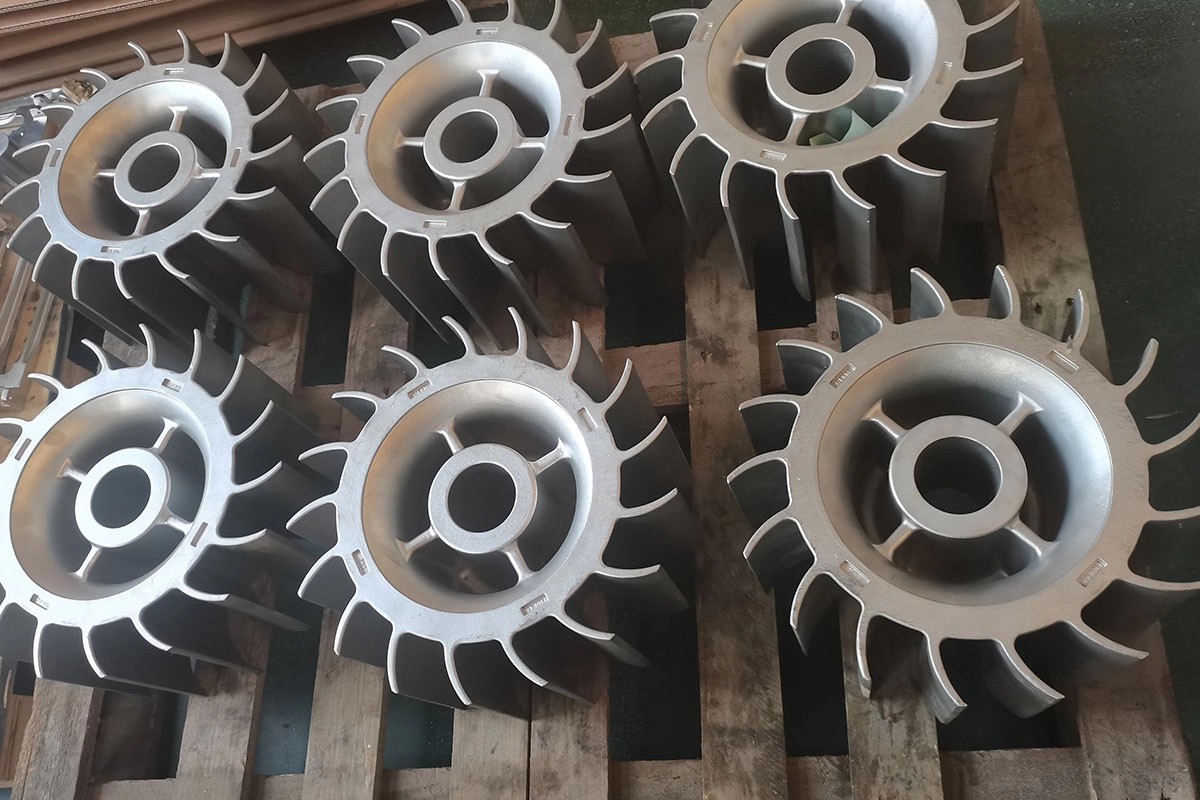
In stainless steel investment casting, good tooling is what decides if your parts come out accurate, repeatable, and cost‑effective. We treat tooling and master patterns as long‑term assets, not one‑off expenses.
What Is a Master Pattern and Why It Matters
A master pattern is the “golden” reference model we use to build your injection die and verify wax pattern accuracy. It can be:
- A high‑precision CNC‑machined metal part
- A 3D‑printed master (for fast development or complex shapes)
A well‑made master pattern gives you:
- Stable dimensional reference for all future production
- Faster troubleshooting if there’s any dimensional drift
- Better control over shrinkage from wax → ceramic → stainless steel casting
Designing and Manufacturing Injection Dies for Wax Patterns
The injection die is the core tooling that forms every wax pattern. We design it directly from your 3D model, adding:
- Shrink allowances for wax and alloy
- Parting lines and ejector layout
- Gates and wax feeds if needed
Dies are CNC‑machined with tight tolerances to keep the wax pattern consistent, which is critical for precision stainless steel investment casting. You can see how this fits into our broader process on our precision casting services page.
Aluminum vs. Steel Tooling for Investment Casting
We select tooling material based on volume and part complexity:
- Aluminum tooling
- Lower cost, faster to build
- Ideal for prototypes and low–medium volume
- Slightly less durable, but enough for many OEM and custom projects
- Steel tooling
- Higher upfront cost, very long life
- Best for high volume, tight tolerance stainless steel castings
- Better stability under higher injection pressures and temperatures
If you are not sure which way to go, we balance your annual volume and budget to pick the right option.
How Part Design Affects Tooling Cost and Complexity
Your part geometry directly drives tooling time and cost. Key factors:
- Complex undercuts → need side actions or collapsible cores
- Deep pockets and thin walls → more difficult die machining and wax flow control
- Multiple critical surfaces → more precision machining on the die
Simple, uniform designs usually mean:
- Cheaper tooling
- Faster lead times
- Better process capability and yield
Draft Angles, Radii, and Features That Work Best in Investment Casting
We design for castability from day one. For stainless steel investment casting, good practice is:
- Draft angles
- 1–2° on external surfaces
- 2–3° on internal walls where possible
- Radii and fillets
- Avoid sharp corners; use fillets ≥ 0.5–1.0 mm
- Smooth transitions between wall thicknesses to reduce stress and hot spots
- Feature design
- Avoid extremely thin, isolated fins or knife edges
- Keep wall thickness consistent to reduce distortion and shrinkage defects
Before we cut any tooling, we run a DFM review and, where needed, casting simulation to tune these details. This keeps your stainless steel casting tooling investment efficient and stable over the full product life.
Ceramic Shell Building in Stainless Steel Investment Casting
What the Ceramic Shell Is & Why It Matters
In stainless steel investment casting, the ceramic shell is the “temporary mold” that takes the shape of the wax patterns. Once the wax is removed, this shell has to handle:
- High pouring temperatures of stainless steel
- Metal pressure and turbulence during filling
- Tight dimensional and surface finish requirements
If the ceramic shell is weak, uneven, or too porous, you get defects like metal leaks, rough surfaces, and dimensional distortion. A controlled, consistent shell is the core of a stable stainless steel investment casting process.
Slurry Composition & Stucco Materials
For stainless steel casting, we use high‑purity ceramic systems to handle temperature and prevent contamination:
- Primary slurry: usually colloidal silica binder + fine refractory flour (often zircon or fused silica) for a smooth surface and good detail.
- Backup slurry: coarser flour (fused silica, mullite, or similar) for strength and better thermal shock resistance.
- Stucco materials (sand):
- Fine zircon or alumina for the first coats (surface quality)
- Coarser fused silica or alumina for the backup coats (strength and permeability)
We tune the slurry chemistry (viscosity, pH, solids content) based on the stainless alloy and part geometry to balance strength, permeability, and finish.
Shell Building Steps: Dip, Stucco, Dry
The ceramic shell building process for stainless steel investment casting usually follows a controlled loop:
- Wax tree cleaning – Remove dust/oil to ensure good slurry adhesion.
- Primary dip – Immerse the wax tree in the fine primary slurry.
- Stucco raining – Coat the wet surface with fine stucco sand.
- Drying – Controlled temperature and humidity until the layer is fully dry.
- Backup coats – Repeat dip + stucco + dry with backup slurry and coarser stucco.
We monitor gel time, viscosity, and drying conditions closely; this keeps shell quality consistent from batch to batch.
Shell Thickness & Number of Coats (6–10)
For stainless steel castings, we typically build 6–10 ceramic layers, depending on:
- Casting weight and size – Larger, heavier parts need thicker shells.
- Geometry – Thin sections, sharp transitions, and complex cores may need finer control.
- Pouring temperature and alloy – Higher temp alloys or long fill times often require stronger shells.
As a rule of thumb:
- Small, thin‑wall parts: 6–7 coats
- Medium parts: 7–9 coats
- Heavy or complex parts: 9–10 coats
The goal is a shell thick enough to resist cracking and metal pressure, but not so thick that it kills permeability or causes excessive cooling gradients.
Controlling Shell Strength, Permeability & Surface Finish
We engineer the ceramic shell around three key properties:
- Strength
- Use appropriate backup materials and enough coats.
- Control binder content and drying to avoid brittleness or weak bonding.
- Permeability
- Adjust stucco size and coat sequence so gases can escape during pouring.
- Avoid over‑thick shells that trap gas and cause porosity.
- Surface finish
- High‑quality wax patterns + clean primary slurry + fine stucco = smoother as‑cast stainless steel surface.
- Stable slurry rheology and clean shell room keep surface defects down.
This is what allows us to deliver corrosion‑resistant, high‑precision stainless parts that often need minimal machining and polishing.
Typical Ceramic Shell Defects & How We Prevent Them
Common ceramic shell issues in stainless steel investment casting include:
- Cracking
- Causes: fast drying, uneven thickness, sharp geometry, thermal shock.
- Prevention: controlled drying, balanced coat thickness, proper support during handling and firing.
- Lamination / peel‑off
- Causes: poor wax cleaning, low green strength, contaminated slurry.
- Prevention: strict wax cleaning, slurry maintenance, and correct dip times.
- Blisters / runs / sags
- Causes: slurry too thin/thick, poor draining, humidity problems.
- Prevention: tight control of viscosity, drain time, and shell room environment.
- Rough surface
- Causes: contaminated primary slurry, oversized primary stucco, shell erosion.
- Prevention: maintain clean primary systems, use fine stucco, and limit mechanical damage to shells.
By locking down ceramic shell building, we stabilize the entire stainless steel casting process and support consistent quality on complex precision parts.
Dewaxing and Shell Firing in Stainless Steel Investment Casting
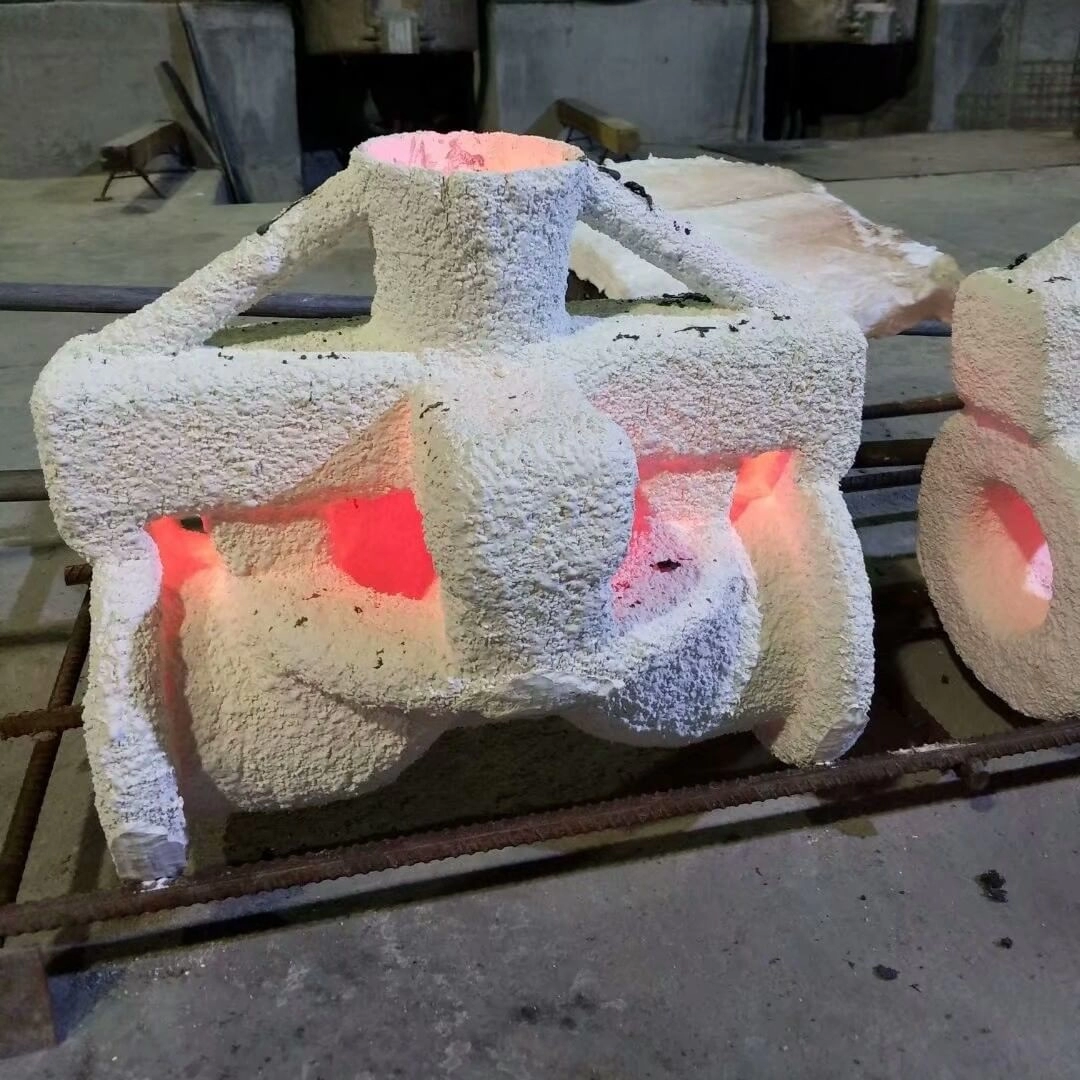
Dewaxing and shell firing are the “make or break” steps in the stainless steel investment casting process. If we get these wrong, we’ll see shell cracks, fins, gas defects, and rough surfaces later. We treat this stage as critical process control, not just a formality.
Autoclave Dewaxing: Key Parameters
For stainless steel investment casting, we mainly use autoclave dewaxing (steam dewaxing) because it protects the ceramic shell and keeps dimensional accuracy tight.
Typical autoclave parameters we work with:
- Temperature: ~150–180 °C (302–356 °F)
- Pressure: ~0.6–1.2 MPa (6–12 bar), depending on shell and wax type
- Time: 5–20 minutes per batch, adjusted to tree size and wax volume
In the lost-wax casting process, the steam rapidly softens and drains wax out of the shell before it expands too much. This is key for thin-wall, high-precision stainless steel castings where shell damage is not acceptable.
Alternative Dewaxing Methods
We sometimes use other dewaxing methods when the part or wax system calls for it:
- Flash fire / burnout: Direct furnace heating to melt and burn wax; used more on robust shells or simple parts.
- Boiling water dewaxing: Lower thermal shock, useful for delicate shells but slower.
- Gravity draining + preheat: For special waxes or when we want to recover more wax.
We choose the method based on:
- Shell strength and thickness
- Wax formulation and reclaim requirements
- Part complexity and surface quality targets
Why Poor Dewaxing Damages Shell Integrity
Bad dewaxing shows up later as cracks, fins, and leaks. Issues we strictly avoid:
- Too fast heating: Wax expands before it can exit → shell cracking, especially at sharp corners and thin sections.
- Non-uniform heating: Local hot spots → warping and micro-cracks in the shell.
- Incomplete wax removal: Residual wax or ash → gas porosity, inclusions, and surface roughness in the stainless steel casting.
To keep shell integrity, we tightly control heat-up rate, steam pressure ramp, and drainage and we inspect shells after dewaxing for any signs of damage.
Shell Preheating and Sintering
After dewaxing, we fire the empty ceramic shells to develop full strength and burn off any remaining organic materials.
Typical shell firing / preheating practice:
- Preheat stages: Gradual ramp to avoid thermal shock (e.g., 200 °C → 600 °C → 900–1000+ °C)
- Sintering temperature: Usually 900–1100 °C depending on shell system
- Soak time: Long enough to fully sinter the ceramic and stabilize the mold
This firing step gives the shell:
- High hot strength to withstand molten stainless steel pouring
- Proper permeability to let gases escape
- A stable, clean surface for a good as-cast surface finish
Why Firing Temperature Is Critical for Stainless Steel Casting Quality
Stainless steel alloys are sensitive to mold reaction, gas pickup, and cooling behavior. The shell firing regime has a direct impact on quality:
- Too low firing temperature:
- Weak shells → distortion, erosion, or mold breakage during pouring
- Poor burnout → gas porosity and inclusions
- Rougher surface finish
- Too high firing temperature:
- Over-sintered shells → reduced permeability, higher risk of gas defects
- Possible chemical reaction between shell and stainless steel → discoloration, surface defects, difficult cleaning
We monitor furnace temperature and time with strict records similar to what we use for testing and quality assurance, so every batch of shells is fired within a tight window. This is how we keep consistency, surface quality, and mechanical properties stable across stainless steel investment casting projects.
Melting and Pouring Stainless Steel Casting Process
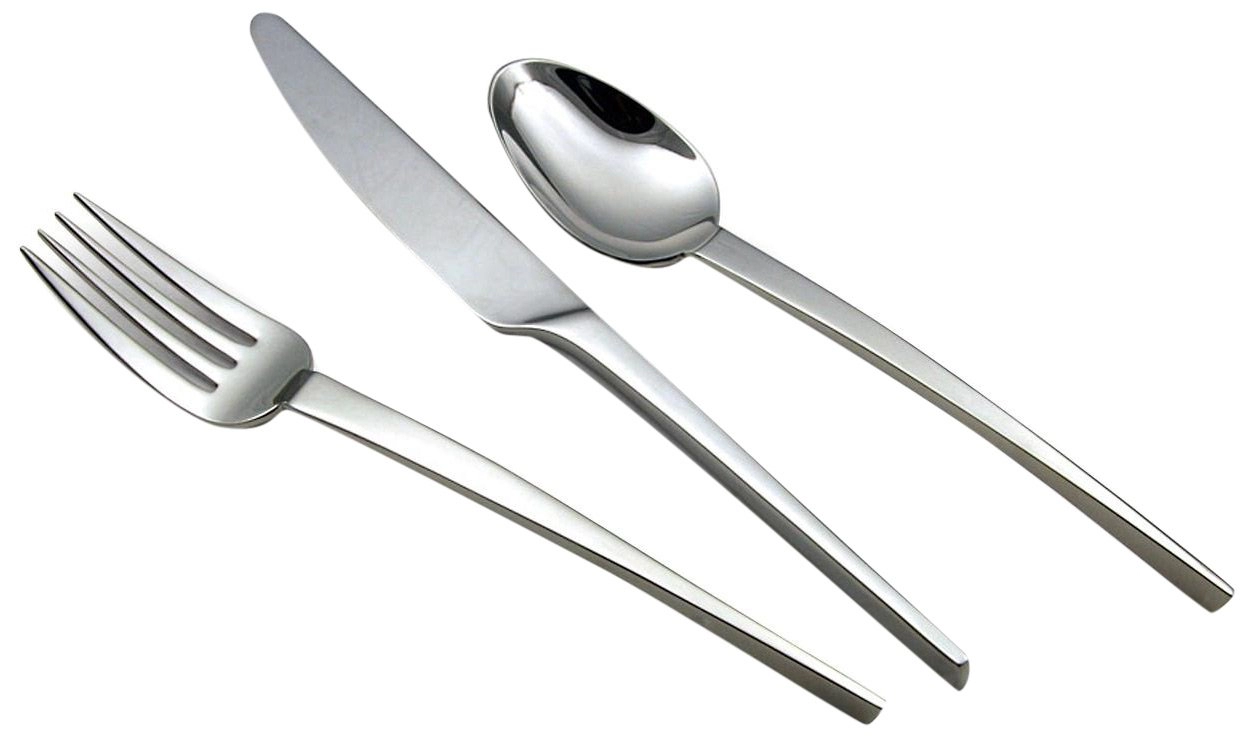
In our stainless steel investment casting line, melting and pouring is where we lock in the final mechanical properties and surface quality. If this step is not tightly controlled, no amount of finishing can fix it.
Melting Stainless Steel in an Induction Furnace
We melt stainless steel in modern medium-frequency induction furnaces for fast, clean, and controllable heating. Key points:
- Tight control of temperature, slag, and melt superheat
- Clean charge materials to reduce inclusions and gas pickup
- Real-time monitoring to keep the melt stable and homogeneous
This level of process control is critical for demanding markets like oil & gas and turbomachinery, where we also support high-performance alloys similar to those used in gas turbine components.
Charge Preparation and Chemical Control
Before we melt, we plan the charge mix (ingots, returns, alloying elements) to hit the exact stainless steel grade:
- Use certified raw materials with full heat lot traceability
- Adjust carbon, chromium, nickel, molybdenum, copper, etc. to spec
- Take spectrometer samples during melting and correct the chemistry on the spot
This is how we reliably produce CF8 (304), CF8M (316), CF3M (316L), 17-4PH, duplex 2205, and other stainless grades with consistent performance.
Deoxidation and Degassing Practices
Stainless steel is sensitive to oxygen, hydrogen, and nitrogen. To keep the melt clean:
- Use controlled deoxidizers (like ferrosilicon or aluminum in carefully calculated amounts)
- Minimize air exposure with proper slag cover
- Apply argon bubbling / inert gas stirring when needed to reduce gas porosity
Our goal is clear: low gas levels, minimal inclusions, and a calm, clean melt for precision casting.
Pouring Temperature for Stainless Steel Alloys
We set pouring temperature based on alloy, section thickness, and part complexity:
- Austenitic grades (CF8/CF8M/CF3M): generally in the 1550–1650°C range
- 17-4PH and other PH grades: slightly adjusted to match fluidity and microstructure needs
- Duplex / super duplex: tighter window to avoid embrittlement and phase imbalance
Too hot leads to oxidation and shrinkage defects; too cold leads to misruns and lack of fill. We always target a narrow, validated range per part.
Pouring Techniques to Minimize Turbulence
In stainless steel investment casting we pour to keep the metal calm:
- Top or bottom-pour systems designed to reduce free-fall height
- Controlled, continuous pour rate (no splashing, no interruptions)
- Well-designed gating and venting to let air escape cleanly
Less turbulence means fewer oxides, less gas pickup, and cleaner surface finish.
Mold Filling in Thin-Wall Stainless Steel Castings
Thin-wall and complex stainless parts demand predictable mold filling:
- Balanced gating to keep uniform flow into thin sections
- Correct superheat so metal stays fluid but not overheated
- Proper shell preheat so the metal doesn’t freeze too early
This is what enables us to cast thin wall stainless parts with near-net-shape geometry and minimal machining.
Common Metallurgical Defects and How We Prevent Them
We design the process to avoid the classic stainless steel casting defects:
- Gas porosity – controlled melt chemistry, degassing, calm pouring
- Shrinkage porosity / cavities – optimized risers, gating, and feeding simulation
- Hot tearing and cracking – proper alloy selection, gating design, and cooling control
- Inclusions and oxide films – clean charge, slag control, low-turbulence pouring
By tackling these at the melting and pouring stage, we deliver stainless steel investment castings that are stable, consistent, and ready for critical machining and assembly.
Cooling, Knockout, and Cut-Off in the Stainless Steel Casting Process
In stainless steel investment casting, cooling, shell knockout, and cut-off are where we lock in final properties and shape. If we rush this stage, we pay for it later in distortion, cracking, and extra machining.
Cooling and Solidification of Stainless Steel Castings
After pouring, we control cooling to balance mechanical properties, microstructure, and dimensional stability:
- Controlled cooling curves prevent hot tearing and excessive residual stress.
- Thin-wall stainless steel castings cool faster, so we adjust tree design and shell thickness to avoid hardness variations across the part.
- For higher alloy grades (17-4PH, duplex, super duplex), we pay close attention to cooling to avoid unwanted phases and loss of toughness.
How Cooling Rate Affects Grain Structure
Cooling rate directly shapes the grain structure and final performance:
- Faster cooling → finer grains, higher strength, better toughness, but higher stress risk.
- Slower cooling → coarser grains, better stress relief, but lower strength and possible shrinkage defects.
- We tune tree layout, shell thickness, and pour temperature to hit the sweet spot for each stainless grade.
Shell Knockout Methods
Once solidified and cooled to a safe temperature, we remove the ceramic shell:
- Vibration and mechanical knockoff to break most of the shell.
- Hammering or chipping for stubborn areas, carefully to avoid surface damage.
- Grit or sand blasting to strip remaining ceramic and clean the stainless steel surface.
Our goal: complete shell removal with minimal risk of dents, micro-cracks, or surface defects.
Cutting from the Tree and Gate Removal
After knockout, we separate each stainless steel casting from the wax “tree”:
- Cut-off by bandsaw or abrasive cutting at gates and runners.
- Gate grinding and blending to remove stubs and restore the designed contour.
- We design gate positions so that cut-off areas are non-critical or easy to machine later.
Clean cut-off and smart gate design mean less rework and lower total cost.
Managing Distortion and Residual Stresses
Stainless steel is prone to distortion and residual stress if cooling is uncontrolled:
- We control cooling rate and support of parts during cooling to avoid bending and warping.
- For long, thin or asymmetrical castings, we may use fixtures or straightening after cooling.
- Proper heat treatment later finishes the stress relief, but good cooling practice reduces correction work.
Handled right, this stage gives you stainless steel castings that are dimensionally stable, structurally sound, and ready for finishing with minimal extra cost.
Heat Treatment of Stainless Steel Castings
Why Heat Treatment Matters After Stainless Steel Casting
For stainless steel investment castings, heat treatment isn’t optional – it’s what locks in the final corrosion resistance, strength, and dimensional stability. As-cast stainless steel can have internal stresses, coarse or uneven microstructure, and reduced corrosion performance. With the right heat treatment, we:
- Relieve casting stresses and reduce distortion in later machining
- Dissolve harmful phases and carbides that hurt corrosion resistance
- Achieve consistent mechanical properties from batch to batch
Austenitic Stainless (CF8 / 304, CF8M / 316, CF3M / 316L)
For austenitic stainless steel castings (the common 304 / 316 / 316
Finishing Operations and Surface Preparation for Stainless Steel Casting Process
Finishing is where stainless steel investment castings move from “raw cast” to “ready-to-install”. We focus on controlled, repeatable stainless steel casting process steps to get the surface and dimensions exactly where you need them.
Grinding, Cutting, and Fettling
After shell knockout, we remove all gates, runners, and excess metal:
- Cut-off: Band saw or abrasive cut-off to separate parts from the tree.
- Fettling & gate grinding: Precision grinding to remove gate stubs and parting lines without undercutting critical areas.
- Blend-in: Smooth transitions so the casting looks and behaves like a near-net-shape machined part.
We keep heat input low to avoid warping thin-wall stainless steel castings.
Shot Blasting, Sand Blasting, Vibratory Finishing
To clean and unify the surface, we combine different finishing methods:
- Shot blasting / sand blasting: Removes ceramic residue and scale, gives a uniform matte finish.
- Vibratory finishing: Uses media to smooth edges and even out micro-peaks, ideal before polishing or coating.
Media and pressure are tuned to the alloy and geometry, which is key for corrosion‑resistant stainless steel castings used in demanding sectors like marine engineering components and OEM equipment.
Straightening and Dimensional Correction
If a part moves slightly during cooling or finishing, we correct it:
- Cold or warm straightening fixtures to pull dimensions back into tolerance.
- Controlled press and jig systems to protect critical sealing faces and bores.
This is especially important for long, thin, or asymmetrical stainless steel investment castings.
Deburring and Edge Smoothing
For safety and function, no sharp edges:
- Manual deburring and edge breaking on all handling and assembly areas.
- Targeted chamfers and radii where gaskets, O‑rings, or operators contact the part.
Smooth edges also reduce crack initiation points and improve fatigue life.
How Finishing Affects Surface Roughness and Appearance
Finishing operations directly control your final surface:
- As‑blasted surfaces: good for industrial use, paint, or powder coat.
- Pre-polish surfaces: achieved by finer blasting and vibratory finishing for lower Ra before mirror polishing.
- Consistent appearance: same process route = same look from batch to batch.
By combining tight stainless steel casting process control with the right finishing route, we deliver parts that look clean, assemble easily, and minimize extra machining or polishing on your side.
Dimensional Tolerances in Stainless Steel Investment Casting
Getting dimensional tolerances right is what decides whether your stainless steel investment casting goes straight into assembly or needs extra machining. We treat this as a core part of our process, not an afterthought.
Typical Dimensional Tolerances for Investment Castings
For most stainless steel investment castings, you can expect:
- Small features (≤ 25 mm / 1″): ±0.10–0.20 mm (±0.004–0.008″)
- Medium dimensions (25–100 mm / 1–4″): ±0.20–0.40 mm (±0.008–0.016″)
- Larger dimensions (>100 mm / 4″): typically ±0.40–0.80 mm (±0.016–0.032″)
These are realistic “production” tolerances we routinely hit for near-net-shape parts in our precision stainless steel casting and machining shop.
Factors That Influence Achievable Tolerances
Your final tolerance depends on a few key factors:
- Part size – larger castings move more during wax, shell, and cooling.
- Geometry – thin walls, long spans, and asymmetric sections distort more.
- Alloy type – different stainless grades have different shrinkage rates.
- Wall thickness – uneven sections cause differential cooling and warpage.
- Tooling quality – high-precision dies deliver more repeatable results.
We look at all of these before we commit to a tolerance on your drawing.
Linear Tolerance Rules per Inch / per Millimeter
A simple rule of thumb for stainless steel investment casting:
- Metric: ±0.20 mm for the first 25 mm, plus ±0.02–0.03 mm for each additional 10 mm
- Imperial: ±0.008″ for the first inch, plus ±0.002″ for each additional inch
This is a guideline; for critical features we will quote specific values based on your 3D model and alloy.
Compensating for Alloy Shrinkage and Process Variation
Stainless steels shrink as they go from wax to metal. We build that into the process by:
- Scaling the tooling for each alloy’s shrink factor.
- Tuning wax injection parameters to keep pattern variation low.
- Controlling shell thickness and firing to reduce distortion.
- Standardizing pour temperatures and cooling setups to stabilize repeatability.
Over time, we refine compensation using actual measurement data from production parts.
When and Why to Specify Tighter Tolerances
You should only tighten tolerances where they add real value, for example:
- Sealing faces and mating fits
- Bearing bores and shaft interfaces
- Locating features that control assembly position
For these areas we often design a “cast + finish machine” approach: keep the casting close, then remove minimal stock in machining to hit very tight limits. Over-tolerancing non-critical areas only increases cost with no benefit.
Measurement Methods and Inspection Tools
To keep dimensional tolerances under control, we use:
- CMM (Coordinate Measuring Machine) for complex 3D profiles and tight features.
- Optical and vision systems for small and intricate details.
- Digital calipers, micrometers, bore gauges, height gauges for routine checks.
- Custom gauges and fixtures for fast production inspection.
For new parts, we provide full First Article Inspection (FAI) reports tied to drawings and material heat numbers so you have a complete traceable package.
Surface Finish Quality and Roughness in Stainless Steel Casting
Standard As-Cast Surface Finish
For stainless steel investment casting, the as-cast surface finish is already quite smooth compared with sand casting or fabrication.
- Typical as-cast Ra: 3.2–6.3 μm (125–250 μin)
- With optimized tooling and process: 1.6–3.2 μm (63–125 μin)
- This level is usually good enough for many structural and industrial stainless steel castings without full machining.
We control the lost-wax casting process tightly so you get near-net-shape stainless parts with a clean, uniform appearance right out of the shell.
How Wax and Ceramic Shell Affect Surface Roughness
Surface quality in stainless steel investment casting is driven by two things: the wax pattern and the ceramic shell.
Wax pattern quality:
- Smooth, dense wax patterns = smoother stainless steel casting surface
- Controlled wax injection parameters (temperature, pressure, cooling) reduce sink marks and distortion
- Good wax pattern handling avoids scratches, welds, and dents that would show up on the casting
Ceramic shell quality:
- Fine ceramic slurry and fine stucco coating on the first layers give a tighter, smoother surface
- Controlled shell drying prevents runs, drips, and rough patches
- Shell permeability and strength are balanced to avoid orange-peel textures and shell flaking
We treat wax and ceramic shell building as critical steps, not just background work. Better front-end control means less grinding and polishing later.
Typical Ra / RMS Values for As-Cast Stainless Surfaces
Below is a quick reference for surface roughness on stainless steel castings:
| Process / Finish | Typical Ra |
|---|---|
| Standard sand cast stainless | 6.3–12.5 μm |
| As-cast investment casting stainless | 3.2–6.3 μm |
| Optimized investment casting (fine shell) | 1.6–3.2 μm |
| Machined surface | 0.8–3.2 μm |
| Ground / fine machined | 0.4–1.6 μm |
| Polished | 0.1–0.4 μm |
| Mirror polish | ≤0.05 μm |
If you share your Ra / RMS requirement in the RFQ, we can tell you directly whether as-cast is enough or if secondary finishing is needed.
How We Achieve Smoother Finishes Before Polishing
When you need better than standard as-cast finish, we use a mix of process and finishing steps:
- Optimized tooling and wax
- High-quality, smooth cavity dies
- Correct wax shrinkage control and injection settings
- Refined ceramic shell
- Extra-fine primary slurry and stucco for critical surfaces
- Clean shell rooms with controlled humidity and temperature
- Post-cast finishing
- Shot blasting / sand blasting to even out the surface
- Light grinding and fettling at gates and parting lines
- Vibratory finishing for small and medium parts to smooth sharp edges and improve uniformity
The goal is simple: hit your surface finish spec with the minimum number of extra operations, keeping cost under control.
As-Cast vs Machining and Other Processes
Here’s how investment casting stainless steel compares to other methods:
- As-cast investment casting
- Best combination of surface finish and cost for complex shapes
- Usually reduces machining time versus sand castings or welded fabrications
- Fully machined from bar/forging
- Can reach tighter Ra easily, but material waste and machine time are much higher
- Makes sense only for low volume or very high precision sealing surfaces
- Sand casting
- Much rougher surface, needs heavy machining for cosmetic or sealing surfaces
- Better suited for very large parts where surface finish is not critical
- Metal injection molding (MIM)
- Very fine surface finish on small, high-volume parts
- Limited part size and often higher tooling cost
For most global OEM customers, stainless steel investment casting sits in the sweet spot: good as-cast finish, complex geometry, and lower total cost than full machining.
When Mirror Polishing or Cosmetic Finishing Makes Sense
We often get requests for mirror polishing stainless steel castings. It’s great in the right situation but overkill in others.
Mirror or high cosmetic finishing makes sense when:
- You’re in food, dairy, pharmaceutical or medical and need hygiene and easy cleaning
- Parts are visible to end-users (handles, marine hardware, architectural fittings)
- You need a strong brand / premium look with high visual impact
- Corrosion resistance needs a boost in aggressive or marine environments (paired with passivation or electropolishing)
For many industrial, pump, and valve castings, a combination of as-cast + localized machining + passivation is enough and far more cost-effective.
We normally suggest:
- As-cast or lightly blasted for internal, non-visible parts
- Machined + polished sealing faces only where performance matters
- Full mirror polish / electropolish only where appearance, hygiene, or extreme corrosion resistance are critical
If you share where and how your stainless steel part is used, we’ll recommend the most cost-effective surface finish that still meets your functional and cosmetic requirements.
Quality Control and Non-Destructive Testing for Stainless Steel Casting
On stainless steel investment casting, we don’t treat quality as a final step – we build it into every stage of the process.
In‑Process and Dimensional Inspection
At each stage (wax pattern, shell building, pouring, finishing), we run in‑process checks to catch issues early and avoid scrap later.
For dimensions, we use CMM, gauges, and custom fixtures to verify critical sizes.
- First Article Inspection (FAI):
For new parts or design changes, we provide full FAI reports covering:- Key dimensions and tolerances
- Surface finish and critical features
- Alloy and heat treatment verification
This helps global customers lock in a stable process before mass production.
Non‑Destructive Testing (NDT) Methods
We match NDT to your industry and risk level (aerospace, medical, food, marine, industrial, etc.):
- Dye penetrant testing (DPT):
Used for stainless steel surface quality – finds open surface cracks, porosity, and leaks on machined and as‑cast surfaces. - Radiographic (X‑ray) inspection:
Ideal for complex stainless steel castings and safety‑critical parts. X‑ray reveals:- Internal shrinkage
- Gas porosity
- Inclusions and internal cracks
- Magnetic particle inspection (MPI):
Applied on magnetic stainless grades (e.g. some martensitic and PH alloys). Detects surface and near‑surface cracks in high‑stress areas like threads, fillets, and weld zones.
You can see how we integrate these controls into our stainless steel foundry process on our technology and process capability page.
Mechanical Testing and Traceability (MTR, PMI)
To support demanding global applications, we provide full material verification:
- Mechanical testing:
- Tensile, yield, elongation
- Hardness (HB/HRC)
- Impact (Charpy) when required
- Material Test Reports (MTR):
Heat‑lot based certificates with chemical composition, mechanical properties, and heat treatment records. - PMI (Positive Material Identification):
Handheld spectrometer checks on stainless steel castings to confirm the exact alloy grade (e.g. CF8, CF8M, 17‑4PH, duplex 2205).
With this combination of NDT, mechanical testing, and full traceability, we keep our custom stainless steel casting service reliable for long‑term, repeat orders. If you need project‑specific control plans or PPAP/FAI packages, just share your requirements when you contact our stainless steel casting team.
Stainless Steel Investment Casting vs Other Processes

Choosing the right manufacturing method for stainless steel parts depends on geometry, volume, tolerance needs, and cost targets. The table below summarizes how investment casting compares with CNC machining, sand casting, die casting, and MIM to help you quickly identify the best-fit process.
Stainless Steel Investment Casting vs Other Processes — Summary Table
| Requirement / Situation | Investment Casting | CNC Machining | Sand Casting | Die Casting* | MIM |
|---|---|---|---|---|---|
| Best For | Complex shapes, medium–high volume | Low volume, tight tolerances | Large, simple parts | High-volume non-ferrous | Very small, complex parts |
| Geometry | Excellent | Good | Simple | Good | Excellent |
| Tolerances | Tight | Very tight | Loose | Tight (Al/Zn/Mg) | Very tight |
| Surface Finish | Smooth | Smooth | Rough | Smooth | Very smooth |
| Part Size | Small–medium | Small–large | Medium–large | Small–medium | Very small |
| Volume | Medium–high | Low | Low–high | Very high | Very high |
| Notes | Near-net shape, efficient for complex parts | Best for prototypes | Rugged, bulky parts | Rarely used for stainless | Ideal for micro-features |
Advantages of Stainless Steel Investment Casting
Design Freedom & Complex Geometries
With stainless steel investment casting (lost-wax casting / precision casting), I can cast shapes that are almost impossible or very expensive to machine or weld.
- Internal channels, undercuts, and logos in one piece
- Integrated brackets, bosses, and mounting features
- Smooth organic shapes for flow parts (valves, pumps, impellers)
This gives you more design freedom and cuts out multiple welded or machined assemblies.
Thin-Wall & Near-Net-Shape Capability
Investment casting stainless steel is ideal for thin-wall, detailed parts:
- Wall thickness down to 2–3 mm on many parts
- Tight, consistent wall sections for better performance and weight reduction
- Near-net-shape, so most surfaces are ready to use with minimal machining
You get lighter parts, less scrap, and a faster route from casting to finished product.
Excellent Surface Finish & Less Machining
The ceramic shell and fine wax patterns give stainless steel castings a naturally good surface:
- Fine as-cast surface finish, often Ra 3.2–6.3 μm or better
- Less stock allowance compared with sand casting
- Reduced CNC time on faces, bores, and sealing areas
That means lower machining cost, shorter cycle times, and cleaner-looking stainless components.
Better Material Utilization & Less Waste
Compared with subtractive methods like CNC machining from bar or billet:
- You only pour the metal you need for the near-net-shape part
- Runners and gates can be recycled back into the melt
- No huge piles of stainless chips to manage
You pay for parts, not chips, which matters when using higher-cost alloys like CF8M (316), CF3M (316L), 17‑4PH, or duplex grades.
Consistency & Repeatability at Volume
Once the tooling and process are dialed in, stainless steel investment casting delivers:
- Stable dimensional tolerances from batch to batch
- Reliable mechanical properties through controlled melting and heat treatment
- High repeatability for medium to high volume production runs
This is why many global OEMs use investment casting for standard valve bodies, pump housings, marine hardware, and precision industrial components.
Lightweight Design Support
Because we can combine thin walls, optimized geometry, and strong stainless alloys, investment casting is perfect for lightweighting:
- Remove unnecessary mass with ribs, pockets, and topology-optimized shapes
- Use high-strength alloys like 17‑4PH or duplex to maintain performance with less material
- Improve ergonomics and reduce shipping costs
You get high strength, corrosion resistance, and lower weight in one process – ideal for aerospace, medical, marine, and high-end industrial applications.
Limitations and Challenges of Stainless Steel Casting
Stainless steel investment casting is powerful, but it’s not always the perfect fit. Here’s where the process can bite if we don’t plan it right.
Tooling Cost and Lead Time
- High upfront tooling (NRE) cost – Injection dies and fixtures are custom-made, so low-volume or one-off projects may not justify the spend.
- Tooling lead time – A new stainless steel casting tool typically takes 3–6 weeks to design, machine, and debug, depending on complexity.
- Best fit is repeat orders and stable designs where the tooling cost is spread over volume.
Part Size and Weight Limits
- Investment casting works best for small to medium parts. Very large or very heavy parts are better done by sand casting or fabrication.
- Extremely thick sections can cause shrinkage defects, while ultra-thin walls beyond process limits can cause misruns or incomplete fill.
From Tooling to First Samples
- Expect 6–10 weeks from tooling kick-off to first stainless steel casting samples, including:
- Tool design and build
- Sample wax runs, shell building, pouring, and heat treatment
- Initial quality checks and adjustments
- If you need urgent prototypes, CNC machining or 3D printing can be faster for early design validation.
Alloy-Specific Challenges
Some stainless steel alloys are more sensitive and need tighter process control:
- Austenitic grades (304 / 316 / CF8 / CF8M / CF3M)
- Risk: hot tearing, shrinkage porosity if feeding and riser design are poor.
- 17-4PH and other precipitation hardening grades
- Sensitive to heat treatment; wrong cycle = brittle or low strength parts.
- Duplex / super duplex (2205, 2507, CD4MCu)
- Need precise cooling and heat treatment to keep the right phase balance; otherwise, toughness and corrosion resistance drop.
- Complex shapes in these alloys can also be more prone to distortion and cracking during cooling.
When Stainless Steel Casting Is Not the Right Choice
You should think twice about stainless steel investment casting when:
- You only need very small quantities and can machine from bar or plate cheaper and faster.
- The part is very large, extremely heavy, or has very thick blocks where sand casting is more economical.
- You need micro-sized parts with ultra-fine details and ultra-tight tolerances better suited to metal injection molding (MIM) or precision machining.
- You require lead times of a few days, not weeks.
- The design keeps changing; constant redesign makes fixed tooling a bad investment.
If you’re unsure, send us your 3D model, volume, and material requirement and we’ll tell you straight whether stainless steel investment casting is the right move or if another process will save you time and money.
Industry Applications for Stainless Steel Investment Castings
Stainless steel investment casting is the go-to solution when you need complex shapes, high precision, and strong, corrosion‑resistant parts. We supply custom stainless steel castings to global customers across multiple industries where performance and reliability are non‑negotiable. You’ll see this process used in:
Medical & Surgical Components
For medical devices, stainless steel investment casting delivers clean, precise, and reliable parts:
- Surgical instruments, grips, and handles
- Orthopedic components and brackets
- Robotic surgery hardware and housings
We use high‑grade stainless alloys with excellent corrosion resistance and clean surface finish to support strict medical hygiene and regulatory requirements.
Food & Dairy Processing Parts
Food and dairy systems demand sanitary, easy‑to-clean parts:
- Hygienic valve bodies and pump housings
- Fittings, couplings, and connectors
- Spray nozzles and flow control components
Smooth surfaces, tight tolerances, and food‑grade stainless steels (like 316/316L) help reduce bacterial traps and simplify CIP (clean‑in‑place) routines. Many of these products also overlap with our broader process and OEM industries experience.
Marine & Desalination Hardware
Marine and desalination environments are harsh, so corrosion resistance is critical:
- Deck hardware, hinges, cleats, and brackets
- Desalination plant components and fittings
- Corrosion‑resistant pump and valve parts
We typically use 316/316L, duplex, and super duplex stainless for long life in saltwater and high‑chloride conditions.
Pump, Valve Bodies & Impellers
Pump and valve manufacturers rely heavily on investment casting for:
- Complex pump bodies and impellers
- High‑pressure valve bodies and bonnets
- Flow control internals and trim components
Casting near‑net‑shape reduces machining, improves flow paths, and keeps performance consistent batch to batch.
Aerospace & Defense Parts
Where weight, strength, and reliability are key, stainless steel investment casting fits well:
- Structural brackets and housings
- Engine and exhaust components
- Weapon system and defense hardware components
We support strict material traceability, documentation, and quality control for aerospace and defense applications.
General Industrial & OEM Uses
Stainless steel investment casting shows up everywhere in industrial and OEM products:
- Automation and robotic components
- Power tools and hand tool hardware
- Agricultural, construction, and mining equipment parts
The combination of design freedom, repeatability, and good mechanical properties makes stainless steel investment casting a smart choice for OEMs scaling from samples to mass production.
Choosing a Stainless Steel Casting Supplier
What to look for in a stainless steel investment casting foundry
When you choose a stainless steel investment casting supplier, you’re choosing your future risk level. I always look at a few hard factors first:
- Real experience in stainless steel investment casting, not just general foundry work
- Ability to run lost-wax / precision casting with tight dimensional tolerances
- Proven capacity for thin-wall, complex geometry stainless steel parts
- Stable lead times and clear control over the full stainless steel foundry process
If a foundry can’t show you actual stainless steel casting case studies, process photos, or sample parts, I usually walk away.
Experience with stainless alloys and industries
Stainless steel casting is very alloy-specific. You want a supplier that already knows your grade and your market:
- Alloys they should know well:
- CF8 / 304, CF8M / 316, CF3M / 316L
- 17-4PH and other precipitation hardening grades
- Duplex 2205, super duplex 2507, CD4MCu
- Industries that matter globally:
- Food & dairy / sanitary valves (smooth, clean surfaces, FDA/EU focus)
- Marine and desalination (high corrosion resistance)
- Medical and surgical components (traceability, clean casting, FAI)
- Pump and valve bodies, impellers, general OEM industrial parts
I position our shop around stainless steel investment casting for global OEMs. That means we match alloy selection to local usage — from food-grade castings in Europe to high-corrosion marine hardware in coastal markets.
Quality system and certifications
For global customers, the quality system is non‑negotiable. At minimum, your stainless steel casting supplier should have:
- ISO 9001 for quality management
- IATF 16949 or auto-grade experience if you’re in automotive or similar sectors
- Documented procedures for:
- Material test reports (MTR) and heat lot traceability
- PMI testing for stainless steel grade verification
- First article inspection (FAI) and dimensional reports
- Non-destructive testing (X-ray, dye penetrant, MPI) if required
I always recommend asking for a real sample of their QC documents, not just a logo on a website.
Process transparency and technical support
Good stainless steel casting is about process control. You need a supplier that is open about how they run:
- Process transparency:
- Clear stainless steel casting process flow (wax, shell, melting, heat treatment, finishing)
- Shared control plans and inspection points
- Ability to discuss ceramic shell building, dewaxing, pouring temperature control, and heat treatment in simple terms
- Technical support:
- DFM review on your 3D model and drawings
- Suggestions to improve casting yield, reduce machining, and lower cost
- Early feedback on tolerances, wall thickness, and surface finish requirements
My approach is: we show you what’s happening in the foundry so you’re not guessing. Photos, videos, and open discussion are standard.
Communication and responsiveness
Most casting problems are communication problems that showed up late. For global programs, I focus on:
- Fast, clear responses to RFQs, technical questions, and design changes
- A single project owner on our side who follows your job from RFQ to mass production
- Regular updates on:
- Tooling status
- Sample timing
- Process issues and countermeasures (if anything goes off-track)
Good stainless steel investment casting is not just about pouring metal. It’s about how quickly we react when something needs to change. That’s usually what decides if your project hits the launch date or not.
Pingback: Lost Wax Casting Foundry Services Precision Parts by Vastmaterial - Vastmaterial
Pingback: Stainless Steel Cast Guide Process Grades and Applications - Vastmaterial