
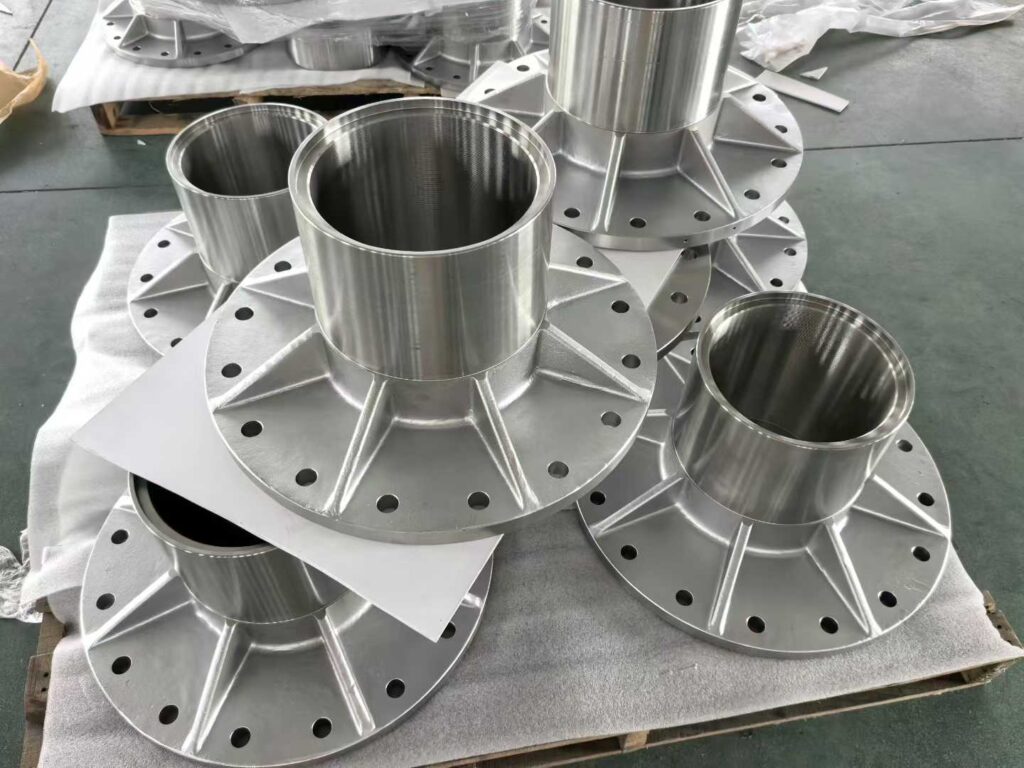
Expert guide to stainless steel CNC machining covering 304 vs 316 grades work hardening DFM tips and Vastmaterial precision services.
You already know that stainless steel is the “gold standard” for durability—but it’s also a notorious challenge on the shop floor.
From aggressive work hardening to rapid tool wear, stainless steel cnc machining requires more than just high-end equipment; it demands deep metallurgical expertise. At Vastmaterial, we’ve spent years refining the balance between cutting speeds, heat dissipation, and surface roughness (Ra) to deliver “ready-to-assemble” precision parts.
In this guide, you’ll learn exactly how to navigate 304 vs 316 stainless steel selection, master CNC milling and turning for complex alloys like 17-4 PH, and implement Design for Manufacturability (DFM) strategies that slash production costs.
Let’s dive right in.
Decoding Stainless Steel Grades: Choosing the Right Alloy
When you start a project involving stainless steel cnc machining, the first hurdle is always material selection. I see clients struggle with over-specifying and driving up costs, or under-specifying and facing premature part failure. Choosing the right alloy isn’t just about chemistry; it’s about how that metal behaves under a cutting tool and how it survives in the field.
The 300 Series (Austenitic): The Workhorses
The 300 series is the backbone of our machining operations. These alloys are non-magnetic and offer excellent corrosion resistance, though they require precise speed and feed control to manage work hardening.
- 304 Stainless Steel: The industry standard. It’s versatile and cost-effective for general applications like kitchen equipment and architectural trim.
- 316 Stainless Steel: My go-to for marine or medical environments. The addition of molybdenum makes it significantly more resistant to chlorides and pitting.
The 400 Series: Strength and Hardness
If your project requires high strength or the ability to be heat-treated to specific hardness levels, we look at the 400 series.
- Martensitic (e.g., 410, 440C): These can be hardened by heat treatment. Ideal for high-wear parts like cutlery or valve components.
- Ferritic (e.g., 430): Offers good corrosion resistance and formability, often used in automotive trim and appliances.
Specialty Alloys for Extreme Demands
For high-stress industries like aerospace or oil and gas, standard grades often fall short. We utilize advanced alloys that bridge the gap between durability and machinability.
| Alloy Type | Key Benefit | Typical Application |
|---|---|---|
| 17-4 PH | High tensile strength & hardness | Aerospace components, pump shafts |
| Duplex (2205) | Superior strength + Stress corrosion resistance | Chemical processing, marine hardware |
| Super Duplex | Extreme pitting resistance | Desalination plants, subsea equipment |
Precipitation Hardening and Duplex Solutions
- 17-4 PH Stainless Steel: This is a favorite in our shop. It provides an incredible combination of oxidation resistance and high strength that stays stable at temperatures up to 600°F.
- Duplex Stainless Steel: I recommend this as a hybrid solution. It combines the best traits of austenitic and ferritic steels, offering double the strength of the 300 series while remaining highly resistant to stress corrosion cracking in extreme environments.
Selecting the right grade is the foundation of successful stainless steel cnc machining. We focus on matching your specific environmental stressors—whether it’s heat, salt, or physical wear—with the most efficient alloy to ensure your parts perform exactly as engineered.
Mastering the Challenges of Stainless Steel CNC Machining
Machining stainless steel requires a specialized approach because the material is notoriously “gummy” and prone to work hardening. If a tool dwells for even a fraction of a second, the surface becomes harder than the cutting edge itself. We prevent this by maintaining aggressive, constant feed rates and using sharp, positive-rake geometries to stay beneath the work-hardened layer.
Strategic Solutions for High-Performance Machining
- Heat Management: Stainless steel has poor thermal conductivity, meaning heat stays at the tool edge. We utilize high-pressure coolant systems for effective heat dissipation and to prevent thermal cracking.
- Tooling Selection: We rely on tungsten carbide tools with advanced TiAlN coatings. These coatings act as a thermal barrier, which is essential for maintaining tool life during complex stainless steel cnc machining cycles.
- Chip Control: To avoid “bird-nesting” that ruins surface finishes, we employ specialized chip breaking techniques. This ensures the surface roughness (Ra) meets strict industrial standards.
| Technical Hurdle | Our Engineering Approach | Result |
|---|---|---|
| Work Hardening | Constant feed & high-torque spindles | Prevents tool breakage |
| Thermal Stress | High-pressure, targeted cooling | Maintains dimensional stability |
| Stringy Chips | Optimized chip-breaker geometries | Superior surface finish |
Our deep expertise in precision manufacturing, including specialized high-temperature nickel alloy springs machining service, allows us to apply advanced metallurgical insights to every stainless project. By optimizing feed rates and cutting speeds, we eliminate vibration and ensure that every part—from simple fittings to complex housings—is delivered with absolute precision.
Design for Manufacturability (DFM) for Stainless Steel CNC Machining
Smart design is the most effective way to cut costs in stainless steel cnc machining without losing part integrity. We focus on optimizing every geometry to ensure the manufacturing process is as efficient as possible while maintaining the high standards your project demands.
Balance Precision Tolerances and Cost
While we can hit incredibly precision tolerances, over-engineering every dimension can unnecessarily drive up production time.
- Critical Dimensions: Reserve tight tolerances for mating surfaces or functional interfaces where they are truly needed.
- Standard Tolerances: Use standard commercial tolerances for non-critical areas to speed up the machining cycle and reduce scrap rates.
- Material Behavior: Understanding the properties of 400 series stainless steel or other specific alloys helps in determining how a material will behave under high-precision requirements.
Optimize Internal Radii and Pocket Depth
Stainless steel is a demanding material that requires maximum tool rigidity to prevent chatter and tool breakage.
- Internal Radii: Design with the largest possible internal corner radii. This allows us to use larger diameter tools that are more stable and less prone to vibration.
- Pocket Depth: As a rule of thumb, limit the depth of pockets to no more than 3 to 4 times the tool diameter. Deep pockets often lead to tool deflection, which can compromise the accuracy and surface finish of your stainless steel cnc machining project.
Reduce Tool Change Time through Standardization
Every time a machine has to swap a tool, it adds to the final cost. We look for ways to streamline the process through smart standardization.
- Standardize Hole Sizes: Use common drill and tap sizes across the entire part. This reduces the number of tools we need to load into the magazine.
- Uniform Features: Keeping hole diameters and pocket depths consistent across a batch of parts minimizes setup complexity.
- Efficiency: Reducing the tool variety simplifies the tool path and significantly lowers the tool change time, allowing us to pass those savings directly to you.
Beyond the Cut: Essential Surface Treatments and Finishing
Great stainless steel cnc machining is only half the battle. To truly unlock the material’s potential, the right surface treatment is mandatory. We provide a full suite of finishing options to ensure your parts are durable, corrosion-resistant, and aesthetically perfect.
Passivation: Restoring the Protective Layer
During the machining process, microscopic particles of iron from cutting tools can embed themselves in the surface. If left untreated, these particles lead to premature rusting.
- The Process: We use a chemical bath to strip away free iron from the surface.
- The Result: A restored chromium oxide layer that makes the part truly “stainless.”
- Application: This is a non-negotiable step for any part exposed to moisture, salt, or industrial chemicals.
Electropolishing for Ultra-Smooth Finishes
When standard mechanical polishing isn’t enough, we utilize electropolishing. This electrochemical process removes a fine layer of material, significantly reducing surface roughness (Ra) and eliminating burrs.
- Hygienic Standards: Ideal for medical, pharmaceutical, and food-grade components where bacteria cannot be allowed to hide in surface peaks.
- Complex Geometries: Unlike manual buffing, it reaches into deep recesses and internal threads that traditional tools can’t touch.
- Bright Finish: It leaves a mirror-like, high-luster appearance that stays clean longer.
Integrated Finishing and Ready-to-Assemble Parts
We don’t just ship raw components; we provide complete solutions. By combining our expert machining services with in-house finishing, we deliver ready-to-assemble parts that meet your exact project specs.
- Reduced Lead Times: You save time by avoiding the need to manage multiple vendors for finishing.
- Consistent Quality: We maintain strict control over the part from the first cut to the final inspection.
- Custom Solutions: Beyond passivation, we offer specialized plating and coating options tailored to the specific demands of the U.S. aerospace and marine markets.
The Synergy of Precision Casting and CNC Machining
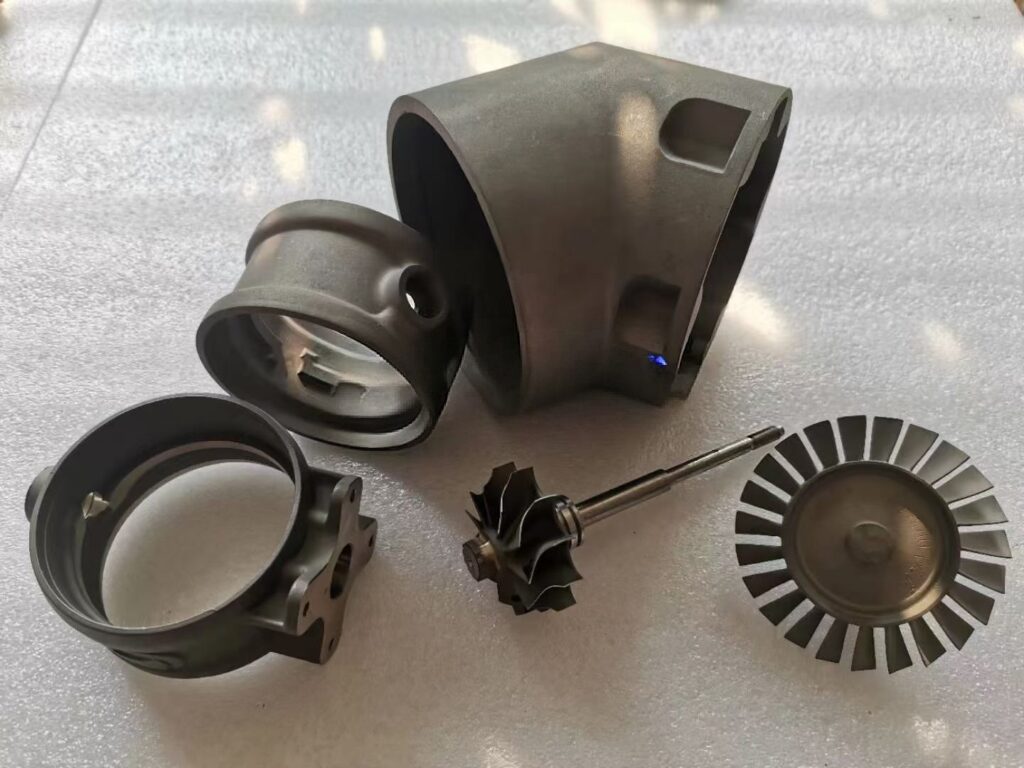
We don’t just look at stainless steel cnc machining as a standalone process. To get the best results for our clients, we integrate precision casting with expert machining to create a streamlined, cost-effective production cycle. Starting with a near-net shape through casting allows us to focus our CNC efforts on the critical dimensions and superior finishes that matter most.
Casting + Machining vs. Machining from Solid
Machining a part entirely from a solid block (billet) often leads to massive material waste and extended machine time, especially with tough alloys. By combining these two worlds, we offer a smarter alternative:
- Faster Turnaround: We remove less material during the CNC phase, speeding up the entire production run.
- Lower Costs: You aren’t paying for expensive stainless steel that just ends up as scrap on the floor.
- Complex Geometries: Casting handles the intricate internal structures that are nearly impossible or too costly to reach with a drill bit alone.
- Structural Integrity: Our casting process ensures a solid foundation, which we then refine with stainless steel cnc machining to hit your exact specs.
Reducing Waste with Sand and Pressure Casting
Efficiency starts with choosing the right foundation. We utilize various methods to ensure the raw part is as close to the final design as possible. When deciding between sand casting vs. die casting, we evaluate the volume and complexity of your project to minimize overhead.
- Sand Casting: Ideal for larger, complex stainless steel components where initial tool costs need to stay low.
- Pressure Casting: Perfect for high-volume runs that require high density and excellent surface detail before the first tool even touches the metal.
- Material Savings: By using these methods to create a “near-net shape,” we drastically reduce the volume of raw material required, making the entire stainless steel cnc machining process more sustainable and affordable for high-stress applications.
Quality Assurance in High-Stress Stainless Steel CNC Machining
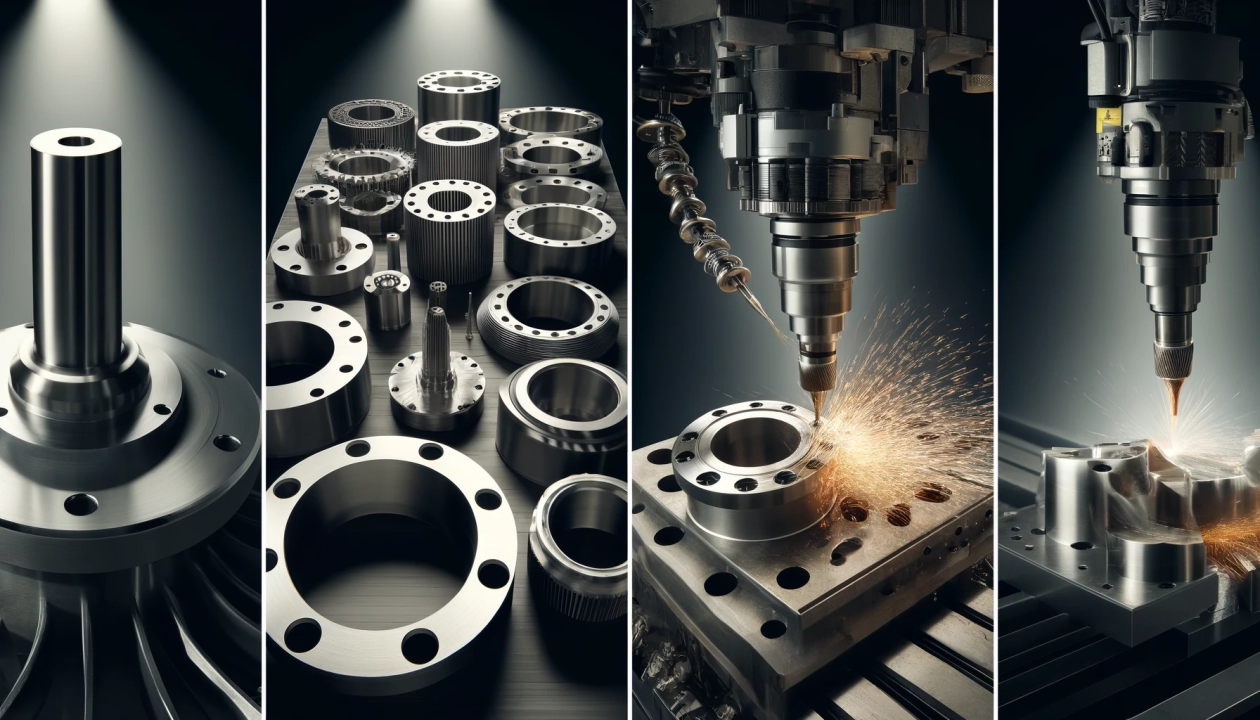
In high-stress industries, there is zero room for error. We treat stainless steel cnc machining as a science where precision is backed by hard data. For sectors like aerospace, medical, and marine, a part’s failure isn’t just a setback—it’s a liability. That’s why our quality control goes beyond simple measurements.
Real-Time Monitoring and Data Analytics
We utilize advanced sensors and real-time monitoring during CNC milling and turning to track every critical variable. By analyzing data on the fly, we can detect tool wear before it impacts the part’s dimensions, ensuring that precision tolerances remain consistent across high-volume runs.
- Thermal Stability: Monitoring heat dissipation to prevent warping in thin-walled components.
- Vibration Analysis: Eliminating chatter to maintain a superior surface roughness (Ra).
- Tool Life Tracking: Replacing carbide tooling proactively to avoid micro-fractures in the material.
Meeting Aerospace, Medical, and Marine Standards
Our facility is rigged to meet the most demanding global standards. Whether we are machining 316 stainless steel for marine hardware or 17-4 PH stainless steel for aerospace actuators, our documentation and inspection processes are ironclad.
- Aerospace: High strength-to-weight ratios and fatigue resistance.
- Medical: Achieving ultra-smooth, biocompatible finishes through specialized passivation and electropolishing protocols.
- Marine: Ensuring corrosion resistance in duplex stainless steel components through rigorous salt-spray testing.
For engineers who need to ensure their designs are feasible before production begins, our precision metal casting guide for engineers and OEM buyers outlines how we maintain quality from the initial pour to the final CNC cut. We bridge the gap between raw material and a finished, high-performance component with a focus on total reliability.
FAQs: Solving Your Stainless Steel CNC Machining Problems
We handle the complexities of stainless steel cnc machining every day. Here are the most common questions we get from clients looking to balance performance and production costs.
How do you prevent work hardening in austenitic steel?
Austenitic grades like 304 and 316 are notorious for hardening if the tool rubs against the surface. To prevent this, we maintain a constant feed rate and ensure the tool never dwells. Using sharp carbide tooling with a positive rake angle allows us to cut clean and deep, staying below the work-hardened layer created by previous passes.
Is 316 stainless steel worth the extra cost?
If your parts are headed for marine environments or medical applications, the answer is yes. While 304 is a versatile workhorse, 316 contains molybdenum, which significantly boosts corrosion resistance. When deciding on materials, it helps to compare alloy steel vs stainless steel to determine if the environmental exposure justifies the higher price point for your specific project.
What are the best feed rates and cutting speeds for 304?
For 304 stainless, we typically run at lower surface speeds—usually between 100 and 250 SFM—combined with relatively high feed rates. This approach forces the heat into the chip rather than the workpiece. We also utilize high-pressure coolant systems to manage heat dissipation and prevent the material from becoming “gummy” and sticking to the cutting edges.
How do you maintain precision tolerances in high-volume runs?
Consistency at scale requires more than just good machines. We use real-time monitoring and data analytics to track tool wear before it impacts the part geometry. By combining our alloy steel casting process for high-precision CNC parts with expert machining, we can maintain tight tolerances across thousands of units. Our integrated production management ensures that the first part is just as accurate as the last.
- Pro Tip: Always use rigid setups to minimize vibration, which is the leading cause of premature tool failure in stainless projects.
- Tooling: We prioritize coated tungsten carbide to extend tool life and maintain superior surface finishes.
- Coolant: Flood cooling is essential for chip control and temperature stabilization.