
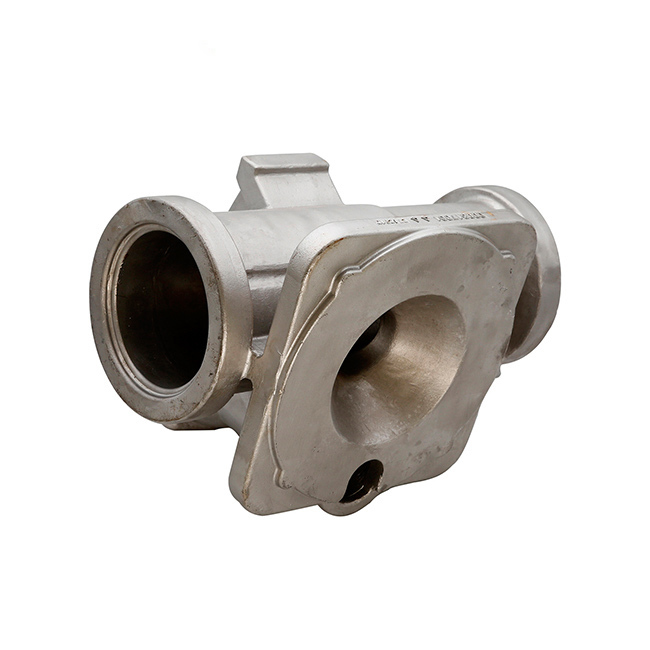
Vastmaterial is a steel casting manufacturer specializing in wear-resistant parts with high-manganese steel, bimetal composites, and advanced casting processes.
Advanced Casting Technologies for Heavy Industry
As a premier steel casting manufacturer, we understand that the longevity of wear parts begins long before the metal is poured. The structural integrity of crusher spares and mill liners depends heavily on the specific casting method employed. We utilize a diverse range of foundry technologies to ensure that every component—from massive ball mill liners to intricate crusher blow bars—meets the rigorous demands of mining and construction environments. Our facility is equipped to handle complex geometries and high-volume production runs without compromising on metallurgical precision.
Sand Casting vs. V-Process vs. Lost Foam Capabilities
Selecting the correct molding process is critical for achieving the desired surface finish and dimensional accuracy. We tailor our approach based on the specific design and application of the wear part:
- Sand Casting: The backbone of the foundry industry, ideal for producing large, heavy components like high manganese steel mantles and concaves. This method allows for cost-effective production of massive parts with excellent structural durability.
- V-Process (Vacuum Sealed Molding): We utilize V-process casting technology to produce parts with superior surface finishes and tighter dimensional tolerances. This method uses a vacuum to hold dry sand in place, resulting in zero draft angles and high dimensional accuracy, significantly reducing machining time for heavy machinery components.
- Lost Foam Casting: For components requiring complex internal structures or intricate details, the lost foam casting process offers unmatched design freedom. This technique minimizes flash and parting lines, ensuring a cleaner final product that integrates seamlessly into your equipment.
The Innovation of Double Liquid Bimetal Casting
To overcome the traditional trade-off between hardness and toughness, we have mastered double liquid bimetal casting. This advanced technique involves pouring two different liquid metals into the same mold to create a composite material.
- The Core: We use high-toughness structural steel or low-carbon alloy steel for the core to absorb high-impact shocks without fracturing.
- The Surface: The wear face is cast with high chrome cast iron or other ultra-hard alloys to resist extreme abrasion.
- The Result: A bimetal composite casting that offers the best of both worlds—exceptional wear resistance on the surface and high impact toughness internally, drastically extending the service life of blow bars and hammers.
Why Process Capabilities Matter for Durability
The difference between a standard part and a high-performance component lies in the manufacturing controls. As a specialized steel casting manufacturer, our strict adherence to advanced processing protocols ensures:
- Refined Grain Structure: Controlled cooling and precise pouring temperatures prevent segregation and porosity.
- Defect Elimination: Advanced molding techniques like V-process reduce gas inclusions and surface defects.
- Consistent Hardness: Uniform heat distribution during casting lays the foundation for effective heat treatment.
By integrating these advanced technologies, we deliver wear-resistant steel castings that reduce downtime and lower the total cost of ownership for operators in the aggregate and mining sectors.
Material Science: The Heart of Wear Resistance

As a dedicated steel casting manufacturer, we understand that the geometry of a part is only half the battle; the metallurgical composition dictates the lifespan. Our foundry focuses on precise chemical formulations to combat the specific wear mechanisms found in mining and construction, whether that involves high-impact shock or extreme sliding abrasion. We don’t just pour metal; we engineer the microstructure for performance.
High Manganese Steel (Mn13, Mn18, Mn22) for Impact
For applications facing severe shock, such as jaw crusher plates and cone crusher mantles, standard steel simply cracks. We specialize in Mn13 Mn18 Mn22 steel formulations (specifically Mn13Cr2, Mn18Cr2, and Mn22Cr2). The defining characteristic of this high manganese steel foundry grade is its ability to work-harden.
- Mn13Cr2: The industry standard for moderate impact.
- Mn18Cr2: Offers a superior balance of toughness and wear life for heavy-duty crushers.
- Mn22Cr2: Designed for extreme impact environments where maximum surface hardening is required without brittle failure.
Under heavy load, the surface hardness of these castings increases significantly while the core remains ductile, preventing catastrophic breakage during operation.
High Chrome Cast Iron for Abrasive Environments
When the primary threat is abrasion rather than impact—such as in ball mill liners or chute liners—we utilize high chrome cast iron. Our formulations, including Cr15, Cr20, and Cr26, rely on hard chromium carbides distributed within the matrix to resist gouging and scratching.
Unlike manganese steel, which requires impact to harden, high chrome provides high hardness right out of the mold. Selecting the correct grade is critical, similar to the considerations when evaluating alloy steel vs. stainless steel for corrosion versus strength. We ensure the heat treatment (quenching and tempering) is precisely controlled to optimize the hardness-to-toughness ratio for your specific grinding media or liner application.
Optimized Alloy Solutions
Beyond standard grades, we offer wear-resistant steel castings tailored to unique operational conditions. Through our R&D capabilities, we adjust alloy elements like Molybdenum, Nickel, and Copper to enhance heat resistance or corrosion resistance where necessary. Whether you need ceramic composite blow bars (where applicable) or modified alloy steels, our goal is to extend the service intervals of your machinery through superior material science.
Essential Crusher Wear Parts and Grinding Media
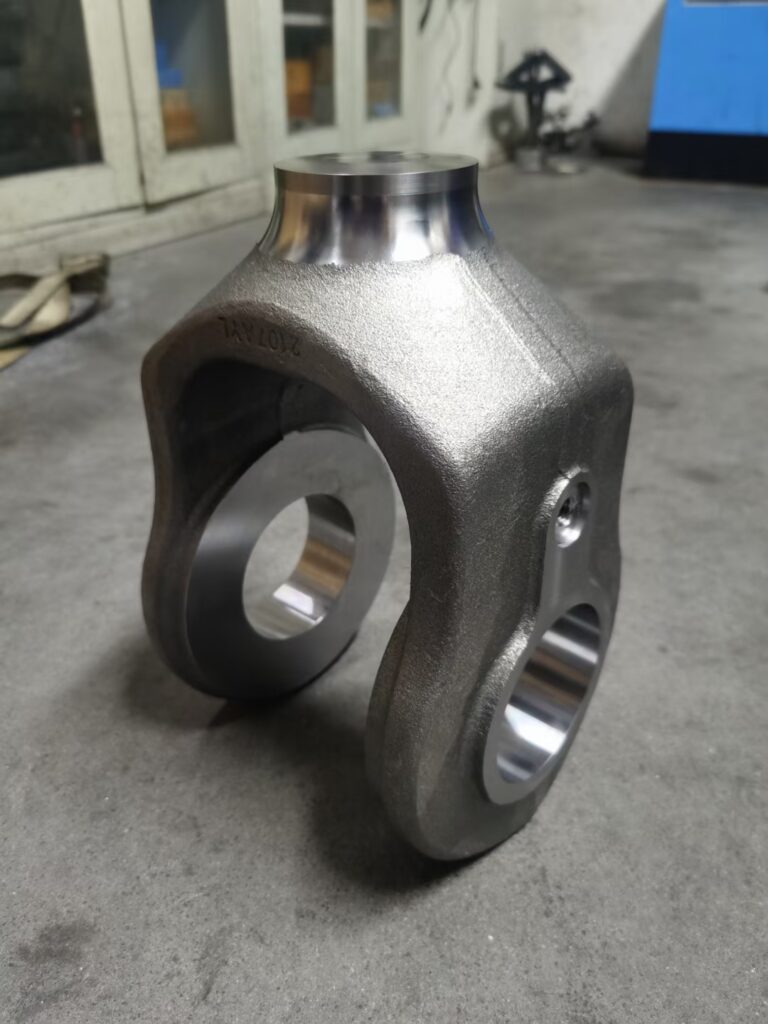
As a specialized steel casting manufacturer, our production floor is dominated by components designed to withstand the most brutal environments in mining and aggregate processing. We don’t just pour metal; we engineer longevity into every wear part. Whether it’s high-impact crushing or abrasive grinding, our focus is on delivering castings that keep your machinery running longer between shutdowns.
Optimizing Blow Bars, Jaw Plates, and Mantles
The primary challenge in crushing applications is balancing hardness with toughness. If a part is too hard, it cracks under impact; too soft, and it wears away instantly. We tackle this by optimizing the metallurgy of our crusher wear parts.
- Jaw Plates & Cheek Plates: We typically utilize High Manganese Steel (Mn13Cr2, Mn18Cr2, Mn22Cr2). This material has the unique ability to work-harden under impact, creating a wear-resistant surface while maintaining a ductile core to prevent breakage.
- Blow Bars: For impact crushers, we offer High Chromium Cast Iron (Cr26) and composite options. These are engineered to shatter rock without shattering themselves.
- Mantles & Concaves: Our cone crusher parts are cast with precision dimensions to ensure a perfect fit, reducing installation time and maximizing crushing efficiency.
High-Performance Grinding Media and Mill Liners
Inside a ball or SAG mill, the wear is constant and abrasive. Our mill liners are designed to protect the mill shell while optimizing the grinding action. We manufacture liners using High Chrome Cast Iron and alloy steels that resist the relentless sliding and tumbling abrasion of ore and grinding media.
- Ball Mill Liners: Available in various profiles (wave, grid, step) to suit specific RPMs and media charges.
- SAG Mill Liners: Heavy-duty designs capable of handling larger feed sizes and higher impact forces.
Custom OEM Steel Casting Solutions
Off-the-shelf parts don’t always solve specific site problems. That’s where our Custom OEM steel casting services come in. We work directly with your technical drawings or reverse-engineer worn parts to create improved versions tailored to your specific geology or operating conditions.
As a versatile steel casting company, we provide full material customization. If your site deals with highly corrosive ores or extreme impact that standard Mn18 can’t handle, we adjust the alloy formulation—adding elements like Molybdenum or adjusting the Carbon-to-Manganese ratio—to produce a solution that lowers your total cost per ton. From pattern making to final heat treatment, every step is controlled in-house to ensure the final casting meets strict ISO standards.
Quality Assurance and Metallurgical Integrity
As a dedicated steel casting manufacturer, we know that a shiny surface finish doesn’t guarantee performance in the pit. The real value of a wear part lies in its internal structure. That is why metallurgical quality control is the backbone of our operation. We operate as an ISO 9001 certified foundry, ensuring that every step from raw material selection to final inspection is documented, traceable, and compliant with international standards. We don’t just pour metal; we engineer durability.
Spectral Analysis and Grain Structure Examination
We never guess with chemistry. Before the metal enters the mold, we utilize advanced spectral analysis to verify the exact chemical composition of every melt. Whether we are producing Mn18Cr2 or high chrome iron, the ratios of Carbon, Manganese, and alloying elements must be precise to ensure the material performs as expected.
Beyond chemistry, we focus heavily on grain structure. A uniform, tight grain structure is essential for preventing premature cracking under high-impact loads. Understanding these microstructures is key to selecting the right material, similar to the principles outlined in our high-performance alloy guide, which details how composition directly impacts longevity.
Non-Destructive Testing (NDT) Protocols
Visual inspection is not enough for parts destined for heavy machinery. We employ rigorous NDT protocols to catch defects that the eye cannot see. Our quality control team ensures that every critical component undergoes strict testing before shipment.
- Ultrasonic Flaw Detection (UT): We use sound waves to detect deep internal voids, shrinkage, or cracks that could lead to catastrophic failure.
- Magnetic Particle Testing (MT): This identifies surface and near-surface discontinuities, ensuring the skin of the casting is flawless.
- Hardness Testing: We verify that the wear surface meets the specific HRC or HB requirements for the job.
The Importance of Precise Heat Treatment Services
Casting gives the part its shape, but heat treatment gives it its strength. Our heat treatment services are critical for balancing hardness with toughness. For high manganese steel, we utilize specialized water toughening processes to ensure the austenitic structure remains stable and ready to work-harden under impact. For high chromium cast iron, precise quenching and tempering cycles are used to maximize abrasion resistance without making the part too brittle. Maintaining precision casting tolerances during these high-stress thermal cycles requires state-of-the-art furnaces and expert temperature control.
Industry Applications for Specialized Castings
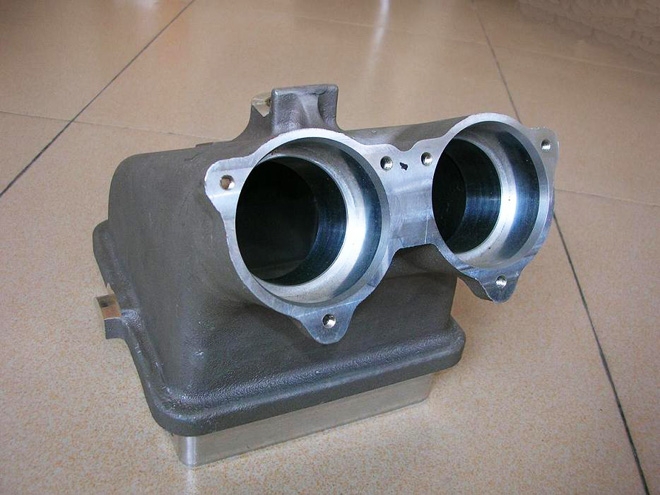
We don’t just pour metal; we engineer survival strategies for your equipment. As a premier steel casting manufacturer, we understand that a “one-size-fits-all” approach fails in heavy industry. Our components are deployed wherever raw earth is being moved, crushed, or processed, providing the reliability needed to keep operational costs in check.
Solutions for Mining, Quarrying, and Cement Plants
Operations in these sectors cannot afford unplanned downtime. We supply critical mining equipment parts and cement plant components designed to resist extreme abrasion and impact. Our engineering team tailors the alloy composition to match the specific geology of your site.
- Mining: High-impact mantles and concaves for primary crushers handling hard ores.
- Quarrying: Durable jaw plates that maintain their tooth profile longer against granite and basalt.
- Cement: Heat-resistant liners and grinding media specifically for clinker processing.
Handling High-Volume Aggregate Production
Speed and volume define the aggregate business. We produce heavy machinery components capable of handling massive throughput without rapid degradation. By optimizing the microstructure of our steel, we ensure that our parts keep your production lines moving efficiently. To see the range of components we currently have available, you can visit our online shop.
Adapting to Global Wear Environments
From the freezing cold of northern mines to the scorching heat of desert quarries, our wear-resistant steel castings are formulated to adapt. We adjust our alloy compositions to ensure stability and toughness regardless of the operating temperature or environmental acidity. This adaptability ensures that our parts perform consistently, whether you are crushing river stone in a wet environment or processing slag in high-heat conditions.
Choosing the Right Steel Casting Manufacturer
Evaluating Integrated R&D Capabilities
When selecting a partner for heavy industry components, you need more than just a foundry that pours metal. A top-tier steel casting manufacturer brings robust R&D capabilities to the table, ensuring that material science aligns with your operational reality. We don’t just follow standard recipes; our engineering team optimizes chemical compositions—like adjusting the Carbon-to-Manganese ratio in Mn18Cr2—to maximize performance in specific wear environments. An ISO 9001 certified foundry with in-house metallurgical labs allows for rapid prototyping and material testing, ensuring that every casting meets strict physical property requirements before it ever hits the mold.
Reducing Total Cost of Ownership (TCO)
The sticker price of a replacement part is often misleading. The real cost lies in downtime and labor during frequent change-outs. We focus on manufacturing wear-resistant steel castings that extend service life, directly reducing your Total Cost of Ownership (TCO). By utilizing advanced heat treatment and superior alloys, our parts last longer in the crusher, keeping your plant running and your maintenance costs down. It is essential to look at the long-term value rather than just the initial purchase price. For more context on evaluating supplier quality and long-term value, review our guide to top stainless steel casting manufacturers, which highlights key indicators of manufacturing excellence.
From Drawing to Delivery: Customization Services
We provide a seamless transition from engineering blueprints to finished hardware. Our custom OEM steel casting process is designed to handle the entire production lifecycle, including pattern making, casting, heat treatment, and final machining. Whether you need complex geometries or heavy-duty liners, we adapt our production lines to meet your specific tolerances. Through our specialized precision casting services, we ensure that the final component matches your exact specifications, streamlining your supply chain and guaranteeing fitment upon delivery.
Key Selection Criteria:
- Material Expertise: Ability to cast High Manganese, High Chrome, and Alloy Steels.
- Production Capacity: Scalable manufacturing for both single custom parts and high-volume orders.
- Quality Control: Comprehensive NDT testing (Ultrasonic, Magnetic Particle) and dimensional verification.
- Logistics: Direct supply chain management to control lead times and shipping costs.
Frequently Asked Questions About Steel Casting
As a dedicated steel casting manufacturer, we often field technical questions regarding process selection, material science, and quality assurance. Here are the answers to the most common inquiries we receive from mining and construction professionals in the United States.
What is the difference between sand casting and V-process?
The main difference lies in how the mold is formed and held together. Traditional sand casting uses a binder (like clay or resin) to hold the sand in place. While effective for general parts, it can sometimes result in rougher surface finishes.
V-process (Vacuum Sealed Molding), on the other hand, uses unbonded dry sand and a vacuum to hold the mold shape between plastic films. This V-process casting technology offers several distinct advantages:
- Superior Surface Finish: The plastic film creates a smoother surface, reducing machining time.
- Higher Precision: Tighter tolerances are achieved because the mold is rigid under vacuum.
- Eco-Friendly: No binders means no toxic fumes during pouring and easier sand reclamation.
How does bimetal casting extend part life?
Bimetal composite casting (or double liquid casting) addresses the classic trade-off between hardness and toughness. In single-material parts, making a component harder often makes it more brittle. Bimetal technology solves this by bonding two different liquid metals during the casting process.
We typically combine a high chrome cast iron wear face (for maximum abrasion resistance) with a carbon steel or low alloy steel backing (for high impact toughness). This ensures the part can withstand severe abrasion without shattering under heavy impact, significantly extending the service life of blow bars and other crusher wear parts compared to mono-metallic options.
What materials are best for high-impact crusher parts?
For applications involving severe impact, such as jaw crusher plates and cone crusher mantles, high manganese steel remains the industry standard. We specifically utilize grades like Mn13Cr2, Mn18Cr2, and Mn22Cr2.
The key benefit of high manganese steel is its ability to work harden. Under impact, the surface hardness increases dramatically (up to 500-550 HB) while the core remains ductile to prevent breakage. For environments with less impact but higher abrasion, we might recommend high chromium iron or alloy steels instead.
How do you ensure quality control in large castings?
Quality control in a metal casting manufacturer environment goes far beyond visual inspection. We implement a rigorous testing protocol to ensure metallurgical integrity and dimensional accuracy. Our alloy cast steel factory capabilities allow us to control every step from the melt to the final product.
Our QA process includes:
- Spectral Analysis: Verifying the chemical composition of the molten metal before pouring.
- Non-Destructive Testing (NDT): Utilizing ultrasonic flaw detection (UT) and magnetic particle testing (MT) to identify internal voids or surface cracks that aren’t visible to the naked eye.
- Mechanical Testing: Conducting hardness tests and impact toughness assessments to confirm the heat treatment was successful.