Yanlış paslanmaz çelik kalitesini seçmek sadece bütçenize zarar vermekle kalmaz—alanında felaket parçaların arızasına da yol açabilir.
Karşılaştırıldığında 416 vs 316 paslanmaz çelik, temelde iki uç arasında denge kuruyorsunuz: üstün işlenebilirlik ve aşırı korozyon direnci.
yüksek hızlı üretim mi arıyorsunuz ve bir dayanım sunar. Ayrıca sağlam, yoksa bir deniz ortamında uzun vadeli dayanıklılık mı? Kimyasal bileşimleri analiz ettim, mekanik özellikler, ve üretim maliyetleri her iki için de sonraki projenizin başarısını sağlamak amacıyla.
Hadi hemen başlayalım.
416 vs 316 Paslanmaz Çelik
Arasında seçim yapmak 416 ve 316 paslanmaz çelik genelde tek bir tavizle sonuçlanır: parçaları hızlı mı işlemek istiyorsunuz, yoksa korozyona dayanması gereken parçalar mı istiyorsunuz? Pek çok atölyenin bu durumla mücadele ettiğini görüyorum çünkü raftaki görünümleri benzer olsa da metalürji DNA'ları onları iki tamamen farklı malzemeymiş gibi davranmaya itiyor.
Martensitik vs Austenitik Paslanmaz
Çekirdek fark, kristal yapılarıyla başlar.
- 416 Paslanmaz Çelik parçası olduğu martensitik familyası. Bu, ısıtma işlemiyle sertleştirilebilmesini sağlayan vücut merkezli tetragonal bir yapıya sahip olduğu anlamına gelir.
- 316 Paslanmaz Çelik is austenitik. Yüzey merkezli kübik bir yapıya sahip olup, onu son derece sert ve korozyona karşı dayanıklı kılar; ancak ısıl işlemle sertleştirilemez.
416 Paslanmaz Çelik: Serbest İşleme Sınıfı
416“yı paslanmaz dünyasının ”üretkenlik kralı” olarak görüyorum. Bu, serbest işleme martensitik sınıfı bileşimine kükürt eklenmiş olan. Bu kükürt, içeriden yağlayıcı görevi görerek parçacıkların kırılmasını önler ve çok daha yüksek kesme hızlarına olanak tanır.
- Manyetik: Güçlü manyetik.
- Sertlik: Yüksek dayanım seviyelerine kadar su vener ve temperlenebilir.
- Takas: İyi işleyen aynı kükürt, 300 serisi alaşımlara göre paslanmaya karşı çok daha yatkın hale getirir.
316 Paslanmaz Çelik: Deniz Sınıfı
Parçanız okyanusa yakın veya kimyasal bir tankın içine giriyorsa, istersiniz 316 paslanmaz çelik özellikleri. Bu, molybdenum içeren austenitik deniz sınıfı en zorlu koşullara özel olarak tasarlandı.
- Korozyon Direnci: 2%’nin 3% molibdenine eklenmesi, metali klorür zengin ortamlarındaki oyuklaşma ve çatlak korozyonuna karşı korur.
- Manyetik: Genelde tavlandığında manyetik değildir.
- İşlenebilirlik: 416“dan önemli ölçüde daha sert ve ”yumuşak” olan, daha özel takımlar ve daha yavaş döngü süreleri gerektiren bir.
Kimyasal Bileşim: 416 ile 316 Paslanmaz Çeliğin DNA’sı

Performans farkı arasında 416 vs 316 paslanmaz çelik moleküler seviyeden başlar. Her ikisi de demir esaslı olsa da, alaşım elementlerinin belirli “tarzı”, metalin atölyede hız için mi yoksa denizde hayatta kalmak için mi tasarlandığını belirler.
Anahtar Elementler Dağılımı
Temel fark, molybdenum ve nikel 316’de bulunan içerik, yüksek olanla karşılaştırıldığında kükürt ve kARBON 416’da seviyeler.
| Öğe | 416 Paslanmaz Çelik | 316 Paslanmaz Çelik |
|---|---|---|
| Krom (Cr) | 12% – 14% | 16% – 18% |
| Nikel (Ni) | 0% | 10% – 14% |
| Molibden (Mo) | 0% | 2% – 3% |
| Kükürt (S) | 0.15% min (Yüksek) | 0.03% max (Düşük) |
| Karbon (C) | 0.15% azami | 0.08% azami |
Küller ve 416'da İşlenebilirlik
Kullanıyoruz paslanmaz çelikte sülfür işlenmesi bilinen “serbest işleme” kalite oluşturmak için. 416'da, kükürt manganez sülfür inclusions oluşturarak iç yağlayıcılar görevi görür. Bu sayede:
- Daha hızlı kesme hızları ve daha yüksek besleme hızları.
- Kırılgan parçalar kolayca ayrılan, takım tıkanmasını önleyen.
- Azaltılmış takım aşınması, yüksek hacimli CNC çalışmaları için kritik olan.
Ancak bir trade-off var. Bu kükürt, malzemenin korozyona dayanma yeteneğini azaltır ve ıslak ortamlarda paslanmaya karşı savunmasız hale getirir.
316’da Molybdenum’un Rolü
Ters yüzünde, paslanmaz çelikte molibden 316 için “sır” sosudur. Bu element, malzemenin delinme ve yarık direnci, özellikle klorürlere veya endüstriyel kimyasallara maruz kaldığında. krom-çinko-molibden kalça eklemi işleme hizmetlerimiz bu özel alaşım elementlerinin, zorlu, korozyona dayanıklı ortamlarda başarısız olmadan çalışması gereken parçalar için ne kadar kritik olduğunu gösterir.
- Nikel austenitik yapıyı stabilize eder, 316’yı manyetik olmayan ve yüksek örgülebilir yapan.
- Krom sağlayan temel “paslanmaz” katmanı sağlar, ancak 316'daki Mo+Ni kombinasyonu onu gerçek bir deniz sınıfı güç haline getirir ve 416 tarafından sunulan temel korumaya kıyasla daha üstün hale getirir.
Güç ve Sertlik: 416 vs 316 Paslanmaz Çelik Özellikleri
Karşılaştırıldığında 416 vs 316 paslanmaz çelik, mekanik dayanıklılıklarını elde etme şekilleriyle ayırt edici ana fark ortaya çıkar. 416 martensitik bir sınıftır, yani bu bir ısıtma işlemine tabi paslanmaz çelik. Sertleştirilip temperlenebilir, yüksek sertlik seviyelerine ulaşmak için, aşınma ve yıpranma direnci gereken bileşenler için idealdir. Öte yandan, 316 bir austenitik sınıftır; ısı ile sertleştirilemez. Gücünü artırmak için soğuk işleme yöntemine dayanırız, bu da doğal olarak akma dayanımını artırır ancak şekil değiştirme kabiliyetini azaltır.
Mekanik Performans Analizi
Deneyimlerime göre, seçim genellikle “sert” bir metal mi yoksa “dayanıklı” mı ihtiyacınız olduğuna bağlıdır. Bu, 316 paslanmaz çelik özellikleri yüksek uzama ve darbe tokluğunu tercih ederken, 416 özellikleri yüksek akma dayanımı ve yüzey sertliğine odaklanır.
| Özellik | 416 Paslanmaz (Sertleştirilmiş) | 316 Paslanmaz (Tavlanmış) |
|---|---|---|
| Çekme Dayanımı | ~110.000 psi (760 MPa) | ~75.000 psi (515 MPa) |
| Akma Mukavemeti | ~85.000 psi (585 MPa) | ~30.000 psi (205 MPa) |
| Sertlik (Rockwell) | C25 – C40+ | B80 – B95 |
| Uzama (2″ içinde) | 15% – 25% | 40% – 60% |
- 416 Martensitik Yapı: Malzemenin deformasyona karşı direnmesi gereken yüksek gerilimli uygulamalar için tasarlanmıştır. İç testlerimiz, ısıtma sonrası 416’nin dönme direncinde önemli bir artış sağladığını gösteriyor.
- 316 Austenitik Yapı: Bu alaşımlar çok daha “esnek” veya şekillendirilebilir. Bizim 300 serisi paslanmaz çelik kalite özellikleri kılavuzumuza bakabilirsiniz bu alaşımların aşırı gerilim altında bile dûntılamadan esnekliklerini koruduğunu, yapısal inşalarda kırılgan kırılmaları önlediğini vurgular.
- Sertlik Değerleri: 416, teknik spesifikasyonları karşılamak için belirli sertlik aralıklarına (genellikle HRC 35-42) ayarlanabilirken 316 nispeten daha yumuşak kalır, bu da yüksek sürtünmeli dişli veya şaft uygulamaları için daha az uygun hale getirir.
416 vs 316 için İşlenebilirlik ve CNC Performansı

Değerlendirdiğimde CNC işleme için paslanmaz çelik, 416 ile 316 arasındaki fark genellikle “hız ve dayanıklılık” arasındaki farktır. 416, yüksek hızlı üretim hedeflendiğinde atölyenin tartışmasız kralıdır. Çünkü bu, serbest işlenebilir paslanmaz çelik, bu daha inatçı 316'a kıyasla çok daha hızlı döngü süreleri ve daha iyi takım ömrü sağlar.
İşlenebilirlik Puanları ve Takım Aşınması
kükürt eklenen 416 paslanmaz çelik özellikleri iç bir yağlayıcı görevi görerek, talaşların spindle'ınızın etrafında kuş yuvası yapmadan önce parçalanmasını sağlar. Tersine, 316 “yapışkan”dır ve besleme hızınız mükemmel değilse iş sertleştirme eğilimi gösterir.
- 416 İşlenebilirlik: Yaklaşık olarak derecelendirilmiştir 85% AISI B1112 standardına göre.
- 316 İşlenebilirlik: Önemli ölçüde daha düşük olarak yaklaşık 45%.
- Takımizasyon Etkisi: 416, dakikadaki yüzey kilometre (SFM) oranını daha yüksek yaparken, 316 için kesici takım gerektirir ve erken takım arızasını önlemek için agresif soğutma gerekir.
Üretim Stratejileri ve Maliyet Etkileri
Yüksek hacimli üretim kapsamında, 416 ile 316 arasındaki maliyet farkı sadece ham madde fiyatıyla ilgili değil—makine saatleriyle ilgilidir. 416 kullanmak, üretim süresini neredeyse yarı yarıya azaltabilir. 316 işlenmesi zor olsa da, bizim Yüksek Sıcaklık Nikel Alaşım Yaylar İşleme Hizmeti, ama yine de yüzeyin camlanmasını önlemek için sert kurulumlar ve sürekli baskı gerektirir.
| Performans Ölçütüsü | 416 Paslanmaz Çelik | 316 Paslanmaz Çelik |
|---|---|---|
| Çevrim Süresi | Hızlı | Yavaş |
| Ölçek Kontrolü | Excellent (Kısa Cipsler) | Fakir (Yemyeşil Patates Cipsleri) |
| Yüzey Bitimi | Yüksek Parlaklık / Pürüzsüz | Değişken / Sakızlı |
| Takım Aşınması | Asgari | Orta ila Yüksek |
Kısımda karmaşık detaylar veya toplu olarak sıkı toleranslar gerektiren parçalar için 416 benim tercihim. Proje buna ihtiyaç duyarsa 316 paslanmaz çelik özellikleri korozyon direnci için, parçanın spesifikasyon içinde kalmasını sağlamak adına daha sık kesici değişiklikleri ve daha yavaş beslemeler için bütçe ayırıyorum.
416 vs 316 Korozyon Direnci Zorlu Ortamlarda
İnerken 416 vs 316 korozyon direnci, fark büyük. Bu iki metal dayanıklılık yelpazesinin uçlarında. Parçalarınız tuzağa, asitlere veya sürekli nemlere maruz kalacaksa, üretime başlamadan önce nasıl dayanacağını tam olarak bilmelisiniz.
Delinme ve Yarık Direnci (PREN Değerleri)
Bunu ölçmenin en kolay yolu Delinme Direnci Eşdeğer Sayısı (PREN). ile karşılaştırıldığında oldukça basit bir matematik formülüne dayanır.
- 316 Paslanmaz Çelik: Genellikle puanlar arasında 23 ile 26.
- 416 Paslanmaz Çelik: Genellikle çok daha aşağıda durur, yaklaşık olarak 12 ile 14.
Klorür-Zengin Koşullarda Neden 316 Mükemmeldir
“Gizli sos” deniz sınıfı paslanmaz çelik (316) eklenen paslanmaz çelikte molibden. Bu madde, kloritle tetiklenen delinmelere karşı koruyucu bir film oluşturan—kıyıdaki veya kimyasal ortamlarda metali aşındıran türden berbat, yerel delikler.
416 Paslanmaz'ın Zayıflığı
Atölyede 416'nın hızını sevsek de, paslanmaz çelikte sülfür işlenmesi bir bedelle gelir. 416“yı ”serbest işleme“ yapan kükürt içermeleri, pas için başlangıç noktası da oluşturur. Tuz püskürtme testinde, 416 hızla ”kırmızı pas” gösterecekken, 316 temiz kalır.
| Çevre | 416 Performans | 316 Performans |
|---|---|---|
| Deniz/Sıvı Tuzlu Su | Kötü (Hızla Paslanır) | Mükemmel |
| Gıda İşleme | Tavsiye edilmiyor | Endüstri Standardı |
| Kimyasal Maruz Kalma | Düşük direnç | Yüksek direnç |
| Tatlı Su | Adil (Kuru tutulursa) | Mükemmel |
Ağır görev için farklı metal karşılaştırması yapanlar için, birini anlamak dökme demir ile çelik karşılaştırması 316'nın uzun vadeli çevresel hayatta kalma için neden belirli alaşımları önceliklendirdiğimizi anlamaya yardımcı olabilir. 316 sadece kimyasal veya tıbbi ortamlarda öneri değil—konstrüksiyonun bozulmasını önlemek için bir gerekliliktir.
Fiziksel ve Manyetik Özellikler: 416 vs 316 Paslanmaz Çelik
Bu iki metalin fiziksel yapısı, ısı altında nasıl davrandıklarını ve mıknatısla yapışıp yapışmayacaklarını belirler. Deneyimlerimize göre, en belirgin “atölye” farkı onların manyetik imzalarıdır.
Manyetik Davranış ve Kalite Kontrolü
Bu kaliteyi ayırt etmenin en kolay yollarından biri basit bir mıknatıs testiyle yapılır. 416 paslanmaz çelik manyetiktir martensitik yapısı nedeniyle. Öte yandan, 316 paslanmaz çelik manyetiksizdir yüksek nikel içeriği ve austenitik yapısı nedeniyle anne halinde. Bu işlemi gerçekleştirirken test ve kalite kontrol gelen stoklarda, mıknatıs çoğu zaman karışan dereceleri önlemek için kullandığımız ilk araçtır.
Termal ve Yoğunluk Karşılaştırması
manyetizma ötesinde, bu metallerin ısı ve ağırlıkla başa çıkma şekli hassas tasarım için hafifçe ama belirgin şekilde farklıdır:
- Isıl İletkenlik: 416, 316'dan çok daha yüksek termal iletkenliğe sahiptir. Bu, 416'yyı ısıyı dağıtmada daha iyi yapar; bu, yüksek hızlı işlemekte ve sürtünme üreten bileşenler için mil gibi parçalar söz konusu olduğunda büyük bir artıdır.
- Termal Genleşme: 316, 416’ya kıyasla ısındığında daha fazla genleşir. Farklı sıcaklıklarda çalışan sık toleranslı montajlar tasarlıyorsanız, sıkışmayı önlemek için 316'nın daha yüksek genişleme oranını hesaba katmanız gerekir.
- Yoğunluk: Her ikisi de yaklaşık 0.28-0.29 lb/in³ civarındadır, bu nedenle ağırlık genellikle karar verici faktör değildir.
Fiziksel Özellikler
Bir ihtiyacınız olup olmadığını anlama manyetik olmayan paslanmaz çelik genelde mühendisler için yolun ilk ayrımıdır. 416 daha iyi termal performans sunarken, 316 hassas elektronik ortamlarda manyetik parazit bir sorun olduğunda istikrar için standarttır. Yüksek mukavemet ihtiyaçları için manyetik sınıfları değerlendirirken, 416 ile nasıl karşılaştırıldığını anlamak projeniz için de faydalı bir ölçüt olabilir. 17-4 paslanmaz çeliğin manyetik özellikleri 416 ile karşılaştırıldığında 316 ile karşılaştırmak da projeniz için faydalı bir kıyaslama olabilir.
Kaynaklanabilirlik ve Isıl İşlem: 416 vs 316 Paslanmaz Çelik
Kıyaslama yaptığımda 416 vs 316 paslanmaz çelik üretilmesi için, bu metallere ısı uygulandığında verdikleri tepkinin ana belirleyici faktör olduğu görülür. 416'yı bu karşılaşmada birincil olarak görüyorum ısıtma işlemine tabi paslanmaz çelik martensitik yapısı nedeniyle 416'yı sıcakla soğuk işlemle temperleyip yüksek sertlik ve çekme dayanımı seviyelerine ulaşabilecek konuma getirebilirim ki 316 bununla başa çıkamaz. 316 ise lakin austenitik bir derecedir; ısı ile sertleşmez—sadece soğuk işlemlerle güçlenir.
İmalat Performans Dağılımı
- Kaynaklanabilirlik: 316 burada net kazanan. Standart dolgu metallerle güzel kaynar ve çatlama eğilimi çok daha düşüktür. Öte yandan 416, yüksek kükürt içeriği nedeniyle “sıcak kırık” olarak değerlendirilir. Bu, metal soğurken çatlama olabileceği için kaynatmayı çok zorlaştırır.
- Çekme Potansiyeli: İskeleme gerektiğinde 416 kullanırım. İstediğiniz sertliği belirli temperleme döngüleriyle tam olarak ayarlayabilirsiniz. İstenilen sertlik belirlendiğinde, profesyonel bir yüzey işlemi parçanın bütünlüğünü ve yüzey kalitesini korumaya yardımcı olur.
- Otomotiv endüstrisi, yüksek hacimli motor bloğu, silindir kapağı ve şanzıman kasaları üretimi için kalıcı kalıp döküm kullanır. Bu süreç, araç üretiminde belirgin avantajlar sağlar: 316 geniş bir sıcaklık aralığında stabile kalırken, 416 herhangi bir yüksek ısı işleminden sonra iyi tavlanmazsa kırılganlaşır.
| Özellik | 416 Paslanmaz Çelik | 316 Paslanmaz Çelik |
|---|---|---|
| Isıl İşlem Yanıtı | Hızla Sertleşir | Hardenlenebilir Değil |
| Kaynak Puanı | Kötü (Yüksek Kırık Riski) | Mükemmel |
| Ortak Durum | Sertleştirilmiş ve Tavlanmış | Tavlanmış |
Deneyimime göre, proje yoğun kaynak mı yapımı mı içeriyorsa, 316 tek yol budur. Ancak yüksek dayanımlı miller veya inanılmaz sert olması gereken dişliler işleniyorsa, 416’nın ısıtma işlemi uygulanabilirliği, iş için üstün tercihtir.
416 vs 316 Paslanmaz Çelik Ortak Endüstri Uygulamaları
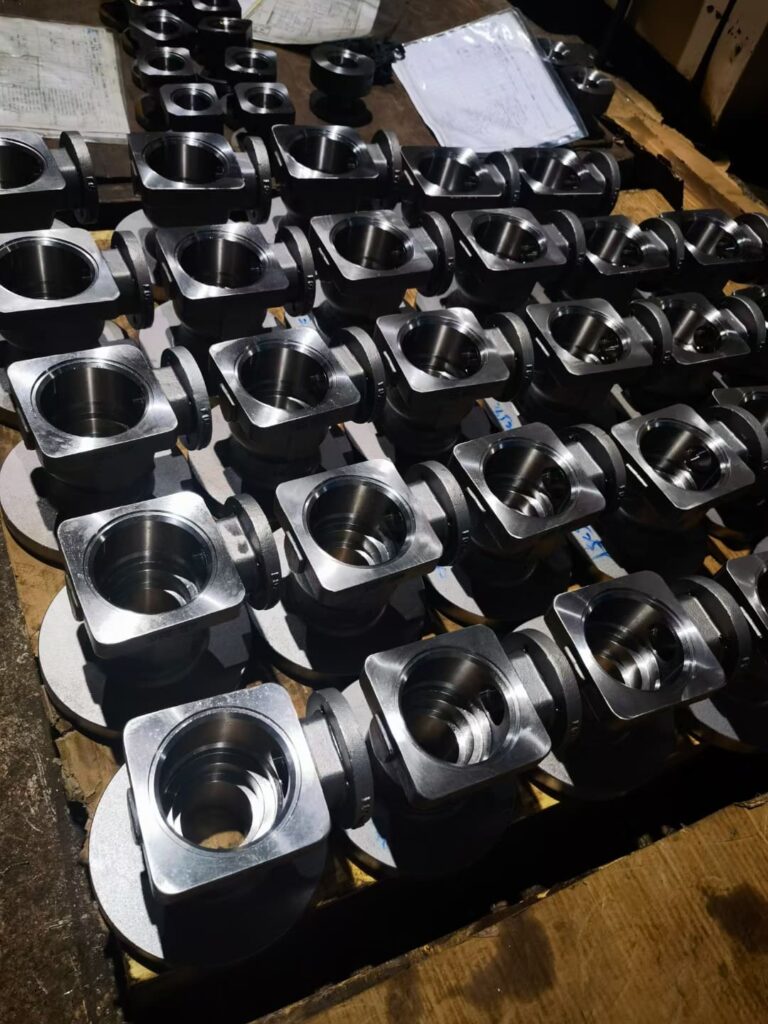
Bu iki grade arasından seçerken genellikle öncelikli olduğuna bağlı olarak karar verilir hızlı üretim or Zorlu ortamlarda hayatta kalma. Her ikisi de Amerikan makineler atölyelerinde temel parçalar olsa da saha içinde nadiren yer değiştirirler çünkü güçleri o kadar özelleşmiştir.
416 Paslanmaz Çeliğin Tipik Kullanımları
Çünkü bu yüzden serbest işleme doğa ve ısıtılabilirlik yeteneğiyle 416, yüksek hacimli hassas parçalar için işçi kuvvettir. Switzerland tezgahlarında uzun döngüler yapmak için bu muhtemelen başvuru malzemesidir. Yüksek hızlı üretim gerektiren projeler için, bizim CNC torna kılavuzumuz 416'nın otomatik üretimler için neden tercih edildiğini vurgular.
- Silahlar: Sertlik ve işleme hassasiyetinin zorunlu olduğu mandal eylemleri ve tabancaların sürgüleri için son derece popüler.
- Güç Aktarımı: Kapsamlı olarak kullanılır dişliler, çarklar ve şaftlar önemli miktarda metal kaldırılması gerektirenler.
- Vida ve civatalar: Ağır kimyasal maruziyetle karşılaşmayan yüksek mukavemetli cıvata ve somunlar için idealdir.
- Vana Bileşenleri: Ağız millerinde ve parça aşınma ve sürtünmeye karşı direnç gerekmesi durumunda yaygındır.
316 Paslanmaz Çelik için Tipik Kullanımlar
“Denizcilik Kalitesi” olarak bilinen 316, deniz mühendisliği uygulamaları tuzlu su maruziyetinin sürekli bir tehdit olduğu yerde. Onun molybden içeriği karmakarışık durumlarda çatlamaz veya paslanmaz, bu da onu standart hale getirir.
- Deniz Donanımı: Güverte bağlantı parçaları, iskeleleme ve sualtı sensörleri.
- Tıbbi Cihazlar: Sterilizasyon ve biyouyumluluk gerektiren cerrahi aletler ve ortopedik implantlar.
- Kimyasal İşleme: Aşındırıcı sıvıları işleyen basınçlı kaplar, tanklar ve boru hatları için.
- Gıda ve İçecek: Hijyenin tartışmasız olduğu ticari mutfak ekipmanları ve biyoteknoloji/ilaç işleme için standart.
Kesişme ve Malzeme Yer Değiştirme
Değiştirme nadiren 1:1 değiş tokuştur. Parçanın kuru, kapalı bir ortama taşınması ve üretim maliyetlerini önemli ölçüde düşürmeniz gerekmediği sürece 316 paslanmaz çelik özellikleri 416’ya yalnızca parçanın kuru, kapalı bir ortama taşındığı durumlarda ve üretim maliyetlerini önemli ölçüde düşürmeniz gerektiğinde geçiş yapmayı düşünebilirsiniz. Aksi halde, bir 416 parçası kıyı bölgesinde pas nedeniyle arızalanıyorsa, 316’ya yükseltmek tek kalıcı çözümdür.
ABD tasarımcıları için ana çıkarım: Hareket ediyor, dönüyor veya sert olması gerekiyorsa 416’a bakın. Islanıyor, dışarda kalıyor veya kimyasallarla temas ediyorsa, 316’da kalın.
| Özellik | 416 Paslanmaz Çelik | 316 Paslanmaz Çelik |
|---|---|---|
| Birincil Avantaj | Üstün İşlenebilirlik | Aşırı Korozyon Direnci |
| Manyetik mi? | Evet | No |
| En İyi | Yüksek hacimli CNC parçaları | Deniz/Medikal ortamlar |
| Sertlik | Isı ile İşlem (Kısmen Yüksek) | Düşük ila Orta (Sadece Soğuk İşleme) |
Karar: 416 vs 316 Paslanmaz Çelik Seçimi
Arasında seçim yapmak 416 vs 316 paslanmaz çelik bir önceliğe bağlıdır: Yüksek hızda üretim mi yoksa zorlu ortamlarda uzun vadeli hayatta kalma mı tasarlıyorsunuz? Deneyimlerime göre burada yanlış sınıfı seçmek veya bütçe felaketiyle sonuçlanır machinelerde veya saha aşınmış parçalarında erken arıza ile sonuçlanır.
416 Paslanmaz Çelik Ne Zaman Seçilir
Kesinlik ve sertlik ana hedefler olduğunda binlerce parça üretmeniz gerektiğinde 416'yı öneririm. Bu, başvuru alanıdır CNC imalatı çünkü ek kükürt, araçlarınızı yok etmeden çok daha yüksek kesme hızlarına ve daha iyi yüzey bitişlerine olanak tanır.
- Yüksek Üretim Hacmi: Dişliler, miller ve bağlantı elemanları için mükemmel.
- Mekanik Sertlik: Parçanız yüksek güç elde etmek için ısıl işlem gerektiriyorsa bunu seçin.
- Bütçe Hassasiyeti: 416 genellikle daha uygun fiyatlıdır ve işlenmesi oldukça daha ucuzdur.
316 Paslanmaz Çeliği Ne Zaman Seçilir
Tuz, nem veya agresif kimyasallara maruz kalacak projeniz varsa, 316 ile devam edin. Dayanıklılık için “altın standart”tır.
- Aşırı Korozyon Direnci: Deniz ekipmanları ve kimyasal kaplar için gereklidir.
- Güvenilir Kaynaklama Yetenegi: Tasarımınız ağır kaynak gerektiriyorsa, 316 daha kararlı ve çatlama olasılığı daha düşüktür.
- Manyetik Olmama İhtiyacı: Mıknatıslama'nın sorun yarattığı hassas elektronik veya tıbbi aletler için bunu kullanın.
416 vs 316 Karar Matrisi
| Özellik | 416 Paslanmaz Çelik | 316 Paslanmaz Çelik |
|---|---|---|
| Birincil Dayanıklılık | İşlenebilirlik ve Sertlik | Korozyon Direnci |
| Manyetik mi? | Evet | No |
| Kaynak Yapılabilirlik | Kötü (Çatlama Riski) | Mükemmel |
| Isı ile ısıl işlem uygulanabilir mi? | Evet (ısı ile sertleşir) | Hayır (Sadece soğuk işlenir) |
| En İyi Ortam | Kuru/İç Mekan/Boyayımsı yağlı | Deniz/Kimyasal/Yemek |
Uzun Vadeli Maliyet-Fayda Analizi
The 416 ile 316 arasındaki maliyet farkı ham madde fiyatının ötesinde bir şeylerle ilgili. 316 pound başına daha pahalı olabilirken, klorür bakımından zengin bir ortamda 416 kullanımı paslanmaya ve aylık değişim maliyetlerine yol açacaktır. Buna karşılık, basit bir iç motor milinde 316 için aşırı şartlandırma sermayenin israfıdır.
Özel bileşenler gerektiren projeler için, özel alaşımlı çelik flanşlar, montajın ana yapı kadar uzun ömürlü olması için sınıfın belirli ortama uygun olduğundan emin olmak hayati önem taşır. Parça kuru kalırsa ve dayanıklı olması gerekiyorsa 416'e gidin. Islanır veya kimyasallarla karşılaşırsa 316 tek doğru yoldur.