

Kobalt Alaşımı Döküm Nedir?
Kobalt alaşımı dökümü için hızlı tanım
Kobalt alaşımı dökümü eritme ve kalıplara dökme süreci kobalt bazlı alaşımların dökümünde uzmanız muhdeslere dönüştürmek için yüksek hassasiyetli, yakın netlikte parçalar aşırı aşınma, ısı ve korozyondan dayanabilecek parçalar. Pratikte bu genelde şu anlama gelir yatırım döküm (kayıp mum döküm) kobaltxrom ve Stellite tipi alaşımın karmaşık, yüksek değerli bileşenlere dökülmesi.
Kobalta dayalı dökümlerine neden endüstriler güveniyor
Mühendisler seçer kobalt bazlı alaşımların dökümünde uzmanız standart çelikler veya hatta birçok nikel alaşımı başarısız olduğunda. Kobalt alaşımı dökümlerinin kullanılması şu nedenlerle
- Olağanüstü aşınma ve yüzey sürtünme direnci kaydırmalı, aşındırıcı veya erozyonlu koşullarda
- Yüksek sıcaklıkta dayanıklılık ve stabilite parçaların sürekli ısıya, termal döngüye veya sıcak gazlara maruz kaldığı yerde
- Mükemmel korozyon ve oksidasyon direnci kimyasallarda, buhar ve agresif ortamlarda
- Uzun hizmet ömrü ve daha azplansız kapanış, bu doğrudan yaşam döngüsü maliyetini düşürür
Çevre uygunsa sıcak, kirli, aşındırıcı veya sık kapatmanın imkânsız olduğu, kobalt alaşım dökümü genellikle kısa listeye girer.
Kobalt alaşım dökümünün modern üretime uyumu
Kobalt alaşım dökümü sorunsuz bir şekilde uyar bugünün üretim iş akışlarına nasıl bir yol olarak elde etmek için:
- Neredeyse net şekilli parçalar örn. torna çubuk, plaka veya dövmeden mekanik işlemenin zor veya ekonomik olmadığı parçalar
- Tutarlı tekrar edilebilirlik karmaşık geometrilerin seri üretimi için
- Tasarım özgürlüğü iç geçişler, ince kesitler ve karmaşık konturlar için
- CNC İşleme, kaplama ve ısıl işlem ile entegrasyon son boyutlar ve performans için
Çoğu alıcı kobalt alaşımı döküm parçalarını kritik parçalar daha büyük montajlara düşürüldü: türbinler, valfler, pompalar, implantlar ve ağır aşınma sistemleri.
Kobaltkalı alaşım dökümünü kim gerçekten kullanıyor?
Türkiye pazarında, kobalt alaşımlı dökümden şunu belirtir ve satın alır:
- Tasarım ve malzeme mühendisleri yüksek performans hedeflerini aşması gerekenler
- Tedarik ve satın alma ekipleri maliyet, teslimat süresi ve yaşam döngüsü riskinin dengelemesi
- OEM’ler ve Tier 1 tedarikçileri havacılık, enerji, petrol ve gaz, tıbbi, madencilik ve işleme endüstrilerinde
- Bakım ve güvenilirlik ekipleri daha uzun ömürlü yedek parçalar ve yükseltmeler arayışında
vastmaterial’de, bu gruplarla doğrudan çalışarak çeviri gerçek işletme koşulları doğruya kobalt bazlı alaşım ve döküm süreci yani parça ilk seferinde istenen şekilde çalışır.
Kobalt Bazlı Alaşımlar Temelleri
Kobalt Bazlı Alaşımlar Nedir?
Kobalt bazlı alaşımlar, kobaltı ana unsur olarak çerçeveleyen, performans için krom, tungsten, nikel, molibden ve karbon eklenen, aşınmaya ve ısıya dayanıklı alaşımlardır. Standart karbon veya paslanmaz çeliklerle karşılaştırıldığında kobalt alaşımları:
- Çok daha yüksek sıcaklıklarda sertlik ve mukavemet sağlar
- gallig, metal-metal aşınma ve aşındırıcı maddelere karşı dayanıklıdır
- sıcak gaz, buhar ve birçok korozyon ortamında daha dirençlidir
İşte bu yüzden parça “başarısızlık yok” şartlara giriyorsa cobalt alaşımlı döküm kullanıyorum—sıcak, hızlı ve kirli hizmette normal çelikler dayanamaz.
Cobalt Alaşımlarında Ana Alaşım Elementleri
Çoğu kobalt-tabanlı alaşım, kobalt- krom matriksi etrafında inşa edilmiştir, şu unsurlarla ince ayarlanmıştır:
- Kobalt (Co): Ana metal, yüksek ısı dayanıklılığı ve mukavemet sağlar
- Krom (Cr): Korozyon ve oksidasyon direnci
- Tungsten (W) / Molibden (Mo): Katı çözelti ve karbür güçlendirme, aşınma direnci
- Karbon (C): Kesici ve kayan aşınma için sert karbürler oluşturur
- Nikel (Ni): Bazı sınıflarda sertlik ve döküm kolaylığına yardımcı olur
Medikal veya implant alanında çalışıyorsanız, kobalt-krom-molibden sistemleri genelde kullanılanlar arasındadır ASTM F75 özellikle adanmış olanlarda sunulanlarla benzer şekilde krom-kobalt-molibden alaşım ürünleri.
Kobalt Chrome vs Nikel Alaşımları vs Paslanmaz Çelik
Türkiye’deki mühendisler ve alıcılar için hızlı gerçek şu:
- Kobalt krom döküm (Stellite-tipi alaşımlar):
- Aşırı aşınma, yüksek sıcaklık sertliği, sürtünmeye karşı direnç için en iyisi
- Vavle temizliğinde, oturaklarda, kesici takımlarda, sıcak gaz yolu parçalarında yaygın
- Nikel bazlı alaşımlar (Inconel tipi):
- Yüksek sıcaklıkta dayanıklılık, kayma direnci ve korozyon için en iyisi
- Gaz türbinlerinde, havacılık sıcak bölümlerinde yoğun olarak kullanılır
- Paslanmaz çelik:
- Genel amaçlı iyi bir korozyon direnci ve maliyet
- Süperliğin yüksek sıcaklıkta aşınma veya gıcıklama konusunda kobalt alaşımlarıyla karşılaştırılamaz
Kısaca: ana düşman ise yüksek sıcaklıkta aşınma, kobalt krom alaşımları genelde kazanır. If it’s yüksek sıcaklıkta sürekli yük ve yapısal dayanıklılık, nikel alaşımları genelde önde gelir. Standart korozyon ve maliyet kontrolü için paslanmaz çoğu zaman yeterlidir.
Görülecek Yaygın Kobalt Alaşım Sınıfları
ABD pazarında bu kobalt alaşım döküm sınıflarıyla sık karşılaşırsınız:
- Stellite 6:
- Kayma aşınmasına ve hafif darbeye karşı güçlü, güvenilir bir aşınmaya dayanıklı alaşım
- Vana oturakları için, kesme kenarları, pompa aşınma halkaları için
- Stellite 21:
- Daha iyi dayanıklılık ve korozyon direnci, orta sertlik
- Korluklu hizmette valf parçaları için ve orta aşınma için iyidir
- Kobalt 3 / Kobalt 31 (benzer Stellite-tipi sınıflar):
- Belirli aşınma mekanizmaları için özelleştirilmiş sertlik ve karbür seviyeleri
- ASTM F75 (Co-Cr-Mo):
- Dış alçı tıpa
- Kullanım için yüksek mukavemet, aşınma direnci ve mükemmel biyouyumluluk
İşlem görmüş tıbbi bileşenler için, örneğin kalça ve dizlerde, sık sık şunları birleştiriyorum ASTM F75 dökümler son işçilikle birlikte özel bir kalça eklemleri için kobalt-krom-molibden işleme hizmeti.
Kobalt Alaşımlarının Endüstri Tarafından Evrimi
Kobalt bazlı alaşımlar bir niş olarak başlamadı; gerçek arızaları çözmek için tasarlandı:
- Havacılık:
- sıcak gazlara ve parçacık aşınmasına maruz kanatçıklar, nozul ve sıcak bölüm parçaları için geliştirilmiş
- Tıbbi:
- biyouyumluluk, yorgunluk direnci ve eklem replasmanlarında uzun vadeli aşınmayı iyileştirmek için kobalt-krom-molibden alaşımları
- Ağır sanayi / enerji:
- Kapaklar, pompalar ve kesici aletlerde duruş süresi pahalı olduğunda ve koşullar ağır olduğunda benimsenen Stellite tipi alaşımlar
Bugün, bir Türkiye merkezli OEM veya bakım ekibi kobalt alaşımı dökümünü belirttiğinde, genellikle saha performansında diğer malzemelerin başarısız olduğunu gördükten sonra daha yüksek bir performans sınıfına ihtiyaç duydukları içindir.
Kobalt Alaşımı Dökümlerin Temel Özellikleri
Kobalt alaşımı döküm, diğer metaller başarısız olduğunda güvenilir şekilde çalışmaya odaklanır. Sıcaklık, aşınma ve korozyonlu ortamla aynı anda uğraştığınızda, kobalt bazlı alaşımlar standart çelikler ve pek çok nikel sınıfının karşılayamayacağı bir güvenlik marjı sunar.
Aşınma ve Sürtünme Direnci
Stellite 6 ve Stellite 21 gibi kobalt bazlı alaşımlar, yapısı boyunca karbürler dağılmış sert, dayanıklı bir kobalt- krom matrisi oluşturur. Bu size şu avantajları verir:
- Olağanüstü kayma aşınma direnci metal-to-metal temasına karşı
- Düşük yağlanma eğilimi valf trimlerinde, oturaklarda, saplarda, pompa parçalarında ve kılavuz yüzeylerinde
- Parça sıcak çalışsa da ya da kuru olsa da stabil sertlik
Bu yüzden bay küp, kesici aletler ve duruş süresi pahalı olduğunda kullanılan yüksek çalışma devirli bileşenlerde kobalt alaşımlı aşınma parçalarını görürsünüz.
Korozyon ve Oksidasyon Direnci
Kobalt krom döküm sınıfları, yüzeyi koruyan güçlü, yapışkan bir krom oksit filmi oluşturur:
- Korozyon Direnci birçok asitte, klorürlerde ve ekşi hizmet ortamlarında
- Oksidasyon direnci yaygın olarak standart dökme çeliklerin ölçeklendiği ve pul pul döküldüğü çok sıcak gazlar ve buhar içinde
- Karışık aşınma + korozyon koşullarında iyi performans (erozyon-korozyon, süspansiyon vb.)
Yağ ve gaz ile petrokimya hizmetlerinde kobalt alaşımlı vana bileşenleri ve pompa parçaları aynı görevde paslanmaz çelikten daha uzun ömürlü olur.
Yüksek Sıcaklıkta Dayanıklılık ve Kayma Direnci
Kobalt süper alaşımları sıcaklık yükseldikçe güçlerini korumak üzere tasarlanmıştır:
- Yüksek sıcaklıkta dayanıklılık derecelere bağlı olarak 1.600–1.900°F (870–1.040°C) aralığına kadar sürdürülmüş
- Kayma direnci sürekli yük altında, türbin sıcak bölüm parçaları ve yüksek sıcaklık yayları için anahtar
- Uzun servis aralıklarında mekanik özelliklerde daha az kayıp
Tipik çelikler ve birçok nikel alaşımının dayanabileceğinden daha yüksek sıcaklıklara çıkıldığında, kobalt bazlı alaşımlar çoğu zaman bir sonraki adımdır.
Sertlik Retention ve Termal Yorulma
Sıcaklık artışı/soğuma döngülerinin tekrarlı olduğu yerlerde kobalt alaşımları parlıyor:
- Sertlik tutunumu yüksek sıcaklıklarda şekil değişimini ve aşınmayı sınırlar
- Termal yorulma direnci hızlı sıcaklık dalgalanmalarından kaynaklanan çatlak oluşumunu önlemeye yardımcı olur
- Ara sıra veya tekrarlı yüksek ısı uygulamalarında termal darbe direnci iyi
İşte bu yüzden kobalt alaşımlı türbin kanatları ve sıcak gaz yolu parçaları, özel ile birlikte yaygın seçeneklerdir yüksek sıcaklıkli nikel alaşım bileşenleri.
Sürtünme, Darbe ve Döngüsel Yükler
Kobalt alaşımı dökümleri sertliği dayanıklılıkla dengeleyen:
- Orta ila düşük sürtünme katsayısı metal-metal temasında, birçok sertleştirilmiş çeliğe kıyasla
- Güçlü performans altında etki ve siklikli yükleme, kırılma ve aşınmaya karşı dirençli
- Karma mod yüklemede güvenilir davranış: aşınma + etki + titreşim
Vanalar oturakları, nozul veya madencilik aşınma parçaları gibi darbeye ve titreşime ek olarak aşınmaya maruz kalan bileşenleri belirlerken, kobalt esaslı alaşımlar daha esnek bir çalışma penceresi ve ani arıza riskinin daha düşük olması sağlar.
Kobalt Alaşım Döküm Süreçleri Genel Bakış
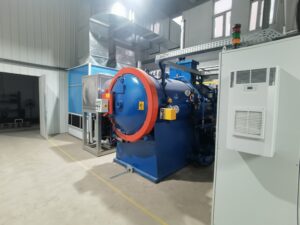
Kobalt Alaşımları İçin Yatırım Dökümünün Neden Öncü Olduğu
Kobalt alaşım dökümü için yatırım dökümü (kaybolan balmum) genellikle en iyi tercihtir. Şu konuları ele alır:
- Çok yüksek ergime sıcaklıkları kobalta dayalı alaşım grupları
- Sıkı toleranslar ve ince detaylar karmaşık parçalar için
- Yakın-ağır geometri, çünkü kobalt alaşımları işlemeye karşı dayanıklıdır ve pahalıdır
Paslanmaz veya nikel alaşımlarında hassas döküm kullanmaya alışkınsanız, burada da aynı mantık geçerlidir—yalnız daha sıkı proses kontrolü ve daha yüksek ısı ile. Alaşım döküm seçeneklerine daha geniş bir bakış için genelde alıcıları buna benzer kaynaklara yönlendiririm prosesleri ve alaşımları kapsayan döküm alaşım rehberi.
Kobalt Alaşımları İçin Yatırım Döküm Nasıl Çalışır (Adım Adım)
yatırım döküm kobalt süreci, standart kayıp balmumu dökümüne benzer, ancak ısı, kimya ve kapak/örtü dayanıklılığı üzerinde daha sıkı kontrollerle:
- Kalemleme ve Mum Enjeksiyonu
- Bir çelik kalıp (elde edilmesi gereken parça geometrisi) parçanıza göre yapılır.
- Bu kalıba mum enjekte edilerek benzersiz mum modelleri oluşturulur.
- Bu mum modelleri, kobaltın daha yüksek küçülme ve akışkanlık ihtiyaçları için tasarlanmış kapılar ve besleyiciler içerir.
- Montaj ve Seramik Kabuğu Üretimi
- Mum modelleri merkezi bir mum “ağacı”na monte edilir.”
- Ağaç, seramik sıvısına batırılır ve refrakter kum ile kaplanır.
- Bu batırma ve kurutma işlemi, bir dizi kez tekrarlanarak bir kuvvetli seramik kapak kobaltın döküm sıcaklığını karşılayabilen.
- Yanma (Silikajın giderilmesi)
- Boya, kabuğun içinden, otonokkan veya fırında eritilir ve boşaltılır.
- Kabuğun ardından dolgu gücü için tam güçte fırınlanır, erimiş kobalt alağı için hazırdır.
- Erime ve Kobalt Alaşımlarının Dökümü
- Kobalt tabanlı alaşımlar, indüksiyon veya vakum/ kontrollü atmosfer fırınında eritilir.
- Döküm sıcaklıkları tipik olarak 2.650–2.850°F (1.450–1.565°C) belirli kobalt krom veya Stellite sınıfına bağlı olarak.
- Sıkı kontrol kimya, sıcaklık ve cüruf gaz, inklüzyonlar ve ayrışmayı önlemek için kritik.
- Soğutma, Knockout & Temel Yüzey İşleme
- Aşılmalar hava altında veya kontrollü koşullarda soğutulur (alaşıma ve kesit boyutuna bağlı olarak).
- Seramik kabuk mekanik olarak veya patlama ile kırılır.
- Kapaklar ve parçalar kesilir, vurmalı temizleme ile temizlenir, zımarlanır ve işleme veya ısıl işlem için hazırlanır.
Alternative Kobalt Alaşım Döküm Prosesleri
Yatırım döküm kobalt alaşımlarının yanında tasarım veya hacim buna izin veriyorsa diğer süreçleri de kullanıyoruz:
- Santrifügal Kobalt Döküm
- İçin ideal: halka, mil, vana oturakları ve keçeler.
- Sentrifügal kuvveti metali kalıba sürer, çok yoğun, düşük gözenetli kobalt alaşımı parçaları verir.
- Kum Döküm Kobalt Alaşımları
- İçin daha iyi daha büyük, daha sade şekiller ultra sık toleranslar gerekli olmadığında.
- Yatırım dökümüne göre daha düşük takım maliyeti, ancak yüzey daha pürüzlü ve işlenmesi daha fazla.
- Genellikle ağır endüstriyel aşınma parçaları ve daha büyük pompa veya vana bileşenleri için tercih edilir.
Bu daha geniş referanslar gibi diğer alaşım yollarıyla karşılaştırabilirsiniz özellikler ve süreçler için döküm alaşım genel bakışı.
Kobalt Alaşım Dökümünde Ana Zorluklar
Kobalt alaşım dökümü üst düzey aşınma ve ısı Direnci sağlar, ancak bu gündelik bir süreç değildir. Yönetilen ana zorluklar şunlardır:
- Yüksek erime Noktası
- Güçlü fırınlar, yüksek sıcaklık refrakterleri ve tasarlanmış seramik kabuklar gerektirir.
- Kabuğun veya kalıplanmanın herhangi bir zayıf noktası, kobalt ile hızlı bir şekilde ortaya çıkacaktır.
- Çekme ve Katılaşma Kontrolü
- Kobalt alaşımları şunlara sahip olabilir önemli katılaşma küçülmesi, bu nedenle kapatma, boşluklandırma ve yönlü katılaşım tasarımı kritik öneme sahiptir.
- Zayıf besleme tasarımı küçülme porozitesi ve reddedilmelere yol açar.
- Maliyet ve Machinability
- Kobalt-tabanlı alaşımlar ve Stellite dökümleri premium materyaller daha yüksek alaşım içeriğine ve eritme maliyetlerine sahip.
- Onlar da işlemeye karşı zor, bu yüzden ikincil operasyonları kontrol altında tutmak için yakın net şekilli kobalt dökümüne güveniyoruz.
Doğru şekilde işlendiğinde, kobalt alaşımı döküm süreci son derece dayanıklı, ısıya dayanıklı parçaları hizmete almanızı sağlar; arızaların daha az olması ve kesinti süresinin daha kısa olması—tam olarak çoğu Türkiye-çıkışlı OEM ve bakım ekiplerinin kobaltı standart çeliklere tercih ederken ödedikleri bedeldir.
Neden Kobalt Alaşım Döküm?

Kobalt alaşım döküm, arıza bir seçenek değildir. Parçalarınız vahşi aşınma, ısı ve korozyon gösteriyorsa, kobalt bazlı alaşımlar genellikle kendini hızlı bir şekilde amorti eder.
Ekstrem Aşınma ve Isıda Performans
Kobalt alaşım dökümleri, standart çelikler ve birçok nikel alaşımının tıkanmaya başladığı noktalarda dayanır.
**Ana faydalar:
Kobalt Alaşım Döküm Uygulamaları
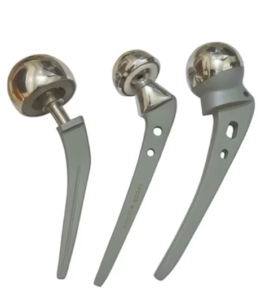
Kobalt alaşım dökümü, arıza seçenek değil olduğunda kullandığınız şeydir. Aşınma direnci, ısı direnci ve korozyon direncinin birleşimi, kobalt bazlı alaşımları talep gören Türkiye endüstrileri genelinde tercih edilen bir seçenektir.
Havacılıkta Kobalt Alaşım Dökümleri
Havacılıkta, kobalt süper alaşımları uzun vadede nikel ve paslanmazın zorlanabildiği en sıcak bölgelerde çalışır:
- Gaz türbinlerinde türbin kanatları ve kanatçıkları
- Yanma odası ve sıcak bölüm donanımı
- Yardımcı güç ünitesi için küçük hassas kobalt alaşımlı türbin kanatları
Bu kobalt alaşımı dökümleri yüksek sıcaklıklarda güç ve sertlik sağlar, sıcak gaz korozyonuna dayanır ve plansız kesinti süresini azaltır.
Tıbbi Kobalt Alaşımlı Dökümler
Tıbbi amaçlı, kobalt krom döküm (özellikle ASTM F75) kanıtlanmış uzun ömürlü bir implant malzemesidir:
- Kobalt krom ortopedik implantlar (kalça, diz, omuz)
- Diş ve kafatası protez bileşenleri
- Biyouyumluluk ve yorulma dayanımı önemli olduğunda özel tıbbi implant dökümleri
ASTM F75 kobalt bazlı alaşımlar UHMWPE karşı mükemmel aşınma direnci ve vücut içindeki sağlam korozyon direnci sunar.
Oil & Gas Kobalt Döküm
Oil ve gazda, kobalt alaşım dökümü aşındırıcı kum, korozyonlu sıvılar ve basınç döngülerine dayanmak için kullanılır:
- Kobalt alaşım vana bileşenleri ve trim parçaları
- Kobalt alaşım pompa parçaları, impellerler, manşetler ve boğum bileşenleri
- Yüksek basınçlı sistemlerde nozullar, oturaklar ve aşınma ringleri
Bu aşınmaya dayanıklı alaşımlar, şist taşıyıcıları, açık deniz ve rafineri destek ekipmanlarında bakım maliyetlerini düşürür.
Petrol-kimya ve Rafineri Bileşenleri
Rafineri ve petrokimya tesisleri, erosif ve aşındırıcı proses akışlarını yönetmek için kobalt bazlı alaşımlara dayanır:
- slurry servislerinde ve yüksek hızlı akışlarda kobalt alaşımı parçaları
- Kobalt krom döküm parçaları aşındırıcı asitler, klorürler ve kükürt içeren ortamlarda
- Sarnasız tehditler olan oturma parçaları, kılavuzlar ve iç parçalar
Standart dökme çeliklere kıyasla, kobalt bazlı alaşımlar ısı, kimya ve mekanik aşınmanın karışımında daha iyi dayanır.
Güç Üretimi Kobalt Döküm Parçaları
Güç üretiminde kobalt alaşımı dökümü termal çevrim altında uzun çalışma sürelerini destekler:
- Gaz türbini nozulaları, kanatları ve pervaneleri
- Buhar türbin vanası bileşenleri ve sıcak bölüm donanımları
- Hızlı hareketli, yüksek yük taşıyan rüzgar türbini frenleme veya aşınma arayüzleri için kobalt alaşımı bileşenleri
Bu yüksek sıcaklıktaki döküm parçalar oksidasyon direnci, kayma direnci ve sıcaklıkta sabit sertlik sağlar.
Endüstriyel Aşınma Parçaları ve Takımmarleri
ABD'deki ağır sanayi genelinde, parçalar aşındığında kullanılan yerler için Stellite döküm ve benzeri kobalt alaşımları kullanılır:
- Kesici aletler, kesme bıçakları ve sıcak şekillendirme kalıpları
- Madencilik aletleri, bitler ve toprak hareketi aşınma uçları
- Aşınma ve korozyonun her ikisi de önemli olan gıda işleme aşınma parçaları
Paslanmaz parçalarla da çalışıyorsanız, benzer bir işlemle döküm ve yüzey işleminin nasıl yapıldığını karşılaştırmak, paslanmaz çelik döküm kobalt alaşımlarının yükseltmeyi haklı çıkarıp çıkarmadığını anlamak için faydalıdır.
Gerçek Dünya Zorlu Çevre Örnekleri
Kobalt alaşım dökümlerinin şu alanlarda performans gösterdiğini göreceksiniz:
- Yüksek basınç, aşınma ve korozyonlu brinlerle döngü yapan yer altı araçları
- Bakır girmeyen binlerce saatlik revizyonlar arasında çalışan türbin sıcak bölümleri
- Erozyonlu çamur hizmetlerinde yıllarca hayatta kalan rafineri valfleri
Standart çelikler ve birçok nikel alaşımı aşınmaya başladığında veya sertliğini kaybettiğinde, kobalt bazlı alaşımlar çalışmaya devam eder; bu da bizi başlangıç maliyetinden çok operasyonel kullanılabilirliğe önem veren müşteriler için onları öncelikli kılıyor.
Doğru Kobalt Alaşımı ve Döküm Sürecini Seçmek
Doğru kobalt alaşımı döküm kurulumu seçmek, sadece bir veri sayfasına değil, gerçek çalışma koşullarınıza uygun kalite ve süreçleri eşleştirmekle ilgilidir.
Alaşımlı Kaliteyi Sıcaklık ve Yük ile Eşle
Genel bir kural olarak:
- Yaklaşık ~800°F (425°C) kadar: Aşınmaya odaklı sınıflar gibi Stellite 6 / Kobalt 6 kaymalı dayanımı ve hafif darbelere çok iyi dayanır.
- 800–1.600°F (425–870°C): Git kobalt süper alaşımlar ve sıcak gaz, türbin ve vana trim servisi için yüksek‑Cr/Co sınıfları.
- Ağır şok / darbe: Kısmen daha sert alaşımlar (ör., Stellite 21 / Kobalt 21) daha düşük sertliğe sahip ancak daha iyi tokluluğa sahip olanlar ultra sert sınıflardan daha güvenlidir.
Zaten ile çalışıyorsanız Inconel veya diğer yüksek sıcaklık alaşımları, aynı mantığı fark edeceksiniz—sertlik ile dayanıklılık arasındaki denge, sıcaklıkla aynı şekilde parça tedarik edeceğiniz bir yüksek sıcaklık alaşımı tedarikçisinden sipariş ederken yüksek sıcaklık alaşımı tedarikçisi.
Doğru Aşınma Mekanizması için Seçim
Farklı aşınma modları farklı kobalt bazlı alaşımlar gerektirir:
- Aşındırıcı aşınma (kum, çamur, sert parçacıklar): Yüksek karbonlu, yüksek karbürlü alaşımlar (ör., Stellite 6).
- Yapıştırıcı/aşınma (metal-metal, valfler, oturaklar): Kobalt krom döküm sınıfları iyi aşınmaya karşı dayanıklı (ör., Stellite 21, ASTM F75‑tipi).
- Erozyonel aşınma (yüksek hızlı akışkanlar, çamur püskürtücüler): Denge sertlik ve dayanıklılık; parçaların kırılmaması için çoğu zaman orta sertlikte kobalt alaşımları.
Korozyon Tipi için Seç
Sadece sertlik için kobalt alaşımı dökümünü seçmiyorsunuz; korozyon da önemli:
- Klorürler / deniz suyu / tuz püskürtmesi: Co‑Cr‑Mo alaşımı standart dökme çeliklerden çok daha iyi performans gösterir; klorür yükü aşırı ise nikel destek düşünün.
- Asitler / kimyasal işlem: Kobalt bazlı alaşımda pitting ve çatlak direnç için daha yüksek krom ve molibden seviyelerini arayın.
- Yüksek sıcaklık oksidasyonu / sıcak gaz: Ağır oksit filmleri olan kobalt krom alaşımları, türbin bıçakları, sıcak kanatçıklar ve egzoz parçaları için tercih edilir.
Bütçe ve Maliyet Trade-off'ları
Kobalt alaşımı dökümü paslanmaz veya temel dökme çeliğe göre daha pahalı olacaktır, ancak yaşam döngüsü açısından genellikle kazanır:
- Kobalt buna değer olduğunda:
- Sık yeniden üretimler veya duruşlar pahalıdır.
- Sıcaklıklar veya aşınma paslanmaz/kobalt alaşımlarını da çok hızlı öldürür.
- Alternatiflerle kalmayı gerektiği durumlar:
- Hafif aşınma, hafif korozyon ve düşük sıcaklık.
- Arızası düşük olan kritik olmayan bileşenler.
Müşterileri bakmaya yönlendiriyorum işletme saati başına maliyet, sadece kilo başına maliyet değil.
Yatırım ile Santrifüj ve Kum Döküm Arasındaki Karşılaştırma
Geometri, hacim ve performansa uygun döküm sürecini seçin:
- Yatırım döküm kaburga kobaltı (kaybolan balmum):
- Yüksek hassasiyetli kobalt dökümü, karmaşık şekiller, ince duvarlar, sık toleranslar için en iyi.
- Git turbine kanatları, tıbbi ASTM F75, küçük vana ve pompa parçaları.
- Santrifüj döküm:
- Yüzükler, burçlar, valf oturakları ve silindirik aşınma parçaları için ideal.
- Kobalt alaşım valf bileşenlerinde mükemmel dayanıklılık ve aşınma performansı.
- Kum döküm:
- Daha büyük, basit şekiller için yüzey bitişi ve sıkı toleranslar kritik değilse daha uygun.
- Isıya dayanıklı kobalt alaşımlı büyük aşınma blokları veya muhafazalar için iyi.
Dövülebilirlik için Tasarım
İyi tasarım, kobalt alaşım dökümünü daha güvenilir ve daha ucuz hale getirir:
- Duvar kalınlığı: Keskin sıçramalardan kaçın; bölümleri mümkün olduğunca tekdüze tutun.
- Filletler & radyüsler: Aşırı ısı noktalarını ve çatlama riskini azaltmak için cömert filetolar kullanın.
- Girme ve boşluklar: Kalıntı yüzeylere dokunmadan kesip bitirebileceğimiz taraftan besleme pedleri/risers temas noktaları için yer bırakın.
Emin değilseniz, 3D modeli erken gönderin—sorunlu bölgeleri işaretleyeceğiz ve döküm kalitesine uygun olarak ayarlayacağız.
Toleranslar, Yüzey Pürüzlülüğü ve İşleme
Aşırı spesifikasyon yapmamak için ne bekleyeceğinizi bilin:
- Tipik döküm yatırım toleransları (kobalt):
- ±0.003–0.005 in/in (±0.08–0.13 mm her 25 mm), boyut ve geometriye bağlı olarak.
- Yüzey bitirme:
- Yatırım: ~125–250 µin Ra döküm halinde, hafif bitirme ile daha iyi.
- Kum: Daha pürüzlü, çoğu zaman daha fazla işlemeden ihtiyaç duyar.
- İşleme cobalt bazlı alaşımlar:
- Sert ve işlenebilirlik kazandırma—sıkı kurulumlar, karbür aletler, düşük hızlar için planlayın.
- Mümkün olduğunda, dökmenin işini yaptırın; sert yüzeylerde daha az işleme için yakın net şekli tasarlayın.
İşletim sıcaklığını, ortamı, yükü ve hedef ömrü paylaşırsanız, genelde size 1–2 cobalt alaşım derecesine ve tek geçişte en mantıklı döküm sürecine odaklanabilirim.
Kobalt Alaşım Dövme Baskısında Kalite Kontrol
Kobalt alaşım döküm projelerini yürüttüğümüzde sıkı kalite kontrolü tartışılmaz bir gerekliliktir. Bu parçalar genellikle türbinler, vana veya tıbbi cihazlarda kullanılır, bu yüzden her adımda doğrulama mekanizması kurarız.
Kimyasal Bileşim Doğrulaması
Kobalt bazlı alaşımlar için kimya tamamen doğru olmalı ki özellikler bozulmasın. Genellikle şu yöntemleri kullanıyoruz:
- Spektrogramik analiz (OES/ICP) kobalt, krom, tungsten, nikel, molibden ve karbonun tümünün şartnamelere uygun olup olmadığını doğrulamak için.
- Kutu başına sertifikasyon her eritmenin partisine ve değirmen sertifikalarına kadar izlenebilir olduğundan emin olmak için.
Bu, yüksek performanslı gibi kritik metalleri tedarik ederken uyguladığımız aynı disiplin türüdür titanyum alaşımlı malzemeler, burada kimya doğrudan yorgunluk dayanımı ve korozyon direncini belirler.
Kobalt alaşım döküm parçaları için Mekanik Testler
Dökümün hizmette gerçekten dayanacağını kanıtlamak için genellikle şunları çalıştırırız:
- Çekme testleri (akma dayanımı, çekme dayanımı, uzama)
- Tozunu/sertlik testleri (Rockwell veya Vickers) aşınma direncini doğrulamak için
- Etkileşim testleri (Charpy) darbe veya bantlı yükleme endişesi olduğunda
Test çubukları her ısıda veya partiyle döküldürülür, böylece veriniz üretim parçalarıyla doğrudan eşleşir.
Hasar Tespiti (NDT)
Kobalt alaşımlı dökümler güvenlik açısından kritik ekipmanlarda sıkça kullanıldığı için iç ve yüzey kusurlarını açmadan tespit etmek için NDT’ye dayanıyoruz:
- Radyografi (X-ray): iç küçülme, porozite, çatlakları kontrol eder
- İncelemeli boya (PT): karmaşık şekillerde ince yüzey çatlaklarını bulur
- Ultrasonik test/inceleme (UT): kalın kesitler ve yapısal parçalar için harika
NDT seviyeleri (örneğin kabul kriterleri) çiziminize, ASTM standartlarına veya dahili spesifikasyonunuza göre belirlenir.
Boyutsal Muayene ve Toleranslar
Yatırım döküm bize kobalt alaşımlarda sıkı toleranslar tutmamızı sağlasa da her şeyi doğrularız:
- CMM ve optik muayene kritik boyutlar ve GD&T özellikleri için
- Ölçüm kalıpları tekrar üretim özelliklerinde kontrol için
Kesin kobalt yatırım döküm için tipik doğrusal toleranslar şunlardır ±0.005–0.010 aralığında boyut ve geometriye bağlı olarak, yüzey bitişleri sert alaşımlarda ikincil işleme gereksinimini en aza indirecek kadar pürüzsüzdür.
Isı İşlemi ve Mikro yapı Kontrolü
Kobalt alaşımları ısı işlemi ve soğuma hızına güçlü yanıt verir. Kontrol ederiz:
- Çözüm veya stabilizasyon işlemleri güç ve aşınma direncini kilitlemek için
- Karbür dağıtımı ve tane boyutu dayanıklılık ile sertlik arasındaki dengeyi kurmak için
- Gerilme rahatlatma döngüleri son işleme öncesinde bozulmayı azaltmak için
Mikro yapı şu şekilde doğrulanır metalografik inceleme gerekli olduğunda (karbür ağları, tane sınırları, porozite).
Standartlar ve Spesifikasyonlar (ASTM, ISO)
Herkesi aynı hizaya getirmek için, recognized cobalt alloy casting standartlarına, örneğin:
- ASTM F75 kobalt-krom-molibden tıbbi implant dökümlemeleri için
- Diğer ASTM ve ISO spesifikasyonları aşınmaya ve yüksek ısıya dayanıklı kobalt bazlı alaşımlar için
- uzay, petrol ve gaz ile güç üretimi için müşteri özelinde standartlar
Her sevkiyat dahilinde malzeme sertifikaları, ısı numaraları, test sonuçları ve tam izlenebilirlik, böylece QA ekibiniz, simyadan bitmiş montaja kadar temiz evraklara sahip olur.
Kobalt Alaşım Döküm için Standartlar ve Sertifikalar
Türkiye pazarında kobalt alaşım döküm alırken, standartlar ve sertifikalar sizi riske karşı korur. Bunları reddedilemez olarak ele alıyorum.
Çekirdek Alaşım Standartları (Kobalt Krom, Stellite, Kobalt‑Bazlı Alaşım
Kobalt krom döküm ve Stellite döküm için çoğu alıcı bekler:
- ASTM A494 – vanalar, pompalar ve yüksek sıcaklık parçalarında kullanılan kobalt tabanlı alaşımlar ve kobalt süperalaşımlar için döküm.
- ASTM F75 – kobalt krom alaşım standardı için vazgeçilmez medikal implant kuymağı (ortepedik implantlar, travma ve eklem bileşenleri).
- ASTM F799 / F1537 – dövülmüş/kalıplanmış kobalt krom alaşımları, tıbbi sistemlerde genellikle döküm parçalarıyla birlikte kullanılır.
- ASTM F90, F562, F563 – belirli tıbbi veya yüksekperformans kullanımlar için diğer kobalt tabanlı alaşımlar.
Stellite 6, Stellite 21 veya benzeri kobalt alaşımı aşınma parçaları alıyorsanız, kimyayı ve mekanik özellikleri ilgili ile uyumlaştırıyoruz ASTM A494 sınıfı artı kendi iç spesifikasyonunuz.
Havacılık ve Enerji Kobalt Süperalaoy Standartları
Havacılık kobalt parçaları ve türbinlerdeki yüksek sıcaklıktaki döküm için, genelde şu ifadeleri görürsünüz:
- AMS spesifikasyonları (Havacılık Malzeme Spesifikasyonları) kobalt süperalaoy dökümü ve yatırım dökümü kobalt için.
- ASTM E standartları mekanik test yöntemleri için (çekme, darbe, sertlik).
- Müşteri veya OEM spesifikasyonları (GE, Pratt & Whitney, Siemens, vb.) cobalt türbın kanat alaşımları ve sıcak bölüm bileşenleri üzerinde AMS/ASTM’nin üzerinde oturanlar.
Enerji üretimi ve petrol & gaz alıcıları ayrıca başvurur API ve NACE kobalt alaşımlı vana bileşenleri ve kobalt alaşımlı pompa parçaları sülfürlü hizmete veya agresif ortama denk geldiğinde kılavuzlar.
Önemli Kalite Sistem Sertifikaları
ABD'de hassas kobalt döküm temin ediyorsanız, kısa listeniz şu dökümhaneleri içermelidir:
- ISO 9001 – endüstriyel ve aşınma-tesirli alaşımlar için temel kalite yönetimi.
- AS9100 – kobalt süper alaşımlar, türbin kanatları ve kritik donanımlar için havacılık sınıfı kalite sistemi.
- ISO 13485 – için ASTM F75 kobalt krom ve implantlarda kullanılan diğer kobalt tabanlı biyomalzemeler.
- NADCAP (uygulanabilir olduğunda) – havacılıkta ısıl işlem, NDT ve yatırım döküm kontrolleri gibi özel süreçler için.
Bu sertifikalar, dükkanın zorlu kobalt tabanlı alaşımlarda süreç varyasyonunu gerçekten kontrol edebildiğini gösterir.
İzlenebilirlik, Dokümantasyon & Malzeme Sertifikaları
Ciddi OEM ve Seviye 1 alıcılar için, resmi evrak parça kadar önemlidir:
- Tam ısı izlenebilirliği ergi aşamasından bitmiş parçaya kadar (sertifikalarda ısı numaraları ve parçaların üzerinde döküm/oyma ile gereken yerlerde).
- Döküm test raporları (MTR'lar) / 3.1 veya 3.2 sertifikalar tam kapsama ile kimyasal bileşim ve mekanik test sonuçları kobalt alaşımlı döküm için her ısı için.
- Süreç kayıtları ergitme, yatırım dökümü, ısıl işlem ve muayene için, özellikle uzay ve havacılık kobalt parçaları ve tıbbi bileşenler için.
- NDT raporları (X‑ray, boya sızdırmazlık, ultrasonik) ve boyutsal inceleme raporları kobalt alaşımı yatırım döküm toleranslarını sıkıştırırken.
kobalt alaşımı ile paslanmaz çelik veya nikel alaşımları arasında karşılaştırma yapan alıcılar için her zaman şöyle derim: standartlar ve sertifikalar primin haklı göstergesidir. Sadece metal için ödeme yapmıyorsunuz; buna ödüyorsunuz kontrollü süreç, kanıtlanmış performans ve tam izlenebilirlik.
başka alaşımlarla da çalışıyorsanız ve tedarikçileri standartlaştırmak istiyorsanız, kobalt döküm bulunanızın ilgili süreçlere şu konuları destekleyip destekleyemeyeceğini kontrol etmek faydalıdır hassas yatırım dökümüne kobalt dışındaki malzemeler arasında, sadece kobalt için değil:
- Sıkı toleransları nasıl ele aldığımıza bakın hassas döküm hizmetlerimiz karmaşık parçalar için.
Kobalt alaşımlı döküm tedarikçisiyle Çalışmak
Bir kobalt alaşımı döküm foundryasında nelere dikkat edilmeli
Kobalt alaşımı dökümünü temin ederken, her gün bu nişte yaşayan bir foundry ihtiyacınız var; sadece bir atölye “denemek için.” Şunlara bakın:
- Kobalt tabanlı alaşımlarla özel deneyim (Stellite 6, Stellite 21, ASTM F75, vb.)
- Yatırım döküm ekipmanları parçalarınız ve hacimleriniz için boyutlandırılmış
- Yüksek sıcaklıkta erime yeteneği atmosfer ve kimyada sıkı kontrol ile
- İç tesis testi (kimyasal analiz, sertlik, çekme, NDT)
- kanıtlanmış deneyime sahip valfler, pompalar ve yüksek sıcaklık aşınma parçaları—özellikle kritik bileşenleri de satın alırsanız özel OEM vana dökümleri.
kobalt yatırım döküm yetenekleri hakkında sorulacak sorular
PO göndermeden önce doğrudan soruları sorun:
- Paslanmaz yatırım döküm tedarikçisini onaylamadan önce şunu sorarım: kobalt alaşım sınıfları düzenli döküm yapıyor musunuz?
- Paslanmaz yatırım döküm tedarikçisini onaylamadan önce şunu sorarım: Yatırım döküm toleransları benim parça boyutum için sabit tutabilir misiniz?
- Sizin maksimum parça boyutu ve ağırlığı kobalt krom dökümünde mi?
- Nasıl kontrol ediyorsunuz büzülme, gözeneklilik ve sıcak çatlama kobalt alaşımlı dökümler üzerinde mi?
- Paslanmaz yatırım döküm tedarikçisini onaylamadan önce şunu sorarım: NDT yöntemleri kobalt süper alaşımları için (X-ray, boya penetrant, ultrasonik) sunuyor musunuz?
prototipten üretime destek
Kobalt alaşımı döküm ortağınız, sadece parçaları göndermek yerine aşamalarda size yardımcı olmalıdır:
- DFM desteği: döküm verimliliği için duvar kalınlığını, kavisleri, kalıplama ve torna stok / işlenebilirlik değerlerini gözden geçirin
- Hızlı prototipler: fit ve test için kısa vadeli veya tek parça yatırım döküm cobalt örnekleri
- Alet/kalıp optimizasyonu: erken deneme verilerine göre mum kalıplarını ve süreç pencerelerini ayarlayın
- Üretim rampası: klar PPAP veya nitelik planlarıyla稳定, tekrarlanabilir hassas cobalt dökmleri
Tipik teslim süreleri, MOQ'lar ve proje aşamaları
kobalt alaşımlı döküm için, Turkey alıcıları genellikle görür:
- Kalıp + ilk örnekler: ~karmaşıklığa bağlı olarak 4–8 hafta
- Üretim çalışmaları: ~3–6 hafta onaydan sonra
- MOY miktarları: araç gereç ve kurulum maliyetine sık sık bağlıdır; birçok kobalt döküm tesisleri başlar 50–100 adet, ancak karmaşık havacılık veya tıbbi parçalar daha küçük partileri haklı çıkarabilir.
Standart akış şu şekildedir: RFQ → DFM incelemesi → teklif → takım tezgahı → örnek dökümü → onay → üretim.
vastmaterial nasıl kobalt alaşımı döküm projelerini ele alır
vastmaterial'da, kobalt alaşımı dökümünü yapılandırılmış, mühendislik odaklı bir süreç olarak yürütüyorum:
- Başlıyoruz uygulama ve çevre (sıcaklık, aşınma türü, medya) doğru kobalt bazlı alaşımı seçmek için.
- Ekibimiz 3D modellerinizi ve baskılarınızı inceler yatırıma döküm için optimize etmek ve aşağı akış imalatını azaltmak.
- Tam rotayı kontrol ederiz—kaybolan mum desenleri, seramik kabuk, ergitme, ısıtma işlemi ve muayene—bu sayede tutarlı kobalt alaşım vana bileşenleri, pompa parçaları ve aşınma parçalarını parti parti alırsınız.
- Amerika Birleşik Devletleri müşterileri için hızlı teklif veriyoruz, gerçekçi teslim sürelerini kilitleyoruz ve maliyetler konusunda şeffaf kalıyoruz ki krom kovayı alaşım dökümünün paslanmaz veya nikel alaşımlarına göre primli olduğunda tam olarak ne zaman değeceğini bilsinler.
Kobalt Alaşım Dökümü SSS
Kobalt alaşım dökümü diğer alaşımlara göre ne kadar maliyetli?
Kobalt alaşım dökümü genelde maliyetlidir 2–5 kat daha fazla standart karbon veya paslanmaz çelik dökümlerden ve genelde birçok nikel alaşımından daha pahalıdır. Maliyetin çoğu şu kalemlerden kaynaklanır:
- Pahalı alaşımlı elementler (kobalt, krom, volfram)
- Daha yüksek ergime sıcaklıkları ve daha talepkar döküm kurulumları
- Çok sert, aşınmaya dirençli parçalar için ekstra takılabilirlik ve işleme
Buna rağmen, kritik aşınma veya yüksek ısı uygulamalarında kobalt bazlı alaşımlar genellikle kendilerini amorti eder uzun ömür ve daha az duruş süresi ile.
Kobalt alaşımı dökümü premium değerinde mi?
Başarısızlık maliyetli olduğunda buna değiyor. Kobalt bazlı alaşımlar şu durumlarda akıllıca bir tercihtir:
- Aşırı aşınma/kayma (kaymalı metal-metal, valfler, oturaklar, trim)
- Yüksek sıcaklıklar (genelde 900–1800°F / 480–980°C) yük ile
- Agresif ortamlar (sıcak gazlar, aşındırıcı çözeltiler, erozyonlu akış)
- Erişilmesi zor bileşenler yerine koyma masraflı veya tehlikeli olduğu yer
Paslanmaz veya takım çeliği parçaları kullanıyorsanız, kobalt alaşım dökümü gibi Stellite 6 or ASTM F75 genelde fiyat artışına değmeye değerdir.
Kobalt yatırım dökümünden (lost‑wax) elde edilebilecek toleranslar nelerdir?
Kobalt alaşım yatırım (kayalık) döküm için tipik ticari toleranslar şunlardır:
- Doğrusal boyutlar: ±0.003–0.005 inç başına inç başına (±0.08–0.13 mm/in)
- Minimum duvar kalınlığı: yaklaşık 0.06–0.08 inç (1.5–2.0 mm), küçük parçalarda bazen daha ince
- Yüzey bitirme: yaklaşık 125–250 µin Ra kazanmış haliyle
kritik özelliklerde sıkı toleranslar genellikle şu anda kesinleştirilir CNC işleme. Çok sıkı uyumlara ihtiyacınız varsa, o bölgelerde kalıplamayı tornalama stoğu ile tasarlayacağız. İşlem sonrası yeteneklere ilişkin referans olarak, bronz sanayi parçaları için hassas CNC işleme—sadece çok daha sert kobalt alaşımlarıyla.
Kobalt alaşımlı döküm parçalar için tipik teslimat süresi nedir?
Teslimat süresi karmaşıklık, takım tezgahı ve muayene gereksinimlerine bağlıdır, ancak Türkiye pazarında bunlar yaygın aralıklardır:
- Yeni takım tezgahı + ilk örnekler: yaklaşık 6–10 hafta
- Tekrarlanan siparişler: yaklaşık 3–6 hafta, bir araçtakı kanıtlandıktan sonra
- Acil/az miktarda üretim: bazı durumlarda daha hızlı olabilir, ancak parça maliyeti daha yüksek olabilir
Tam NDT ve sertifikasyon gerektiren Havacılık, tıbbi ve enerji parçaları şu an için sit olabilir uzun uç aralığın.
kobalt alaşımı döküm biyouyumludur mu tıbbi kullanım için?
Evet—medikal sınıfı kobalt-krom, özellikle ASTM F75, için iyi kurulmuş olan:
- Ortopedik implantlar (kalçalar, dizler)
- Diş bileşenleri
- Eklem değişimlerinde sürtünme yüzeyleri
Bu alaşımlar için tasarlanmıştır biyouyjabilirlik, korozyon direnci ve uzun vadeli aşınma vücutta. Herhangi bir tıbbi cihaz için anahtar, sertifikalı tıbbi sınıf kobalt alaşımı ve katı süreç kontrolüdür.
Kobalt alaşımı dökümü, çubuktan veya dövme işleminden nasıl karşılaştırılır?
Kobalt alaşımı dökümü vs işleme/dövme böylece şu şekilde parçalanır:
- Döküm (kullanım için yatırım / hassas döküm):
- En iyi iç boşluklara, ince duvarlara veya karmaşık detaylara sahip ve yakın-ağış parçalar
- kıymetli kobalt bazlı alaşımlarda malzeme israfını azaltın
- Entegre özellikler için ideal (iç geçişler, karmaşık geometriler)
- Çubuk veya dövmeden Machining:
- İçin daha iyi basit geometriler ve daha düşük miktarlar
- Dövüler bazı durumlarda üstün yöresel özellikler sunabilir
- Kobalt makineler için çok serttir, bu yüzden tek başına işleme hızla pahalılaşabilir
Karmaşık, aşınmaya dayanıklı bileşenler için, kobalt alaşımlı dökümden artı bitirme işleme genelde en maliyet etkin yol olur.
Kobalt döküm teklifi almak için hangi bilgileri sağlamam gerekir?
Bir kobalt alaşımlı dökümü doğru şekilde fiyatlandırmak için genellikle şu bilgileri isterim:
- 2D çizimler ve/veya 3D model (ADIM/IGES)
- Alaşım sınıfı (ör. Stellite 6, Stellite 21, ASTM F75, Cobalt 31)
- Yıllık hacim ve seri boyutu
- Gerekli toleranslar ve kritik boyutlar
- Herhangi bir NDT/test gereksinimi (X-ray, boya penetrasyonu, mekanik testler)
- Yüzey finis ve miling ihtiyaçları
- Hedef uygulama ve çalışma koşulları (sıcaklık, ortam, yük, aşınma türü)
Önceden ne kadar çok ayrıntı paylaşırsanız, ayarlamayı o kadar hızlı yapabiliriz gerçekçi fiyatlandırma, teslim süreleri ve süreç seçenekleri kurşun alaşım döküm projeniz için.