

Learn how to melt aluminum for casting safely using professional ceramic fiber insulation and graphite crucibles for efficient heat retention.
Are you tired of dealing with slushy metal, wasted fuel, and cracked crucibles?
Mastering how to melt aluminum for casting is the difference between a dangerous backyard experiment and a professional-grade workshop.
As a refractory expert, I know that successful casting isn’t just about applying fire—it’s about superior heat containment.
In this guide, you’ll learn the exact steps to build an efficient system, from choosing a durable graphite crucible to insulating your furnace with high-purity ceramic fiber.
So if you’re looking to stop struggling with heat loss and start pouring perfect ingots, this guide is for you.
Let’s dive right in.
Safety First: Non-Negotiable Protection
When we discuss how to melt aluminum for casting, the process begins long before we light the furnace. Molten aluminum reaches temperatures exceeding 1220°F (660°C). At this heat, safety is not just a precaution; it is the difference between a successful project and a serious injury. We treat personal protection as the absolute foundation of every melt.
Personal Protective Equipment (PPE) Essentials
I cannot emphasize enough that standard shop clothes are insufficient for foundry work. Synthetic fabrics can melt into the skin instantly upon contact with high heat. We rely on foundry safety gear designed specifically to shed molten metal and withstand intense thermal radiation.
- Face Shields: Safety glasses alone are not enough. We always wear a full-face shield to protect against potential splashes or pops from the crucible.
- Leather Aprons: A heavy chrome leather apron is essential. It covers the chest and legs, providing a robust barrier against sparks and spills.
- Respirators: Melting scrap aluminum often releases fumes from paint, oil, or coatings. We use proper respirators to avoid inhaling toxic vapors, especially during the fluxing stage.
Importance of Heat-Resistant Gloves and Textiles
Your hands are closest to the danger zone when handling the crucible. We never use standard welding gloves for lifting molten metal; they often lack the necessary thermal insulation. Instead, we use long-cuff, high-heat resistant gloves—often aluminized or thick leather—that extend up the forearm. This protects not just against direct contact, but also against the intense radiant heat emitted by the furnace and the melt.
Environment Prep: Ventilation and Fire Safety
Setting up the workspace is just as critical as wearing the right gear. We always ensure the melting area is well-ventilated to disperse smoke and gases generated during aluminum dross removal.
Critical Safety Rules for the Workspace:
- Avoid Concrete: Never melt directly over concrete. If molten aluminum spills, the moisture in the concrete can flash to steam, causing the concrete to explode (spall). We prefer a bed of dry sand.
- Moisture Control: Ensure all tools and molds are bone dry. Even a drop of water introduced to the melt can cause a dangerous steam explosion.
- cURL Too many subrequests. cURL Too many subrequests.
cURL Too many subrequests.

cURL Too many subrequests. cURL Too many subrequests. cURL Too many subrequests.
cURL Too many subrequests.
cURL Too many subrequests. cURL Too many subrequests. cURL Too many subrequests. cURL Too many subrequests., cURL Too many subrequests.
cURL Too many subrequests.
cURL Too many subrequests.
- cURL Too many subrequests. cURL Too many subrequests. cURL Too many subrequests. cURL Too many subrequests.
- cURL Too many subrequests. cURL Too many subrequests.
cURL Too many subrequests. cURL Too many subrequests. cURL Too many subrequests.
cURL Too many subrequests.
cURL Too many subrequests.
- cURL Too many subrequests. cURL Too many subrequests.
- cURL Too many subrequests. cURL Too many subrequests. thermal shock resistance cURL Too many subrequests.
cURL Too many subrequests.
| Özellik | cURL Too many subrequests. | cURL Too many subrequests. | cURL Too many subrequests. |
|---|---|---|---|
| Dayanıklılık | cURL Too many subrequests. | Yüksek | Çok Yüksek |
| cURL Too many subrequests. | Orta | İyi | Mükemmel |
| cURL Too many subrequests. | cURL Too many subrequests. | cURL Too many subrequests. | cURL Too many subrequests. |
| cURL Too many subrequests. | Kötü | İyi | Mükemmel |
cURL Too many subrequests.
cURL Too many subrequests.
- cURL Too many subrequests. cURL Too many subrequests.
- cURL Too many subrequests. Great for precise temperature control, but heating elements can be slow to recover heat after adding cold metal.
- Waste Oil: Extremely cheap to run but requires a complex burner setup and creates a lot of smoke and soot if not tuned perfectly.
For most casting projects, a propane setup combined with a graphite crucible for aluminum provides the best balance of cost, speed, and ease of use.
Step-by-Step: How to Melt Aluminum Properly
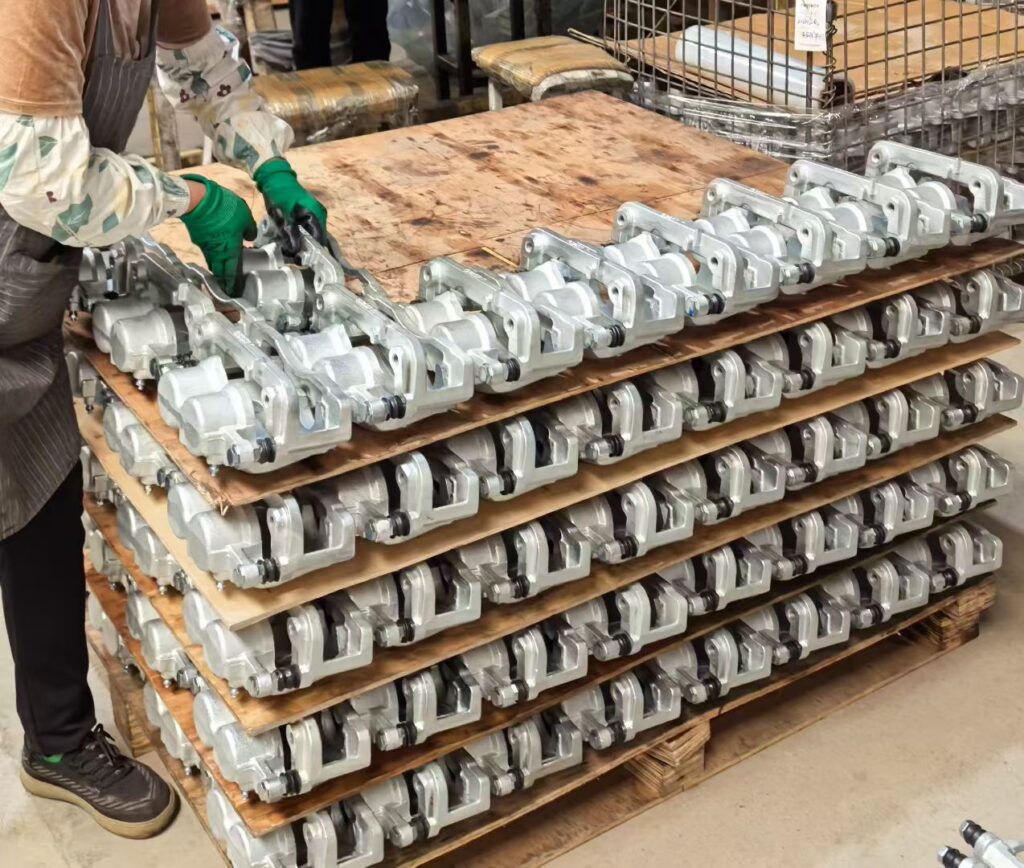
Melting aluminum requires a strict routine to ensure safety and metal quality. We follow a precise sequence to maintain the integrity of our refractory materials and achieve a clean melt ready for casting.
Step 1: Furnace Inspection and Preparation
Before firing up, I always inspect the ceramic fiber furnace lining. Any gaps or wear in the insulation can lead to significant heat loss or damage to the furnace shell. If you are running a propane foundry setup, ensure the burner port is clear and aligned. A well-maintained furnace reaches the cURL Too many subrequests. much faster and operates more efficiently, protecting the structural integrity of the unit.
Step 2: Crucible Conditioning to Prevent Cracking
Never blast a cold crucible with high heat. Whether you are using a clay graphite vessel or a silicon carbide crucible, trapped moisture is the enemy. I heat the vessel slowly to around 200°F (95°C) first to drive out any dampness. This conditioning step builds thermal shock resistance and prevents the crucible from cracking under sudden thermal stress, extending the life of your equipment.
Step 3: Charging the Crucible Safely
When adding metal, place the ingots or aluminum scrap recycling material gently into the crucible. Never drop heavy scrap into a hot vessel, as the impact can fracture the bottom. If you are aiming for high-grade results similar to a professional aluminum casting manufacturer for custom precision parts, ensure your scrap is completely clean and dry. Introducing moisture into molten metal causes dangerous steam explosions.
Step 4: Managing the Melt and Temperature
Aluminum melts around 1220°F (660°C). Once the metal turns liquid, I monitor the temperature closely using a pyrometer. Overheating causes the metal to absorb hydrogen gas, leading to porosity in the final cast. The goal is to reach a pouring temperature just above the melting point without “cooking” the metal. This controlled approach also preserves the life of the cURL Too many subrequests. and the crucible lining.
Step 5: Fluxing and Drossing for Clean Metal
Impurities and oxides naturally float to the top as dross. I use a specific flux to separate the good metal from the waste. Fluxing molten aluminum helps pull out impurities and reduces gas content. After fluxing, I perform aluminum dross removal with a preheated skimmer tool. Clean metal is essential if you plan to pour into a complex investment mold where surface detail is critical. Finally, degassing aluminum may be necessary to remove trapped hydrogen bubbles before the pour.
Pouring and Casting Techniques
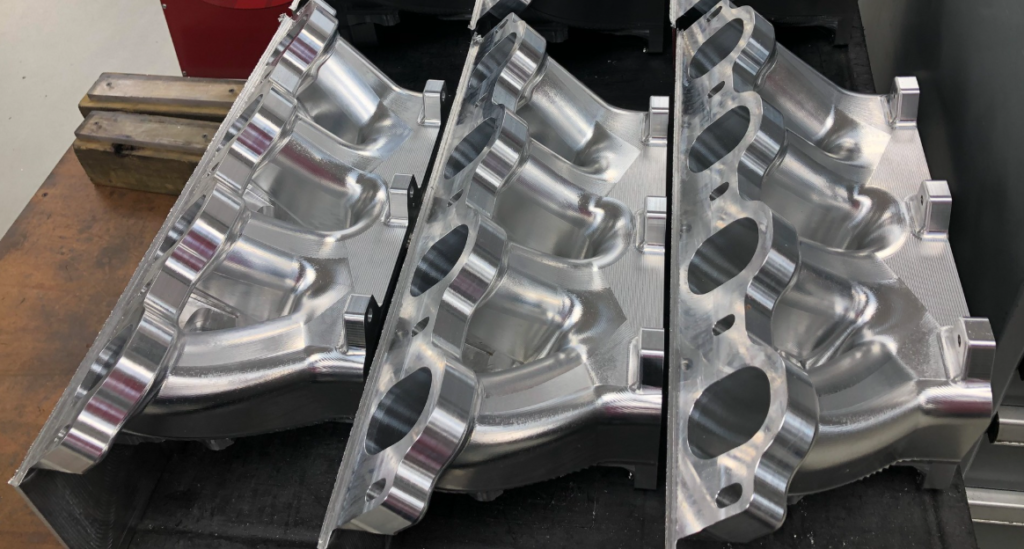
Knowing how to melt aluminum for casting cURL Too many subrequests.
cURL Too many subrequests.
cURL Too many subrequests. graphite crucible for aluminum.
- cURL Too many subrequests. cURL Too many subrequests.
- cURL Too many subrequests. cURL Too many subrequests.
- cURL Too many subrequests. cURL Too many subrequests.
cURL Too many subrequests. foundry safety gear.
cURL Too many subrequests.
cURL Too many subrequests. cURL Too many subrequests.. cURL Too many subrequests. cURL Too many subrequests., cURL Too many subrequests.
cURL Too many subrequests.
- cURL Too many subrequests. cURL Too many subrequests.
- cURL Too many subrequests. cURL Too many subrequests.
- cURL Too many subrequests. cURL Too many subrequests.
cURL Too many subrequests.
cURL Too many subrequests.
cURL Too many subrequests. cURL Too many subrequests. cURL Too many subrequests. thermal shock resistance, cURL Too many subrequests.
cURL Too many subrequests.
cURL Too many subrequests. propane foundry setup, cURL Too many subrequests.
cURL Too many subrequests.
cURL Too many subrequests. cURL Too many subrequests. cURL Too many subrequests.
- cURL Too many subrequests. cURL Too many subrequests. cURL Too many subrequests. or ceramic fiber furnace lining. cURL Too many subrequests.
- cURL Too many subrequests. cURL Too many subrequests. aluminum scrap recycling cURL Too many subrequests.
cURL Too many subrequests.
cURL Too many subrequests. cURL Too many subrequests..
- Fluxing: Uygun fluxing molten aluminum is non-negotiable. It pulls impurities to the surface for easy aluminum dross removal.
- Degassing: Hydrogen gas causes porosity (tiny bubbles). Degassing aluminum with tablets or a lance helps clear this out before you pour.
Dealing with Crucible Cracks and Thermal Shock
Nothing stops a foundry session faster than a cracked vessel. This is usually caused by thermal shock—heating a cold crucible too fast.
- Material Choice: A silicon carbide crucible generally offers better thermal shock resistance compared to a standard graphite crucible for aluminum, making it more durable for repeated heating cycles.
- Expansion Issues: Never tightly wedge cold metal into the crucible. As the metal heats, it expands faster than the pot and will crack it from the inside out. Always leave room for expansion.
Frequently Asked Questions About Melting Aluminum
What is the exact melting point of aluminum?
Pure aluminum reaches its cURL Too many subrequests. at approximately 1,220°F (660°C). However, just hitting this temperature isn’t enough for a successful cast. You typically need to heat the metal to around 1,300°F to 1,400°F to ensure it flows smoothly into the mold without freezing prematurely. Our refractory materials and ceramic fiber furnace lining are engineered to withstand temperatures well beyond this range, ensuring your furnace structure remains stable while you reach the necessary superheat.
Can I use a steel bucket as a crucible?
I strongly advise against this. While steel has a higher melting point than aluminum, molten aluminum is a universal solvent for iron. It will dissolve the steel walls of a bucket, contaminating your melt with iron and eventually causing a catastrophic leak. For safety and purity, you must use a proper vessel, such as a graphite crucible for aluminum or a silicon carbide crucible. These materials resist chemical erosion and provide the thermal shock resistance needed for repeated heating cycles.
How do I remove bubbles from molten aluminum?
Bubbles are usually caused by trapped hydrogen gas, often introduced by moisture in the air or on your tools. To fix this:
- Preheat everything: Ensure all ingots and tools are bone dry before they touch the melt.
- Degassing: Use degassing tablets or a lance to draw hydrogen out of the liquid metal.
- Fluxing: Apply a covering flux to separate impurities.
Using high-quality casting foundry cURL Too many subrequests.
cURL Too many subrequests.
cURL Too many subrequests. propane foundry setup cURL Too many subrequests.
- cURL Too many subrequests. cURL Too many subrequests.
- cURL Too many subrequests. cURL Too many subrequests.
- Waste Oil: cURL Too many subrequests.
cURL Too many subrequests. cURL Too many subrequests. cURL Too many subrequests.