
Learn what is annealing metal its stages benefits and uses to boost ductility reduce hardness and improve thermal and electrical performance.
The Science of Softening: How Metal Annealing Works
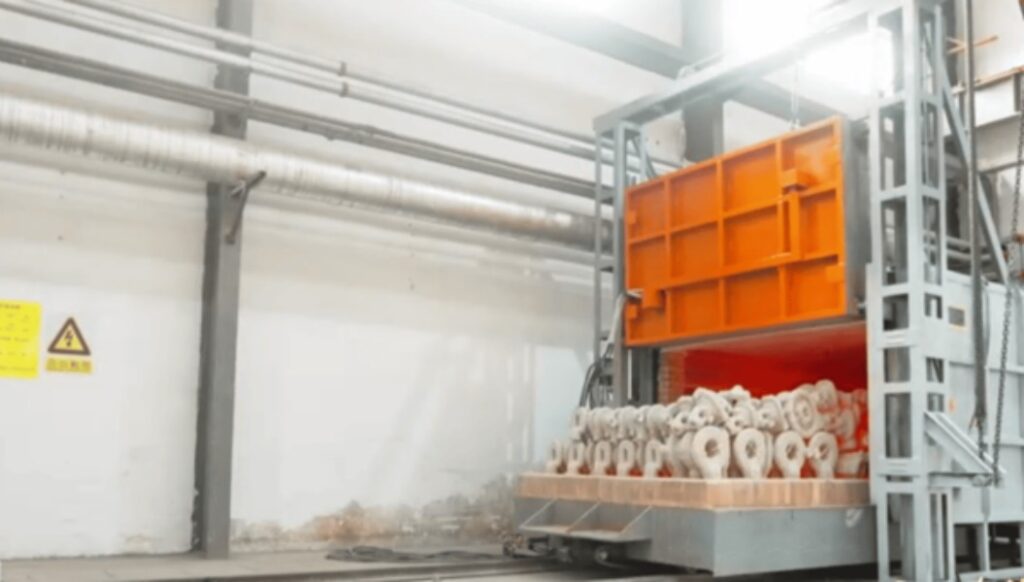
When clients ask us what is annealing metal, the answer lies in the fundamental transformation of material properties. In industrial manufacturing, raw forming and shaping create immense internal stress. Annealing is a highly controlled heat treatment process we use to alter the physical, and sometimes chemical, properties of metal. By heating the metal above its critical temperature, holding it there, and cooling it at an appropriate rate, we significantly increase metal ductility and reduce material hardness. This makes rigid materials, like stainless steel and alloy steel tubes, workable and ready for high-pressure applications in boilers and heat exchangers.
The Basic Mechanism
The basic mechanism of annealing revolves around the precise application of thermal energy to reverse work hardening. When we process metals through high-precision cold-rolling or cold-drawing to achieve tight tolerances, the material naturally becomes brittle. Annealing introduces the energy required to reorganize the internal structure.
The process follows three strict parameters:
- Heating: Elevating the metal to its specific recrystallization temperature.
- Soaking: Maintaining a fixed temperature to ensure uniform heat distribution across the entire dimension of the pipe or tube.
- Cooling: Lowering the temperature at a controlled rate to stabilize the new, softer structure.
We specialize in Bright Annealing, which executes this mechanism within a controlled hydrogen or nitrogen atmosphere. This specialized environment prevents oxidation, ensuring the steel maintains a clean, shiny surface finish without the need for secondary pickling.
The Role of the Crystal Lattice
To fully grasp the metallurgical properties at play, you have to look at the microscopic crystal lattice. Metals are inherently crystalline. During aggressive manufacturing processes, this lattice structure becomes severely distorted, creating lattice defects and internal friction that compromise material integrity.
Thermal energy from the annealing process acts as a reset button for the crystal lattice:
- Defect Elimination: Heat allows atoms to migrate, effectively repairing microscopic structural defects and facilitating internal stress relief.
- Grain Boundary Realignment: Distorted, stressed grains dissolve as new, strain-free grains form in their place.
- Restored Integrity: For critical materials like 300 series (304, 316L) and Duplex stainless steels, this realignment is crucial. It dissolves carbides and restores maximum corrosion resistance and mechanical longevity, ensuring our products strictly comply with ASTM, ASME, and DIN standards.
The Three Critical Stages of the Annealing Process
To fully answer what is annealing metal, we have to look at the three distinct phases of this heat treatment process. When we manufacture and process stainless steel products for demanding industrial environments, precisely controlling these thermal stages is crucial for delivering reliable, high-performance materials.
Stage 1: Recovery
The metal is first heated in a controlled furnace to a specific temperature just below its recrystallization point.
- Internal stress relief: The primary goal here is to relax the internal structure of the metal.
- Work hardening prevention: It eliminates the internal stresses caused by previous cold-working or drawing processes without altering the existing grain size or shape.
Stage 2: Recrystallization
As we push the heat to the exact recrystallization temperature, the real physical transformation begins.
- New grain formation: Fresh, strain-free grains start to form and replace the previously deformed ones.
- Property shift: This is the core phase where we significantly reduce material hardness and increase metal ductility, making the steel highly workable for future machining, bending, or welding.
Stage 3: Grain Growth
In the final grain growth stage, the metal is held at the target temperature before being cooled at a strictly controlled rate.
- Grain merging: The newly formed grains fully develop, expand, and merge together.
- Grain structure optimization: Proper cooling ensures a uniform, homogenized structure. For our precision tubes and pipes, mastering this final stage guarantees the consistent mechanical properties and corrosion resistance required for high-pressure applications.
Why is Annealing Important? Top Manufacturing Benefits
When customers ask us exactly what is annealing metal, the conversation always turns to raw performance. We rely on this essential heat treatment process to completely reset a material’s physical traits. Without it, high-precision metal fabrication would be incredibly difficult and expensive. Here is exactly why we integrate annealing into our daily production lines.
Increased Ductility & Workability
Cold-working naturally makes metal brittle. By pushing the material past its recrystallization temperature and controlling the cooling phase, we actively increase metal ductility. This allows us to bend, draw, and shape products—like our precision stainless steel tubes—without any risk of cracking or structural failure. It serves as the ultimate work hardening prevention, ensuring the metal moves exactly how we need it to.
Enhanced Machinability
Hard metals destroy cutting tools and slow down the entire production floor. When we reduce material hardness through annealing, we immediately boost metal workability and machinability. Whether we are processing heavy-duty alloy steel or working with specialized aluminum casting alloy grades, softening the metal ensures faster, cleaner cuts and significantly extends tool life.
Internal Stress Relief
Manufacturing processes like cold-rolling, drawing, and welding lock severe tension inside the metal. If left untreated, the part will eventually warp or fail under operational load. Internal stress relief is a primary, non-negotiable benefit of annealing. Through careful grain structure optimization, we stabilize the metallurgical properties. This guarantees that our pipes and tubes perform flawlessly in extreme, high-pressure environments like industrial boilers and chemical heat exchangers.
Improved Conductivity
While our core focus is on high-grade steel, the annealing process is equally critical for non-ferrous metals. Proper heat treatment restores the atomic structure, which directly improves thermal and electrical conductivity. This is exactly why products like annealed copper foil are mandatory components in the modern electronics and telecommunications sectors.
Quick Breakdown of Annealing Benefits
| Manufacturing Benefit | Direct Impact on Production | Ideal Application |
|---|---|---|
| High Ductility | Allows extreme forming without cracking | Seamless tubes, custom pipes |
| Better Machinability | Lowers tooling costs, speeds up cutting | Precision machined components |
| Stress Relief | Eliminates internal tension and warping | High-pressure industrial systems |
| Peak Conductivity | Maximizes thermal and electrical flow | Heat exchangers, electronics |
Common Metals That Benefit from Annealing
When people ask exactly what is annealing metal, the best way to explain it is by looking at the materials themselves. Different ferrous and non-ferrous metals require specific temperature controls during the heat treatment process to achieve the right metallurgical properties. Here is how the most common industrial metals benefit from this critical process.
Copper & Copper Foils
Copper is heavily utilized in electronics, telecommunications, and power distribution.
- Restores Flexibility: The process softens work-hardened copper, preventing it from snapping during installation.
- Boosts Performance: Utilizing annealed copper foil maximizes both thermal and electrical conductivity, making it the standard for high-tech and 5G applications.
Aluminum
Aluminum hardens rapidly during cold working and forming. Annealing is used to reduce material hardness so the metal can be shaped without fracturing.
- Improves Workability: Makes the metal significantly easier to bend, stamp, and form.
- Casting and Extrusion: Whether you are dealing with complex extrusions or evaluating the right aluminum grade for casting, proper annealing ensures the material maintains its structural integrity without becoming brittle.
Steel & Stainless Steel
This is our core area of expertise. Steel and stainless steel alloys demand highly precise annealing to survive high-pressure and corrosive industrial environments.
- Bright Annealing: We process stainless steel tubes in a controlled hydrogen or nitrogen atmosphere. This prevents oxidation and scaling, leaving a clean, highly reflective surface finish.
- Solution Annealing: This specifically targets stainless steel to dissolve carbides and restore maximum corrosion resistance after heavy welding or forming.
- Internal Stress Relief: Annealing eliminates the internal stresses caused by cold-rolling and cold-drawing, ensuring seamless pipes and tubes meet strict ASTM, ASME, and DIN standards.
Brass & Alloys
Brass is a staple in plumbing fixtures, electrical components, and precision hardware.
- Prevents Cracking: Annealing stops stress corrosion cracking, which is a common issue in heavily worked brass components.
- Enhances Machinability: It softens the alloy, making it much easier to cut, drill, and machine into complex precision parts without wearing down tooling.
Annealing vs. Other Heat Treatments: Clearing the Confusion
When exploring exactly what is annealing metal, it is easy to confuse it with other industrial heat treatment processes. While they all use extreme heat to alter metallurgical properties, the cooling methods and final results are completely different. Understanding these distinctions is crucial when selecting materials for high-precision stainless steel casting and industrial fabrication.
Here is a straightforward breakdown of how annealing compares to other common thermal processes.
Annealing vs. Tempering
- Annealing: The primary goal here is maximum softening. We use this process to significantly increase metal ductility and achieve complete internal stress relief. It resets the metal so it can be bent, drawn, or machined without fracturing.
- Tempering: This is a secondary process. Tempering is performed after a metal has already been hardened. It involves reheating the metal to a much lower temperature to remove excess brittleness while maintaining a high level of toughness.
Annealing vs. Quenching
In the common quenching vs tempering vs annealing debate, quenching and annealing sit on opposite ends of the spectrum.
- Quenching: This process hardens the metal. We heat the steel and then rapidly cool it—usually by plunging it into water, oil, or forced air. This sudden drop in temperature locks the crystal lattice into a hard, rigid state.
- Annealing: This process softens the metal. After heating, the metal is cooled at an extremely slow, controlled rate, often left inside the furnace to cool down gradually. This slow cycle is what successfully works to reduce material hardness.
Annealing vs. Normalizing
- Normalizing: Like annealing, normalizing aims for grain structure optimization and uniformity. However, instead of cooling slowly in a furnace, normalized metal is pulled out and left to cool in room-temperature air. This slightly faster cooling rate leaves the steel stronger and harder than if it were fully annealed.
- Annealing: Because the cooling phase is highly controlled and much slower than normalizing, annealing produces the softest possible state for the metal, prioritizing maximum workability over raw strength.
Industrial Applications of Annealed Metals
Understanding exactly what is annealing metal is only half the equation; seeing where it goes to work proves its true value. By utilizing this essential heat treatment process to increase metal ductility and reduce material hardness, we enable the creation of highly specialized components that drive today’s most demanding industries. From heavy-duty ferrous and non-ferrous metals to delicate foils, the real-world applications are vast.
Electronics & 5G Infrastructure
The rapid expansion of 5G networks and advanced electronics relies heavily on materials that offer flawless thermal and electrical conductivity.
- Signal Integrity: Annealed copper and specialized alloys ensure uninterrupted, high-speed signal transmission.
- Flexible Components: Softened metals are easily stamped and formed into intricate, bendable micro-connectors without cracking.
- Heat Dissipation: Grain structure optimization helps manage the intense heat generated by high-frequency electronic boards.
Automotive & Aerospace
Precision metal fabrication is strictly non-negotiable when human lives are on the line. Both ground vehicles and aircraft require parts capable of withstanding extreme pressure and aggressive temperature variations.
- Complex Forming: Annealing allows us to shape tough, rigid alloys into aerodynamic panels and complex engine components without structural failure.
- Safety Assurance: Critical load-bearing parts undergo annealing to eliminate internal stresses caused by heavy machining and cold working.
- Material Selection: Choosing the exact grade for these environments is critical. Referencing a comprehensive alloy guide for high-performance alloys helps manufacturers pinpoint the perfect balance of tensile strength and workability for aerospace engineering.
Medical Devices
The medical manufacturing field demands absolute purity, corrosion resistance, and precision. Our specialized bright annealing processes ensure that stainless steel components remain clean, highly reflective, and completely free of surface oxidation.
- Surgical Instruments: Annealed metals provide the exact workability required to forge micro-scale, high-precision surgical tools.
- Biocompatible Implants: Proper heat treatment ensures that joint replacements and implants are durable enough for long-term use while remaining compatible with the human body.
- Diagnostic Equipment: Highly conductive, non-magnetic annealed alloys form the backbone of MRI machines and advanced diagnostic hardware.
How Haoyu Material Delivers Precision-Annealed Solutions
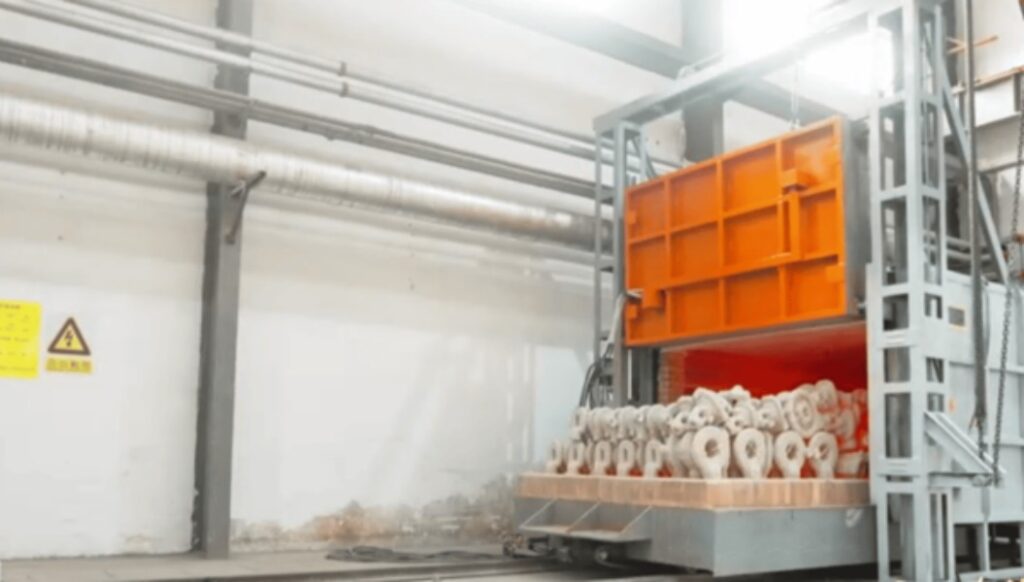
When you ask what is annealing metal, the answer is directly reflected in the exact manufacturing processes we use every day at Haoyu Material. We specialize in advanced industrial heat treatment services that elevate the metallurgical properties of stainless, carbon, and alloy steel. Our primary goal is delivering materials that perform flawlessly in high-pressure, high-stress, and corrosive environments.
Here is how we integrate advanced annealing into our daily production to deliver top-tier materials:
- Advanced Bright Annealing: We utilize specialized bright annealing within controlled hydrogen or nitrogen atmospheres. This precise heat treatment process prevents oxidation and scale, ensuring our steel tubes maintain a clean, reflective surface finish without requiring additional pickling.
- High-Performance Integrity: We optimize the grain structure of our metals to maximize thermal performance and structural reliability. This internal stress relief is critical for the demanding requirements of industrial heat exchangers and high-pressure boiler tubes.
- Customization & Precision: Every industrial project demands specific mechanical properties. We provide highly customized dimensions, specific material grades (including 300 series, 400 series, and Duplex steels), and tailored surface finishes to match exact project specs.
- Strict Quality Standards: Our precision metal fabrication strictly complies with international certifications, including ASTM, ASME, DIN, and EN standards, ensuring consistent quality across every batch.
We engineer our materials to eliminate work hardening and maximize workability for your downstream manufacturing needs. You can see exactly how these refined metallurgical properties are applied across our complete range of specialized steel products designed for heavy-duty industrial applications.
Frequently Asked Questions: What Is Annealing Metal?
When clients ask us exactly what is annealing metal and how it impacts their production lines, a few common questions always come up. Here are the straightforward answers to the most frequent inquiries we receive about this critical heat treatment process.
Does annealing make metal stronger or weaker?
Annealing does not inherently make metal “weaker,” but it does make it softer. The primary goal of this process is to reduce material hardness and increase metal ductility. By softening the metal, we make it significantly easier to bend, stamp, or machine without fracturing. If your application requires maximum tensile strength or surface hardness, annealing is usually a preparatory step, not the final one.
How long does the annealing process take?
The timeline depends entirely on the material type, the thickness of the metal, and the specific metallurgical properties required.
- Small components: Thin wires or small fixtures might only need a few minutes in a high-temperature furnace.
- Industrial components: For heavy-duty steel pipes or complex metal parts, the process can take several hours to over a day. The metal must slowly reach its recrystallization temperature, soak at that heat to ensure uniform grain structure optimization, and then undergo a highly controlled, slow cooling phase.
Can you anneal metal at home?
For small hobby projects, like softening a piece of copper wire with a blowtorch, yes. However, for commercial and industrial manufacturing, DIY methods are entirely inadequate. Precision metal fabrication requires exact temperature controls and protective atmospheres (like nitrogen or hydrogen). Without these industrial controls, the metal will heavily oxidize and develop uneven structural properties.
What happens if metal is not annealed?
If you skip this step after extensive cold working, the metal suffers from severe work hardening.
- Brittleness: The internal stresses build up, making the material extremely brittle.
- Cracking: If you attempt to further machine, weld, or form unannealed metal, it is highly prone to cracking or shattering.
- Production Waste: Skipping proper internal stress relief leads to high failure rates during manufacturing. Integrating annealing alongside proper surface treatment guarantees the material remains workable, reliable, and ready for its final application.