
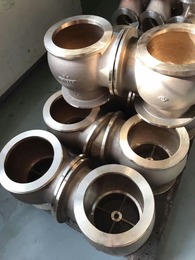
Discover what is brass its copper zinc composition key grades properties and industrial applications。
The Metallurgy of Brass: Composition and Chemistry
When engineers and manufacturers ask what is brass, they are looking for more than a dictionary definition. They need to understand the material science that drives performance in high-precision applications. At Haoyu Material, we define brass as a substitutional alloy primarily composed of copper and zinc. This unique copper-zinc alloy composition creates a material that balances the high conductivity of copper with the mechanical strength of zinc, making it indispensable for industries ranging from automotive electronics to precision hardware.
The Base Elements: Understanding Copper and Zinc Roles
The foundation of every brass strip or foil we produce lies in the synergy between two specific metals:
- Copper (Cu): The primary matrix. It provides the essential electrical and thermal conductivity, corrosion resistance, and the characteristic ductility that allows for cold forming.
- Zinc (Zn): The strengthening agent. Adding zinc increases the tensile strength and hardness of the alloy without significantly compromising its malleability.
By controlling the ratio of these elements, we can tailor the alloy for specific industrial needs. For instance, a higher copper content typically yields better cold-working properties, while increased zinc enhances strength and lowers the melting point.
The Zinc Factor: How Percentage Alters Properties and Color
The percentage of zinc is the single most critical variable in brass metallurgy. It dictates not only the mechanical behavior but also the visual appearance of the finished product.
- Low Zinc (<20%): Alloys like C2100 (Gilding Metal) contain higher copper (around 90-95%). These feature a reddish-gold tone, offer excellent corrosion resistance, and are extremely malleable.
- High Zinc (>30%): As zinc content rises, the alloy becomes stronger and harder. C2680 (Yellow Brass), containing roughly 65% copper and 35% zinc, exhibits the classic bright yellow color and is optimized for deep drawing and spring qualities.
- Cartridge Brass (30% Zinc): C2600 strikes the perfect balance, offering the highest ductility in the yellow brass series, making it ideal for complex forming operations.
Secondary Elements: Effects of Lead, Tin, and Aluminum
While simple binary brasses (Cu-Zn) cover most sheet and strip applications, specific performance requirements often demand secondary alloying elements. We carefully monitor these additions to ensure compliance with global standards.
- Lead (Pb): Often added to improve machinability. It acts as a lubricant during cutting, allowing for high-speed precision machining (common in C3000 series).
- Tin (Sn): Enhances resistance to seawater corrosion. This is crucial for “Naval Brass” or “Admiralty Brass” grades used in marine environments.
- Aluminum (Al): Increases strength and corrosion resistance by forming a protective oxide layer, often used in more aggressive industrial settings.
Understanding these chemical nuances allows us to deliver precision brass strips that meet exact hardness tempers—from soft (O) to spring hard (SH)—ensuring the material performs exactly as required in your production line.
Key Properties: Why Industries Choose Brass
When we manufacture brass strips and foils at Haoyu Material, we aren’t just looking at color; we are engineering materials based on specific performance metrics. Understanding what is brass starts with analyzing the unique balance of characteristics that make it superior to steel or aluminum for specific applications.
Mechanical Properties: Malleability, Ductility, and Strength
The primary reason we rely on brass for high-precision components is its exceptional malleability of brass alloys. Unlike many ferrous metals, brass can be extensively cold-worked—rolled, stamped, or drawn—without fracturing.
- Ductility: Grades like C2600 (Cartridge Brass) possess high ductility, allowing them to be deep-drawn into complex shapes like ammunition casings or radiator tanks.
- Strength vs. Hardness: We control the mechanical strength through cold rolling, adjusting the temper from O (Soft) to SH (Spring Hard). This allows us to produce materials that are soft enough to bend or hard enough to act as a spring.
- Machinability: Leaded brasses offer superior machinability, reducing wear on tools during high-speed production.
Our manufacturing facility utilizes advanced rolling mills to precisely control these mechanical properties, ensuring the material meets exact tensile strength requirements for industrial use.
Physical Properties: Acoustics and Electrical Conductivity
While pure copper is the standard for conductivity, brass electrical conductivity is sufficient for thousands of electrical applications while offering better durability.
- Conductivity: Brass typically retains 28% to 44% of the IACS (International Annealed Copper Standard) conductivity rating. This makes it ideal for plug pins, switchgear, and connectors where pure copper would be too soft.
- Acoustics: Brass is a dense, non-magnetic material. Its density contributes to excellent acoustic resonance, which is why it is the standard for musical instruments.
- Non-Magnetic: Being non-magnetic, brass is crucial for sensitive instrumentation and clockwork where magnetic interference must be avoided.
Chemical Properties: Corrosion Resistance and Antimicrobial Nature
The longevity of brass components is largely due to the corrosion resistance of brass.
- Oxidation: Brass does not rust like iron. Instead, it forms a protective patina (tarnish) that prevents further corrosion. This makes it suitable for marine hardware and outdoor plumbing.
- Dezincification Resistance: Specialized grades are engineered to resist dezincification, a form of corrosion where zinc leaches out of the alloy in acidic environments.
- Hygiene: The antimicrobial properties of copper alloys extend to brass. The copper content inherently kills bacteria and pathogens on contact (the oligodynamic effect), making brass doorknobs and railings a sanitary choice for public buildings.
| Property Category | Key Characteristic | Industrial Benefit |
|---|---|---|
| Mechanical | High Ductility | Allows deep drawing and complex forming without cracking. |
| Physical | Electrical Conductivity | Balances current transfer with structural rigidity for connectors. |
| Chemical | Corrosion Resistance | Withstands moisture and saltwater environments better than steel. |
| Biological | Antimicrobial Action | Naturally eliminates pathogens on touch surfaces. |
Brass vs. Bronze vs. Copper: Clearing the Confusion
In the metal industry, confusing “red metals” is a common issue, but distinct chemical differences dictate their applications. Copper is the pure base element, while brass and bronze are alloys created to enhance specific properties like strength or corrosion resistance.
Brass is strictly a copper-zinc alloy composition. The addition of zinc increases strength and ductility compared to pure copper. Bronze, on the other hand, is primarily copper and tin. While copper is valued for pure conductivity, industries turn to brass when they need a material that is harder, cheaper, and easier to machine.
Comparison Matrix: Composition, Color, and Hardness
To select the right material for precision manufacturing, you need to look at the elemental makeup and resulting physical traits. When engineering specific components, knowing the density of brass by alloy helps in calculating weight and material costs accurately alongside these properties.
| Feature | Pure Copper | Brass (e.g., C2600, C2680) | Bronze |
|---|---|---|---|
| Primary Composition | 99.9% Cu (Pure Element) | Copper + Zinc (Zn) | Copper + Tin (Sn) |
| Color | Reddish-Orange / Earthy | Muted Yellow to Bright Gold | Reddish-Brown / Dark Gold |
| Hardness | Soft, highly malleable | Harder, stiffer than copper | Hard, brittle, resists fatigue |
| Conductivity | Excellent (Electrical/Thermal) | Good (Lower than copper) | Fair (Lowest of the three) |
| Key Characteristic | Highest Conductivity | High Machinability & Acoustics | Marine Corrosion Resistance |
Visual Identification: Distinguishing Patina and Appearance
Identifying the Brass vs Bronze difference visually often comes down to color spectrum and surface finish.
- Copper: Looks like a new penny. It has a distinct pinkish-orange hue. Over time, it oxidizes to a dark brown or develops a green verdigris patina.
- Brass: Resembles yellow gold. High-zinc grades like C2680 (Yellow Brass) produced at Haoyu Material feature a bright, shiny yellow finish often seen in musical instruments and decorative hardware. Lower zinc content (Red Brass) can look closer to copper but maintains a golden undertone.
- Bronze: Typically darker and duller than brass. It often presents as a reddish-brown or chocolate color and develops a dark patina rather than the bright shine associated with polished brass.
For industrial buyers, distinguishing these materials ensures the correct selection for processing. We specialize in high-precision brass strips and foils where the bright yellow finish and specific temper (hardness) are critical for electronic and automotive applications.
Classifying Brass: Crystal Structures and Grades
Understanding what is brass at a technical level requires looking at its crystal structure. As a manufacturer, we classify these alloys based on the zinc percentage, which directly alters the metal’s phase. This internal structure dictates whether we process the material through cold rolling or hot working, and ultimately determines the final application of our precision strips and sheets.
Alpha Brass (<37% Zinc): Properties and Cold Working
When the zinc content remains under 37%, the alloy forms a single-phase solid solution known as Alpha brass. This structure maintains the Face-Centered Cubic (FCC) crystal lattice of pure copper, giving it exceptional malleability of brass alloys. Because it is soft and ductile, Alpha brass is the ideal candidate for extensive cold working, including deep drawing and rolling into ultra-thin foils.
- Key Characteristics: High ductility, excellent corrosion resistance, and uniform golden color.
- Common Grades: C2600 (Cartridge Brass) and C2680 (Yellow Brass).
- Our Focus: This is the primary category for our high-precision electronic strips and terminals.
Alpha-Beta Brass (37-45% Zinc): Strength and Hot Working
As zinc content rises between 37% and 45%, a second phase called “Beta” appears alongside the Alpha grains. This is known as Alpha-beta brass or Duplex brass. The Beta phase is harder and stronger but less ductile at room temperature. Consequently, these alloys are typically fabricated using hot working methods like extrusion, stamping, or forging rather than cold rolling.
- Key Characteristics: Higher tensile strength, reduced cold ductility, and lower cost due to higher zinc content.
- Common Grades: C2801 (Muntz Metal) and various leaded machining brasses.
- Applications: Structural components, valves, and fasteners requiring rigidity.
Beta Brass (>45% Zinc): Hardness and Ductility Issues
Once zinc content exceeds 45%, the alloy consists entirely of the Beta phase. While this results in a very hard material, it becomes extremely brittle and difficult to work with. Beta brass is prone to cracking under stress and offers poor corrosion resistance compared to Alpha grades. Because of these mechanical properties of brass with high zinc, these alloys are rarely used for industrial rolling or wrought applications and are almost exclusively reserved for casting.
Common Industrial Brass Grades and Standards
Navigating the market for copper alloys requires a clear understanding of the specific ASTM brass standards that dictate performance. In our manufacturing processes, we adhere to strict composition limits to ensure every coil and sheet meets the necessary mechanical criteria. While there are numerous variations, a few specific grades dominate industrial brass applications due to their balance of cost, workability, and durability.
C2600 Cartridge Brass: High Ductility Applications
C2600 brass specifications define this alloy as a 70% copper and 30% zinc blend, widely recognized as “Cartridge Brass.” This grade is the industry champion for cold forming. We see this material used extensively where deep drawing is required because it boasts superior ductility. It allows manufacturers to deform the metal significantly without cracking, making it ideal for complex shapes in automotive components and ammunition casings.
C2680 Yellow Brass: Versatile Sheets and Strips
When we produce high-precision foils and strips, C2680 (Yellow Brass) is often the alloy of choice. With a composition of approximately 65% copper and 35% zinc, it offers a distinct golden-yellow color and excellent corrosion resistance. This grade strikes a perfect balance between strength and formability. It is a staple in our production lines for electrical connectors, radiator cores, and decorative hardware where a high-quality surface finish is non-negotiable.
C3600/C3604 Free-Cutting Brass: Precision Machining
For parts requiring intricate milling or turning, Free-machining brass (C3604) is the standard. This grade typically includes a small percentage of lead, which acts as a lubricant on the microscopic level. This addition causes chips to break off easily during machining, allowing for high-speed production of screws, nuts, and precision valve components. While we focus heavily on rolling sheets and strips, understanding the machinability of C3600 series alloys is crucial for our clients producing turned parts.
Naval Brass: Specialized Corrosion Resistance
Naval brass is essentially a modification of the 60/40 brass structure (similar to Muntz metal) with the addition of a small amount of tin (usually around 1%). This tin content significantly boosts resistance to saltwater corrosion and dezincification. We recommend this grade specifically for marine hardware, propeller shafts, and fittings exposed to seawater, where standard yellow brass might degrade over time.
Manufacturing and Processing Brass
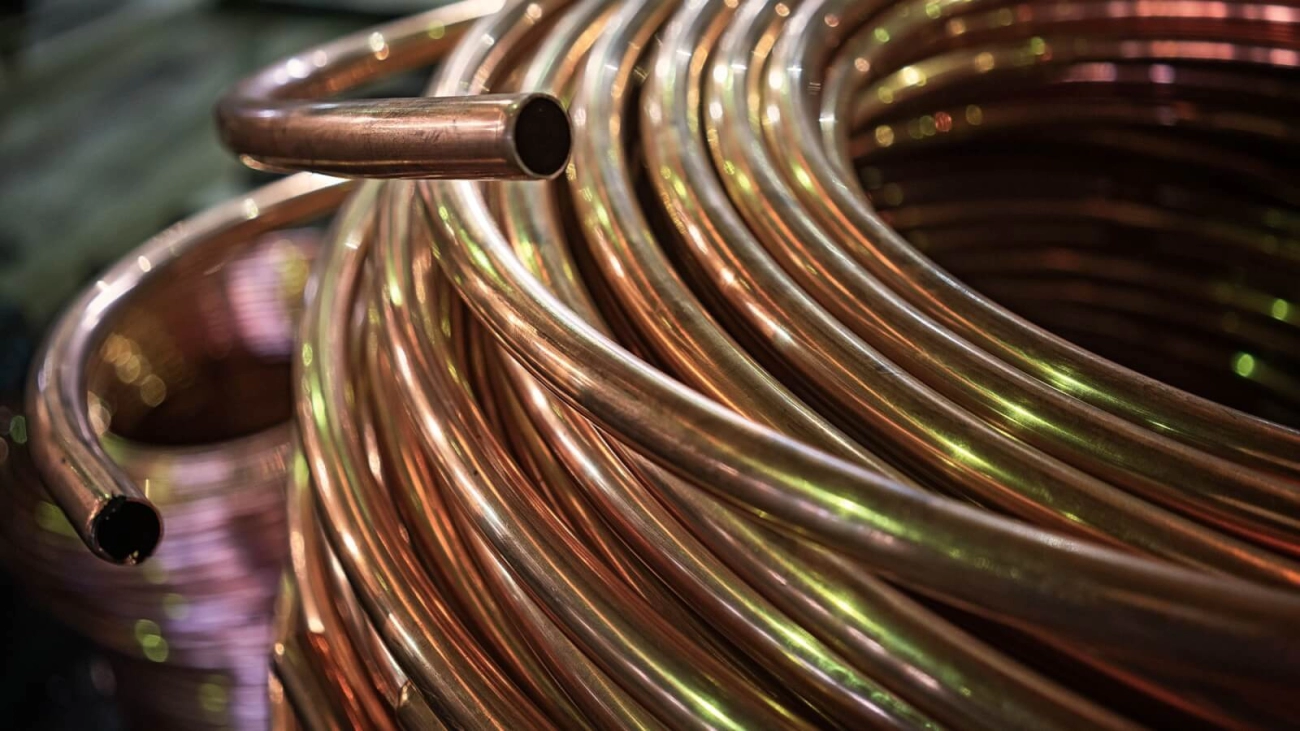
Understanding what is brass in an industrial context means looking beyond the chemistry and into the production line. At Haoyu Material, the transformation from raw elements to high-precision components involves strict control over thermal and mechanical history.
From Casting to Rolling: The Production Journey
The process begins with melting copper and zinc in induction furnaces to create a precise casting alloy. We cast this molten metal into large cakes or billets, which serve as the foundation for all subsequent processing.
- Hot Rolling: The cast brass is heated and passed through heavy rollers to reduce thickness and break down the cast grain structure.
- Scalping: We remove surface oxides and impurities to ensure a flawless finish.
- Cold Rolling: To achieve the final gauge, the material undergoes cold rolling at room temperature. This step is critical for producing a consistent cold rolled brass strip with uniform thickness.
Precision Rolling: Achieving Specific Tempers
Controlling the temper is our specialty. By adjusting the amount of cold work (rolling reduction) and annealing (heat treatment), we dictate the material’s mechanical properties. We don’t just make “hard” or “soft” brass; we engineer specific tempers to match your stamping or forming needs:
- O (Soft/Annealed): Maximum ductility for deep drawing.
- 1/4H to 1/2H: Balanced strength and formability.
- H (Hard) to EH (Extra Hard): High strength for rigid components.
- SH (Spring Hard): Maximum elasticity for contact springs.
Surface Finishing: Polishing and Plating Techniques
The final step ensures the material is ready for the assembly line. We employ tension leveling to ensure flatness and degreasing lines to remove rolling oils. For applications requiring enhanced conductivity or solderability, such as in electronics, the brass strip can undergo surface treatments like tin or nickel plating. This attention to surface quality ensures that the brass performs reliably in sensitive connectors and decorative hardware alike.
Major Applications by Industry
Brass is the silent workhorse of modern manufacturing. From the device in your hand to critical infrastructure, industrial brass applications rely on the material’s unique balance of durability, conductivity, and workability. At Haoyu Material, we supply the high-precision strips, foils, and sheets that industries stamp and shape into these essential components.
Electronics: Connectors and Terminals
In the electronics sector, signal integrity is paramount. Manufacturers utilize our brass strips for connectors, terminals, and sockets primarily due to brass electrical conductivity combined with excellent spring properties. Unlike pure copper, which is too soft for many structural contacts, grades like C2680 provide the necessary strength to maintain a secure connection over thousands of cycles without relaxing or deforming.
Automotive: Radiator Cores and Sensors
Under the hood, components must survive extreme heat cycles and corrosive environments. Brass is a staple in the automotive industry for radiator cores, tanks, and sensor housings. Its superior thermal conductivity helps dissipate heat efficiently in cooling systems, while its corrosion resistance ensures longevity against road salts and fluids. We provide ultra-thin brass foils specifically engineered for these high-performance heat exchange applications.
Plumbing and Construction: Valves and Fittings
Brass is the global standard for water distribution systems. Its natural resistance to rust and bio-fouling makes it the safest choice for valves, faucets, and pipe fittings. While we specialize in rolled and drawn brass products, understanding the broader metallurgical landscape, such as the details found in a casting alloy guide, is essential for engineers selecting materials for complex valve bodies that complement our precision tubes.
Ammunition and Defense: Casings and Expansion Properties
The defense industry relies heavily on C2600 brass specifications. Historically known as “Cartridge Brass,” C2600 is defined by its exceptional deep-drawing capabilities. It can be stretched extensively without fracturing. In ammunition manufacturing, the casing must expand instantly to seal the chamber upon firing and then contract immediately for extraction. This specific ductility is why C2600 remains the irreplaceable standard for casings and defense hardware.
Sustainability and Recycling
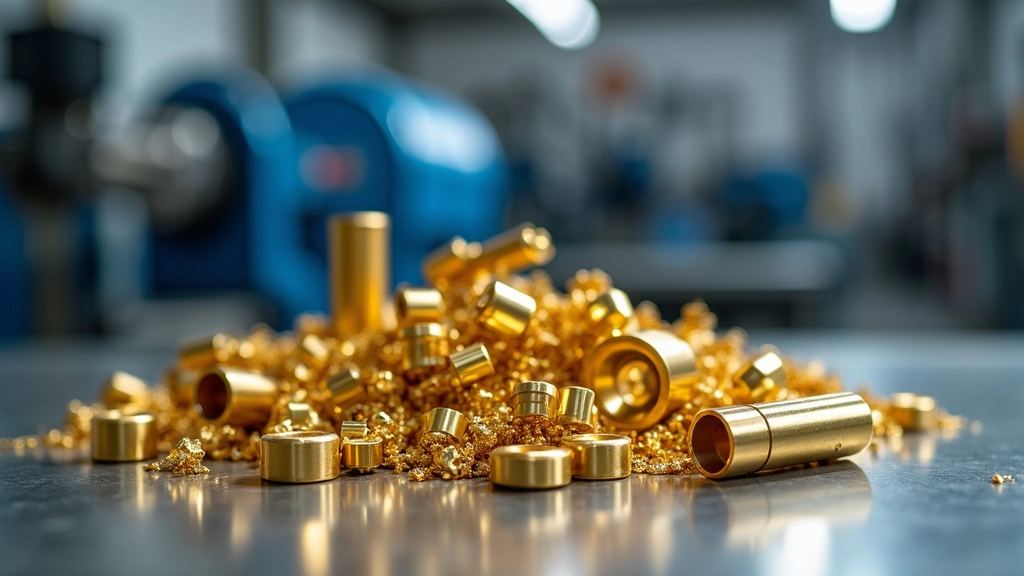
The Green Metal: Infinite Recyclability of Brass
When asking what is brass from an environmental perspective, the answer is that it is one of the most sustainable industrial materials available. Unlike synthetic materials that degrade over time, brass alloys possess infinite recyclability. This means we can melt down and reform the metal repeatedly without it losing any of its essential chemical or physical properties.
For manufacturers like us, this characteristic is vital. It allows us to maintain high standards for our high-precision brass strip and foil products while minimizing environmental impact. By utilizing recycled feedstock, we significantly reduce the energy required compared to mining and refining virgin copper and zinc ores. This process lowers the overall carbon footprint of the supply chain, making brass a preferred choice for eco-conscious engineering.
Economic Value in the Circular Economy
The high scrap value of brass drives a robust circular economy in the United States and globally. Because copper and zinc are valuable commodities, there is a strong financial incentive to collect and recycle brass scrap rather than discarding it.
- Energy Savings: Recycling brass consumes a fraction of the energy needed to produce new metal from raw ore.
- Cost Stability: A steady supply of recycled material helps stabilize production costs, which is beneficial when pricing large-scale B2B orders.
- Zero Waste Manufacturing: In our production lines, virtually all process scrap—such as trimmings from slitting or stamping—is collected and reintroduced into the melting cycle.
This economic efficiency ensures that what is brass today remains a valuable resource for future applications, creating a closed-loop system that benefits both the industry and the planet.
Frequently Asked Questions About Brass
Does brass rust or corrode in saltwater?
Technically, brass does not “rust” because rust is a reaction specific to iron. However, brass can corrode. In harsh saltwater environments, standard brass alloys may experience dezincification, a process where zinc leaches out of the alloy, leaving behind a porous copper structure. For marine applications, specific grades with added tin or higher copper content are required to ensure long-term corrosion resistance.
Is brass magnetic?
No, brass is effectively non-magnetic. Since it is a copper-zinc alloy and lacks iron, it does not hold a magnetic charge. This characteristic is critical for the electronics and instrumentation industries we supply, as it prevents magnetic interference in sensitive components like connectors, clock gears, and electrical terminals.
What is the difference between red brass and yellow brass?
The distinction comes down to copper percentage. Red brass typically contains over 85% copper, offering a reddish hue and superior corrosion resistance, making it ideal for plumbing. Yellow brass (such as our C2680 or C2600 grades) contains more zinc (around 30-40%), which increases strength and creates a bright golden color. To help you choose the right material for your manufacturing line, we have a detailed breakdown of red brass vs yellow brass differences regarding price and identification.
How do I clean and maintain brass items?
Brass naturally develops a patina (oxidation) over time when exposed to air. While some industries prefer this antique look, maintaining a bright finish requires regular cleaning. For industrial purposes, we deliver brass strips and foils with specific surface treatments to delay oxidation. If cleaning is necessary, mild acid solutions or commercial polishes can remove tarnish without damaging the underlying metal structure.