
Overview
Chromium Cobalt Molybdenum Hip Joint Machining Service
When you buy chromium cobalt molybdenum hip joint components, you care about three things: consistent quality, regulatory-ready documentation, and a partner who actually understands how CoCrMo behaves on the machine, not just on paper. Our Chromium Cobalt Molybdenum hip joint machining service is built specifically around those needs.
We combine orthopedic investment casting, full 5‑axis CNC machining, and cleanroom finishing to deliver production-ready CoCrMo hip components such as femoral stems, femoral heads, acetabular cups, bipolar heads, and custom revision parts. Every step is controlled under an ISO 13485 quality system, with full 3.1 material traceability and dimensional verification aligned with ASTM F75, ASTM F1537, and ISO 5832‑4 requirements.
Core Challenges of Machining CoCrMo Hip Components
Machining medical-grade cobalt‑chromium‑molybdenum (CoCrMo) for hip implants is not the same as machining standard stainless or titanium. The main challenges include:
- Extremely high hardness and work hardening
- Aggressive tool wear, rapid edge breakdown
- Need for precise cutting parameters, rigid setups, and optimized tool paths
- Heat generation and surface integrity
- Risk of micro-cracks, residual stresses, and phase changes if heat is not controlled
- Surface damage directly impacts wear, ion release, and joint longevity
- Tight tolerances on complex freeform geometries
- Femoral stems, heads, and cups require multi-axis interpolation and stable process control
- Roundness and profile tolerances in the ≤ 0.005 mm range leave zero margin for unstable machines
- Critical surface finish on articulating areas
- Mirror finishes down to Ra 0.025–0.05 μm on femoral heads are difficult to achieve repeatably
- Transition zones and edges must be blended perfectly to avoid wear and fretting
A general CNC shop will struggle with these demands, resulting in high scrap, inconsistent Ra, and dimensional drift. Our process, tooling, and fixturing are built specifically around CoCrMo hip implant machining.
Who This CoCrMo Hip Machining Service Is For
We focus on customers who need reliable, orthopedic-grade CoCrMo machining rather than simple metal parts:
- Orthopedic OEMs
- Primary and revision hip systems
- Portfolio transfers from legacy suppliers
- Cost-down programs on existing CoCrMo hip product lines
- Contract manufacturers and system integrators
- Outsourcing of critical CoCrMo components (femoral heads, stems, acetabular shells)
- Overflow capacity and dual-sourcing strategies
- Subcontract polishing and finishing to medical Ra and roundness levels
- Startups and emerging device companies
- Early-stage prototypes and design iterations in CoCrMo
- Small-batch clinical builds and verification runs
- Support with DFM, tolerancing, and documentation for regulatory submissions
If you need a partner who can move from prototype to validated serial production of CoCrMo hip parts without changing suppliers, this service is designed for you.
Key Benefits of a Specialized CoCrMo Hip Joint Machining Partner
Choosing a dedicated chromium cobalt molybdenum hip joint machining service over a general machine shop gives you concrete, measurable advantages:
- Orthopedic-grade process capability
- Proven capability on ASTM F75 femoral heads, CoCrMo femoral stems, and ISO 5832‑4 acetabular cups
- Stable processes for mirror polished femoral heads and low-Ra bearing surfaces
- Lower total cost of ownership
- Reduced scrap and rework on expensive CoCrMo alloy
- Optimized process routes (casting + CNC vs full-machined) to match your cost and volume targets
- Regulatory-ready quality and documentation
- ISO 13485–compliant quality system, medical device CNC machining experience
- Full traceability: heat/lot, 3.1 certificates, inspection reports, and process records aligned with OEM and notified body expectations
- Faster, cleaner industrialization
- Early DFM input to simplify geometries, tolerances, and surface zoning
- Smooth transition from prototypes to validated production without re-qualification of a new supplier
Our role is to be the CoCrMo orthopedic machining supplier that you can hand a drawing to—with confidence that you’ll receive dimensionally correct, regulatory-ready hip joint components, batch after batch.
CoCrMo Hip Joint Machining Basics
What is Chromium Cobalt Molybdenum (CoCrMo) for Hip Joints?
Chromium cobalt molybdenum (CoCrMo) is a medical‑grade cobalt‑chrome alloy used for high‑load hip joint components. In hip implants, it’s mainly used for:
- Femoral heads
- Acetabular cups/shells
- Bipolar heads and revision parts
This alloy is known for:
- High strength and hardness – it resists wear under constant movement.
- Excellent corrosion resistance – stable in the body over many years.
- Biocompatibility – compliant with standards like ASTM F75, ASTM F1537, ISO 5832‑4, ISO 5832‑12.
For global customers, CoCrMo is a proven option when you need long‑life, metal‑on‑poly or metal‑on‑metal hip systems that can handle real‑world daily loads.
Why CoCrMo is the Gold Standard for Load‑Bearing Hip Implants
CoCrMo has become the go‑to material for load‑bearing hip implants because it combines:
- Extreme wear resistance – lower wear particles, especially in mirror polished femoral heads.
- High fatigue strength – reliable in active, heavy, or younger patients.
- Stable performance in body fluids – minimizes corrosion‑related issues.
This is why most premium hip arthroplasty systems use CoCrMo for:
- Femoral heads with roundness ≤ 0.005 mm
- Articulating surfaces with Ra 0.025–0.05 μm
If you’re aiming at global markets with strict approval (FDA, CE), CoCrMo is still the safest bet for long‑term, high‑load applications.
How CoCrMo Hip Joint Machining Differs from Standard CNC Machining
Machining CoCrMo for hip joints is not standard CNC work. It demands:
- Rigid 5‑axis machines for complex stems, heads, and cups.
- Optimized toolpaths to avoid chatter and thermal damage.
- Correct tools and parameters to handle a hard, abrasive alloy.
- Tight control of surface finish on articulating zones (mirror polish).
Compared with regular steel or aluminum machining, CoCrMo:
- Wears tools faster.
- Generates more heat.
- Punishes poor fixturing or unstable setups.
A general job shop can cut CoCrMo, but holding implant‑grade tolerances and Ra is a different level.
Common Failure Modes When CoCrMo Hip Machining Is Done Poorly
When CoCrMo hip implant machining is not specialized, you see issues that directly affect implant life and regulatory risk:
- Poor surface finish
- Rough or scratched femoral heads → increased wear, higher debris.
- Ra above spec on bearing surfaces → faster liner wear.
- Out‑of‑tolerance geometry
- Roundness > 0.005 mm on heads → uneven contact, noise, and wear.
- Inaccurate taper or cone angle → fretting, micromotion, loosening.
- Subsurface damage and micro‑cracks
- From wrong cutting parameters or overheating.
- Can lead to fatigue cracks and early failure.
- Residual casting defects not removed
- Porosity or inclusions left near the surface.
- Risk of fracture or local corrosion.
This is exactly why we run tight process control, orthopedic‑grade inspection, and dedicated CoCrMo tooling for every chromium cobalt molybdenum hip joint machining service we deliver.
CoCrMo Hip Implant Components We Machine
We focus on one thing here: high‑precision chromium cobalt molybdenum hip joint machining service for demanding OEMs, contract manufacturers, and startups.
Femoral stems (cemented and cementless) machining
We machine CoCrMo femoral stems from forged bar or investment castings, covering:
- Cemented and cementless hip stems
- Standard, high‑offset, and short‑stem designs
- Smooth, polished stems or roughened areas ready for coating
We control key features like taper angles, neck geometry, and surface roughness so your stems assemble cleanly and perform consistently.
Femoral heads and modular head systems CNC machining
Our ASTM F75 femoral head machining service delivers:
- Femoral heads from Ø22 to Ø40+ mm
- Modular head tapers with tight fit and low fretting risk
- Mirror‑polished bearing surfaces with roundness down to 0.005 mm
We use dedicated 5‑axis setups and polishing lines to hit aggressive Ra and roundness specs for cobalt chrome hip stems and heads.
Acetabular cups and shells machining and finishing
We provide full CoCrMo acetabular cup machining support:
- Monoblock and modular shells
- Final machining of inner/outer profiles, taper seats, and screw holes
- Surface prep for porous coating or plasma spray
This combines our orthopedic precision casting capability with tight‑tolerance finish machining when needed: orthopedic investment casting and machining service.
Bipolar heads and revision hip components manufacturing
We machine complex chromium cobalt molybdenum orthopedic components, including:
- Bipolar heads for hemiarthroplasty
- Revision hip stems and modular sleeves
- Cones, adapters, and custom junctions
These parts demand accurate internal geometries and reliable locking features; we keep everything within spec from prototype to serial production.
Custom and trial hip implants prototyping service
For new hip designs, we offer fast‑track CoCrMo hip implant machining:
- Small‑batch trial implants and instruments
- Design tweaks between clinical builds
- Flexible machining from forged bar or near‑net castings
You get direct access to our medical device CNC machining service team for DFM feedback and quoting: CNC machining capabilities for medical parts.
Manufacturing Processes for Chromium Cobalt Molybdenum Hip Joint Parts
When we deliver a chromium cobalt molybdenum hip joint machining service, we choose the manufacturing route strictly based on geometry, tolerance, and cost targets. Below is how we typically build CoCrMo hip stems, heads, and cups from raw alloy to finished implant‑ready components.
Investment Casting + CNC Finish Machining
For complex hip stems, acetabular shells, and some bipolar components, we often start with precision investment casting, then follow with tight‑tolerance CNC machining.
- We use a lost‑wax investment casting process designed for medical CoCrMo, very similar to our general precision casting manufacturing process.
- Casting gives us near‑net shapes, which sharply cuts material waste and roughing time, especially on long femoral stems and deep‑cup geometries.
- We leave defined machining stock on critical features (tapers, bearing surfaces, fixation regions) to achieve final tolerances and surface finish in CNC.
- This hybrid approach is ideal when:
- Annual volumes are medium to high
- The part has organic, anatomical shapes
- You need a good balance of cost and performance
Full 5‑Axis CNC Machining from Forged CoCrMo Bar
For high‑load or high‑precision hip components, we machine directly from forged CoCrMo bar or billet on 5‑axis machining centers.
- Forged CoCrMo bar offers tighter grain structure, higher fatigue strength, and more consistent properties.
- 5‑axis milling and turning let us hit demanding specs on femoral heads, modular necks, and tight‑tolerance revision parts.
- This is usually the best route when:
- You need maximum mechanical performance and consistency
- Tolerances are extremely tight (e.g., femoral head roundness ≤ 0.005 mm)
- Volumes are low to medium or designs change frequently (prototypes, custom cases)
Process Flow: Raw CoCrMo Alloy to Finished Hip Implant
A typical CoCrMo hip implant manufacturing flow looks like this:
- Material sourcing & certification – ASTM/ISO‑compliant CoCrMo (cast or forged) with full 3.1 traceability.
- Pre‑form creation – Investment casting or forging / sawing from bar.
- Rough machining – 3‑axis/5‑axis CNC to remove stock and define main geometry.
- Semi‑finish machining – Tighten dimensions, prepare surfaces for final finishing.
- Heat treatment (if specified) – To stabilize structure and properties.
- Finish machining – Final dimensions, tapers, threads, and mating features.
- Grinding & polishing – Functional surfaces brought to target Ra and form.
- Inspection & documentation – Dimensional, geometric, and surface checks recorded for each batch.
When to Choose Casting + Machining vs Full‑Machined CoCrMo Hip Parts
We guide customers to the right process based on four main factors:
- Geometry
- Highly contoured stems and shells → often better with investment casting + machining.
- Simple, rotational parts (femoral heads, adapters) → efficient to fully machine from forged bar.
- Volume & lifecycle
- Stable, high‑volume primary hip designs → casting tool amortization pays off.
- Early‑stage designs, custom and revision components → full 5‑axis machining is faster and more flexible.
- Performance & tolerances
- Ultra‑tight tolerances and critical fatigue performance → forged bar + full machining is preferred.
- Standard implant tolerances with strong cost pressure → casting + finish machining is usually best.
- Cost structure
- Casting + machining reduces material scrap and roughing time, ideal when geometry is complex.
- Full machining minimizes tooling and casting die investment, ideal for short runs and frequent design changes.
If you share your hip joint drawings and expected annual volumes, we can quickly recommend the most cost‑effective manufacturing route and show you reference capability data from our existing alloy and orthopedic machining projects.
5‑Axis CNC Machining for Chromium Cobalt Molybdenum Hip Joints
When we take on a Chromium Cobalt Molybdenum hip joint machining service project, 5‑axis CNC is our core process. CoCrMo is hard, abrasive, and unforgiving, so the machine setup and cutting strategy have to be right from day one.
Machine Types and Spindle Setups for CoCrMo Implants
For CoCrMo hip implant machining, we mainly run:
- High‑rigidity 5‑axis machining centers with direct‑drive rotary tables for femoral stems, heads, and acetabular cups.
- High‑torque spindles (12,000–20,000 rpm) with strong low‑speed torque to cut cobalt chrome without chatter.
- HSK or BIG‑PLUS spindle interfaces for better stiffness and tool repeatability.
- Through‑spindle coolant for deep cavities and complex hip geometries.
This gives us stable, repeatable machining for cobalt chrome hip stems, femoral heads, and acetabular cups with tight tolerances.
Toolpaths for Femoral Stems, Heads, and Acetabular Cups
We program 5‑axis toolpaths specifically for CoCrMo hip components:
- Femoral stems:
- Swarf and 5‑axis contouring along the stem profile
- Blending passes on neck transitions and shoulder areas
- Optimized passes for cemented vs cementless hip stem surfaces
- Femoral heads / modular heads:
- Spiral or morphing toolpaths to control roundness and surface finish
- Dedicated finishing strategies for taper bores and trunnion fits
- Acetabular cups / shells:
- 5‑axis simultaneous machining of inner and outer domes
- Precise paths for liner seats, locking features, and flange areas
This is how we hit femoral head roundness down to 0.005 mm and consistent cup geometry.
Coolant Strategy, Cutting Parameters, and Tool Wear
Machining medical‑grade CoCrMo alloy is all about managing heat and tool life:
- Coolant strategy:
- High‑pressure, through‑tool coolant for most roughing operations
- Flood coolant or MQL as needed to control temperature and chip flow
- Cutting parameters:
- Lower cutting speed with stable feed rates to avoid work hardening
- Optimized chip load per tooth to prevent edge chipping
- Tool wear management:
- Solid carbide and coated tools selected for cobalt‑chromium‑molybdenum
- Pre‑set tool life, automatic offset updates, and regular tool inspection
- SPC monitoring on critical CoCrMo hip implant features to catch drift early
This keeps scrap low and maintains consistent surface finish across the batch.
Holding Fixtures and Workholding for Complex Hip Geometries
Complex hip prosthesis shapes need smart fixturing:
- Custom 5‑axis fixtures designed around the actual femoral stem, head, or cup geometry.
- Soft jaws, contour nests, and modular clamping to support thin or curved areas without distortion.
- Multi‑op locating surfaces so we can re‑clamp parts and still hold tight positional tolerances.
- Vibration‑damped setups to keep mirror‑polish‑ready surfaces clean and stable.
With the right 5‑axis machining, fixtures, and process control, we deliver high‑precision CoCrMo hip joint components that are ready for polishing, inspection, and cleanroom packaging.
Investment Casting of CoCrMo Hip Components
Lost‑wax investment casting for CoCrMo hip implants
For complex chromium cobalt molybdenum hip joint components, we rely on a controlled lost‑wax investment casting process before CNC finishing.
We use precision wax patterns, ceramic shell building, vacuum or inert‑gas melting, and tightly controlled pouring to produce near‑net‑shape CoCrMo femoral stems, acetabular shells, and revision components.
This reduces material waste compared with full‑machined forged bar and gives you consistent internal soundness, even on thick‑to‑thin transitions and complex hip geometries.
Design for casting (DFC) for CoCrMo hip parts
Good design for casting is what keeps cost and risk down. When you send us hip stem or cup drawings, we review them for:
- Uniform section thickness to avoid hot spots and shrinkage cavities
- Smooth radii and fillets instead of sharp internal corners
- Proper draft and parting line placement to improve wax removal and shell strength
- Optimized gating and riser locations to control metal flow and feeding
- Cast‑in features (bosses, pads, rough fixation surfaces) that reduce later machining
We’ll propose DFC tweaks early so you don’t pay for avoidable re‑work or scrap.
Casting tolerances vs finish‑machining allowances
With orthopedic investment casting of CoCrMo, you should always plan for finish machining on functional surfaces:
- Typical casting dimensional tolerance: ±0.2–0.5 mm depending on size and geometry
- Typical machining allowance: 0.5–1.5 mm on critical bearing, taper, and interface zones
- Non‑functional regions can stay as‑cast to save cycle time and cost
We balance casting tolerance capability with your final GD&T so you don’t over‑specify surfaces that don’t affect implant performance. Our in‑house testing and quality controls follow the same discipline we apply to metals like duplex stainless steels in critical components.
Defect control and NDT for CoCrMo orthopedic castings
Medical‑grade CoCrMo castings must be clean inside and out. We use a defined defect‑control strategy, including:
- Process control of wax, shell, burnout, and melt parameters
- Radiographic inspection (X‑ray) of high‑risk sections and junctions
- Dye penetrant testing (PT) for surface cracks and porosity
- Ultrasonic testing (UT) where wall thickness and geometry allow
- Strict acceptance criteria tailored to hip implant requirements
Only castings that pass NDT and dimensional checks move on to CNC finish machining, grinding, and polishing. This keeps your CoCrMo hip joint machining service efficient and reduces the chance of hidden defects reaching final inspection.
Surface Finishing for Chromium Cobalt Molybdenum Hip Joint Components
Grinding and Pre‑Polish on CoCrMo Hip Parts
For chromium cobalt molybdenum hip joint machining, we treat surface finishing as a critical functional step, not cosmetic. After rough and semi‑finish machining, we use controlled grinding and pre‑polish operations to:
- Remove machining marks and casting skin without compromising geometry
- Stabilize dimensions before final polish
- Set the right “base” roughness so we can consistently hit ultra‑low Ra values
We combine rigid fixtures with dedicated grinding wheels and polishing media tuned specifically for medical‑grade CoCrMo alloys. When needed, we can pair finishing with our in‑house surface treatment processes to match your full implant specification.
Mirror Polishing and Electro‑Polishing to Ra 0.025–0.05 μm
For bearing surfaces, especially femoral heads and acetabular cups, we routinely achieve:
- Ra 0.025–0.05 μm mirror finish
- Controlled and repeatable surface texture for metal‑on‑poly or metal‑on‑metal pairs
We use a combination of mechanical mirror polishing and electro‑polishing of CoCrMo implants to:
- Cut wear rates and fretting
- Reduce friction and heat generation in vivo
- Improve corrosion and ion release performance
Process parameters and media are locked down under ISO 13485 procedures, so each batch of polished hip components matches your validated data.
Passivation, Cleaning, and Cleanroom Packaging for CoCrMo Hip Joints
For our Chromium Cobalt Molybdenum hip joint machining service, we treat surface cleanliness and packaging with the same priority as dimensional accuracy.
Citric Acid Passivation for CoCrMo Implants
We use controlled citric acid passivation specifically tuned for medical‑grade CoCrMo alloys (ASTM F75, F1537, ISO 5832).
- Removes free iron and machining residues from the surface
- Enhances corrosion resistance in vivo
- Fully traceable process parameters logged per batch and linked to 3.1 material certs
Ultrasonic Cleaning and Contamination Control
After passivation, all hip components go through multi‑stage ultrasonic cleaning.
- DI water and medical‑grade detergents to strip oils, polishing compounds, and particulate
- Filtered rinses and hot‑air or nitrogen drying
- Process designed to support low bioburden and low endotoxin levels before final sterilization by the OEM
Cleanroom Packaging (ISO Class 8)
We pack finished CoCrMo hip implants in an ISO Class 8 cleanroom to protect surface finish and maintain cleanliness.
- Dedicated zones for femoral heads, stems, and acetabular cups
- Operators follow gowning, handling, and batch‑record procedures suitable for orthopedic implants
- Packaging workflows can be aligned with your sterilization and logistics process worldwide
Labeling, Pouching, and Sterile Barrier Compatibility
We adapt our labeling and pouching to your device and market requirements.
- Single or double pouches, Tyvek / film, or PE pouches compatible with EtO, gamma, or e‑beam
- Lot, heat number, and part ID clearly traced on labels and documentation
- Packaging specifications and artwork can be validated together during project onboarding
If you want to lock in a cleaning and packaging flow that fits your current regulatory pathway, contact our team through our dedicated project and RFQ contact page and we’ll align the passivation, cleaning, and cleanroom packaging steps with your QA and regulatory needs.
Supported CoCrMo Material Specifications
For our Chromium Cobalt Molybdenum hip joint machining service, we only work with certified medical‑grade CoCrMo alloys that meet international implant standards.
Medical‑grade CoCrMo standards we support
| Standard / Grade | Typical Use in Hip Implants | Notes |
|---|---|---|
| ASTM F75 CoCrMo (high‑carbon) | Femoral heads, bipolar heads, cups | High wear resistance, ideal for articulating surfaces |
| ASTM F75 CoCrMo (low‑carbon) | Stems, shells, non‑articulating areas | Better toughness and fatigue performance |
| ASTM F1537 Alloy 1 | Forged femoral stems, modular necks | High strength, good for load‑bearing designs |
| ASTM F1537 Alloy 2 | High‑strength stems, revision components | Higher strength and fatigue resistance |
| ISO 5832‑4 / ISO 5832‑12 | Global CoCrMo implant compliance | Fully aligned with EU and global regulatory needs |
We keep stable supply chains and in‑house validation through our R&D and materials teams to confirm chemistry and mechanical properties before we cut a single chip, supported by our dedicated technology and R&D capabilities.
Forged bar vs investment cast CoCrMo
We help you choose the right stock form for each hip joint part:
- Forged CoCrMo bar
- Best for: femoral stems, modular necks, high‑load revision parts
- Pros: superior fatigue strength, tighter grain structure, consistent machining behavior
- Typical process: saw‑cut → rough CNC → heat treatment (if required) → finish 5‑axis machining
- Investment cast CoCrMo
- Best for: femoral heads, acetabular cups, complex shells, bipolar heads
- Pros: net‑shape geometry, reduced material waste, lower cost on complex shapes
- Typical process: precision casting → HIP (optional) → finish machining → polishing
We run both forged and cast routes in the same facility as part of our integrated precision casting and custom machining services described on our main manufacturing services page.
Material certification and 3.1 traceability
Every heat and lot of CoCrMo we use is fully traceable:
- EN 10204 3.1 material certificates for each heat
- Heat number and batch linked to:
- Incoming inspection records
- Machining and finishing routes
- Final inspection and test reports
- Full material traceability maintained through the Device History Record level for OEM and contract manufacturing customers.
If you need specific melt sources, region restrictions, or long‑term dual sourcing, we can lock those into your project specification and keep them stable across all production runs.
Tolerances and Surface Finish Standards for CoCrMo Hip Implants
In our Chromium Cobalt Molybdenum hip joint machining service, we treat tolerances and surface finish as non‑negotiable. These directly affect wear, stability, and long‑term implant performance.
Dimensional Tolerances on Hip Components
For most CoCrMo hip implant machining projects, we typically hold:
- Femoral heads (ASTM F75 / ISO 5832‑4)
- Diameter: ±0.005–0.01 mm depending on size
- Neck taper features: ±0.005 mm on critical diameters and angle
- Femoral stems (cemented and cementless)
- Shaft cross‑section and key functional dimensions: ±0.02–0.05 mm
- Taper interfaces and modular junctions: ±0.01 mm or tighter
- Acetabular cups and shells
- Outer diameter for press‑fit: ±0.02 mm
- Inner bearing diameter (metal‑on‑poly / metal‑on‑metal): ±0.01 mm
We tune tolerances to your drawing and regulatory needs and align them with our internal machining capability charts and orthopedic machining standards.
Geometric Tolerances for Stems, Heads, and Cups
GD&T is critical for repeatable hip function. Typical geometric tolerances we support include:
- Concentricity / coaxiality between head diameter and taper axis: ≤ 0.005–0.01 mm
- Roundness of femoral heads: often specified at ≤ 0.005 mm
- Profile of a surface on stems and cups to control complex 3D shapes
- Perpendicularity and angularity on taper faces, shoulders, and locking features
- Runout on rotating or seating features to prevent micro‑motion and uneven load
Surface Roughness Requirements (Ra)
We machine and finish CoCrMo hip components with clearly separated surface zones:
- Articulating surfaces (femoral heads, inner cup surfaces)
- Mirror‑polished to Ra 0.025–0.05 μm
- Targeting ultra‑low wear and excellent lubrication in metal‑on‑poly or metal‑on‑metal pairs
- Bone‑contact and fixation zones (stems, outer cups)
- Grit‑blasted or prepared for coating, typically Ra 1.5–6.0 μm, depending on fixation concept
- Non‑functional external surfaces
- Standard machined finish, generally Ra 0.4–1.6 μm, optimized for cost without affecting performance
We can zone finishes precisely according to your drawing, clearly marking articulating vs non‑articulating areas.
Inspection Methods for Ra, Roundness, and Profile
To verify every CoCrMo hip implant meets spec, we combine high‑end metrology and process control:
- Contact or optical surface roughness testers
- Measure Ra, Rz, and other parameters on heads, stems, and cups
- Form testers / roundness machines
- Validate femoral head roundness ≤ 0.005 mm and cup sphericity
- CMM (Coordinate Measuring Machine)
- Full 3D inspection of stems, tapers, and acetabular geometry
- Profile and position checks against CAD with traceable reports
- Optical and vision systems
- Fast checks on edges, transitions, and critical small features
All results are logged with heat/lot and part traceability. We provide complete dimensional reports and surface finish records with each batch so you can plug them straight into your quality and regulatory files.
Quality Control and Metrology for CoCrMo Hip Machining
When you order chromium cobalt molybdenum hip joint machining service from us, quality control starts on the machine and follows the part all the way to final release. We don’t “inspect at the end,” we build inspection into every step.
In‑process inspection & first‑article validation
For every new CoCrMo hip implant machining project, we lock the process down early:
- First Article Inspection (FAI) on stems, heads, and cups before mass production
- Machine‑side checks for critical dimensions: taper angles, neck length, cup diameter, wall thickness
- Controlled setup validation for both investment‑cast and forged CoCrMo parts
- Full FAI reports available (per drawing and spec: ASTM, ISO, OEM standards)
This keeps scrap low and avoids surprises in your validation builds.
Zeiss CMM, optical systems & form testing
For high‑precision CoCrMo femoral head CNC machining and acetabular cup machining, we back up our process with serious metrology:
- Zeiss CMM for full 3D measurement of stems, tapers, and complex hip geometries
- Optical measurement for edges, chamfers, and small radii on modular head systems
- Roundness and form testers to verify:
- Femoral head roundness ≤ 0.005 mm
- Profile and form on articulating surfaces and taper fits
You get clean, traceable data tied to each batch or lot.
Tool offset control & SPC on critical features
CoCrMo is tough, so tool wear can easily push parts out of spec if you don’t monitor it. We control this in real time:
- Tool offset management based on in‑process measurement feedback
- SPC (Statistical Process Control) on:
- Tapers (Morse and proprietary)
- Head diameters
- Stem neck regions
- Cup internal diameter and sphericity
- Automatic reaction plans when trends drift toward tolerance limits
This is how we hold tight tolerances consistently on high precision hip joint components.
Bioburden, endotoxin & cytotoxicity testing support
We’re not a test lab, but we build our workflow so your biocompatibility testing goes smoothly:
- Controlled cleaning and handling to support low bioburden results
- Defined process documentation to feed into endotoxin and cytotoxicity test submissions
- Clear lot traceability so you can link any test result back to:
- Material heat and 3.1 certification
- Machining routes
- Cleaning and handling steps
This gives OEMs, contract manufacturers, and startups a clean path from medical grade CoCrMo alloy machining to regulatory‑ready hip components.
Regulatory and Quality Management Compliance
When you trust us with Chromium Cobalt Molybdenum hip joint machining, you’re not just buying parts – you’re buying a validated, audit-ready process.
ISO 13485 & ISO 9001 for CoCrMo Hip Implants
We run a full ISO 13485 and ISO 9001–certified quality management system, ensuring every CoCrMo hip implant component is produced under tightly controlled, fully traceable, and continuously monitored procedures. From incoming material verification and in-process inspection to final dimensional validation and documentation, each step adheres to globally recognized medical-device manufacturing standards. This guarantees not only consistent product performance but also regulatory readiness for markets worldwide.
Typical Hip Implant Projects and Other Use Cases
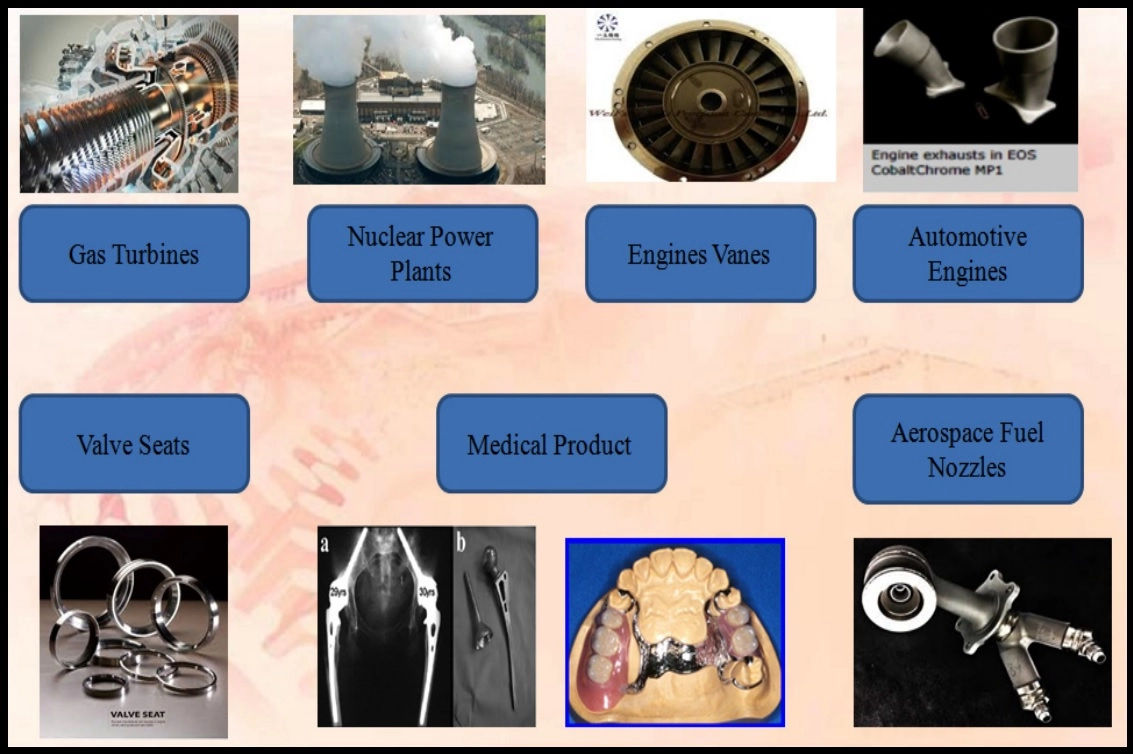
Primary hip arthroplasty component machining
For primary hip replacements, we machine full sets of Chromium Cobalt Molybdenum hip joint components, ready for assembly and sterile processing. Typical CoCrMo hip implant machining projects include:
- Femoral stems (cemented and cementless) with tight fit at the taper and consistent surface roughness in the metaphyseal area.
- Femoral heads and acetabular cups/shells with mirror-polished bearing surfaces and precise cone/taper angles.
- Complete hip replacement parts precision machining for OEM product families and regional variants.
Revision hip system components and custom solutions
Revision work is more complex and less predictable, so we treat it as a dedicated service:
- Custom hip revision components machining based on surgeon-specific requirements and patient scans.
- Bipolar heads, extended offset heads, and special tapers for legacy systems.
- Fast turnaround for small, high‑mix orders where geometry and tolerances are more demanding than standard primary systems.
Small batch prototypes vs full-scale production runs
We support the full product lifecycle for cobalt chrome hip stem CNC machining and related parts:
- R&D and prototype runs (from 1–50 pcs) for new hip designs, quick design changes, and verification builds.
- Pilot batches for design validation, clinical trial units, and regulatory submissions.
- Stable serial production for global OEM programs, with consistent output across thousands of ASTM F75 femoral head and ISO 5832‑4 hip joint components per year.
OEM, startup, and contract manufacturer collaboration models
Different customers need different collaboration styles, so we keep the model flexible:
- Global OEMs: long-term, forecast-based supply, VMI options, full ISO 13485 orthopedic machining shop documentation, and 3.1 material traceability.
- Startups: DFM support, help with drawing/tolerance clean‑up, small MOQs, and guidance on how to scale from lab builds to commercial volumes.
- Contract manufacturers: we act as a specialized CoCrMo hip joint machining service partner, handling the hard CoCrMo work (femoral stems, acetabular cups, mirror polished femoral heads) while they focus on assemblies, packaging, or other materials.
Lead Time, MOQ, and Production Scalability for Chromium Cobalt Molybdenum Hip Joint Machining Service
Prototype lead times for new hip joint designs
For new CoCrMo hip implant designs, we move fast but stay controlled:
- Prototype lead time: usually 3–5 weeks after final drawing + PO + material confirmation
- Includes tooling setup, CAM programming, first article, and basic surface finishing
- We support single-piece prototypes for femoral heads, stems, and acetabular cups, ideal for design verification, trials, and surgeon feedback
- For urgent projects, we can discuss expedited slots depending on geometry and coating/finishing needs
Standard production lead times for CoCrMo hip parts
Once the design is frozen and validated, we switch to stable serial machining:
- Standard production lead time: typically 6–10 weeks for Chromium Cobalt Molybdenum hip joint machining service, depending on:
- Part type (femoral stems, heads, acetabular shells, bipolar heads)
- Stock form (forged bar vs investment cast CoCrMo blanks)
- Required polishing, passivation, testing, and documentation
- For repeat orders, we lock in predictable planning windows so your supply chain stays stable
Minimum order quantities and batch size options
We keep MOQs flexible so both OEMs and startups can work with us:
- Prototypes / trials: from 1–10 pcs per design
- Pilot lots: typically 30–100 pcs for process validation and regulatory builds
- Serial production: we regularly run 100–5,000 pcs per batch for CoCrMo hip components
- We’re used to mixed-volume portfolios: standard primary hips in higher volume, revision and custom components in smaller, flexible quantities
Process ramp‑up from validation to stable serial production
We don’t just cut parts; we build a repeatable CoCrMo machining process around your device:
- Phase 1 – Prototype & DFM: early samples, feedback on tolerances, surface zones, and cost drivers
- Phase 2 – Process validation: IQ/OQ/PQ support, first article inspection (FAI), capability runs, and documentation for your quality and regulatory teams
- Phase 3 – Controlled ramp-up: progressive volume increase with SPC on critical features, tool life optimization, and cycle time tuning
- Phase 4 – Stable serial production: locked CNC programs, fixtures, inspection plans, and packaging flows, giving you consistent quality and reliable lead times
With this setup, we can support you from one-off custom hip revision components all the way to fully scaled CoCrMo hip implant machining for global markets.
Comparison: Specialized CoCrMo Hip Machining vs General Machine Shops
Why general CNC shops struggle with CoCrMo hip joints
Most general CNC shops are set up for steel or aluminum, not chromium cobalt molybdenum hip joint machining. CoCrMo is hard, abrasive, and very unforgiving.
Typical problems in non‑specialized shops:
- Wrong tools for cobalt chrome hip stem CNC machining
- Poor control of heat, vibration, and burrs
- Inconsistent surface finish on femoral heads and acetabular cups
- Difficulty holding roundness ≤ 0.005 mm and tight GD&T
- Limited experience with ASTM F75 / ISO 5832‑4 hip joint components
Result: high scrap, unstable quality, and slow delivery.
Cost of scrap, tool wear, and rework
When a shop is not focused on CoCrMo hip implant machining, the hidden costs add up fast.
| Cost Driver | General CNC Shop | Specialized CoCrMo Hip Shop (Us) |
|---|---|---|
| Scrap rate on complex hip parts | High (multiple remakes per lot) | Low, stable, SPC‑driven |
| Tool wear and breakage | Unpredictable, frequent | Engineered toolpaths and tool life data |
| Rework on Ra / roundness | Common polishing and re-machining | Minimal, right‑first‑time surfaces |
| Unplanned downtime | Frequent setup and troubleshooting | Standardized, validated processes |
| Overall cost per usable implant | Much higher than quoted unit price | Predictable cost, less waste |
We keep tool wear, coolant, and cycle time under control specifically for CoCrMo, so you don’t pay for our learning curve.
Impact on implant performance and regulatory risk
Poor chromium cobalt molybdenum orthopedic components machining isn’t just a cost issue; it’s a risk issue.
Key risks with non‑specialized shops:
- Micro‑defects on bearing surfaces → higher wear, metal ion release
- Unstable femoral head roundness → increased friction and noise
- Incorrect surface roughness on stems and cups → poor fixation behavior
- Weak documentation for FDA / CE → delays and audit findings
- Incomplete traceability and Device History Records
As an ISO 13485 orthopedic machining supplier, we align machining, inspection, and paperwork with medical device expectations, not general industry.
How a dedicated CoCrMo hip machining partner reduces total cost of ownership
Working with a specialized cobalt‑chromium‑molybdenum implant manufacturer is less about cheap parts and more about total lifecycle savings.
We help you reduce total cost by:
- Lower scrap: validated process windows for ASTM F75 femoral head machining and CoCrMo acetabular shell manufacturing
- Fewer complaints: consistent mirror polished femoral heads with Ra 0.025–0.05 μm
- Shorter approvals: inspection packages, capability data, and traceability ready for audits
- Less supplier management: one partner for casting, 5‑axis machining of hip prosthesis, polishing, and cleanroom packaging hip implants
End result: you get reliable hip replacement parts precision machining at a stable cost, with lower regulatory exposure and faster time to market.
Related Orthopedic Machining Services
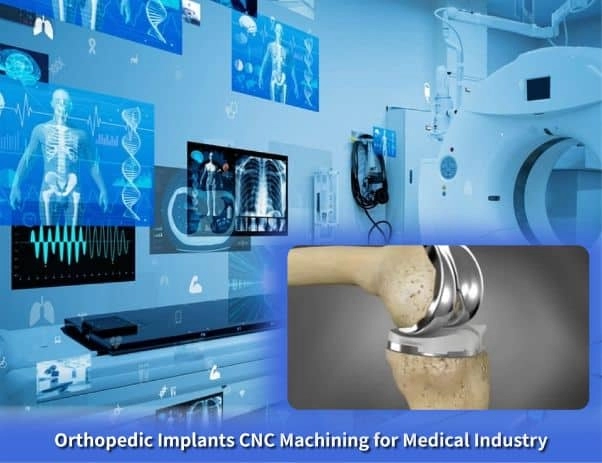
Ti6Al4V Hip and Knee Implant Machining Services
Besides our chromium cobalt molybdenum hip joint machining service, we also machine Ti6Al4V hip and knee implants from forged bar and 3D‑printed blanks.
- Primary and revision tibial baseplates, femoral components, and hip stems
- Tight tolerances, smooth transitions, and consistent surface roughness for coating and cementless fixation
- Full ISO 13485 process control for medical‑grade titanium implants
PEEK and Polymer Orthopedic Component Machining
We run a dedicated setup for PEEK and high‑performance polymer orthopedic components, separated from metal machining for cleanliness.
- Spine cages, trial hip components, inserts, and instrument handles
- Stable machining of thin walls and fine features without burning or deformation
- Traceable material lots and medical‑grade PEEK machining for global OEMs
Porous Coating, Plasma Spray, and Surface Texturing Prep
We don’t apply coatings in‑house, but we machine and prep all surfaces to be coating‑ready.
- Controlled roughness zones for porous coating, plasma spray, and surface texturing
- Masking geometry, undercuts, and grit‑blast allowance designed into the part
- Stable fixtures and process so your coating house gets repeatable surfaces every time
3D Printing + CNC Finish Machining for Custom Hip Implants
For complex or custom hip revision components, we combine metal 3D printing with CNC finish machining.
- Lattice or porous structures for bone ingrowth + precision‑machined joint surfaces
- Faster turnaround for patient‑specific or low‑volume hip implants
- Machined to final tolerance and mirror‑polished articulating surfaces where needed
Pricing Factors for Chromium Cobalt Molybdenum Hip Joint Machining Service
Pricing for our Chromium Cobalt Molybdenum hip joint machining service is driven by four main levers: geometry, tolerance, material, and finishing/documentation. We quote transparently and build around your real lifecycle cost, not just the piece price.
How Geometry and Tolerance Drive Machining Cost
For CoCrMo hip implants, complexity and precision are the biggest cost drivers:
- Complex geometry = more setups + more 5‑axis time
Organic hip stem tapers, undercuts, and deep radii mean longer programming, specialized fixtures, and slower cutting. Simple stems and heads cost less than complex revision or modular designs. - Tighter tolerances = more time and inspection
Holding roundness ≤ 0.005 mm on femoral heads or tight profile on stems requires:- Slower, stable cutting
- Multiple semi‑finish passes
- Extra CMM and form‑tester checks
Relaxing non‑functional tolerances can cut costs significantly without touching clinical performance.
Effect of Material Grade and Stock Form on Pricing
Different CoCrMo material choices directly affect machining time and scrap risk:
- Material grade
- ASTM F75 investment cast CoCrMo: lower material cost, more variation, requires more finish machining.
- ASTM F1537 / ISO 5832‑12 forged bar: more expensive per kg, but more consistent, better for high‑precision femoral heads and stems.
- Stock form
- Near‑net investment castings: less material removal, cheaper on mid–high volume if tooling is amortized.
- Forged bar / billet: higher removal rates, but no casting tooling cost and fast to start for prototypes and small batches.
We help you choose between cast and forged routes based on annual demand and tolerance targets, leveraging our in‑house casting and machining capabilities described on our orthopedic manufacturing technology page.
Finishing, Testing, and Documentation Cost Components
Finishing and regulatory support are often 20–40% of the total part cost for medical grade CoCrMo hip implants:
- Surface finishing
- Precision grinding and mirror polishing to Ra 0.025–0.05 μm
- Electro‑polishing and edge blending of articulating zones
Higher cosmetic and functional requirements increase cost.
- Testing and inspection
- 100% dimensional checks on critical features
- Surface roughness, roundness, NDT (for cast parts)
- Regulatory documentation
- Full 3.1 material certificates per heat and lot
- DHR/DMR packages, traceability, custom inspection reports for OEM audits
We scale documentation depth to your market (FDA, CE, other regions) so you only pay for what you actually need.
Strategies to Reduce Cost Without Compromising Quality
We cut cost without touching implant safety or performance by focusing on smart design and process choices:
- Zone your tolerances and surface finishes
- Keep ultra‑tight tolerances and Ra 0.025–0.05 μm only where the hip articulates or interfaces with other components.
- Use more relaxed specs on non‑critical surfaces.
- Standardize where possible
- Re‑use proven taper geometries, neck lengths, and head diameters.
- Align with existing process windows to avoid unique tooling and validation.
- Choose the right route by volume
- Prototypes and low volume: full 5‑axis machining from forged bar to avoid casting tooling.
- Stable volume: investment casting + finish machining for a lower per‑piece cost.
- Engage us early
Sharing 3D models and tolerance schemes before locking the design allows us to suggest changes that keep performance but cut cycle time and scrap.
If you want a fast, realistic cost picture for your next hip project, send your drawings and annual volume estimate through our RFQ channels on our main site, and we’ll break down cost drivers clearly before you commit.
Design for Manufacturability Tips for CoCrMo Hip Implants
When we talk about chromium cobalt molybdenum hip joint machining service, good design makes the difference between stable production and constant firefighting. Here’s how we usually guide OEMs, contract manufacturers, and startups.
Optimize hip stem and cup geometry
For CoCrMo hip implant machining, small geometry tweaks can cut hours off cycle time:
- Keep constant wall thickness on acetabular cups and shells where possible – it helps both investment casting and 5‑axis CNC machining.
- Avoid unnecessary sharp internal corners; use generous radii so tools last longer and surfaces are cleaner.
- Standardize taper angles and neck geometries across femoral heads and stems where your system allows it – this reduces setup changes and inspection time.
- Plan clamping surfaces early (flats, bosses, or tab areas) so we can hold the part securely during CoCrMo hip stem and cup CNC machining.
Tolerancing and GD&T that avoid cost spikes
Over‑tight tolerances on every feature are the fastest way to blow up machining cost for CoCrMo hip implants:
- Reserve ultra‑tight tolerances and GD&T (roundness, profile, concentricity) for true functional features: tapers, bearing surfaces, stem-to-head interfaces.
- For non‑critical zones, relax dimensions and form tolerances to what the design actually needs; this reduces scrap and inspection time.
- Use clear datum schemes that match how the part is machined and measured – for example, define datums off the taper and joint center for femoral head machining.
- Talk to us before finalizing tolerances; we’ll tell you which features drive cost in CoCrMo hip implant machining and where you can safely open things up.
Surface finish zoning and functional surfaces
Chromium cobalt molybdenum hip joint parts don’t need mirror finish everywhere:
- Define surface finish zones:
- Articulating surfaces (femoral heads, cup bearing zones): Ra 0.025–0.05 μm with strict roundness and form control.
- Stem fixation surfaces (cementless stems): controlled roughness suitable for coating/osseointegration.
- Non‑functional areas: more forgiving Ra values to lower cost.
- Make sure the drawing clearly shows which surfaces get grinding, mirror polishing, or electro‑polishing, and which can stay as‑machined or cast.
Collaborate early with the machining house
Early collaboration with a specialized CoCrMo hip implant machining partner saves you months:
- We can review models and 2D drawings before you freeze the design, flagging high‑risk features, tricky blends, and unnecessary tolerances.
- You get realistic feedback on tool access, workholding, process flow (casting + machining vs full 5‑axis machining) before you commit to validation builds.
- We can align on inspection strategy, measurement references, and surface finish standards up front, so there are no surprises at PPAP, FAI, or regulatory audits.
If you want, you can send us your CoCrMo hip stem, femoral head, or acetabular cup files under NDA, and we’ll come back with manufacturability comments, cycle‑time impact, and cost implications before you lock the design.
FAQ – Chromium Cobalt Molybdenum Hip Joint Machining Service
Technical FAQs – Tolerances, Ra, Roundness
| Question | Short Answer |
|---|---|
| What tolerances can you hold on CoCrMo hip parts? | We normally hold ±0.005–0.01 mm on critical hip features and tighter on request after DFM review. |
| What surface roughness (Ra) do you guarantee? | For femoral heads and bearing zones we reach Ra 0.025–0.05 μm with mirror polishing and electro‑polishing. |
| What roundness can you achieve on femoral heads? | We routinely control femoral head roundness to ≤ 0.005 mm, measured on form testers/CMM. |
| How do you verify these specs? | We use CMM, form testers, optical systems, and surface profilometers, with full inspection reports. |
Coatings & Bearing Pair Compatibility
| Question | Short Answer |
|---|---|
| Which bearing pairs do your CoCrMo parts support? | We machine for CoCrMo–UHMWPE, CoCrMo–XLPE, CoCrMo–ceramic, and metal‑on‑metal (on request, per regulatory strategy). |
| Can you support coated CoCrMo hip components? | Yes. We prepare surfaces for porous coating, plasma spray, Ti or HA coatings, and coordinate with your coating vendor. |
| Do you control Ra by zones for different bearing pairs? | Yes. We define surface finish zones (articulating vs non‑articulating) to match your design and liner/head pairing. |
Logistics, Export, and Documentation
| Question | Short Answer |
|---|---|
| Do you export CoCrMo hip implants globally? | Yes. We ship globally with export‑compliant paperwork, commercial invoice, and packing list. |
| What documentation do you supply with each lot? | 3.1 material certs, inspection reports, passivation and cleaning records, and batch traceability as standard. |
| Can you support custom documents? | Yes. We align with your DHF/DMR, UDI, labeling, and local regulatory needs after we review your template. |
Onboarding, NDA & Project Kickoff
| Question | Short Answer |
|---|---|
| How do we start a new CoCrMo hip project with you? | Send RFQ + drawings + specs (tolerances, Ra, material grade, quantity, target market). We respond with a quote and DFM input. |
| Do you sign NDAs? | Yes. We work under two‑way NDAs and treat all hip designs as confidential IP. |
| What does your kickoff process look like? | 1) NDA → 2) Tech review call → 3) DFM + quote → 4) Sample/prototype run → 5) Validation → 6) Stable serial production. |
| Can you work with startups and new OEMs? | Absolutely. We help new teams structure drawings, specs, and documentation so they’re ready for audits and regulators. |
Resources and Technical Documentation
We keep all the key data in one place so your engineering and QA teams can move fast and stay compliant.
Downloadable CoCrMo Material Data Sheets
You can request up‑to‑date material data sheets for all our CoCrMo hip implant alloys, including:
| Document | Content | Use Case |
|---|---|---|
| ASTM F75 CoCrMo data sheet | Chemistry, mechanical properties, microstructure | Femoral heads, cups, bipolar heads |
| ASTM F1537 Alloy 1 & 2 data sheet | Forged bar properties, fatigue data | High‑performance stems and modular components |
| ISO 5832‑4 / 5832‑12 | Standard requirements and limits | Regulatory/RA and design alignment |
These are the same materials we run day‑to‑day in our orthopedic machining operations.
Hip Component Machining Capability Charts
We share clear machining capability and tolerance charts for typical CoCrMo hip parts:
| Component | Max Size | Typical Tolerance | Surface Finish Capability |
|---|---|---|---|
| Femoral heads | Ø22–40 mm | ±3–5 μm | Down to Ra 0.025–0.05 μm |
| Femoral stems | Up to 220 mm | ±10–20 μm on critical zones | Functional zoning per drawing |
| Acetabular cups | Ø40–70 mm | ±5–10 μm on bearing areas | Controlled texture on non‑bearing areas |
These charts help your team decide what to tolerance tightly and where to relax to avoid cost spikes.
Sample Inspection and Surface Finish Records
On request, we provide anonymized sample documentation so you know exactly what to expect:
- CMM inspection reports for stems, heads, and cups
- Roundness and form charts for femoral heads (≤ 0.005 mm)
- Surface roughness reports (Ra, Rz) for articulating and non‑articulating zones
- Material certificates 3.1 linked by heat and lot number
This makes it easy for you to align your drawing notes with our real, proven process capability.
RFQ and Drawing Submission Guidelines
To quote accurately and cut down on back‑and‑forth, we follow a simple RFQ checklist:
| RFQ Item | What We Need |
|---|---|
| Drawings | 2D PDF + 3D model (STEP/IGES), latest revision |
| Material | Grade (e.g., ASTM F75, F1537 Alloy 1), forged or cast |
| Volumes | Prototype quantity + forecast annual usage |
| Quality | Required standards, special tests, DHR/DMA needs |
| Finishing | Target Ra, roundness, coatings, packaging level |
You can send your RFQ package and hip joint drawings directly, and we’ll come back with options, risks, and lead times, not just a price.