Alloy vs. Aluminum Wheels: Clarifying the Terminology
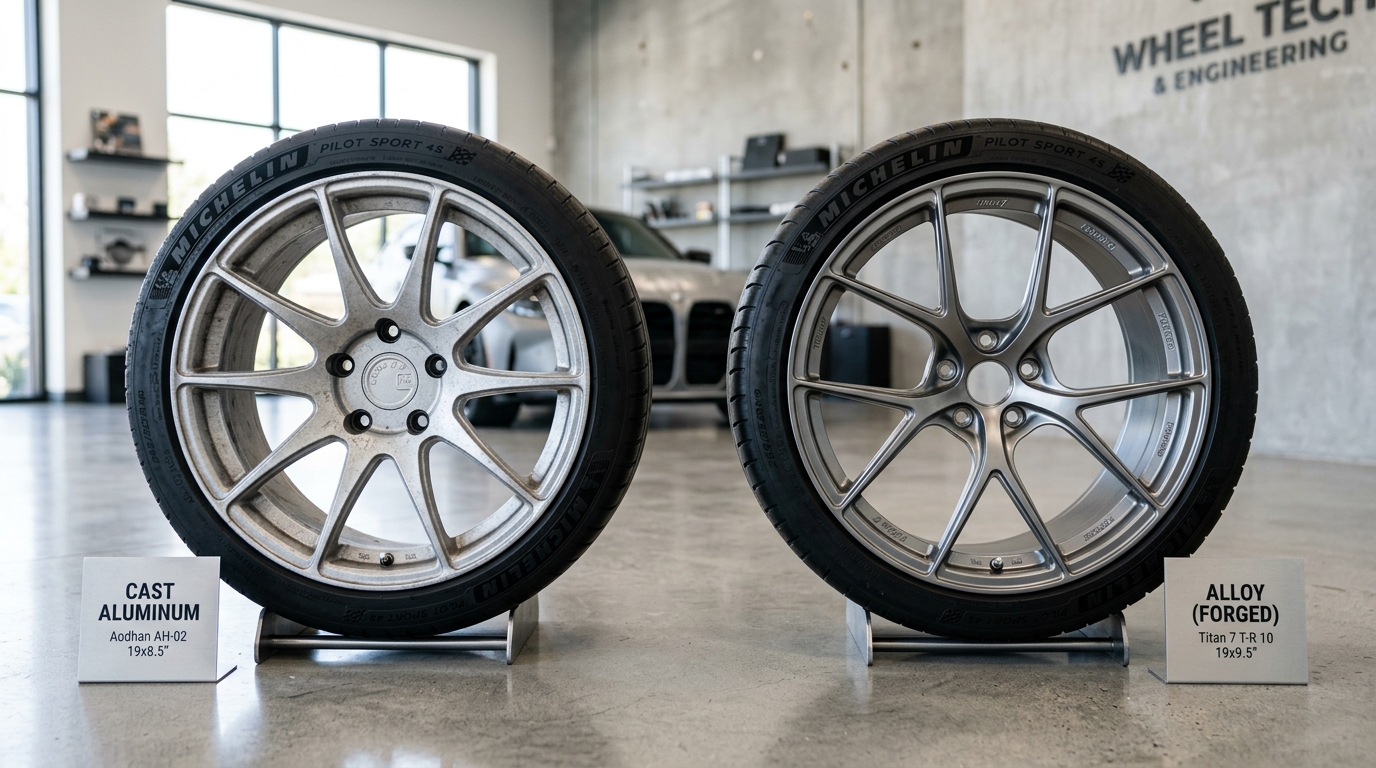
When navigating the automotive market or specifying components for a vehicle, the topic of cast aluminum vs alloy wheels frequently arises. Before evaluating specific manufacturing methods, we must clear up the industry terminology. The reality is that these two terms are often used to describe the exact same product.
What Are Aluminum Wheels?
In the automotive world, a "pure aluminum" wheel does not exist. Raw, 100% pure aluminum is far too soft and malleable to support the weight of a vehicle or withstand the high-impact forces of daily driving. When manufacturers or consumers refer to aluminum wheels, they are actually referring to an aluminum base that has been fortified with other metals to create a rigid, road-ready structure.
What Are Alloy Wheels?
An alloy is a metallurgical mixture of two or more elements, designed to enhance the physical properties of the base metal. To create high-performance alloy wheels, raw aluminum is melted down and blended with precise ratios of other elements:
- Magnesium: Drastically reduces unsprung weight while increasing structural rigidity.
- Nickel: Enhances durability and provides crucial resistance against road salt and corrosion.
- Titanium: Improves overall tensile strength and heat dissipation during heavy braking.
This engineered blend results in a wheel that is vastly superior to traditional heavy steel wheels in terms of handling, fuel efficiency, and aesthetic appeal.
Are Alloy and Aluminum Wheels the Same?
Yes. In the automotive wheel industry, these terms are used completely interchangeably.
- "Aluminum wheels" is the everyday term that simply identifies the primary base metal.
- "Alloy wheels" is the technically precise term that acknowledges the mixture of metals used in the casting process.
Every aluminum wheel on the road is an alloy, and the vast majority of alloy wheels are primarily made of aluminum. As a company that provides precision casting and machining services, we rely on these specific aluminum-alloy blends to ensure the structural integrity of the final product, setting the necessary foundation before the metal is poured, cast, or machined.
What Are Cast Aluminum Wheels?
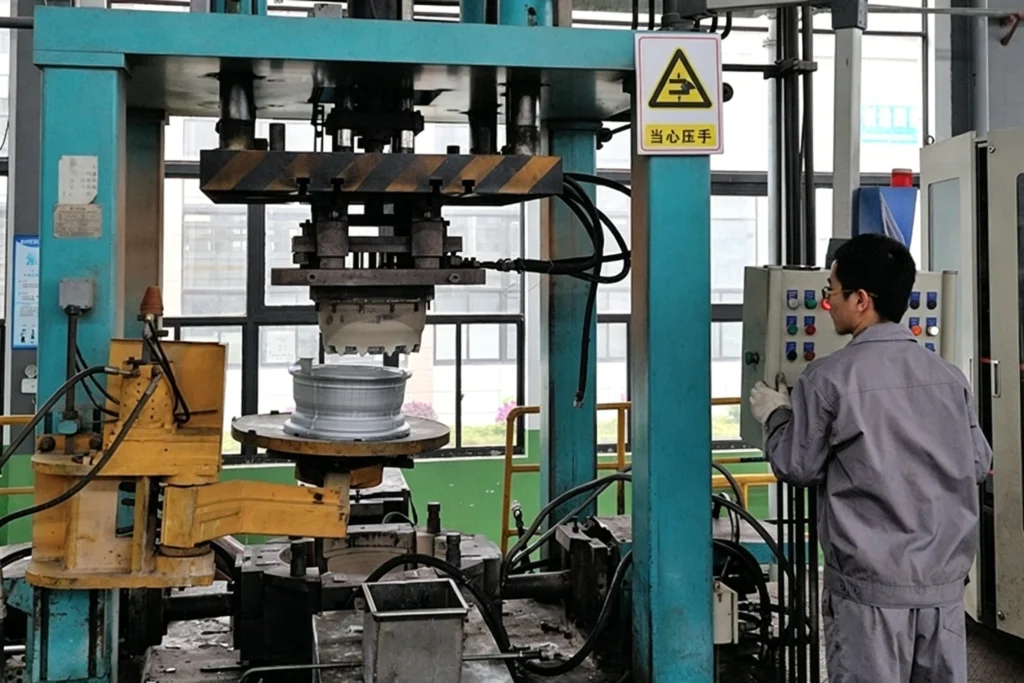
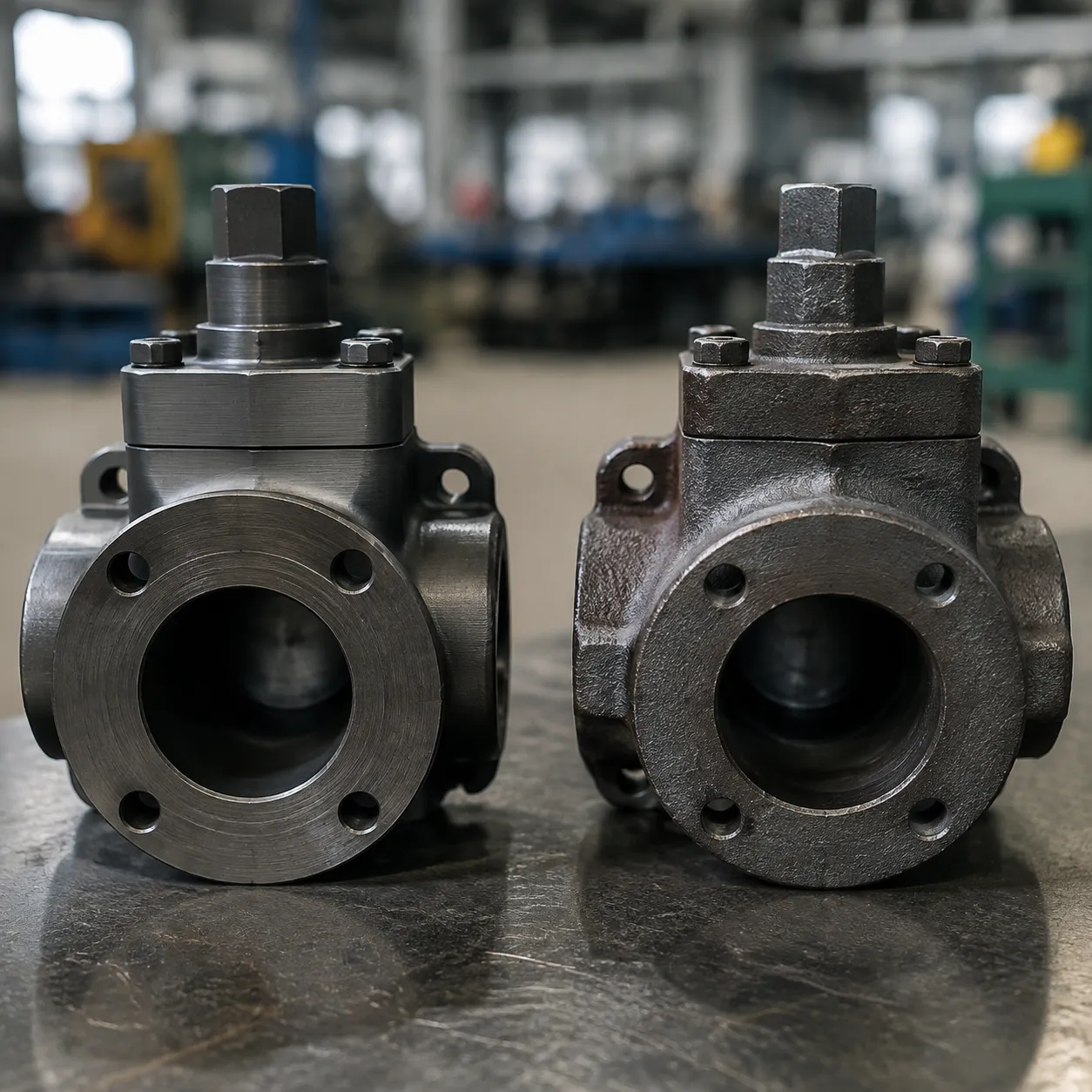
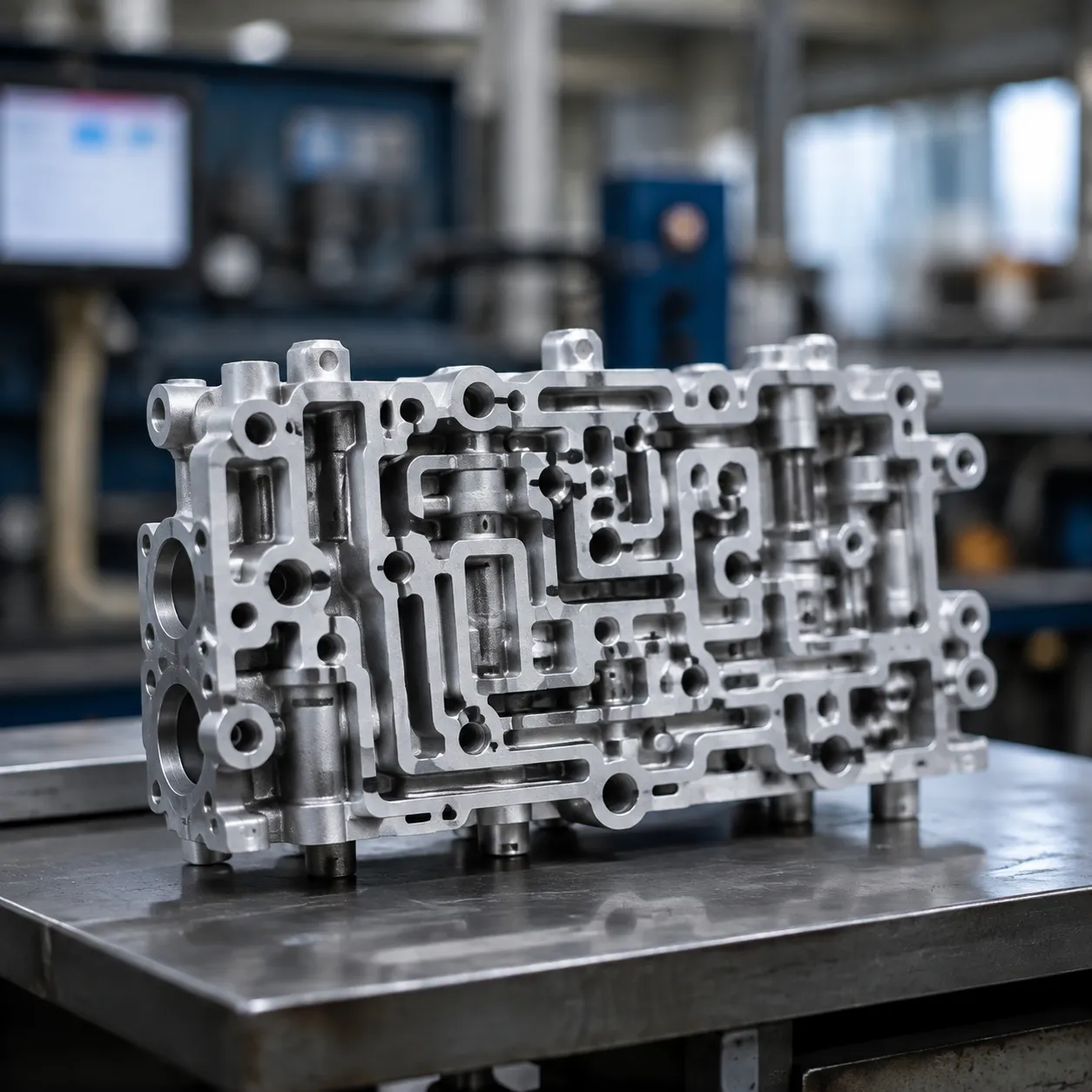
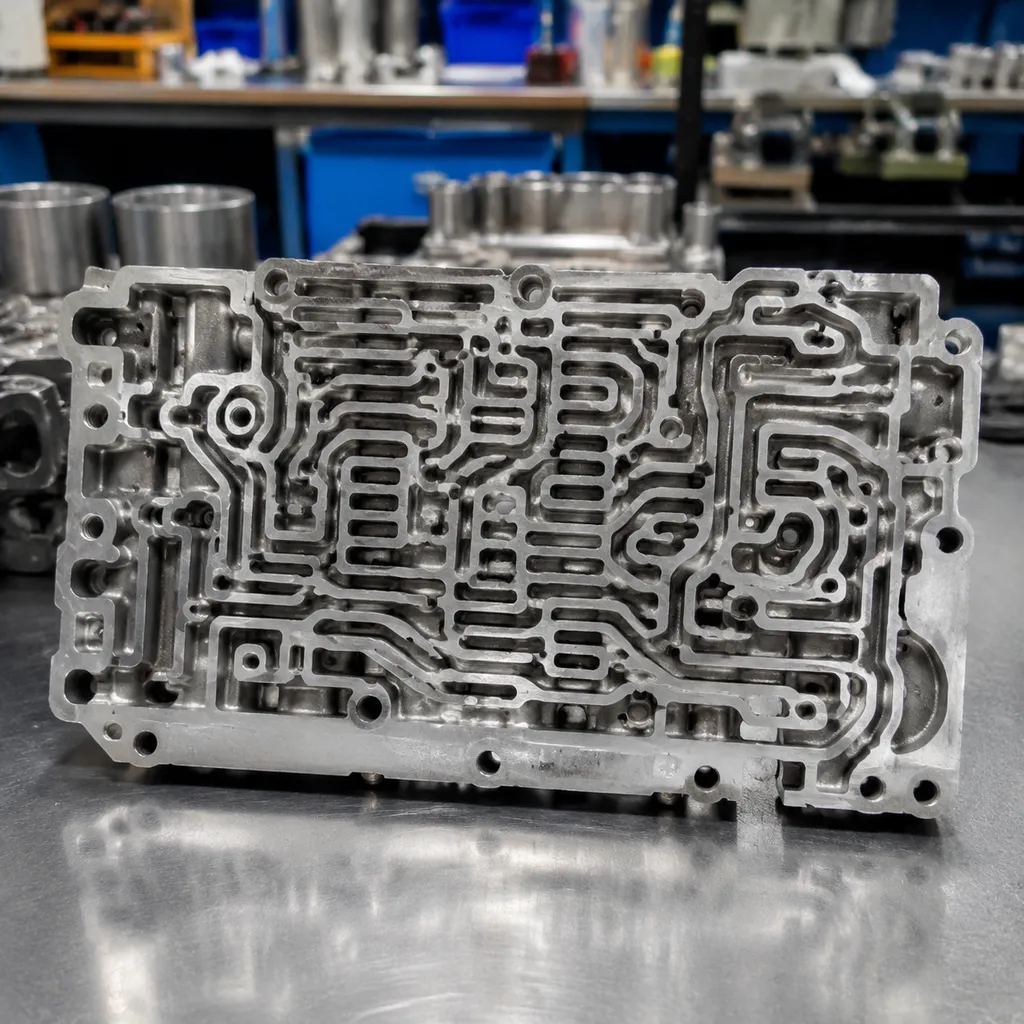
When navigating the debate of cast aluminum vs alloy wheels, it helps to understand that "cast" refers to the manufacturing method, while "aluminum alloy" is the material. Because we are a company that provides precision casting and machining services, we understand the exact mechanics behind transforming raw metals into durable automotive components. A cast aluminum wheel is simply an alloy wheel formed by shaping liquid metal inside a mold.
The Wheel Casting Process
The wheel casting process is the most common way to manufacture factory and aftermarket rims. It generally falls into two primary techniques:
- Gravity Casting: Molten aluminum is poured directly into a mold relying solely on gravity. It is cost-effective but often results in a heavier wheel because more material is needed to guarantee strength.
- Low-Pressure Casting: This technique uses positive pressure to force the molten aluminum into the mold. It packs the material tighter as it cools, creating a denser and stronger final product than gravity casting.
The success of either method heavily depends on the specific alloy blend used. For instance, reviewing an A356 aluminum vs 6061 cast vs wrought comparison shows exactly why certain aluminum grades are preferred for melting and pouring, while others are strictly used for machining.
Advantages of Cast Aluminum Wheels
Cast aluminum wheels dominate the global market because they offer an excellent balance of style and practicality:
- Highly Affordable: Mass production through casting keeps retail prices low.
- Endless Design Options: Liquid metal can fill incredibly complex molds, allowing for intricate spoke patterns and aesthetic designs.
- Performance Over Steel: Upgrading from heavy factory steel wheels to cast aluminum reduces your vehicle's unsprung weight, which noticeably improves steering response and fuel economy.
Disadvantages of Cast Aluminum Wheels
Despite their popularity, the casting process does introduce a few structural limitations:
- Microscopic Porosity: As the molten metal cools, microscopic air pockets can sometimes form inside the material, slightly compromising the wheel's maximum structural integrity.
- Heavier by Volume: To ensure they are safe for the road, cast wheels must be manufactured thicker. This makes them heavier than higher-end options like forged wheels, rotary forged wheels, or flow formed wheels.
- Brittleness Under Stress: Under severe impacts—such as hitting a deep pothole at highway speeds—a cast wheel is more likely to crack or shatter entirely, whereas a premium forged wheel is more likely to simply bend.
Beyond Casting: Forged and Flow-Formed Alloy Wheels
When evaluating standard cast aluminum vs alloy wheels manufactured with advanced techniques, the performance gap is massive. While the traditional wheel casting process works perfectly for the average daily driver, higher performance demands stronger, lighter materials. We are a company that provides precision casting and machining services, and we know firsthand how altering the manufacturing method completely transforms the metal's capabilities.
What Are Forged Alloy Wheels?
Instead of pouring liquid aluminum into a mold, forged wheels are machined from a solid block (or billet) of high-grade aluminum. This block is subjected to extreme heat and crushing pressure to press the metal into shape before the final design is cut out.
- The Result: A tightly packed, highly dense metal grain structure.
- The Benefit: Maximum structural strength and a drastic reduction in unsprung weight, which directly improves your vehicle's acceleration, braking, and cornering.
The Flow-Forming Process Explained
Flow formed wheels (often referred to in the industry as rotary forged wheels) bridge the gap between affordable casting and premium forging.
- The Setup: The process begins with a standard cast wheel face.
- The Spin: The wheel is heated and spun at high speeds on a specialized machine.
- The Pressure: Heavy steel rollers press against the inside of the barrel, stretching and compressing the aluminum to its final width.
This stretching process aligns the grain structure of the barrel, giving it properties very similar to a forged wheel—thinner, lighter, and vastly stronger than a basic cast barrel.
Pros and Cons of Forged vs Flow-Formed Rims
If you are finally ditching those heavy factory steel wheels or basic cast rims, here is how the top two performance options compare:
| Feature | Forged Wheels | Flow Formed Wheels |
|---|---|---|
| Durability | Absolute maximum strength | Strong barrel, standard cast face |
| Weight Savings | The lightest possible option | Lighter than cast, heavier than forged |
| Price Point | Very high (premium investment) | Mid-range (excellent performance value) |
| Ideal User | Dedicated track cars, exotics | Spirited street drivers, weekend racers |
Cast Aluminum vs Premium Alloy Wheels: Direct Comparison
When comparing cast aluminum vs alloy wheels, you need to look past the surface. As a team that specializes in precision casting and machining services, we know exactly how manufacturing methods impact the final product. Here is the bottom line on how standard cast rims stack up against premium forged or flow-formed options.
Weight Differences and Vehicle Performance
Weight plays a massive role in how your car handles. Premium alloy options, specifically flow formed wheels and forged wheels, are significantly lighter.
- Reduced unsprung weight: This translates directly to better acceleration, sharper braking, and improved fuel economy.
- Standard casting weight: Cast aluminum is heavier, resulting in a slightly more sluggish response compared to premium alternatives, though they remain significantly lighter than traditional steel wheels.
Structural Strength and Load Rating
The standard wheel casting process creates a solid, reliable product for daily driving. However, because molten metal is poured into a mold, it can develop microscopic air pockets that slightly cap its maximum strength limit.
- Premium options like rotary forged wheels compress the aluminum structure under immense pressure, aligning the metal's grain.
- This results in a much higher load rating and superior resistance to cracking or bending. If you require robust custom cast aluminum parts or heavy-duty wheels, understanding this structural density is crucial.
Design Options and Aesthetic Appeal
Both manufacturing styles produce fantastic-looking wheels, but they achieve their aesthetics differently.
- Casting Flexibility: Pouring liquid aluminum allows for highly intricate, complex spoke designs right out of the mold. You get massive visual variety right off the shelf.
- Machined Precision: Premium alloys often feature cleaner, sharper, and more aggressive spoke designs, largely due to the precise CNC machining required after the forging process.
Manufacturing Costs and Retail Pricing
Budget is often the ultimate deciding factor. Cast aluminum takes the definitive win for affordability, while premium alloys are an investment in performance.
| Feature | Cast Aluminum Wheels | Premium Alloy (Forged/Flow-Formed) |
|---|---|---|
| Weight | Moderate | Very Light (lowers unsprung weight) |
| Strength | Great for daily driving | Maximum load rating and durability |
| Design | Highly intricate and varied | Sharp, performance-oriented |
| Price | Budget-friendly | High investment |
Cast Aluminum vs Alloy Wheels: Choosing the Right Fit for Your Vehicle
Best Application Scenarios for Cast Wheels
If you use your vehicle for daily commuting, road trips, or regular errands, cast wheels are your best option. The modern wheel casting process creates highly durable rims that handle everyday potholes and road hazards perfectly. As a company that provides precision casting and machining services, we know firsthand that a well-manufactured cast wheel delivers the perfect mix of strength, visual appeal, and affordability. They are a massive upgrade over traditional heavy steel wheels, offering better fuel economy and a much sleeker look for the average street driver.
Who Needs Forged or Flow-Formed Alloy Wheels?
Performance enthusiasts, track day drivers, and serious off-roaders are the primary buyers for premium wheel upgrades. If you push your car to the limit, you need the specialized strength of forged wheels or flow formed wheels (often referred to as rotary forged wheels).
Here is exactly who benefits from upgrading:
- Track Drivers: Cutting down unsprung weight translates directly to faster acceleration, sharper braking, and better cornering.
- Off-Roaders: Forged aluminum resists bending and cracking when hitting rocks and ruts at high speeds.
- Show Cars: If you need massive, custom-machined wheel sizes without destroying your suspension geometry, lighter materials are mandatory.
Verdict: Are Premium Alloy Wheels Worth the Cost?
The ultimate choice in the cast aluminum vs alloy wheels debate comes down to how you drive. To make it simple, compare the core differences below:
| Feature | Standard Cast Aluminum | Forged / Flow-Formed Alloy |
|---|---|---|
| Primary Use | Daily driving, street use, commuting | Track racing, heavy off-roading, performance |
| Unsprung Weight | Moderate | Extremely light |
| Price Point | Budget-friendly | Premium / Expensive |
| Structural Strength | Good for standard loads | Exceptional under high stress |
For 90% of drivers on the road, spending thousands on premium forged rims is unnecessary. Stick to high-quality cast aluminum wheels to keep your budget intact while still getting a great-looking, reliable wheel. However, if performance, speed, and maximum durability dictate your driving habits, investing in premium forged or flow-formed alloy wheels is absolutely worth the cost.