
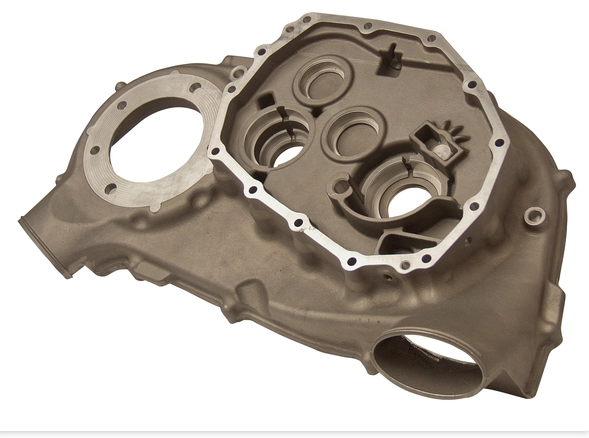
Prototipa aluminiuma ŝtofi servoj por rapida funkciaj prototipoj kun rafinitaj alojoj rapidaj livertempoj kaj malalta volumena produktado.
Kio estas Prototipa Aluminiuma Ŝtofi?
Prototipa aluminiuma ŝtofi estas kiel mi transformas vian fruan CAD en realan, funkciaj aluminiuma prototipoj kiuj kondutas kiel produktadpartoj. Anstataŭ nur vidi ciferecan modelon, vi ricevas ŝtofi-eblan materialon vi povas klini, torqi, premtesti, kaj instali en realaj kunmetoj.
Klara Difino por Inĝenieraj Teamoj
Prototipa aluminia fandado signifas:
- Verŝado de molaj aluminiaj alojoj (kiel A356 kaj 319) en moldo formita de via CAD
- Uzi rapida prototipa fandado metodoj (sablono, investo, gipso, aŭ rapida ilaro) por rapidaj partoj
- Provizi kasta aluminio prototipoj kiuj reproduktas produktad-specifajn geometriojn, muro-dikecon, kaj mekanikan konduton
En simplaj vortoj: ĝi estas fina aluminia fandado optimizita por rapideco, malalta volumeno, kaj desegna lernado—ne nur amasproduktado.
Kiel ĝi subtenas desegna validadon
Mi uzas prototipajn aluminiajn fandadojn por helpi vin:
- Validigi taŭgi, formi, kaj funkcii en veraj kunvenoj
- Kontrolu malvarmigo, fluo, kaj struktura rendimento sub realismaj ŝarĝoj
- Prue subtenu kordoj, randoj, malstreĉiĝo, kaj ĉefaj partoj antaŭ ol vi fiksas ilojn
- Kuradi DFM por aluminia fandado frue, do produktada ilaro ĝustas la unuan fojon
Vi ricevas real-mondan reagadon rapide, tiam rapide ripetas kun ĝisdatigitaj kastingaj prototipoj.
Prototipa Kastingo kontraŭ CNC kaj 3D Presado
| Metodo | Plej Bona Por | Ĉefaj Kompromisoj |
|---|---|---|
| Prototipo de aluminio-kastado | Funkciaj kastaj-similaj prototipoj | Produktad-simila geometrio kaj ecoj; ideala por ponto produktado verŝado |
| CNC-maŝinado | Simplaj geometrioj de bloko | Bonega precizeco, sed multekosta por kompleksaj formoj kaj ne verŝado-reala |
| 3D-presado (metal/polimero) | Tre fruaj konceptaj kontroloj, kompleksaj formoj | Bonega por vida/koncepta pruovo, sed malsama mikrostrukturo ol verŝado |
Kiam vi bezonas funkciaj aluminiuma prototipoj tiel kondutas kiel fina inĝenieritaj aluminioĵetaj komponantoj, prototipo aluminioĵetado estas la plej proksima kongruo.
Kial Aĉetantoj Serĉas Prototipo Aluminiaĵetadon
Se vi serĉas terminojn kiel “prototipo aluminioĵetaj servoj”, “rapida aluminioĵetado”, aŭ “rapida turniĝo aluminioĵetado”, vi kutime serĉas:
- Akiri malriskajn, malalt-volumenajn aluminiaĵojn antaŭ ol engaĝiĝi al plena ilarado
- Konfirmi maŝina rendimento antaŭ produktado-release
- Kompari gvidtempon, prezojn, kaj MOQ-ojn de de industria aluminio ŝtofi provizanto
- Trovu partneron kiu povas skali de ŝtofi prototipaj servoj al produktado
Ĉe vastmaterial, mi poziciigas prototipajn aluminio-ŝtofi kiel transakcio-preta servo: vi sendas CAD, mi recenzas DFM, rapide taksas, kaj liveras rapida turnado aluminio prototipoj kiu malhelpi vian produktadprogramon.
Prototaipo Aluminia Kasto Avantaĝoj
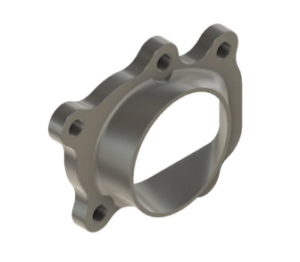
Kiam mi uzas prototipan aluminian kastadon, mi fokusas pri rapideco, reala‑mondo rendimento, kaj teni kostojn malaltaj por usonaj inĝenieristaj teamoj.
Pli rapida turnado kaj rapida iteracio
Prototipa aluminia kasto permesas al mi moviĝi de CAD al funkciaj aluminiaj prototipoj en tagoj, ne monatoj. Kun rapida prototipa kasto kaj rapida turnado de aluminiaj kasto, mi povas:
- Testi plurajn desegnajn versiojn samtempe
- Validigi taŭgecon, formon, kaj funkcion antaŭ fermado de ilaroj
- Atentu striktajn lanĉdatumbitojn sen risko de plenaj produktaj iloj
Kost-efika Malalta Kvanto Kaj Unufoja Partoj
Por malalta kvanto de aluminio-ĵetado kaj unufojaj aluminiaj prototipoj, mi konservas ilojn simplajn kaj skaleblajn. Tio reduktas antaŭkostojn dum liveras fidindanĵon deĵetadon.
| Kvanto Bezono | Plej Bona Taŭgeco | Avantaĝo |
|---|---|---|
| 1–10 partoj | Prototipa metalaĵetado | Plej malalta startkosto |
| 10–100 partoj | Malalta volumeno aluminio fandado | Pli bona kosto po parto |
| Ponto produktado | Rapida aluminio fandado | Glata rampo al amasproduktado |
Produktado-similaj Mekanaj Ecoj
Male al multaj plastaj aŭ ne-metalaj rapid-prototipaj metodoj, prototipo aluminio fandado liveras funkciajn aluminio prototipojn kun produktado-similaj mekanikaj ecoj:
- Realisma forto, stiffeco, kaj lacefiko
- Vera varmokvanto por termika testado
- Fidinda rendimento por ŝarĝa, vibrada, kaj impakta testadoj
Tio faras fanditajn aluminio-prototipojn idealaj kiam vi bezonas rafinitan aluminio-fandad-rendimento antaŭ ol dediĉi al finaj iloj.
Pli bona precizeco kaj surfaca finiĝo por testado
Kun la ĝusta procezo kaj DFM por aluminio-fandado, mi povas atingi pli striktajn dimensiojn kaj pli purajn surfacojn ol bazan sablan fandadon sola:
- Plibonigita dimensiĝa precizeco por kunmetoj kaj sigelaj surfacoj
- Pli glataj finiĝoj kiuj reduktas postajn maŝinajn laborojn
- Pliaj konsekvencaj rezultoj por validaĵo kaj kvalito-ŝtatoj
Por kritikaj medicinaj aŭ precizecaj komponantoj, mi ofte kombinas prototipan aluminian fandadon kun la sama pensmaniero uzata en nia preciza implantfandado laboro por teni tolerancojn kaj finiĝon sub kontrolo.
Konekti Dezajnon al Plena Produktado
Prototipa aluminia fandado estas mia ŝlosilo inter frua dezajno kaj plena skalo industria aluminia fandado:
- Validiĝu geometrion, muro-dikecon, kaj skizadon kun reala fandebla materialo
- Malhelpi produktadon de iloj uzante rapidan prototipan fandadon datojn
- Skaliĝu de moldaj prototipaj servoj al longdaŭra ponto-produktado per moldado kun minimuma redaktado
Tiu ĉi “molda evoluo” de prototipo aluminia moldado al produktado ŝparas tempon, reduktas ripetadon, kaj konservas programojn sur horaro.
Prototipaj Aluminiaj Moldaj Procezoj
Sandaj Moldaj Prototipoj
Por rapidaj, atingeblaj iteracioj, mi fidas je aluminia sabla moldado por prototipoj. Sandaj moldaj prototipoj pritraktas pli grandajn partojn, simplajn geometriojn, kaj fruajn desegnaĵajn provojn kie vi bezonas krudan sed funkcia aluminian parton en tagoj, ne semajnoj. Ĉi tiu rapida aluminia moldado estas ideala kiam:
- Vi ankoraŭ ĝustigas muro-dikecon, riban aranĝon, aŭ muntajn punktojn
- Vi bezonas rapidajn aluminiajn moldadojn por konfirmi taŭgecon kaj bazan rendimenton
- Surfaca finiĝo povas esti sekundara al rapideco kaj kosto
Investada Ŝtampado de Prototipoj
Kiam vi bezonas detalan, maldika-ŝvela aluminia prototipa ŝtampado, investada ŝtampado estas la vojo por iri. Ĉi tiu procezo liveras rafinitan aluminian ŝtampadon kun:
- Fermitaj detaloj, malgrandaj trajtoj, kaj kompleksaj internaj vojoj
- Pli bona dimensiĝa kontrolo ol norma sabla aluminia ŝtampado
- Fortaj, produktad-similaj ŝtampitaj aluminiaj prototipoj por funkcia testado
Plasta Ŝtofa Ŝtampado
Plasta ŝtofa ŝtampado situas inter sablo kaj investada ŝtampado. Mi uzas ĝin por alta-fideleca aluminia prototipa detaloj kie vi volas:
- Tre bona surfaca finiĝo kaj krispaj randoj
- pli detala ol sabla kupado, sed pli rapida kaj malmultekosta ol plena investado
- Mallongda prototipo-metal-kupado kun stabilaj, ripeteblaj rezultoj
Rapida Prototipo-Kupado kun 3D-eldonitaj ŝablonoj
Por la plej rapida dezajno-al-peco ciklo, mi kombinas rapidan prototipo-kupadon kun 3D-eldonitaj ŝablonoj kaj rapidan ilaron. Uzi 3D-eldonitajn ŝablonojn por kupado ebligas al ni:
- Preterpasi tradician ŝablonfaradon kaj signife redukti la lead-tempon
- Testi kompleksajn geometriojn kaj subkulojn kiuj estas malfacilaj por maŝini
- Kreu ponton en precizeco aluminia ŝtofo produktado kun la sama baza procezo
Kiam Elekti Ĉiun Metodon
- Uzu sablan veran prototipon por grandaj, simplaj partoj kaj malmultekostaj ebleco-ŝtatoj
- Uzu investan veran prototipon por maldikaj muro, alta detaleco, funkcia aluminio prototipoj
- Uzu gipsan ŝtalon kiam vi bezonas pli bonan finon kaj detalon sen plena investa kosto
- Uzu rapidan prototipan veran ŝtalon kun 3D presitaj ŝablonoj kiam rapideco, desegna libereco, kaj rapida iteracio gravas plej por via prototipo aluminio verŝado projekto
Prototipo Aluminia Verŝado Materialoj kaj Alojoj
Por prototipo aluminio verŝado, mi fokusas pri alojoj kiuj ekvilibras verŝadon, forton, kaj rapidecon al la parto en mano. La plej oftaj opcioj por funkcia aluminio prototipoj estas A356 kaj 319, ĉar ili estas pruvis, haveblaj, kaj facile enkonduke en produktadon.
- A356 aluminio prototipo verŝado – Granda ĝenerala alojo por rapida aluminio-ĵetado. Ĝi ofertas altan forton-al-pezeco, bonan etendiĝon, kaj elstaran respondon al varmotraktado (T6). Mi uzas A356 kiam klientoj bezonas ĵetajn aluminio-prototipojn kiuj proksime kongruas kun produktada mekanika trajto por laceco, premo, aŭ struktura testado.
- 319 aluminioĵetada alojo – Pli bona por altaj temperaturoj kaj bona dimensiema stabileco. Mi rekomendas 319 kiam vi prototipigas motoro-ajn komponentojn, brakojn proksime al varmfontoj, aŭ industriaj kovriloj kiuj vidos termikan cikladon.
Kiam ni elektas alojojn por aluminio-prototipaĵaĵado, ni rigardas mekanikajn trajtojn kiuj efektive gravas en testado:
- Elasteco kaj streĉa forto por ŝarĝsubtena prototipo-metalĵado
- Etendiĝo por impakto kaj laceco-efikeco
- Moleco kaj abrazia rezisto por glit- aŭ kunfandaj komponentoj
La naturaj avantaĝoj de aluminio—peza, korozio-rezista, kaj alta forto-al-pezeco—estas kial mi preferas ĝin por rapida prototipo-ĵetado en aŭtomaŭtada, spac-aviada, kaj maraj medioj. Ekzemple, kiam ni subtenas marajn kaj marbordajn projektojn, ni kongruas alojojn kaj finadojn al salo-spirado kaj korozia postulo, simile al nia aliro al partoj por mara inĝenieristiko.
Se via projekto bezonas ion pli specifan, mi povas akiri kutimajn aluminiaĵajn aloajn prototipojn agorditaj por:
- Altiĝanta temperaturo-stabileco
- Pli bona koroda rezisto
- Plibonigita maŝinebleco
- Pli striktaj laciĝpostuloj
Alo-elekto rekte influas la rendimenton de prototipoj de aluminiaĵa fandado: ĝi influas kiel la metalo plenigas la moldon, kiom da porozo ni devas kontroli, la atingeblan dikan de la muro, kaj kiom bone la parto respondas al varmotraktado kaj maŝinado. Per frua elekto de ĝusta alojo, ni certigas ke viaj rapidaj aluminiaĵaj fandadoj kondutas kiel viaj fina produktadpartoj, ne nur aspektas kiel ili.
Prototipa Aluminiuma Ŝtofiĝaj Aplikoj
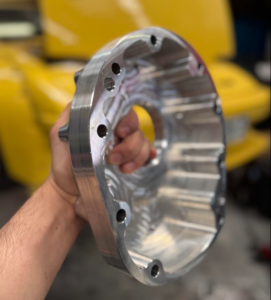
Prototipa aluminiuma ŝtofiĝo donas al niaj Usono-klientoj realajn, funkciajn partojn kiujn ili povas uzi en testado antaŭ ol dediĉi sin al plena ilaro. Mi uzas prototipan aluminiuman ŝtofiĝon kiam teamoj bezonas produktad-similajn rezultojn rapide, sen okupigi grandajn buĝetojn.
Aŭtomobilaj Aluminiuma Prototipa Ŝtofiĝo
Por aŭtomobilaj programoj, mi subtenas:
- Motoro kaj potenca trenaĝa ŝtofiĝo de aluminiumo (kapsikoj, kovriloj, brakoj, eniraj komponantoj)
- Suspension kaj ŝoseoj brakoj kie forto‑al‑pezo gravas
- Transmisio kaj ŝoseo trenaĝa metala ŝtofiĝo por taŭgeco kaj NVH kontroloj
Per uzado de rapida aluminiuma ŝtofiĝo kaj A356 aluminiuma prototipa ŝtofiĝo, vi ricevas realisman materialan konduton por trako, dinamometro, kaj daŭreblec-testado.
Aeroespaco & Defendo Aluminioprototipoj
Por aeroespaco kaj defendo-klientoj, aluminioprototipo-ĵetado estas ideala por:
- Luma struktura brakoj, muntadoj, kaj kovriloj
- Mediprotektaj kaj vibradtestaj specimenoj por avionic kaj defendsistemoj
- Rapida prototipo-ĵetado por flug-similaj hardvaroj en malaltaj kvantoj
Ni fidas je rafinita aluminioproceso, striktaj procezreguloj, kaj, kiam necese, precizecaj ŝtofadservoj por atingi postulemajn specifojn.
Industriaj Maŝinaro & Ekipaĵo
Industriaj OEM-oj uzas niajn aluminia prototipajn ŝtofo-servojn por:
- Girkestaj kovriloj, pumpkorpoj, kaj motormontoj
- Kustomaj maŝinaj kadroj, gardoj, kaj kovriloj
- Malgranda volumeno de aluminia ŝtofo por transiri pilotajn liniojn kaj fruajn produktadojn
Rapida turnado de aluminiaj ŝtofoj helpas vin validi spacojn, muntajn punktojn, kaj realajn ŝarĝojn antaŭ ol vi fermas produktadajn ilojn.
Elektronikaj kovriloj & Konsumaj produktoj
Por elektronikaj kaj konsumaj markoj, aluminia prototipŝtofo funkcias bone por:
- EMI-ŝilditaj elektronikaj kovriloj kaj enketoj
- Varmodoliranta ĉasio, varmokaptiloj kaj muntaj platoj
- Kastaj aluminiaj prototipoj por porteblaj aparatoj, iloj, aparatoj komponentoj
Kun aluminiaj sablokastoj aŭ investkastoj, ni povas adapti estetikon kaj funkciecon por ke vi povu testi, montri, kaj prezenti al interesatoj kun memfido.
Medicina & Preciza Prototipa Aluminia Kasto
Medicina aparato kaj preciza merkatoj dependas de nia aluminia prototipado kiam ili bezonas:
- Kirurgia ilaro komponentoj, instrumentaj kaŭĉukoj, kaj pez-ŝpara strukturaĵoj
- Imaga kaj diagnoza ekipaĵmontroj kaj kadroj
- Fiksaj tolerancaj kastaj aluminiaj prototipoj pretaj por dua maŝinado
Kombinante prototipon de aluminia fandado kun CNC-finado, ni liveras funkciajn aluminia prototipojn kiuj plenumas striktajn validajn kaj reguligajn testpostulojn.
Prototipa Aluminia Fandada Proceza Laborfluoj
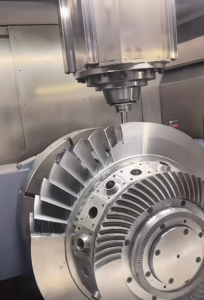
De CAD-dosiero al Fanda Prototipo
Por prototipa aluminia fandado, ĉio komenciĝas per via CAD-dosiero. Vi sendas al ni solidan modelon (STEP, IGES, aŭ nativajn dosierojn), kaj ni tradukas ĝin en fandadon-preta dezajno. Ĉi-foje ni kontrolas bazajn detalojn kiel unuojn, skalon, partajn liniojn, kaj ĉu vi bezonas sablan fandadon, investan fandadon, aŭ alian rapidan prototipan fandan metodon bazitan sur via horaro kaj parto-geometrio.
Recenzo DFM por Prototipa Aluminia Fandado
Sekve, ni efektivigas fokusitan DFM-revizion por aluminia fandado. Ni rigardas:
- Minimuma muro-dikeco, riboj, kaj estingiloj por verŝebla materiala fluado
- Skizaj anguloj kaj radiusoj por ke la ŝablono libere elŝiriĝu
- Ŝlosiĝado, leviĝantoj, kaj manĝaj vojoj por redukti porozon kaj misajn
- Areoj kiuj eble bezonas maŝinadon aŭ pli striktajn toleradojn
Vi ricevas klaran reagadon kaj sugestojn por ke via aluminio-prototipa ŝtofo estu fidinda, ripetebla, kaj preta por rapidaj aluminio-ŝtofoj en la usona merkato.
Ŝablono kaj ilaro-kreo
Post kiam la dezajno estas fiksita, ni eniras en ŝablono kaj ilaradon:
- Tradiciaj ŝablonoj por ripeteblaj prototipoj de aluminio-ŝtofoj
- Rapida ilarado kun CNC aŭ uretano por malgranda volumo de aluminio-ŝtofoj
- 3D-presitaj ŝablonoj por ŝtofo kaj kernoj kiam vi bezonas kompleksan geometrion rapide
Tio estas kie rapida prototipoĵetado vere profitas: ni povas rapide konstrui ŝablonojn, adapti ilin, kaj akiri vin ĵetitaj aluminiaj prototipoj sen engaĝiĝi en plenan produktadiladon. Kiam via projekto ankaŭ bezonas aliajn metalojn aŭ kunmetaĵojn, ni ligas ĉi tiun laboron al niaj pli vastaj ĵetado kaj maŝinadaj servoj por glata lanĉo.
Molda preparado, Fandado, kaj Verŝado
Kun pretaj ŝablonoj, ni preparas la moldon kaj verŝas la metalon:
- Molda preparado kun sablo, investo, aŭ gipso moldoĵetado dependante de la procezo
- Korektaj ventolado kaj moldaj kovraĵoj por plibonigi plenadon kaj surfacan finon
- Kontrolita aluminia fandado kaj aloja konfirmo (kiel A356 kaj 319)
- Precizaj pourado kaj malvarmiga cikloj por atingi la postulata mekanikajn ecojn
Ĉi tiu paŝo transformas vian modelitan parton en fizikan, rafinitan aluminian fandadon, kiun vi povas testi sub realaj kondiĉoj.
Finado, Maŝinado, kaj Inspektado
Post la solidiĝo, ni tranĉas pordegojn, pafumas, kaj purigas la fandadojn. De tie, ni pritraktas:
- CNC-maŝinado por kritikaj ecoj kaj mallertaj toleroj
- Varma traktado, forigo de randoj, kaj surfaca finiĝo laŭbezone
- Dimensia inspektado, funkciaj kontroloj, kaj dokumentado
Ĉiu prototipa aluminia fandado inkluzivas inspektorraportojn por ke vi povu validi la dezajnon, kompari reviziojn, kaj memfide progresi de fandadprototipo al ponto-fandado aŭ plen-grandaj serioj.
Prototipa Aluminia Fandado Teknikaj Kapabloj

Kiam vi prototipas per aluminia ŝtofo, vi volas scii precize kio estas ebla. Jen kiel mi kutime starigas atendojn por usonaj inĝenieristaj teamoj pri grandeco, precizeco, finiĝo kaj testado.
Parta Grandeco-Rango & Pezaj Limigoj
Ni prizorgas larĝan gamon de aluminiaj prototipaj ŝtofo-grandecoj por ke vi povu validi realajn partojn, ne nur specimenojn.
| Kapacito | Tipa Rango (Prototipa Aluminia Ŝtofo) |
|---|---|
| Maxa parto longo | Ĝis ~40–48 in (depende de la procezo) |
| Minima parto longo | ~0.5–1 in trajtoj |
| Pezo po parto | ~0.1 lb ĝis 80+ lb (aluminiuma sabla verŝado) |
| Murospindeco | ~0.08–0.12 in (investo / gipso) |
- Pli grandaj, pezigaj partoj kutime iras al aluminiuma sabla verŝado.
- Maldikaj muro, detalaj partoj plej taŭgas kun investa verŝado aŭ gipsoŝtofa ŝtofo.
Tolerancoj Por Aluminiuma Prototipa Verŝado
Tolerancoj dependas de procezo, grandeco kaj geometrio, sed por rapida prototipo-verŝado ni celas:
| Procezo | Tipa Toleranca Intervalo* |
|---|---|
| Aluminiuma sablo-formado | ±0.010–0.020 en/en (min ±0.010–0.030 en) |
| Prototipoj de investa formo | ±0.004–0.008 en/en |
| Gipsa ŝtofo-formado | Simila al aŭ pli bona ol sablo, pli preciza pri detaloj |
*Pli precizaj nomoj eble bezonos sekundaran maŝinadon.
- Por kritikaj taŭgoj, mi ĉiam rekomendas maŝini kritikajn truojn, sigelajn surfacojn, kaj datumajn trajtojn.
- Ni apliki praktikan DFM por aluminio-kastado por via toleradoj kongruu kun tio, kion la procezo vere povas teni.
Surfina Finado & Sekundaraj Operacioj
Surfina finado estas grava afero kiam vi testas funkciajn aluminiajn prototipojn kaj kliento-vidajn partojn.
| Opcio | Tipa Rezulto |
|---|---|
| Kastita (sablono) | ~250–400+ μin Ra |
| Kastita (investa) | ~125–200 μin Ra |
| Meza eksplodo / korno | Uniforma matta surfaco |
| Luma maŝinado | ~63–125 μin Ra |
| Preciza maŝinado | ~16–32 μin Ra |
Komunaj sekundaraj operacioj por verŝitaj aluminiaj prototipoj:
- CNC-maŝinado de kritikaj trajtoj kaj muntaj interfaco
- Tapado, borado, kaj ŝtofo enmetas
- Forigado de randoj, rotacio, medipulvo, kaj polurado
- Asamblado kaj testado kun kunulaj komponantoj
Varma traktado, maŝinado kaj anodizado
Por kongrui kun produktada rendimento, ni subtenas plenan post‑procesadon sur ŝtalaj aluminiaj prototipoj:
- Varma traktado: T5/T6 varmtraktado sur alojoj kiel A356 por agordi forton, malmolecon, kaj laciĝan vivon.
- Preciza maŝinado: 3‑aksa kaj 5‑aksa maŝinado por mallertaj taŭgoj, sigelaj surfacoj, kaj kompleksa geometrio.
- Surfaca konvertiĝo:
- Anodizado (klara aŭ kolora) por eluziĝo kaj koroda rezisto
- Ĝermika filmo / kromata konvertiĝo (ekz., Alodine) por kondukteco kaj farbado
- Pudra kovro aŭ malseka farbo por estetika prototipa aluminioĵetado
Ĉi tiu kombinaĵo donas vin produktad-similan, funkciajn aluminio prototipojn pretajn por laboratorio aŭ kampo testado.
Kvalito Kontrolo, Atestiloj & Testado
Por usonaj klientoj en aŭtomobilaj, aerospacaj kaj industriaj merkatoj, konsekvenca kvalito kaj spurebleco gravas pli ol io ajn.
Tipa kvalita kontrolo subteno por prototipa aluminioĵetado:
- Dimensa inspektado kun kalibrilaj iloj kaj CMM
- Materialaj atestiloj kaj varmotrackado
- Meza testado (tensilo, duro, impakto) kiam vi bezonas datumojn por kongrui kun via FEA
- NDT-opcioj: X‑radio, kolorigilo, kaj aliaj metodoj laŭbezone por kritikaj verkoj
Por aviadilo‑grado aŭ defenda laboro, ni kongruigas niajn prototipajn aluminiaĵajn verkaĵservojn kun sama pensado kiel ISO-centra aviadila verkaĵprogramo, do viaj fruaj partoj ne fariĝu malforta ligo poste en produktado.
Ĉi tiuj teknikaj kapabloj ebligas al ni liveri rapidan aluminian verkaĵon sufiĉe realisman por fari memfidaĵajn dezajnajn kaj fontajn decidojn antaŭ ol vi engaĝiĝas en plena ilaro.
Elekti Prototipan Aluminian Verkaĵprovizanton
Kiam vi elektas provizanton de prototipo-aluminiuma fandado, vi vere elektas evoluigan partneron, ne nur laboron. Mi ĉiam unue rigardas tri aferojn: teknikan profundon, rapidecon, kaj kiel bone ili trakti ŝanĝojn.
Kiel taksi prototipajn aluminiummetado-servojn
Por rapida prototipa fandado kaj aluminiuma prototipa fandado, mi taksus provizanton pri:
- Pruvita sperto kun aluminiuma sabla fandado, investa fandado de prototipoj, kaj malgranda volumeno de aluminiuma fandado
- Kapablo liveri rapidajn aluminiajn fandadojn kun produktie-similaj toleradoj kaj ecoj
- Enmense DFM por aluminiuma fandado por ke problemoj estu kaptitaj antaŭ ol vi tranĉas ŝablonojn aŭ rapidan ilaron
- Vetera rekordoj kiel industriaj provizantoj de aluminiuma fandado por aŭtomobilaj, spacaj, kaj elektronikaj klientoj
Se vi bezonas kompleksajn alojojn aŭ pli striktajn specifojn, partneron kiu jam funkcias kutima aluminio-ĵetado por precizaj partoj kutime estas pli sekura elekto.
Ĉefaj demandoj por demandi prototipon de aluminio-ĵetado partnero
Antaŭ ol vi donas projekton, mi petus:
- Kiaj prototipaj aluminio-ĵetado-servoj vi proponas (sanda, investa, gipsa ŝtofo, rapida prototipo-ĵetado)?
- Kiaj aluminio-ĵetado-alloj vi subtenas (A356 aluminio-prototipo-ĵetado, 319 aluminio-ĵetado-alloj, ktp.)?
- Kiaj estas viaj kutimaj toleroj, minimuma muro-dikeco, kaj surfaca finiĝo sur ĵetitaj aluminio-prototipoj?
- Ĉu vi povas trakti inĝenierajn ŝanĝojn dum konstruado kaj rapide liveri reviziitajn rapidajn turnajn aluminio-prototipojn?
- Kiel vi inspektas kaj validigas partojn (CT, CMM, streĉtestoj, atestiloj, PPAP se necese)?
Vi volas honestajn, specifajn respondojn subtenatajn de specimenraportoj, ne ĝeneralajn promesojn.
Leadtimoj, prezoj, kaj MOQ-oj por aluminio prototipo verŝado
Por Usono-programoj, tempo kaj kosto kutime decidas kiu gajnas la laboron:
- Tipa lead time por funkciaj aluminio prototipoj: 1–3 semajnoj por sabla verŝado, 2–4 semajnoj por investa verŝado
- Prezo devus klare apartigi ŝablonon/rapidan ilaron, pecan prezon, maŝinadon, kaj finadon
- MOQ-oj por prototipo metalverŝado devus esti flekseblaj: 1–10 pecoj por fruaj konstruoj, 20–100 por ponto-produktado
- Serĉu “paŝa prezo” kiu rekompensas ripetajn ordonojn sen devigado de grandaj antaŭpagoj
Se provizanto ne povas doni al vi klaran prototipan aluminian fandadkoston, ŝanĝoj fariĝos multekostaj poste.
Subteno por inĝenieraj ŝanĝoj kaj desegnaĵaj revizioj
En realaj programoj, la CAD neniam restas frosta. Mi atendas ke partnero pri prototipa aluminia fandado:
- Akceptu reviziitan CAD kaj 2D rapide kaj konfirmu ŝanĝojn skribe
- Ĝisdatigu 3D presitajn ŝablonojn por fandado aŭ rapida ilaro sen restarigi la tutan horaron
- Sugestu desegnaĵajn ŝanĝojn (DFM por aluminia fandado) kiam ili vidas porozitecan riskon, maldikajn ripojn, aŭ malfacile plenigeblajn trajtojn
- Stokadu viajn ilarajn datumojn por ke estontaj iteracioj kaj ponto-produktado fandado estu pli rapida
Fleksaj provizantoj helpas vin pli rapide iteracii sen eksplodi buĝeton aŭ tempolimon.
Skalebleco de prototipo al produktadoĵeto
Fine, certigu ke viaj prototipoj de aluminio-ĵetado skalas:
- Ĉu ili povas rampi de 5–10 ĵetitaj aluminio-prototipoj al centoj aŭ miloj da partoj sen ŝanĝi laĵetan procezon?
- Ĉu ili subtenas varmtraktadon, maŝinadon kaj finadon laŭ viaj longdaŭraj specifoj kaj via elektita alojo?
- Ĉu ili estas ISO-atestitaj kaj komfortaj kun PPAP, FAIR-oj, kaj daŭraj kvalitaj inspektadoj?
- Ĉu ili povas ŝanĝi de rapidaj aluminio-ĵetaj ŝablonoj al daŭra produktada ilaro dum konservi la saman kvalitan celon?
Kiam provizanto planas ĉi tiun “ĵetadan evoluon” de tago unu, via rafinita aluminio-ĵetada programo moviĝas de prototipo al produktado kun malpli da surprizoj.
Demandoj pri prototipo de aluminio-ĵetado
Tipa leadtempo por prototipo aluminia verkaĵprojektoj
Por plej multaj prototipo aluminia verkaĵprojektoj, mi citas leadtemojn de ĉirkaŭ 2–3 semajnoj de fina CAD-permeso ĝis sendado.
- Simplaj sablaj verkaĵprototipoj povas being senditaj en tiel rapide kiel 7–10 labordatoj.
- Pli kompleksaj investverkaĵprototipoj kun varmotraktado kaj maŝinado kutime kuras 3–4 semajnoj.
- Rapida “rapida aluminia verkaĵo” fenestroj estas foje haveblaj ĉe prezo kiam vi bezonas rapidan aluminian verkaĵon por validadaj konstruoj.
Kostfaktoroj en prototipo aluminia verkaĵcitaĵoj
Via prototipo de aluminio fandado citaĵo estas gvidata de kelkaj kernaj faktoroj:
- Parta geometrio kaj grandeco – pli grandaj, pli dikaj partoj uzas pli da metalo kaj formadmaterialo.
- Fandada procezo – sabla fandado de prototipoj kutime estas pli malmultekosta ol investa aŭ gipsa ŝmira fandado.
- Ilado kaj ŝablona tipo – permanenta ilado kostas pli en antaŭa; 3D-presitaj ŝablonoj aŭ rapida ilado malpliigas komencan koston por malgranda volumeno de aluminio fandado.
- Toleranco kaj finiĝo – pli striktaj toleremoj, maŝinado kaj kosmetika finado aldonas koston.
- Kvanto – kosto per parto rapide falas kiam ni muldas malgrandajn arojn anstataŭ unuopajn prototipojn el muldita aluminio.
Dezajnaj gvidlinioj por prototipaj aluminiaj mulditaj partoj
Kiam ni revizias DFM por aluminia muldado, ni fokusiĝas al:
- Glatas transirojn inter sekcioj por eviti varmajn punktojn kaj ŝrumpon.
- Konsekvenca murdikeco kie ajn eblas.
- Taŭga enirejo kaj aliro al leviloj por ke la aluminio pleniĝu pure.
Forta DFM anticipe tenas rapidan prototipan muldadon rapida, antaŭvidebla kaj pli proksima al produktada konduto.
Minimuma muro dikeco kaj skizanguloj por aluminio prototipoj
Por plej multaj prototipoj metalaj fandadoj en aluminio:
- Minimuma muro dikeco:
- Sanda fandado prototipoj: kutime 0.16–0.20 en (4–5 mm).
- Investada fandado prototipoj: ĝis ĉirkaŭ 0.08–0.10 en (2–2.5 mm), depende de grandeco kaj geometrio.
- Skizaj anguloj:
- Mi rekomendas almenaŭ 1–2° skizo sur ekstera muroj kaj 2–3° sur internaj muroj por aluminia fandado per sablo.
- Investfandado povas foje funkcii kun malpli da skizo, sed ni ankoraŭ ŝatas 1° kie la geometrio permesas.
Datenformatoj kaj datumoj bezonataj por komenci prototipan aluminian fandadon
Por rapide komenci prototipajn aluminiajn gisadservojn, mi tipe petas:
- 3D CAD: STEP (.step / .stp), IGES, aŭ denaska SolidWorks.
- 2D desegnaĵojn: PDF kun ŝlosilaj dimensioj, toleremoj kaj esencaj funkcioj.
- Materialaj kaj procezaj notoj: cela alojo (ekzemple A356 aluminio prototipo verŝado or 319 aluminioĵetada alojo), atendataj ŝarĝoj, kaj iuj provaj aŭ atestaj postuloj.
Se vi ankaŭ bezonas alojan gvidon, mia teamo povas ligi viajn prototipajn specifojn al la ĝustaj gisadmaterialoj uzante la saman R&D-pensmanieron, kiun ni aplikas en niaj Disvolviĝo de materialoj por investa fandado, do viaj rapidaj aluminiaj prototipoj kondutas kiel finaj produktadpartoj.
Rilataj Servoj pri Aluminia Prototipado
Krom prototipa aluminia fandado, mi ankaŭ subtenas plenajn aluminiajn prototipajn programojn por ke vi povu moviĝi de ideo al lanĉo kun unu partnero.
- Malgranda volumfandado de aluminio por ponto‑produktado
Kiam vi pasis la fruajn testojn sed ne estas pretaj por plena ilaro, mi funkciigas malgrandan volumfandadon de aluminio kiel ponto‑produktado. Tio permesas al vi pruvi vian merkaton, validi la rendimenton, kaj glatigi la paŝon en longdaŭra produktado sen troŝpari antaŭe. - Plena maŝinado kaj kunigo por aluminiaj prototipoj
Mi liveras fanditajn aluminiajn prototipojn plene maŝinitaj, forigitaj de radoj, kaj kunigitaj, inkluzive de ŝtopitaj truoj, streĉaj tolerancaj surfacoj, kaj sub‑kunigoj. Se vi bezonas precizan CNC-finadon similan al dediĉita Aluminia muldado deĵoroj kun mallertaj toleroj, Mi povas kongrui tiun aspekton kaj funkcion sur viaj prototipoj. - Materiala testado kaj validaĵo por prototipoj de aluminia partoj
Por kritikaj programoj en aŭtomobilismo, aviado aŭ medicino, mi povas subteni vian prototipan aluminian muldadon kun malmoleco-enketo, streĉa testado, kaj dimensiĝaj raportoj. Tiel via teamo subskribas pri realaj datumoj, ne nur aspekto. - Alternativaj rapidaj prototipaj metodoj kune kun aluminia muldado
Mi ofte kombinas prototipan aluminian muldadon kun 3D-presado, maŝinado, aŭ plastika formo por ke vi povu rapide kompari dezajnojn kaj elekti la ĝustan vojon. Ĉi tiu mikso de rapidaj prototipaj muldadoj tenas vin moviĝanta dum ni plibonigas la muldan dezajnon. - Kombinado de muldado kun aliaj fabrikadprocezoj
Ĉe via kresko, mi helpos vin transiri de muldita aluminia prototipoj al rafinitaj aluminiaj muldadoj kaj produktadmetodoj kiel muldado per muldiloj, gravita muldado, aŭ plene maŝinitaj partoj. Vi ricevas unu industrian aluminian muldadprovizanton, kiu povas subteni evoluon, ligi produktadon, kaj longdaŭran fabrikadon sub sama tegmento.
Recenzoj
Ankoraŭ ne estas recenzo.