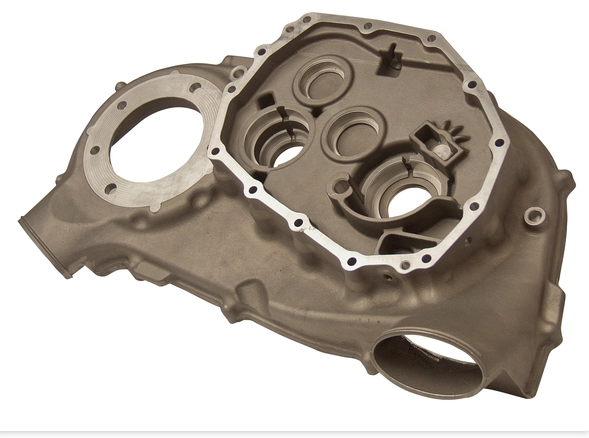
What Is Prototype Aluminum Casting?
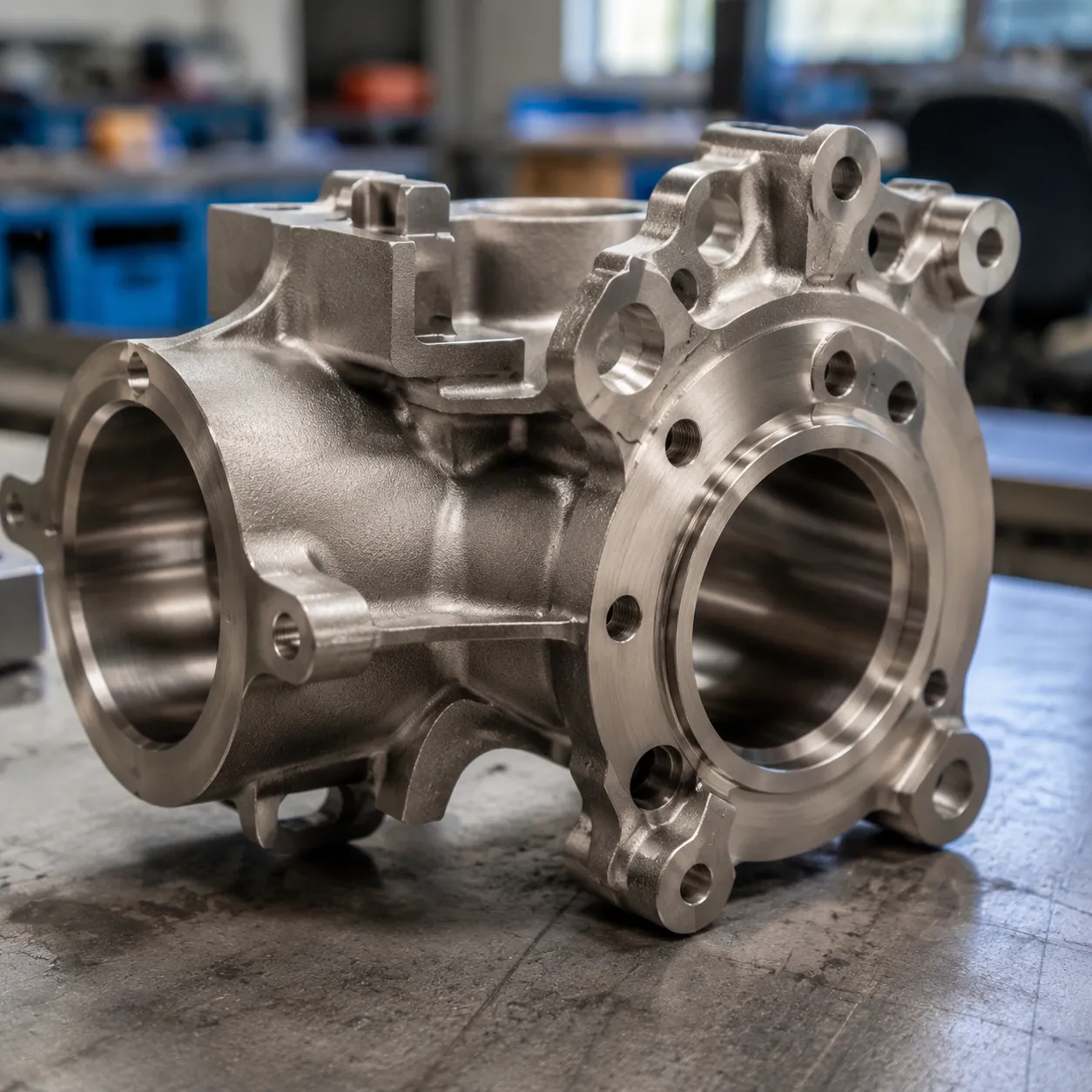
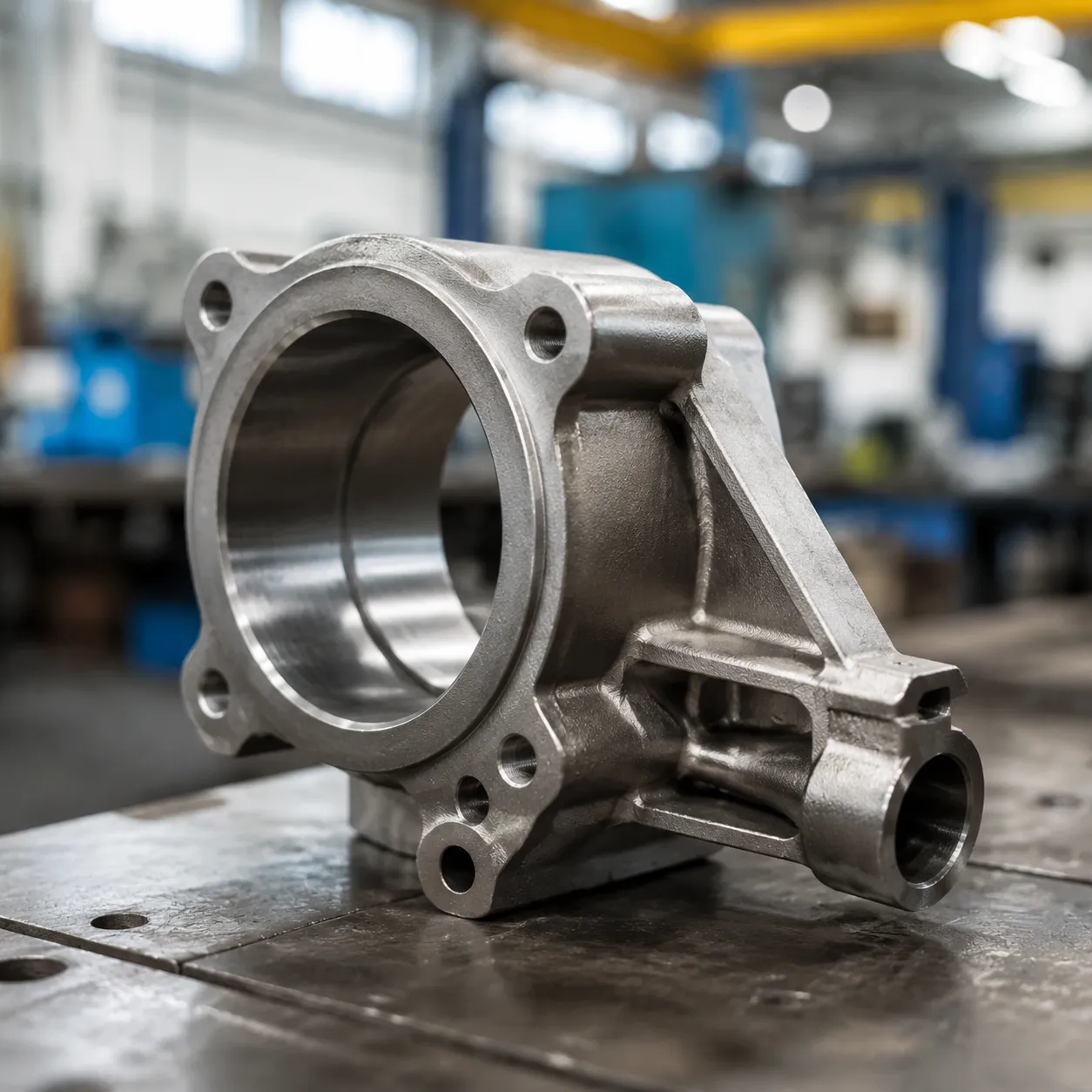
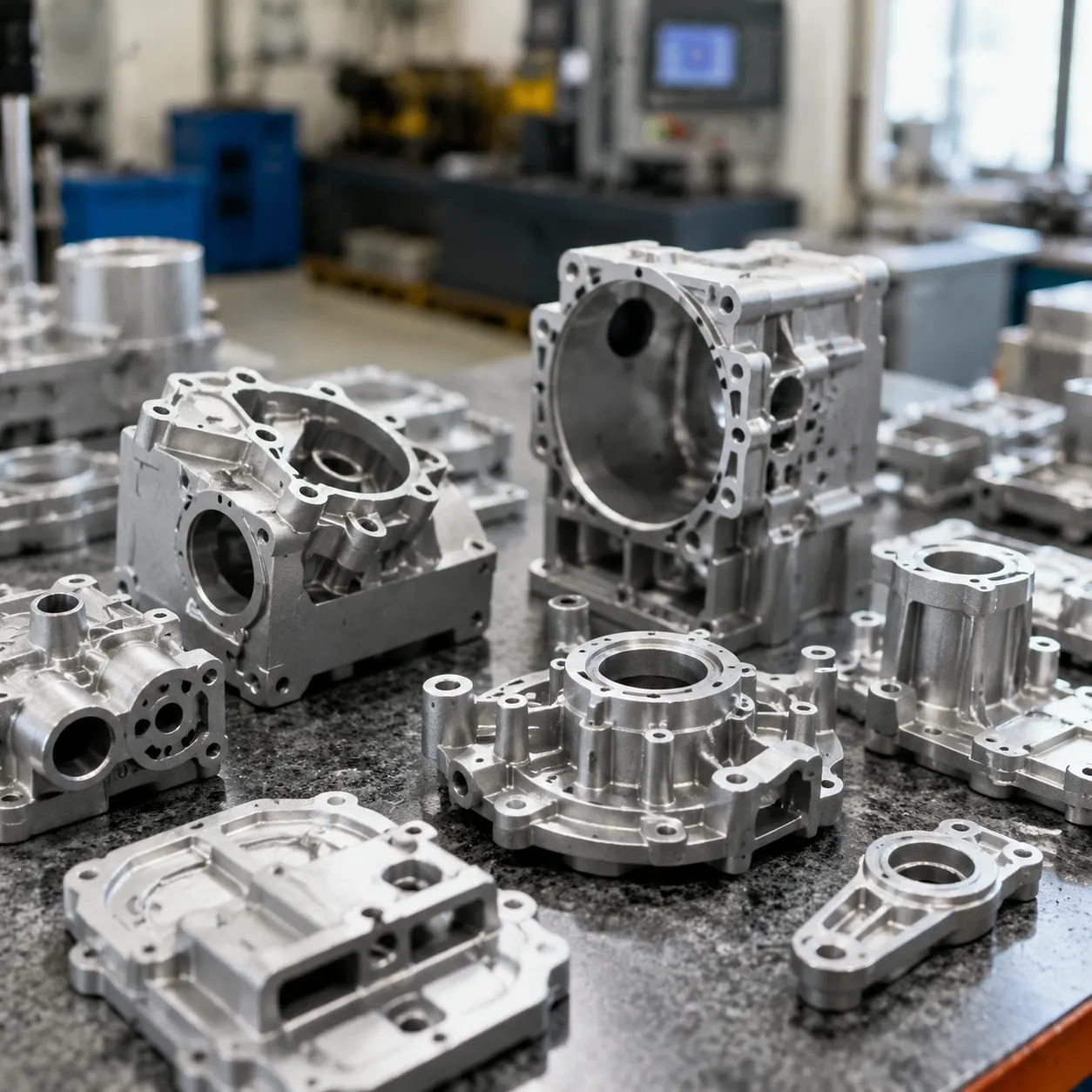
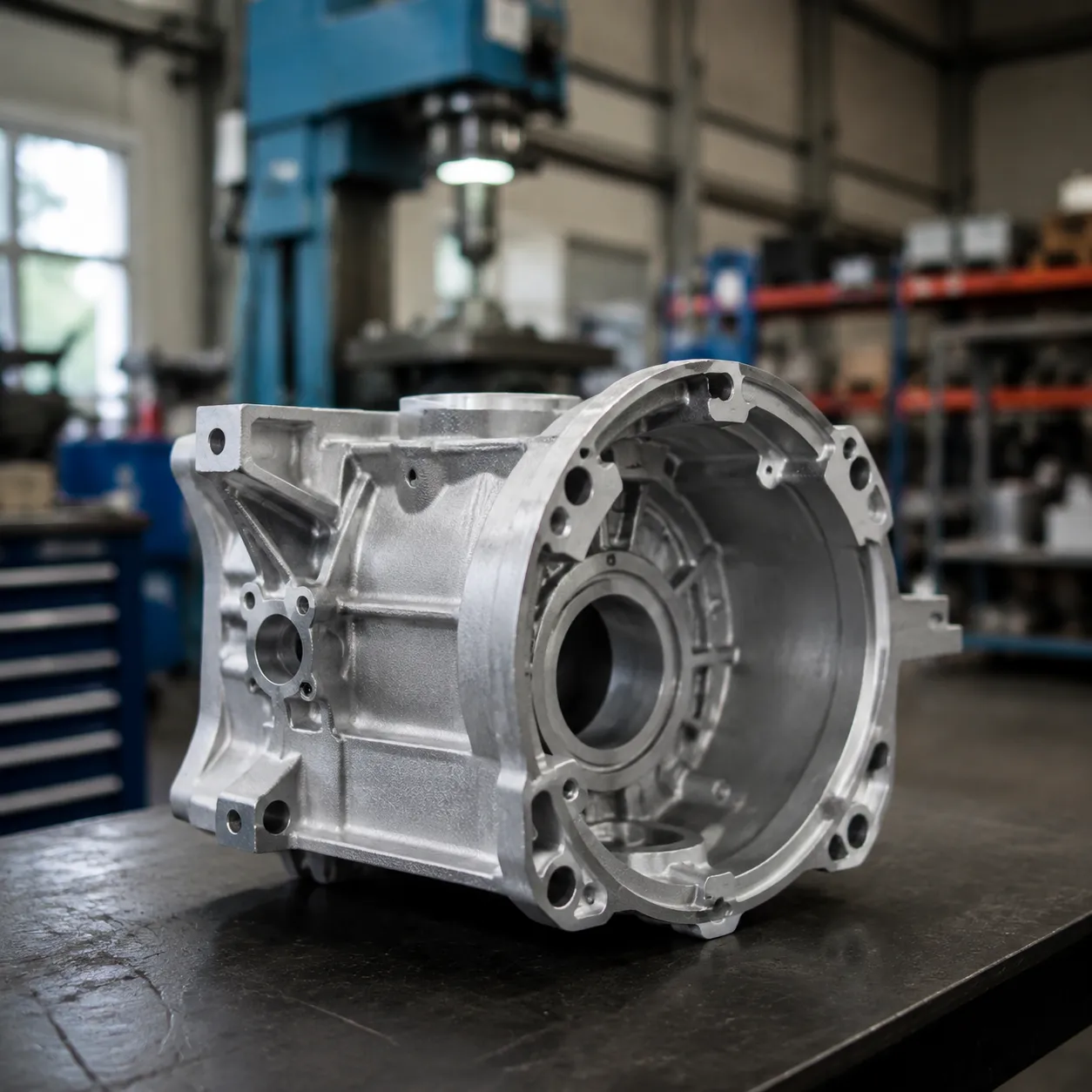
Prototype aluminum casting is how I turn your early CAD into real, functional aluminum prototypes that behave like production parts. Instead of only seeing a digital model, you get a castable material you can bend, torque, pressure-test, and install in real assemblies.
Clear Definition for Engineering Teams
Prototype aluminum casting means:
- Pouring molten aluminum alloys (like A356 and 319) into a mold shaped from your CAD
- Using rapid prototype casting methods (sand, investment, plaster, or rapid tooling) for quick turn parts
- Delivering cast aluminum prototypes that replicate production-like geometry, wall thickness, and mechanical behavior
In simple terms: it is refined aluminum casting optimized for speed, low volume, and design learning—not just mass production.
How It Supports Design Validation
I use prototype aluminum casting to help you:
- Validate fit, form, and function in real assemblies
- Check cooling, flow, and structural performance under realistic loads
- Prove out ribs, fillets, draft, and bosses before you lock in tools
- Run DFM for aluminum casting early, so production tooling is right the first time
You get real-world feedback quickly, then iterate fast with updated casting prototypes.
Prototype Casting vs. CNC and 3D Printing
| Method | Best For | Key Trade-offs |
|---|---|---|
| Prototype aluminum casting | Functional cast-like prototypes | Production-like geometry & properties; ideal for bridge production casting |
| CNC machining | Simple geometries from billet | Excellent accuracy, but costly for complex shapes and not casting-realistic |
| 3D printing (metal/polymer) | Very early concept checks, complex shapes | Great for visual/proof-of-concept, but different microstructure than casting |
When you need functional aluminum prototypes that behave like final engineered aluminum cast components, prototype aluminum casting is the closest match.
Why Buyers Search for Prototype Aluminum Casting
If you’re searching terms like “prototype aluminum casting services”, “rapid aluminum casting”, or “quick turn aluminum castings”, you’re usually looking to:
- Get low-risk, low-volume aluminum casting before committing to full tooling
- Confirm mechanical performance before production release
- Compare lead times, pricing, and MOQs from an industrial aluminum casting supplier
- Find a partner who can scale from casting prototype services to production
At vastmaterial, I position prototype aluminum casting as a transaction-ready service: you send CAD, I review DFM, quote fast, and deliver rapid turn aluminum prototypes that de-risk your production program.
Prototype Aluminum Casting Benefits
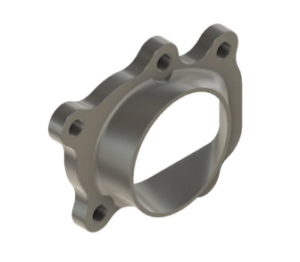
When I use prototype aluminum casting, I’m focused on speed, real‑world performance, and keeping costs tight for U.S. engineering teams.
Faster Turnaround And Quick Iteration
Prototype aluminum casting lets me move from CAD to functional aluminum prototypes in days, not months. With rapid prototype casting and quick turn aluminum castings, I can:
- Test multiple design versions in parallel
- Validate fit, form, and function before locking tooling
- Hit tight launch dates without risking full production tools
Cost-Effective Low-Volume And One-Off Parts
For low-volume aluminum casting and one-off cast aluminum prototypes, I keep tooling simple and scalable. This cuts upfront costs while still delivering reliable casting quality.
| Volume Need | Best Fit | Benefit |
|---|---|---|
| 1–10 parts | Prototype metal casting | Lowest startup cost |
| 10–100 parts | Low volume aluminum casting | Better cost per part |
| Bridge production | Rapid aluminum casting | Smooth ramp to mass production |
Production-Like Mechanical Properties
Unlike many plastic or non-metal rapid prototyping methods, prototype aluminum casting delivers functional aluminum prototypes with production-like mechanical properties:
- Realistic strength, stiffness, and fatigue behavior
- True heat dissipation for thermal testing
- Reliable performance for load, vibration, and impact tests
This makes cast aluminum prototypes ideal when you need refined aluminum casting performance before committing to final tools.
Better Accuracy And Surface Finish For Testing
With the right process and DFM for aluminum casting, I can hit tighter dimensions and cleaner surfaces than basic sand casting alone:
- Improved dimensional accuracy for assemblies and sealing surfaces
- Smoother finishes that reduce downstream machining
- More consistent results for validation and quality checks
For critical medical or precision components, I often combine prototype aluminum casting with the same mindset used in our precision implant casting work to keep tolerances and finish under control.
Bridging Design To Full Production
Prototype aluminum casting is my go-to bridge between early design and full-scale industrial aluminum casting:
- Validate geometry, wall thickness, and draft with real castable material
- De-risk production tooling decisions using rapid prototype casting data
- Scale up from casting prototype services to long-run bridge production casting with minimal redesign
This “casting evolution” from prototype aluminum casting to production saves time, cuts rework, and keeps programs on schedule.
Prototype Aluminum Casting Processes
Sand Casting Prototypes
For fast, affordable iterations, I rely on aluminum sand casting for prototypes. Sand casting prototypes handle bigger parts, simple geometries, and early design trials where you need a rough but functional aluminum part in days, not weeks. This rapid aluminum casting method is ideal when:
- You’re still tweaking wall thickness, rib layout, or mounting points
- You need quick turn aluminum castings to validate fit and basic performance
- Surface finish can be secondary to speed and cost
Investment Casting Prototypes
When you need detailed, thin-wall aluminum prototype casting, investment casting prototypes are the way to go. This process delivers refined aluminum casting with:
- Tight details, small features, and complex internal passages
- Better dimensional control than standard aluminum sand casting
- Strong, production-like cast aluminum prototypes for functional testing
Plaster Mold Casting
Plaster mold casting sits between sand and investment casting. I use it for high-fidelity aluminum prototype details where you want:
- Very good surface finish and crisp edges
- More detail than sand casting, but faster and cheaper than full investment
- Short-run prototype metal casting with stable, repeatable results
Rapid Prototype Casting with 3D Printed Patterns
For the fastest design-to-part cycle, I combine rapid prototype casting with 3D printed patterns and rapid tooling. Using 3D printed patterns for casting lets us:
- Skip traditional pattern making and cut lead time way down
- Test complex geometries and undercuts that are hard to machine
- Bridge into precision aluminum casting production with the same basic process
When to Choose Each Method
- Use sand casting prototypes for large, simple parts and low-cost feasibility checks
- Use investment casting prototypes for thin-wall, high-detail, functional aluminum prototypes
- Use plaster mold casting when you need better finish and detail without full investment cost
- Use rapid prototype casting with 3D printed patterns when speed, design freedom, and quick iteration matter most for your prototype aluminum casting project
Prototype Aluminum Casting Materials and Alloys
For prototype aluminum casting, I focus on alloys that balance castability, strength, and speed to parts in hand. The most common options for functional aluminum prototypes are A356 and 319, because they’re proven, available, and easy to take into production.
- A356 aluminum prototype casting – Great all-around alloy for rapid aluminum casting. It offers high strength-to-weight, good elongation, and excellent response to heat treatment (T6). I use A356 when customers need cast aluminum prototypes that closely match production mechanical properties for fatigue, pressure, or structural testing.
- 319 aluminum casting alloy – Better for elevated temperature and good dimensional stability. I recommend 319 when you’re prototyping engine components, brackets near heat sources, or industrial housings that will see thermal cycling.
When we pick alloys for aluminum prototype casting, we look at mechanical properties that actually matter in testing:
- Yield and tensile strength for load-bearing prototype metal casting
- Elongation for impact and fatigue behavior
- Hardness and wear resistance for sliding or mating components
Aluminum’s natural benefits—lightweight, corrosion-resistant, and high strength-to-weight—are why I lean on it for rapid prototype casting in automotive, aerospace, and marine environments. For example, when we support marine and coastal projects, we match alloys and finishes to salt-spray and corrosion demands, similar to how we approach parts for marine engineering applications.
If your project needs something more specific, I can source custom aluminum alloy prototypes tuned for:
- Higher temperature stability
- Better corrosion resistance
- Improved machinability
- Tighter fatigue requirements
Alloy choice has a direct impact on prototype aluminum casting performance: it affects how the metal fills the mold, how much porosity we need to control, the achievable wall thickness, and how well the part responds to heat treatment and machining. By locking in the right alloy early, we make sure your quick turn aluminum castings behave like your final production parts, not just look like them.
Prototype Aluminum Casting Applications
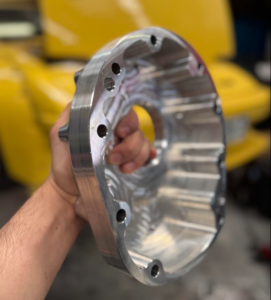
Prototype aluminum casting gives our U.S. customers real, functional parts they can beat up in testing before committing to full tooling. I use prototype aluminum casting when teams need production‑like results fast, without tying up big budgets.
Automotive Aluminum Prototype Casting
For automotive programs, I support:
- Engine and powertrain cast aluminum prototypes (housings, covers, brackets, intake components)
- Suspension and chassis brackets where strength‑to‑weight matters
- Transmission and drivetrain prototype metal casting for fit and NVH checks
Using rapid aluminum casting and A356 aluminum prototype casting, you get realistic material behavior for track, dyno, and durability testing.
Aerospace & Defense Aluminum Prototypes
For aerospace and defense customers, aluminum prototype casting is ideal for:
- Lightweight structural brackets, mounts, and housings
- Environmental and vibration test samples for avionics and defense systems
- Rapid prototype casting for flight‑like hardware in low quantities
We lean on refined aluminum casting, tight process control, and, when needed, precision casting services to hit demanding specs.
Industrial Machinery & Equipment
Industrial OEMs use our aluminum prototype casting services for:
- Gearbox housings, pump bodies, and motor mounts
- Custom machine frames, guards, and covers
- Low volume aluminum casting to bridge pilot lines and early production
Quick turn aluminum castings help you validate clearances, mounting points, and real‑world loads before you lock in production tooling.
Electronics Housings & Consumer Products
For electronics and consumer brands, aluminum prototype casting works well for:
- EMI‑shielded electronics housings and enclosures
- Heat‑dissipating chassis, heat sinks, and mounting plates
- Cast aluminum prototypes for wearables, tools, appliance components
With aluminum sand casting or investment casting prototypes, we can dial in aesthetics and functionality so you can test, demo, and present to stakeholders with confidence.
Medical & Precision Prototype Aluminum Casting
Medical device and precision markets rely on our aluminum prototyping when they need:
- Surgical tool components, instrument housings, and lightweight structural parts
- Imaging and diagnostic equipment brackets and frames
- Tight‑tolerance cast aluminum prototypes ready for secondary machining
By combining prototype aluminum casting with CNC finishing, we deliver functional aluminum prototypes that meet strict validation and regulatory test requirements.
Prototype Aluminum Casting Process Workflow
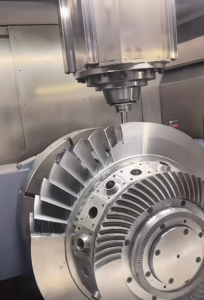
From CAD File to Cast Prototype
For prototype aluminum casting, everything starts with your CAD file. You send us a solid model (STEP, IGES, or native files), and we translate it into a casting-ready design. At this stage we check basic details like units, scale, parting lines, and whether you need sand casting prototypes, investment casting prototypes, or another rapid prototype casting method based on your timeline and part geometry.
DFM Review for Prototype Aluminum Casting
Next, we run a focused DFM for aluminum casting review. We look at:
- Minimum wall thickness, ribs, and bosses for castable material flow
- Draft angles and radii so the pattern releases cleanly
- Gating, risers, and feed paths to reduce porosity and misruns
- Areas that may need machining stock or tighter tolerances
You get clear feedback and suggestions so your aluminum prototype casting is reliable, repeatable, and ready for quick turn aluminum castings in the U.S. market.
Pattern and Tooling Creation
Once the design is locked, we move into pattern and tooling:
- Traditional patterns for repeatable prototype aluminum casting services
- Rapid tooling with CNC or urethane for low volume aluminum casting
- 3D printed patterns for casting and cores when you need complex geometry fast
This is where rapid prototype casting really pays off: we can build patterns quickly, tune them, and get you cast aluminum prototypes without committing to full production tooling. When your project also needs other metals or assemblies, we tie this work into our broader casting and machining services for a smooth launch.
Mold Prep, Melting, and Pouring
With patterns ready, we prepare the mold and pour the metal:
- Mold preparation with sand, investment, or plaster mold casting depending on the process
- Correct venting and mold coatings to improve fill and surface finish
- Controlled aluminum melting and alloy verification (such as A356 and 319)
- Precise pouring and cooling cycles to hit the required mechanical properties
This step turns your modeled part into a physical, refined aluminum casting that you can test under real-world conditions.
Finishing, Machining, and Inspection
After solidification, we cut gates, shot blast, and clean up the castings. From there, we handle:
- CNC machining for critical features and tight tolerances
- Heat treatment, deburring, and surface finishing as needed
- Dimensional inspection, functional checks, and documentation
Every prototype aluminum casting run includes inspection reports so you can validate the design, compare revs, and confidently move from casting prototype to bridge production casting or full-scale runs.
Prototype Aluminum Casting Technical Capabilities

When you prototype with aluminum casting, you want to know exactly what’s possible. Here’s how I usually set expectations for US engineering teams on size, accuracy, finish, and testing.
Part Size Range & Weight Limits
We handle a wide range of aluminum prototype casting sizes so you can validate real parts, not just samples.
| Capability | Typical Range (Prototype Aluminum Casting) |
|---|---|
| Max part length | Up to ~40–48 in (process‑dependent) |
| Min part length | ~0.5–1 in features |
| Weight per part | ~0.1 lb to 80+ lb (aluminum sand casting) |
| Wall thickness | ~0.08–0.12 in (investment / plaster) |
- Larger, heavier parts usually go to aluminum sand casting.
- Thin‑wall, detailed parts fit best with investment casting prototypes or plaster mold casting.
Tolerances For Aluminum Prototype Casting
Tolerances depend on process, size, and geometry, but for rapid prototype casting we target:
| Process | Typical Tolerance Range* |
|---|---|
| Aluminum sand casting | ±0.010–0.020 in/in (min ±0.010–0.030 in) |
| Investment casting prototypes | ±0.004–0.008 in/in |
| Plaster mold casting | Similar to or better than sand, tighter on details |
*Tighter callouts may need secondary machining.
- For critical fits, I always recommend machining critical bores, sealing surfaces, and datum features.
- We apply practical DFM for aluminum casting so your tolerances match what the process can really hold.
Surface Finish & Secondary Operations
Surface finish is a big deal when you’re testing functional aluminum prototypes and customer‑facing parts.
| Option | Typical Result |
|---|---|
| As-cast (sand) | ~250–400+ μin Ra |
| As-cast (investment) | ~125–200 μin Ra |
| Media blast / bead | Uniform matte surface |
| Light machining | ~63–125 μin Ra |
| Precision machining | ~16–32 μin Ra |
Common secondary operations for cast aluminum prototypes:
- CNC machining of critical features and mounting interfaces
- Tapping, drilling, and thread inserts
- Deburr, tumble, media blasting, and polishing
- Assembly and test fit with mating components
Heat Treatment, Machining & Anodizing
To match production performance, we support full post‑processing on cast aluminum prototypes:
- Heat treatment: T5/T6 heat treat on alloys like A356 to dial in strength, hardness, and fatigue life.
- Precision machining: 3‑axis and 5‑axis machining for tight fits, sealing faces, and complex geometry.
- Surface conversion:
- Anodizing (clear or color) for wear and corrosion resistance
- Chemical film / chromate conversion (e.g., Alodine) for conductivity and paint adhesion
- Powder coat or wet paint for cosmetic prototype aluminum castings
This combination gives you production‑like, functional aluminum prototypes ready for lab or field testing.
Quality Control, Certifications & Testing
For US customers in automotive, aerospace, and industrial markets, consistent quality and traceability matter more than anything.
Typical quality control support for prototype aluminum casting:
- Dimensional inspection with calibrated tools and CMM
- Material certifications and heat lot traceability
- Mechanical testing (tensile, hardness, impact) when you need data to match your FEA
- NDT options: X‑ray, dye penetrant, and other methods as required for critical castings
For aerospace‑grade or defense work, we align our prototype aluminum casting services with the same mindset as an ISO-focused aerospace casting program, so your early parts don’t become a weak link later in production.
These technical capabilities let us deliver rapid aluminum casting that is realistic enough to make confident design and sourcing decisions before you commit to full tooling.
Choosing a Prototype Aluminum Casting Supplier
When you’re choosing a prototype aluminum casting supplier, you’re really picking a development partner, not just a job shop. I always look at three things first: technical depth, speed, and how well they handle change.
How to evaluate prototype aluminum casting services
For rapid prototype casting and aluminum prototype casting, I’d vet a supplier on:
- Proven experience with aluminum sand casting, investment casting prototypes, and low volume aluminum casting
- Ability to deliver quick turn aluminum castings with production-like tolerances and properties
- In-house DFM for aluminum casting so issues are caught before you cut patterns or rapid tooling
- A track record as an industrial aluminum casting supplier for automotive, aerospace, and electronics customers
If you need complex alloys or tighter specs, a partner that already runs custom aluminum casting for precision parts is usually a safer bet.
Key questions to ask a prototype aluminum casting partner
Before you award a project, I’d ask:
- Which prototype aluminum casting services do you offer (sand, investment, plaster mold, rapid prototype casting)?
- What aluminum casting alloys do you support (A356 aluminum prototype casting, 319 aluminum casting alloy, etc.)?
- What are your typical tolerances, minimum wall thickness, and surface finish on cast aluminum prototypes?
- Can you handle engineering changes mid-build and turn around revised rapid turn aluminum prototypes fast?
- How do you inspect and validate parts (CT, CMM, tensile tests, certificates, PPAP if needed)?
You want honest, specific answers backed by sample reports, not general promises.
Lead times, pricing, and MOQs for aluminum prototype casting
For U.S. programs, timing and cost usually decide who wins the work:
- Typical lead time for functional aluminum prototypes: 1–3 weeks for sand casting prototypes, 2–4 weeks for investment casting prototypes
- Pricing should clearly break out pattern/rapid tooling, piece price, machining, and finishing
- MOQs for prototype metal casting should be flexible: 1–10 pieces for early builds, 20–100 for bridge production casting
- Look for “step pricing” that rewards repeat orders without forcing big upfront commitments
If a supplier can’t give you a clear prototype aluminum casting quote structure, changes will get expensive later.
Support for engineering changes and design revisions
On real programs, the CAD never stays frozen. I expect a prototype aluminum casting partner to:
- Accept revised CAD and 2D quickly and confirm changes in writing
- Update 3D printed patterns for casting or rapid tooling without resetting the entire schedule
- Suggest design tweaks (DFM for aluminum casting) when they see porosity risk, thin ribs, or hard-to-fill features
- Store your tooling data so future iterations and bridge production casting run faster
Change-friendly suppliers help you iterate faster without blowing up budget or timeline.
Scalability from prototype to production casting
Finally, make sure your prototype aluminum casting services scale:
- Can they ramp from 5–10 cast aluminum prototypes to hundreds or thousands of parts without changing the casting process?
- Do they support heat treating, machining, and finishing in line with your long-term specs and your chosen alloy?
- Are they ISO certified and comfortable with PPAP, FAIRs, and ongoing quality audits?
- Can they shift from rapid aluminum casting patterns to durable production tooling while holding the same quality targets?
When a supplier plans this “casting evolution” from day one, your refined aluminum casting program moves from prototype to production with fewer surprises.
Prototype Aluminum Casting FAQs
Typical lead time for prototype aluminum casting projects
For most prototype aluminum casting projects, I quote lead times of about 2–3 weeks from final CAD approval to shipment.
- Simple sand casting prototypes can ship in as fast as 7–10 business days.
- More complex investment casting prototypes with heat treatment and machining usually run 3–4 weeks.
- Rush “rapid aluminum casting” slots are sometimes available at a premium when you need quick-turn aluminum castings for validation builds.
Cost factors in prototype aluminum casting quotes
Your prototype aluminum casting quote is driven by a few core factors:
- Part geometry and size – larger, thicker parts use more metal and molding material.
- Casting process – sand casting prototypes are usually cheaper than investment or plaster mold casting.
- Tooling and pattern type – permanent tooling costs more upfront; 3D printed patterns or rapid tooling lower startup cost for low volume aluminum casting.
- Tolerances and finish – tighter tolerances, machining, and cosmetic finishing add cost.
- Quantity – cost per part drops quickly when we cast small batches instead of one-off cast aluminum prototypes.
Design guidelines for prototype aluminum cast parts
When we review DFM for aluminum casting, we focus on:
- Smooth transitions between sections to avoid hot spots and shrink.
- Consistent wall thickness wherever possible.
- Proper gating and riser access so the aluminum fills cleanly.
Strong DFM up front keeps rapid prototype casting fast, predictable, and closer to production behavior.
Minimum wall thickness and draft angles for aluminum prototypes
For most prototype metal casting work in aluminum:
- Minimum wall thickness:
- Sand casting prototypes: typically 0.16–0.20 in (4–5 mm).
- Investment casting prototypes: down to about 0.08–0.10 in (2–2.5 mm), depending on size and geometry.
- Draft angles:
- I recommend at least 1–2° draft on external walls and 2–3° on internal walls for aluminum sand casting.
- Investment casting can sometimes run with less draft, but we still like 1° where the geometry allows.
File formats and data needed to start prototype aluminum casting
To kick off prototype aluminum casting services quickly, I typically ask for:
- 3D CAD: STEP (.step / .stp), IGES, or native SolidWorks.
- 2D drawings: PDF with key dimensions, tolerances, and critical-to-function features.
- Material and process notes: target alloy (for example A356 aluminum prototype casting or 319 aluminum casting alloy), expected loads, and any test or certification requirements.
If you also need alloy guidance, my team can tie your prototype specs to the right casting materials using the same R&D mindset we apply in our investment casting materials development, so your rapid turn aluminum prototypes behave like final production parts.
Related Aluminum Prototyping Services
Beyond prototype aluminum casting, I also support full aluminum prototyping programs so you can move from idea to launch with one partner.
- Low volume aluminum casting for bridge production
When you’re past early testing but not ready for full tooling, I run low volume aluminum casting as bridge production. This lets you prove out your market, validate performance, and smooth the jump into long‑term production without over‑spending up front. - Full machining and assembly for aluminum prototypes
I deliver cast aluminum prototypes fully machined, deburred, and assembled, including threaded holes, tight‑tolerance faces, and sub‑assemblies. If you need precision CNC finishing similar to dedicated aluminum die casting services with tight tolerances, I can match that look and function on your prototypes. - Material testing and validation for prototype aluminum parts
For critical programs in automotive, aerospace, or medical, I can back your prototype aluminum casting with hardness checks, tensile testing, and dimensional reports. That way your team signs off on real data, not just appearance. - Alternative rapid prototyping methods alongside aluminum casting
I often pair prototype aluminum casting with 3D printing, machining, or plastic molding so you can compare designs fast and pick the right route. This mix of rapid prototype casting options keeps you moving while we refine the castable design. - Combining casting with other manufacturing processes
As you scale, I help you transition from cast aluminum prototypes to refined aluminum casting and production methods like die casting, gravity casting, or full‑machined parts. You get one industrial aluminum casting supplier that can support development, bridge production, and long‑term manufacturing under the same roof.