
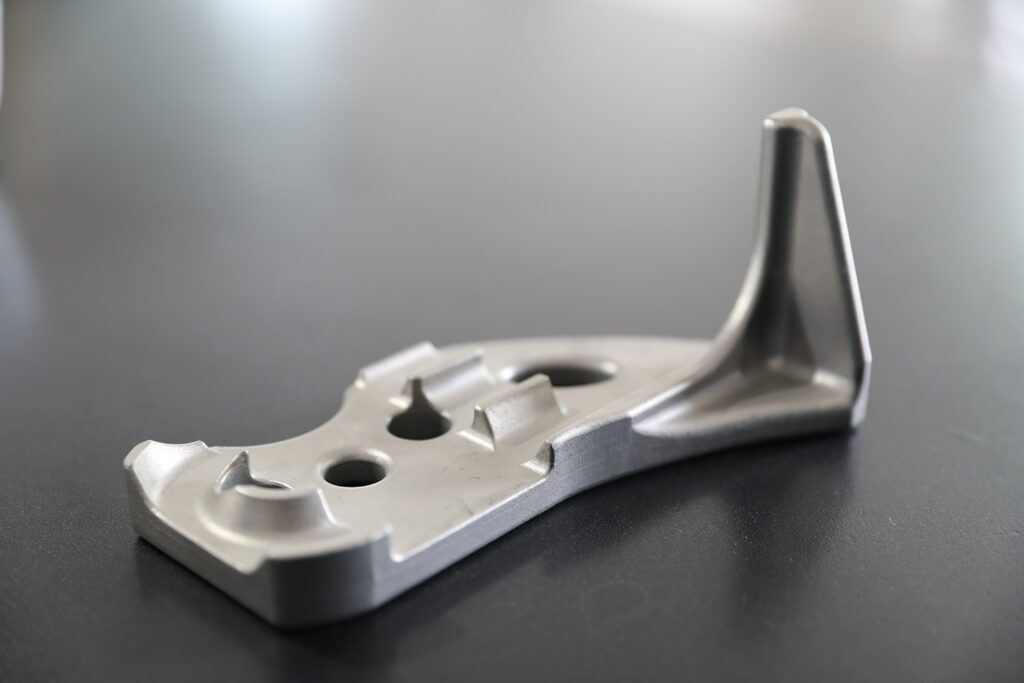
Discover the alloy steel casting process from design to CNC machining with Vastmaterial for high performance precision parts.
What Distinguishes Alloy Steel in the Casting World?
When standard components fail under extreme heat, high pressure, or corrosive environments, engineers turn to alloy steel. In our cURL Too many subrequests., we go beyond basic metallurgy. We manipulate the material’s microstructure to achieve performance metrics that plain carbon steel simply cannot match. It is not just about melting metal; it is about precise chemistry control to ensure maximum mechanical strength and durability in high-stress applications.
Carbon Steel vs. Alloy Steel Composition Breakdown
cURL Too many subrequests. malkarbonajn ŝtofojn is effective for general structural applications due to its cost-efficiency and ductility, it often lacks the specialized properties required for critical industrial parts. By introducing specific alloying elements—such as chromium, nickel, or molybdenum—we transform the base material into a high-performance solution.
| Trajto | Karbonŝtalo | Alia Ŝtalo |
|---|---|---|
| Kompado | Iron + Carbon (Mainly) | Iron + Carbon + Alloying Elements |
| cURL Too many subrequests. | Cost-effective, good weldability | Alta tensila forto, wear resistance |
| Varma Rezisto | cURL Too many subrequests. | High (maintains stability at temp) |
| Koroda Rezisto | Low (requires coating) | Enhanced (depending on grade) |
Low-Alloy vs. High-Alloy Performance Differences
Selecting the right grade is critical for balancing cost and performance. We categorize our casting capabilities into two main groups based on alloy content:
- Low-Alloy Steel: Typically contains less than 5% alloying elements. We recommend this for projects requiring superior strength and toughness compared to carbon steel, without the higher cost associated with high-grade stainless materials.
- High-Alloy Steel: Contains over 10% alloying elements. This category includes alt-temperaturaj alojoj and stainless steels. These are essential for components demanding exceptional korrodorezisto and thermal stability in harsh operating environments.
Tailoring Material Properties for Specific Industry Needs
At Vastmaterial, we do not believe in a “one size fits all” approach. Our advanced R&D team partners with clients to develop bespoke alloy compositions that meet exacting specifications. Whether you need extreme heat resistance for gas turbines or impact strength for mining equipment, we adjust the cURL Too many subrequests. to deliver the precise mechanical properties required.
Our Customization Capabilities:
- Alloy Development: Creating proprietary blends for unique operational challenges.
- Process Engineering: Optimizing the casting method (sand, pressure, or die) based on the material grade.
- Integrated Finishing: Combining metallurgical precision with our CNC-maŝinadaj servoj to ensure tight tolerances and superior surface finishes immediately after casting.
Step-by-Step: The Alloy Steel Casting Process Flow
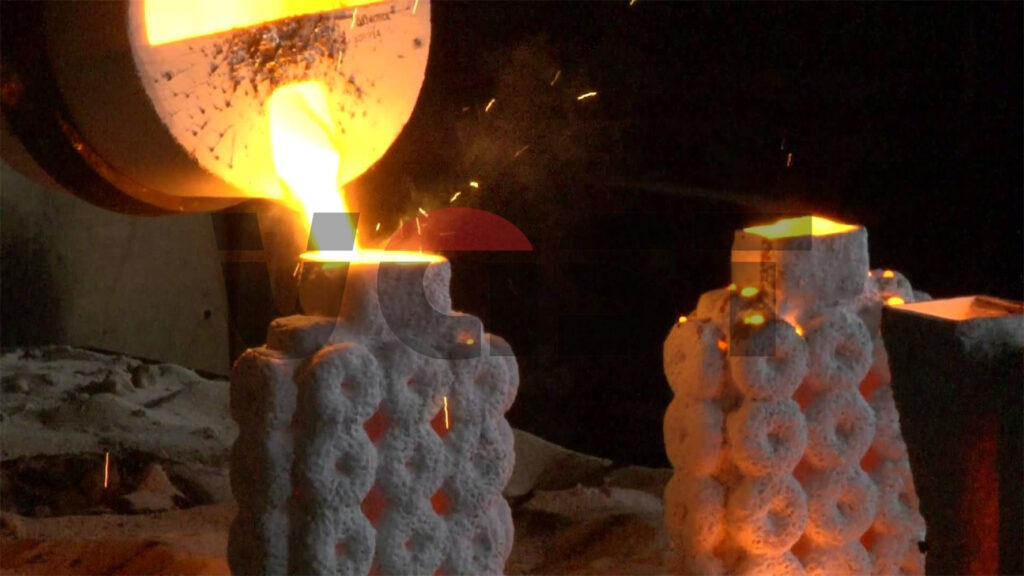
At Haoyu Material, we view the cURL Too many subrequests. as a rigorous cycle of precision engineering rather than simple manufacturing. Every stage, from the initial design to the final cool-down, is monitored to ensure the mechanical properties meet the demands of high-stress industrial environments. We don’t just pour metal; we engineer performance.
Pattern Making and Mold Development Strategies
cURL Too many subrequests.
- cURL Too many subrequests. cURL Too many subrequests.
- cURL Too many subrequests. cURL Too many subrequests.
cURL Too many subrequests. dimensiaj toleroj. cURL Too many subrequests.
cURL Too many subrequests.
cURL Too many subrequests. cURL Too many subrequests. cURL Too many subrequests.
cURL Too many subrequests. cURL Too many subrequests.. cURL Too many subrequests. cURL Too many subrequests.. cURL Too many subrequests.
cURL Too many subrequests.
cURL Too many subrequests. cURL Too many subrequests.. cURL Too many subrequests. cURL Too many subrequests. cURL Too many subrequests.
- cURL Too many subrequests. cURL Too many subrequests.
- Thermal Management: cURL Too many subrequests.
cURL Too many subrequests.
cURL Too many subrequests.
cURL Too many subrequests.
cURL Too many subrequests. surface finish, cURL Too many subrequests. cURL Too many subrequests. cURL Too many subrequests.
cURL Too many subrequests.
cURL Too many subrequests. cURL Too many subrequests. cURL Too many subrequests.
cURL Too many subrequests.
cURL Too many subrequests. cURL Too many subrequests. cURL Too many subrequests.
cURL Too many subrequests.
cURL Too many subrequests. dimensiaj toleroj, cURL Too many subrequests. cURL Too many subrequests. forces molten alloy into the mold cavity under high pressure, resulting in parts with superior surface finishes and thinner walls. This is the preferred route for high-volume production where consistency is non-negotiable. It significantly reduces the need for secondary machining, streamlining the entire manufacturing cycle. To understand how specific materials align with these production methods, you can review our comprehensive casting alloy guide.
Comparing Sand vs. Die Casting for Your Project
Deciding between these foundry capabilities often comes down to the balance between upfront cost and per-unit efficiency. Here is a quick breakdown of how we help you choose:
- cURL Too many subrequests. Die casting wins for mass production; sand casting is better for prototypes and small batches.
- Grandeco: Sand casting handles large, heavy parts; die casting is limited to smaller, lighter components.
- Finado: Die casting offers a near-net shape with smooth surfaces; sand casting usually requires more finishing.
- cURL Too many subrequests. Sand casting has lower tooling costs, while die casting offers lower per-unit costs at high volumes.
Beyond the Mold: Secondary Operations and Finishing

The raw casting is often just the starting line. To meet the strict demands of American industries, the cURL Too many subrequests. relies heavily on post-casting operations. This is where we transform a rough part into a precision component ready for assembly. We don’t just stop at the foundry floor; we refine the metal to ensure it performs exactly as intended in the field.
Heat Treatment Processes for Durability
You cannot skip this step if you want real performance. Heat treatment processes manipulate the grain structure of the steel to enhance hardness, ductility, or wear resistance. Whether we are working with complex high-alloys or standard grades, thermal cycling is key to unlocking maximum tensila forto and structural integrity.
Here is how we typically adjust properties through heat:
| Treatment | Celo | cURL Too many subrequests. |
|---|---|---|
| Annealing | Softens metal to improve machinability and reduce internal stress. | Structural brackets and housings. |
| cURL Too many subrequests. | Balances high hardness with necessary toughness to prevent brittleness. | Gears, shafts, and heavy-wear parts. |
| Normalizing | Refines grain structure for uniformity and mechanical stability. | High-stress engine components. |
Precision CNC Machining for Tight Tolerances
While modern casting methods get us to a “near-net shape,” some features require the absolute precision of a machine shop. We handle facing, boring, and threading to ensure perfect mating surfaces. Utilizing an cURL Too many subrequests. allows us to bridge the gap between the foundry and the final blueprint, ensuring that even complex geometries meet strict dimensiaj toleroj that casting alone cannot achieve.
Surface Treatments and Plating Options
The final step is protecting the investment. Alloy steel often needs a barrier against the elements to ensure long-term korrodorezisto. We tailor the surface finish based on the specific operating environment of the part.
- Zinc Plating: A cost-effective shield against rust for standard industrial parts.
- cURL Too many subrequests. Removes microscopic peaks to create a smooth, clean surface, often used in food or medical applications.
- cURL Too many subrequests. Provides a durable, aesthetic finish that withstands chipping and scratching.
- Passivation: Essential for stainless steel alloys to remove free iron and restore the protective oxide layer.
Key Industries Relying on Alloy Steel Castings
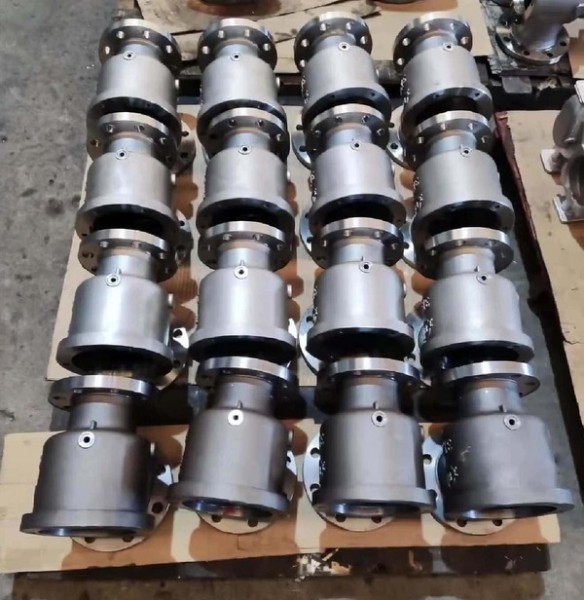
La cURL Too many subrequests. cURL Too many subrequests.
cURL Too many subrequests.
cURL Too many subrequests. tensila forto cURL Too many subrequests.
- cURL Too many subrequests. cURL Too many subrequests.
- Landing Gear: cURL Too many subrequests.
- cURL Too many subrequests. Precision investment casting cURL Too many subrequests.
cURL Too many subrequests.
cURL Too many subrequests.
cURL Too many subrequests.
- cURL Too many subrequests. cURL Too many subrequests.
- cURL Too many subrequests. cURL Too many subrequests.
- cURL Too many subrequests. cURL Too many subrequests.
cURL Too many subrequests. cURL Too many subrequests. cURL Too many subrequests.
cURL Too many subrequests.
cURL Too many subrequests.
cURL Too many subrequests. korrodorezisto.
- Valve Bodies: cURL Too many subrequests. dimensiaj toleroj cURL Too many subrequests.
- cURL Too many subrequests.cURL Too many subrequests.
- cURL Too many subrequests. cURL Too many subrequests.
cURL Too many subrequests.
cURL Too many subrequests. cURL Too many subrequests., cURL Too many subrequests.
cURL Too many subrequests.
cURL Too many subrequests. Ne-destrua testado (NDT) cURL Too many subrequests.
- cURL Too many subrequests. cURL Too many subrequests.
- cURL Too many subrequests. Detects surface and near-surface discontinuities in ferromagnetic materials.
- cURL Too many subrequests. cURL Too many subrequests. cURL Too many subrequests. cURL Too many subrequests.
cURL Too many subrequests. alloy casting foundry cURL Too many subrequests.
cURL Too many subrequests.
cURL Too many subrequests. dimensiaj toleroj cURL Too many subrequests.
This step is particularly important after secondary operations. We verify that the finished dimensions align perfectly with your CAD data, validating the precision of our CNC turning and machining services. By combining real-time monitoring with final CMM inspection, we ensure that every angle, hole, and surface meets the specified design constraints.
Material Certification and Standards Compliance
Traceability is the backbone of our quality system. We provide full documentation for every batch, certifying that the chemical composition and mechanical properties match the required cURL Too many subrequests..
- Chemical Analysis: Verifies the precise percentage of alloying elements (like chromium, molybdenum, or nickel).
- cURL Too many subrequests. Confirms tensile strength, yield strength, and elongation.
- cURL Too many subrequests. We adhere to international standards (such as ASTM, ISO, and DIN) to ensure your parts are compliant for global markets.
We ensure that the material you specify is exactly what you get, providing the data needed to satisfy your own quality audits and industry regulations.
FAQs About the Alloy Steel Casting Process
How does alloy composition affect casting quality?
The specific chemical mix is the blueprint for performance. In the cURL Too many subrequests., tweaking elements like carbon, chromium, or molybdenum directly impacts the final tensila forto, hardness, and corrosion resistance. If the balance is off, the part fails. We strictly monitor cURL Too many subrequests. to ensure the material properties align perfectly with your industrial application, whether it requires high heat tolerance or extreme durability.
What is the typical lead time for alloy steel parts?
Timelines depend heavily on complexity and volume. A standard project involves pattern making, casting, and finishing. Simple parts move faster, while complex geometries requiring intricate cURL Too many subrequests. or secondary CNC-maŝinadaj servoj naturally take a bit longer. We focus on efficient production management systems to minimize downtime, ensuring you get your parts as fast as possible without sacrificing precision.
Can alloy steel castings be welded?
Yes, most are weldable, but the approach depends on the grade. Low-carbon alloys are generally easier to weld, while high-alloy steels often require pre-heating and post-weld heat treatment to prevent cracking. For critical components like kustomizitaj alloy-ŝtonaj flanĝoj, we ensure the material composition supports strong, reliable welds so they integrate seamlessly into your piping or structural systems.
What are the most common defects in alloy steel casting?
The main issues we watch for are cURL Too many subrequests., shrinkage cavities, and inclusions. These usually stem from trapped gas or uneven cooling during solidification. To combat this, we employ rigorous Ne-destrua testado (NDT) protocols. By catching these imperfections early, we guarantee that every component delivered meets strict structural integrity standards.