Investment Casting Tolerances
Achieving precise specifications is the cornerstone of high-quality manufacturing. Understanding investment casting tolerance is critical for designing parts that fit perfectly, function reliably, and meet the rigorous demands of the global market. Tolerance dictates the acceptable boundaries of dimensional variation, directly impacting both the performance and the production cost of your components.
What is Investment Casting Tolerance?
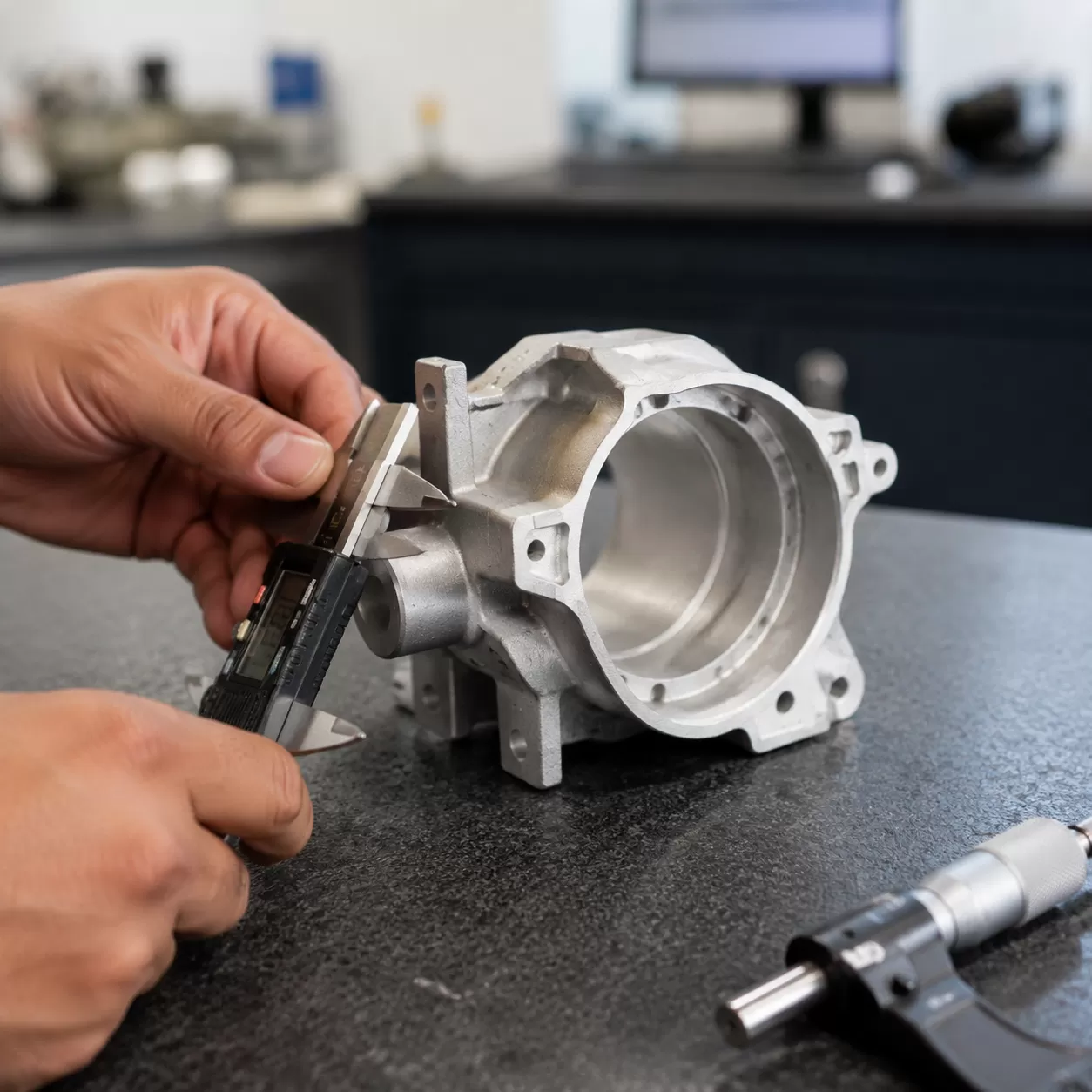
In the manufacturing world, investment casting tolerance refers to the allowable limit or margin of error in the physical dimensions of a cast metal part. Because metal expands when heated and shrinks as it cools, achieving absolute perfection is physically impossible. Instead, dimensional tolerances establish a specific acceptable range. By defining these boundaries, engineers ensure that components will assemble correctly and function exactly as intended under real-world conditions.
Standard vs. Premium Tolerances
When specifying dimensional tolerances for your project, you typically choose between two main classifications. Selecting the right tier depends entirely on your project's functional requirements and budget constraints.
- Standard Tolerances: These represent the normal, expected variations achievable during the standard casting process. They are highly cost-effective, easy to produce in high volumes, and perfectly suitable for the vast majority of industrial applications.
- Premium Tolerances: When precision is non-negotiable, premium tolerances come into play. These are significantly tighter than standard tolerances and require meticulous process control, advanced shell materials, and highly monitored cooling rates. While they carry a higher upfront cost, premium tolerances often eliminate the need for expensive secondary machining operations.
Linear Dimensional Tolerances
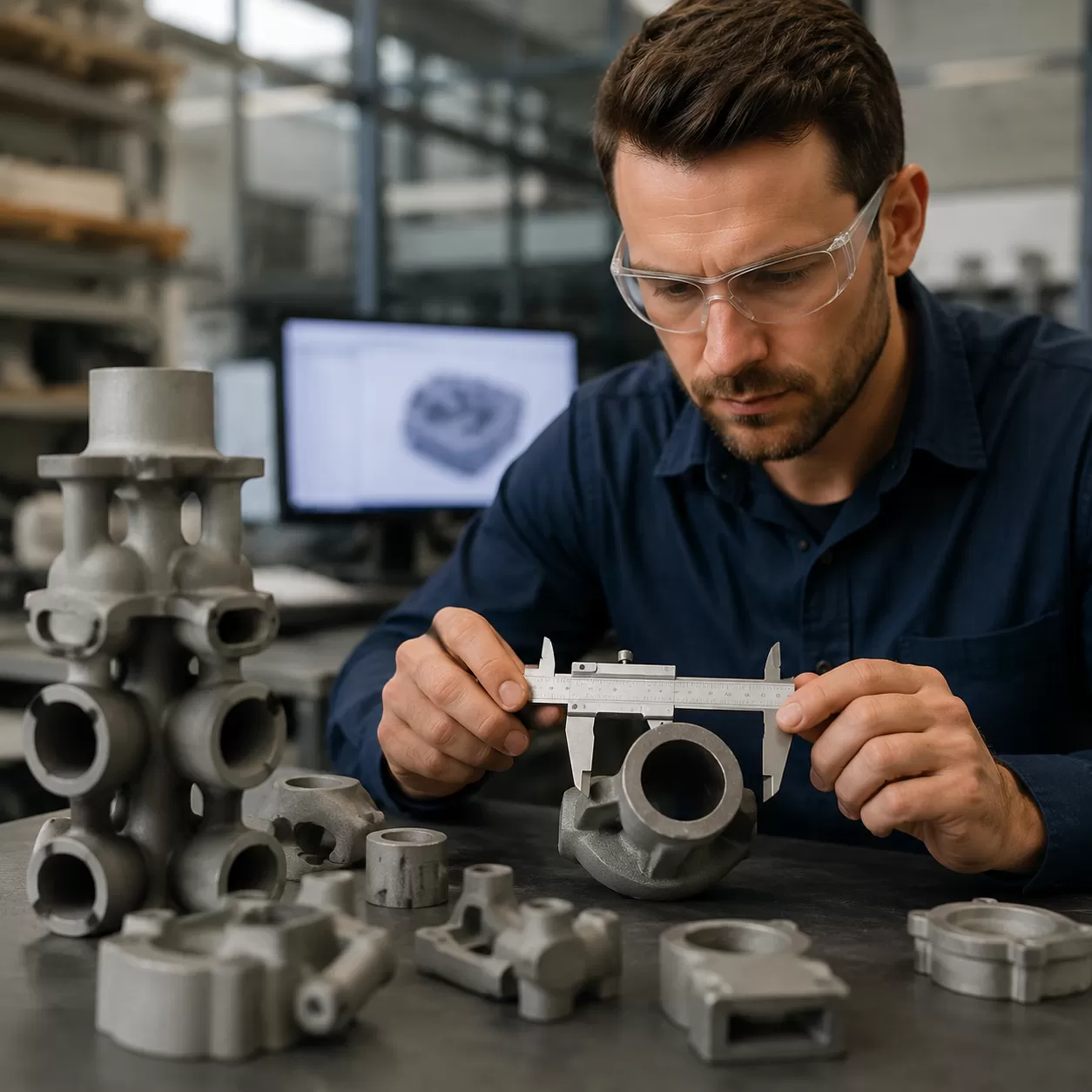
When we talk about investment casting tolerance, linear dimensional tolerances are usually the first thing that comes to mind. These tolerances dictate the acceptable variance in the length, width, and depth of a cast part. As an experienced casting foundry, we know that getting these dimensions right is critical for ensuring your parts fit together perfectly without excessive rework.
We generally divide these dimensional tolerances into two main categories based on your project requirements and budget.
Standard Linear Tolerances
Standard tolerances are the baseline for the investment casting process. They offer a great balance between accuracy and production costs, making them ideal for the majority of commercial and industrial applications.
- Cost-Effective: Keeps manufacturing costs down by reducing the need for specialized mold adjustments.
- Typical Variance: Generally falls around ±0.13 mm for every 25 mm (±0.005 inches per inch).
- Best For: General machinery, hardware, and automotive parts where extreme precision is not the primary concern.
Premium Linear Tolerances
When your project demands higher precision, premium tolerances come into play. Achieving these tighter specs requires stricter process controls, optimized wax patterns, and sometimes specialized ceramic shell materials.
- High Precision: Narrows the acceptable variance down to roughly ±0.08 mm to ±0.10 mm for every 25 mm (±0.003 to ±0.004 inches per inch).
- Increased Effort: Requires intensive monitoring and frequent tooling adjustments, which increases the overall part cost.
- Best For: Aerospace, medical devices, and defense applications where even the slightest deviation can cause a system failure.
By understanding the difference between standard tolerances and premium tolerances, you can make better decisions for your specific casting projects, balancing perfectly between performance and budget.
Geometrical Casting Tolerances
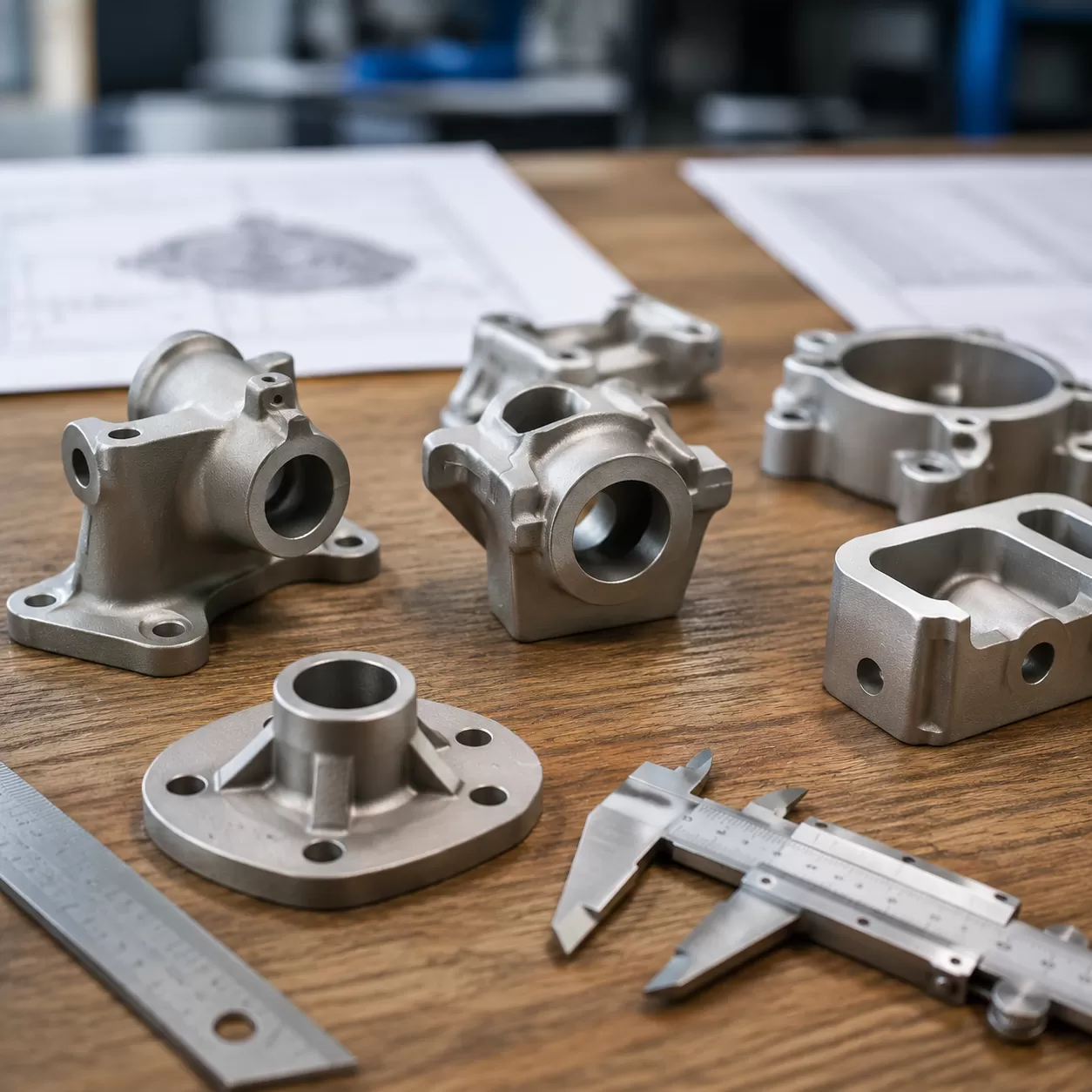
While linear measurements dictate basic sizing, geometric tolerances define the true form, profile, and orientation of your parts. Managing these is a crucial aspect of controlling the overall investment casting tolerance, ensuring that complex parts fit perfectly into their final assemblies without interference.
Straightness, Flatness, and Parallelism
Controlling straightness tolerances and flatness tolerances can be challenging due to the natural cooling and shrinking of the molten metal. Thinner walls or long, flat sections are especially prone to slight bowing.
- Straightness: Typically held to ±0.005 inches per inch of length.
- Flatness: Varies based on the surface area; larger planes naturally require slightly more generous allowances.
- Parallelism: Kept tight by stabilizing the wax pattern and employing careful shell-building techniques.
If a design demands absolutely perfect parallel surfaces or zero bowing, we often recommend casting with standard allowances and using secondary CNC titanium machining services or similar finishing methods to precisely dial in those critical mating surfaces.
Roundness and Concentricity
When producing shafts, rings, or tubular shapes, uneven cooling can occasionally cause slight ovality.
Roundness: Measured as the difference between the maximum and minimum radii. Solid parts maintain roundness better than hollow ones.
Concentricity: Critical when multiple cylindrical features share the exact same center axis. We design our gating systems to promote uniform cooling, which heavily minimizes distortion and helps maintain tight concentricity.
Angular and Perpendicularity Tolerances
Angles in investment casting are generally highly stable. We typically hold angular tolerances to ±0.5 degrees, depending heavily on the part's overall geometry and thickness.
- Perpendicularity (Squareness): Ensuring 90-degree corners stay true requires careful control of the initial wax injection mold.
- Prevention: Support ribs and strategic gating are often used to prevent angle distortion during the metal solidification phase.
Whether comparing these metrics to an industrial die casting process or traditional machining, understanding geometrical limits ensures you get a functional part right out of the mold.
Other Key Tolerance Considerations
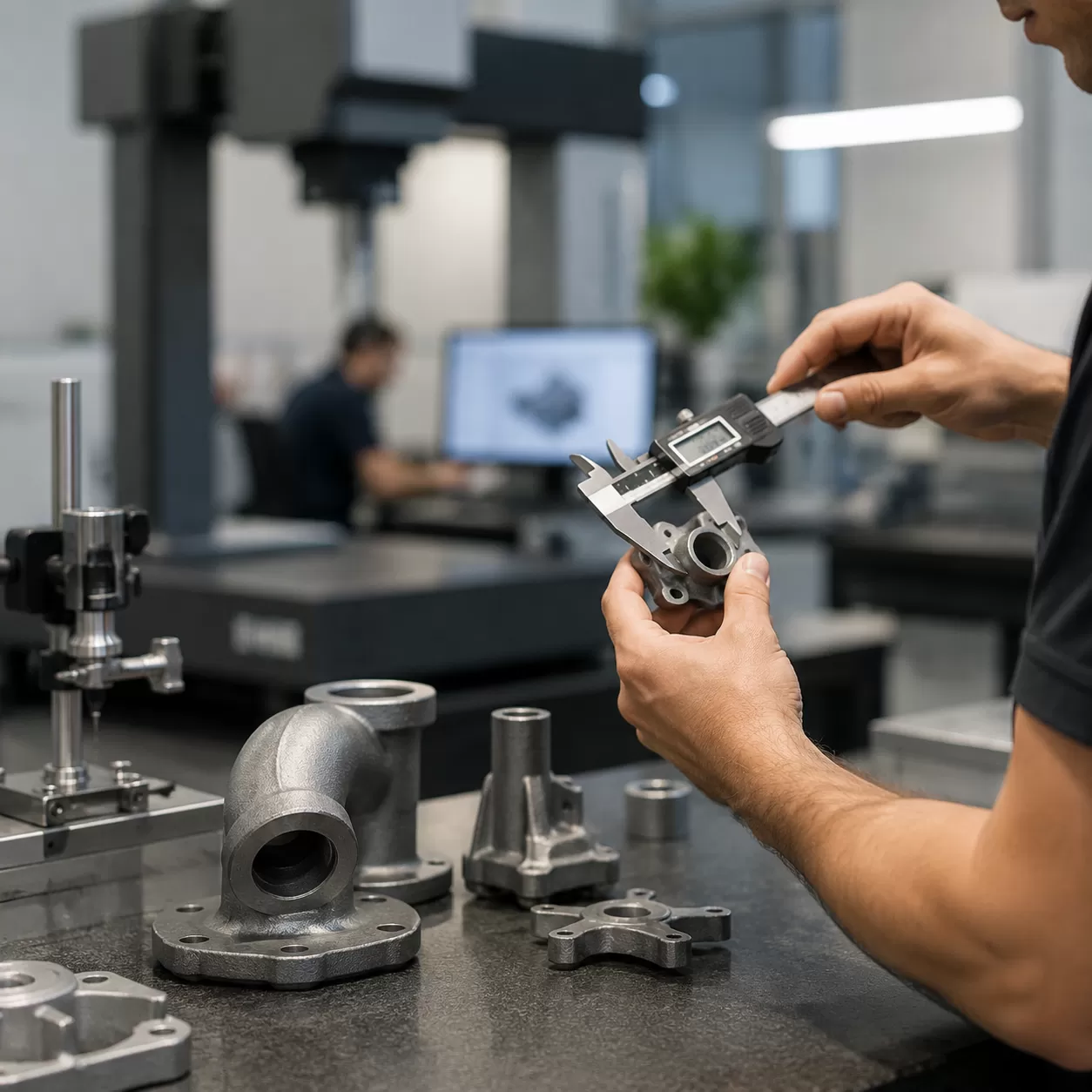
Achieving the perfect investment casting tolerance involves more than just outer dimensions. Internal features, part thickness, and exterior smoothness all play vital roles in the final fit and function of your metal parts.
Hole and Cavity Tolerances
Internal features like blind holes, through-holes, and deep cavities shrink differently than exterior surfaces. Because the metal shrinks around the ceramic shell core as it cools, internal dimensional tolerances are often slightly wider than external ones.
- Through-Holes: Easier to cast and maintain accurate sizes.
- Blind Holes: Require slightly more generous tolerances due to heat retention.
- Draft Angles: Adding a slight taper helps achieve better accuracy without damaging the mold.
Wall Thickness Requirements
Wall thickness directly impacts metal flow and cooling rates. If walls are too thin, the molten metal cools too quickly, leading to incomplete fills or warping that destroys standard tolerances.
- Minimum Thickness: Typically kept around 0.060" (1.5mm) depending on the alloy.
- Uniformity: Consistent wall thickness prevents uneven cooling, which helps maintain tight geometric tolerances.
- Transitions: Gradual transitions between thick and thin sections prevent stress fractures and maintain dimensional stability.
Surface Finish and Roughness
While not a size measurement, surface finish heavily influences how parts fit together. Investment casting naturally provides an excellent surface finish, reducing the need for extensive polishing. When dealing with complex geometries, leveraging high-precision casting services ensures that even the most intricate parts meet strict surface roughness standards right out of the mold.
Quick Reference Guide: Additional Casting Considerations
| Feature | General Expectation | Design Tip |
|---|---|---|
| Internal Holes | ± 0.005" per inch | Use through-holes instead of blind holes where possible. |
| Wall Thickness | Minimum 0.060" (1.5mm) | Keep walls uniform to prevent warping during cooling. |
| Surface Finish | 125 RMS (typical) | Avoid secondary machining by using premium casting techniques. |
Factors Affecting Investment Casting Tolerances
Achieving exact investment casting tolerance requires strict control over multiple variables throughout the manufacturing cycle.
Casting Material Shrinkage Rates
Every metal shrinks as it cools and solidifies from a molten state. This natural contraction directly impacts dimensional tolerances.
- Alloy Variations: Different materials, such as stainless steel, aluminum, or carbon steel, have distinct and specific shrinkage rates.
- Predictability: Accurate tooling design must account for this exact shrinkage percentage to maintain tight linear tolerances in the final cast part.
Mold and Shell Making Process
The quality of the final metal part relies heavily on the initial wax pattern and the ceramic shell.
- Wax Injection: Fluctuations in wax temperature or injection pressure can alter the pattern's dimensions.
- Shell Curing: The drying environment and the number of ceramic layers applied affect the strength and stability of the mold. Any shifting during the baking or pouring phases will directly impact both flatness tolerances and straightness tolerances.
Casting Shape and Size Complexity
The physical design of the component plays a massive role in tolerance control.
- Uneven Walls: Parts with drastic transitions from thick to thin walls cool at different rates, leading to potential warping or distortion.
- Intricate Details: Highly detailed parts demand precise environmental controls to maintain strict geometric tolerances. Utilizing specialized precision investment casting services for complex metal parts ensures that even the most difficult geometries stay within the required specifications without failing post-cast inspections.
Benefits of Tight Tolerances in Investment Casting
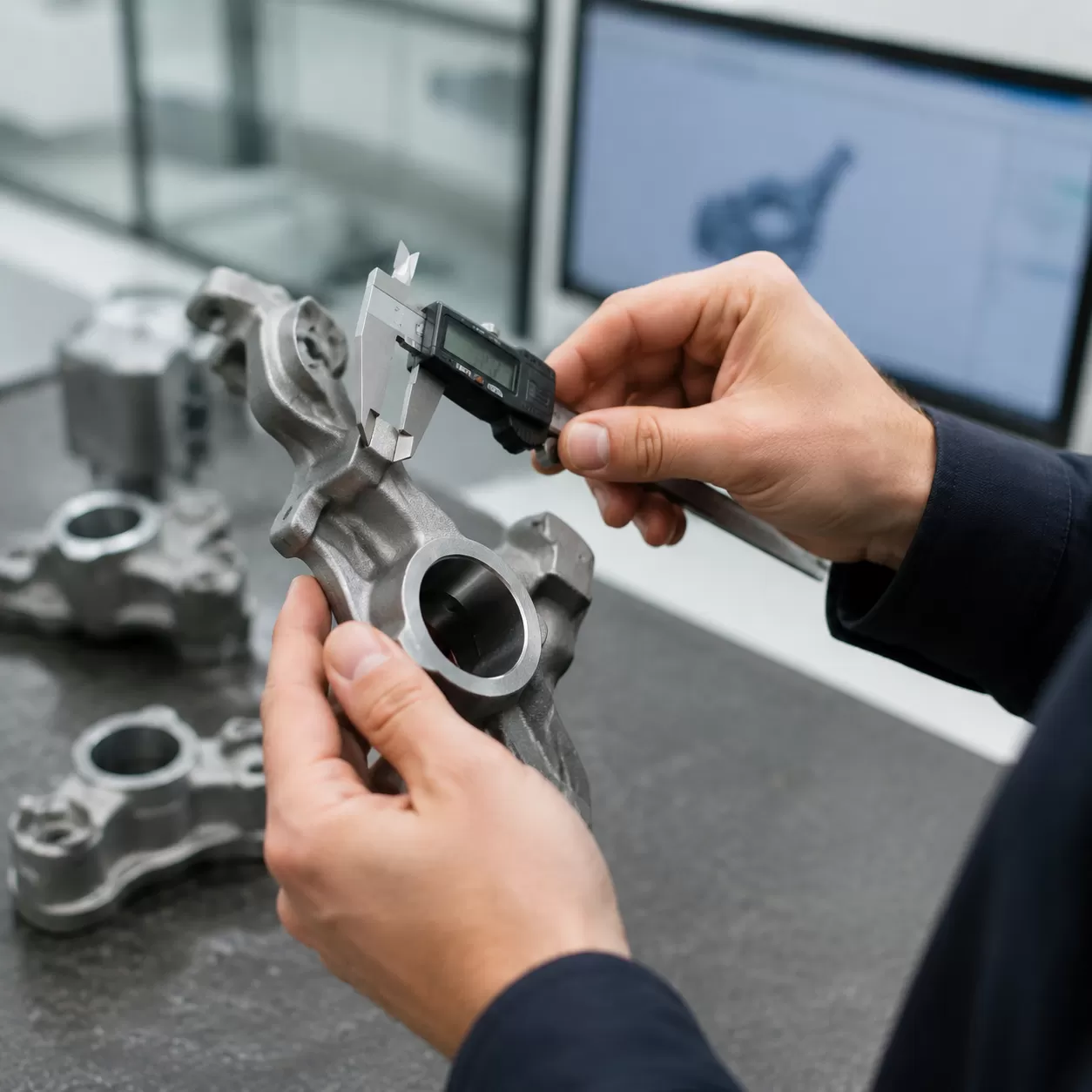
Hitting the exact specifications right out of the mold brings immediate advantages to your manufacturing process and bottom line.
Enhanced Dimensional Accuracy
Achieving strict dimensional tolerances and geometric tolerances means your parts work flawlessly within their assemblies without the need for manual adjustments.
- Perfect Assembly Fit: Tight linear tolerances ensure complex components integrate seamlessly.
- Maximum Consistency: Maintaining exact flatness tolerances and straightness tolerances guarantees that every single batch matches the original design.
- Performance Reliability: Highly accurate parts face less wear and tear, extending the overall lifespan of your machinery.
Reduced Secondary Machining Costs
The most immediate financial benefit of a precise investment casting tolerance is the massive reduction in post-casting work. When we achieve premium tolerances directly from the shell, you can entirely skip expensive and time-consuming CNC machining steps. This operational efficiency is exactly why global engineers rely on our custom casting capabilities to streamline production for intricate metal components.
Cost Impact of Tolerance Levels
| Tolerance Type | Post-Casting Machining Required | Overall Production Cost Impact |
|---|---|---|
| Standard Tolerances | Minimal touch-ups | Highly cost-effective for general use |
| Premium Tolerances | None to very little | Highest ROI for complex, precision parts |
FAQs
What is the typical investment casting tolerance?
The baseline investment casting tolerance generally falls into two categories: standard tolerances and premium tolerances. Standard linear tolerances usually sit around ±0.005 inches for the first inch. If your project requires stricter limits, our premium tolerances can achieve ±0.003 inches per inch. We determine the best approach based on your specific part size and geometry.
Can you achieve tight geometric tolerances?
Yes. As Professional Precision Casting Service Providers, we maintain strict process controls to meet demanding geometric tolerances. We routinely manage critical flatness tolerances and straightness tolerances directly from the mold. If a design demands extreme precision that exceeds as-cast capabilities, we leave a minimal, precise allowance for secondary machining.
How does material choice impact dimensional tolerances?
Every metal shrinks differently as it cools, which directly impacts dimensional tolerances. For example, the shrinkage rate we account for in our custom aluminum metal casting services differs entirely from stainless steel. We calculate these exact material shrinkage rates during the initial tooling design to ensure the final cast part matches your exact specifications.