
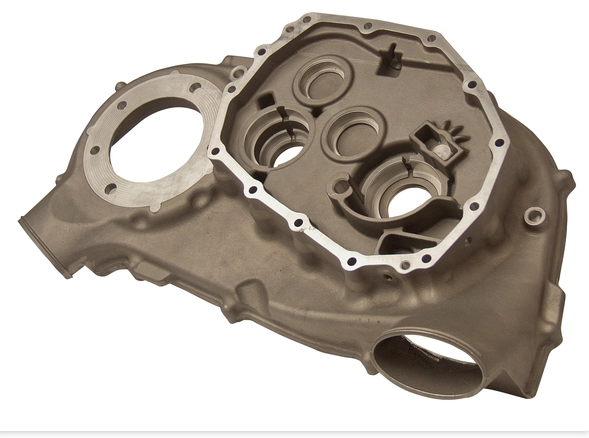
Prototype aluminum casting services for rapid functional prototypes with refined alloys fast lead times and low volume production.
What Is Prototype Aluminum Casting?
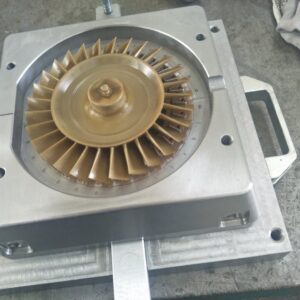
Prototype aluminum casting is how I turn your early CAD into real, functional aluminum prototypes that behave like production parts. Instead of only seeing a digital model, you get a castable material you can bend, torque, pressure-test, and install in real assemblies.
Clear Definition for Engineering Teams
Prototype aluminum casting means:
- Pouring molten aluminum alloys (like A356 og 319) into a mold shaped from your CAD
- Bruk av rapid prototype casting methods (sand, investment, plaster, or rapid tooling) for quick turn parts
- Delivering cast aluminum prototypes that replicate production-like geometry, wall thickness, and mechanical behavior
In simple terms: it is refined aluminum casting optimized for speed, low volume, and design learning—not just mass production.
How It Supports Design Validation
I use prototype aluminum casting to help you:
- Verifiser fit, form, and function in real assemblies
- Sjekk cooling, flow, and structural performance under realistic loads
- Prove out ribs, fillets, draft, and bosses before you lock in tools
- Run DFM for aluminum casting early, so production tooling is right the first time
You get real-world feedback quickly, then iterate fast with updated casting prototypes.
Prototype Casting vs. CNC and 3D Printing
| Method | Best for | Key Trade-offs |
|---|---|---|
| Prototype aluminum casting | Functional cast-like prototypes | cURL Too many subrequests. cURL Too many subrequests. |
| CNC-maskinering | cURL Too many subrequests. | cURL Too many subrequests. |
| cURL Too many subrequests. cURL Too many subrequests. | cURL Too many subrequests. | cURL Too many subrequests. |
Når du treng functional aluminum prototypes cURL Too many subrequests. cURL Too many subrequests., cURL Too many subrequests.
cURL Too many subrequests.
cURL Too many subrequests. “cURL Too many subrequests.”, “cURL Too many subrequests.”, eller “cURL Too many subrequests.”, cURL Too many subrequests.
- cURL Too many subrequests. cURL Too many subrequests. cURL Too many subrequests.
- Bekreft mechanical performance cURL Too many subrequests.
- cURL Too many subrequests. cURL Too many subrequests. cURL Too many subrequests. cURL Too many subrequests.
- cURL Too many subrequests. cURL Too many subrequests. cURL Too many subrequests.
cURL Too many subrequests. cURL Too many subrequests.cURL Too many subrequests. cURL Too many subrequests. cURL Too many subrequests.
cURL Too many subrequests.
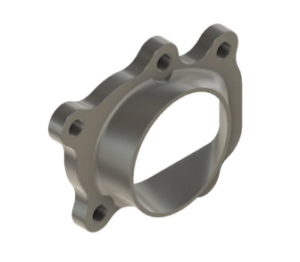
cURL Too many subrequests.
cURL Too many subrequests.
cURL Too many subrequests.
- cURL Too many subrequests.
- cURL Too many subrequests.
- cURL Too many subrequests.
cURL Too many subrequests.
cURL Too many subrequests.
| cURL Too many subrequests. | cURL Too many subrequests. | Benefit |
|---|---|---|
| 1–10 parts | Prototype metal casting | Lowest startup cost |
| 10–100 parts | Low volume aluminum casting | Better cost per part |
| Bridge production | Rapid aluminum casting | Smooth ramp to mass production |
Production-Like Mechanical Properties
Unlike many plastic or non-metal rapid prototyping methods, prototype aluminum casting delivers functional aluminum prototypes with production-like mechanical properties:
- Realistic strength, stiffness, and fatigue behavior
- True heat dissipation for thermal testing
- Reliable performance for load, vibration, and impact tests
This makes cast aluminum prototypes ideal when you need refined aluminum casting performance before committing to final tools.
Better Accuracy And Surface Finish For Testing
With the right process and DFM for aluminum casting, I can hit tighter dimensions and cleaner surfaces than basic sand casting alone:
- Improved dimensional accuracy for assemblies and sealing surfaces
- Smoother finishes that reduce downstream machining
- More consistent results for validation and quality checks
For critical medical or precision components, I often combine prototype aluminum casting with the same mindset used in our precision implant casting work to keep tolerances and finish under control.
Bridging Design To Full Production
Prototype aluminum casting is my go-to bridge between early design and full-scale industrial aluminum casting:
- Validate geometry, wall thickness, and draft with real castable material
- De-risk production tooling decisions using rapid prototype casting data
- Scale up from casting prototype services to long-run bridge production casting with minimal redesign
This “casting evolution” from prototype aluminum casting to production saves time, cuts rework, and keeps programs on schedule.
Prototype Aluminum Casting Processes
Sand Casting Prototypes
For fast, affordable iterations, I rely on aluminum sand casting for prototypes. Sand casting prototypes handle bigger parts, simple geometries, and early design trials where you need a rough but functional aluminum part in days, not weeks. This rapid aluminum casting method is ideal when:
- You’re still tweaking wall thickness, rib layout, or mounting points
- You need quick turn aluminum castings to validate fit and basic performance
- Surface finish can be secondary to speed and cost
Investment Casting Prototypes
When you need detailed, thin-wall aluminum prototype casting, investment casting prototypes are the way to go. This process delivers refined aluminum casting with:
- Tight details, small features, and complex internal passages
- cURL Too many subrequests.
- cURL Too many subrequests.
cURL Too many subrequests.
cURL Too many subrequests.
- cURL Too many subrequests.
- cURL Too many subrequests.
- cURL Too many subrequests.
cURL Too many subrequests.
cURL Too many subrequests.
- cURL Too many subrequests.
- cURL Too many subrequests.
- cURL Too many subrequests. precision aluminum casting cURL Too many subrequests.
cURL Too many subrequests.
- cURL Too many subrequests.
- cURL Too many subrequests.
- cURL Too many subrequests.
- cURL Too many subrequests.
cURL Too many subrequests.
cURL Too many subrequests.
- cURL Too many subrequests. cURL Too many subrequests.
- cURL Too many subrequests. cURL Too many subrequests.
cURL Too many subrequests.
- cURL Too many subrequests.
- cURL Too many subrequests.
- cURL Too many subrequests.
cURL Too many subrequests. maritim ingeniørbransje.
cURL Too many subrequests. cURL Too many subrequests. cURL Too many subrequests.
- cURL Too many subrequests.
- Better corrosion resistance
- cURL Too many subrequests.
- cURL Too many subrequests.
cURL Too many subrequests.
cURL Too many subrequests.
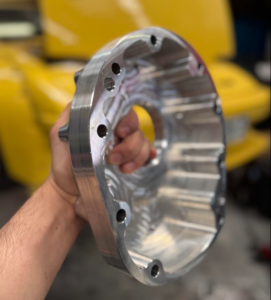
cURL Too many subrequests.
cURL Too many subrequests.
cURL Too many subrequests.
- cURL Too many subrequests.
- cURL Too many subrequests.
- Transmission and drivetrain prototype metal casting for fit and NVH checks
Using rapid aluminum casting and A356 aluminum prototype casting, you get realistic material behavior for track, dyno, and durability testing.
Aerospace & Defense Aluminum Prototypes
For aerospace and defense customers, aluminum prototype casting is ideal for:
- Lightweight structural brackets, mounts, and housings
- Environmental and vibration test samples for avionics and defense systems
- Rapid prototype casting for flight‑like hardware in low quantities
We lean on refined aluminum casting, tight process control, and, when needed, presisjonsstøpetenester to hit demanding specs.
Industrial Machinery & Equipment
Industrial OEMs use our aluminum prototype casting services for:
- Gearbox housings, pump bodies, and motor mounts
- Custom machine frames, guards, and covers
- Low volume aluminum casting to bridge pilot lines and early production
Quick turn aluminum castings help you validate clearances, mounting points, and real‑world loads before you lock in production tooling.
Electronics Housings & Consumer Products
For electronics and consumer brands, aluminum prototype casting works well for:
- EMI‑shielded electronics housings and enclosures
- Heat‑dissipating chassis, heat sinks, and mounting plates
- Cast aluminum prototypes for wearables, tools, appliance components
With aluminum sand casting or investment casting prototypes, we can dial in aesthetics and functionality so you can test, demo, and present to stakeholders with confidence.
Medical & Precision Prototype Aluminum Casting
Medical device and precision markets rely on our aluminum prototyping when they need:
- Surgical tool components, instrument housings, and lightweight structural parts
- Imaging and diagnostic equipment brackets and frames
- Tight‑tolerance cast aluminum prototypes ready for secondary machining
By combining prototype aluminum casting with CNC finishing, we deliver functional aluminum prototypes that meet strict validation and regulatory test requirements.
Prototype Aluminum Casting Process Workflow
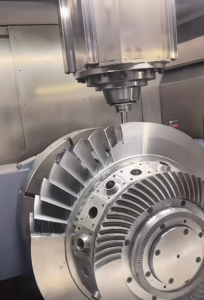
From CAD File to Cast Prototype
For prototype aluminum casting, everything starts with your CAD file. You send us a solid model (STEP, IGES, or native files), and we translate it into a casting-ready design. At this stage we check basic details like units, scale, parting lines, and whether you need sand casting prototypes, investment casting prototypes, or another rapid prototype casting method based on your timeline and part geometry.
DFM Review for Prototype Aluminum Casting
Next, we run a focused DFM for aluminum casting review. We look at:
- Minimum wall thickness, ribs, and bosses for castable material flow
- Draft angles and radii so the pattern releases cleanly
- Gating, risers, and feed paths to reduce porosity and misruns
- Areas that may need machining stock or tighter tolerances
You get clear feedback and suggestions so your aluminum prototype casting is reliable, repeatable, and ready for quick turn aluminum castings in the U.S. market.
Pattern and Tooling Creation
cURL Too many subrequests.
- cURL Too many subrequests.
- cURL Too many subrequests.
- cURL Too many subrequests.
cURL Too many subrequests. cURL Too many subrequests. cURL Too many subrequests.
cURL Too many subrequests.
cURL Too many subrequests.
- cURL Too many subrequests.
- cURL Too many subrequests.
- cURL Too many subrequests.
- cURL Too many subrequests.
cURL Too many subrequests.
cURL Too many subrequests.
cURL Too many subrequests.
- cURL Too many subrequests.
- cURL Too many subrequests.
- cURL Too many subrequests.
cURL Too many subrequests.
cURL Too many subrequests.

cURL Too many subrequests.
cURL Too many subrequests.
cURL Too many subrequests.
| Evne | cURL Too many subrequests. |
|---|---|
| cURL Too many subrequests. | cURL Too many subrequests. |
| cURL Too many subrequests. | cURL Too many subrequests. |
| cURL Too many subrequests. | cURL Too many subrequests. |
| Wall thickness | cURL Too many subrequests. |
- cURL Too many subrequests.
- cURL Too many subrequests.
cURL Too many subrequests.
cURL Too many subrequests.
| Prosess | cURL Too many subrequests. |
|---|---|
| cURL Too many subrequests. | cURL Too many subrequests. |
| cURL Too many subrequests. | cURL Too many subrequests. |
| cURL Too many subrequests. | cURL Too many subrequests. |
cURL Too many subrequests.
- cURL Too many subrequests.
- We apply practical DFM for aluminum casting so your tolerances match what the process can really hold.
Surface Finish & Secondary Operations
Surface finish is a big deal when you’re testing functional aluminum prototypes and customer‑facing parts.
| Alternativ | Typical Result |
|---|---|
| As-cast (sand) | ~250–400+ μin Ra |
| As-cast (investment) | ~125–200 μin Ra |
| Media blast / bead | Uniform matte surface |
| Light machining | ~63–125 μin Ra |
| cURL Too many subrequests. | ~16–32 μin Ra |
Common secondary operations for cast aluminum prototypes:
- CNC machining of critical features and mounting interfaces
- Tapping, drilling, and thread inserts
- Deburr, tumble, media blasting, and polishing
- Assembly and test fit with mating components
Heat Treatment, Machining & Anodizing
To match production performance, we support full post‑processing on cast aluminum prototypes:
- Heat treatment: T5/T6 heat treat on alloys like A356 to dial in strength, hardness, and fatigue life.
- Precision machining: 3‑axis and 5‑axis machining for tight fits, sealing faces, and complex geometry.
- Surface conversion:
- Anodizing (clear or color) for wear and corrosion resistance
- Chemical film / chromate conversion (e.g., Alodine) for conductivity and paint adhesion
- Powder coat or wet paint for cosmetic prototype aluminum castings
This combination gives you production‑like, functional aluminum prototypes ready for lab or field testing.
Quality Control, Certifications & Testing
For US customers in automotive, aerospace, and industrial markets, consistent quality and traceability matter more than anything.
Typical quality control support for prototype aluminum casting:
- Dimensional inspection with calibrated tools and CMM
- Material certifications and heat lot traceability
- Mechanical testing (tensile, hardness, impact) when you need data to match your FEA
- NDT options: X‑ray, dye penetrant, and other methods as required for critical castings
For aerospace‑grade or defense work, we align our prototype aluminum casting services with the same mindset as an ISO-focused aerospace casting program, so your early parts don’t become a weak link later in production.
These technical capabilities let us deliver rapid aluminum casting that is realistic enough to make confident design and sourcing decisions before you commit to full tooling.
cURL Too many subrequests.
cURL Too many subrequests.
cURL Too many subrequests.
cURL Too many subrequests.
- cURL Too many subrequests.
- cURL Too many subrequests.
- cURL Too many subrequests.
- cURL Too many subrequests.
cURL Too many subrequests. cURL Too many subrequests. cURL Too many subrequests.
cURL Too many subrequests.
cURL Too many subrequests.
- cURL Too many subrequests.
- cURL Too many subrequests.
- cURL Too many subrequests.
- cURL Too many subrequests.
- cURL Too many subrequests.
cURL Too many subrequests.
cURL Too many subrequests.
cURL Too many subrequests.
- cURL Too many subrequests.
- cURL Too many subrequests.
- cURL Too many subrequests.
- cURL Too many subrequests.
cURL Too many subrequests.
cURL Too many subrequests.
cURL Too many subrequests.
- cURL Too many subrequests.
- cURL Too many subrequests.
- cURL Too many subrequests.
- cURL Too many subrequests.
cURL Too many subrequests.
cURL Too many subrequests.
cURL Too many subrequests.
- cURL Too many subrequests.
- cURL Too many subrequests.
- cURL Too many subrequests.
- cURL Too many subrequests.
cURL Too many subrequests.
cURL Too many subrequests.
cURL Too many subrequests.
For most prototype aluminum casting projects, I quote lead times of about 2–3 veker from final CAD approval to shipment.
- Simple sand casting prototypes can ship in as fast as 7–10 business days.
- More complex investment casting prototypes with heat treatment and machining usually run 3–4 veker.
- Rush “rapid aluminum casting” slots are sometimes available at a premium when you need quick-turn aluminum castings for validation builds.
Cost factors in prototype aluminum casting quotes
Your prototype aluminum casting quote is driven by a few core factors:
- Part geometry and size – larger, thicker parts use more metal and molding material.
- cURL Too many subrequests. – sand casting prototypes are usually cheaper than investment or plaster mold casting.
- Tooling and pattern type – permanent tooling costs more upfront; 3D printed patterns or rapid tooling lower startup cost for low volume aluminum casting.
- Tolerances and finish – tighter tolerances, machining, and cosmetic finishing add cost.
- cURL Too many subrequests. – cost per part drops quickly when we cast small batches instead of one-off cast aluminum prototypes.
Design guidelines for prototype aluminum cast parts
When we review DFM for aluminum casting, we focus on:
- Smooth transitions between sections to avoid hot spots and shrink.
- Consistent wall thickness wherever possible.
- Proper gating and riser access so the aluminum fills cleanly.
Strong DFM up front keeps rapid prototype casting fast, predictable, and closer to production behavior.
Minimum wall thickness and draft angles for aluminum prototypes
For most prototype metal casting work in aluminum:
- Minimum wall thickness:
- Sand casting prototypes: typically 0.16–0.20 in (4–5 mm).
- Investment casting prototypes: down to about 0.08–0.10 in (2–2.5 mm), depending on size and geometry.
- Draft angles:
- I recommend at least 1–2° draft on external walls and 2–3° on internal walls for aluminum sand casting.
- Investment casting can sometimes run with less draft, but we still like 1° where the geometry allows.
File formats and data needed to start prototype aluminum casting
cURL Too many subrequests.
- cURL Too many subrequests.cURL Too many subrequests.
- 2D-teikningarcURL Too many subrequests.
- cURL Too many subrequests.cURL Too many subrequests. cURL Too many subrequests. or cURL Too many subrequests.cURL Too many subrequests.
cURL Too many subrequests. cURL Too many subrequests., cURL Too many subrequests.
cURL Too many subrequests.
cURL Too many subrequests.
- cURL Too many subrequests.
cURL Too many subrequests. - cURL Too many subrequests.
cURL Too many subrequests. cURL Too many subrequests., cURL Too many subrequests. - cURL Too many subrequests.
cURL Too many subrequests. - cURL Too many subrequests.
cURL Too many subrequests. - cURL Too many subrequests.
cURL Too many subrequests.
Vurderingar
Det finst ingen vurderingar enno.