Узнайте, что такое материал ABS, его значение, свойства, преимущества, области применения и как акрилонитрил-бутадиен-стирол сравнивается с другими пластиками.
Что такое материал ABS?
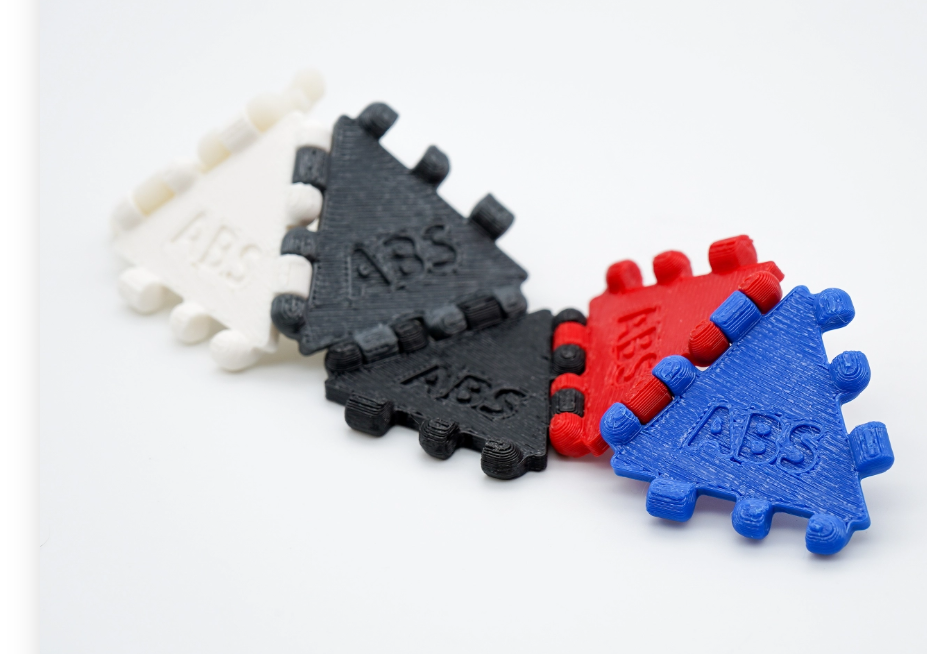
Когда вы видите материал ABS в спецификации продукта он относится к распространенному инженерному пластику, используемому во всем — от кирпичиков LEGO до интерьеров автомобилей и филаментов для 3D-печати.
ABS расшифровывается как Акрилонитрилбутадиенстирол. Это термопластичный полимер, что означает, что он размягчается при нагревании и затвердевает при охлаждении, и этот цикл можно повторять. Это делает ABS идеальным материалом для литья под давлением и популярным выбором для литья ABS и 3D-печати ABS.
В своей основе, пластика ABS является прочного инженерного термопласта который предлагает хороший баланс между:
- Ударопрочность (он не трескается при ударе)
- Прочностью и жесткостью (он сохраняет форму под нагрузкой)
- Хорошую поверхность (гладкий, легко окрашивается или текстурируется)
Из-за этих свойствами ABS, он занимает промежуточное положение между недорогими товарными пластиками и высокотехнологичными инженерными пластиками. В своих продуктах и проектах я полагаюсь на ABS, когда мне нужен ударопрочный пластик это всё ещё экономически выгодно и легко производить в больших масштабах.
Люди в 3D-печати, производство, и Сделай сам заботятся об ABS потому, что:
- Он широко доступен как ABS-филамент для 3D-печати
- Он лучше справляется с реальными условиями использования, чем многие хоббийные пластики
- Он достаточно прочен для автомобильных пластиковых деталей и материал для электронных корпусов
- Он хорошо обрабатывается, клеится и финишируется для функциональных прототипов и повседневных деталей
Итак, когда вы спрашиваете, “Что такое материал ABS, из какого материала сделан ABS или для чего используется материал ABS?”, краткий ответ: это универсальный, ударопрочный термопластик используемый там, где нужны прочные, долговечные и практичные пластиковые детали.
Состав материала ABS
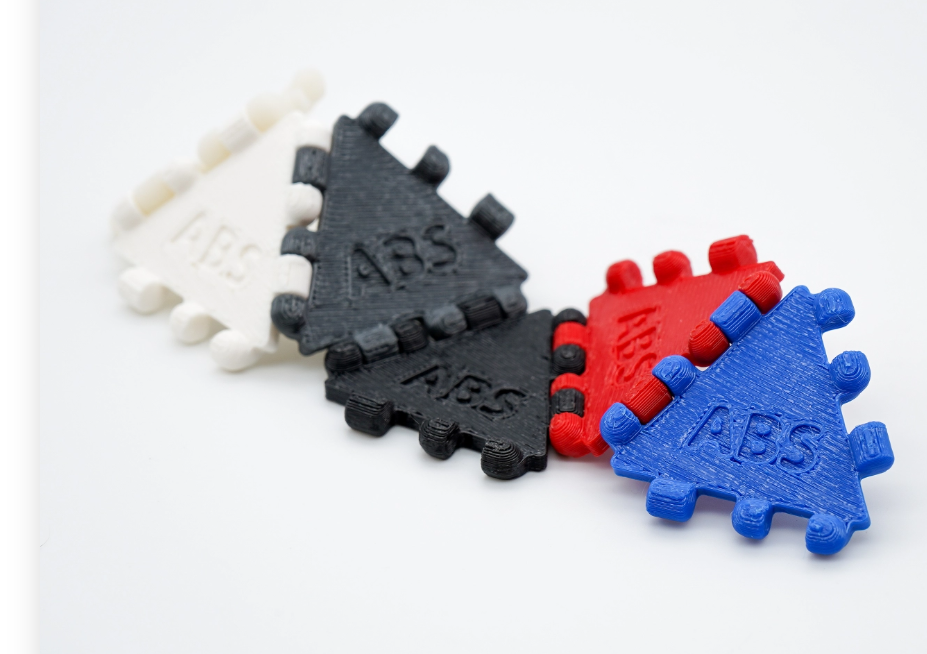
Когда люди спрашивают “из чего сделан материал ABS”, они на самом деле интересуются его тремя основными компонентами: акрилонитрилом, бутадиеном и стиролом. Вместе они превращают пластик ABS в прочный инженерный термопласт, сочетающий в себе прочность, ударопрочность и легкость обработки.
- Акрилонитрил дает ABS его каркас. Он повышает жесткость, термостойкость и химическую стойкость, благодаря чему детали лучше сохраняют форму под нагрузкой и устойчивы к маслам, смазкам и многим бытовым химикатам. Это одна из причин, почему пластик ABS хорошо подходит для автомобильных пластиковых деталей и корпусов электронных устройств.
- Бутадиен все о прочности. Он добавляет резиноподобные сегменты в структуру, которые поглощают удары вместо трещин. Поэтому ABS известен как ударопрочный пластик и заслуженно используется для шлемов, корпусов инструментов и долговечных потребительских товаров.
- Стирол улучшает текучесть и качество поверхности. Он облегчает формование термопластичного полимера и придает гладкую, глянцевую поверхность ABS, которую можно текстурировать, красить или печатать. Это важно для массового формования ABS и обеспечения однородного внешнего вида деталей.
Большинство коммерческого ABS производится методом эмульсионной полимеризации. Проще говоря, три мономера смешиваются в воде с поверхностно-активными веществами и инициаторами, чтобы реагировать в мелких каплях, создавая тонкую, однородную пластиковую смолу. Эта смола затем гранулируется и отправляется производителям для литья под давлением, экструзии или 3D-печати ABS-филамента.
Если вы сравниваете материалы для долговечных деталей, полезно посмотреть, как ведут себя другие инженерные материалы, такие как высокопроизводительные сплавы алюминия для литья балансируют прочность, технологичность и стоимость вместе с ABS.
Ключевые свойства материала ABS
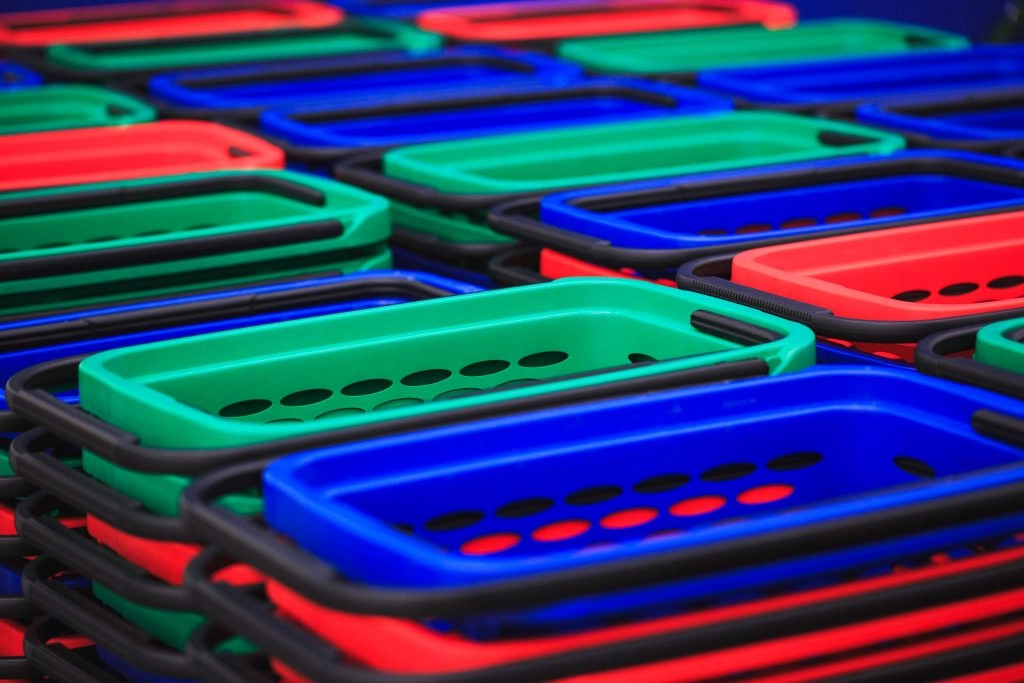
Когда люди спрашивают “что такое материал ABS”, они обычно пытаются понять, как он ведет себя в реальных условиях эксплуатации. ABS (акрилонитрилбутадиенстирол) — это инженерный термопласт с очень сбалансированным профилем свойств, поэтому он встречается повсюду — от интерьеров автомобилей до деталей, напечатанных на 3D-принтерах.
Механические свойства пластика ABS
ABS известен как ударопрочный пластик с надежной всесторонней прочностью:
- Высокая ударопрочность: Хорошо поглощает удары, что делает его идеальным для корпусов, инструментов и автомобильных пластиковых деталей, подвергающихся ежедневным нагрузкам.
- Хорошая прочность на растяжение и жесткость: Он достаточно жесткий, чтобы сохранять форму под нагрузкой, при этом обладает некоторой гибкостью вместо того, чтобы ломаться.
- Долговечная прочность: Выдерживает повторяющиеся нагрузки и мелкие удары без трещин, поэтому популярен в функциональных прототипах и прочных потребительских товарах.
Если вы сравниваете материалы для конструкционных деталей, полезно рассматривать такие показатели, как ударная вязкость и прочность на растяжение как для пластмасс, так и для металлов в рамках одного проекта; например, многие команды рассматривают варианты пластика наряду с предел прочности на растяжение алюминия при настройке характеристик.
Физические свойства: плотность ABS и качество поверхности
Как термопластичный полимер, ABS является:
- Низкой до средней плотности: Плотность ABS примерно 1,0–1,1 г/см³, поэтому детали ощущаются твердыми, но не тяжелыми.
- Аморфная структура: У него нет острого плавления, что облегчает формование и склеивание.
- Хорошее качество поверхности: Его можно формовать с гладкой, глянцевой или текстурированной поверхностью, он хорошо принимает краску и печать, поэтому часто используется для видимых крышек и корпусов электроники.
Тепловые свойства и термостойкость ABS
Пластик ABS предлагает:
- Умеренную термостойкость: Типичные рабочие температуры находятся в диапазоне около 80–100°C, в зависимости от марки.
- Температура деформации при нагреве (HDT): Многие стандартные марки ABS сохраняют форму при нагрузке в диапазоне около 80–95°C, что обычно достаточно для использования в помещении, при комнатной температуре и в слегка теплых условиях.
- Устойчивость в повседневных условиях: Внутри домов, офисов и транспортных средств (подальше от прямых источников тепла) ABS надежно сохраняет свою форму и функцию.
Химическая стойкость и электрическая изоляция
Материал ABS значительно балансирует прочность с защитой:
- Химическая стойкость: Он хорошо сопротивляется многим маслам, жирам и некоторым бытовым химикатам, но сильные растворители (например, ацетон) могут повредить поверхность.
- Электрическая изоляция: ABS является хорошим электрическим изолятором, поэтому он широко используется в корпусах для зарядных устройств, корпусов и небольших бытовых приборов.
Ограничения при высоких температурах и использовании на улице
Преимущества ABS хорошо проявляются в помещении, но есть явные ограничения:
- Ограничения по высокой температуре: Выше диапазона размягчения ABS может деформироваться, деформироваться или терять прочность, поэтому он не подходит для использования рядом с двигателями, печами или в условиях постоянных высоких температур.
- Плохая устойчивость к ультрафиолету: Без стабилизаторов УФ-лучей ABS склонен желтеть, выцветать и становиться хрупким на улице, особенно при прямом солнечном свете.
- Эксплуатация на улице: Для длительного использования на улице я обычно рекомендую УФ-стабилизированный ABS или альтернативы, такие как ASA или смеси поликарбоната.
Преимущества материала ABS
Материал ABS — один из моих предпочтительных вариантов, когда мне нужен ударопрочный пластик, способный выдерживать реальные условия эксплуатации. Как инженерный термопластик, ABS предлагает прочное сочетание ударостойкости, жесткости и долговечности, подходящее для многих нужд производства, автомобильной промышленности и потребительских товаров.
Ударопрочный пластик для требовательного использования
Пластик ABS прочен. Он поглощает удары и падения без трещин, поэтому широко используется в автомобильных интерьерах, корпусах электроинструментов, чемоданах и защитном снаряжении. Если вы создаете что-то, что будет часто подвергаться грубому обращению, транспортировке или ежедневному износу, материал ABS — надежный выбор.
Прочный, жесткий, но не хрупкий
Одним из главных преимуществ ABS является его баланс прочности, жесткости и гибкости:
- Он достаточно жесткий, чтобы сохранять форму и сопротивляться изгибу под нагрузкой.
- Он не хрупкий, поэтому не сломается легко при ударе.
- Обладает хорошей размерной стабильностью, поэтому детали остаются точными после формовки или обработки.
Это равновесие делает ABS выдающимся прочным инженерным пластиком для деталей, требующих структуры и долгосрочной надежности.
Легко Обрабатывается И Производится
ABS дружелюбен к большинству распространенных методов производства, что делает производство простым и контролирует затраты:
- Материал для литья под давлением для деталей массового производства
- Экструзия для профилей, листов и труб
- литья ABS для сложных форм с точными допусками
- ABS-филамент для 3D-печати для функциональных прототипов и мелкосерийных деталей
Если вы сочетаете ABS с металлами в одной детали, вставное формование часто является разумным вариантом, и наш подробный руководство по вставному литью по материалам и процессам может помочь вам оптимизировать дизайн и стоимость.
Экономичный термопластик для массового производства
По сравнению с многими другими инженерными пластиками, ABS является экономичным. Он предлагает:
- Низкую стоимость материала по сравнению с дорогими пластиками, такими как поликарбонат, во многих случаях
- Краткие циклы при литье под давлением
- Высокую повторяемость для больших серийных выпусков
Это делает пластик ABS идеальным, когда вам нужно стабильное качество тысяч или миллионов деталей без превышения бюджета.
Отличная отделка поверхности, возможность окраски и склеивания
Материал ABS также выигрывает по внешнему виду и вариантам отделки:
- Гладкая, чистая поверхность прямо из формы
- Легко красить, текстурировать или печатать для брендинга и подбора цвета
- Совместим с обычными клеями и растворителями для надежного склеивания
- Хорошо сочетается с другими компонентами, такими как металлические или алюминиевые вставки когда нужны гибридные сборки
Если вам нужен материал для литья под давлением, который выглядит хорошо, ощущается прочным и выдерживает ежедневное использование, пластик ABS обеспечивает надежное сочетание производительности, качества отделки и стоимости.
Недостатки и ограничения материала ABS
Материал ABS — это прочный, универсальный термопластик, но он не идеален. Перед выбором ABS-пластика для проекта важно понять его недостатки.
Умеренная стойкость к нагреву и размягчение
ABS обладает только умеренной стойкостью к нагреву. Он может начать размягчаться и деформироваться, когда:
- подвержен постоянным температурам, близким к пределу теплового изгиба
- оставлен в горячих автомобилях, рядом с двигателями или нагревательными элементами
Если вам нужен материал для литья под давлением с высокой стойкостью к нагреву или деталь, которая находится рядом с горячими металлическими компонентами (например, в сборках, использующих твердые сплавы, такие как сталь для инвестиционного литья), пластик ABS может быть не лучшим выбором.
Плохая устойчивость к ультрафиолету и пожелтение на улице
Пластик ABS не любит солнце:
- Длительное воздействие ультрафиолета вызывает пожелтение и выцветание цвета
- Поверхность со временем может стать хрупкой и меловой
- Для наружных деталей нужны УФ-стабилизированные сорта или краска для защиты.
Для длительного использования на улице многие российские клиенты переходят на более УФ-стабильные инженерные термопласты.
Деформация и усадка при 3D-печати ABS
При использовании ABS-филамента для 3D-печати деформация — одна из самых больших проблем:
- Детали могут отрываться от платформы при охлаждении и усадке
- Углы изгибаются, что вызывает неточности размеров и неудачные печати
- Корпусы, нагреваемые платформы и настроенные параметры почти обязательны
Если вы хотите простую и малообслуживаемую печать, PLA более прощающий. 3D-печать ABS хорошо подходит, когда нужна более прочная и долговечная инженерная пластмасса, но требует более точной настройки.
Меньшая устойчивость к царапинам по сравнению с другими пластиками
По сравнению с некоторыми инженерными пластиками, такими как поликарбонат или определённые наполненные нейлоны:
- Поверхность ABS может царапаться и повреждаться легче
- Глянцевые покрытия быстрее показывают износ на потребительских товарах
- Дополнительные покрытия или текстуры часто используются для скрытия царапин
Для поверхностей с высоким контактом я обычно выбираю текстурированную поверхность ABS или защитное покрытие.
Экологические и санитарные соображения
Материал ABS в целом безопасен при повседневном использовании, но обработка и утилизация требуют внимания:
- При плавлении и 3D-печати ABS выделяет пары и ультратонкие частицы; я всегда рекомендую хорошую вентиляцию или фильтрацию
- Он не биоразлагаем, и неаккуратная утилизация увеличивает пластиковые отходы.
- ABS перерабатывается во многих потоках, но реальный сбор в России все еще ограничен.
Если приоритетом является устойчивость, стоит сравнить ABS с более перерабатываемыми пластиками или биоосновными вариантами для вашего конкретного применения.
Общие области применения материала ABS
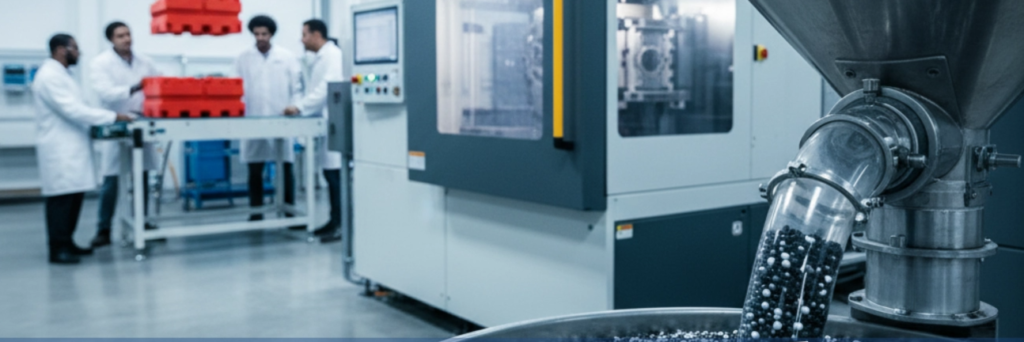
Материал ABS встречается повсюду в повседневной жизни, потому что это прочный, ударопрочный пластик, который при этом легко формовать, обрабатывать и отделывать.
- Автомобильные детали: ABS-пластик широко используется для приборных панелей, внутренней отделки, накладок на стойки, вставок в бамперы и панелей, где необходима прочная, жесткая и привлекательная поверхность. Когда мы сочетаем корпуса из ABS с металлическими деталями, изготовленными с помощью точной ЧПУ-обработки и литья, мы получаем прочные, легкие автомобильные сборки, которые выдерживают дороги России.
- Потребительские товары: Кирпичи LEGO, игрушки, чемоданы с жестким корпусом, шлемы, пылесосы и корпуса мелкой бытовой техники часто используют материал ABS, потому что он сохраняет форму, хорошо окрашивается и выдерживает падения и грубое обращение.
- Корпуса электроники: Многие электронные устройства используют ABS для корпусов, клавиш клавиатуры, пультов дистанционного управления, корпусов электроинструментов и кейсов устройств. ABS-пластик обеспечивает хорошую электрическую изоляцию, стойкость к ударам и чистую поверхность для брендинга и этикеток.
- Промышленные и сантехнические компоненты: ABS широко применяется в корпусах машин, легких защитных кожухах, коллекторных трубках, клапанах и черных ABS-трубах и фитингах. Это основной инженерный термопластик, когда требуется жесткая, надежная деталь без стоимости более дорогих инженерных пластиков или металлических отливок. кастованных алюминиевых деталей на заказ.
- Прототипирование и 3D-печать: ABS-филамент для 3D-печати популярен для функциональных прототипов, приспособлений, фиксаторов и короткосрочного производства деталей. В сравнении с более хрупкими материалами, ABS обеспечивает прочные, долговечные тестовые детали, которые можно просверливать, обрабатывать и слегка обрабатывать после печати.
ABS против других пластиков:
ABS против поликарбоната (ПК):
Когда я сравниваю материал ABS с поликарбонатом, я обращаю внимание на три аспекта: ударопрочность, теплоустойчивость и внешний вид.
- Ударопрочность: ПК более прочен и лучше справляется с сильными ударами, чем уже ударопрочный пластик ABS. Для защитных очков, щитков или корпусов с высокой ударопрочностью ПК выигрывает.
- Прозрачность: ABS непрозрачен; поликарбонат может быть кристально прозрачным. Если вам нужны прозрачные детали, выбирайте ПК.
- Тепловые характеристики: ПК обладает более высокой термостойкостью, чем ABS, и лучше сохраняет форму при высоких температурах. ABS подходит для большинства внутренних корпусов и интерьерных деталей автомобилей, но не для зон с постоянным высоким нагревом.
Если мне нужны прочные, прозрачные или высокотемпературные детали, я выбираю ПК. Для экономичных, долговечных пластиковых корпусов и внутренних компонентов обычно предпочтительнее ABS.
ABS против PLA для 3D-печати
Для 3D-печати ABS я сосредотачиваюсь на производительности, а не на удобстве.
- Износостойкость: Нить ABS для 3D-печати превосходит PLA по прочности, ударной стойкости и долговечности. Он лучше подходит для функциональных деталей, креплений и корпусов, которые часто обрабатываются.
- Легкость печати: PLA проще в использовании, меньше коробится и подходит для открытых принтеров. ABS требует нагретой платформы, часто — корпуса и хорошей настройки.
- Биодеградируемость: PLA основан на растениях и более биоразлагаем. ABS — это инженерный термопластик на нефтяной основе и не разлагается.
Если вам нужны быстрые, безстрессовые печати и визуальные модели, используйте PLA. Если нужны прочные, функциональные детали, которые выдерживают нагрузку, лучше выбрать ABS.
ABS против Полипропилена (PP)
Материалы ABS и полипропилен выполняют разные функции.
- Жесткость против гибкости: ABS жестче и лучше сохраняет форму; PP более гибкий и устойчив к изгибам (петли, зажимы, подвижные петли).
- Химическая стойкость: PP обладает лучшей химической стойкостью, особенно к агрессивным химикатам и многим растворителям.
- Ощущение и отделка: ABS имеет более приятную поверхность и лучше принимает краску, чем PP, который сложнее красить и клеить.
Для жестких корпусов и точных пластиковых компонентов я предпочитаю ABS. Для химических контейнеров, гибких деталей и подвижных петель обычно выбираю PP.
ABS против PVC и других распространённых пластиков
По сравнению с PVC и аналогичными недорогими пластиками:
- Стоимость и производительность: ABS обычно немного дороже базового PVC, но обеспечивает лучшую ударопрочность, меньшую хрупкость и лучшую эстетику для видимых деталей.
- Обработка: Обработка формовки и литья под давлением ABS более чистая и простая, чем у многих компаундов PVC, которые выделяют больше паров при высокой температуре.
- Применение: PVC подходит для труб, изоляции проводов и строительных материалов. ABS лучше для автомобильных пластиковых деталей, корпусов электроники и потребительских товаров, где важны внешний вид, ощущение и прочность.
В производстве я могу сочетать пластиковые детали ABS с металлическими компонентами, изготовленными с помощью таких процессов, как индустриальное литейное производство под давлением когда мне нужен гибрид прочности и свободы дизайна.
Как я выбираю ABS или альтернативы
Когда я решаю, использовать ли материал ABS или другой термопластичный полимер, я прохожу этот быстрый чек-лист:
- Нужен жёсткий, ударопрочный пластик с хорошей отделкой поверхности? Выбирайте ABS.
- Нужен самый высокий уровень ударопрочности и термостойкости или прозрачность? Выбирайте поликарбонат.
- Нужна простая, малотеряющая форму 3D-печать и более экологичный материал? Используйте PLA.
- Нужны гибкие детали и высокая химическая стойкость? Выбирайте полипропилен.
- Нужен недорогой, базовый строительный или трубопроводный материал? PVC или подобные материалы могут быть достаточны.
Для большинства российских клиентов, ищущих прочный инженерный пластик для корпусов, внутренних деталей автомобилей и прочных 3D-печатных деталей, материал ABS достигает лучшего баланса цены, прочности и технологичности.
Обработка и изготовление материала ABS
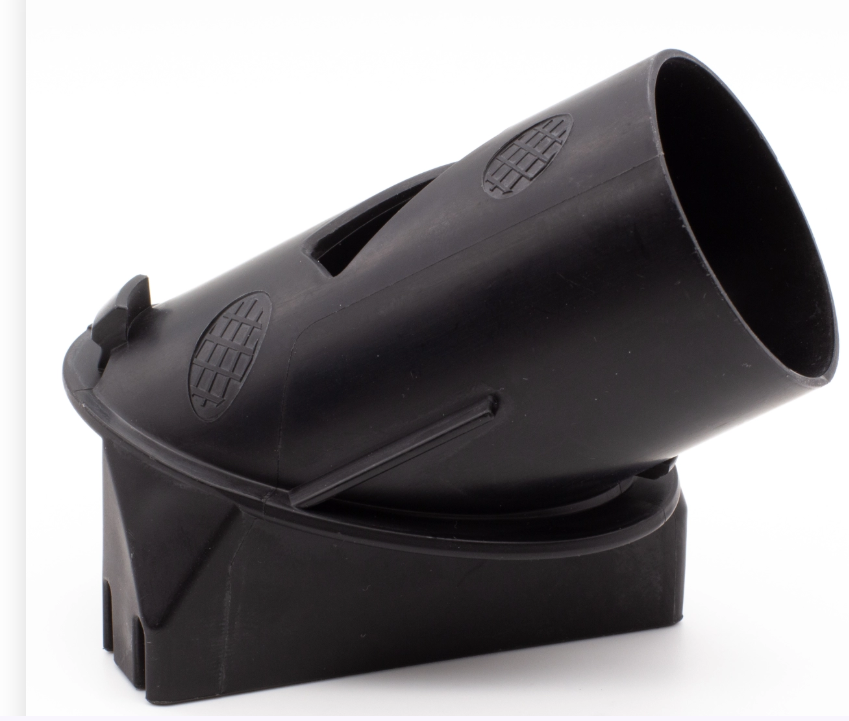
Литьё под давлением материала ABS
Пластик ABS легко формовать, но он предпочитает стабильные параметры процесса. Для большинства формовок ABS я учитываю следующие основы:
- Температура плавления: обычно около 210–245°C (410–470°F), в зависимости от сорта.
- Температура формы: 50–80°C (120–180°F) для лучшей отделки поверхности и меньшей деформации.
- Умеренная скорость и давление впрыска для быстрого заполнения, избегая при этом обгоревших следов и усадки.
- Советы по проектированию: используйте равномерную толщину стенок, щедрые радиусы и ребра вместо толстых секций, чтобы снизить усадку и внутренние напряжения.
Если вы уже используете металлическое оборудование или заказываете детали на сторонних предприятиях, тот же подход, что и для точной работы, например, в настройке ЧПУ-обработки применим: контролируйте ваш процесс, и ABS вознаградит вас стабильными деталями.
Настройки 3D-печати ABS
Нить ABS для 3D-печати требует большего ухода, чем PLA, но результат — более прочные и долговечные детали:
- Температура кровати: 90–110°C с хорошим клеевым средством (PEI, клей-карандаш или ABS-цемент).
- Температура сопла: 220–250°C, настроенная под ваш конкретный ABS-филамент.
- Камера: держите принтер закрытым, чтобы снизить деформацию и расслоение слоёв.
- Вентиляция: всегда используйте вытяжку или фильтр; пары ABS и запах стирена могут раздражать внутри помещения.
Обработка, сверление и резка материала ABS
ABS очень легко обрабатывается и хорошо работает с обычными инструментами мастерской:
- Используйте острые инструменты из быстрорежущей стали или карбида при умеренных скоростях, чтобы избежать плавления.
- Поддерживайте деталь хорошо, чтобы предотвратить вибрацию и сколы на краях.
- Для сверления используйте стандартные спиральные сверла, часто отводите их для удаления стружки и охлаждения.
- При резке листов помогают тонкозубые лезвия и стабильное подачу, чтобы сохранять чистоту краев.
Покраска, склеивание и отделка пластика ABS
Отделка поверхности ABS — одно из его больших преимуществ:
- Покраска: слегка шлифуйте (зернистость 400–600), очищайте изопропиловым спиртом, затем используйте грунтовку, совместимую с пластиком, и акриловое или автомобильное покрытие верхнего слоя.
- Склеивание: цементы для ABS, растворители на основе ацетона или эпоксидные смолы обеспечивают прочные соединения; для быстрого сборки также подходит цианоакрилат (супер клей).
- Отделка: влажное шлифование, легкое паровое сглаживание (с соблюдением правил безопасности) или полировка улучшат внешний вид видимых потребительских деталей.
Общие дефекты обработки ABS и их исправление
Большинство дефектов ABS связаны с контролем температуры нагрева и охлаждения:
- Искажение и усадка: используйте равномерную толщину стенок, правильное охлаждение, нагретые формы или печи для печати, а также закрытую зону сборки.
- Образование вмятин и пустот: избегайте толстых участков, добавляйте ребра жесткости и увеличивайте давление/время упаковки.
- Дефекты поверхности: регулируйте температуру и вентиляцию, поддерживайте инструменты и формы в чистоте.
- Трещины и напряжения: уменьшайте внутренние напряжения за счет правильного расположения ворот, снижения скорости впрыска и, при необходимости, короткого цикла отжига после формовки.
Безопасность и экологическое воздействие ABS
Безопасен ли пластик ABS для повседневного использования?
Материал ABS обычно считается безопасным для повседневного потребительского использования. Это стабильный инженерный термопластик, не содержащий BPA или пластификаторов, таких как фталаты, и широко используется в интерьерах автомобилей, корпусах бытовых приборов и потребительских товарах по всей России. После полного формования и охлаждения пластик ABS не выделяет значительных химикатов при нормальных условиях использования и считается прочным, ударостойким пластиком для ежедневного обращения.
Токсичность ABS при контакте с пищевыми продуктами
Безопасен ли пластик ABS для контакта с пищевыми продуктами, зависит от конкретной формулы и местных нормативов. Некоторые марки ABS сертифицированы для ограниченных применений в контакте с пищей, но многие — нет. Я всегда советую клиентам:
- Проверьте наличие явных сертификатов “продовольственного” или соответствия FDA ABS.
- Избегайте воздействия высоких температур на контейнеры из ABS в микроволновых печах или духовках.
- Не используйте стандартные 3D-печатные детали из ABS для долгосрочного хранения продуктов, поскольку зазоры слоёв могут задерживать бактерии, а добавки при печати могут быть не безопасны для пищи.
При обычном использовании риск токсичности ABS низкий; основные опасения возникают при обработке при высокой температуре, а не при повседневной эксплуатации.
Перерабатываемость материала ABS
ABS — это перерабатываемый пластик, часто маркируемый кодом переработки #7 – Другие, потому что он не подходит под стандартные категории PET/HDPE. В России сбор и переработка ABS все еще ограничены, но:
- Многие промышленные пользователи и производители измельчают и перерабатывают ABS внутри компании.
- Специализированные переработчики принимают ABS из автомобильных пластиковых деталей, корпусов электроники и отходов от формовки ABS.
С точки зрения устойчивости, ABS занимает промежуточное положение между базовыми товарными пластиками и металлами; он более перерабатываем, чем многие композитные материалы, но все еще зависит от местной инфраструктуры переработки. Если вы заинтересованы в сравнении материалов, руководства, разбирающие плотность, состав и повторное использование — как этот обзор состава и промышленного применения латунных сплавов—являются полезными моделями для понимания жизненных циклов материалов.
Выбросы и пары при обработке и 3D-печати ABS
Основная проблема со здоровьем при использовании ABS-материала — это пары при нагревании:
- Литьё под давлением и экструзия: работники должны иметь хорошую вентиляцию и системы удаления паров; горение или перегрев ABS может выделять раздражающие пары и следы стирола.
- 3D-печать ABS: при печати нитью из ABS выделяются ультратонкие частицы и заметный запах. Я рекомендую:
- Печать в хорошо проветриваемой комнате или в закрытом принтере с фильтрацией.
- Избегайте печати ABS в спальнях или небольших закрытых помещениях.
- Никогда не сжигайте или не плавьте ABS на открытом огне.
При хорошей вентиляции и соблюдении стандартных правил безопасности выбросы можно эффективно контролировать как в мастерской, так и дома.
Экологичные альтернативы ABS
Пластик ABS предлагает хороший баланс между прочностью и стоимостью, но он все еще является термопластиком на основе ископаемого топлива и не разлагается. Если вы приоритетом ставите экологический аспект, рассмотрите:
- PLA для 3D-печати: проще в печати и изготовлен из возобновляемых источников (кукуруза, сахарный тростник), хотя менее устойчив к теплу, чем ABS.
- Переработанный ABS: детали, изготовленные из послепотребительского или послепромышленного ABS, помогают закрыть цикл переработки.
- Смеси поликарбоната/ABS с переработанным содержанием: используются в некоторых автомобильных и электронных приложениях для повышения ударной прочности при использовании переработанного сырья.
- Дизайн для разборки: выбор крепежных элементов вместо постоянных клеевых соединений, чтобы компоненты ABS можно было легче разделять и перерабатывать.
Для российских производителей и пользователей-любителей практическим подходом является использование ABS там, где необходима его производительность, поддержание чистоты потоков отходов для переработки и переход на более экологичные материалы там, где ударная стойкость и теплоизоляция менее критичны.