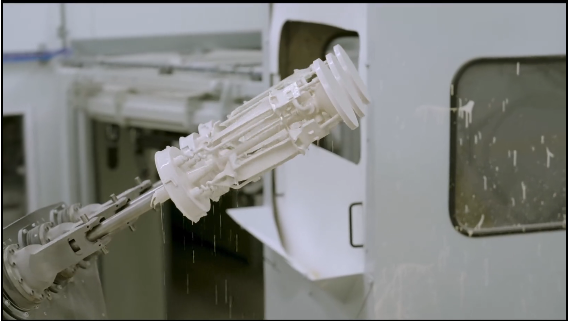
Zaten biliyorsunuz ki sıfır hata üretim hedefi, herhangi bir modern dökümhane için nihai hedeftir…
Peki gerçek anlamda oraya nasıl ulaşılır?
Sadece fırınla ilgili değil; ustalıkla ilgilidir dökmecilik teknolojisi kusursuz akış kontrolü ve gelişmiş malzemelerle.
Bu kılavuzda, gerçekten önemli olan konuya odaklanmak için gürültüyü ayırıyoruz: optimize etmek dökümhane verimini, eliminasyon dâhiller, ve doğru filtrasyon sistemlerini seçmek filtrasyon sistemleri.
Dökümünüz demir, çelik veya alüminyum döküm yapıyor olsun, kârlı bir döküm ile hurda yığınını ayıran fark genellikle tüketilebilir malzemelerinizle ilgilidir.
Hadi çözümlere dalalım.
Çekirdek Döküm Süreçleri ve Teknolojik Zorlukları
Modern dökmecilik teknolojisi eritme ve dökümden ibaret olmaktan öteye geçer; kusur önleme konusunda titiz bir bilimdir. Her bir dökümhane süreci gevşek kum inklüzyonlarından sıkışmış hidrojen gazına kadar benzersiz düşmanlarla karşı karşıyadır. Yüksek performanslı bileşenler üretmek için belirli metalurjik zorluğu doğru filtrasyon ve arıtma çözümleriyle eşleştirmek zorundayız.
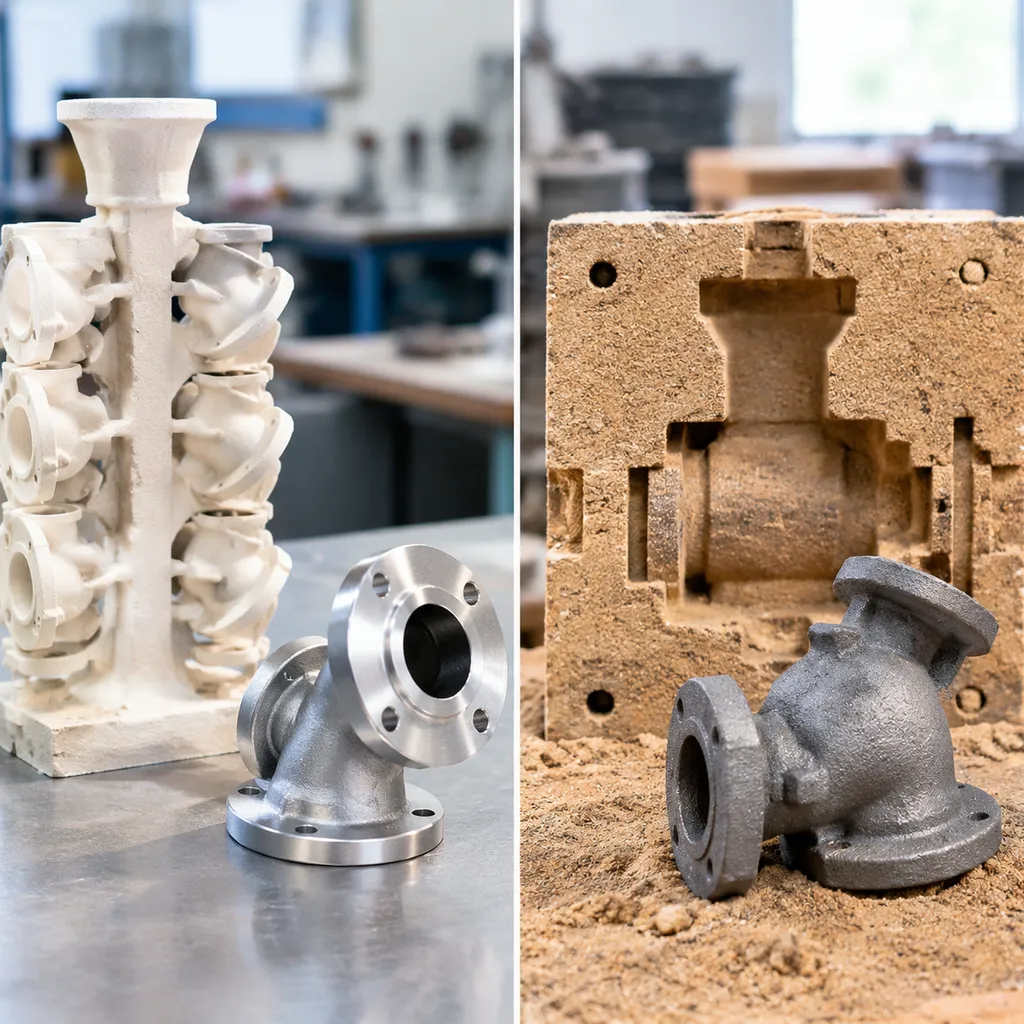
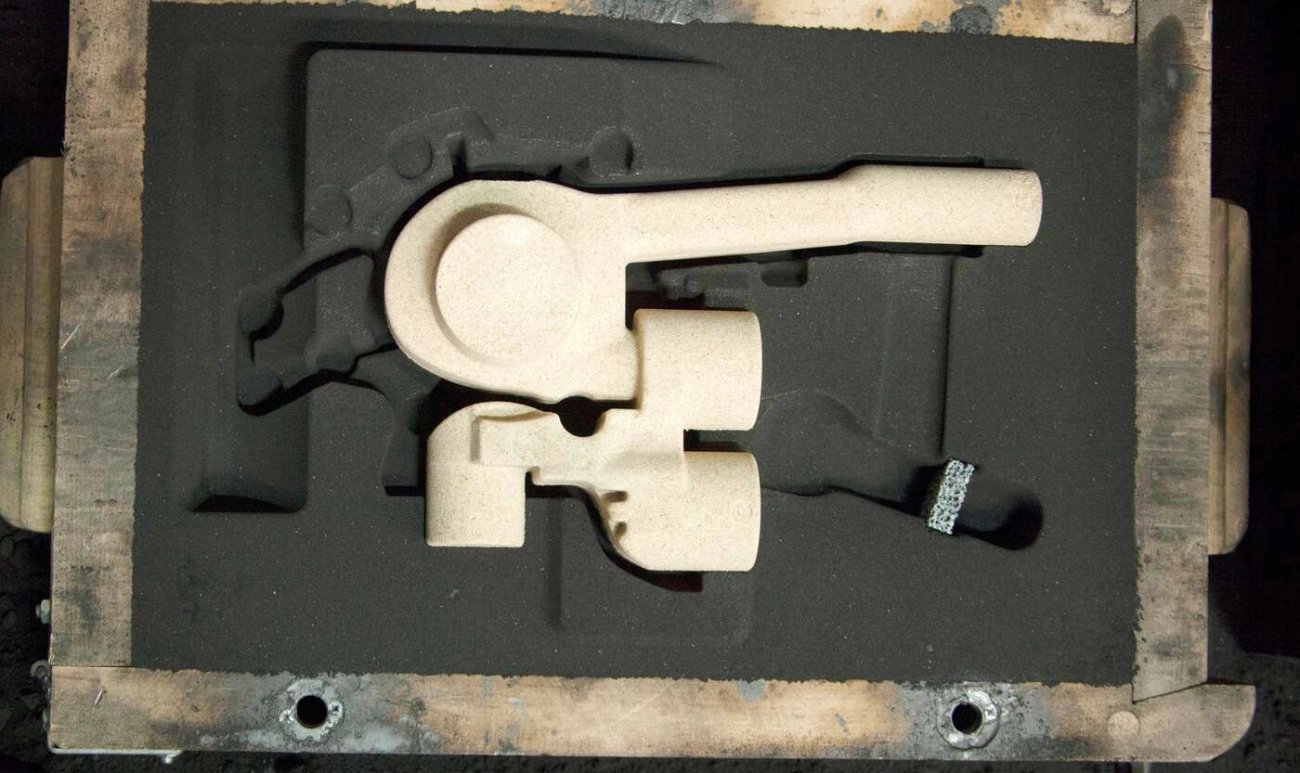
Kum döküm: Muhafaza Kapıdan İçeriye Girişte Kütleleri Durdurma
Kum döküm ağır sanayinin omurgası olmaya devam ediyor, ancak süreç doğal olarak kum yıkanması ve slag inclusions'a meyillidir. Bunu mücadele etmek için yüksek dayanımlı Seramik Köpük Filtreler (CFF) büyük dökümlerin fiziksel ağırlığına ve termal şokuna dayanacak şekilde tasarlanmıştır.
- Silisyum Karbür (SiC) Filtreleri: Gri ve dövülebilir demir için standart. 1500°C'ye kadar sıcaklık direnci ile bu filtreler akışı tıkamadan heterojen inclusions'ı etkili bir şekilde haplar.
- Zirkonya Filtreleri: Çelik döküm teknolojisi için vazgeçilmez. Sıcaklıklar 1700°C'ye ulaştığında Zirkonya, filtre arızasını önlemek ve temiz bir döküm sağlamak için gerekli kimyasal stabiliteyi sağlar.
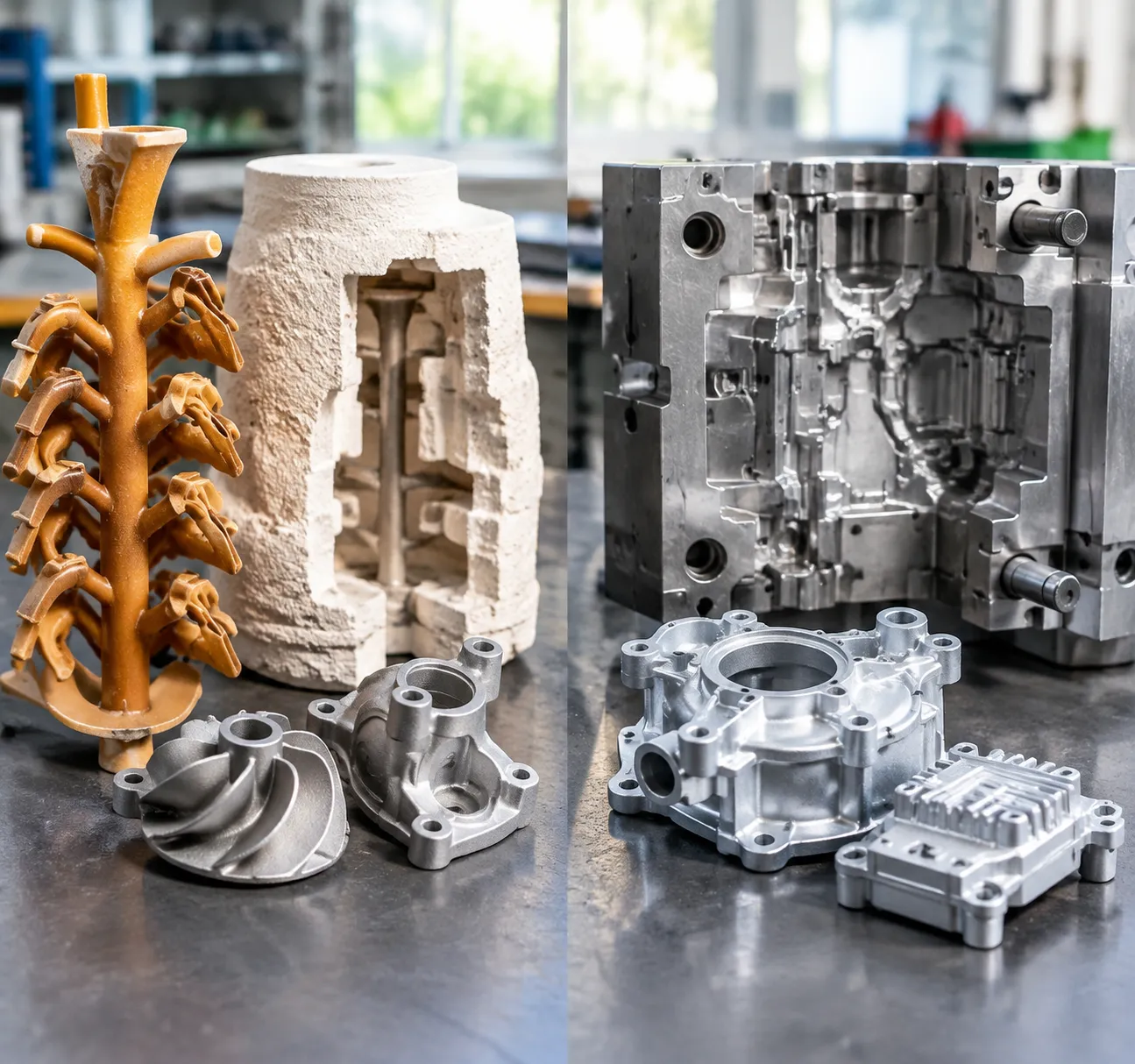
Yatırma Döküm: Yüzey Mükemmelliği Takibi
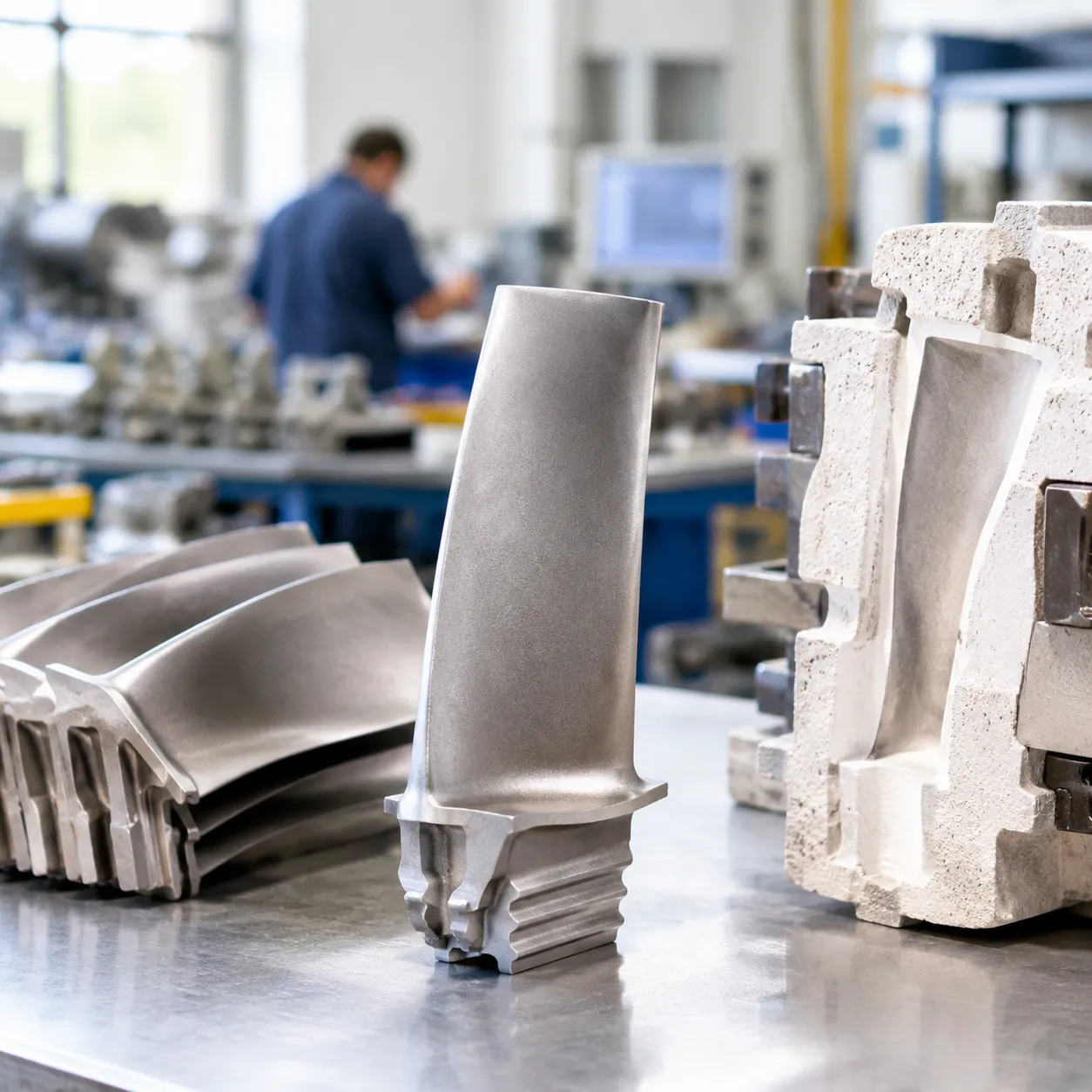
Yatırma dökümde yüzey bitimi ve boyutsal doğruluk tartışılmazdır. Burada dökmecilik teknolojisi kütle filtrelemeden mikro düzeydeki hassasiyete odaklanılır. En küçük safsızlıkların bile yakalanmasını sağlamak için yüksek gözenek yoğunluklu filtreler kullanıyoruz.
- Yüksek PPI (Delik Başına Gözenek): Genellikle 30 ila 60 PPI filtreler kullanıyoruz. Bu ince ağ yapısı, yüzeyi bozacak küçük parçacıkları yakalar.
- Laminar Akış: Metal akışını düzgünleştirerek bu filtreler kalıp aşınmasını önler, mum deseninin ayrıntılarını korur.
Alüminyum Döküm & Gravite Döküm: Poroziteyi Ortadan Kaldırma
Alüminyum alaşımları, özellikle hidrojen gözenekliliği ve oksit film oluşumu gibi farklı başağrıları seti sunar. Bu sorunları çözmek için döküm öncesi ve sırasında aktif eriyik tedavisi gerekir.
- Gaz boşaltma Rotorları: Erimişe inert gazı içine enjekte etmek için özel grafit rotörler kullanıyoruz. Bu mekanik karıştırma çözünen hidrojeni giderir ve nihai parçadaki gaz gözenekliliğini önemli ölçüde azaltır.
- Fiberglass Mesh Filtrasyonu: Yerçekimli döküm için yüksek sıcaklıktaki cam elyaf gözenekli ağ maliyet açısından etkili bir çözümdür. Bu, dross ve büyük oksitleri etkili bir şekilde süzer, sadece temiz alüminyumun kalıp boşluğuna girmesini sağlar.
Gizli Teknoloji: Filtrasyon ve Akış Kontrolü
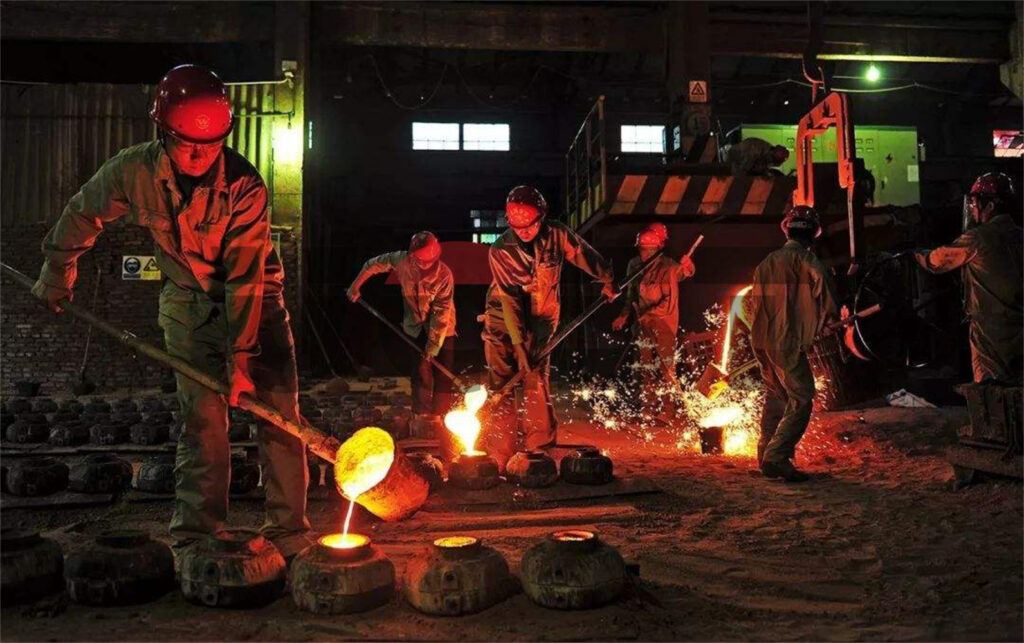
Dökümhanede, kalıpta olan şey, ergiyik metalin kendisi kadar kritiktir. Genelde üstün bir bileşenin hurdadan farkının, eriyen metalin boşluğa girdiği anda nasıl davrandığına bağlı olduğunu görüyoruz. Modern dökmecilik teknolojisi tıpkı parçanın çürümesini engellemek için sadece enkazı süzmekle kalmayan, dökümün fiziğini kökten değiştiren gelişmiş filtrasyon sistemlerine güçlü bir şekilde dayanır.
Akışın Fiziği: Türbülent Akışı Laminar Akışa Dönüştürme
Erimiş metal bir kalıba döküldüğünde, doğal olarak türbülent olmak ister. Bu sıçrama ve dönme, havayı hapseder ve oksitler oluşturur; bunlar temiz dökümün düşmanlarıdır. Ana hedefimiz erimiş metal filtrasyon sistemleri is laminer akış azaltımı. Metali kesin bir seramik yapıdan geçirerek, o kaotik, türbülent enerjiyi pürüzsüz, akıcı bir akışa dönüştürüyoruz.
Bu ralasyon, metal kalıba girdikten sonra yeniden oksitlenmesini engeller. Düz bir dolum, kum kalıbın aşınmasını ve hapsolan gaz kabarcıklarının azalmasını sağlar. Basit bir kavramdır, ancak akış oranını akış kontrolüyle dengelemek için hassas mühendislik gerektirir.
Filtrasyonda Malzeme Bilimi: SiC, Zirkonya ve Alümina
Aşırı sıcaklıklarla başa çıkarken “her şey için tek beden çözümü” yaklaşımı kullanamazsınız. Filtre malzemesinin kimyasal stabilitesi, dökülen alaşımla uyumlu olmalıdır. Doğru filtre malzemesini seçmek, anlamak kadar kritiktir farklı döküm alaşımlarının özellikleri ergiyicinin filtreyle reaksiyona girmemesini sağlamak için.
- Silisyum Karbür (SiC) Filtreleri: Bunlar demir ve bakır alaşımları için iş gücü görevi görür. Sıcaklık direnci 1500°C, SiC filtreleri gri ve şekil değiştiren demir dökümünün termal şokuna dayanır ve bozulmaz.
- Zirkonya Seramik Filtreler: Çelik uygulamaları için sıcaklıklar yükseldiğinde 1700°C, Zirkonya tek uygulanabilir seçenek. Aşırı ısılarda yapısal bütünlüğü korur ve agresif çelik kimyasallarından kaynaklanan korozyona karşı dayanıklıdır.
- Alümina Filtreleri: Bunlar, alüminyum dökümü için özel olarak tasarlanmıştır; alt sıcaklık aralığını idare ederken oksit filmelerini etkili bir şekilde yakalar.
Bal peteği mi Köpük: Dayanıklılık mı Verimlilik
In teknoloji döküm tartışmalarında, sık sık ekstrüde bal peteği filtrelerini karşılaştırırız Seramik Köpük Filtreler (CFF). Her ikisinin de bulunduğu yer vardır döküm sahasında, ancak işlevleri farklıdır.
- Ekstrüde Bal Peteği: Bu parçalarda düz, paralel kanallar bulunur. Yüksek mekanik dayanım sağlarlar ve akış hızının öncelik olduğu çok büyük döküm işler için mükemmeldirler. Ancak kanallar düz olduğu için bazı daha küçük parçacıklar geçebilir.
- Seramik Köpük Filtreler (CFF): Bunlar, ağ yapısına sahip, açık gözenekli yapıdan oluşur (10 PPI'den 60 PPI'ye kadar). İç yol karmaşıktır, yani metalin geçmek için bükülüp dönmesi gerekir. Bu “derin filtrasyon” mekanizması, metal dışı inklüzyon giderimi, çünkü mikro boyuttaki parçacıkları seramik matrisinin içinde fiziksel olarak hapseder.
Yüzey bitişi ve iç bütünlüğü şekilde hiçbir şekilde taviz verilmeyen yüksek özellikte parçalar için köpüğün derin filtrasyon yeteneği genelde tercih edilen seçenektir.
Termal Yönetim: Katılaşmayı Yönetmek
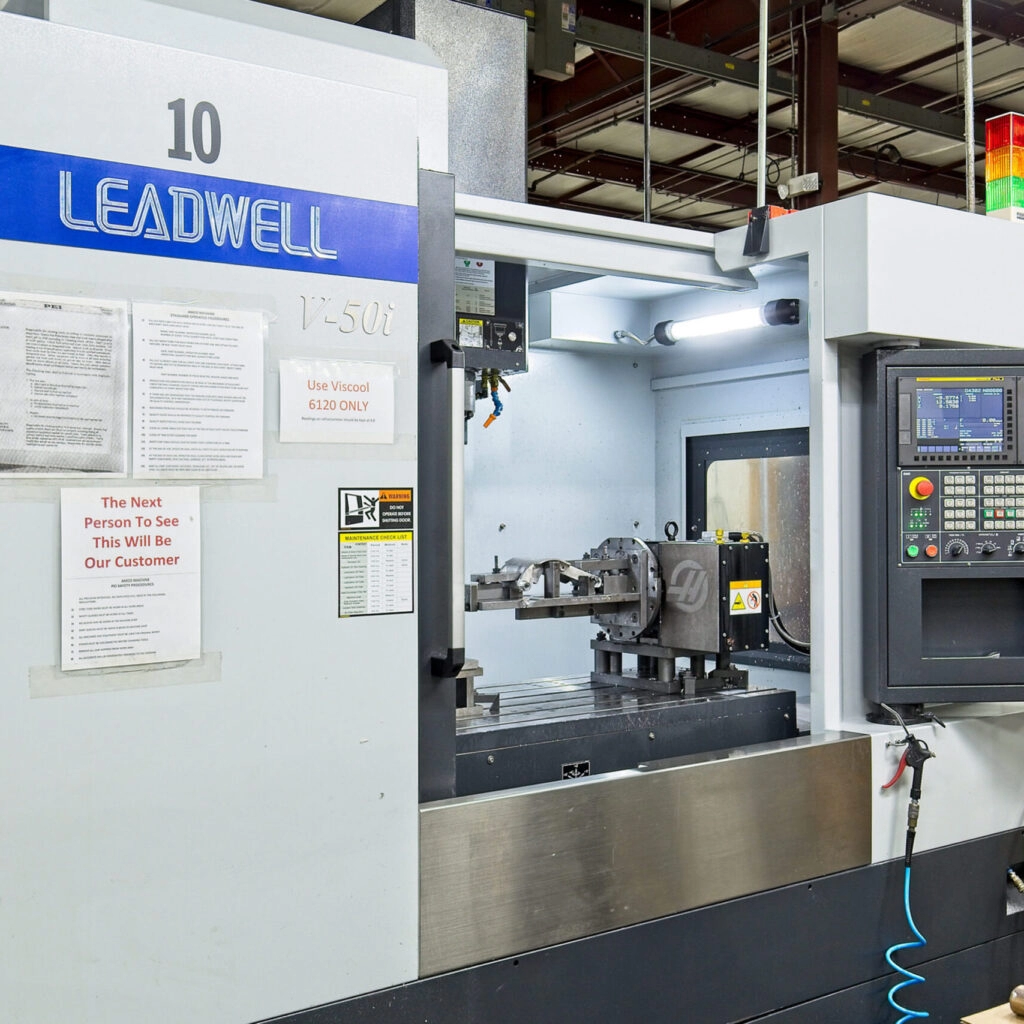
Metalik DöKümde Çökme Anlayışı
Erimiş metal katı haline dönüştüğünde hacimdaralma kaçınılmazdır. Bu küçülme, yapısal bütünlüğü doğrudan tehlikeye atan temel bir zorluktur. dökmecilik teknolojisi Katılaşma süreci kontrol altına alınmazsa metal parçanın kritik bölümlerinde iç boşluklar, gözeneklilik veya “boru” kusurları oluşturacak şekilde birbirinden ayrılır. Bunu yalnızca bir malzeme sorunu olarak değil, termal mühendislik sorunu olarak ele alıyoruz. Amaç, kalıplama önce katılaştığı için termal gradyanı değiştirerek rezervuardan (riser) sıvı metali boşlukları dolduracak şekilde çökertmektir.
Ekzotermik vs. Yalıtımlı Risor Kılıfları
Riser’in dökümün kendisinden daha uzun süre sıvı kalmasını sağlamak için özel yüksek sıcaklıklu refrakter malzemeler kullanıyoruz kılıf tasarılarımızda. ekzotermik ve yalıtımlı teknoloji arasındaki seçim, özel alaşım ve dökümün modülüsüne bağlıdır.
- Ekzotermik Riser Kılıfları: Bu kılıflar, eritilmiş metal ile temas ettiğinde yanacak şekilde tasarlanmış malzemeler içerir, karışımına bağlı olarak 1600°C-1700°C'ye varan yoğun ısı üretir. Bu aktif ısıl güç, dökümü etkili bir şekilde besler ve hızlı soğumanın riskli olduğu çelik ve demir alaşımları için vazgeçilmezdir.
- Yalıtımlı Yükseltici Kılıflar: Isı üretmek yerine bu kılıflar yüksek verimli termal bariyer görevi görür. Çevredeki kumdan ısı kaybını önler, metal ergiyik halde uzun süre tutulur. Bu çoğu zaman ferroz olmayan uygulamalar veya belirli demir kalite türleri için yeterli olur ve kalyk çekme küçülme önleme maliyetle dengelenmesi gerekir.
Verimlilik Optimizasyonu Stratejileri
Dökümhanenin verimliliği genellikle verim ile ölçülür—bitmiş döküm ağırlığının toplam dökülen ağırlığa oranı. Geleneksel kum yükselticiler verimsizdir; hızla soğur, çalışmak için büyük bir besi metal hacmi gerektirir. Yüksek verimli yükseltici kılıflar uygulanarak, besi performansından ödün vermeden yükselticinin boyutunu önemli ölçüde azaltmamızı sağlar.
Bu değişim doğrudan dökümhane verimlilik optimizasyonu. Daha küçük yükseltici anlamına gelir:
- Isıl işlem başına Daha Fazla Parça: Kalitesiz kutu sistemine daha az metal israf edersiniz.
- Azaltılmış İşleme: Daha küçük temas alanları, yükselticiyi çıkarmak için daha az kesme ve taşlama anlamına gelir.
- Enerji Tasarrufu: Daha az hurda metal eritilmesi gerekir.
Yüksek kaliteli çıktılara odaklanan tesisler için, karmaşık hassas döküm hizmetlerimiz, verimliliği optimize etmek kârlılığı sürdürmek ve kusursuz bileşenleri sağlamak için kritiktir.
Ergitme İşlem Teknolojisi: Döküme Önce Saflık
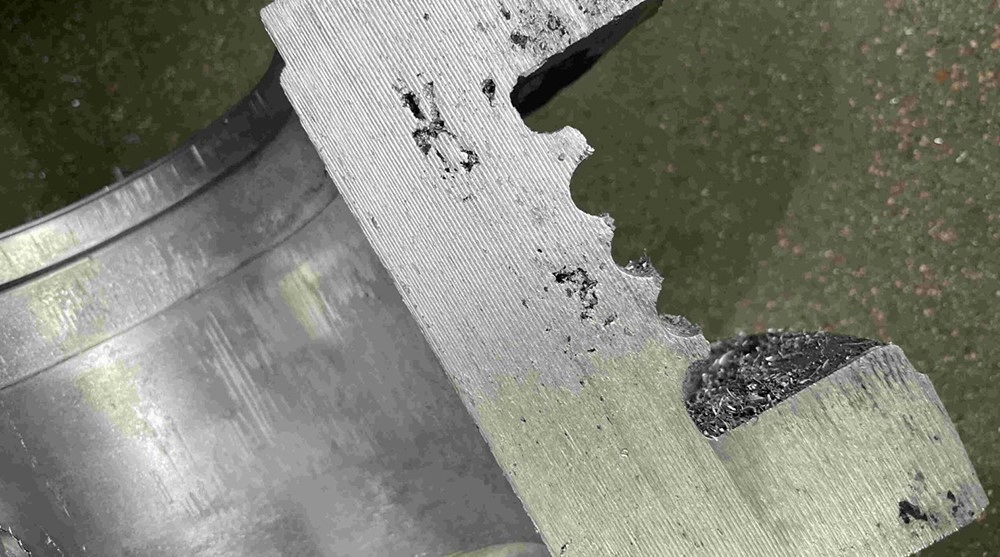
Gerçek dökmecilik teknolojisi sadece kalıp ile ilgili değil; fırında başlar. Eğer erimiş metal döküm öncesinde temiz değilse, en iyi filtre sistemi bile dökümünüzü kurtaramaz. Sıvı metalin kalıba girmeden önce gaz ve oksitlerden arındırılmış olmasını sağlamak için ergiyici işlemlerine yoğun şekilde odaklanıyoruz; bu, yüksek performanslı metalurjinin temelidir.
De-gassing Sistemleri: Grafit Rotorlarla Hidrojeni Uzaklaştırma
Gaz boşalması, özellikle hidrojen kabarcıkları, yapısal bütünlük için felakettir. Özellikle hassas malzemelerle çalışırken bu çok kritik bir durumdur. Örneğin, alüminyum alaşım döküm çözümleri, hidrojen çözünürlüğü katılaşma sırasında önemli ölçüde değişir ve sızıntı deliklerine yol açar.
Bunu mücadele etmek için, ileri degaslama rotor teknolojisi.
- Grafit Rotörler: Bu bileşiğe daldırılır ve inert gazı (nitrogen veya argon gibi) enjekte etmek için döndürülürler.
- Köpük Dağıtımı: Döndürme hareketi gazı ince baloncuklara böler ve yüzeye doğru yükselendikçe hidrojen toplar.
- Sonuç: Daha yoğun, gazsız bir döküm ile üstün mekanik özellikler.
Saflığın Sağlanması alüminyum alaşımı Proper degassing’den geçmek, machinin yapıldığı sırada görünür hale gelen kusurları önlemek için hayati öneme sahiptir.
Cüruf ve Dross Temizliği
Gazın ötesinde, katı safsızlıklarla başa çıkmamız gerekiyor. Oksitler, cüruf ve dross yüzeyde doğal olarak oluşur. Bunlar akış içinde sıkışırsa ikinci ürünün üzerinde zayıf noktalar yaratır.
Biz müdahale ederiz metal dışı inklüzyon giderimi özel kimyasal maddeler kullanılarak kepçede doğrudan:
- Kapatma Fluxları: Bunlar atmosfardan gelen daha fazla oksidasyonu engellemek için yüzeyde bir bariyer oluşturur.
- Cüruf Koagülanları: Bu ajanlar dağınık cüruf ve dökme tozunu büyük, bütünleşik toplara bağlar.
Cürufu “yapışkan” ve katı hale getirerek, döküm öncesinde tamamen tarakla temizlemek kolaylaşır. Bu adım, yalnızca temiz metalin akış hattı sistemine girmesini sağlar, aşağı akıştaki döküm teknolojisinin bütünlüğünü korur.
Endüstri 4.0: Döküm Teknolojisinin Geleceği
Dökümhanenin zemini hızla değişiyor. Yüzyıllar boyunca kullanılan tekniklere artık sadece güvenmiyoruz; sürecin her adımında gerçek zamanlı veriyi entegre ediyoruz. Döküm teknolojisi basit dökümden dijital ikizler ve otomasyonun verimliliği sürüklediği karmaşık, birbirine bağlı sistemlere evrildi. Endüstri 4.0’a olan bu geçiş, Türkiye pazarının talep ettiği sık toleranslar ve yüksek hacimler için gereklidir.
Veri Güdümlü Döküm: Kusurları Tahmin Etme
Bir damla metal bile dökülmeden önce nasıl davranacağını tam olarak biliyoruz. Modern simulasyon yazılımları akışkan dinamiklerini ve katılaşma modellerini sanal bir ortamda modellememizi sağlıyor. Bu öngörü yeteneği için bir oyunun kurallarını değiştiren bir adım metalurjik kalite kontrol.
- Sanal Modelle Potansiyel sıcak noktaları, türbülansı ve küçülme porozitesini dijital olarak belirleyebiliriz.
- Akış Optimizasyonu: Simülasyon, püsüm akışını sağlamak için kapı konumlarını ve filtre yerleşimini ince ayar yapmaya yardımcı olur.
- İsraf Azaltma: Zemin üzerinde hata yapmaktan çok ekran üzerinde hataları düzeltmek, pahalı yeniden işleme maliyetini önler ve doğrudan dökümhane verimlilik optimizasyonu.
Otomasyondaki tüketimler
Dökümhaneler tamamen otomatik dökme ve bitirme hatlarına ilerledikçe, tüketim maddelerinin tutarlılığı hayati hale gelir. Robotlar doğaçlama yapmazlar. Bir filtre veya yüksüz kılıfı ölçü olarak bir santimin bir kısmı kadar değişirse, bir robot kolunu sıkıştırabilir veya bir yerleştirme hatasına yol açabilir.
Otomatik hatlar için, özellikle yüksek hassasiyetli yatırım dökümcülüğü için hassas kalıplama döküm fabrikası yetenekleriyle, her seramik köpük filtresi ve ekzotermik kılıfı tam geometrik standartlara uygun olarak üretiriz. Bu hassasiyet, şu durumu sağlar teknoloji döküm çözümler, üretim hatlarının kesintisiz çalışmasını sağlayarak robotik kargıçlarla sorunsuz entegre olur.
Kalıcılık Teknolojisi Hakkında Sıkça Sorulan Sorular
Dövmeli döküm sürecini nasıl optimize edileceğiyle ilgili günlük olarak belirli teknik sorularla karşılaşıyoruz. modern ile ilgili en yaygın sorgulardan aldığımız cevaplar şu şekildedir dökmecilik teknolojisi ve malzeme seçimi.
Seramik köpük filtreleri (CFF) nasıl döküm verimini artırır?
Seramik köpük filtreleri (CFF) i̇n yapılan hammadde ve türbülans ile iki ana sebebi düzeltmek suretiyle verimi artırmada kritik öneme sahiptir.
- Fiziksel Filtrasyon: Karmaşık 3B yapı (10 ile 60 PPI arasında) mekansal olarak cüruf ve metalik olmayan inklüzyonları, son parçaya ulaşmasını engeller.
- Akış Kontrolü: Türbülanslı metal akışını düzgün, laminar bir akışa dönüştürerek filtre metalin yeniden oksitlenmesini ve kalıp aşınmasını önler.
Bu çift etkisi, reddedilme oranını önemli ölçüde azaltır; her döküm için daha satılabilir tonaj elde edersiniz.
Ekzotermik ve yalıtımlı riser kılıfları arasındaki fark nedir?
Her iki teknoloji de besleyici metalin eritilmiş halde kalmasını sağlayarak çekme kusurlarını önlemeyi amaçlasa da, farklı şekilde çalışırlar:
- Ekzotermik Kılıflar: Bunlar, eriyik metal ile temas ettiğinde yanmaya başlayan ve katılaşmayı geciktirmek için ısı üreten (ekzotermik reaksiyon) malzemeler içerir. Yüksek termal gradyana ihtiyaç duyan metaller için idealdir.
- Izolasyon Kılıfları: Bunlar, metallikte zaten mevcut olan ısıyı koruyan düşük termal iletkenlikli malzemelerden yapılmıştır.
Doğru kılıfın seçimi, yükseltinin son kristalleşmesini sağlamak için özel alaşımınız ve modül yükümlülüklerinize bağlıdır.
Neden alüminyum alaşımı dökümünde gaz çıkarmak (degassing) esastır?
Erimiş alüminyum, havadaki nemden hidrojen emilimine karşı oldukça hassastır. Bu hidrojen, katılaşmadan önce giderilmezse, gaz porozitesi olarak çökelir ve mekanik bütünlüğü bozar ve alüminyum çekme dayanımı.
Kullanıyoruz gaz çıkarmayı sağlayan üniteler grafit rotorlarla donatılmıştır ve ergimeye inert gaz (örneğin azot veya argon) enjekte edilir. Bu kabarcıklar hidrojenleri yakalar ve yüzeye yüzdürerek yoğun, porozitesiz bir döküm sağlar.
Hangi filtre malzemesi yüksek sıcaklıklara dayanıklı çelik dökümü için en iyisidir?
İçin çelik döküm teknolojisi, sıcaklık direnci belirleyici faktördür.
- Zirkonya (ZrO2): Çeliğe göre standarttır. Yüksek sıcaklıklara kadar dayanır ve ergiyen çeliğin agresif kimyasal saldırısına karşı dirençlidir. 1700°C Si cip (SiC):.
- Demir ve bakır için mükemmel olsa da (1500°C'ye kadar), SiC çeliğin aşırı sıcaklığına dayanamaz. Doğru Zirkonya filtresinin kullanılması yapısal bütünlüğü sağlar.
Doğru Zirkonya filtresinin kullanılması yapısal bütünlüğü sağlar paslanmaz çelik döküm uygulamaları döküm sırasında filtre arızası olmadan.