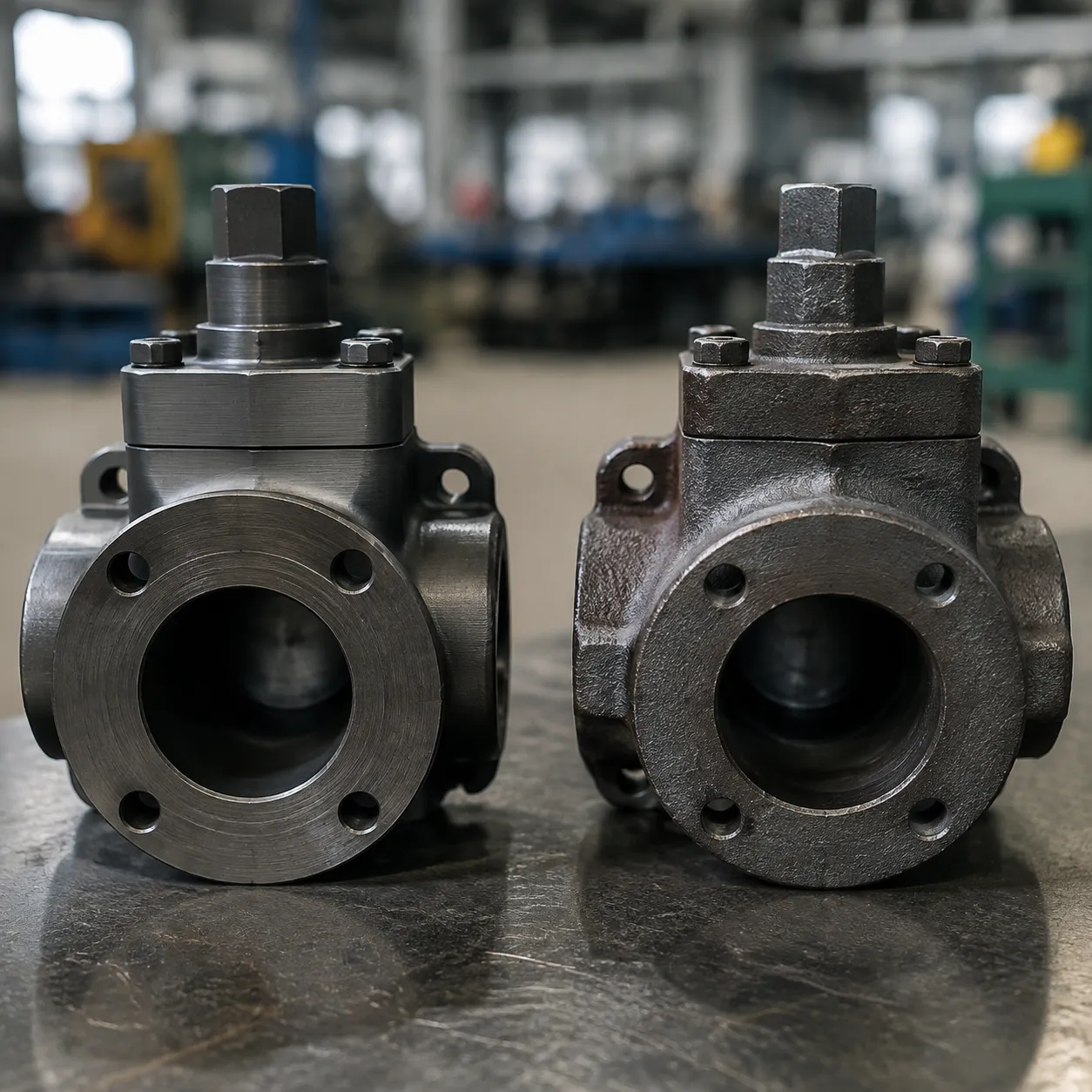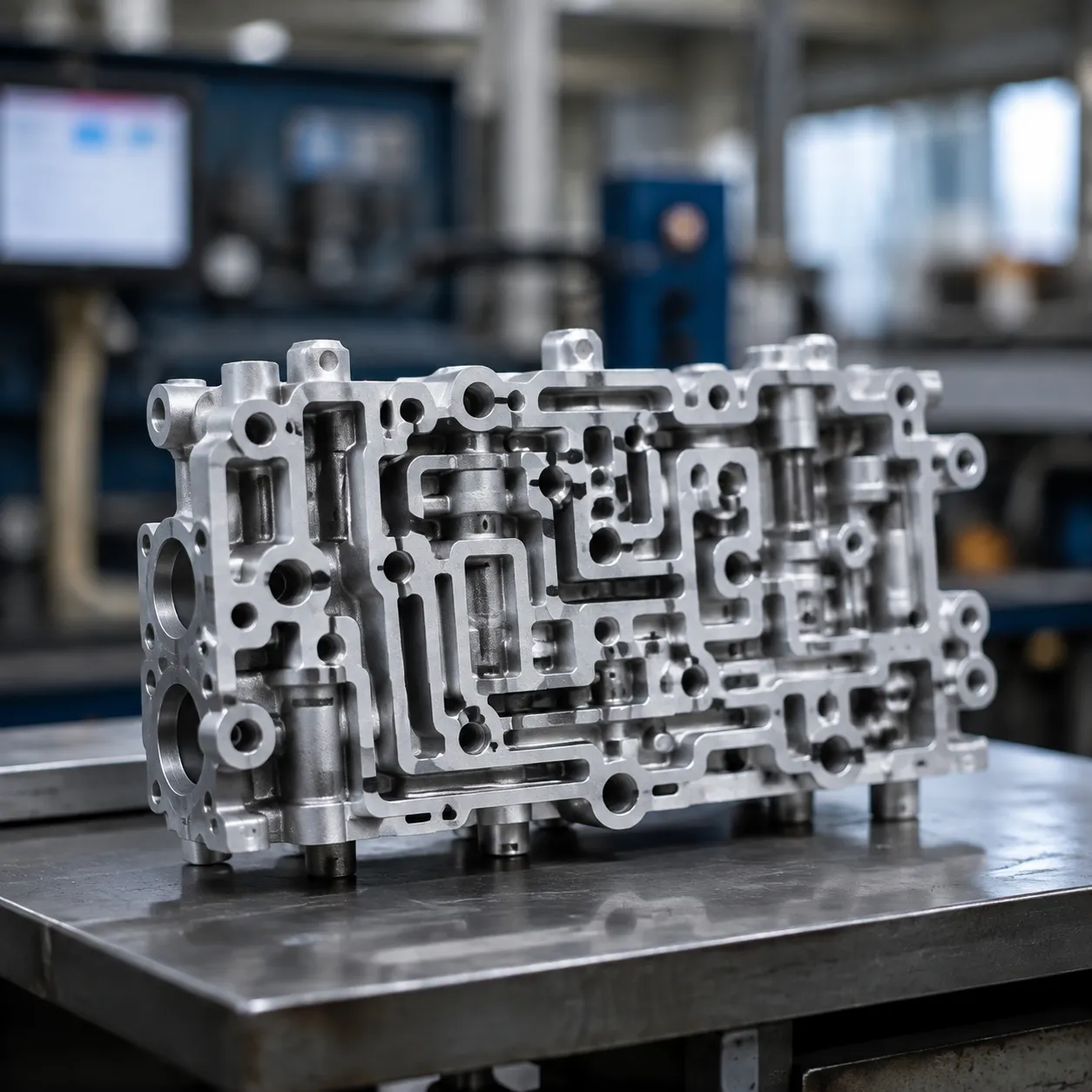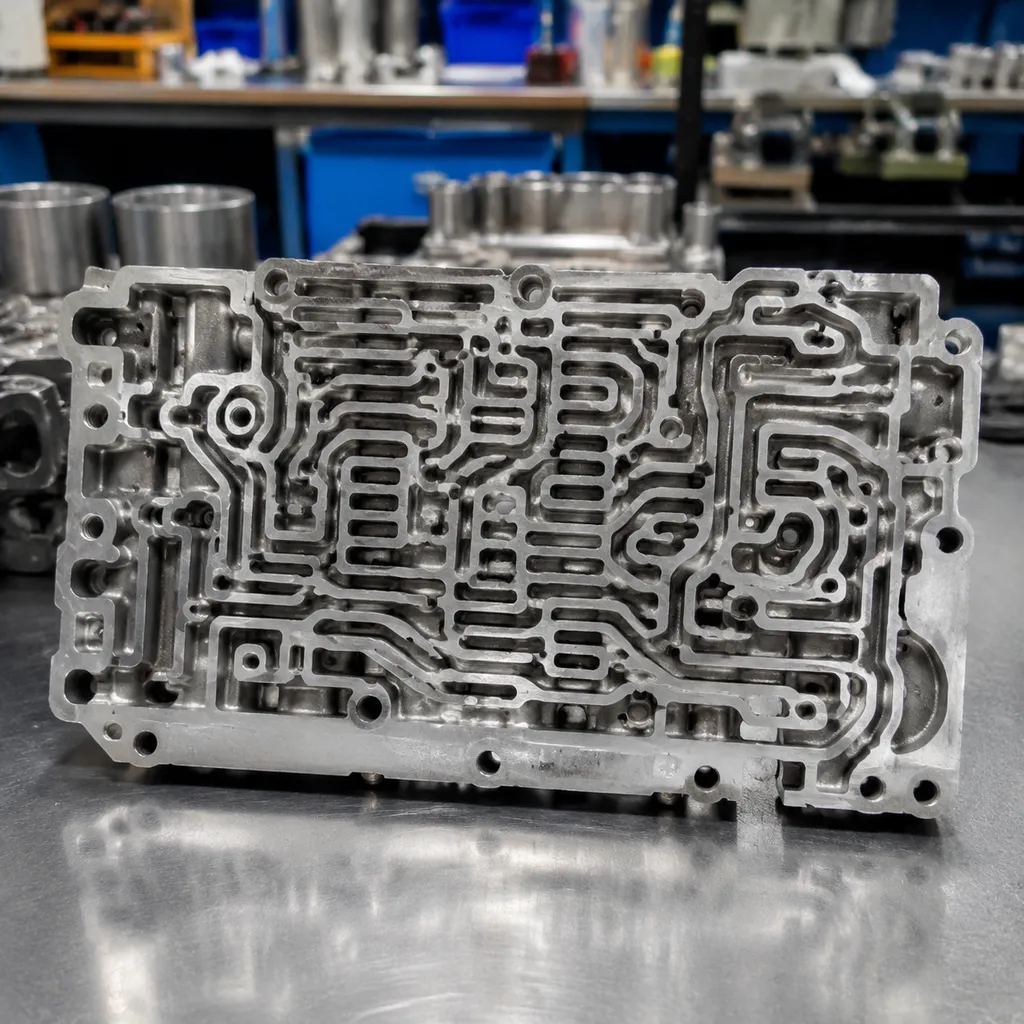
Metal Casting is the foundational craft that shapes our world.
Explore types of metal casting including sand die investment and permanent mold methods plus materials processes and FAQs.
The Casting Evolution: A look at how this 5,000-year-old process became a high-tech industry standard.
Expendable vs. Non-Expendable Molds: Navigating the differences between Sand, Investment, and Die casting.
Material Mastery: Why choosing the right alloy—from lightweight Aluminum to rugged Cast Iron—makes or breaks your project.
Expert Selection Strategy: Key factors to consider (tolerance, volume, and cost) when picking the perfect casting method.
What is Metal Casting?
Metal casting is a foundational manufacturing process where molten metal is poured into a specialized mold containing a hollow cavity of the desired shape. Once the metal cools and solidifies, the part is extracted, revealing a precise, durable component. We are Professional Precision Casting Service Providers, dedicated to delivering high-quality, complex metal parts for global industries. From heavy machinery to intricate aerospace components, metal casting remains one of the most efficient ways to produce complex geometries in mass quantities.
History of Metal Casting
The origins of metal casting date back over 5,000 years. Early civilizations utilized rudimentary molds made from stone, beeswax, and clay to forge copper weapons, tools, and ornaments. As technology advanced through the Bronze and Iron Ages, casting techniques evolved significantly. The Industrial Revolution introduced mechanized processes and improved metallurgy, paving the way for modern, high-volume production. Today, this ancient craft has transformed into a highly automated, precision-driven industry capable of incredible dimensional accuracy.
The Metal Casting Process
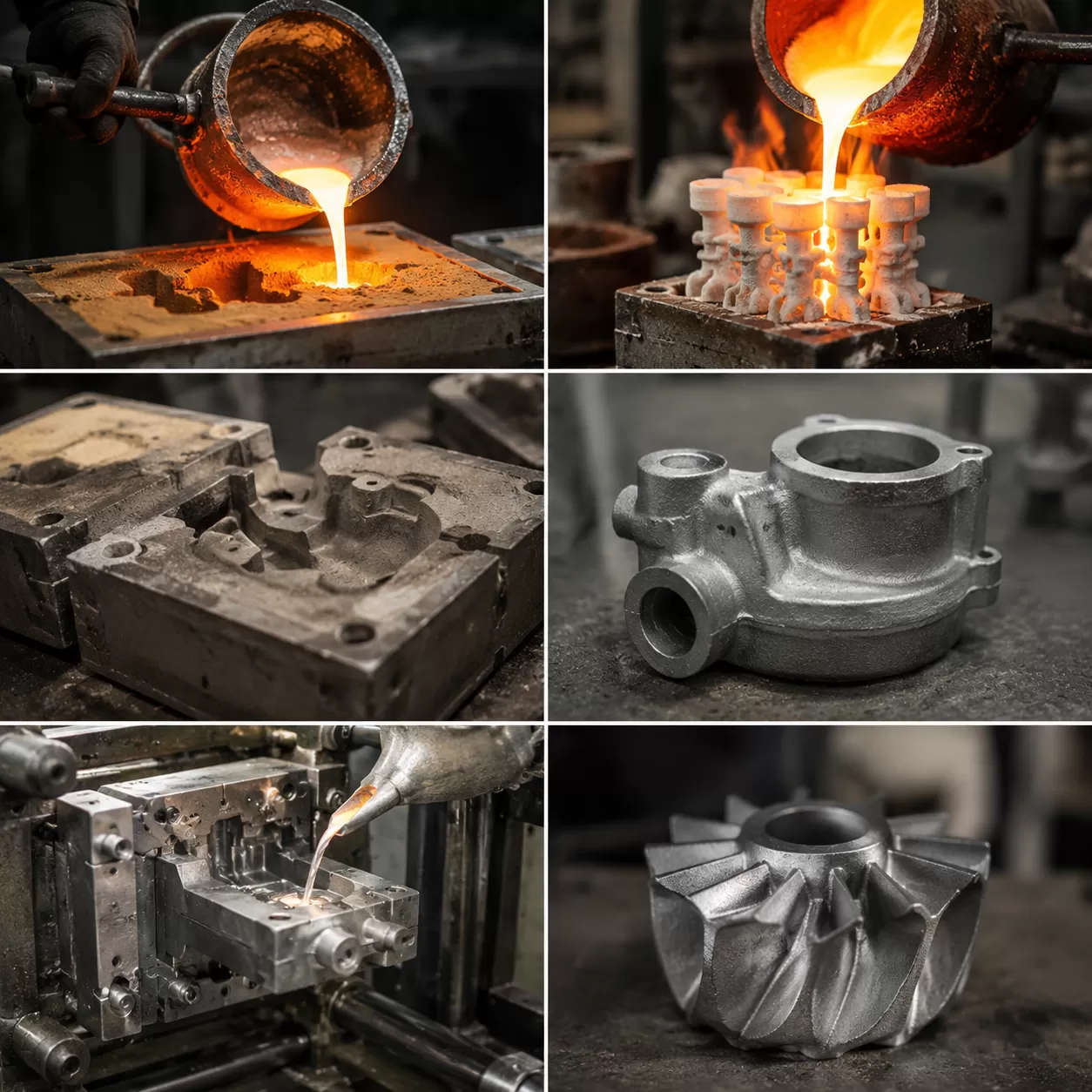
While specific techniques vary depending on the chosen method, the core methodology of creating a metal casting remains consistent. Here is the standard, step-by-step manufacturing process:
- Patternmaking: A physical replica (pattern) of the final object is created, often using wood, metal, wax, or plastic.
- Core Making (if required): Solid cores are manufactured and placed inside the mold to create internal cavities within the final part.
- Molding: The pattern is used to form a hollow cavity in the molding material, preparing it to receive the metal.
- Melting and Pouring: Solid metal alloys are melted in an industrial furnace until they become liquid. This molten metal is then carefully poured, fed by gravity, or injected under high pressure into the mold cavity.
- Cooling and Solidification: The metal is left to cool and harden, taking on the exact internal shape of the mold.
- Demolding and Finishing: The newly formed casting is removed from the mold. Excess material (such as gates and risers) is trimmed, and the surface is machined, sandblasted, or polished to meet exact engineering specifications.
Expendable Mold Casting Processes
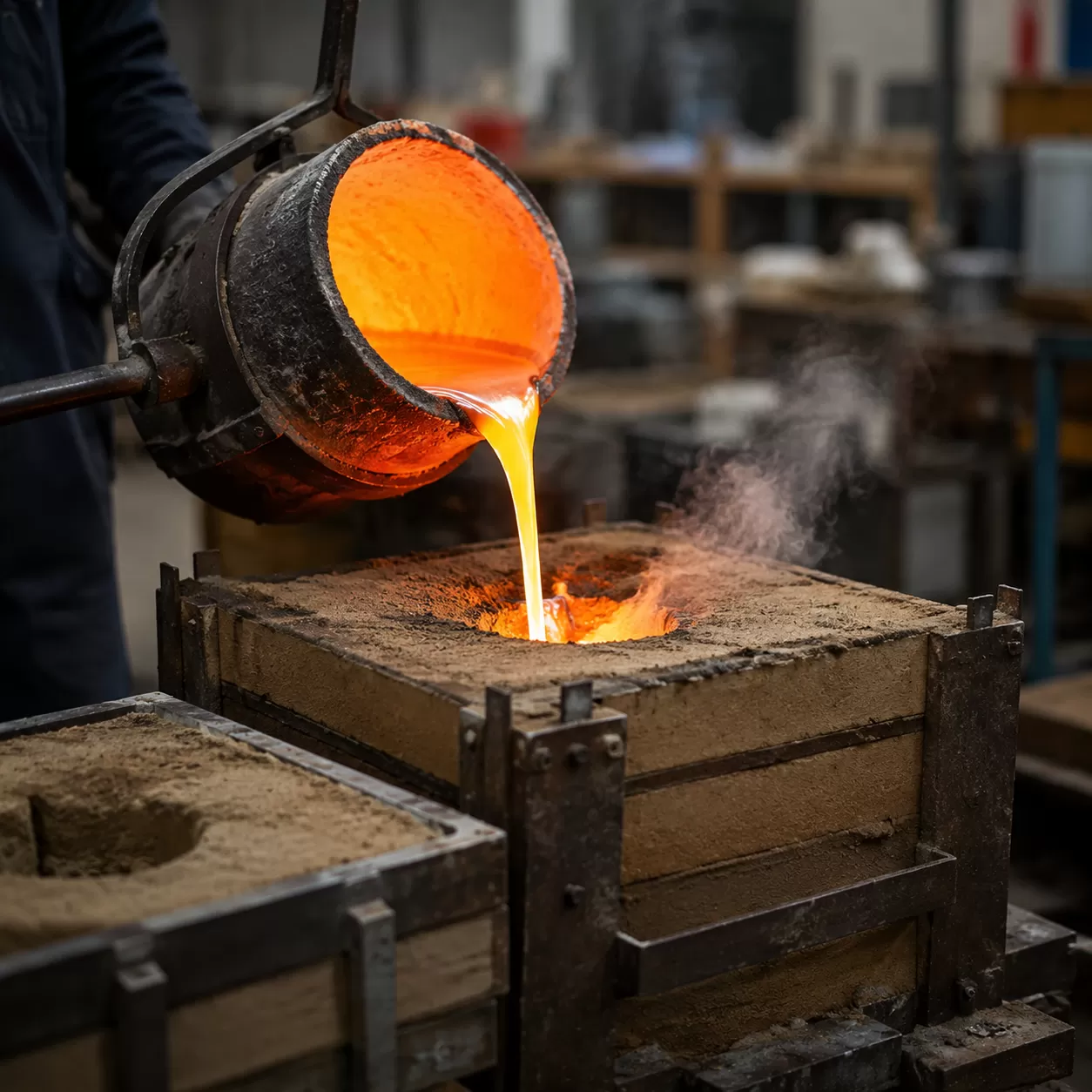
As professional precision casting service providers, we understand that selecting the right manufacturing technique dictates the quality of the final part. Expendable mold casting processes require the mold to be destroyed to extract the finished piece. These methods offer immense flexibility and represent some of the most reliable types of metal casting used across global industries today.
Sand Casting
Sand casting remains one of the most widely used and cost-effective methods for shaping metal.
- How it Works: We pack a specialized sand mixture around a pattern to create a hollow cavity, then pour molten metal directly into the mold.
- Key Advantages: It is highly adaptable, requires low tooling costs, and is perfect for producing massive, heavy components.
- Best Applications: Engine blocks, machine bases, and low-volume custom parts.
Investment Casting
Also known widely as lost-wax casting, this method is renowned for delivering exceptional detail and tight tolerances.
- How it Works: A wax pattern is coated in a durable ceramic shell. Once hardened, the wax is melted out, leaving a highly accurate cavity for the molten metal.
- Key Advantages: It produces parts with excellent surface finishes and complex geometries, reducing the need for secondary machining. This technique is especially valuable when utilizing an alloy steel casting process for high-precision CNC parts to meet strict industrial specifications.
Plaster Mold Casting
Plaster mold casting shares a similar core concept with sand casting but uses a plaster of Paris mixture for the mold material.
- How it Works: The plaster creates a highly detailed, smooth cavity.
- Key Advantages: It delivers a superior surface finish and excellent dimensional accuracy compared to standard sand molds.
- Best Applications: Due to the thermal limitations of plaster, this process is strictly reserved for non-ferrous metals with lower melting points, such as aluminum and zinc alloys.
Lost Foam Casting
Lost foam casting is an innovative approach designed to simplify the production of highly complex shapes.
- How it Works: We use a polystyrene foam pattern coated in a refractory dip. When the molten metal is poured into the mold, the intense heat instantly vaporizes the foam, allowing the metal to fill the exact shape of the pattern.
- Key Advantages: This process eliminates the need for draft angles and parting lines, resulting in highly accurate parts that require minimal finishing work.
Non-Expendable Mold Casting Processes
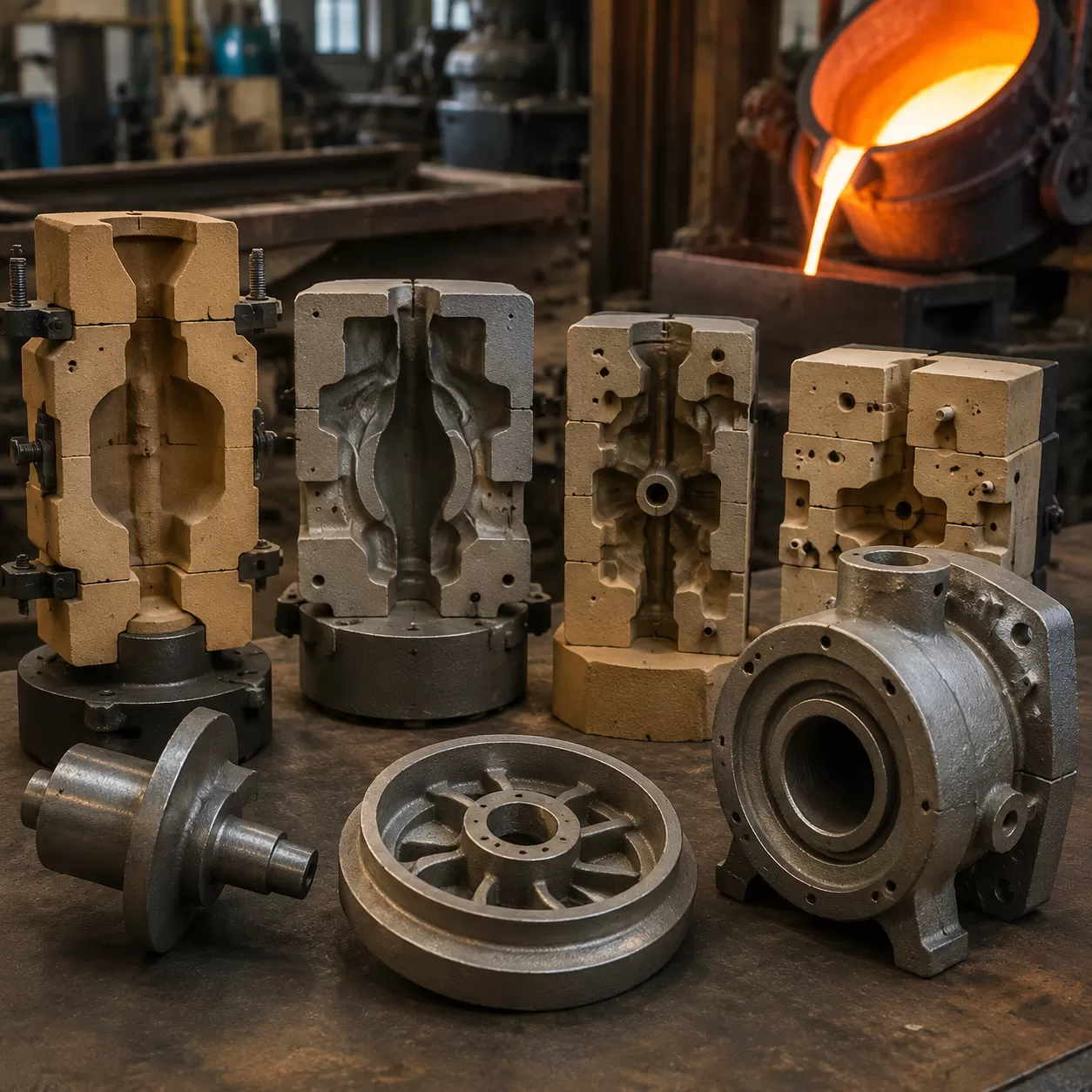
Non-expendable mold casting uses permanent molds, typically made from durable metals, which can withstand thousands of cycles. This approach significantly speeds up manufacturing while maintaining tight tolerances.
Die Casting
Die casting involves forcing molten metal under high pressure into a reusable steel mold cavity. It is an extremely fast and reliable method for producing complex metal parts with smooth surface finishes. Depending on the project requirements, we utilize both high-pressure die casting for rapid, high-volume output and low-pressure die casting for applications requiring higher structural integrity. When selecting materials for this process, choosing the right casting alloy is crucial to ensuring the longevity and performance of the final part.
Permanent Mold Casting
Often referred to as gravity die casting, this method relies on gravity rather than high pressure to fill the mold with molten metal.
- Strength: Produces highly dense, structurally sound components.
- Cost-Effective: Ideal for medium to high-volume production where die casting tooling costs might be too high.
- Finish: Delivers a better surface finish and tighter dimensional accuracy than traditional sand casting.
Centrifugal Casting
Centrifugal casting is a unique process where the mold continuously rotates at high speeds as the molten metal is poured inside. The centrifugal force distributes the metal evenly along the mold walls.
- Best For: Creating symmetrical, cylindrical parts like pipes, tubes, and rings.
- High Density: The spinning action forces impurities to the center, leaving the outer structure dense and defect-free.
- Efficiency: Eliminates the need for a central core, saving time and material costs.
Common Metals Used in Casting
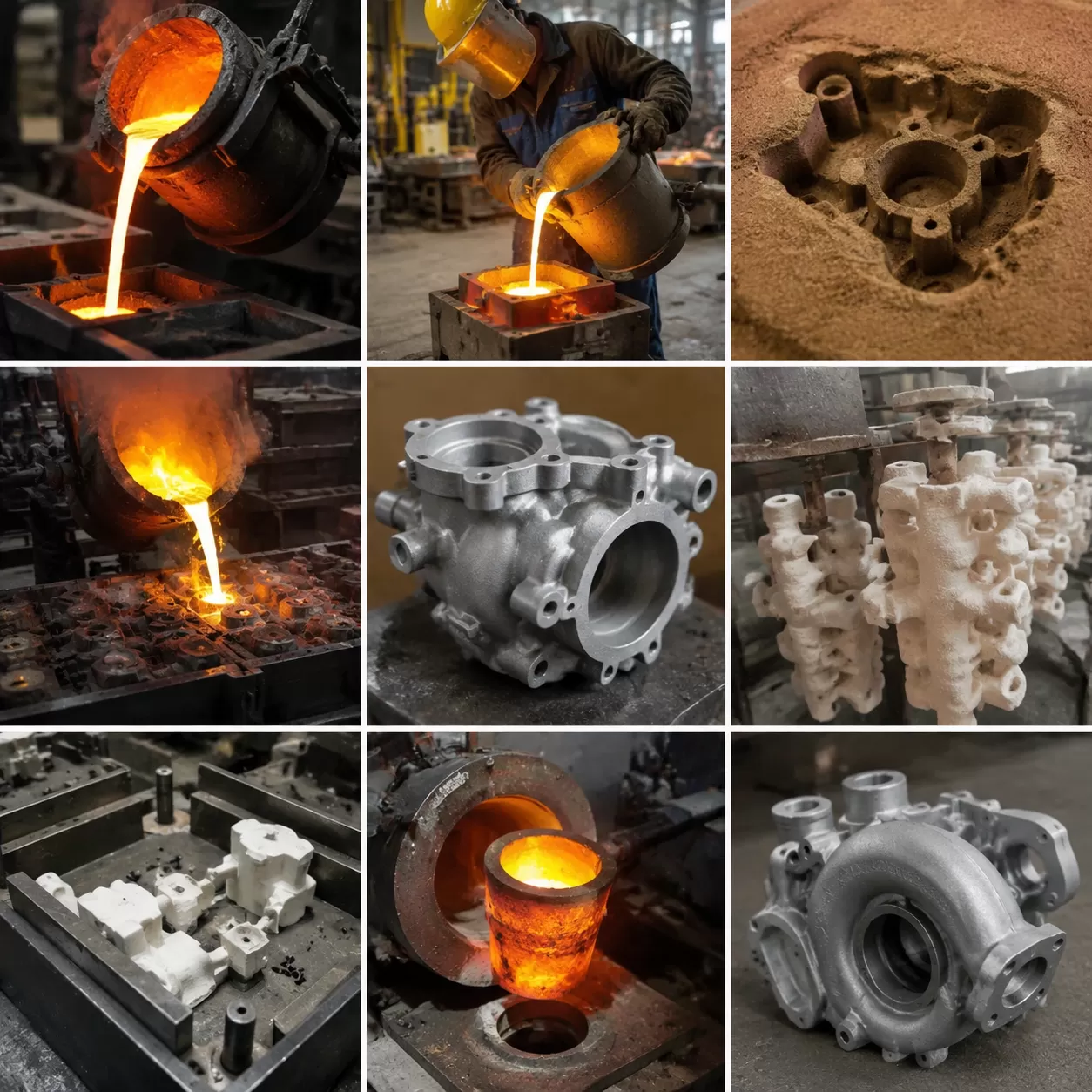
When we pour molten metal into a mold, the material we choose completely defines the part's final performance. Across the different types of metal casting, certain metals stand out because they balance workability with reliable mechanical properties.
Aluminum
Aluminum is lightweight, highly machinable, and offers excellent corrosion resistance.
- Best for: High-volume production, complex geometries, and weight-sensitive parts.
- Common methods: Aluminum is heavily favored in the industrial die casting process due to its ability to quickly form precise shapes for the automotive and aerospace sectors.
Cast Iron
Cast iron is the rugged workhorse of the manufacturing world. It flows easily when melted and provides incredible wear resistance once solidified.
- Best for: Heavy-duty, high-wear components like engine blocks, pipes, and large machine bases.
- Common methods: Sand casting remains the most practical and cost-effective method for handling this heavy material.
Steel
Steel brings unmatched strength, toughness, and durability to the table. We rely on it when components must survive high stress and harsh working environments.
- Best for: Industrial tools, structural hardware, and heavy machinery components.
- Common methods: Investment casting handles steel beautifully for intricate designs. For extreme environments, incorporating specialized alloys like 15-5 PH steel ensures your parts maintain high strength and exceptional corrosion resistance.
Copper and Bronze Alloys
Copper and bronze are highly valued for their superior electrical conductivity, thermal properties, and low-friction characteristics.
- Best for: Bearings, gears, marine hardware, plumbing valves, and electrical fixtures.
- Common methods: We frequently use centrifugal casting to create highly durable, dense, and defect-free cylindrical parts from these alloys.
Choosing the Right Metal Casting Method
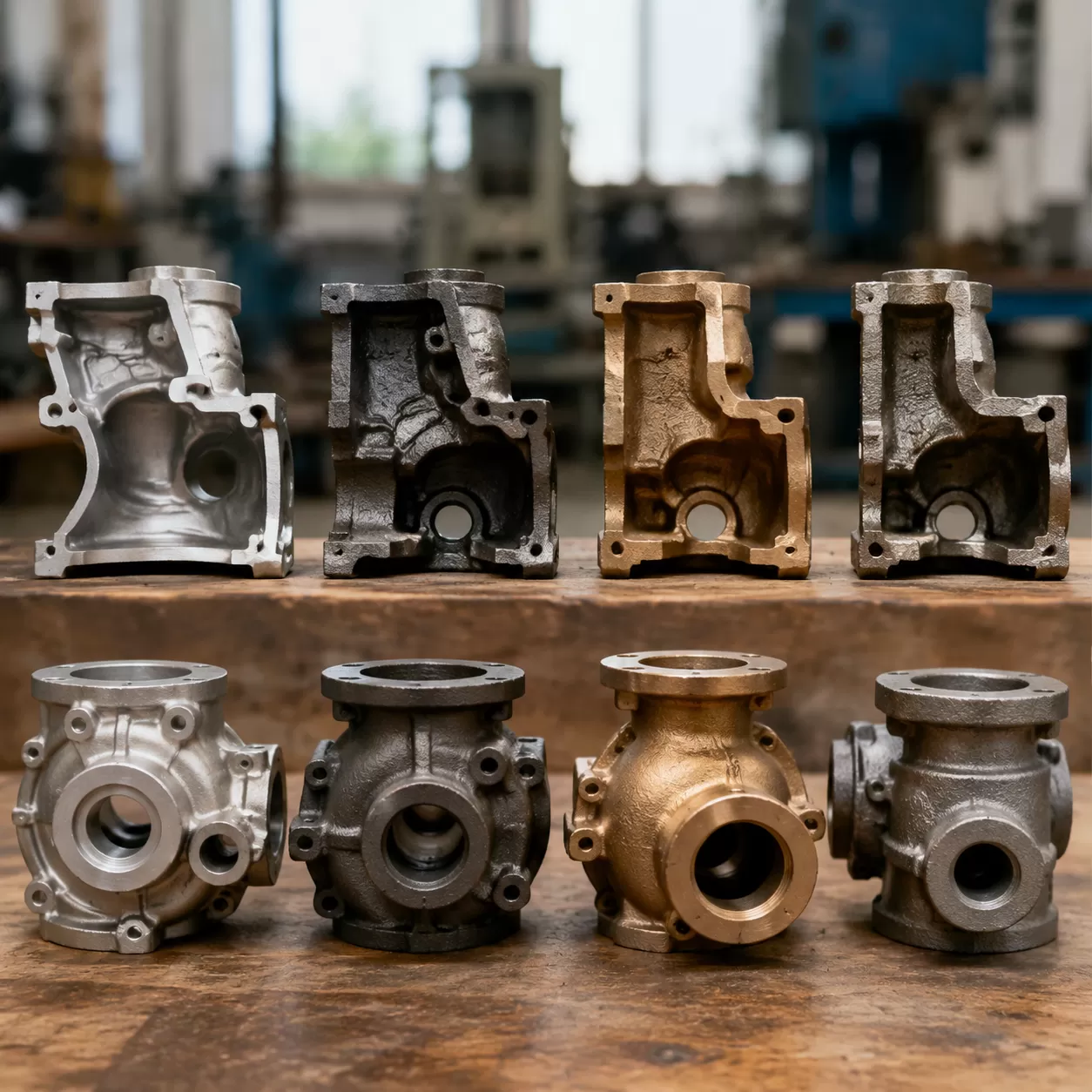
Selecting the ideal technique from the various types of metal casting can make or break your manufacturing project. Finding the perfect fit ensures you get durable parts while keeping production costs and timelines in check.
Factors to Consider
Before pouring any molten metal, you need to evaluate your project's specific needs. Keep these crucial factors in mind to ensure optimal results:
- Production Volume: High-pressure die casting is perfect for massive production runs, while sand casting is much more cost-effective for small, custom batches.
- Material Selection: Certain metals flow better in specific molds. Your choice of material directly dictates the most viable process.
- Tolerance and Precision: Investment casting (lost-wax casting) delivers incredibly tight tolerances, whereas gravity die casting might require secondary CNC machining.
- Tooling Costs: Expendable molds have lower upfront costs compared to the expensive tooling required for reusable molds.
- Surface Finish Requirements: If a smooth, near-net shape is critical, plaster mold casting or low-pressure die casting will save you significant time on post-processing.
Comparing Casting Processes
When comparing different methods, you have to weigh the trade-offs between speed, setup cost, and final quality. Sand casting is incredibly versatile and cheap but lacks the fine detail of investment casting. Meanwhile, centrifugal casting is unmatched for creating highly durable, hollow cylindrical parts.
For high-volume production where consistency and mechanical strength are non-negotiable, utilizing a permanent mold casting process provides excellent dimensional accuracy and a superior surface finish. Conversely, if your project involves specific copper alloys and intricate details, partnering with a specialized brass casting service ensures your custom OEM precision parts meet exact industry standards without material waste. Matching the specific casting process to your exact structural and financial specifications is the ultimate key to manufacturing success.
FAQs About Types of Metal Casting
Which casting method is best for highly complex shapes?
We generally recommend investment casting, also widely known as lost-wax casting, for intricate designs. It delivers excellent dimensional accuracy and a smooth surface finish. If you want to learn more about the specific materials we use to achieve this precision, take a look at our investment casting materials guide detailing zircon and silica sol refractory powders.
What is the most cost-effective process for high-volume production?
Die casting, specifically high-pressure die casting, is typically the best choice for massive production runs. This method forces molten metal into reusable steel molds at extremely high speeds, making the process fast, repeatable, and cost-effective per unit.
Can steel parts be cast with high precision?
Absolutely. Processes like investment casting and specialized sand casting are perfect for tough metals. As professional precision casting service providers, we produce high-quality carbon steel casting for precision custom steel parts designed to meet strict global industrial standards.
What is the difference between expendable and non-expendable molds?
- Expendable Molds: Used in sand casting and plaster mold casting. The mold is destroyed to remove the part. These are cheaper to set up and ideal for low-volume runs.
- Non-Expendable Molds: Used in gravity die casting, low-pressure die casting, and centrifugal casting. The molds are reusable, making them perfect for high-volume manufacturing where the initial tooling cost is offset by scale.