While copper is globally recognized for its exceptional conductivity, its mechanical durability dictates structural success in heavy-duty industrial applications. Choosing the wrong temper or alloy can lead to catastrophic component failure under mechanical stress or high internal pressure.
This guide delivers the exact engineering data required to optimize your material selection.
Here is what this article covers:
The Baseline Values: The exact tensile strength of copper across annealed (soft) and cold-rolled (hard) states.
Core Mechanical Metrics: Comprehensive data on Ultimate Tensile Strength (UTS), yield strength, elongation, and Young's Modulus.
Alloy Comparisons: How grading changes performance, from standard C110 ETP to high-strength beryllium copper and brass.
Processing & Environmental Impacts: How heat treatment, cryogenic temperatures, and elevated thermal environments alter load-bearing capacities.
What is the Tensile Strength of Copper?
Copper is universally recognized for its superior electrical and thermal conductivity, but its mechanical properties are just as critical for heavy-duty industrial and commercial applications. The tensile strength of copper generally ranges from 210 MPa to over 400 MPa (approximately 30 ksi to 58 ksi). This baseline heavily depends on how the metal is processed, specifically whether it is left in an annealed (soft) state or has been cold rolled to harden the material.
Definition of Tensile Strength in Metallurgy
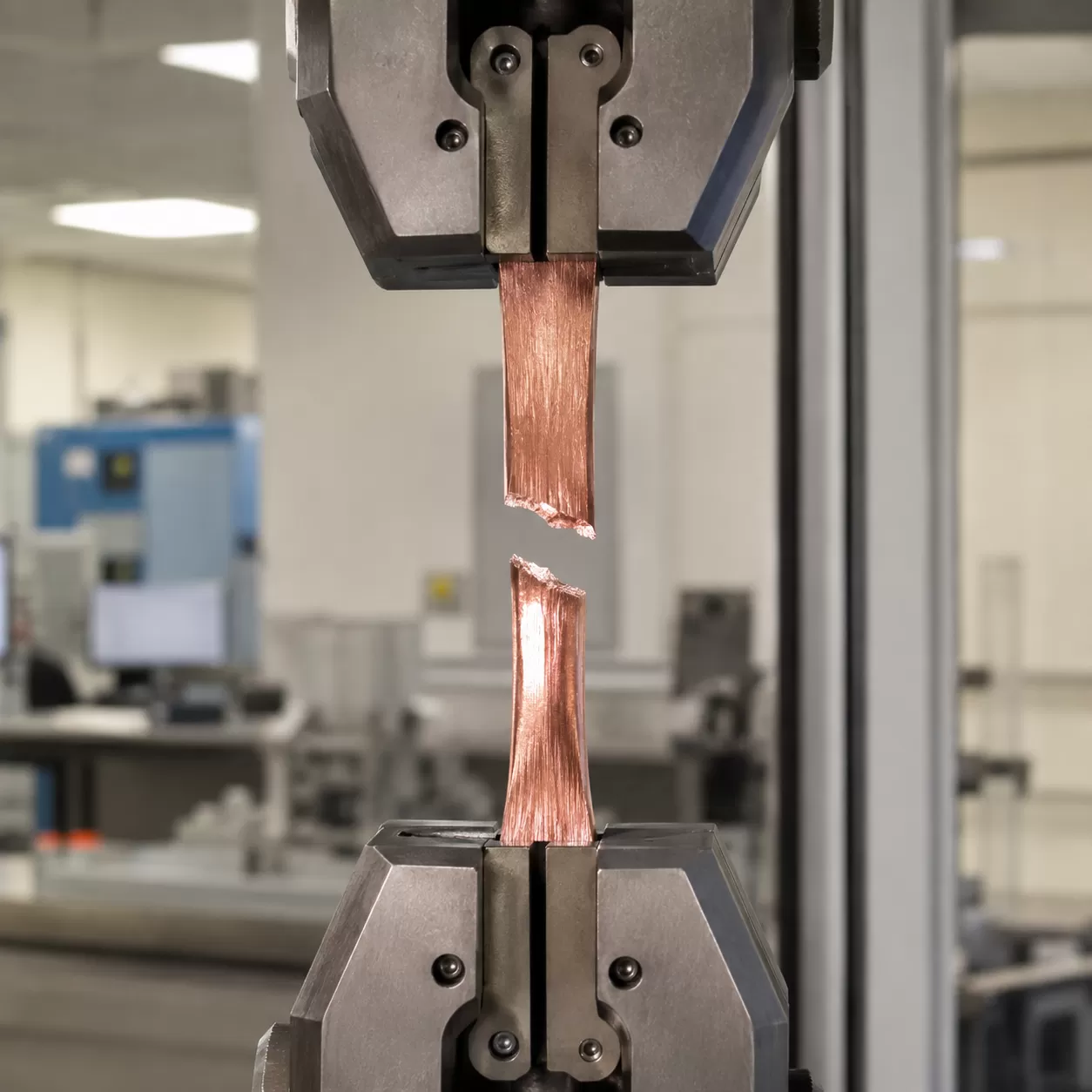
In metallurgy, tensile strength evaluates how a metal reacts under tension. It is the maximum amount of stretching or pulling stress a material can withstand before it fails or breaks.
To properly assess copper, engineers look at a few specific metrics:
- Ultimate Tensile Strength (UTS): The absolute maximum stress the copper can sustain before breaking.
- Yield Strength: The precise stress point where the copper stops stretching elastically and begins to permanently (plastically) deform.
- Elongation: A measure of the metal's ductility, indicating how much it can stretch before fracturing.
- Young's Modulus (Modulus of Elasticity): Measures the stiffness of the solid material.
Why Tensile Strength Matters for Copper Applications
You cannot design a reliable system without factoring in the physical limits of your materials. While copper is highly ductile—making it perfect for drawing into wires for electricity—it must still possess the required strength to survive installation and daily environmental stress.
Tensile strength dictates performance in several key areas:
- Wire Pulling: Ensures electrical cables do not snap under tension during conduit installation.
- Pressurized Systems: Guarantees that copper tubing and pipes can handle high internal pressures without expanding or rupturing.
- Load Bearing: Allows architectural copper roofing and structural components to resist wind, snow loads, and thermal expansion.
How Copper Compares to Other Common Metals
When selecting materials for precision casting or manufacturing, copper offers a unique middle ground. It is significantly denser and generally stronger than pure aluminum, yet it remains far more malleable than standard structural steel.
| Metal Type | Average Tensile Strength (MPa) | Key Mechanical Characteristic |
|---|---|---|
| Pure Copper | 210 - 400 | Exceptional balance of ductility and conductivity. |
| Pure Aluminum | 90 - 150 | Highly lightweight and easy to form, but lower ultimate tensile strength. |
| Mild Steel | 400 - 550 | High structural strength and rigidity, but lacks natural corrosion resistance. |
By balancing these mechanical properties, copper proves to be an indispensable asset where both robust physical integrity and efficient energy transfer are mandatory.
Key tensile strength terms for aluminum
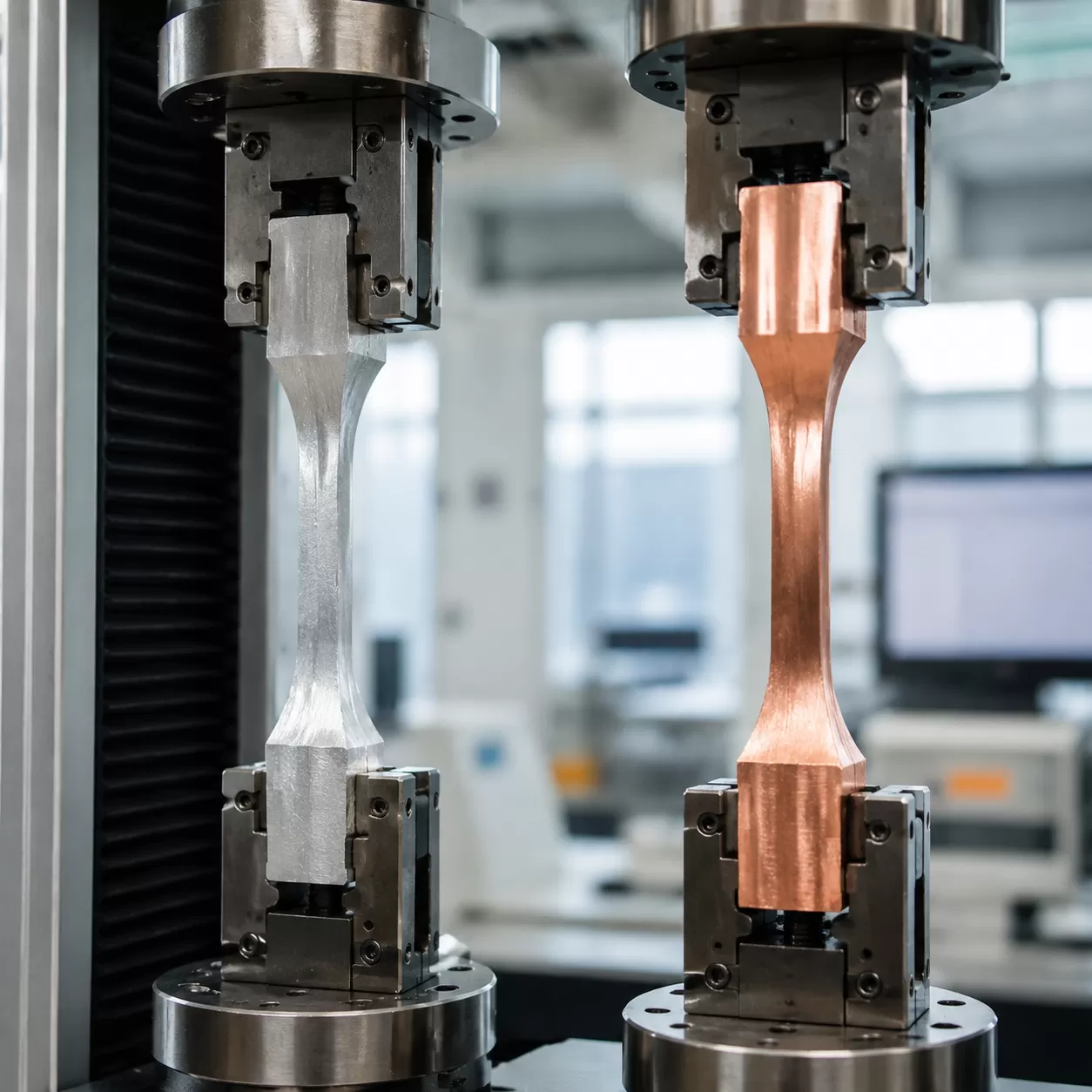
Essential Mechanical Properties
Whether you are sizing up aluminum or dialing in the tensile strength of copper, the core terminology stays the same. As Professional Precision Casting Service Providers, we use these universal metrics every day to ensure materials perform exactly as expected in the real world.
Here is a quick breakdown of the mechanical properties you need to know:
- Ultimate Tensile Strength (UTS): The maximum stress a metal can take before it fractures. We usually measure this in MPa (megapascals) or ksi.
- Yield Strength: The exact threshold where a metal permanently bends or deforms out of shape. For materials without a clear yielding point, we look at proof strength instead.
- Young's Modulus: Often referred to as the modulus of elasticity, this number tells you exactly how stiff the material is under pressure.
- Elongation: This measures how ductile a metal is—basically, how much it can stretch before finally snapping.
How you process the metal changes these numbers dramatically. For instance, cold rolled materials lock in higher strength and rigidity. On the flip side, fully annealed metals offer maximum flexibility and malleability, which is crucial when the application involves conducting electricity safely and efficiently. Having a solid grip on these terms helps you make the right call, especially when setting up permanent mold casting services for precision parts.
Key Mechanical and Physical Properties of Copper
Understanding the core mechanical properties of a material—especially the tensile strength of copper—is crucial for getting your engineering projects right. Let's break down the physical metrics that make this metal a top choice for global manufacturing. If you're designing custom components, these numbers matter just as much as they do when working with precision CNC machining bronze and other copper-based alloys.
Yield Strength vs. Ultimate Tensile Strength
When evaluating how much load a copper part can take, you need to look at two main numbers, typically measured in MPa (megapascals) or ksi (kilopounds per square inch):
- Yield Strength (or Proof Strength): This is the exact stress point where copper begins to permanently bend or deform.
- Ultimate Tensile Strength: This is the absolute maximum stress the material can handle before it completely snaps and breaks.
- Young's Modulus (Modulus of Elasticity): This measures the overall stiffness of the metal under stress.
The state of the metal changes these numbers drastically. For example, annealed (softened) copper has a lower yield point, making it highly workable. On the flip side, cold rolled copper is significantly harder and boasts a much higher ultimate tensile strength.
Ductility and Elongation Characteristics
Copper is famous for being incredibly ductile. This means you can stretch and pull it without fracturing the material.
- Elongation: This measures the percentage the copper can stretch before breaking. Highly ductile copper grades feature excellent elongation ratings, making them perfect for shaping, drawing into wire, or forming into complex industrial parts.
Electrical and Thermal Conductivity
Beyond pure mechanical strength, copper's biggest selling point is how efficiently it handles heat and electricity.
- Electrical Conductivity: Copper is the global benchmark for wiring, motors, and power distribution.
- Thermal Conductivity: It pulls and transfers heat rapidly, making it the go-to material for heat exchangers and cooling systems.
Even when we optimize an alloy to maximize the tensile strength of copper for structural integrity, maintaining these natural conductive properties remains a top priority.
Tensile Strength Variations Across Copper Alloys and Grades
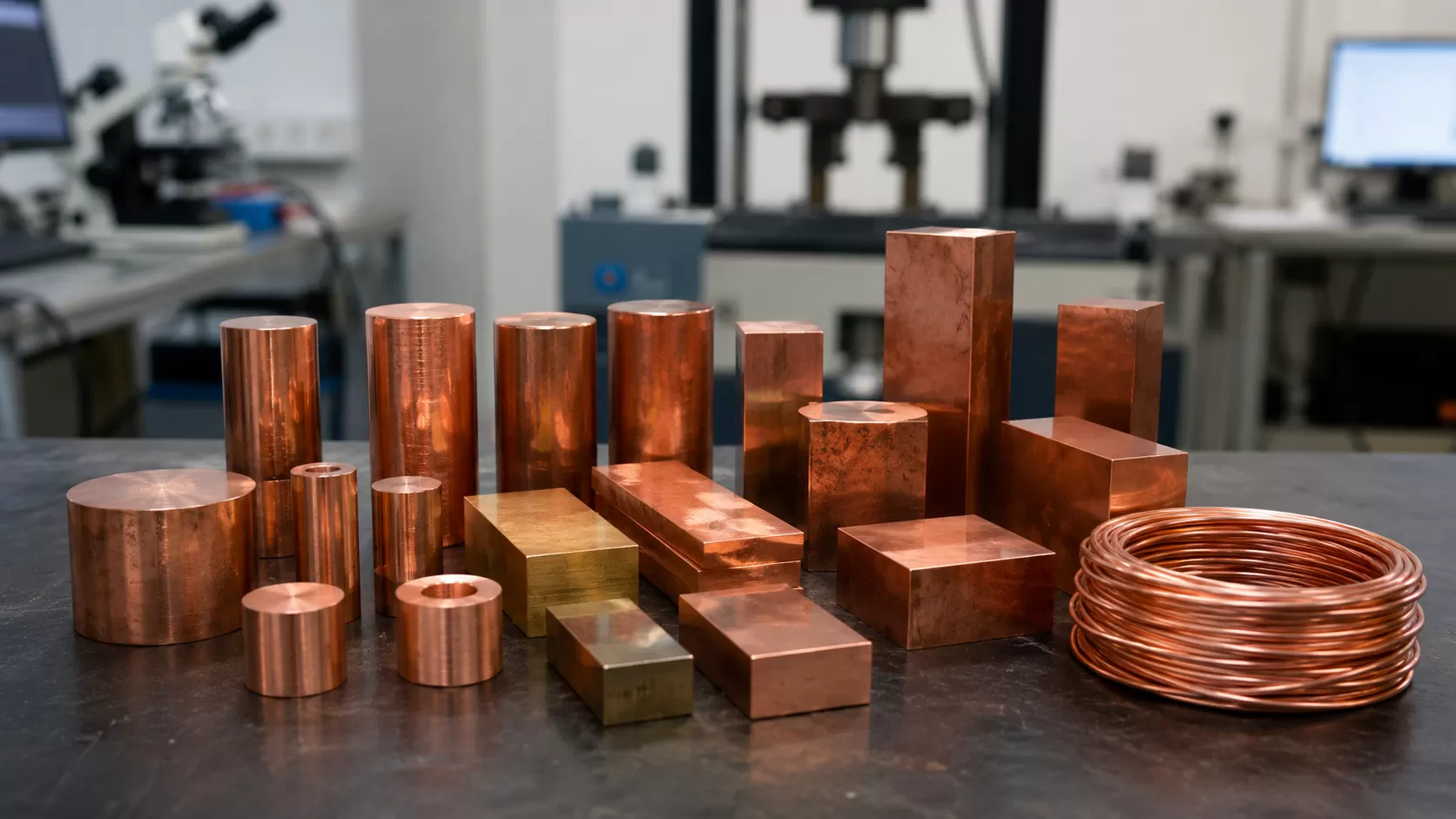
We know that pure copper is inherently soft and ductile. However, its mechanical properties shift dramatically depending on the specific grade and alloying elements. While the modulus of elasticity (or Young's Modulus) remains relatively stable across most copper grades, the ultimate tensile strength and yield strength can vary widely based on how the metal is treated and mixed.
Tensile Strength of C110 ETP (Electrolytic Tough Pitch) Copper
C110 ETP is the global standard for conducting electricity. Because it is essentially pure copper, its strength heavily depends on its physical state:
- Annealed (Soft) State: The ultimate tensile strength sits around 220 MPa (32 ksi).
- Cold Rolled (Hard) State: The strength can jump up to 345 MPa (50 ksi) or higher.
C110 offers incredible elongation and formability, making it the go-to choice for electrical wiring and busbars where extreme load-bearing capacity isn't the primary concern.
Tensile Strength of C122 DHP (Phosphorus-Deoxidized) Copper
We frequently see C122 DHP used in industrial plumbing, HVAC systems, and heavy tubing. By adding a tiny amount of phosphorus to deoxidize the metal, this grade avoids hydrogen embrittlement during welding and brazing.
- Base Tensile Strength: Similar to C110, averaging 220 to 250 MPa when annealed.
- Performance: It sacrifices a little electrical conductivity but delivers consistent yield strength and proof strength under pressure.
Understanding these baseline mechanical behaviors is just as critical here as it is when evaluating the tensile properties of aluminum for structural fluid transport networks.
The Impact of Beryllium and Brass Alloying Elements
When pure copper isn't strong enough for your application, alloying changes the game entirely.
- Beryllium Copper: Adding beryllium transforms copper into a high-strength powerhouse. After proper heat treatment, the tensile strength of copper alloyed with beryllium can soar past 1,400 MPa (200 ksi). This rivals many steel alloys while maintaining excellent conductivity and non-sparking characteristics.
- Brass (Copper + Zinc): Blending zinc into copper creates brass, which provides a massive boost to overall strength. Standard brass easily pushes tensile strength well beyond 400 MPa (58 ksi), offering a highly machinable and cost-effective middle ground when you need more durability than pure copper can provide.
How Processing and Tempering Affect Copper Strength
The way we process and temper copper drastically shifts its mechanical properties. Because we are Professional Precision Casting Service Providers, we know firsthand that treatments like heating or rolling directly alter the overall tensile strength of copper, shifting its core balance between rugged durability and flexibility.
Properties of Annealed (Soft) Copper
Heating copper to a specific temperature and letting it cool slowly creates annealed copper. This thermal state softens the metal, making it highly ductile and ideal for intricate shaping.
- Ultimate tensile strength: Lower, generally hovering around 210-220 MPa (roughly 30 ksi).
- Yield strength: Low, meaning it bends under minimal force.
- Elongation: Features an excellent ability to stretch significantly before fracturing or breaking.
Properties of Cold-Rolled (Hard) Copper
Compressing copper through heavy rollers at room temperature produces cold rolled copper. This mechanical hardening tightly compacts the internal grain structure, significantly increasing the metal's rigidity.
- Tensile Strength Boost: The strength can jump dramatically up to 340-400 MPa.
- Proof Strength: Noticeably higher, meaning it handles heavier working loads before permanently deforming.
- The Trade-off: As strength goes up, flexibility drops. Hard copper is stiff and resists bending.
The Effects of Heat Treatment on Mechanical Performance
Heat treatment acts as the ultimate control dial for copper's final performance. By carefully managing specific heating and cooling cycles, we lock in the exact traits required for the job without altering the material's baseline modulus of elasticity (Young's Modulus).
- Stress Relieving: Low-temperature heating removes internal stresses caused by cold working without sacrificing the metal's hardness.
- Grain Reset: Full thermal cycles reset the structural grains, preparing the copper for further extreme shaping.
Much like the strict thermal control required to guarantee the structural integrity of nickel alloy casting, precisely treating copper ensures it flawlessly conducts electricity while maintaining the physical strength required for demanding industrial environments.
Industrial and Architectural Applications Based on Strength
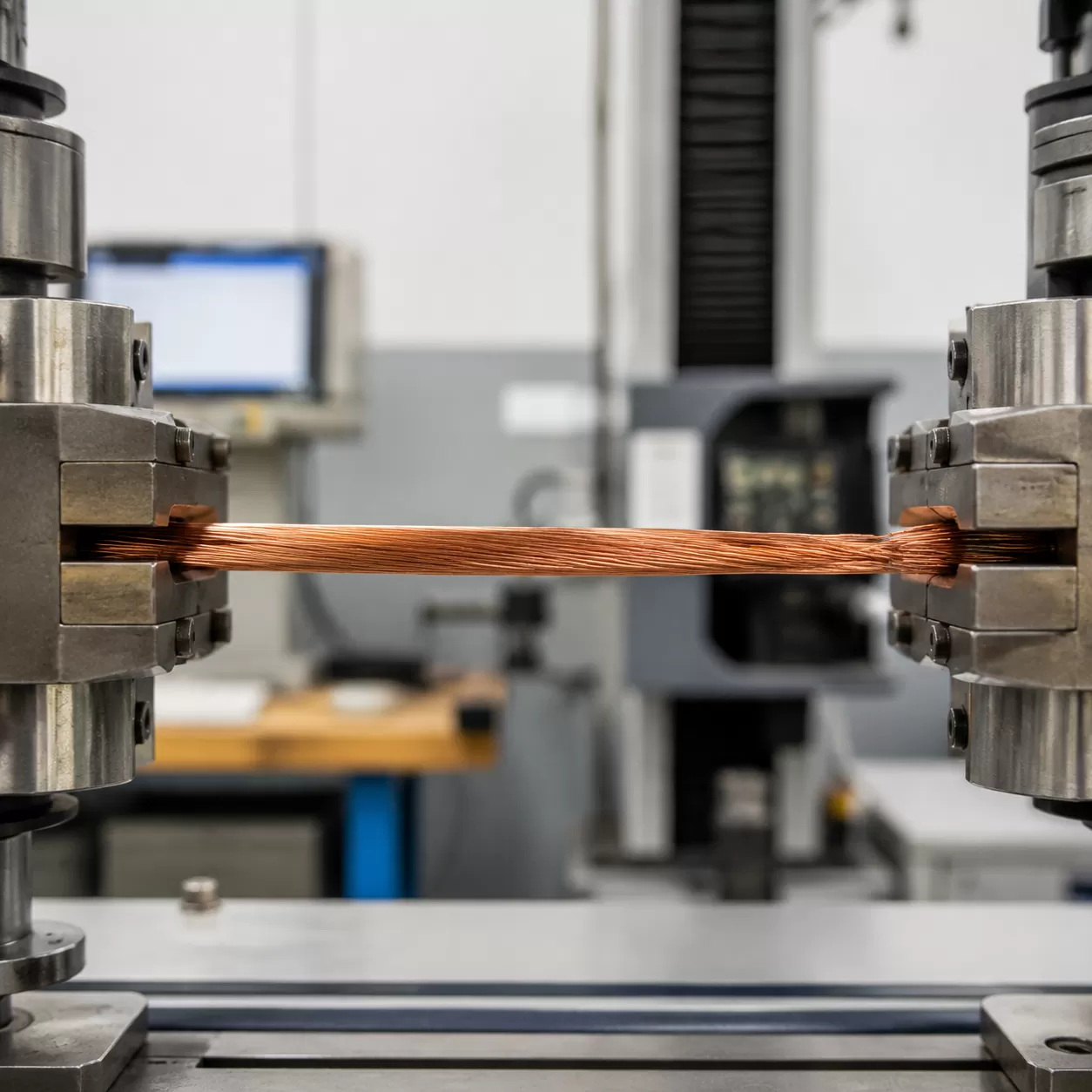
The tensile strength of copper dictates its success across demanding real-world environments. We constantly evaluate mechanical properties like ultimate tensile strength and yield strength to perfectly match this metal to specific industry needs.
Structural Integrity in Architectural Installations
Copper is a premium choice for building exteriors, roofing, and structural facades.
- Weather Durability: Utilizing cold rolled copper significantly boosts the material's MPa and ksi ratings, providing the rigidity needed to withstand wind and heavy snow loads.
- Architectural Formability: Its highly ductile nature and excellent elongation characteristics mean it can be bent and stamped into complex building contours without fracturing.
Electrical Wiring and Power Distribution Systems
Safely distributing electricity requires wiring that can survive rough installation and long-term suspension.
- Installation Tolerances: Annealed copper remains highly flexible to bend around tight corners, while maintaining enough proof strength so wires don't snap when pulled through long conduits.
- Long-Term Grid Stability: A reliable Young's Modulus (also known as the modulus of elasticity) ensures overhead power cables maintain proper tension and resist excessive sagging over long distances.
Industrial Piping and Heat Exchangers
Industrial fluid systems push materials to their limits with high pressure and thermal cycling.
- Pressure Handling: The inherent yield strength of copper tubing prevents bursts, leaks, and mechanical deformation in high-stress HVAC systems and industrial liquid lines.
- Precision Connections: To connect these robust copper networks, systems require highly durable alloy fittings. We manufacture heavy-duty valves and connectors through our CNC bronze machining services to guarantee your industrial piping maintains leak-proof, high-strength structural integrity.
Environmental Factors Influencing Copper Performance
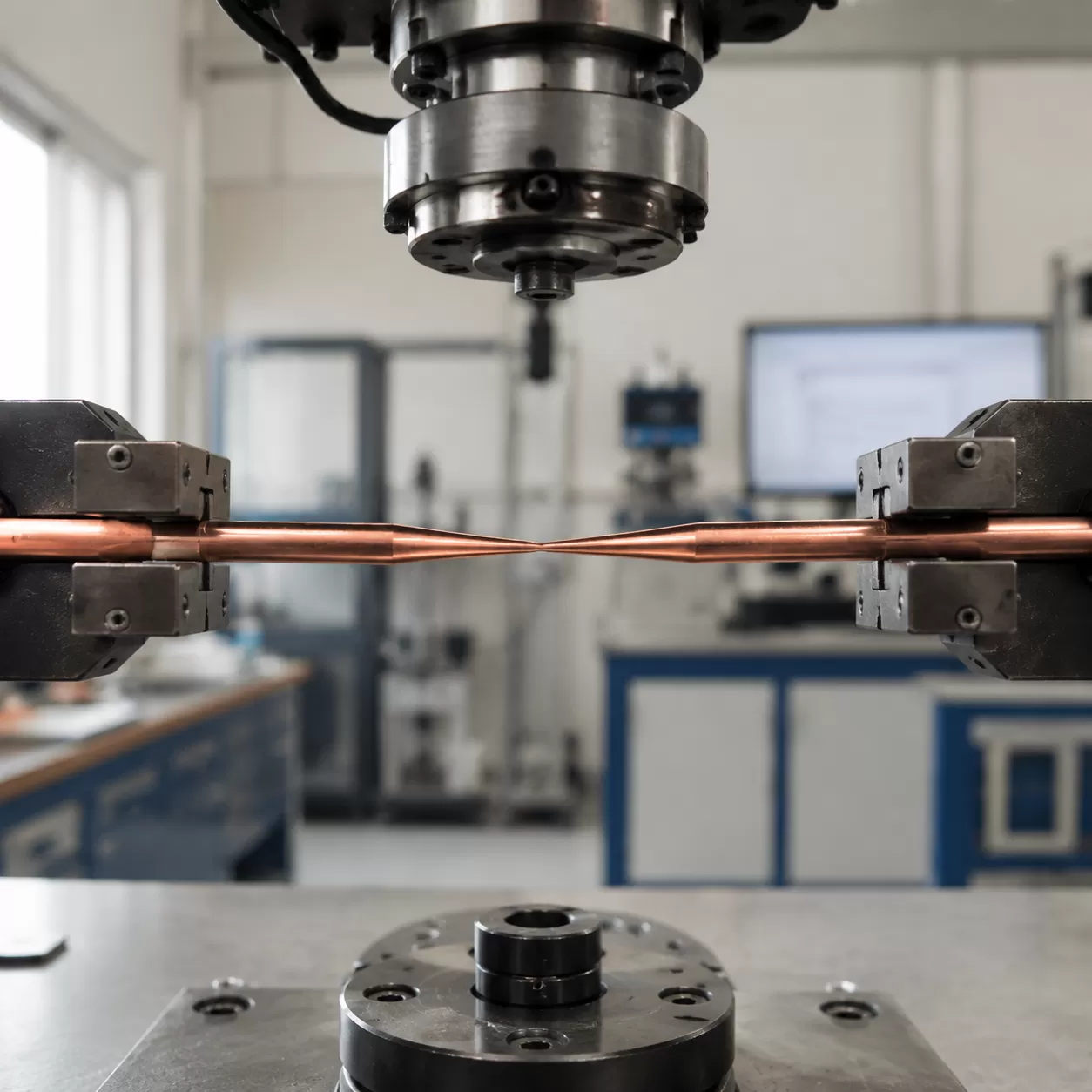
The mechanical properties of copper do not just depend on its grade; they shift heavily based on the heat, cold, and chemicals it faces every day.
Corrosion Resistance and Chemical Stability
Copper naturally builds a protective oxide layer, or patina, when exposed to the elements. This built-in shield provides excellent chemical stability and prevents structural rust. Because it successfully fights off corrosion, copper maintains its ultimate tensile strength and physical integrity for decades in plumbing, outdoor architecture, and harsh marine settings. If you are comparing how different metals handle corrosive environments, reviewing a comprehensive precision metal casting guide can help you pin down the exact alloy required for your project's specific demands.
Strength at Elevated Temperatures
When the heat turns up, the physical dynamics of the metal change significantly.
- Strength reduction: The tensile strength of copper, along with its yield strength, steadily decreases as operating temperatures rise.
- Thermal softening: Prolonged exposure to high heat acts like a slow annealing process. If you are relying on the rigid properties of cold rolled copper, extreme heat will eventually revert it back to a softer, annealed state.
- Load limits: While the metal remains highly ductile, its proof strength and ability to hold heavy structural loads shrink in high-temperature industrial environments.
Cryogenic and Low-Temperature Strength
Unlike many standard metals that become dangerously brittle in freezing conditions, copper actually thrives in extreme cold.
- Increased toughness: At sub-zero and cryogenic temperatures, the tensile strength of copper actively increases.
- Sustained flexibility: It retains excellent elongation and ductility, refusing to shatter or crack under physical stress.
- Stable mechanics: Its Young's Modulus (modulus of elasticity) and overall mechanical properties remain highly dependable in the cold, making it an essential material for cryogenic storage tanks and aerospace applications.
How to Select and Purchase the Right Copper Grade
Evaluating Mechanical Property Requirements
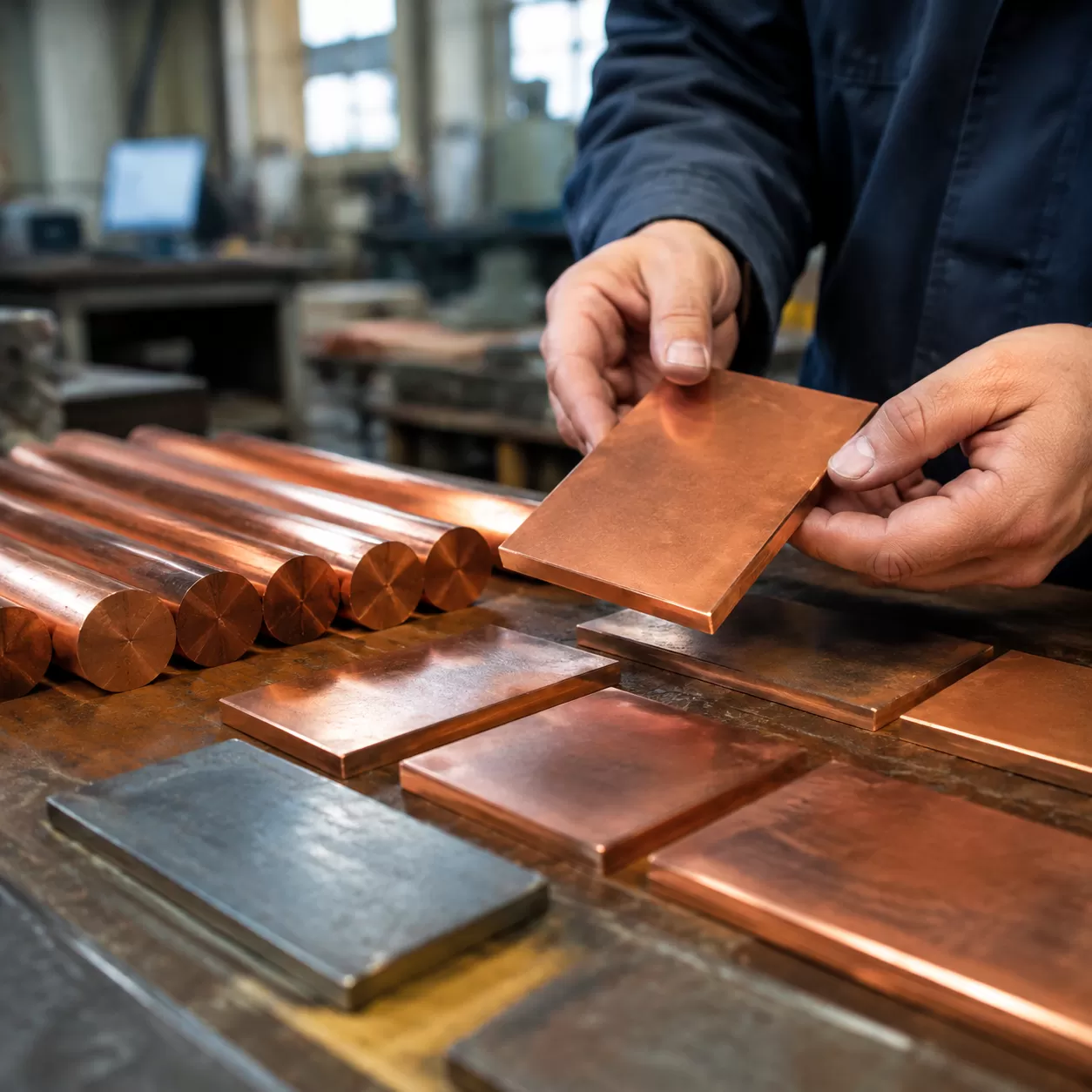
Choosing the right copper starts with your project's physical demands. You must align the mechanical properties with your specific application. Ask yourself how the material will be stressed. Do you need high ductility and elongation for bending and shaping, or do you require the higher rigid stability found in cold rolled copper?
As you map out your material specifications, keep in mind that we are Professional Precision Casting Service Providers equipped to help you meet strict industrial performance standards across various alloys.
Key Evaluation Criteria for Copper:
| Project Requirement | Key Metric to Evaluate | Ideal Copper State |
|---|---|---|
| Maximum Load Capacity | Ultimate tensile strength (MPa or ksi) | Cold Rolled / Hardened |
| Bending and Shaping | Elongation percentage | Annealed (Soft) |
| Resistance to Bending | Yield strength limits | Moderately Tempered |
Understanding Standard Copper Material Certifications
Never purchase industrial metals without reviewing the proper documentation. Material Test Reports (MTRs) verify the exact tensile strength of copper you are buying. These official certifications give you guaranteed data rather than manufacturer estimates, ensuring safety and compliance.
When reviewing a material certification, always check for these verified values:
- Proof strength to understand where permanent deformation begins.
- Young's Modulus (often listed as the modulus of elasticity) to confirm the material's overall stiffness.
- Precise temper conditions to ensure the metal processes exactly as expected.
Verifying these documents ensures the copper grade you select will handle your exact mechanical loads, safely conduct electricity, and perform efficiently under pressure.
FAQs
What is the typical tensile strength of copper?
The tensile strength of copper generally ranges from 210 MPa (30 ksi) for annealed (soft) copper up to 340 MPa (50 ksi) for cold rolled (hard) copper. The exact measurement depends heavily on the specific grade and how the metal was processed.
Does copper have high yield strength?
Compared to harder metals, copper has a relatively low yield strength—often around 33 MPa (4.8 ksi) in its softest state. However, it is highly ductile. Its excellent elongation means it can stretch and bend significantly without breaking, making it the ideal choice for routing electricity through complex wiring systems.
What is the Young's Modulus for copper?
The Young's Modulus, also known as the modulus of elasticity, for copper is typically between 110 and 130 GPa. This metric defines the inherent stiffness of the material. Because we are Professional Precision Casting Service Providers, we carefully evaluate these mechanical properties to guarantee component durability. If your project demands strict tolerances, utilizing expert machining services ensures the copper holds up to your design specifications.
How does processing change the ultimate tensile strength?
The manufacturing method dictates both the ultimate tensile strength and proof strength:
- Cold Working: Increases hardness and tensile strength, but reduces flexibility.
- Annealing: Softens the copper through heat treatment, lowering its overall strength but maximizing its ability to stretch and form without cracking.