
Überlegst du, ob du eine komplexe Komponente maschinell bearbeiten oder auf Gussstahl aus Edelstahl?
It’s a critical decision that impacts your project’s budget and timeline. You need the superior corrosion resistance of stainless, but traditional machining is often too costly for intricate geometries.
Als Fertigungsspezialist bei Vastmaterial, habe ich gesehen, wie die richtige Gussmethode die Produktionskosten um über 30% senken kann, ohne die strukturelle Integrität zu beeinträchtigen. Aber du musst den richtigen Prozess wählen.
In this guide, you’re going to learn the essential differences between Gießerei durch Investition und Sandguss lernen, wie man die richtige auswählt ASTM-Grade (wie CF8 vs. 304) und wie man zuverlässige Bezugsquellen sichert.
Let’s get to work.
Warum Guss-Edelstahl wählen?
Bei Vastmaterial verstehen wir, dass die Auswahl des richtigen Herstellungsprozesses genauso entscheidend ist wie die Wahl des richtigen Legierungs. Guss-Edelstahl bleibt die überlegene Wahl für Ingenieure, die eine Balance zwischen Designfreiheit, struktureller Integrität und Kosteneffizienz suchen. Im Gegensatz zu geschweißten Fertigungen oder maschinell gefertigten Komponenten ermöglicht das Gießen die Herstellung monolithischer Teile, die Schwachstellen an Verbindungen und Schweißnähten eliminieren.
Erreichen komplexer Geometrien und interner Kanäle
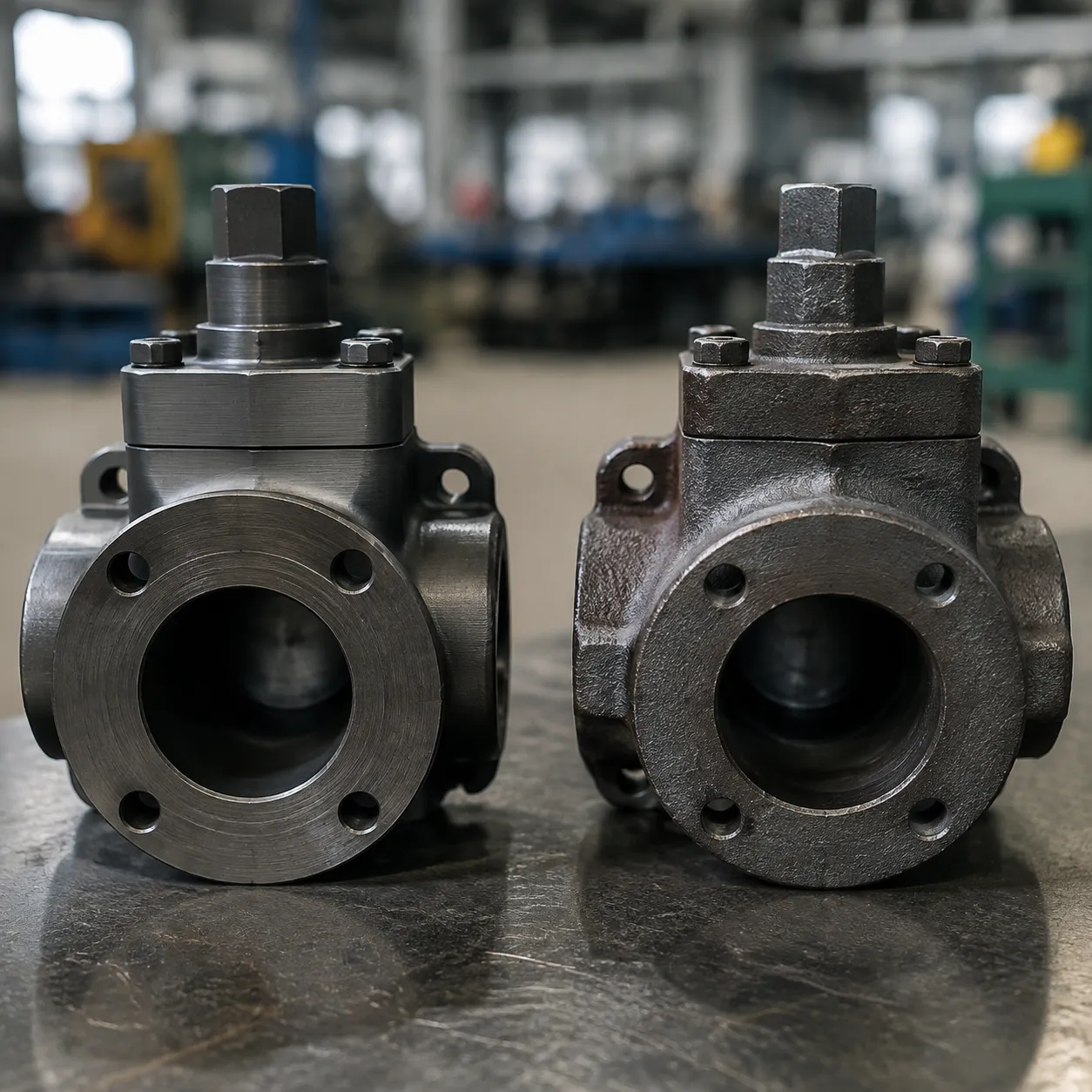
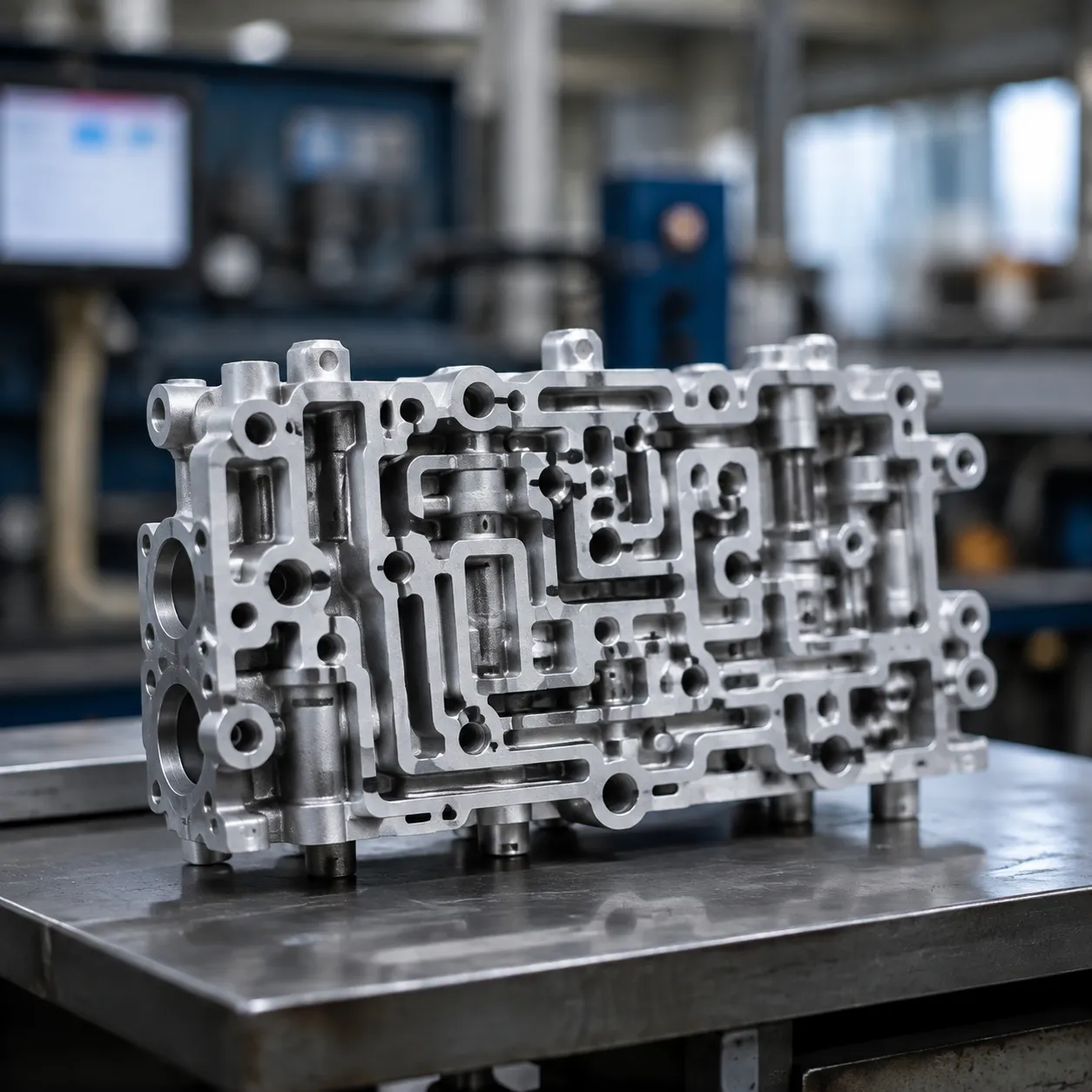
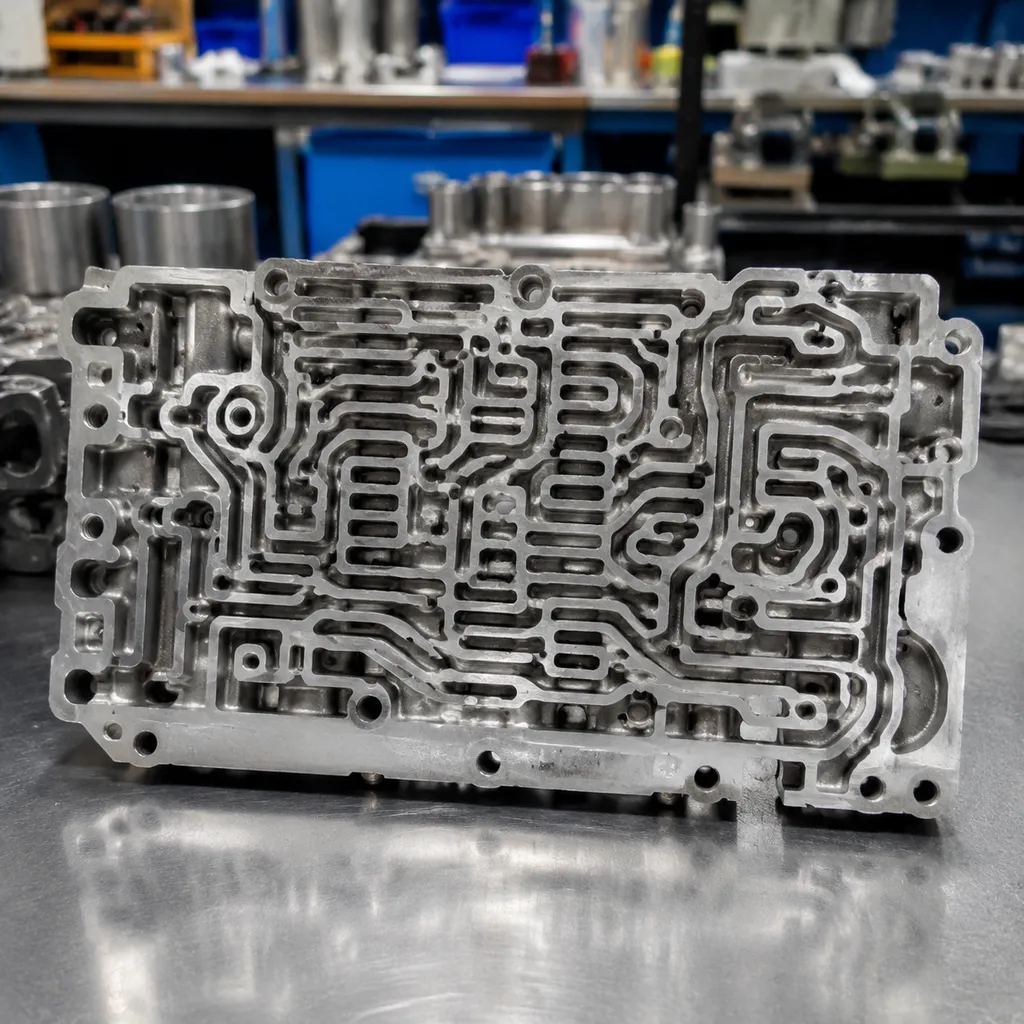
Einer der Hauptvorteile unseres Gießprozesses ist die Fähigkeit, filigrane Formen zu schaffen, die unmöglich oder extrem teuer zu bearbeiten sind. Wir nutzen Präzisionsguss Techniken zur Herstellung von Komponenten mit:
- Innere Hohlräume und Kühlkanäle.
- Komplexe Untercutts und dünnwandige Abschnitte.
- Optimierte Fließwege, die für Pumpengehäuse und Ventilkomponenten unerlässlich sind.
Materialeffizienz und Fertigung in nahezu Endform
Edelstahl ist ein hochwertiges Material, wodurch die Abfallreduzierung Priorität hat. Wir verwenden nahe-Form-Fertigung um Komponenten zu gießen, die den in Ihren Zeichnungen angegebenen Endmaßen sehr nahe kommen. Dieser Ansatz reduziert den Rohstoffverbrauch erheblich und minimiert Nachbearbeitungsprozesse. Durch Materialeinsparung senken wir die Gesamtkosten der Produktion, während die Integrität des Legierungszusammenhangs gewahrt bleibt.
Isotropie und einheitliche mechanische Eigenschaften
Gewerblich hergestellter oder gewalzter Stahl zeigt oft anisotrope Eigenschaften, was bedeutet, dass seine Festigkeit je nach Richtung des Kornflusses variiert. Im Gegensatz dazu, Gussstahl aus Edelstahl bietet Isotropie, die in alle Richtungen einheitliche mechanische Eigenschaften liefert. Diese strukturelle Konsistenz ist entscheidend für Komponenten, die in industriellen Umgebungen multi-direktionaler Belastung und thermischer Zyklen ausgesetzt sind.
Größenvielfalt von Präzisionsteilen bis hin zu schweren Maschinen
Unsere Fertigungskapazitäten ermöglichen es uns, die Produktion an die spezifischen Anforderungen der Anwendung anzupassen. Wir passen unsere Gießverfahren an die Größe und Toleranzanforderungen der Komponente an:
| Gießverfahren | Komponentengröße | Typische Anwendung |
|---|---|---|
| Feinguss (Verlorene Form) | Klein bis Mittel (Gramm bis ca. 100 kg) | Hochpräzise Ventileinsätze, Impeller, Halterungen. |
| Sandguss | Mittel bis Groß (bis zu mehreren Tonnen) | Schwerlastpumpengehäuse, Ofenringe, Ofenteile. |
Egal, ob Sie hochpräzise Kleinteile oder massive Strukturkomponenten benötigen, unsere Gießerei liefert gleichbleibende Qualität in allen Größenbereichen.
Verstehen der Gießprozesse
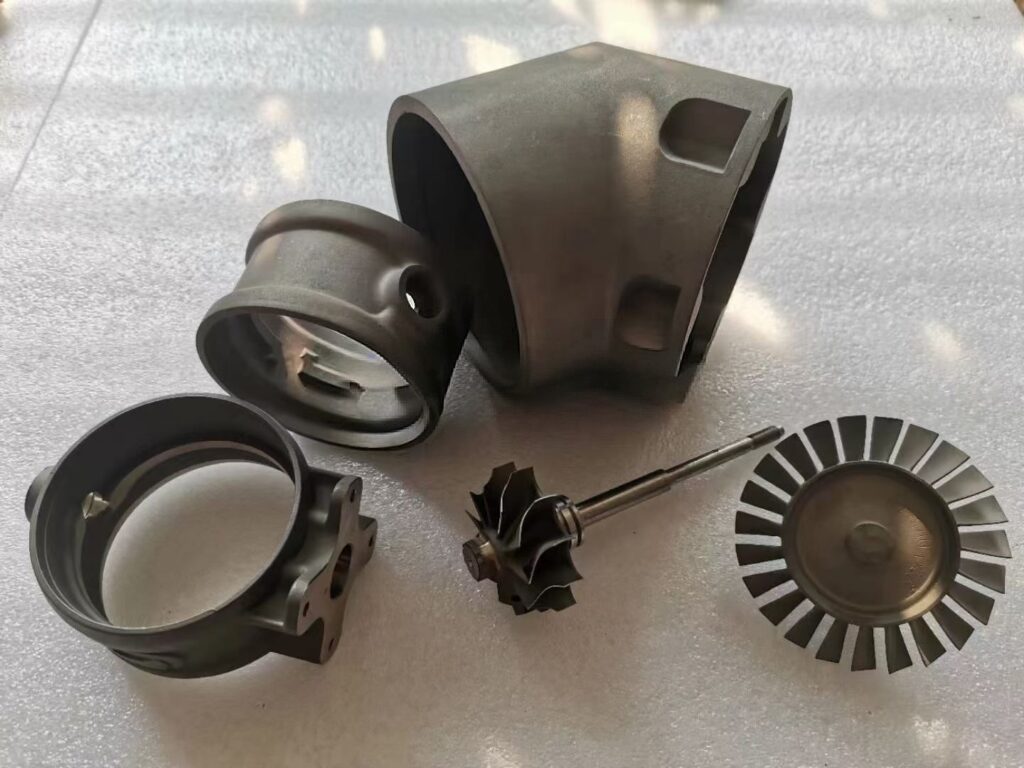
Die Wahl der richtigen Herstellungsart ist entscheidend, um Kosten, Geschwindigkeit und Qualität auszubalancieren. In unserer Gießerei passen wir die spezifische Geometrie und das Volumen Ihres Projekts an die effizienteste Gießtechnik an. Ob Sie filigrane Details oder massive strukturelle Stärke benötigen, wir verwenden unterschiedliche Prozesse, um Hochleistung zu liefern. Gussstahl aus Edelstahl Komponenten.
Investitionsguss (Verlorene Wachs) für hohe Präzision
Wenn Ihr Design enge Anforderungen stellt Maßhaltigkeiten und eine überlegene Oberflächenqualität erfordert, ist Feingussprozess unsere erste Wahl. Auch bekannt als Feinguss, Diese Methode ist ideal für komplexe Geometrien mit internen Kanälen oder dünnen Wänden, die aus einem festen Block maschinell unmöglich wären.
- Nahe am Endform: Wir fertigen Teile, die ihrer endgültigen Form sehr nahe kommen, was den Bedarf an Nachbearbeitung erheblich reduziert.
- Vielseitigkeit: Perfekt für filigrane Ventilteile, Laufräder und detaillierte Hardware.
- Oberfläche: Erzeugt eine glatte Oberfläche direkt aus der Form.
Für Unternehmen, die diese Präzisionsteile beziehen möchten, ist das Verständnis der Fähigkeiten eines führender Hersteller von Edelstahlguss entscheidend, um sicherzustellen, dass Ihre Spezifikationen erfüllt werden.
Sandguss für große schwere Komponenten
Für größere industrielle Anwendungen, bei denen Gewicht und Haltbarkeit die Hauptanliegen sind, Sandguss ist der Industriestandard. Dieser Prozess ermöglicht es uns, große Mengen geschmolzenen Edelstahl zu gießen, um schwere Teile wie Pumpengehäuse, Ofenkomponenten und große strukturelle Befestigungen herzustellen. Während die Oberflächenbearbeitung rauer ist im Vergleich zu Präzisionsguss, bietet er eine kostengünstige Lösung für die Produktion von schweren Maschinenteilen in niedrigen bis mittleren Stückzahlen.
Schalungssandformung für hohe Produktionsraten
Shellformung dient als Mittelweg zwischen Sandguss und Feinguss. Es verwendet einen resinbedeckten Sand, um die Form zu erstellen, was eine bessere Maßgenauigkeit und eine glattere Oberflächenbeschaffenheit als herkömmlicher Sandguss bietet. Diese Methode ist ideal für Hochvolumenproduktionen, bei denen Konsistenz und Geschwindigkeit oberste Priorität haben, sodass wir eine zuverlässige Durchsatzrate für Ihre Lieferkette aufrechterhalten können.
Wichtige Gussqualitäten aus Edelstahl (ASTM A351 Standards)
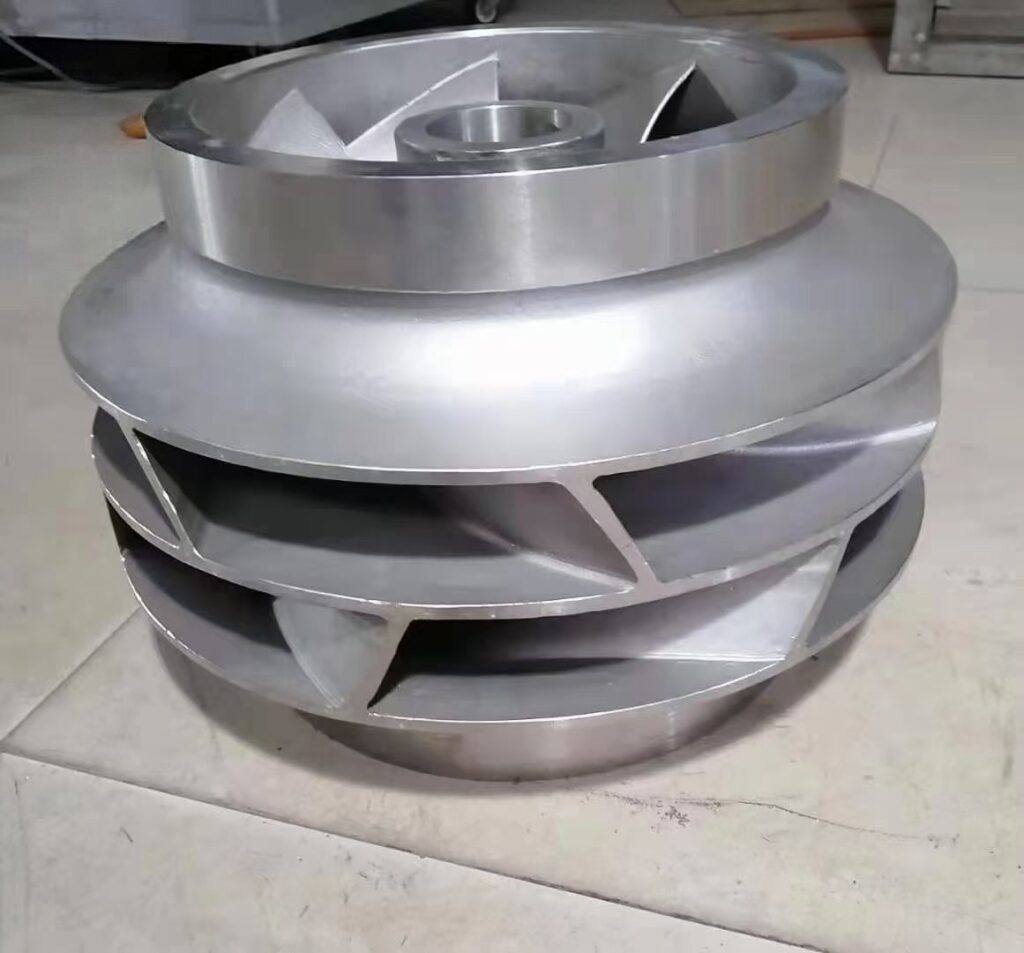
Beim Bezug Gussstahl aus Edelstahl, Das Verständnis der ASTM A351 Norm ist entscheidend. Diese Spezifikation umfasst austenitische und duplex-Gussteile, die in drucktragenden Teilen verwendet werden. Während viele Käufer mit warmgearbeiteten Qualitäten wie 304 oder 316 vertraut sind, verwendet die Gießereiindustrie spezifische Bezeichnungen, die die chemische Zusammensetzung leicht verändern, um Fließfähigkeit und Gießbarkeit zu verbessern.
Hier ist eine Aufschlüsselung der gängigsten Legierungen, die wir in der Gießerei gießen:
CF8 vs. 304: Allgemeine Korrosionsbeständigkeit
CF8 ist das Gießäquivalent zu gewalztem 304er Edelstahl. Es ist das bevorzugte Legierungsmaterial für allgemeine Anwendungen, die gute Korrosionsbeständigkeit und Oxidationsbeständigkeit bis zu 816°C (1500°F) erfordern. Wir verwenden typischerweise CF8 für Pumpengehäuse, Ventilkörper und architektonische Beschläge, bei denen die Exposition gegenüber aggressiven Chloriden minimal ist. Es bietet hervorragende Duktilität und Stoßfestigkeit, was es zu einer vielseitigen Wahl für Standard-Industrieteile macht.
CF8M vs. 316: Überlegene Pitting-Beständigkeit
Für Umgebungen mit Chloriden, Meerwasser oder aggressiven Chemikalien ist, CF8M die bevorzugte Wahl. Entsprechend dem gewalzten 316 enthält diese Güte 2-3 % Molybdän. Diese Zugabe verbessert die Beständigkeit gegen Lochfraß und Spaltkorrosion erheblich. Im Vergleich zwischen CF8 und CF8M, ist letzteres immer die bessere Wahl für Marinehardware und chemische Verarbeitungsausrüstung, obwohl es mit etwas höheren Materialkosten verbunden ist.
CF3 und CF3M: Niedrigkohlenstoff-Varianten für das Schweißen
Wenn Komponenten beim Zusammenbau umfangreich geschweißt werden müssen, empfehlen wir CF3 (entspricht 304L) oder CF3M (entspricht 316L). Das “L” steht für niedriges Kohlenstoff. Die Reduzierung des Kohlenstoffgehalts verhindert die Karbidbildung an den Korngrenzen während des Schweißprozesses, was das Bauteil vor interkristalliner Korrosion schützt.
Duplex-Grade (CD4MCu) für Hochbelastete Umgebungen
Für Anwendungen, die höhere Festigkeit als Standard-Austenitgrade erfordern, Doppelwandiges Edelstahlguss ist die Lösung. Grade wie CD4MCu bieten eine Mikrostruktur aus Austenit und Ferrit. Diese Zweiphasenstruktur sorgt für die doppelte Streckgrenze von CF8M und eine außergewöhnliche Resistenz gegen Spannungsrisskorrosion und Erosion.
Häufige Fehler und Präventionsmethoden
Selbst mit fortgeschrittenen Techniken erfordert die Herstellung Gussstahl aus Edelstahl erfordert strenge Prozesskontrolle, um häufige Fallstricke wie Porosität, Schrumpfung und Oberflächenunregelmäßigkeiten zu vermeiden. Wir gehen diese Herausforderungen während der Konstruktionsphase direkt an, um sicherzustellen, dass jede Komponente die erforderlichen Maßhaltigkeiten und mechanischen Standards erfüllt.
Steuerung von Porosität und Schrumpfung durch Gießsystemgestaltung
Porosität und Schrumpfungskavitäten sind die häufigsten Probleme beim Metallguss, die oft durch eingeschlossene Gase oder unzureichende Erstarrungsgeschwindigkeiten verursacht werden. Wir minimieren dies durch präzise Gießsystemdesign—the system of channels that guides molten metal into the mold.
- Simulationssoftware: Wir analysieren Strömungs- und Erstarrungsmuster vor dem Gießen, um Hot Spots vorherzusagen.
- Riser-Positionierung: Strategische Platzierung der Risere versorgt das Gießmetall beim Abkühlen mit moltenem Metall und verhindert Schrumpfungsdefekte.
- Temperaturkontrolle: Das Einhalten exakter Gießtemperaturen reduziert die Gaslöslichkeit, was für Porositätskontrolle in Legierungen wie 316L und 304 unerlässlich ist.
Lösung von Oberflächenfinish-Problemen mit Nachbearbeitungsbehandlungen
Während Gießerei durch Investition erzeugt natürlich eine glatte Oberfläche, einige industrielle Anwendungen erfordern eine noch niedrigere Oberflächenrauheit Ra. Rauhigkeit oder kleine Einschlüsse können durch Sekundäroperationen behoben werden. Um die spezifische Textur oder Korrosionsbeständigkeit für Ihre Anwendung zu erreichen, verwenden wir spezialisierte Oberflächenbehandlungsdienste wie Strahlen, Beizen und Passivierung. Diese Schritte verbessern nicht nur die Ästhetik, sondern entfernen auch Oberflächenverunreinigungen, die zu Rost führen könnten.
Qualitätssicherung und zerstörungsfreie Prüfung (ZfP)
Visual inspection isn’t enough for critical industrial parts. We rely on comprehensive Zerstörungsfreie Prüfung (NDT) zur Überprüfung der inneren Integrität, ohne die Komponente zu beschädigen. Unser strenges Test- und Qualitätskontrollprotokolle stellen sicher, dass jede Charge den ISO 9001:2015 Standards entspricht.
- Chemische Analyse: Optische Spektrumanalysatoren bestätigen, dass die Legierungszusammensetzung den ASTM-Spezifikationen entspricht.
- Physikalische Prüfungen: Wir führen Zugfestigkeits- und Härteprüfungen durch, um die mechanischen Eigenschaften zu überprüfen.
- Innere Inspektion: Methoden wie Ultraschall- oder Röntgenprüfungen erkennen subsurface Defekte, die die Leistung im Feld beeinträchtigen könnten.
Branchen, die auf gegossenen Edelstahl angewiesen sind
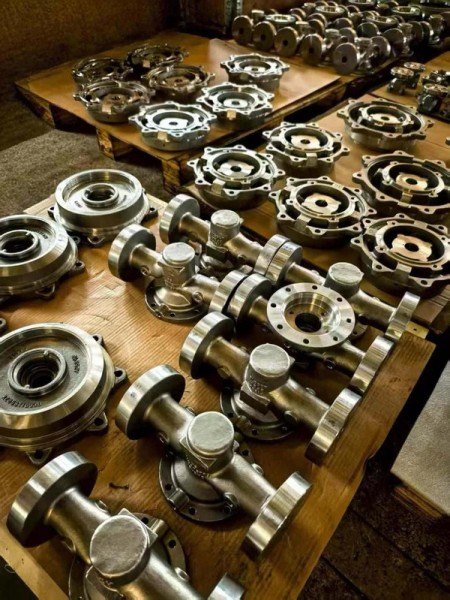
Guss-Edelstahl ist das Rückgrat der Sektoren, in denen Materialversagen keine Option ist. Wir liefern Komponenten, die täglich extremen Druck, aggressive Chemikalien und hohe Temperaturen aushalten. Unsere Gießerei passt die Legierungszusammensetzung und Gießmethode an, um die spezifischen regulatorischen und Leistungsstandards jeder Branche zu erfüllen.
Marine- und Offshore-Anwendungen
Salzwasserumgebungen erfordern das höchste Maß an Korrosionsbeständigkeit. Wir verwenden typischerweise CF8M (316) und Duplex-Edelstähle für Marinehardware wie Pumpengehäuse, Impeller und Ventilkomponenten. Diese Materialien widerstehen aktiv Lochfraß und Spaltkorrosion, was die Langlebigkeit auch in rauen Offshore-Bohrinseln und Schiffbauanwendungen gewährleistet.
Lebensmittel- und Getränke-Sanitärobjekte
Bei der Lebensmittelverarbeitung hat Hygiene oberste Priorität. Unser Feingussprozess liefert glatte Oberflächenfinishs, die das Bakterienwachstum verhindern. Wir stellen Sanitärarmaturen, Rührwerke und Ventilgehäuse aus lebensmittelechtem 304 und 316 Edelstahl her. Diese Teile widerstehen häufigen Waschungen und aggressiven Reinigungsmitteln, ohne zu degradieren.
Wärmebeständigkeit in der Automobil- und Luft- und Raumfahrtindustrie
Motoren und Abgasanlagen arbeiten unter intensiver thermischer Belastung. Wir bieten hitzebeständige Gussstücke aus hochleistungsfähigen Legierungen wie 310S und spezialisierten Stahl der Serie 400. Diese Komponenten behalten ihre strukturelle Integrität bei hohen Temperaturen und sind somit essenziell für Turboladergehäuse und Abgaskrümmer. Für größere, robustere Motorteile bieten wir große Stahlgusslösungen die Haltbarkeit, die für schwere Maschinen erforderlich ist.
Bau- und Strukturkomponenten
Moderne Architektur setzt auf gegossenen Edelstahl, sowohl für Ästhetik als auch für tragende Stärke. Von Glasspinnen bis zu schweren Halterungen stellen wir sicher, dass jedes Teil strenge Maßtoleranzen erfüllt. Durch die Nutzung von Edelstahlgießprozess, erschaffen wir komplexe architektonische Formen, die visuelle Attraktivität mit den mechanischen Eigenschaften für Sicherheit in gewerblichen Gebäuden verbinden.
Beschaffung bei Vastmaterial: Worauf Sie bei einer Gießerei achten sollten
Einen zuverlässigen Partner zu finden für Gussstahl aus Edelstahl geht über den bloßen Vergleich von Preislisten hinaus; es erfordert die Überprüfung, ob die Gießerei gleichbleibende Qualität und technische Unterstützung liefern kann. Bei Vastmaterial haben wir unsere Fertigungsprotokolle an die strengen Anforderungen des deutschen Marktes angepasst, um sicherzustellen, dass jede Komponente Ihren genauen Spezifikationen entspricht.
Wesentliche Zertifizierungen (ISO 9001, PED, ASTM)
Qualitätssicherung beginnt mit überprüften Standards. Wir arbeiten unter einem strengen ISO 9001:2015 zertifizierten Qualitätsmanagementsystem, das sicherstellt, dass unsere Prozesse wiederholbar und nachvollziehbar sind. Ob Ihr Projekt die Einhaltung von ASTM A351-Standards für drucktragende Teile oder spezifische PED-Anforderungen erfordert, wir validieren Materialzusammensetzung und mechanische Eigenschaften in unserem hauseigenen Labor mit optischen Spektrumanalysatoren und metallographischer Prüfung.
In-House Sekundäroperationen und CNC-Bearbeitung
Ein rohes Gießen ist selten der letzte Schritt. Um logistische Komplexität und Risiko zu reduzieren, bieten wir umfassende CNC-Bearbeitungsdienste direkt in unserer Einrichtung. Diese Integration ermöglicht es uns, die Lücke zwischen grobem Gießen und Endmontage zu überbrücken, um enge Maßhaltigkeiten erfüllt werden, ohne dass es zu Schuldzuweisungen kommt, die auftreten, wenn mehrere Anbieter verwendet werden. Sie können mehr über unseren Ansatz zur Oberflächenbearbeitung in unserem Leitfaden für Präzisions-CNC und enge Toleranzen lesen, der erklärt, wie wir kritische Maße verwalten.
Zuverlässige Lieferzeiten und Bestandsmanagement
Unvorhersehbare Lieferketten können Ihre gesamte Produktionslinie zum Stillstand bringen. Durch die Kontrolle des gesamten Arbeitsablaufs – vom ersten Feingussprozess und Wärmebehandlung bis hin zur Endbearbeitung – eliminieren wir häufige Engpässe. Wir bieten realistische Lieferzeiten und Lagerverwaltungslösungen, um sicherzustellen, dass Ihr Edelstahlschmelzerei Erfahrung ist nahtlos und vorhersehbar.
Häufig gestellte Fragen zu Guss-Edelstahl
Was ist der Unterschied zwischen Guss- und Walzstahl?
Der Hauptunterschied liegt darin, wie das Metall geformt wird. Kaltgewalzter Edelstahl wird durch mechanische Kräfte wie Walzen oder Schmieden geformt, während es fest ist, was die Kornstruktur ausrichtet, aber die Designkomplexität einschränkt. Guss-Edelstahl bedeutet, geschmolzenes Metall in eine Form zu gießen, was es uns ermöglicht, komplexe Geometrien und interne Kanäle zu erstellen, die aus einem festen Block maschinell nicht möglich wären.
Während gewalzte Teile oft eine richtungsabhängige Festigkeit aufweisen, bieten Gussteile isotrope Eigenschaften, was bedeutet, dass sie in alle Richtungen gleich stark sind. Dies macht das Gießen zur bevorzugten Methode für komplexe Bauteile wie Ventilgehäuse und Pumpenräder, bei denen mehrfache Belastungen eine Rolle spielen.
Welche Gießmethode ist am besten für die Massenproduktion?
Für Hochvolumenläufe, die eine konsistente Wiederholbarkeit erfordern, Schalengießen und automatisiert Gießerei durch Investition (Wachsausschmelzverfahren) sind die besten Optionen.
- Feinguss: Ideal für kleine bis mittelgroße Teile, die enge Toleranzen und glatte Oberflächen erfordern. Es minimiert die Bearbeitungszeit, was Kosten bei großen Produktionsläufen spart.
- Sandguss: Besser geeignet für größere, schwerere Komponenten, bei denen die Oberflächenqualität weniger kritisch ist, oder für kleinere Stückzahlen aufgrund geringerer Werkzeugkosten.
Wie stellen wir die Maßgenauigkeit sicher?
In unserer Einrichtung beginnt die Präzision mit der Form. Wir verwenden fortschrittliche Gießerei durch Investition Techniken für Komponenten, die enge Toleranzen erfordern, um nahezu netzförmige Ergebnisse zu erzielen, die den Bedarf an Nachbearbeitung verringern.
Um sicherzustellen, dass jedes Teil den Spezifikationen entspricht, verwenden wir einen strengen Qualitätskontrollprozess:
- Spektrometranalyse: Überprüft die chemische Zusammensetzung des Schmelzes vor dem Gießen.
- Maßkontrolle: Verwendet Messschieber und CMM (Koordinatenmessmaschinen), um kritische Maße anhand der Kundenzeichnungen zu prüfen.
- ISO 9001:2015 Konformität: Unser gesamter Arbeitsablauf entspricht strengen internationalen Standards, um die Konsistenz zwischen den Chargen zu gewährleisten.
Kann gegossener Edelstahl geschweißt werden?
Ja, die meisten gegossenen Edelstahlqualitäten sind schweißbar, aber die Schweißbarkeit hängt von der spezifischen Legierung ab. Wir empfehlen häufig niedrigkohlenstoffstahl Varianten wie CF3 (304L) und CF3M (316L) für Anwendungen, die umfangreiches Schweißen erfordern. Diese Qualitäten minimieren Carbidausfällung und verhindern interkristalline Korrosion im Schweißbereich.
Für hochbelastete Umgebungen, Doppelstahlduplexstahl bieten Güsse ebenfalls eine gute Schweißbarkeit, vorausgesetzt, es wird eine geeignete Nachschweißwärmebehandlung angewendet, um das Gleichgewicht der Mikrostruktur wiederherzustellen. Konsultieren Sie uns immer bezüglich der spezifischen Legierung, um sicherzustellen, dass das Schweißverfahren den Materialfähigkeiten entspricht.