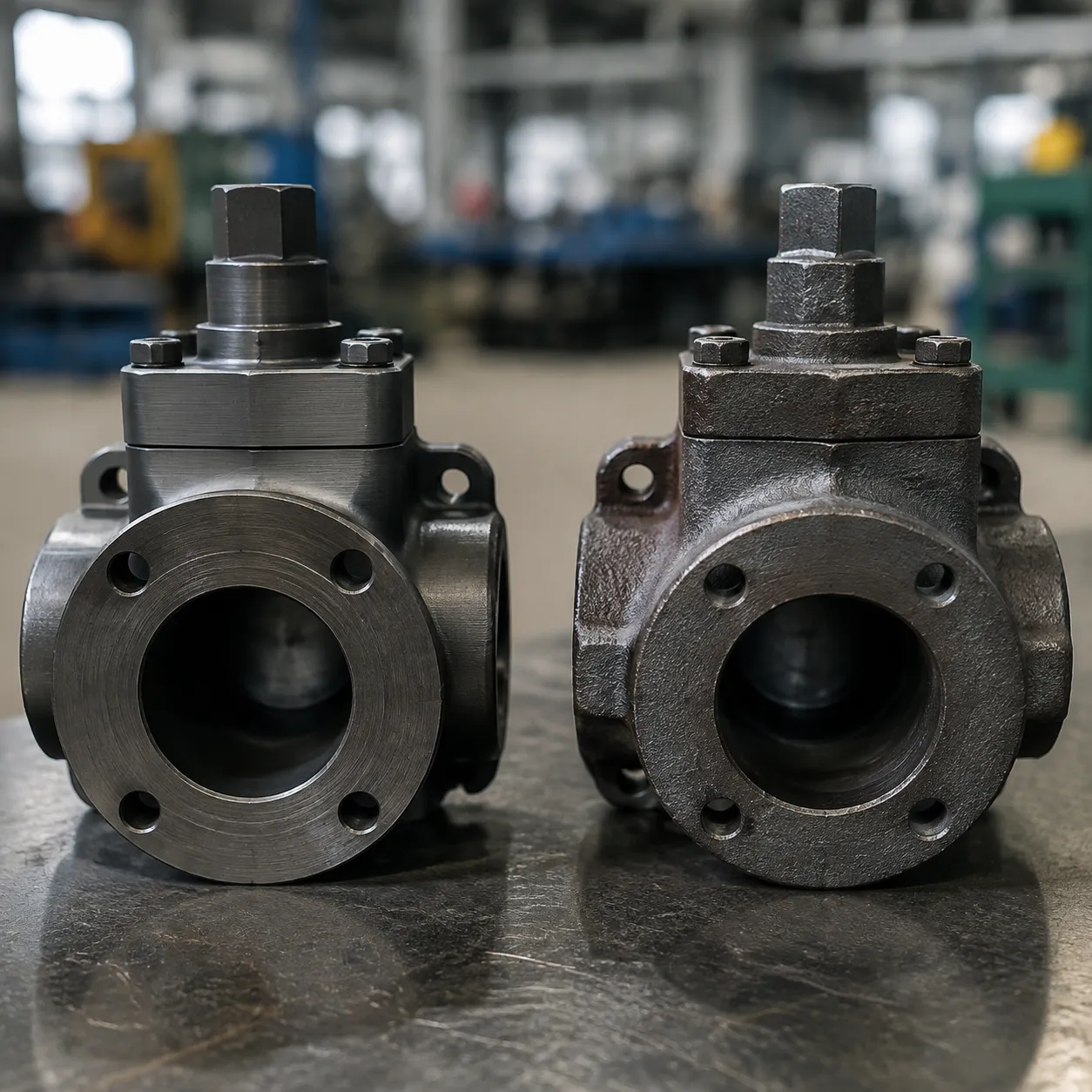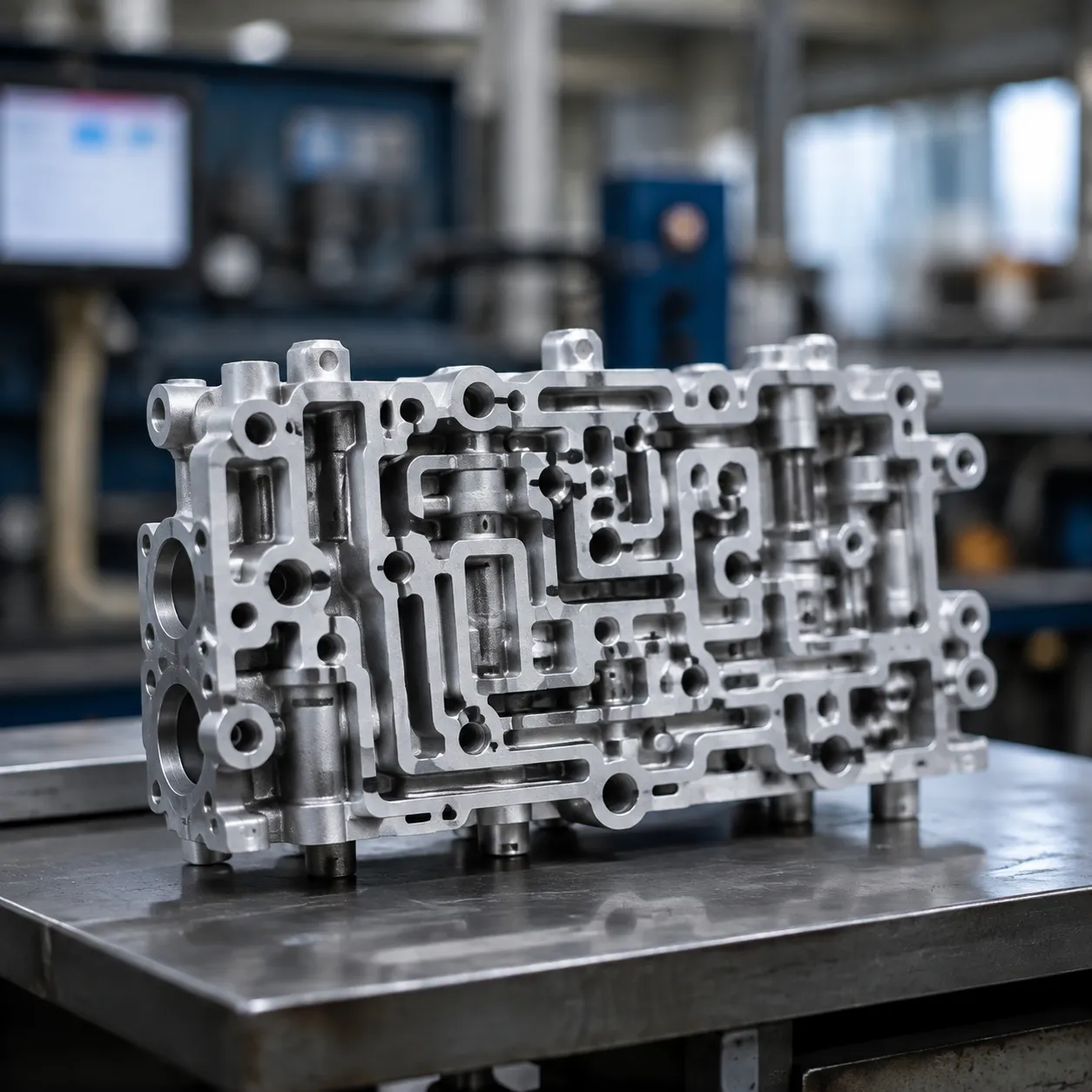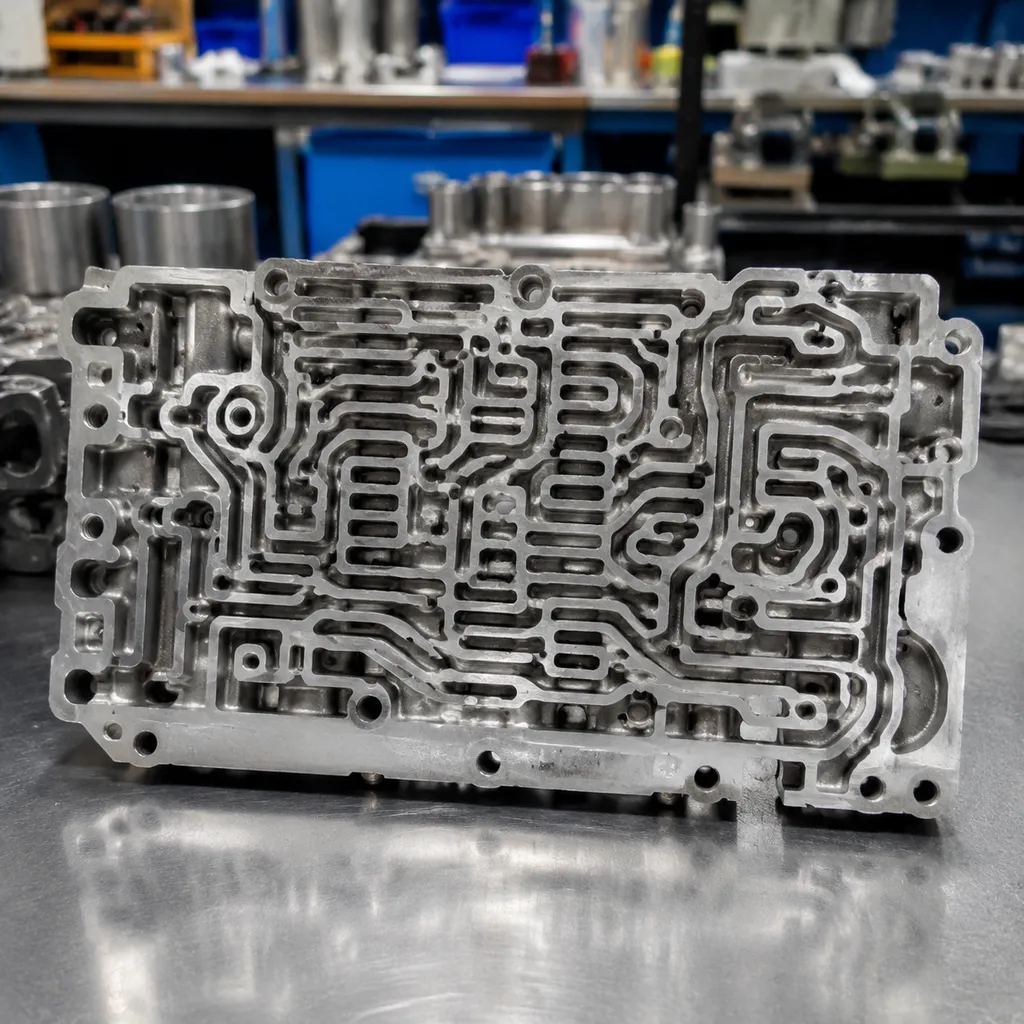
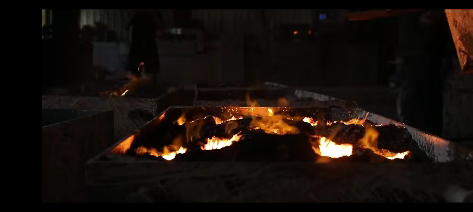
Lorsque les ingénieurs et les équipes d'approvisionnement nous demandent, “qu'est-ce que la coulée de sable ?”, ils recherchent une décomposition pratique de la façon dont nous transformons la matière première en composants complexes et robustes. En son cœur, cela ils recherchent une explication pratique de la façon dont nous transformons la matière première en composants complexes et robustes. En résumé, ce processus de moulage métallique.
utilise un moule en sable non réutilisable pour former des pièces en métal. C'est l'une des techniques de fabrication les plus anciennes et les plus fiables, mais les fonderies d'aujourd'hui l'exécutent avec une précision incroyable.
Voici la décomposition étape par étape de la façon dont nous gérons le cycle de moulage sur le site de la fonderie chez Vastmaterial.
- Création du motif : Nous commençons par fabriquer une réplique physique (le motif) de votre pièce finale. Ce motif est légèrement surdimensionné pour tenir compte du retrait du métal lors du refroidissement.
- Préparation du moule : Nous emballons du sable spécialisé autour du motif. Le moule est divisé en deux moitiés distinctes : la moitié supérieure est le cope, et la moitié inférieure est le drag. Nous tassons le sable fermement pour que la cavité reflète parfaitement le motif.
- Placement du noyau : Si votre composant nécessite des canaux internes, des sous-écrous ou des sections creuses, nous plaçons des noyaux en sable préformés directement dans la cavité du moule avant de le fermer.
- Assemblage du moule et cannelure : Nous assemblons solidement les moitiés cope et drag. Nous mettons également en place le système de cannelure — un réseau de canaux, de couloirs et de risers qui agit comme une plomberie pour guider le métal liquide en douceur dans la cavité.
- Versement du métal en fusion : C'est le moment critique dans la coulée en fonderie. Nous versons soigneusement le métal en fusion, remplissant complètement la cavité du moule tout en permettant aux gaz emprisonnés de s'échapper à travers le sable poreux.
- Refroidissement et solidification : Nous surveillons de près la phase de refroidissement. Le métal doit se solidifier à un rythme contrôlé pour éviter les contraintes internes, le retrait ou la déformation.
- Secouage et retrait : Une fois que le métal est entièrement solide, nous brisons le moule en sable dans un processus appelé secouage. La pièce brute est retirée, et nous effectuons un nettoyage initial pour couper le système de canaux et les évents.
Contrôles de processus modernes : Alors que la coulée en sable traditionnellement dépendait fortement de la compétence manuelle, la production moderne est très axée sur les données. Nous surveillons l'humidité du sable, contrôlons les températures de coulée et utilisons des logiciels de simulation pour réduire considérablement le risque de défauts tels que la porosité et le retrait.
Types de méthodes de coulée en sable
Tous les moules en sable ne se valent pas. Chez Vastmaterial, nous utilisons principalement deux variations distinctes du processus en fonction des exigences spécifiques du projet en termes de finition de surface, de précision dimensionnelle et de volume de production.
Coulée en sable vert
C'est la méthode la plus traditionnelle et la plus utilisée. Le « vert » fait référence à l'humidité présente dans le moule, et non à la couleur.
- Le sable est lié à l'argile (généralement de la bentonite) et à l'eau. Mécanisme :.
- Meilleur pour : L'argile humide lie les grains de sable sous pression.
- Avantages : Séries de production à volume élevé où l'efficacité des coûts est la priorité.
- Inconvénients : Sable extrêmement économique, réutilisable, et cycles de production rapides.
Finition de surface légèrement plus rugueuse et précision dimensionnelle inférieure par rapport aux méthodes chimiques.
Également connu sous le nom de moulage par mise en air, cette méthode utilise un liant chimique pour durcir le moule à température ambiante sans chaleur.
- Le sable est lié à l'argile (généralement de la bentonite) et à l'eau. La résine liquide et un catalyseur sont mélangés avec le sable, provoquant une réaction chimique qui durcit le moule en une structure rigide.
- Meilleur pour : Production à faible ou moyenne volume, grandes pièces lourdes, et pièces nécessitant des tolérances plus strictes.
- Avantages : Stabilité dimensionnelle supérieure, meilleure finition de surface, et capacités de géométrie complexe.
- Inconvénients : Coût plus élevé en matériaux et taux de production plus lent que le sable vert.
Comparaison entre sable vert et sans cuisson
| Caractéristique | Coulée en sable vert | Finition de surface légèrement plus rugueuse et précision dimensionnelle inférieure par rapport aux méthodes chimiques. |
| Agent de liaison | Argile et eau | Résine chimique |
| Finition de surface | Plus rugueux | Plus lisse |
| Précision dimensionnelle | Modéré | Élevé |
| Vitesse de production | Rapide (Grand volume) | Plus lent (Faible/moyen volume) |
| Application typique | Blocs moteur, supports simples | Grandes bases de machines, boîtiers de pompes de précision |
Matériaux couramment utilisés dans la coulée en sable
La coulée en sable offre une incroyable polyvalence des matériaux. Contrairement aux méthodes limitées à des groupes métalliques spécifiques, nous pouvons travailler avec presque tous les alliages pouvant être fondus.
- Métaux ferreux : Nous moulons fréquemment des grades d'acier comme Acier inoxydable duplex, Acier au carbone faible, et Acier inoxydable 17-4 pour des composants résistants aux charges lourdes et à la corrosion.
- Métaux non ferreux : Nous moulons Alliages d'Aluminium pour des rapports résistance/poids élevés, Alliages de cuivre (Laiton et Bronze) pour la conductivité thermique, et Alliages de Titane pour la réduction de poids haute performance.
- Alliages haute température : Nous moulons des matériaux exotiques comme Chrome Cobalt Molybdène pour des environnements extrêmes, tels que les turbines à gaz et les applications nucléaires.
Principaux avantages de la coulée en sable
- Faibles coûts d'outillage: La création de motifs est beaucoup moins coûteuse et plus rapide que la fabrication de moules pour la coulée sous pression, ce qui la rend idéale pour le prototypage et la production en petites séries.
- Flexibilité de conception exceptionnelle : Parce que le moule est détruit après chaque coulée, nous pouvons créer des géométries complexes et des cavités internes impossibles à usiner à partir de blocs solides.
- Évolutivité des matériaux étendue : Nous pouvons couler des pièces pesant seulement quelques onces jusqu'à plusieurs tonnes en une seule coulée sur un large spectre d'alliages.
- Retour sur investissement pour la production personnalisée : Pour des séries de faible à moyenne volume, les coûts d'outillage amortis maintiennent le prix par unité très compétitif.
Limitations à considérer
- Finition de surface: La coulée brute a une texture plus rugueuse. Pour des surfaces d'accouplement lisses, un usinage CNC secondaire est nécessaire.
- tolérances dimensionnelles: Obtenir des tolérances extrêmement serrées directement à partir du moule est difficile comparé à la coulée en investissement.
- Risques de défauts : Une chaleur et des gaz élevés peuvent provoquer de la porosité, du retrait ou des inclusions de sable. Nous atténuons cela grâce à des tests rigoureux et des protocoles d'assurance qualité.
Applications industrielles
Ce procédé de moulage métallique est la colonne vertébrale de la fabrication française. Nous produisons régulièrement des composants structurels pour :
- Secteur automobile : Blocs moteurs, culasses et boîtiers de transmission.
- Aérospatiale et Énergie : Nœuds d'éoliennes, carters de compresseurs et valves haute pression.
- Marine, Minier et Pétrole & Gaz : Têtes de forage robustes, carcasses de pompes lourdes et raccords structurels marins.
- Macchinaires industrielles : Cadres solides, contrepoids et grands engrenages internes pour tracteurs et excavatrices.
Processus après coulée : Finition de la pièce
La pièce brute de la fonderie subit des étapes de finition critiques pour répondre aux normes de l'industrie :
- Démoulage et Recyclage du sable : Séparer le métal du sable et recycler le sable pour minimiser l'impact environnemental.
- Nettoyage et traitement thermique : Enlever les portes/risers et appliquer des traitements thermiques pour améliorer les propriétés mécaniques comme la dureté et la résistance à la traction.
- Usinage CNC de précision : Affiner les dimensions critiques, percer des trous et lisser les surfaces d'accouplement pour respecter des tolérances strictes.
- Traitements de surface : Appliquer un placage, une peinture en poudre ou un polissage pour protéger contre la corrosion et l'usure.
Pourquoi s'associer à Vastmaterial ?
Nous améliorons les techniques traditionnelles de fonderie en intégrant une ingénierie avancée et des contrôles de qualité stricts.
- Surveillance de pointe : L'analyse de données en temps réel suit chaque étape pour minimiser les défauts.
- Processus hybrides : Nous combinons une expertise en moulage d'alliages divers avec une usinage CNC de précision en interne.
- Ingénierie axée sur le client : Nous proposons un support d'ingénierie personnalisé, une collaboration en R&D, et une communication transparente du design à la livraison.
Foire aux questions (FAQ)
Quelle est la différence entre la coulée en sable vert et en sable résiné ?
La coulée en sable vert utilise un mélange de sable, d'argile et d'humidité. C'est économique et parfait pour des pièces en grande série et plus simples. La coulée en sable résiné (sans cuisson) utilise des liants chimiques pour durcir le moule sans chaleur, ce qui donne un moule plus rigide, une meilleure précision dimensionnelle et une finition plus lisse.
La coulée en sable convient-elle à la production de masse ?
Oui. Bien que célèbre pour le prototypage à faible coût, les lignes de moulage automatisées peuvent produire des milliers de moules par jour. C'est la méthode privilégiée pour la production en série de blocs moteurs automobiles et de carters d'équipements lourds.
Quelles tolérances peuvent être atteintes avec la coulée en sable ?
La coulée en sable standard offre des tolérances d'environ ±0,030 à ±0,060 pouces (CT10-CT12). Pour des exigences plus strictes, nous utilisons des méthodes de sable à résine de précision combinées à un usinage CNC secondaire pour respecter des spécifications rigoureuses.
How does sand casting cost compare to investment casting?
La coulée sous pression (cire perdue) offre des finitions de surface supérieures et des tolérances plus serrées dès la sortie du moule, mais elle est nettement plus coûteuse et longue. La coulée en sable est beaucoup plus polyvalente en ce qui concerne la taille/poids des pièces et supporte une gamme plus large d'alliages ferreux et non ferreux.