Scopri cos'è la ricottura del metallo, le sue fasi, i benefici e gli usi per aumentare la duttilità, ridurre la durezza e migliorare le prestazioni termiche ed elettriche.
La scienza dell'ammorbidimento: come funziona la ricottura dei metalli
Quando i clienti ci chiedono cos'è la ricottura del metallo, la risposta risiede nella trasformazione fondamentale delle proprietà del materiale. Nella produzione industriale, la formatura e la modellatura grezze creano immense tensioni interne. La ricottura è un processo di trattamento termico altamente controllato che utilizziamo per modificare le proprietà fisiche e talvolta chimiche del metallo.
Il meccanismo di base
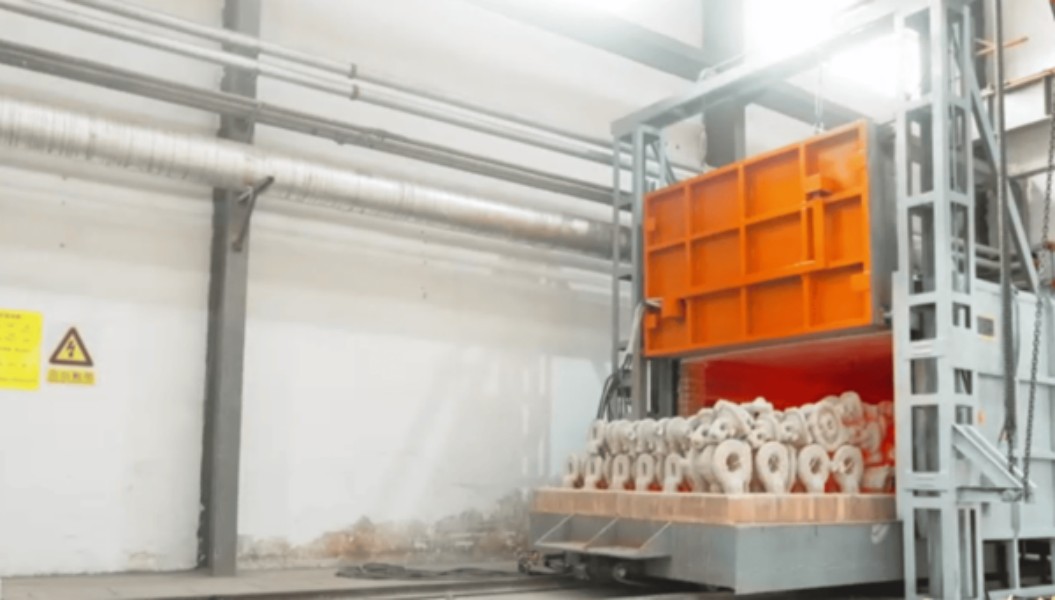
Il meccanismo di base della ricottura ruota attorno all'applicazione precisa di energia termica per invertire l'indurimento da lavoro. Quando lavoriamo i metalli attraverso laminazione a freddo di alta precisione o trafilatura a freddo per ottenere tolleranze strette, il materiale diventa naturalmente fragile.
Il processo segue tre parametri rigorosi:
- Riscaldamento: Elevare il metallo alla sua temperatura specifica di ricristallizzazione.
- Ammollo: Mantenere una temperatura fissa per garantire una distribuzione uniforme del calore su tutta la dimensione del tubo o condotto.
- Raffreddamento: Ridurre la temperatura a un ritmo controllato per stabilizzare la nuova struttura più morbida.
Siamo specializzati in Rivestimento brillante, che esegue questo meccanismo all'interno di un'atmosfera controllata di idrogeno o azoto. Questo ambiente specializzato previene l'ossidazione, assicurando che l'acciaio mantenga una finitura superficiale pulita e lucida senza la necessità di decapaggio secondario.
Il ruolo della maglia cristallina
Per comprendere appieno le proprietà metallurgiche in gioco, bisogna osservare la maglia cristallina microscopica. I metalli sono intrinsecamente cristallini. Durante processi di produzione aggressivi, questa struttura a maglia si distorce gravemente, creando difetti nella maglia e attrito interno che compromettono l'integrità del materiale.
l'energia termica del processo di ricottura agisce come un pulsante di reset per la reticolazione cristallina:
- Eliminazione dei Difetti: Il calore permette agli atomi di migrare, riparando efficacemente i difetti strutturali microscopici e facilitando il rilascio delle tensioni interne.
- Ridisposizione dei confini dei grani: I grani distorti e sotto stress si dissolvono mentre si formano nuovi grani privi di tensione al loro posto.
- Integrità ripristinata: Per materiali critici come le leghe serie 300 (304, 316L) e gli acciai inossidabili duplex, questa riallineamento è fondamentale. Dissolve i carburi e ripristina la massima resistenza alla corrosione e longevità meccanica, garantendo che i nostri prodotti siano conformi rigorosamente agli standard ASTM, ASME e DIN.
Le tre fasi critiche del processo di ricottura
Per rispondere completamente cos'è la ricottura del metallo, dobbiamo esaminare le tre fasi distinte di questo processo di trattamento termico. Quando produciamo e lavoriamo prodotti in acciaio inossidabile per ambienti industriali esigenti, controllare con precisione queste fasi termiche è fondamentale per fornire materiali affidabili e ad alte prestazioni.
Fase 1: Ricostruzione
Il metallo viene prima riscaldato in un forno controllato a una temperatura specifica appena sotto il suo punto di ricristallizzazione.
- Rilascio delle tensioni interne: L'obiettivo principale qui è rilassare la struttura interna del metallo.
- Prevenzione dell'indurimento da lavoro: Elimina le tensioni interne causate da processi di lavoro a freddo o trafilatura precedenti senza alterare la dimensione o la forma dei grani esistenti.
Fase 2: Ricristallizzazione
Mentre aumentiamo il calore fino alla temperatura di ricristallizzazione, inizia la vera trasformazione fisica.
- Formazione di nuovi grani: Nuovi grani freschi e senza deformazioni iniziano a formarsi e a sostituire quelli precedentemente deformati.
- Spostamento delle proprietà: Questa è la fase centrale in cui interveniamo in modo significativo ridurre la durezza del materiale e aumentare la duttilità del metallo, rendendo l'acciaio altamente lavorabile per future lavorazioni, piegature o saldature.
Fase 3: Crescita dei grani
Nell'ultima fase di crescita dei grani, il metallo viene mantenuto alla temperatura desiderata prima di essere raffreddato a una velocità strettamente controllata.
- Unione dei grani: I grani appena formati si sviluppano, si espandono e si uniscono completamente.
- Ottimizzazione della struttura del grano: Un raffreddamento adeguato garantisce una struttura uniforme e omogenea. Per i nostri tubi e tubazioni di precisione, padroneggiare questa fase finale garantisce le proprietà meccaniche e la resistenza alla corrosione richieste per applicazioni ad alta pressione.
Perché è importante l'annealing? Vantaggi principali della produzione
Quando i clienti ci chiedono cos'è esattamente l'annealing del metallo, la conversazione si concentra sempre sulle prestazioni grezze. Ci affidiamo a questo processo essenziale di trattamento termico per resettare completamente le caratteristiche fisiche di un materiale. Senza di esso, la lavorazione di metalli ad alta precisione sarebbe incredibilmente difficile e costosa. Ecco perché integriamo l'annealing nelle nostre linee di produzione quotidiane.
Aumentata duttilità e lavorabilità
Lavorare a freddo rende naturalmente il metallo fragile. Spingendo il materiale oltre la sua temperatura di ricristallizzazione e controllando la fase di raffreddamento, aumentiamo attivamente la duttilità del metallo. Questo ci permette di piegare, trafilare e modellare prodotti—come i nostri tubi in acciaio inossidabile di precisione—senza rischiare crepe o fallimenti strutturali. Serve come la massima prevenzione dell'indurimento da lavoro, assicurando che il metallo si muova esattamente come necessario.
Maggiore lavorabilità
I metalli duri distruggono gli utensili da taglio e rallentano l'intera produzione. Quando riduciamo la durezza del materiale attraverso la ricottura, aumentiamo immediatamente la lavorabilità e la capacità di lavorazione del metallo. Che si tratti di lavorare acciaio legato per impieghi gravosi o di lavorare con materiali specializzati leghe di alluminio da fonderia, ammorbidire il metallo garantisce tagli più rapidi e puliti e prolunga significativamente la durata dell'utensile.
Eliminazione delle tensioni interne
Processi di fabbricazione come la laminazione a freddo, la trafilatura e la saldatura bloccano forti tensioni all'interno del metallo. Se non trattato, il pezzo alla fine si deformerà o si romperà sotto carico operativo. L'eliminazione delle tensioni interne è un vantaggio primario e non negoziabile della ricottura. Attraverso un'attenta ottimizzazione della struttura della grana, stabilizziamo le proprietà metallurgiche. Ciò garantisce che i nostri tubi funzionino perfettamente in ambienti estremi e ad alta pressione come le caldaie industriali e gli scambiatori di calore chimici.
Migliore conduttività
Sebbene il nostro obiettivo principale sia l'acciaio di alta qualità, il processo di ricottura è ugualmente fondamentale per i metalli non ferrosi. Un corretto trattamento termico ripristina la struttura atomica, il che migliora direttamente la conduttività termica ed elettrica. Questo è esattamente il motivo per cui prodotti come il foglio di rame ricotto sono componenti obbligatori nei moderni settori dell'elettronica e delle telecomunicazioni.
Breve riepilogo dei vantaggi della ricottura
| Vantaggio di fabbricazione | Impatto diretto sulla produzione | Applicazione ideale |
|---|---|---|
| Elevata duttilità | Consente una formatura estrema senza crepe | Tubi senza cuciture, tubi personalizzati |
| Migliore lavorabilità | Riduce i costi degli utensili, accelera il taglio | Componenti lavorati con precisione |
| Rilascio delle Tensioni | Elimina tensioni interne e deformazioni | Sistemi industriali ad alta pressione |
| Conduttività di picco | Massimizza il flusso termico ed elettrico | Scambiatori di calore, elettronica |
Metalli comuni che beneficiano dell'annealing
Quando le persone chiedono esattamente cos'è la ricottura del metallo, il modo migliore per spiegarlo è guardando i materiali stessi. Diversi metalli ferrosi e non ferrosi richiedono controlli di temperatura specifici durante il processo di trattamento termico per ottenere le proprietà metallurgiche corrette.
Rame e fogli di rame
Il rame è ampiamente utilizzato in elettronica, telecomunicazioni e distribuzione di energia.
- Ripristina la flessibilità: Il processo ammorbidisce il rame indurito dal lavoro, impedendone la rottura durante l'installazione.
- Aumenta le prestazioni: Utilizzando foglio di rame ricotto massimizza sia la conduttività termica che quella elettrica, rendendolo lo standard per applicazioni ad alta tecnologia e 5G.
Alluminio
L'alluminio si indurisce rapidamente durante il lavoro a freddo e la formatura. La ricottura viene utilizzata per ridurre la durezza del materiale in modo che il metallo possa essere modellato senza fratture.
- Migliora la lavorabilità: Rende il metallo significativamente più facile da piegare, timbrare e formare.
- Colata e estrusione: Che tu stia affrontando estrusioni complesse o valutando la giusta qualità di alluminio per la fusione, una corretta ricottura garantisce che il materiale mantenga la sua integrità strutturale senza diventare fragile.
Acciaio e acciaio inossidabile
Questa è la nostra area principale di competenza. Le leghe di acciaio e acciaio inossidabile richiedono una ricottura altamente precisa per sopravvivere a ambienti industriali ad alta pressione e corrosivi.
- Ricottura brillante: Processiamo tubi in acciaio inossidabile in un'atmosfera controllata di idrogeno o azoto. Questo previene l'ossidazione e la formazione di scalatura, lasciando una finitura superficiale pulita e altamente riflettente.
- Rilascio di soluzione: Questo mira specificamente all'acciaio inossidabile per dissolvere i carburi e ripristinare la massima resistenza alla corrosione dopo saldature o deformazioni pesanti.
- Rilascio dello Stress Interno: L'annealing elimina le tensioni interne causate dalla laminazione a freddo e dall'estrusione a freddo, garantendo che tubi e tubazioni senza saldature soddisfino rigorosi standard ASTM, ASME e DIN.
Ottone e Leghe
L'ottone è un elemento fondamentale nelle rubinetterie, componenti elettrici e hardware di precisione.
- Previene la Fessurazione: L'annealing interrompe la corrosione da stress, che è un problema comune nei componenti in ottone sottoposti a lavorazioni intensive.
- Migliora la Lavorabilità: Rende la lega più morbida, facilitando il taglio, la foratura e la lavorazione in parti di precisione complesse senza usura degli utensili.
Ricottura vs. Altre Trattamenti Termici: Chiarire la Confusione
Quando si esplora cosa sia esattamente la ricottura del metallo, è facile confonderla con altri processi di trattamento termico industriale. Sebbene tutti utilizzino calore estremo per modificare le proprietà metallurgiche, i metodi di raffreddamento e i risultati finali sono completamente diversi. Comprendere queste distinzioni è fondamentale nella scelta dei materiali per fusione di acciaio inossidabile ad alta precisione e fabbricazione industriale.
Ecco una spiegazione semplice di come la ricottura si confronta con altri processi termici comuni.
Ricottura vs. Tempra
- Ricottura: L'obiettivo principale qui è il massimo ammorbidimento. Utilizziamo questo processo per aumentare significativamente la duttilità del metallo e ottenere un completo rilascio delle tensioni interne. Resetta il metallo in modo che possa essere piegato, tracciato o lavorato senza fratturarsi.
- Tempra: Questo è un processo secondario. La tempra viene eseguita dopo Un metallo è già stato indurito. Comporta il riscaldamento del metallo a una temperatura molto più bassa per rimuovere l'eccessiva fragilità mantenendo un alto livello di tenacità.
Ricottura vs. Tempra
Nella comune discussione tra tempra, rinvenimento e ricottura, la tempra e la ricottura si trovano agli estremi opposti dello spettro.
- Tempra: Questo processo indurisce il metallo. Riscaldiamo l'acciaio e poi lo raffreddiamo rapidamente—solitamente immergendolo in acqua, olio o aria forzata. Questo rapido abbassamento della temperatura blocca la rete cristallina in uno stato duro e rigido.
- Ricottura: Questo processo ammorbidisce il metallo. Dopo il riscaldamento, il metallo viene raffreddato a una velocità estremamente lenta e controllata, spesso lasciato all'interno del forno per raffreddarsi gradualmente. Questo ciclo lento è ciò che funziona con successo per ridurre la durezza del materiale.
Ricottura vs. Normalizzazione
- Normalizzazione: Come la ricottura, anche la normalizzazione mira all'ottimizzazione e all'uniformità della struttura dei grani. Tuttavia, invece di raffreddare lentamente in un forno, il metallo normalizzato viene estratto e lasciato raffreddare nell'aria a temperatura ambiente. Questo raffreddamento leggermente più rapido rende l'acciaio più forte e più duro rispetto a se fosse completamente ricotto.
- Ricottura: Poiché la fase di raffreddamento è altamente controllata e molto più lenta rispetto alla normalizzazione, la ricottura produce lo stato più morbido possibile per il metallo, dando priorità alla lavorabilità massima rispetto alla resistenza pura.
Applicazioni industriali dei metalli annegati
Capire esattamente cosa sia l'annealing del metallo è solo metà dell'equazione; vedere dove va a lavorare ne dimostra il vero valore. Utilizzando questo processo essenziale di trattamento termico per aumentare la duttilità del metallo e ridurre la durezza del materiale, permettiamo la creazione di componenti altamente specializzati che guidano le industrie più esigenti di oggi. Da metalli ferrosi e non ferrosi pesanti a delicate pellicole, le applicazioni nel mondo reale sono vaste.
Elettronica & Infrastrutture 5G
L'espansione rapida delle reti 5G e dell'elettronica avanzata si basa fortemente su materiali che offrono una conduttività termica ed elettrica impeccabile.
- Integrità del segnale: Rame annegato e leghe specializzate garantiscono una trasmissione del segnale ininterrotta e ad alta velocità.
- Componenti flessibili: I metalli ammorbiditi sono facilmente stampati e formati in micro-connessioni intricate e pieghevoli senza crepe.
- Dissipazione del calore: L'ottimizzazione della struttura dei grani aiuta a gestire il calore intenso generato dalle schede elettroniche ad alta frequenza.
Automotive e Aerospaziale
La lavorazione precisa dei metalli è strettamente non negoziabile quando sono in gioco vite umane. Sia i veicoli terrestri che gli aerei richiedono parti in grado di resistere a pressioni estreme e variazioni di temperatura aggressive.
- Formatura complessa: Il ricottimento ci permette di modellare leghe dure e rigide in pannelli aerodinamici e componenti complessi del motore senza fallimenti strutturali.
- Assicurazione della sicurezza: Le parti critiche portanti sono sottoposte a ricottura per eliminare le tensioni interne causate da lavorazioni pesanti e freddo lavoro.
- Selezione del Materiale: Scegliere il grado esatto per questi ambienti è fondamentale. Fare riferimento a un guida alle leghe per leghe ad alte prestazioni aiuta i produttori a individuare il perfetto equilibrio tra resistenza alla trazione e lavorabilità per l'ingegneria aerospaziale.
Dispositivi Medici
Il settore della produzione medica richiede purezza assoluta, resistenza alla corrosione e precisione. I nostri processi specializzati di bonifica brillante garantiscono che i componenti in acciaio inossidabile rimangano puliti, altamente riflettenti e completamente privi di ossidazione superficiale.
- Strumenti Chirurgici: Metalli trattati termicamente offrono la lavorabilità esatta necessaria per forgiare strumenti chirurgici di micro scala e alta precisione.
- Impianti Biocompatibili: Il corretto trattamento termico garantisce che le protesi articolari e gli impianti siano abbastanza durevoli per un uso a lungo termine, rimanendo compatibili con il corpo umano.
- Apparecchiature Diagnostiche: Leghe trattate termicamente altamente conduttive e non magnetiche costituiscono la spina dorsale delle macchine MRI e dell'hardware diagnostico avanzato.
Come Haoyu Material fornisce soluzioni di precisione trattate termicamente
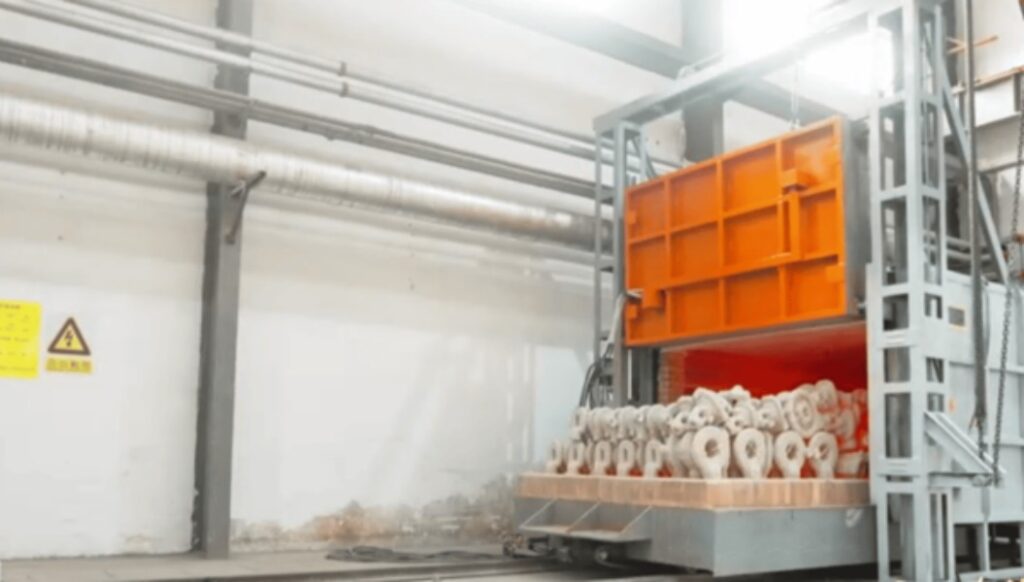
Quando chiedi cos'è la ricottura del metallo, la risposta si riflette direttamente nei processi di produzione esatti che utilizziamo ogni giorno presso Haoyu Material. Siamo specializzati in servizi avanzati di trattamento termico industriale che elevano le proprietà metallurgiche dell'acciaio inossidabile, al carbonio e legato. Il nostro obiettivo principale è fornire materiali che funzionano perfettamente in ambienti ad alta pressione, alta tensione e corrosivi.
Ecco come integriamo la bonifica avanzata nella nostra produzione quotidiana per fornire materiali di prima qualità:
- Rinvenimento brillante avanzato: Utilizziamo un rinvenimento brillante specializzato all’interno di atmosfere controllate di idrogeno o azoto. Questo processo di trattamento termico preciso previene l’ossidazione e la formazione di scalina, garantendo che i nostri tubi in acciaio mantengano una finitura superficiale pulita e riflettente senza richiedere decapaggio aggiuntivo.
- Integrità ad alte prestazioni: Ottimizziamo la struttura dei grani dei nostri metalli per massimizzare le prestazioni termiche e l’affidabilità strutturale. Questo rilascio di stress interno è fondamentale per le esigenze esigenti degli scambiatori di calore industriali e dei tubi di caldaia ad alta pressione.
- Personalizzazione e precisione: Ogni progetto industriale richiede proprietà meccaniche specifiche. Forniamo dimensioni altamente personalizzate, gradi di materiale specifici (inclusi serie 300, serie 400 e acciai duplex) e finiture superficiali su misura per soddisfare le specifiche esatte del progetto.
- Standard di Qualità Rigorosi: La nostra lavorazione di metalli di precisione si conforma rigorosamente alle certificazioni internazionali, tra cui ASTM, ASME, DIN e standard EN, garantendo una qualità costante in ogni lotto.
Progettiamo i nostri materiali per eliminare l'indurimento da lavoro e massimizzare la lavorabilità per le vostre esigenze di produzione a valle. Potete vedere esattamente come queste proprietà metallurgiche raffinate vengono applicate nella nostra gamma completa di prodotti in acciaio specializzati progettati per applicazioni industriali pesanti.
Domande Frequenti: Cos'è l'Invecchiamento del Metallo?
Quando i clienti ci chiedono esattamente cos'è l'invecchiamento del metallo e come influisce sulle loro linee di produzione, alcune domande comuni emergono sempre. Ecco le risposte semplici alle domande più frequenti che riceviamo su questo processo critico di trattamento termico.
L'invecchiamento rende il metallo più forte o più debole?
Rilassamento non rende intrinsecamente il metallo “più debole,” ma lo rende più morbido. L'obiettivo principale di questo processo è ridurre la durezza del materiale e aumentare la duttilità del metallo. Morbendo il metallo, lo rendiamo significativamente più facile da piegare, timbrare o lavorare senza fratturarsi. Se la tua applicazione richiede la massima resistenza alla trazione o durezza superficiale, il rinvenimento è di solito un passaggio preparatorio, non quello finale.
Quanto tempo richiede il processo di rinvenimento?
La tempistica dipende interamente dal tipo di materiale, dallo spessore del metallo e dalle specifiche proprietà metallurgiche richieste.
- Componenti piccoli: Fili sottili o piccoli fissaggi potrebbero aver bisogno di pochi minuti in un forno ad alta temperatura.
- Componenti industriali: Per tubi in acciaio pesanti o parti metallici complessi, il processo può richiedere diverse ore fino a oltre un giorno. Il metallo deve lentamente raggiungere la sua temperatura di ricristallizzazione, mantenerla a quella temperatura per garantire un'ottimizzazione uniforme della struttura dei grani, e poi sottoporsi a una fase di raffreddamento molto controllata e lento.
Puoi annebbiare il metallo a casa?
Per piccoli progetti hobbistici, come ammorbidire un pezzo di filo di rame con una torcia, sì. Tuttavia, per la produzione commerciale e industriale, i metodi fai-da-te sono completamente inadeguati. La lavorazione precisa dei metalli richiede controlli di temperatura esatti e atmosfere protettive (come azoto o idrogeno). Senza questi controlli industriali, il metallo si ossiderà pesantemente e svilupperà proprietà strutturali disuniformi.
Cosa succede se il metallo non viene annebbato?
Se salti questo passaggio dopo un'ampia lavorazione a freddo, il metallo soffre di una grave indurimento da lavoro.
- Fragilità: Le tensioni interne si accumulano, rendendo il materiale estremamente fragile.
- Crepa: Se tenti di lavorare ulteriormente, saldare o modellare metallo non annealato, è altamente soggetto a crepe o rotture.
- Rifiuti di produzione: Saltare il corretto rilascio delle tensioni interne porta a tassi elevati di fallimento durante la produzione. Integrare l'annealing insieme a un trattamento adeguato trattamento superficiale garantisce che il materiale rimanga lavorabile, affidabile e pronto per la sua applicazione finale.